Commercial Roofing Carmel works with building owners, property managers, facility teams, asset managers, and general contractors who need a clear answer about a roof. The work begins with the property list, known leaks, maintenance history, and the decision in front of the owner. We inspect the roof sections, trace water paths, check seams and flashing, and record where access or testing was limited. From there, we define a repair boundary or build a larger renewal scope from measured quantities. The goal is a documented next step that fits the building’s condition, use, and capital window.
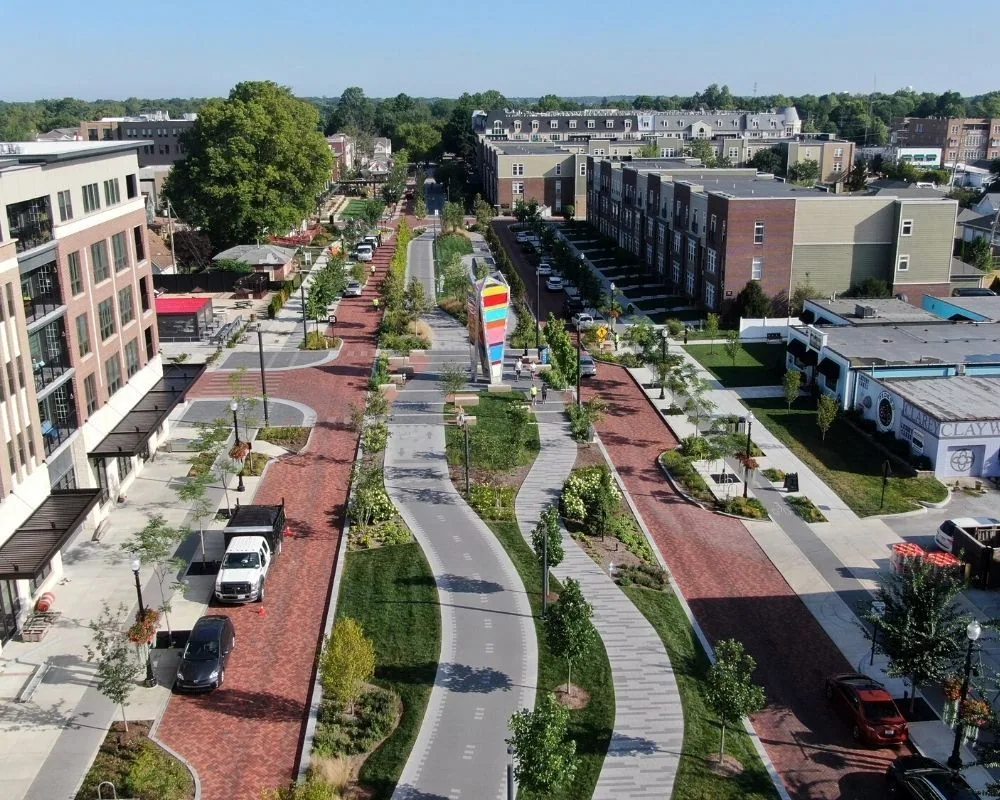
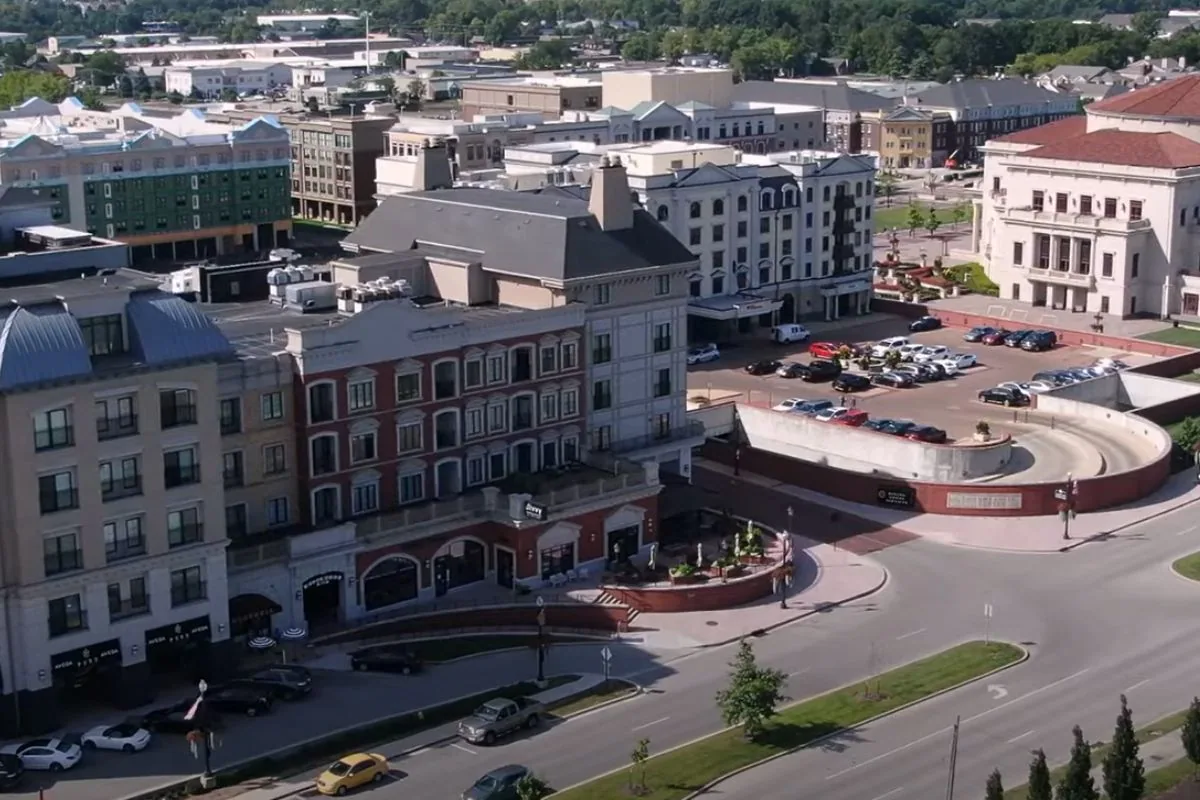
Carmel’s commercial property mix includes employment along U.S. 31 and Meridian, redevelopment areas near Parkwood Crossing, and mixed-use districts such as City Center and Midtown. Those place names help establish where we work, but they do not establish what is on a particular roof. We confirm membrane, attachment, insulation clues, drainage, penetrations, and prior work at the building itself. A commercial roof inspection gives the owner that starting record, whether the immediate question is one leak or a portfolio-wide capital decision.
A useful inspection follows the water, not just the stain. We compare the interior report with drains, low points, seams, curbs, parapets, and roof-to-wall transitions. Water can travel below the membrane before it appears inside, so a ceiling mark does not always show where the roof opened. We photograph the observed detail, label the roof zone, and separate a confirmed condition from a suspected path. If a moisture survey or test cut could change the repair boundary, we identify what it will confirm before the owner approves the next step.
Access limits belong in the report. We note equipment clearances, roof sections that could not be reached, unsafe conditions, and any temporary protection in place. A drone or infrared survey may help document difficult areas or target testing, but neither replaces direct confirmation where the assembly is concealed. That distinction gives the manager a practical record instead of a broad conclusion. When the roof is stable enough for a routine visit, preventive maintenance can keep drains, edges, flashing, and repair history visible between larger projects.
Some failures stay local. A split seam, failed flashing, puncture, loose edge, or damaged drain detail may be repairable when the surrounding membrane and substrate remain sound. We prepare the surface, select compatible materials, complete the detail, and record the boundary. If water has reached insulation or attachment problems extend through several sections, another patch may not solve the assembly issue. Testing can help show whether the condition is isolated or broad enough to compare with restoration or replacement.
Coating, recover, and tear-off are different choices, not a fixed ladder. A coating needs a dry, compatible, well-attached surface and cannot replace wet insulation. Recover depends on the deck, existing layers, added load, and transitions. Replacement may be the clearer option when recurring leaks, broad moisture, or widespread edge and seam failures make continued repair less useful. We estimate access, removal, insulation, deck work, edges, penetrations, staging, disposal, and occupied-space protection as separate cost drivers. The owner can compare repair, restoration, and replacement using the same roof map.
We repair and install low-slope membranes and metal roofing, including TPO, PVC, EPDM, KEE, modified bitumen, built-up, standing seam, and retrofit metal. We also work with spray foam and silicone or acrylic coating systems. The existing roof record and field inspection guide material choice. A white surface does not identify the manufacturer, and a product label alone does not establish that a repair detail will be compatible. We review markings, plans, seam construction, repair history, and system documents before setting a tie-in or replacement scope.
Equipment curbs, skylights, drains, parapets, and perimeter metal deserve their own inspection notes because those details interrupt the field membrane. We check the flashing, fasteners, sealant, and nearby surface for movement or water entry. On an occupied facility, we also plan the work zone and interior protection so roof repairs do not create avoidable disruption below. The occupied-building reroofing plan can phase larger work by roof section; drain and scupper service handles a specific drainage need.
Indianapolis winter snow, recurring freeze-thaw, and summer heat shape safe access and material cure windows. The roof’s actual condition and the workday forecast set the schedule. We check the forecast, surface moisture, wind, temperature, and product cure requirements before confirming a schedule. If weather interrupts removal or repair, the scope should include a dry-in step and a clear plan for reopening the work area.
Building use sets another part of the calendar. A distribution property may require clear truck routes; a medical office may need interior protection; a retail tenant may depend on a specific customer entrance. We coordinate lift placement, staging, deliveries, access approvals, and noisy tasks with the property contact. When water threatens an operating space, crews can respond at night, on weekends, and during holidays. We stabilize the opening, then inspect nearby details and define the permanent repair. A capital planning review can distinguish urgent work from a renewal scope intended for a later budget window.
Closeout should answer what was inspected, what was repaired, what remains untested, and what should happen next. We provide dated photos, roof-zone references, material notes, measured quantities, access limits, and follow-up items. If a core or test cut was completed, the report identifies the location and result. This record helps a new manager compare the same roof area later, tell a new leak from an old one, and keep maintenance connected to the capital plan.
For portfolios, we use consistent fields without combining the condition of different buildings. A roof register can track system, leak history, service dates, open repairs, and budget timing by property. A condition report can support due diligence or renewal planning, while multi-site roof programs coordinate recurring inspections across the portfolio. The record is useful only when it stays tied to the actual building and the person responsible for its next maintenance decision.
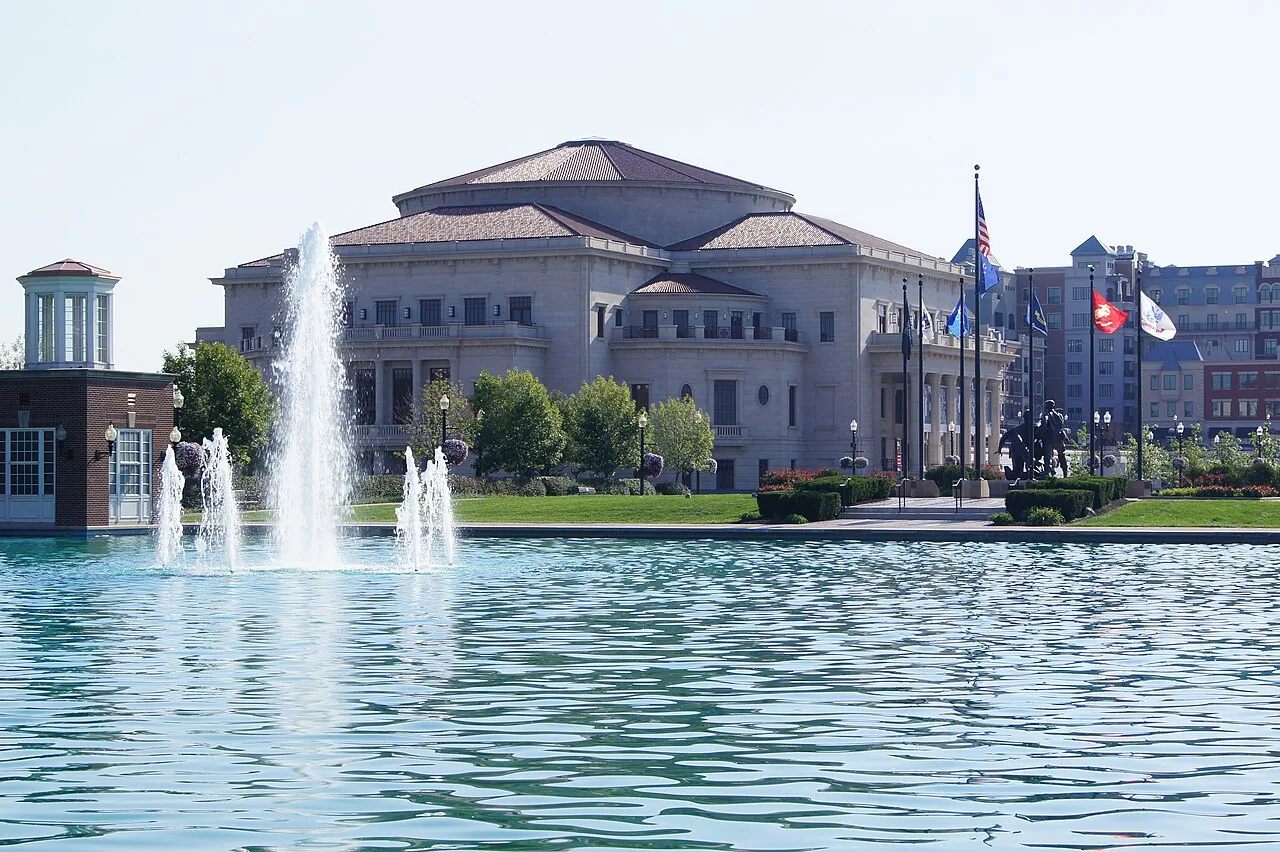
Our service area includes Carmel commercial properties and nearby cities and business districts across central Indiana. We work in Carmel City Center, Fishers, and other nearby municipalities and broad commercial areas in the planned service radius. A location gives context for scheduling and local operations; it is not a substitute for measuring a roof or confirming the condition of a building.
When you are ready to review a roof, send the building list, leak locations, available roof records, and the decision date. We will coordinate a site walk and provide an inspection record that distinguishes immediate work from testing, maintenance, and renewal. The proposal should leave you with quantities and open questions you can use, not a generalized description of a roof we have not inspected.
Commercial roofing service areas around Carmel: