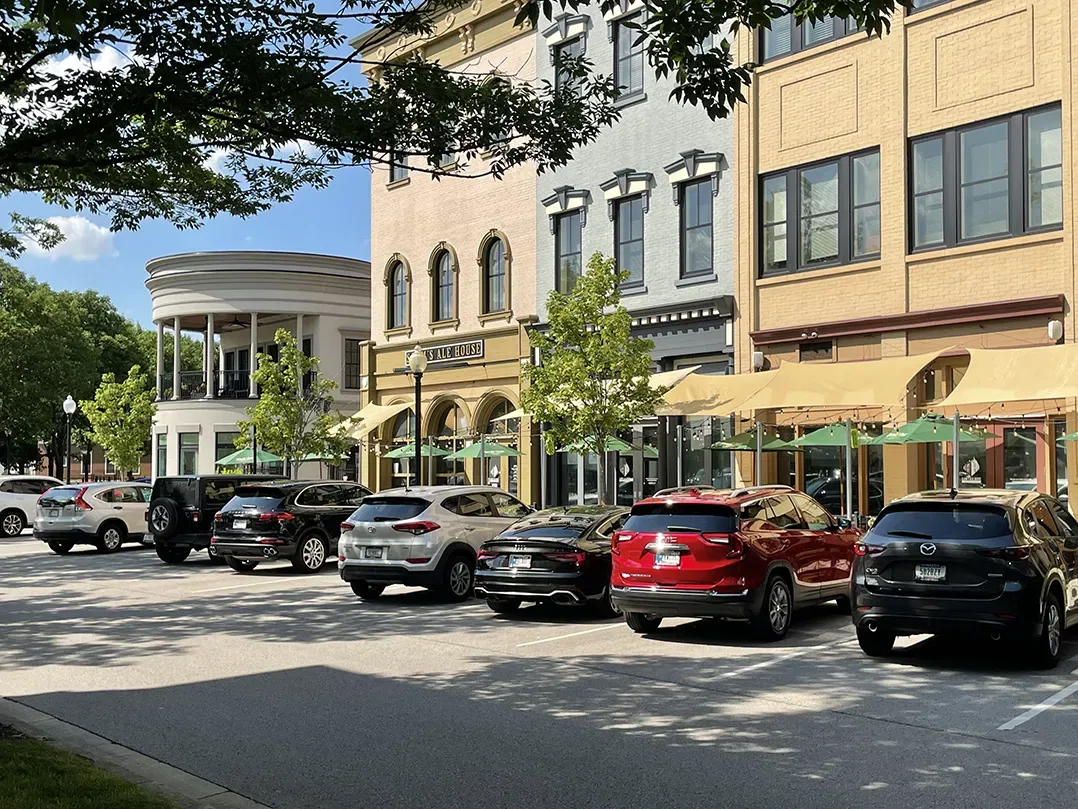
The Village of WestClay is a recognized commercial and residential area on Carmel's west side. Its merchant directory spans dining, retail, healthcare, education, professional services, banking, and recreation, with a library, pharmacy, bank, medical and dental practices, restaurants, and multifamily residences also listed. That mix makes building-specific roof planning important. We confirm the property, inspect the actual assembly, and set a scope around its water path, access, equipment, and operating calendar rather than assume the same details apply across the Village.
A first roof walk records the condition that affects the next decision: active leaks, open seams, flashing, drains, curbs, edges, and prior patches. We identify whether the owner needs immediate protection, a localized repair, testing, or a renewal comparison. The service record remains tied to the individual building and roof section, so a retail or care operation does not inherit another property's history by proximity.
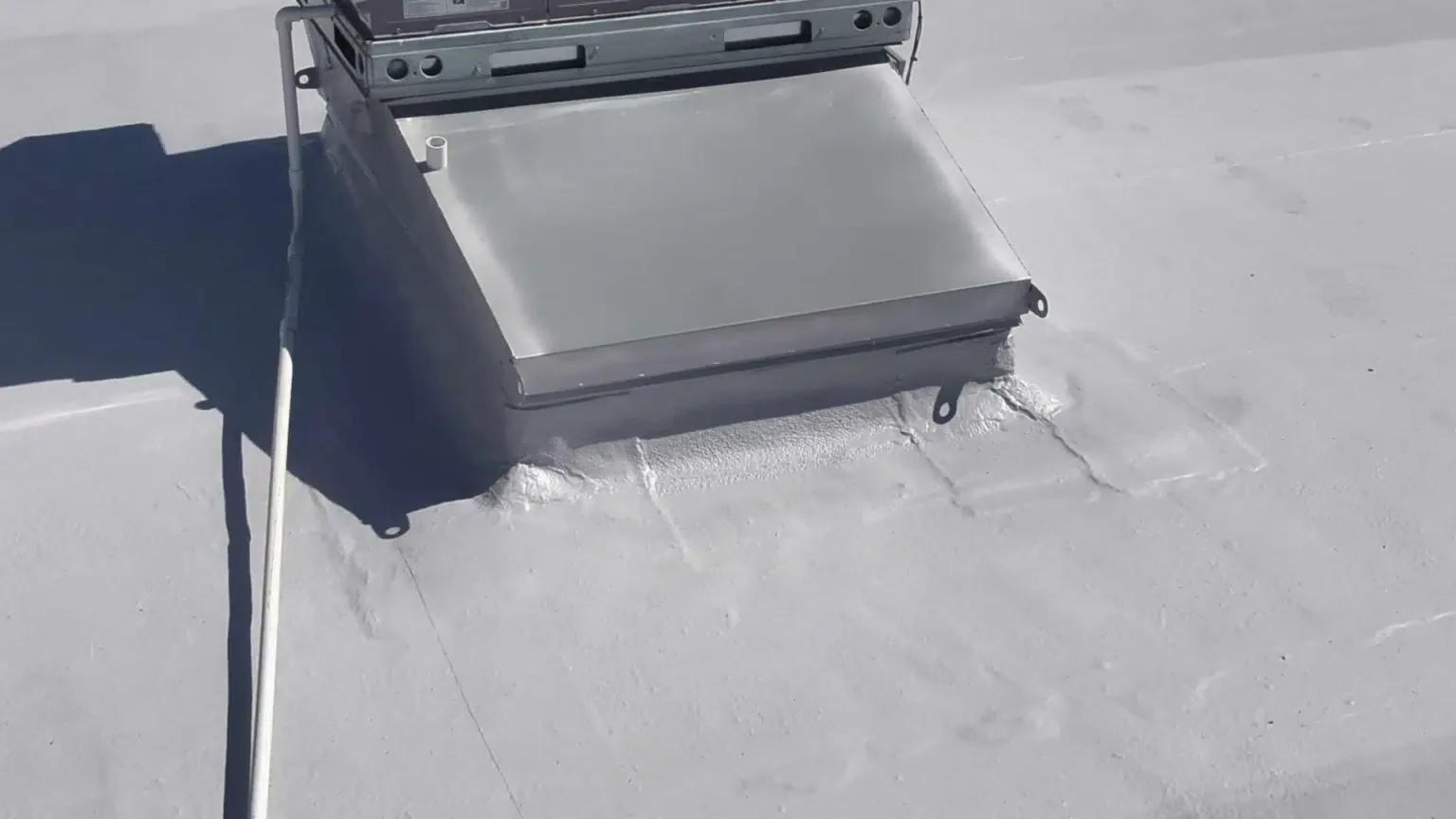
Before access, we confirm who can open the roof, what hours are available, whether equipment service is scheduled, and which interior areas need notice or protection. For a medical or dental practice, pharmacy, library, restaurant, or apartment property, we ask about operating limits without assuming any specific roof layout. If a cooking exhaust, HVAC unit, or rooftop service path is present, we inspect the associated curb and flashing directly.
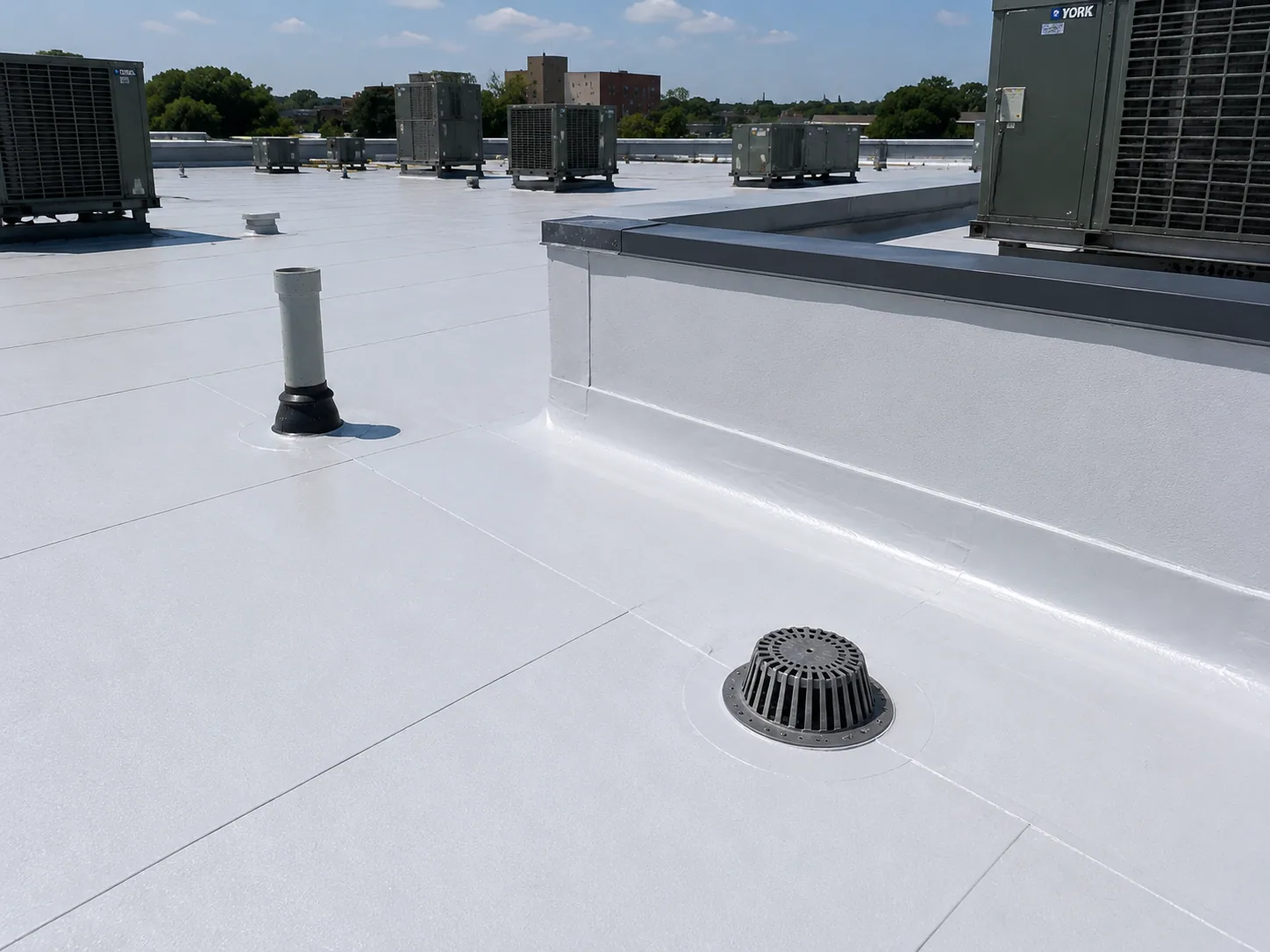
We walk the accessible surface and review the membrane or metal, seams, wall transitions, penetrations, drains, scuppers, and perimeter. We mark where prior repairs stop and whether the surrounding surface appears stable. The commercial roof inspection can identify visible defects and areas that need a test or a second access visit. We do not treat a ceiling stain as the roof opening until the water path is traced.
Photos should answer where a condition sits and what it looks like. A labeled roof section, date, and detail view can help the property manager explain the repair request to ownership. A condition report keeps the image with its finding, any limitation, and the next action, instead of leaving the team to reconstruct the inspection from email later.
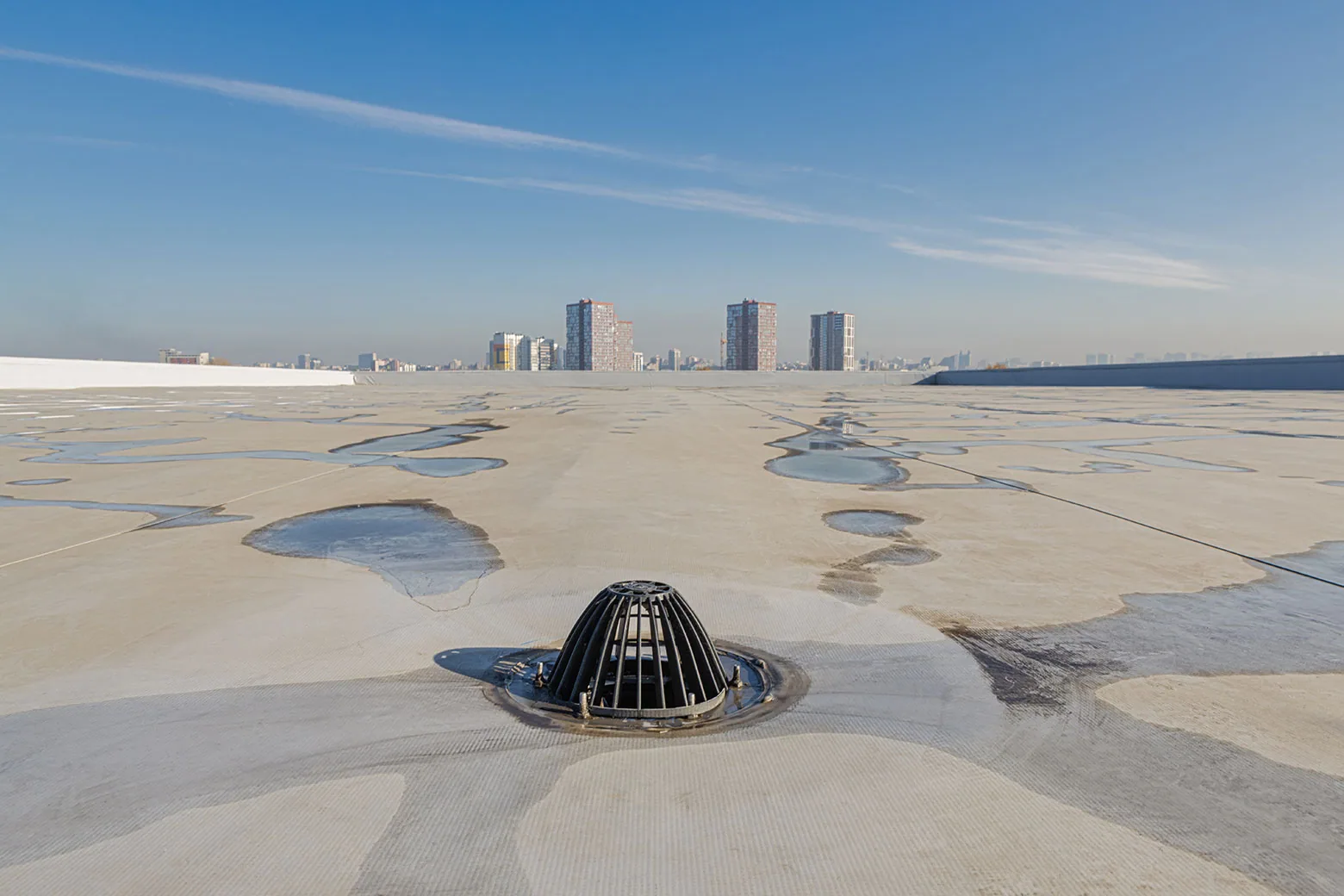
Water needs a continuous path from the roof surface to a drain, scupper, or other outlet. We look for debris, loose strainers, backed-up bowls, overflow obstructions, ponding marks, and damaged flashing around the connection. If one low area is repeatedly wet, we note its size and surrounding details. Cleaning may resolve a blockage; it will not correct an outlet that has separated from the membrane or a damaged drain bowl.
Weather planning for Carmel uses Indianapolis as the nearby long-term reference point. The record shows 25.5 inches of normal annual snowfall; yearly precipitation is 43.63 inches. We inspect the property's own drains, overflow routes, and low areas rather than infer performance from those broad averages. The drain and scupper service can define cleaning, connection repair, or a broader drainage correction as separate work.
Freeze-thaw and snow can narrow the safe access window. We review the roof's condition on the scheduled date, call out any area blocked by ice or unsafe to reach, and return when a clear inspection can be completed. If an owner reports winter damage, a focused review records the actual membrane, edge, and flashing evidence before a repair is proposed.
A useful repair scope names the detail, roof section, preparation, materials, tie-in, and access. If a seam or curb has a discrete failure and the surrounding material remains suitable, we can keep the work local. Repeated leaks or similar failures at several transitions may justify a broader inspection. We describe the evidence that supports each option and identify what could change when the assembly is opened.
For a reported leak, we trace likely entry paths around penetrations, walls, drains, and equipment. The leak repair visit can separate temporary interior protection from permanent roof work. A maintenance team can also schedule a preventive service visit to remove accessible debris and check visible details, while defects requiring dedicated labor or materials receive a separate scope.
When several sections show wear, replacement may be more practical than returning to the same repair area. We inspect insulation, perimeter height, drainage, access, existing layers, and equipment details before comparing repair with renewal. The replacement estimate should describe measured quantities and work sequence, while any hidden condition stays identified as unconfirmed until testing or removal makes it visible.
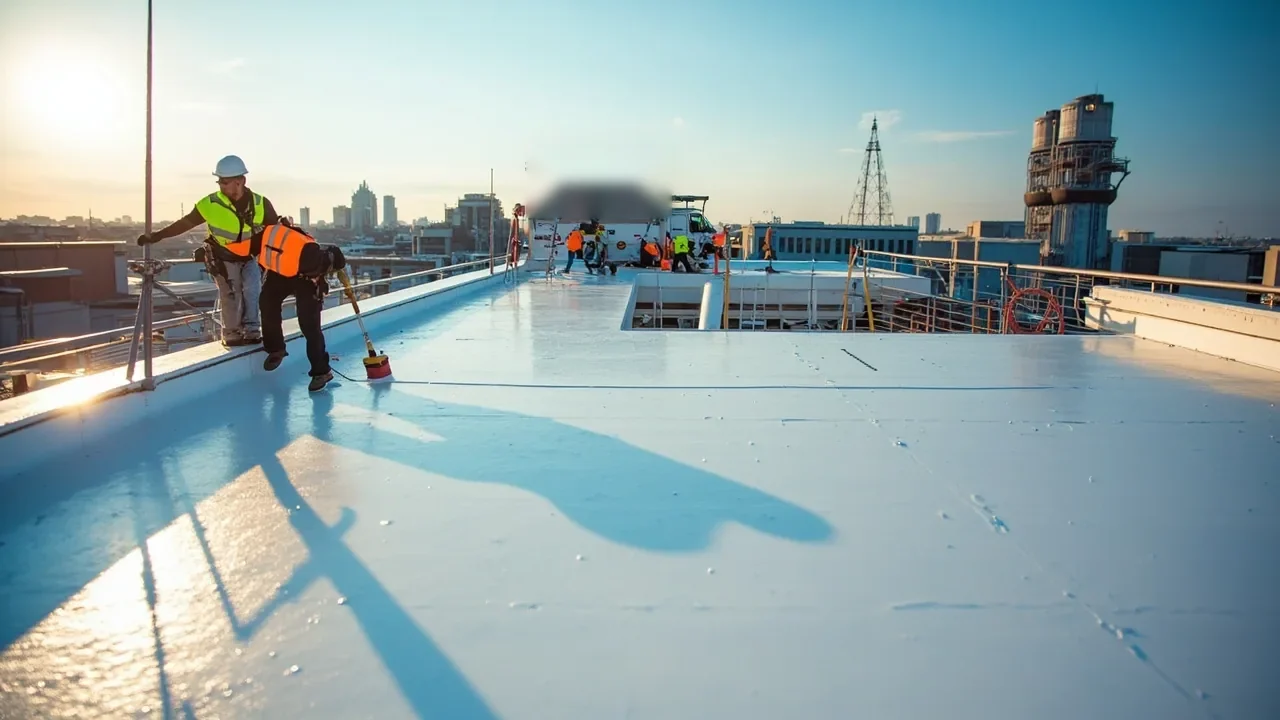
A roof repair at an active business or multifamily property affects more than the roof surface. We plan material delivery, staging, ladder or hatch access, pedestrian routes, parking, and the daily close-in point. The property contact can tell us when a quiet period, resident notice, or loading window matters. We use those constraints to sequence the work, while the roof details determine which repairs can be done safely within that window.
Carmel's Building Safety Office handles permits and inspections under adopted Indiana codes. If a roof replacement or structural change requires city review, the current requirements should be confirmed for the proposed scope before the schedule is final. We identify that step early and keep it separate from routine maintenance that may not involve the same permit process.
If the project needs phases, we define the boundary between active and completed areas and protect each temporary tie-in. The roof contact receives the staging plan, affected entrances, and the person who can approve a change if concealed conditions appear. This keeps site operations coordinated without blending access notes into the roof-condition record.
Closeout records should identify the building, roof section, materials used, photographs, completed quantities, and remaining questions. If snow, equipment, or access restrictions prevented a complete walk, we state which area was not reviewed and how to return to it. A later manager can then tell whether a recurring leak is new or connected to an earlier repair.
For an owner with properties in more than one Carmel area, a Home Place service record should remain separate from the Village's maintenance history. The same is true for a Carmel Midtown property: shared ownership does not make the roofs or their operating rules identical. A roof asset file can keep those records organized by building while preserving the evidence for each one.
When the budget review arrives, we can carry confirmed findings into a repair or renewal comparison. The owner gets the measured work, schedule dependencies, and open tests in one summary. That gives the next approval a clear basis without overstating what the inspection could see or deciding a concealed condition in advance.
The local merchant directory lists dining, retail, health, education, professional services, banking, and recreation, along with a library, pharmacy, care practices, restaurants, and multifamily residences. We inspect the specific commercial property and adapt access and scope to its actual roof.
No. The area directory does not establish the assembly on any property. We identify the membrane or metal system from records and field details before selecting compatible repair materials.
We coordinate staging, access, notices, and daily protection with the property contact. Whether a specific operation can remain open depends on the work area, noise, material handling, and the safety plan for that building.
We note the affected room and timing, protect the interior as needed, and trace likely water paths on the roof. If the opening is not visible, we identify the next test rather than assume the ceiling mark locates the defect.
Carmel's regional weather reference is Indianapolis: the normal snowfall there is 25.5 inches, and annual precipitation reaches 43.63 inches. We use those as background while checking this property's outlets, low points, and current condition.