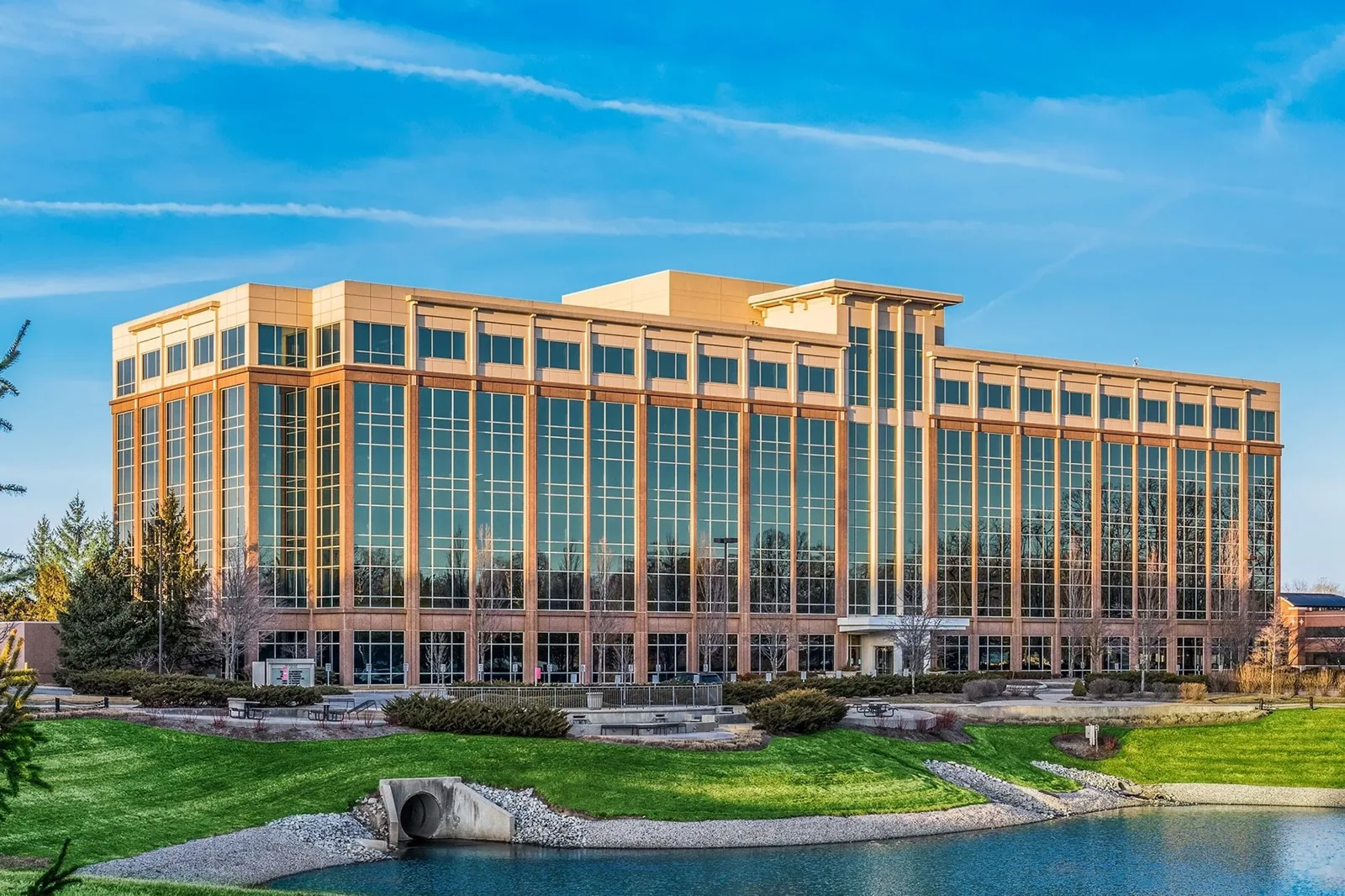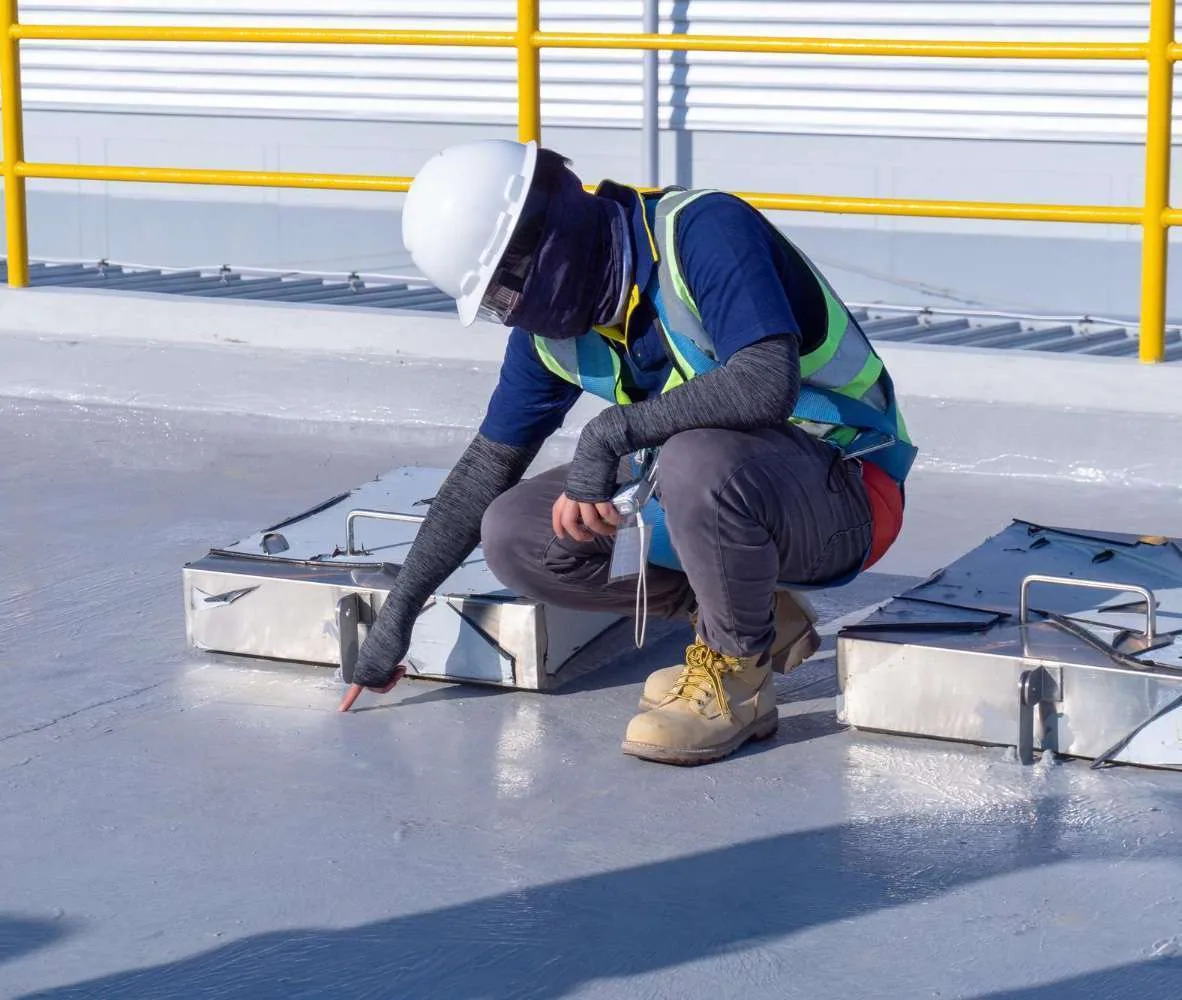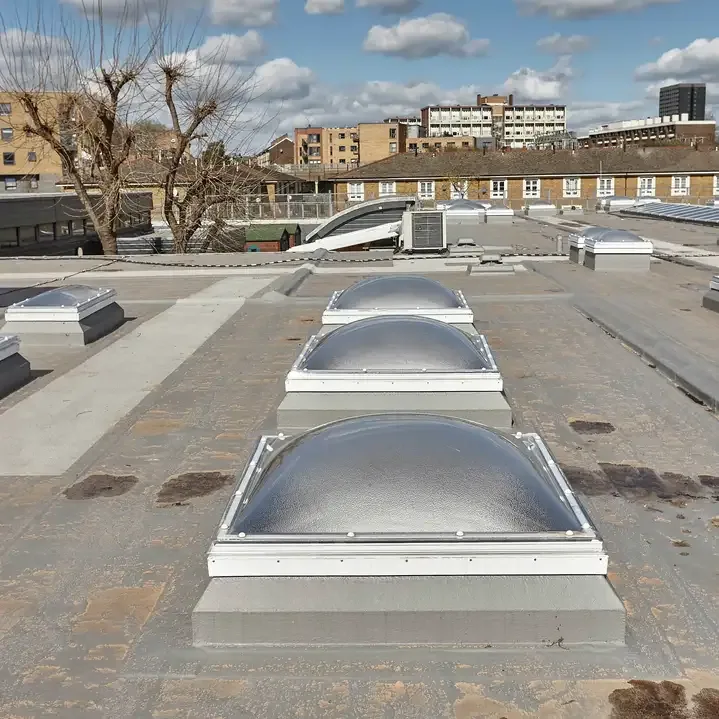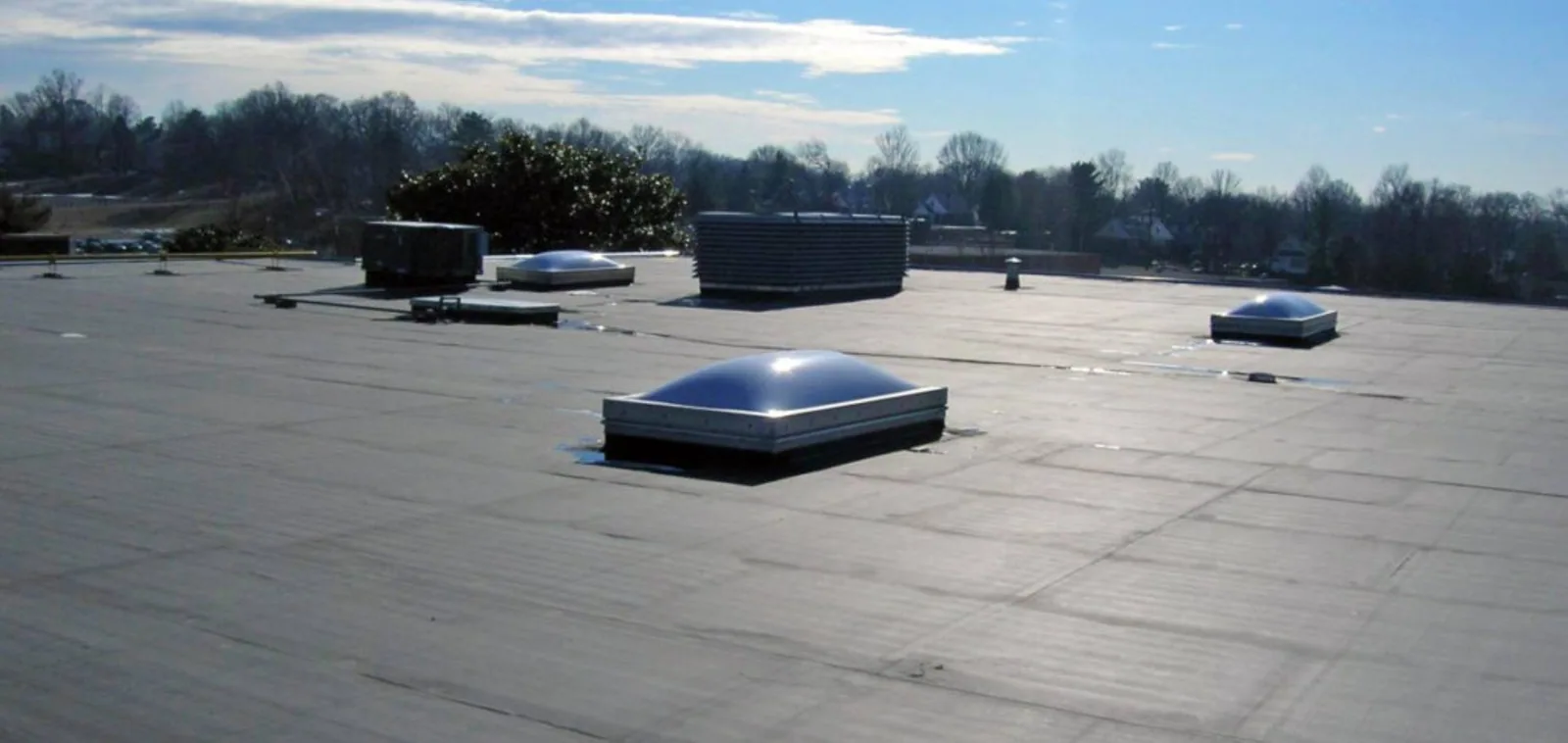
A built-up roof can hold a long repair history beneath its surface. Its layers of reinforcing felt and bitumen need to be understood before adding a patch or new surfacing. We inspect the field, gravel or coating, flashing, drains, and transitions, then determine whether the concern is isolated or repeated across the roof. That matters for mixed-use properties around Carmel City Center as well as multi-building sites at Parkwood Crossing. A roof inspection makes the existing assembly and its limits visible before a capital decision is made.
Built-up roofing, often called BUR, combines multiple plies of reinforcing material with bitumen. A surfacing layer may use aggregate, coating, or another product to protect the membrane. We look for exposed asphalt, displaced aggregate, blisters, splits, ridges, and areas that have been patched more than once. The visible top does not reveal the full condition, so a suspect area may need a core or other verification before the scope includes deeper removal.
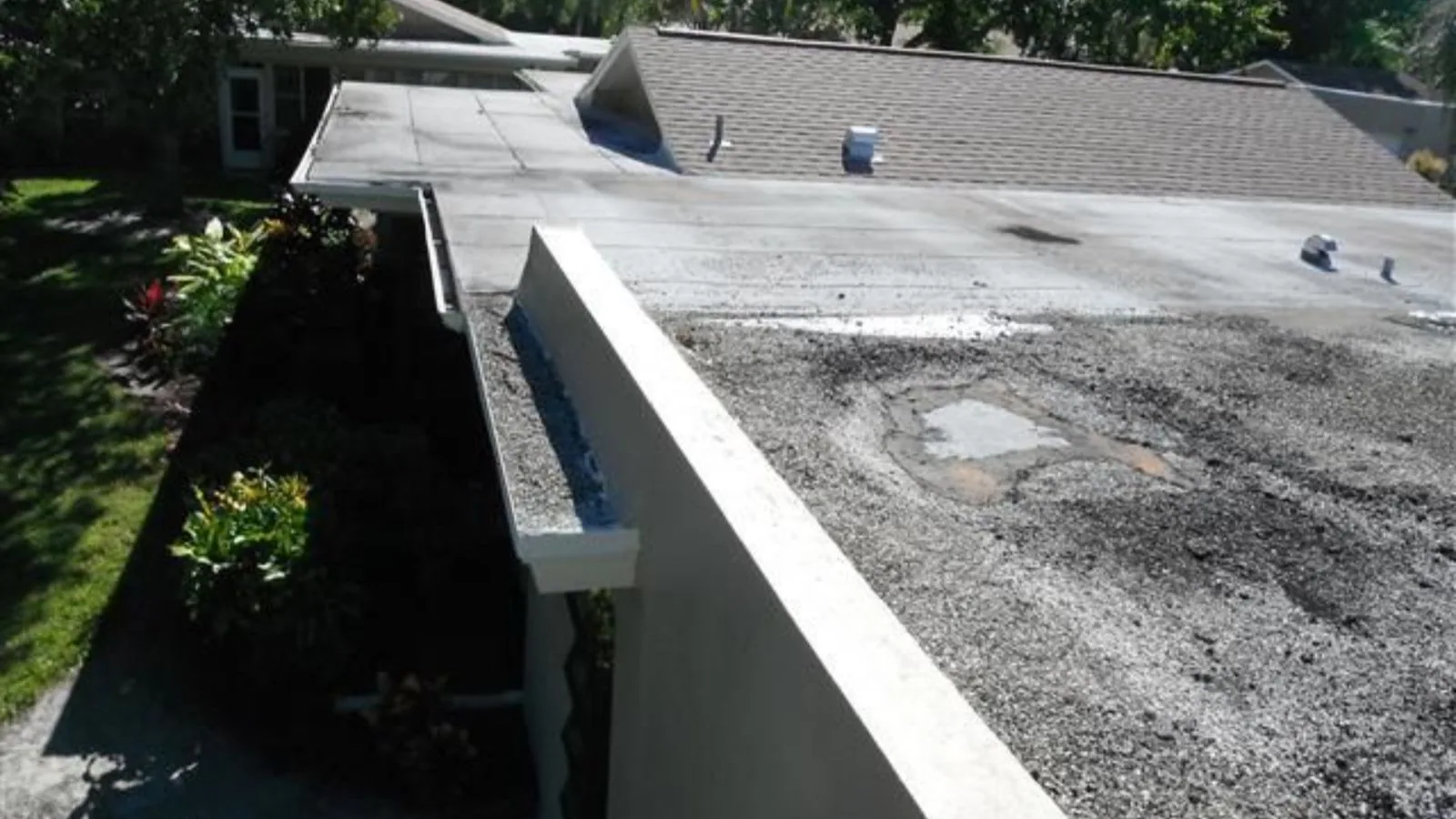
At roof edges and penetrations, the plies turn up into flashing or meet metal details. We check corners, terminations, curbs, pipes, skylights, and equipment supports for cracks, open laps, loose metal, or water paths behind the transition. A leak near a wall may involve the flashing rather than the field. Our penetration and flashing work defines that boundary and the material tie-in.
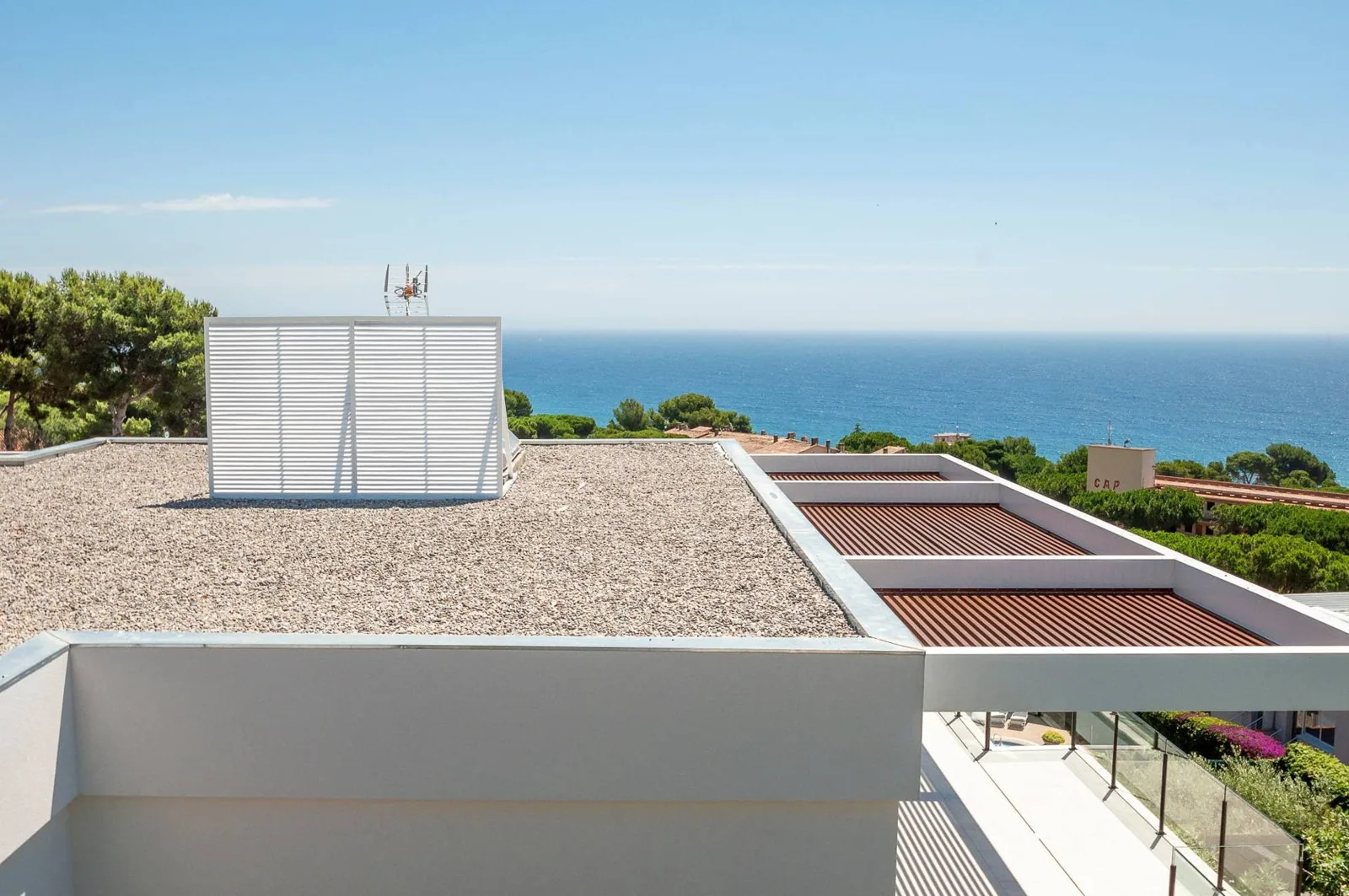
Gravel can hide damage and complicate repairs. We note whether aggregate has moved, whether the surface is exposed, and how much preparation a patch will require. If the roof has multiple generations of work, we document what can be identified and what remains unknown. Where wet insulation is suspected, targeted testing or an infrared moisture survey can guide selective confirmation rather than assuming the whole assembly is saturated.
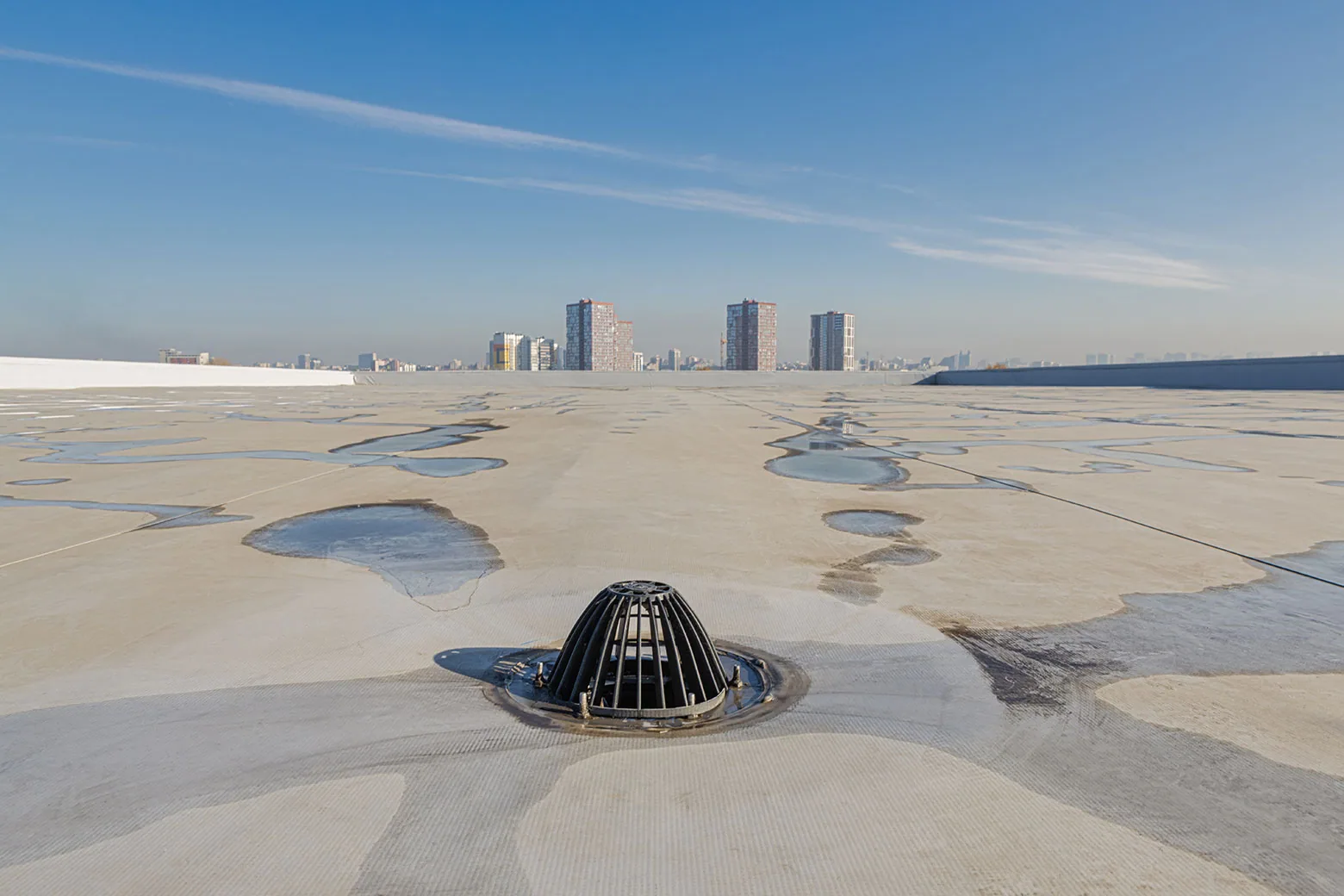
Aggregate does not solve standing water. We inspect drains, strainers, overflow outlets, scuppers, and low spots, then follow the route water should take. A clogged drain may need clearing. Repeated ponding can point to slope, deck movement, insulation changes, or outlet placement. Those findings need separate descriptions because a new membrane layer will not correct every drainage defect.
In the Indianapolis station record, annual precipitation reaches 43.63 inches and snowfall averages 25.5 inches. A January normal low of 20.9 degrees can affect roof access, while actual wet areas and ice must be checked at the building. These averages are not evidence of snow loading or ponding at one property. We inspect actual drains and roof geometry, then document any condition that limits testing or safe access.
When an outlet is damaged or undersized for its role, the drain and scupper scope may need to coordinate with the plies and flashing. Persistent low areas can require a broader ponding-water review. We record whether the roof can be maintained as installed or whether water management should be addressed during renewal.
A local BUR repair names the affected ply, preparation, bitumen or compatible patch, surfacing, and flashing detail. The crew may need to remove aggregate around the repair and restore protection after the tie-in. We inspect adjacent seams and blisters so the repair does not stop at the first visible mark. If defects recur across several sections, we show the pattern and compare a broader replacement rather than repeating small patches without a condition plan.
Recovering over BUR adds weight and may hide existing moisture. We review deck capacity, wet insulation, number of existing layers, attachment, available edge height, and code. If testing is needed, its area and purpose should be stated before work begins. Carmel Building Safety handles permit review and inspections for construction. We verify the requirements applying to the particular BUR replacement before specifying the assembly. The recover assessment can compare an overlay with removal.
For tear-off and replacement, we measure plies, insulation, cover board, flashing, edge metal, drains, and disposal conditions. Carmel routes permit review and inspection through its Building Safety Office. We confirm current project requirements with the city and disclose assembly assumptions and roof sections so alternatives remain comparable.
BUR work involves materials that need deliberate staging. Aggregate removal, asphalt application, lifts, and tear-off affect roof access and can create noise or odor. We coordinate with the property contact on material routes, equipment shutdowns, occupied entrances, and daily cleanup. At an office property around U.S. 31, staging may have to preserve parking and tenant circulation while keeping the roof work zone controlled.
Weather changes the installation window. A wet or frozen substrate can delay adhesion and safe movement. We identify how the roof will be protected if a section is opened but cannot be closed permanently that shift. If a leak needs immediate attention, temporary dry-in can be separated from the permanent repair and scheduled when the system can be prepared correctly.
For a multi-building property, we phase the work by roof section and access route. Parkwood Crossing includes several office buildings and other commercial uses, but each roof requires its own sequence and staging review. The schedule lists dependencies such as testing, material selection, permit confirmation, and weather-sensitive work instead of relying on one finish date.
Closeout should state how many layers were observed or installed, which sections were repaired, the surfacing restored, and any limitations. Photos and a roof map help a future inspector distinguish a new split from an old patch. A roof condition report can preserve those details across a portfolio.
We record drainage, penetrations, access conditions, and any area that could not be tested. The maintenance log can then track recurring work by section and help the owner decide whether another patch still fits the plan. Carmel's commercial areas include City Center and the Arts & Design District, with different building uses and access patterns. The roof record should describe the property directly rather than assume a standard assembly from its location. We can compare BUR renewal with a TPO assembly or modified bitumen using consistent insulation assumptions.
Share any roof plans, repair records, known leaks, and capital timing before the site walk. We can identify the visible plies, inspect critical details, and prepare a repair or renewal scope that states what remains uncertain.
Edges and penetrations may show some layers, but they do not always reveal the entire assembly. We note what is visible and recommend a core or other test when layer count or moisture affects the scope.
The surfacing protects the membrane but cannot seal an open lap, failed flashing, or damaged drain. We inspect underneath suspect areas and check how water leaves the roof.
A restoration is viable only when the existing surface, moisture condition, adhesion, and details support the product. We inspect and test the roof before comparing coating with recover or tear-off.
The existing layers, deck design, and proposed assembly need review before adding weight. We identify the known construction and recommend structural confirmation where the available records do not answer the question.
Look for the section, repair boundary, preparation, new materials, surfacing restoration, drainage or flashing work, and any testing excluded. We describe each item so the owner can compare scope rather than a lump sum.