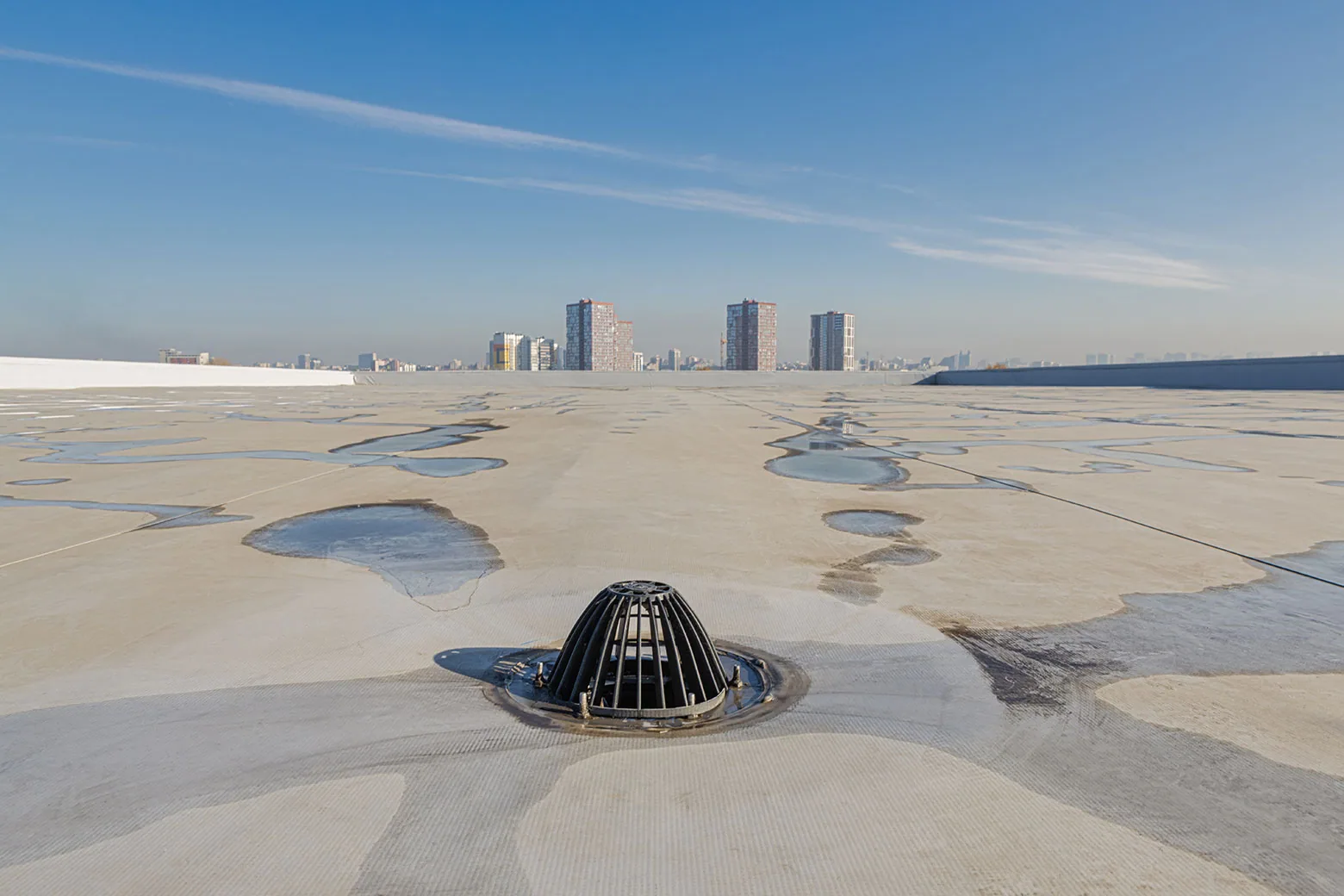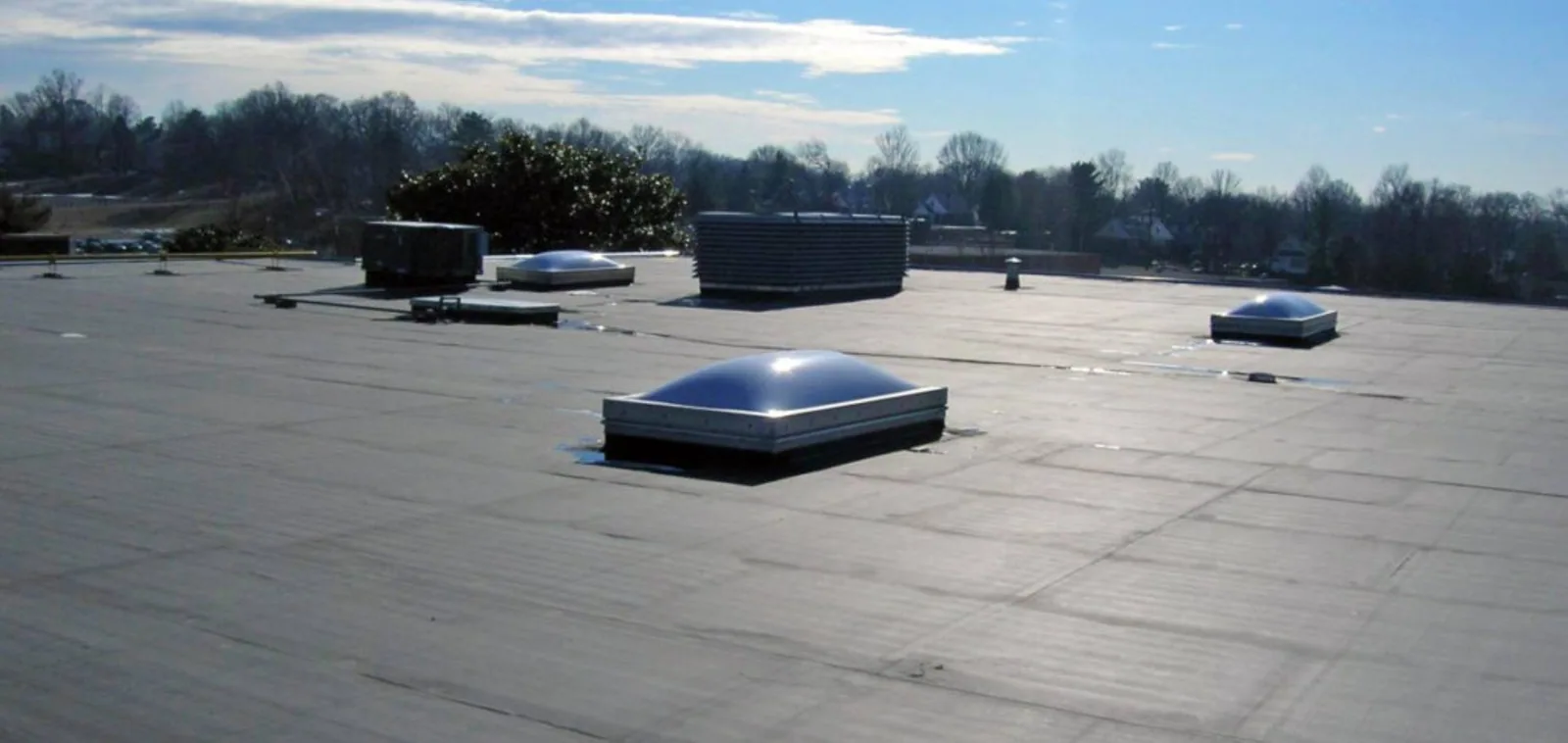
Standing water is a symptom to measure, not a repair method. We map the low area, check nearby drains and overflows, then inspect the membrane, insulation transitions, and roof plan to find why water remains. For Carmel, the nearest long-term weather basis puts average snowfall at 25.5 inches a year. Annual precipitation totals 43.63 inches. Those regional figures frame seasonal exposure, but the roof's slope, outlets, and condition decide how water moves across a specific building. At Parkwood Crossing, several office and commercial buildings share a larger campus setting; each roof section still needs its own drainage map and repair boundary.
Some ponding follows a blocked strainer or a damaged drain connection. Water that returns after cleaning can point to a low spot, insulation movement, or a larger assembly problem. We document depth and location, note the time after rainfall when the observation was made, and compare it with the outlet path before proposing a correction. That keeps a simple maintenance task separate from construction that changes the roof assembly.
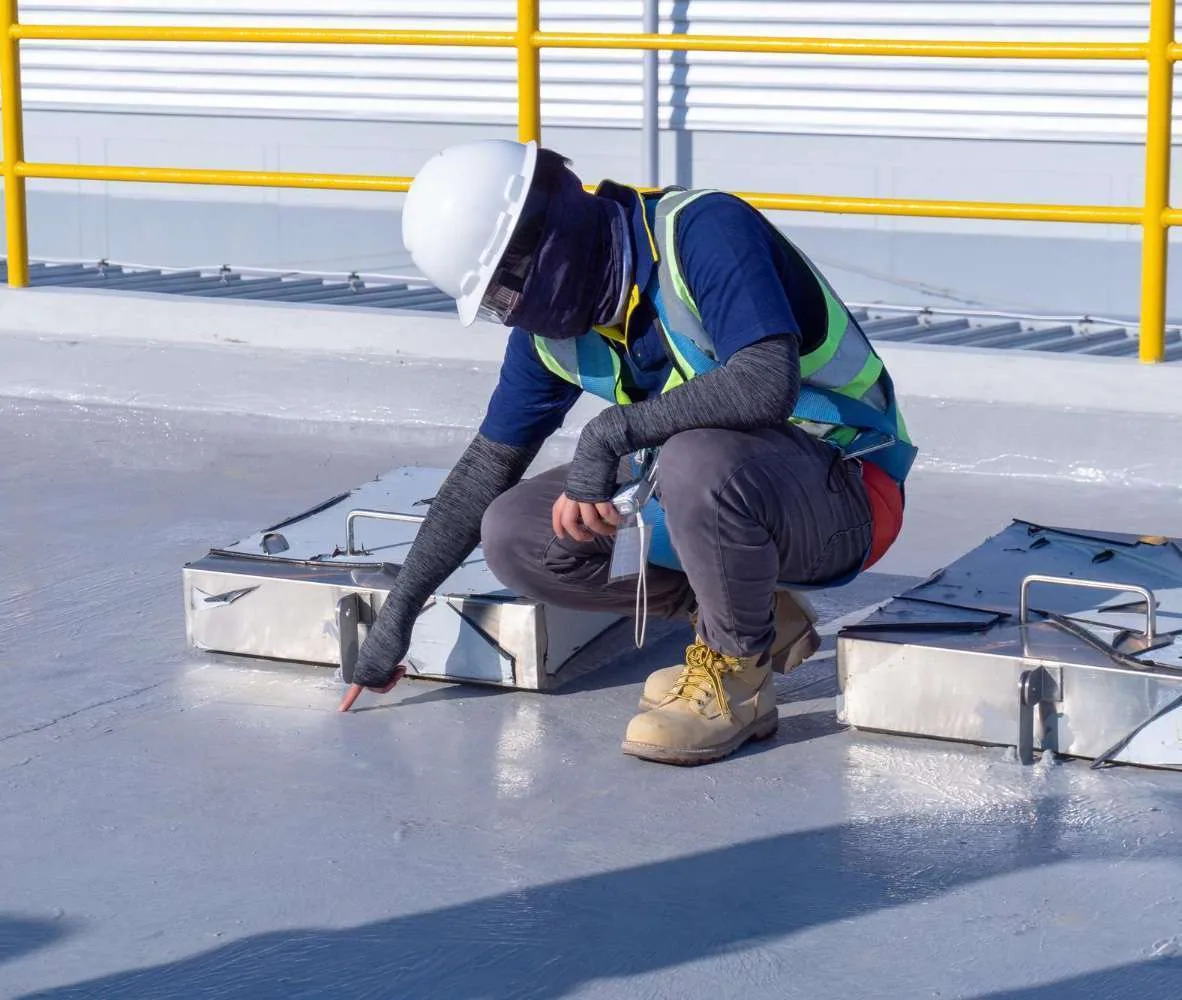
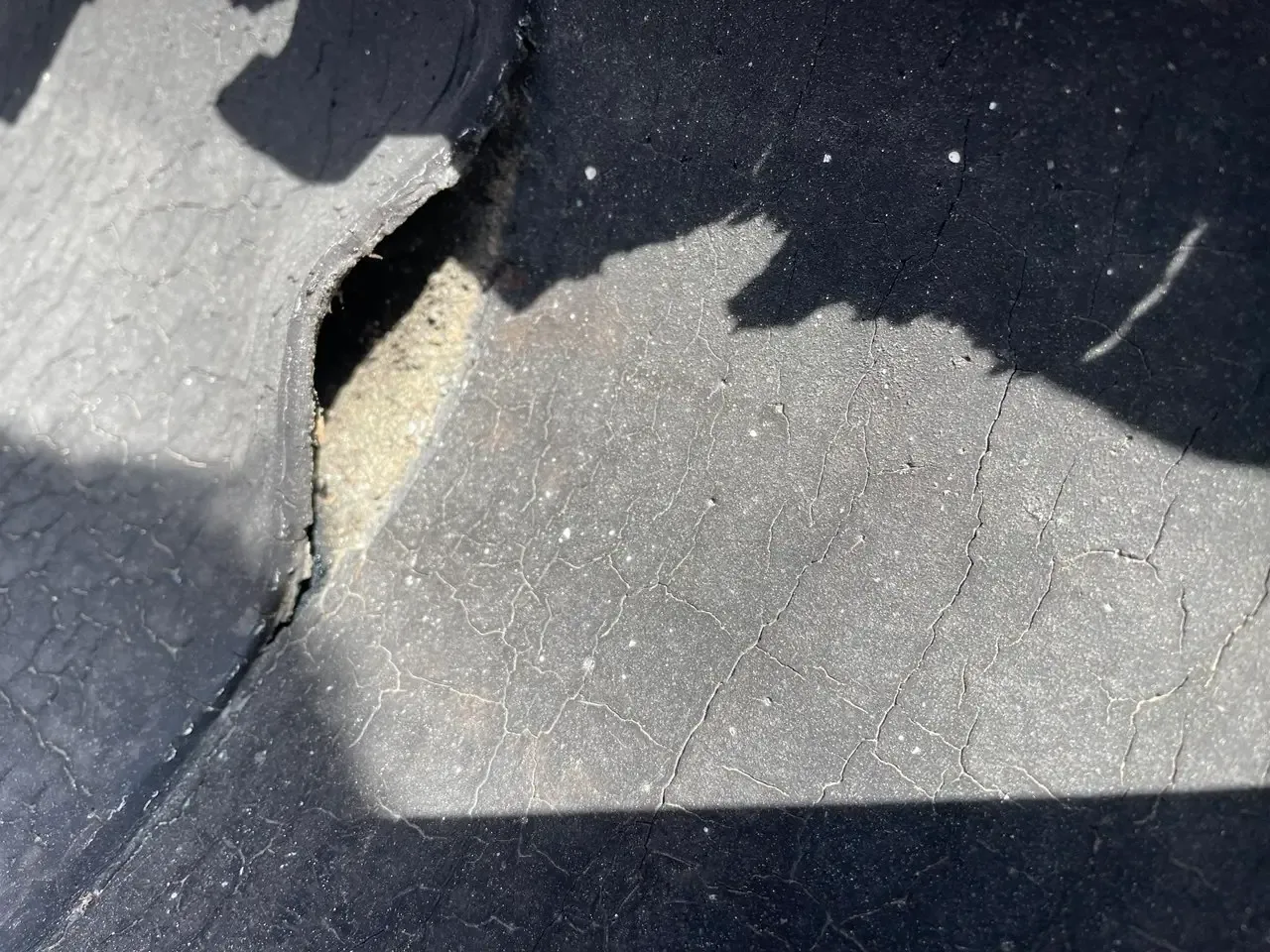
We inspect the water mark, surrounding membrane, nearby seams, and drain elevation. A shallow depression may collect water because debris holds it at an outlet; a broader area can reflect slope or substrate changes. We check whether the low point is near a penetration, a prior patch, or a transition between roof sections. Photos, a marked plan, and the inspection conditions help compare what was seen with later visits.
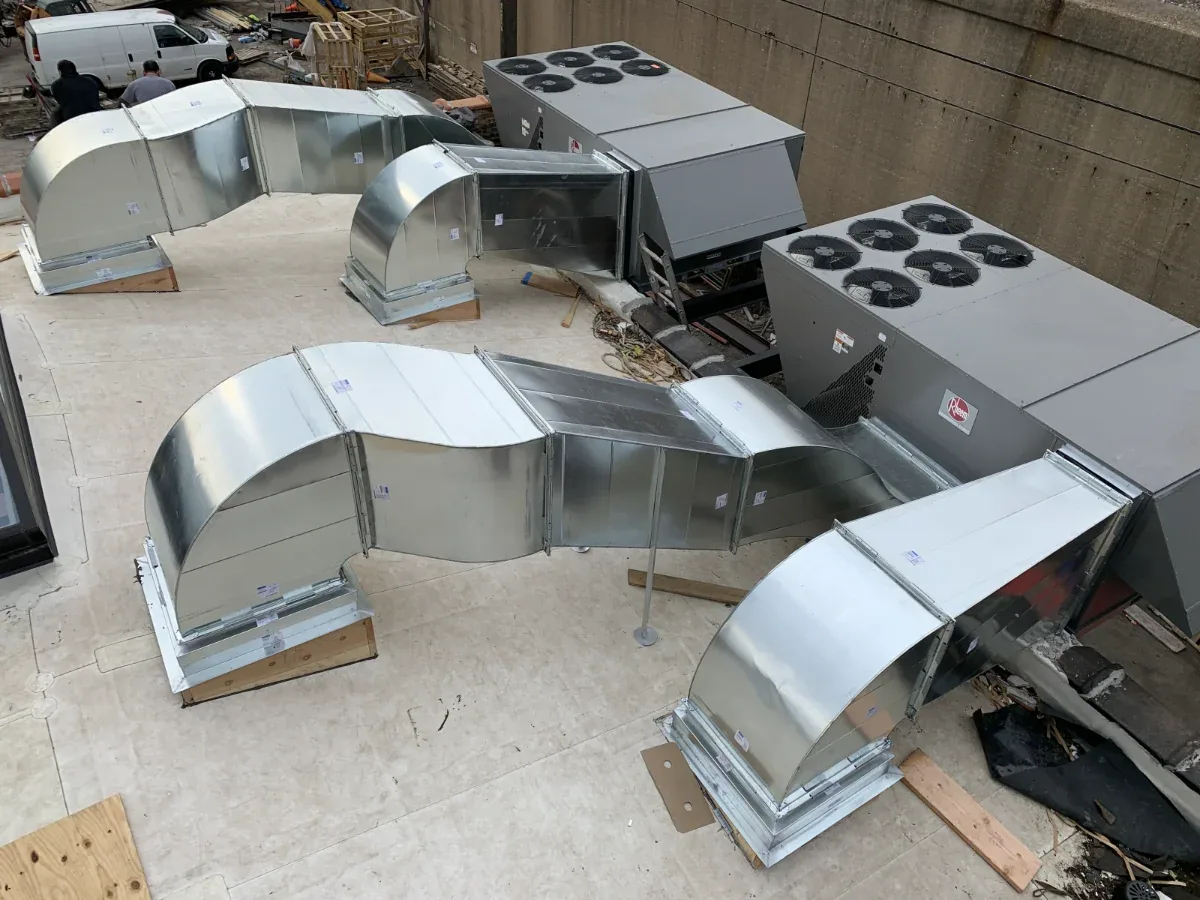
Water near equipment deserves a separate look. Condensate lines, service pathways, curb corners, and supports can interrupt drainage or add repeated foot traffic. We trace those details without assuming that the equipment caused the ponding. The curb and support inspection can identify flashing and service-access conditions around the unit while the drainage review follows the low area toward its outlet.
Inside, we record any ceiling marks, odor, wet insulation indicators, or affected contents. The entry point may sit uphill or across the deck from the visible stain. A commercial roof inspection can connect the interior report to the roof section, while selective testing can help when concealed moisture would change the repair quantity. We state what the test can resolve before opening the assembly.
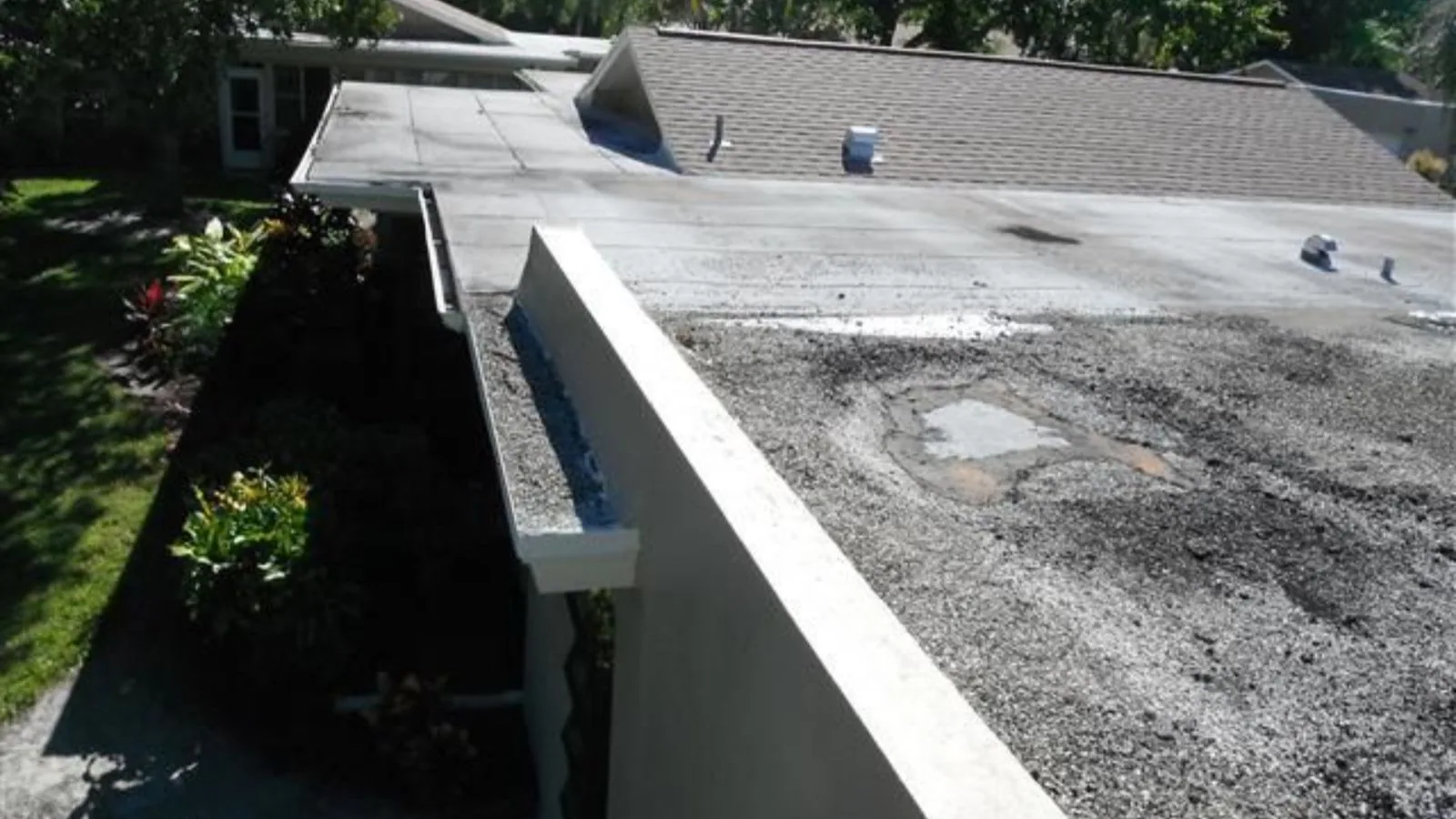
Drain bowls, strainers, scuppers, overflows, gutters, and downspouts each have a job in the water path. We check whether the primary outlet is clear, whether the overflow sits above it as intended, and whether discharge can reach an entrance or mechanical area. A blocked strainer may need cleaning; a loose bowl or failed membrane connection calls for repair. A drain and scupper correction can define the outlet work separately from slope or membrane changes.
We also look for debris lines, silt, algae, open seams, and deterioration at the edge of the pond. These signs can show repeated wetting, but they do not prove that the entire roof is failing. The owner should know whether the current condition is limited to one drain, a low bay, or several connected sections. If several outlets share a blocked path, the drainage plan must address the route after the water leaves the roof as well.
Carmel City Center combines office, retail, residential, and public parking uses. At a mixed-use property, we confirm the actual downspout route and pedestrian access before scheduling cleaning or repairs.
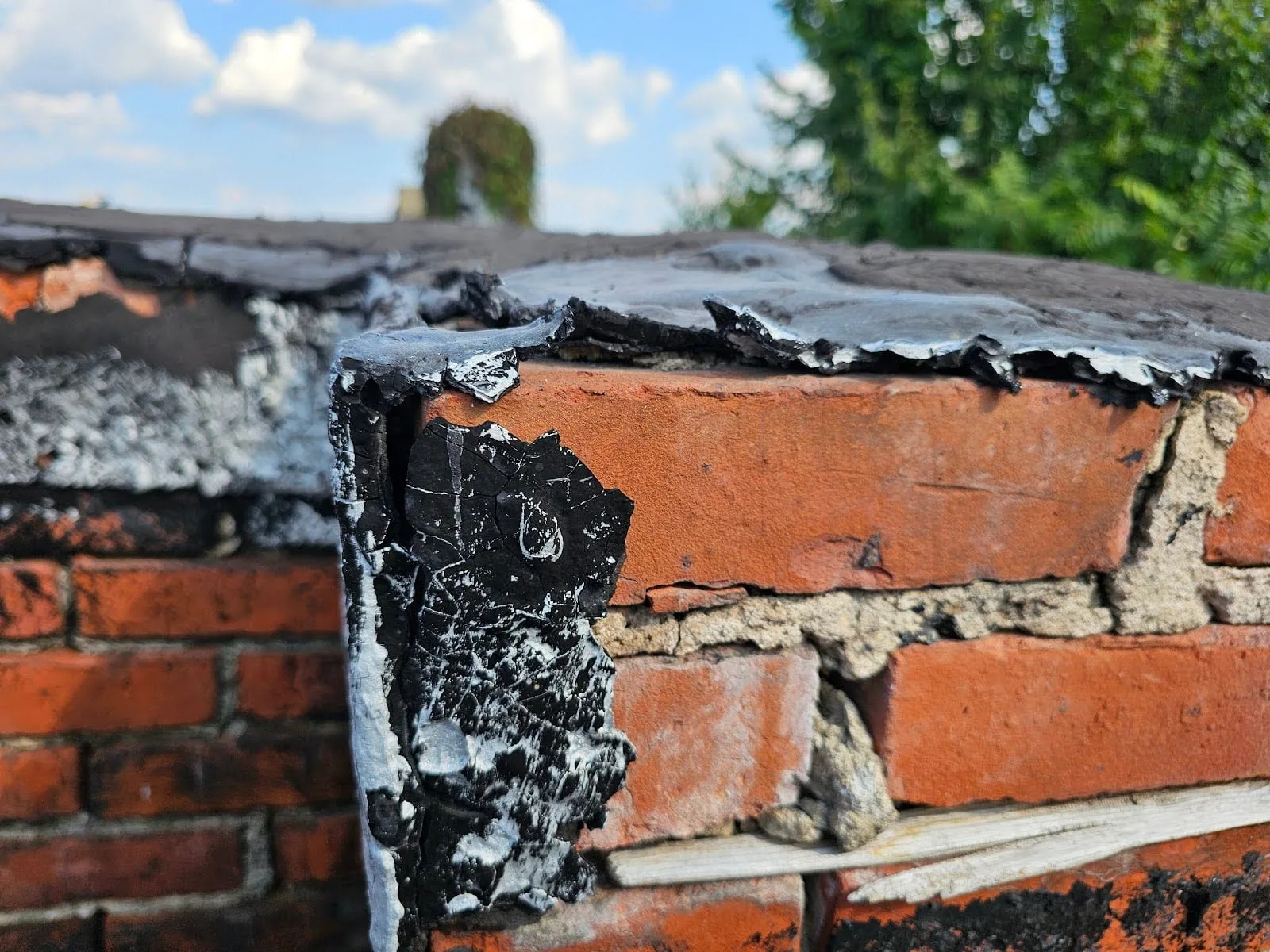
If debris is the only obstruction, cleaning and a follow-up check may be enough. A damaged drain flange, open seam, or failed curb flashing needs compatible repair at that detail. If water remains because the insulation or deck has shifted, adding sealant around the visible edge will not restore the intended slope. We identify the affected layers and measure the area so the owner can compare a localized repair with a broader correction.
Drainage changes can involve tapered insulation, crickets, drain relocation, or adjustment to an existing outlet, depending on the roof design. We check transitions, edge height, attachment, and penetrations before pricing that work. A flashing repair may be part of the solution where water reaches a wall or curb; a seam correction addresses a separate membrane opening. The scope should state which task moves water and which one restores the waterproof layer.
Where moisture is suspected below the surface, we distinguish confirmed wet material from areas that need testing. An infrared moisture survey may help choose a selective opening when conditions support the method. Readings do not set removal quantities by themselves. We confirm the assembly and then describe what changes in the repair boundary or schedule.
Drainage work is easier to verify when the roof is safe to enter and the water path can be observed. We check current conditions, access, and forecast before choosing a work window. Snow, freeze-thaw, or wet surfaces can hide defects and make roof access unsafe. Carmel's climate data puts winter precipitation in the work calendar, but daily site conditions determine whether cleaning, testing, or a permanent correction can proceed.
Before opening a section, we set a dry-in point and protect the building below. A drain repair may be brief, while slope correction or insulation replacement can require staged removal and tie-ins. On occupied buildings, we coordinate noise, lift placement, loading access, and any discharge path that crosses a walkway. A phased occupied-roof plan can limit how much of the building is under construction at once.
After the repair, we inspect the outlet and tie-in, then document the result and any condition that remains. If the repair depends on a drain-clearing interval or seasonal check, we identify that task in the maintenance record. The maintenance program can schedule outlet and low-area checks before winter and after heavy rain, based on the property's own roof layout.
Closeout should show the low area, outlet, repair method, materials, and any testing performed. We note whether water movement was checked and whether the work changed roof elevations or discharge. If a section could not be observed after completion, the report says so. That gives the next facilities lead a useful comparison point instead of a generic entry that drainage work was done.
For an office or mixed-use asset near Carmel's Meridian and U.S. 31 commercial corridor, roof access may involve tenants, parking, and service traffic. A Meridian and U.S. 31 area map offers broader local context for multi-building planning; the property record should carry exact outlet locations and follow-up needs. We keep each observed condition tied to the building and roof section in the report.
Share roof plans, known ponding locations, drain records, leak reports, and access limits. We can inspect the low areas, trace the water path, and prepare a measured correction. If a test or larger renewal is needed, the proposal will separate that work from routine outlet maintenance.
A visit should document the depth, area, weather, and time since rainfall rather than apply a universal cutoff. We compare the observation with drain function, membrane condition, and any interior evidence.
Only when obstruction is the cause. If water returns with a clear outlet, we inspect slope, insulation movement, drain connections, and nearby seams before recommending a repair.
Yes. Water can stress a weak seam, penetration, or drain detail and may enter through an opening away from the low point. We trace the route and check the interior report against roof conditions.
Not automatically. We measure the affected section and check the assembly; a localized drain or slope correction may be possible when adjoining materials remain serviceable.
The record should identify the outlet, low area, repair performed, and any check still due. We include photos and note whether the water path was verified after work.