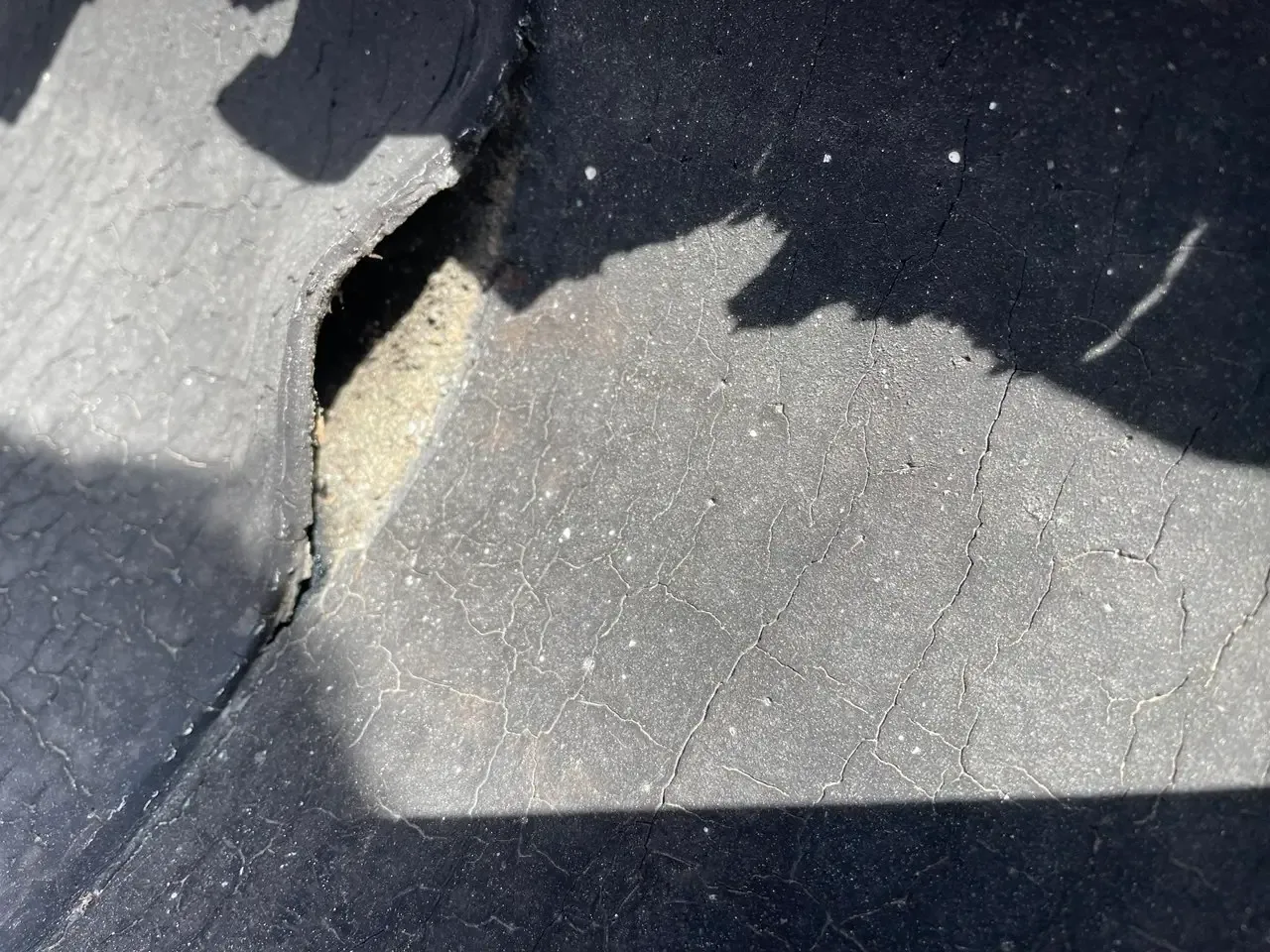
An open seam can turn a small defect into a long water path. We locate the separation, check the material on both sides, and determine whether the failure ends at one joint or continues into adjacent laps. Clay Terrace's pedestrian-oriented retail streets and more than 70 storefront businesses create a local example of buildings where public access and roof work may need careful timing. That district fact does not identify any particular roof system; the building's membrane, repair history, and field condition guide the scope.
We document whether the seam is lifted, split, contaminated, brittle, or poorly attached, then inspect the substrate and nearby details. A repair should restore a continuous connection with material compatible with the existing roof. If moisture or weak attachment extends beyond the visible separation, the boundary may need testing before it can be priced accurately.
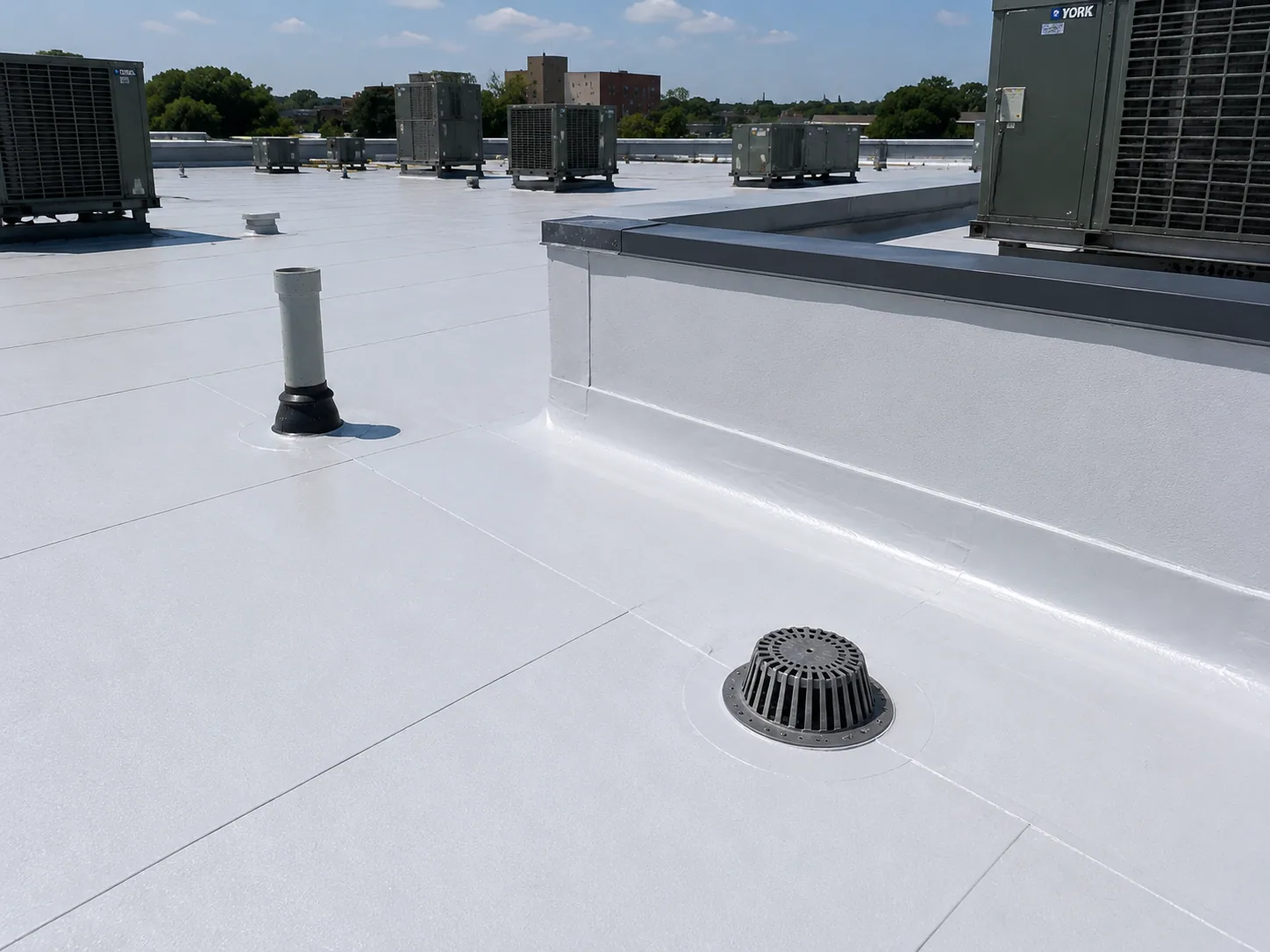
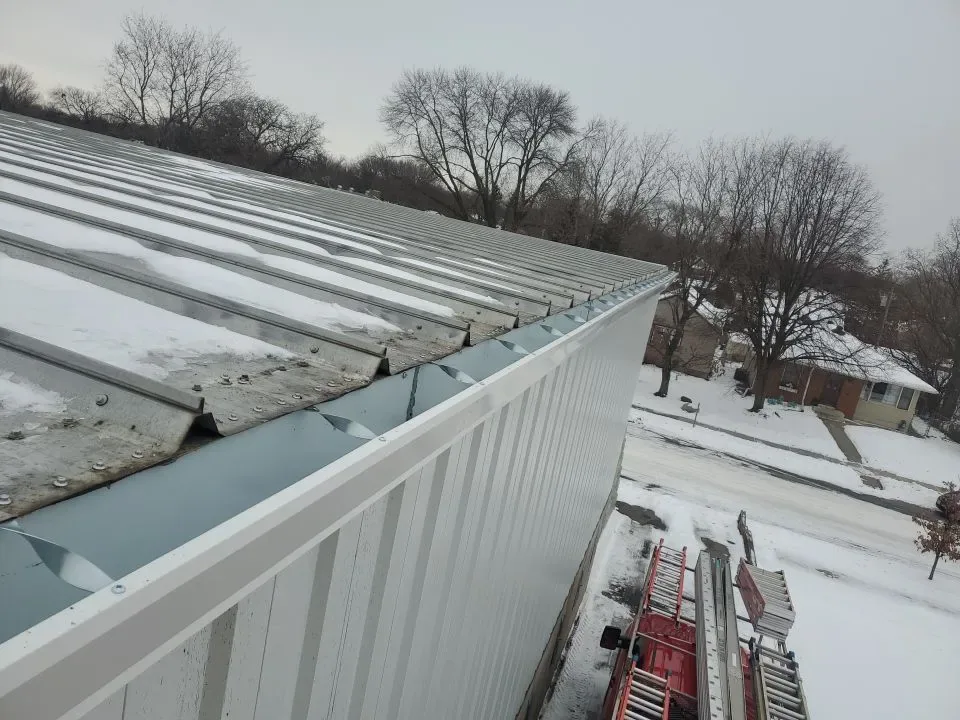
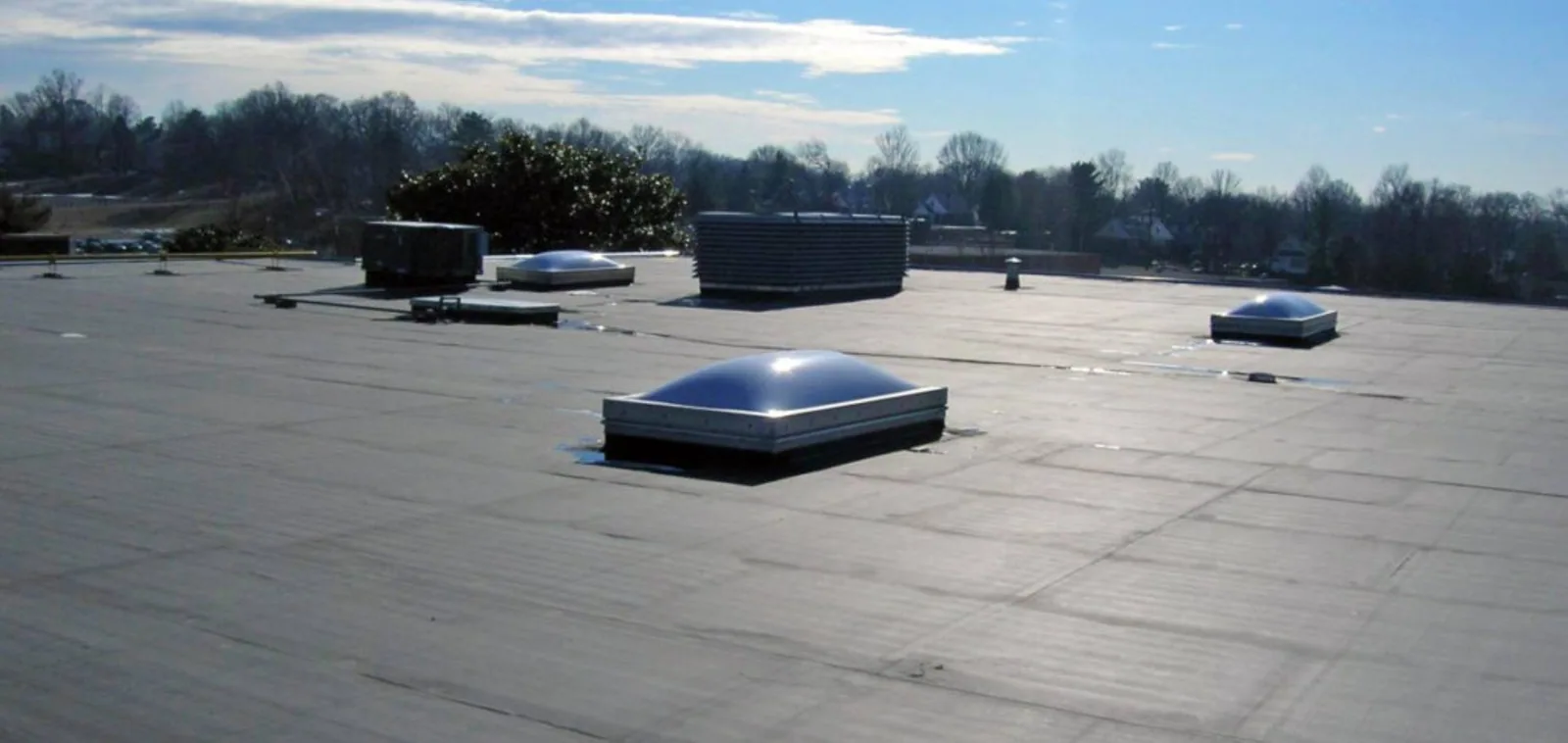
We examine the full length of the opening, adjoining laps, patches, fastener lines, and transitions at curbs or walls. On a heat-welded membrane, we check whether the weld is continuous and whether the sheet surface will accept a new weld. On an adhesive or mechanically attached assembly, we look for movement, contamination, and loss of bond. Metal panel joints require a different inspection of fasteners, seams, clips, and sealant at penetrations.
Interior reports help prioritize the walk. We record where water appeared, when it was noticed, and what lies above the affected room. The seam may be uphill or offset from the ceiling mark, especially where water can move between layers. A leak investigation can connect the report with the roof detail and show whether an interior protection measure is needed while repairs are planned.
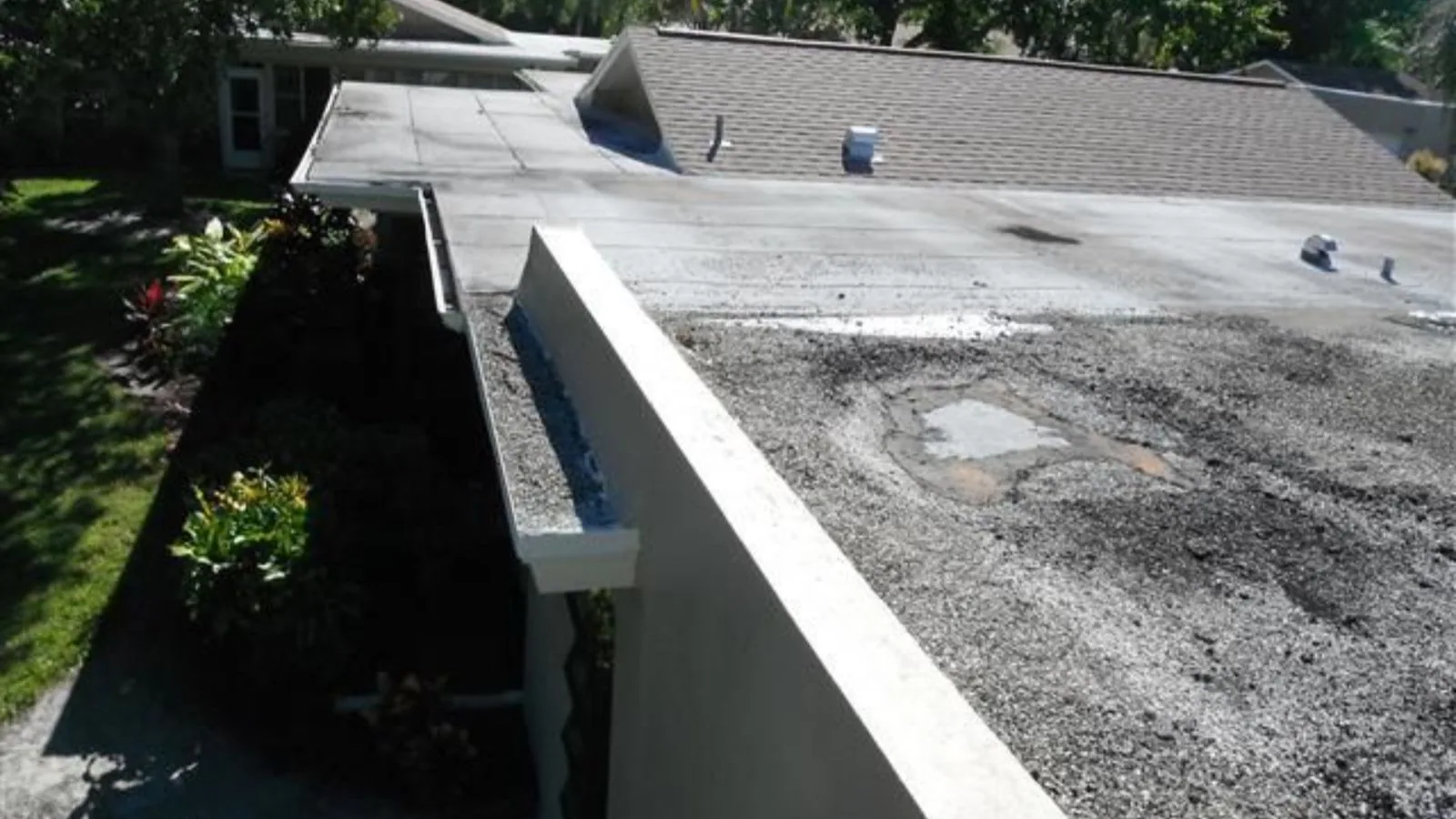
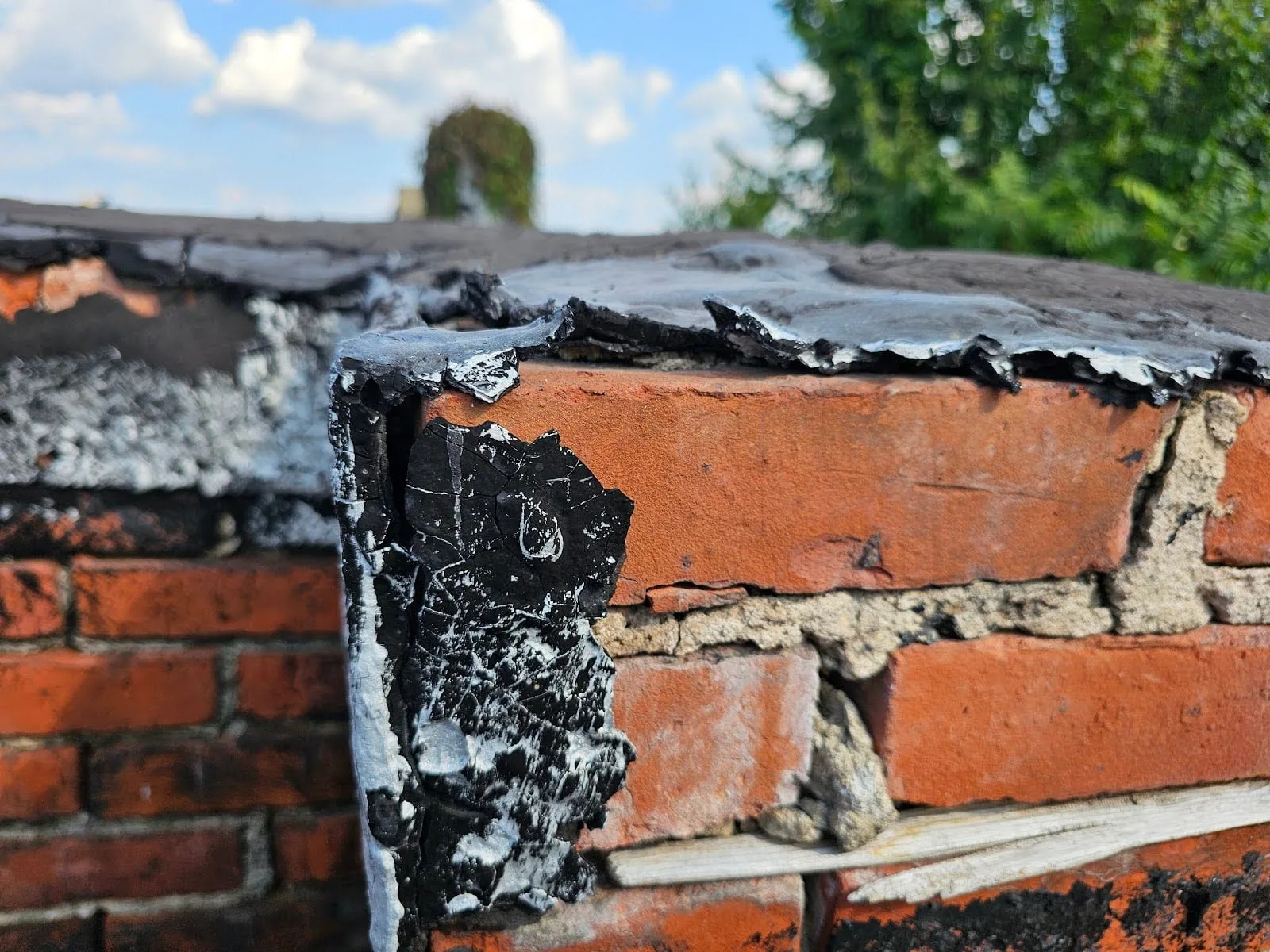
Previous patches deserve a close look. A patch can hide the original split, cover a wet substrate, or create a hard edge that collects debris. We identify the old work and determine whether the new repair can tie into it or needs to remove it first. For a broad survey, drone imaging can help map roof geometry and seam routes, while hands-on checks remain necessary to test adhesion and weld quality.
Seams can fail from poor adhesion or welds, repeated movement, sharp turns at details, foot traffic, edge pull, or deterioration in adjacent material. We check drainage and roof slope because water held near a joint can keep the area wet and make a small separation harder to assess. If water remains after the outlet is clear, a ponding-water review can trace the low area separately. A recurring split at the same detail may point to a movement or attachment issue, not a need for more surface sealant.
At corners, curb edges, and wall transitions, we look for a short or stressed tie-in. A flashing repair may be needed where the seam meets a vertical surface. If an edge component has shifted, edge metal work can secure the perimeter before the membrane repair is completed. We separate each detail so the owner knows which part controls the leak.
A Carmel seam repair needs a safe, dry work window. We check frost, surface moisture, wind, and the system's temperature limits before opening material, then set a watertight stopping point in case conditions change. The inspection follows the split to sound membrane and checks nearby laps for movement or contamination.
The repair method follows the roof system. We remove loose or contaminated material, prepare the surface, and extend the repair to a stable boundary. A heat-welded membrane may need a compatible patch welded beyond the split; an adhered sheet may require a prepared bond area and secure tie-in. Metal seams may call for fastener replacement, panel adjustment, or a compatible seal at a joint. We do not assume one product or method fits every assembly.
Where repeated seam problems span a roof section, testing can help determine whether wet insulation or attachment failure continues beneath the surface. An infrared moisture survey may identify candidate areas when conditions support it, then selective confirmation sets any removal quantity. If the current layers are no longer suitable for repair, an replacement evaluation can compare a broader renewal with continued spot work.
Repair quantities depend on seam length, number of transitions, surface preparation, access, and any insulation or deck work. We identify the temporary protection, permanent materials, and follow-up test separately. That lets a facilities lead review the work boundary and decide whether nearby seams should be inspected during the same mobilization.
Surface condition controls whether a seam repair can proceed. Moisture, frost, dust, and temperature can affect cleaning, welding, adhesion, and cure. We confirm the assembly requirements and daily forecast, then set how much material can be opened while maintaining a watertight stopping point. If weather interrupts the work, temporary cover protects the seam until the permanent tie-in can resume.
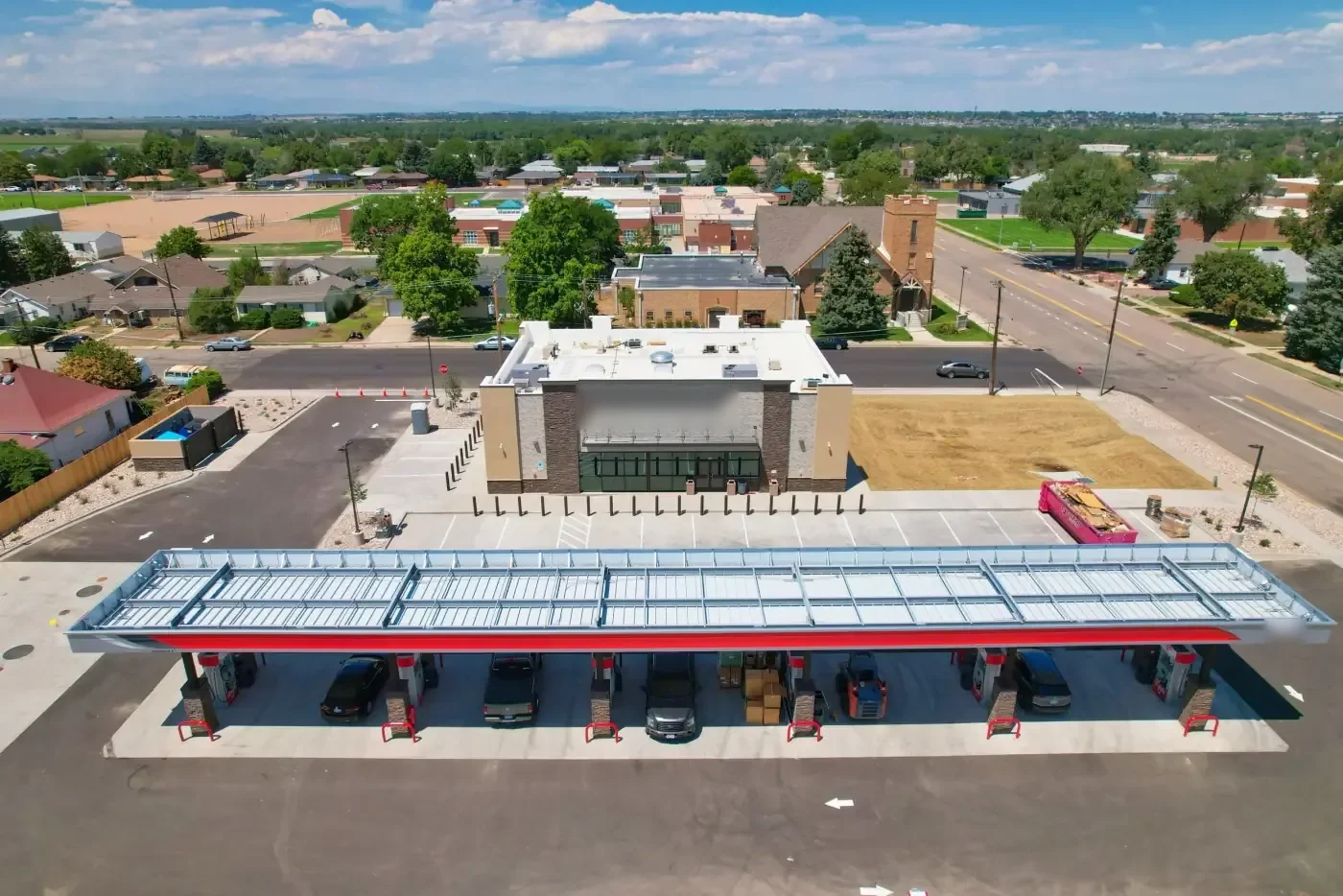
On a mixed-use property, the access route may cross active storefronts, offices, housing, or parking. Carmel City Center combines those uses in the central district. We confirm the actual building's hours, lift location, debris route, and interior protection plan with its contact instead of treating district conditions as a property-specific schedule.
After work, we inspect the new joint and adjacent transition. For roofs with multiple repeat seams, scheduled roof maintenance can include periodic checks at prior repairs and equipment routes. The inspection log should show which seams were tested, which were not accessible, and whether any follow-up is still due.
Closeout includes a marked seam location, photographs before and after, repair material, tie-in length, and notes about the adjacent assembly. If the scope excluded nearby seams, we identify them so a future inspector does not read the repair as a full-roof renewal. We also note whether moisture testing or an interior check remains open.
The Meridian and U.S. 31 commercial corridor includes corporate offices, while Carmel Science and Technology Park is associated with employment and research uses. These places reflect different local building activity, not roof conditions at a specific asset. A Clay Terrace area record can support a district-level access plan; the roof map should carry the seam measurement and repair evidence for each property.
Send a roof plan, leak locations, system details, prior patches, and access requirements. We can inspect the seam, explain what caused the repair boundary, and prepare a measured scope. If a larger assembly issue appears, we will show what testing is needed before expanding the work.
No. The patch has to bond or weld to sound, compatible material. We check the adjacent sheet, moisture, attachment, and transition before deciding how far the repair should extend.
Movement, poor preparation, wet material, weak attachment, or a stressed detail can undermine a patch. We inspect the surrounding assembly and correct the cause when it is visible.
It can help screen for moisture patterns when conditions support the method, but it does not replace a close seam inspection. We confirm suspect areas before assigning removal quantities.
The scope depends on separation length, preparation, material compatibility, transitions, access, and any wet insulation or deck work. We separate confirmed quantities from conditions that need testing.
We inspect the completed tie-in, adjoining material, and nearby drainage. The closeout record identifies the repaired section and any seams that were not included or could not be reached.