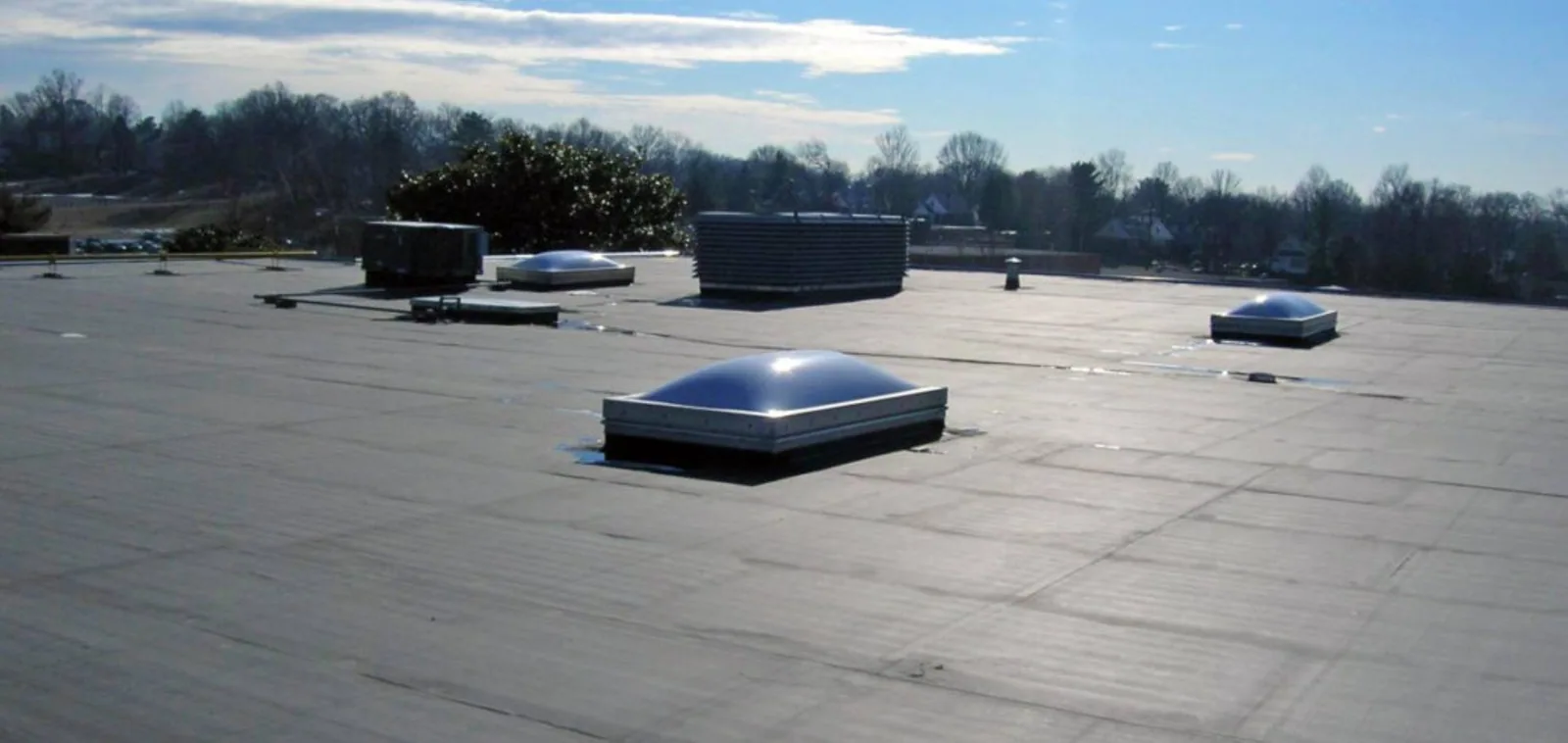
Grease, rooftop exhaust, and service access can change the right membrane choice for a low-slope roof. PVC is often considered where chemical exposure is part of the operating picture, but the name alone does not answer whether it fits an existing assembly. We inspect the membrane, seams, nearby equipment, drains, and insulation before proposing repair or replacement. Carmel's restaurant and retail mix includes Arts & Design District and Clay Terrace, where access and operating schedules differ from a private office property. We use those conditions to plan the work, then tie the scope to the roof we can see. A roof inspection establishes what is present and what still needs testing.
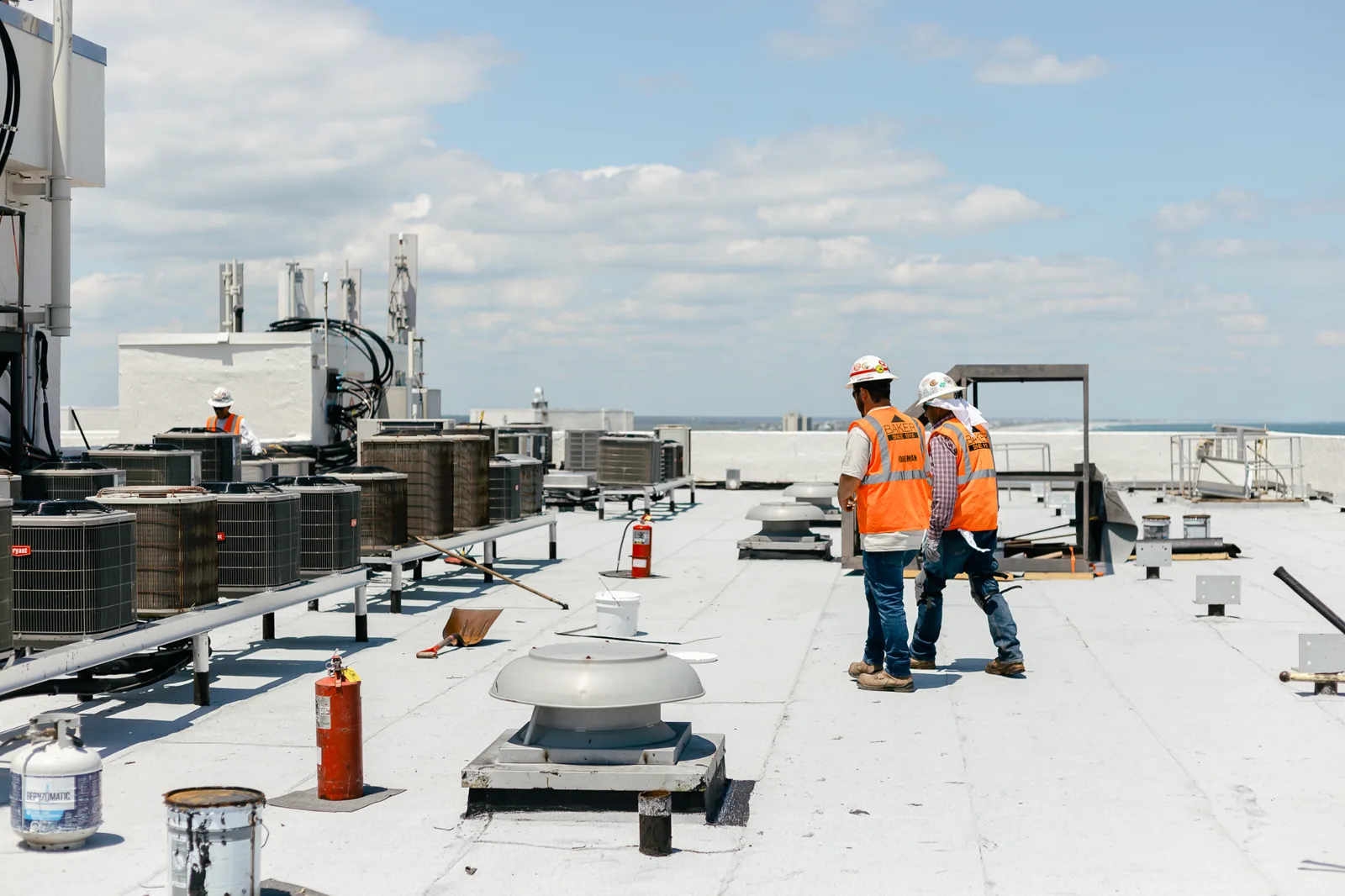
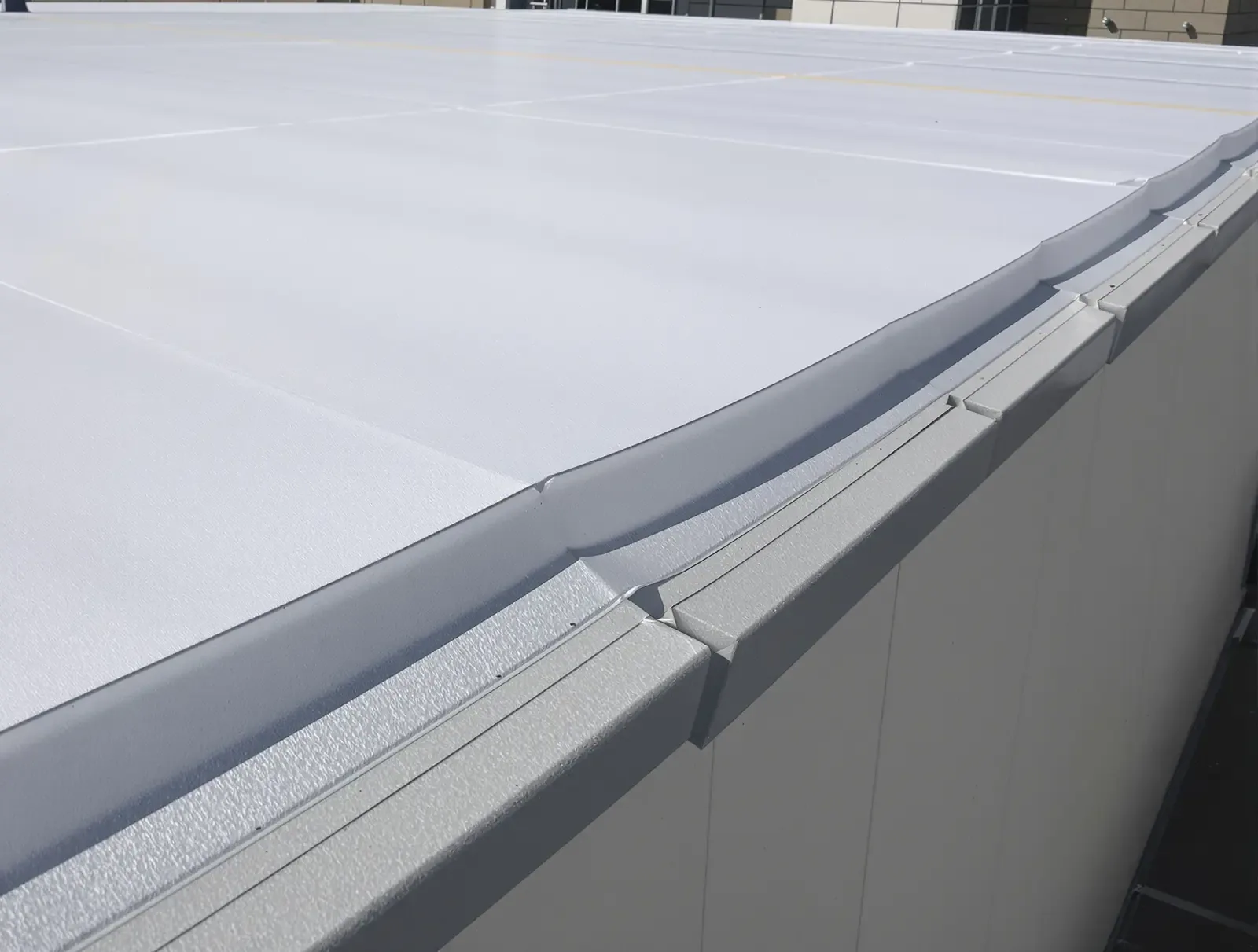
PVC is a thermoplastic single-ply roof membrane with heat-welded seams. Formulations vary, and performance depends on the complete assembly, not on the polymer name in a bid. We ask where cooking exhaust discharges, whether grease reaches the roof, what maintenance traffic crosses the field, and how equipment is serviced. Those details help determine whether PVC is a sensible candidate and where walk pads or protective details belong.
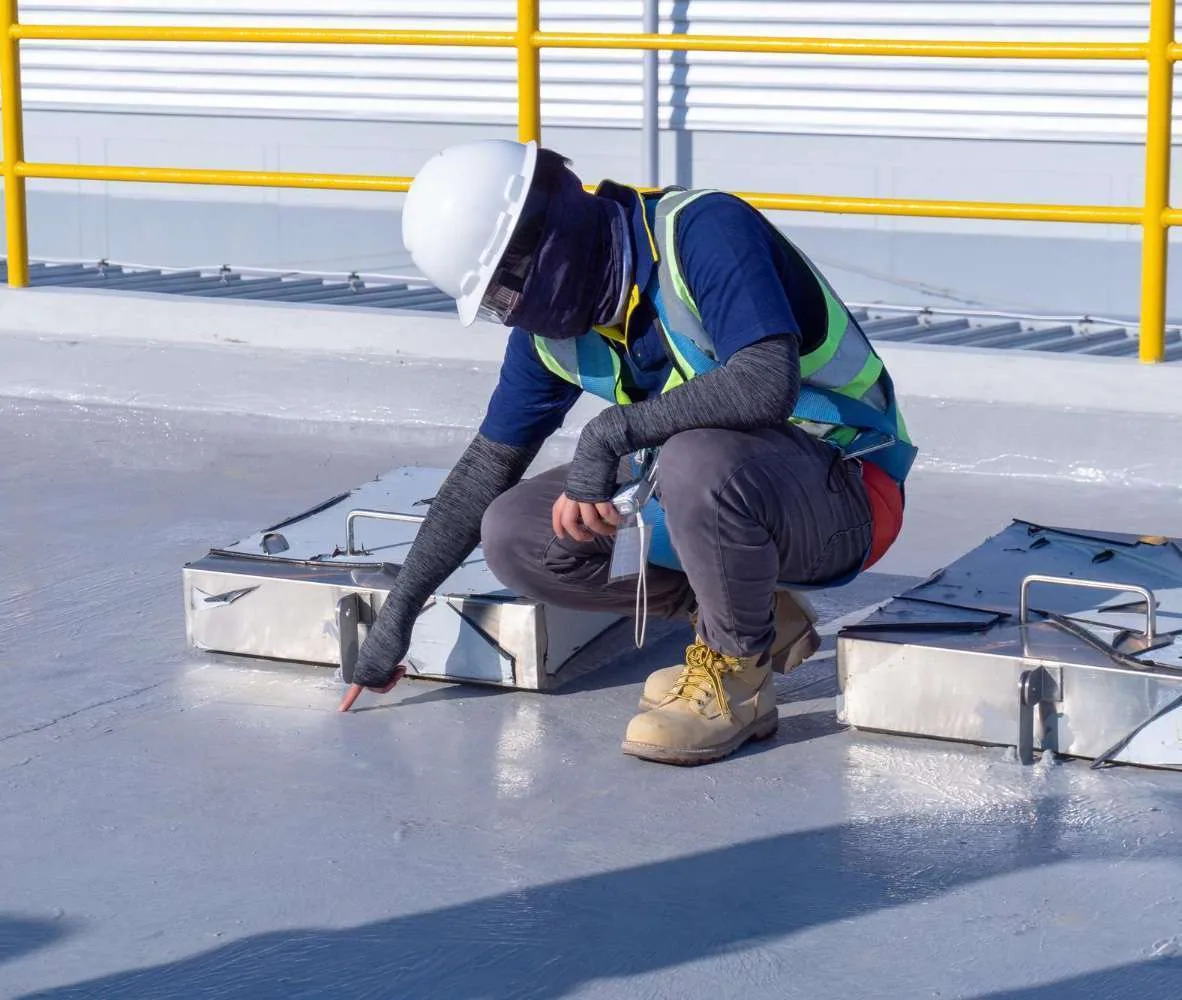
Exposure needs to be mapped rather than assumed. A restaurant may have a kitchen exhaust, but its location and residue pattern must be checked. A mechanical unit can discharge heat or condensate without creating the same condition as a grease plume. We note affected areas, inspect for surface changes, and compare them with service records. If exposure is limited to one zone, that may call for a specific detail rather than a full-roof material change. For a repair, we remove contamination from the work area, test a weld on the actual sheet, and check the completed tie-in after cooling. A clean test weld helps the crew confirm the preparation and temperature before closing the repair boundary.
For comparison, we can lay out PVC beside TPO roofing and KEE membrane. Similar appearance does not mean identical chemistry, weld procedures, or product limits. The proposal should state membrane type, thickness, insulation, cover board, attachment, edge metal, and warranty conditions in a comparable format. That gives the owner a real system comparison rather than a price-per-square-foot shortcut.
We start with the welds. A PVC seam can fail where contamination, poor preparation, movement, or an old repair interrupts the bond. We inspect lap edges, corners, terminations, and patches, and probe suspect areas where appropriate. Near exhaust, we look for discoloration, residue, softening, or a surface change that extends beyond routine dirt. The finding is mapped to the equipment and roof section, not treated as proof that the entire membrane has degraded.
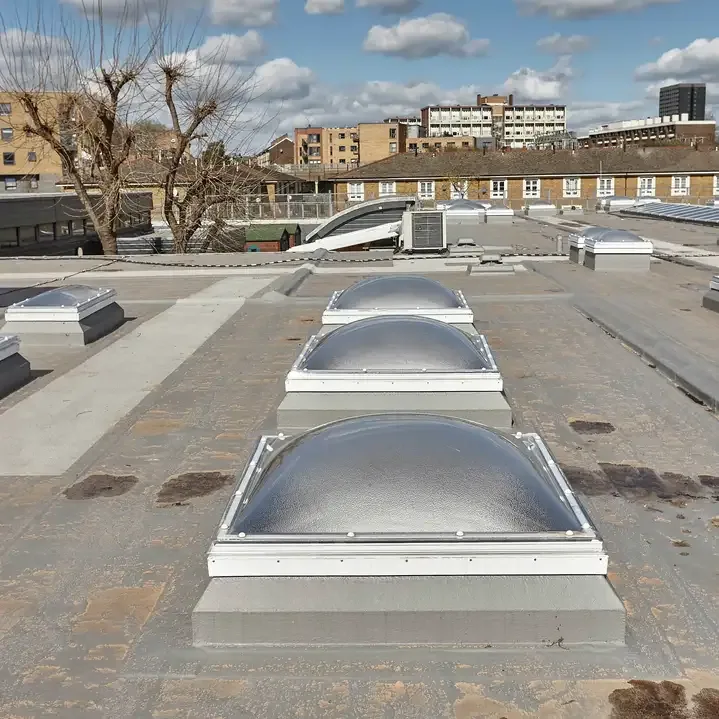
Penetrations create another set of risks. Pipes, curbs, pitch pans, and supports need compatible flashing that can accommodate movement. We check the transition from the field sheet to vertical surfaces and examine metal counterflashing for gaps or looseness. A roof can appear intact in the open field while a curb corner admits water. Where details require work, our penetration and flashing service can define a compatible repair.
Interior stains can be downstream from an opening. We compare them with slope, drains, seams, and equipment. If moisture may extend below the membrane, selective cuts or a moisture survey can guide confirmation testing.
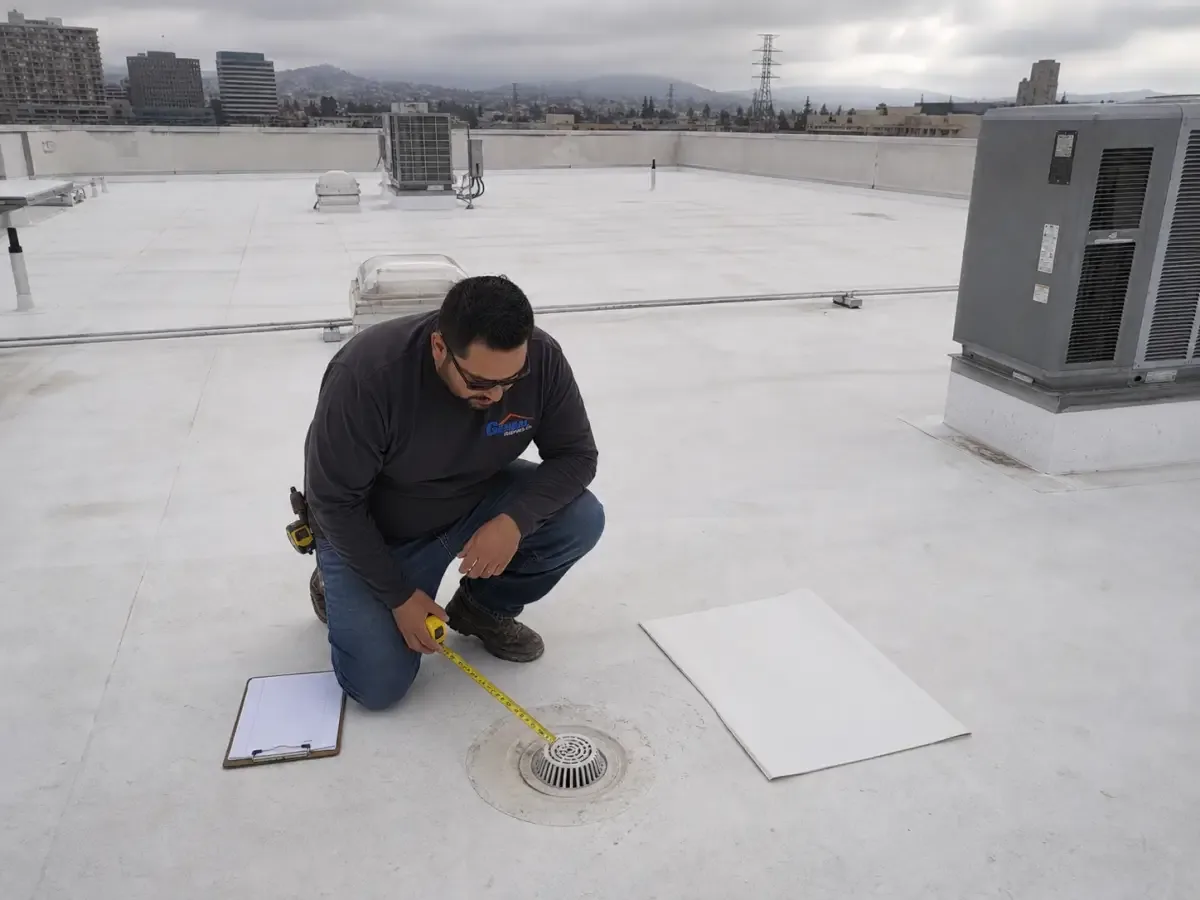
A chemical-resistant sheet still needs a sound water path. We inspect drain bowls, strainers, overflow provisions, scuppers, and the slope leading to each outlet. Grease or maintenance debris can collect near an exhaust route and move toward a drain. We separate routine cleaning from membrane damage and slope or plumbing corrections.
Central Indiana's winter precipitation and freeze-thaw can affect safe access and seam preparation. We check the drain bowls, low points, and welds, then set the repair window from the roof surface and forecast.
We review edge metal, terminations, parapet transitions, and corners for looseness or water paths behind flashing. If drains are involved, a drain and scupper repair scope can be coordinated with the membrane tie-in.
A local PVC repair should identify sheet type, preparation, weld length, flashing height, and edge or drain work. We inspect beyond the opening so the repair does not stop at a weak seam. A patch or incompatible coating may affect preparation. Where the membrane remains stable outside one detail, the work can stay limited; repeated failures may justify comparing broader renewal.
Recovering an existing roof requires review of moisture, roof layers, deck, edge height, attachment, and code. Wet material cannot be concealed beneath a new sheet. Carmel's commercial code references include the 2014 Indiana Building Code incorporating the 2012 IBC. We verify current requirements with Building Safety before finalizing the assembly. Our recover assessment compares an overlay with tear-off, while replacement quantities list membrane, insulation, cover board, flashing, drains, perimeter metal, and access.
Heat welding, tear-off, and lifts can affect entrances, kitchen schedules, and mechanical service. We plan phases with the property contact, identify delivery conflicts, and set daily closeout expectations. A phased plan near active Arts & Design District storefronts may need to account for tenant schedules; an office campus may need HVAC continuity.
Parkwood Crossing and Parkwood East form a multi-building commercial area, so work may need separate access phases for offices and shared parking. Rain, frost, and wind alter the work window. Before opening a section, the crew needs a way to protect the assembly at shift end. Cold or wet surfaces can affect welding. We separate emergency dry-in from permanent installation when weather prevents a reliable seam and identify what must be true before permanent work resumes.
Closeout should identify the installed membrane, repair locations, details completed, and areas excluded. We provide photographs and a roof-section map for later maintenance. That record supports compatible repairs and helps distinguish a new leak from a corrected detail. For multiple buildings, a condition report can keep findings comparable.
We record access limits, exhaust locations, drains, and areas needing periodic cleaning. The maintenance interval should follow actual debris, equipment, and roof conditions. To evaluate PVC, share the building list, known leaks, roof records, and exhaust or drain concerns. We can walk the roof and prepare a repair or renewal scope with clear assumptions about timing and cost.
A kitchen exhaust or other discharge point can make chemical exposure central to the comparison. We inspect the roof, product requirements, and building use before weighing PVC against TPO, KEE, or another compatible system.
Maintenance intervals vary with residue, drain performance, and the membrane manufacturer's requirements. We document what is present and recommend compatible cleaning for the installed product.
An overlay is only possible after reviewing moisture, deck condition, existing layers, attachment, edge height, and code requirements. We verify those conditions and compare the result with a tear-off scope.
Contamination, weak welding, movement, substrate issues, or later damage can interrupt a lap. We inspect the seam and nearby details to find whether the failure is isolated or part of a larger pattern.
Kitchen operations, exhaust use, deliveries, roof access, and weather shape the sequence. We agree on protected areas, daily closeout, and any equipment coordination before opening the roof.