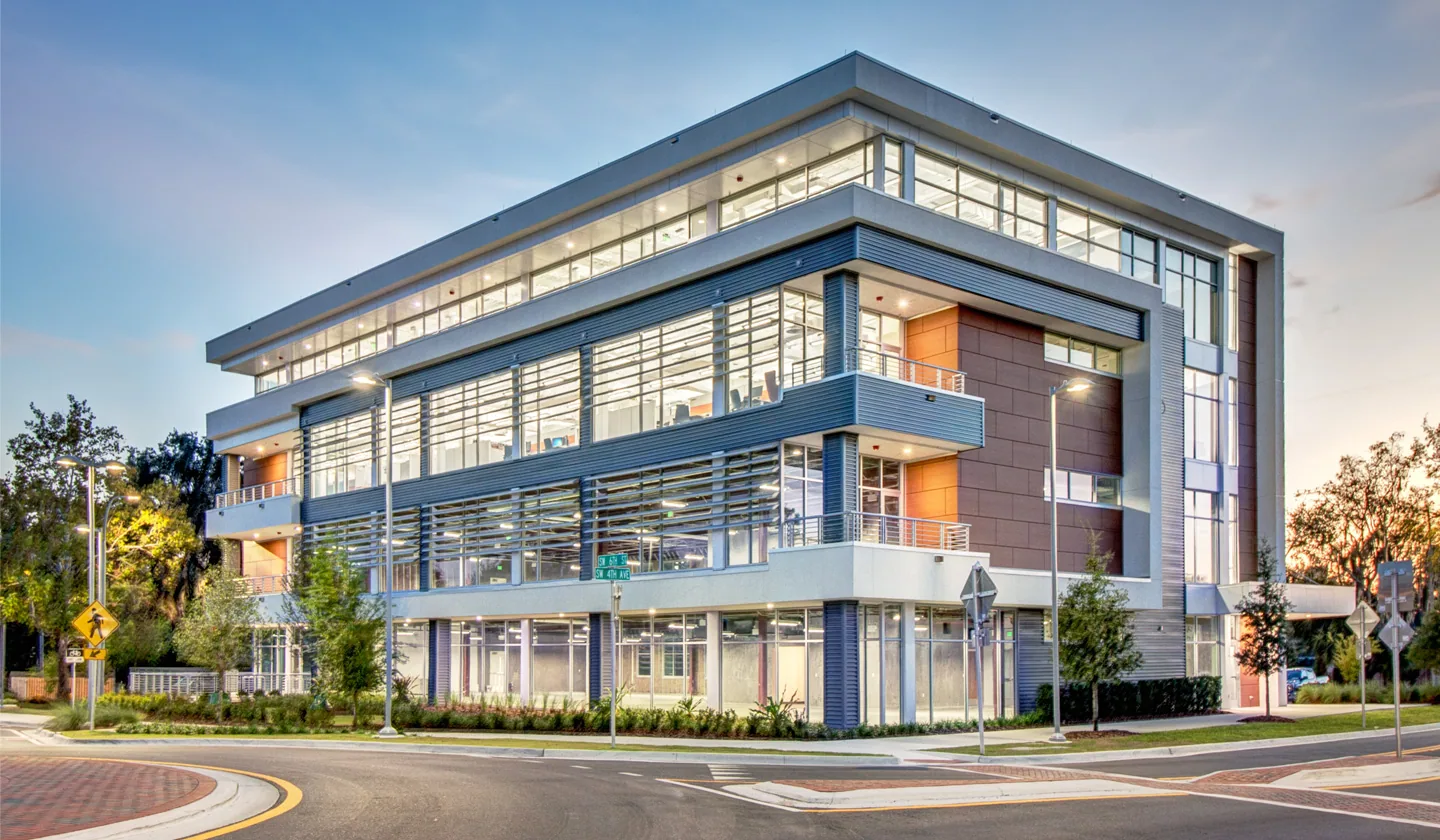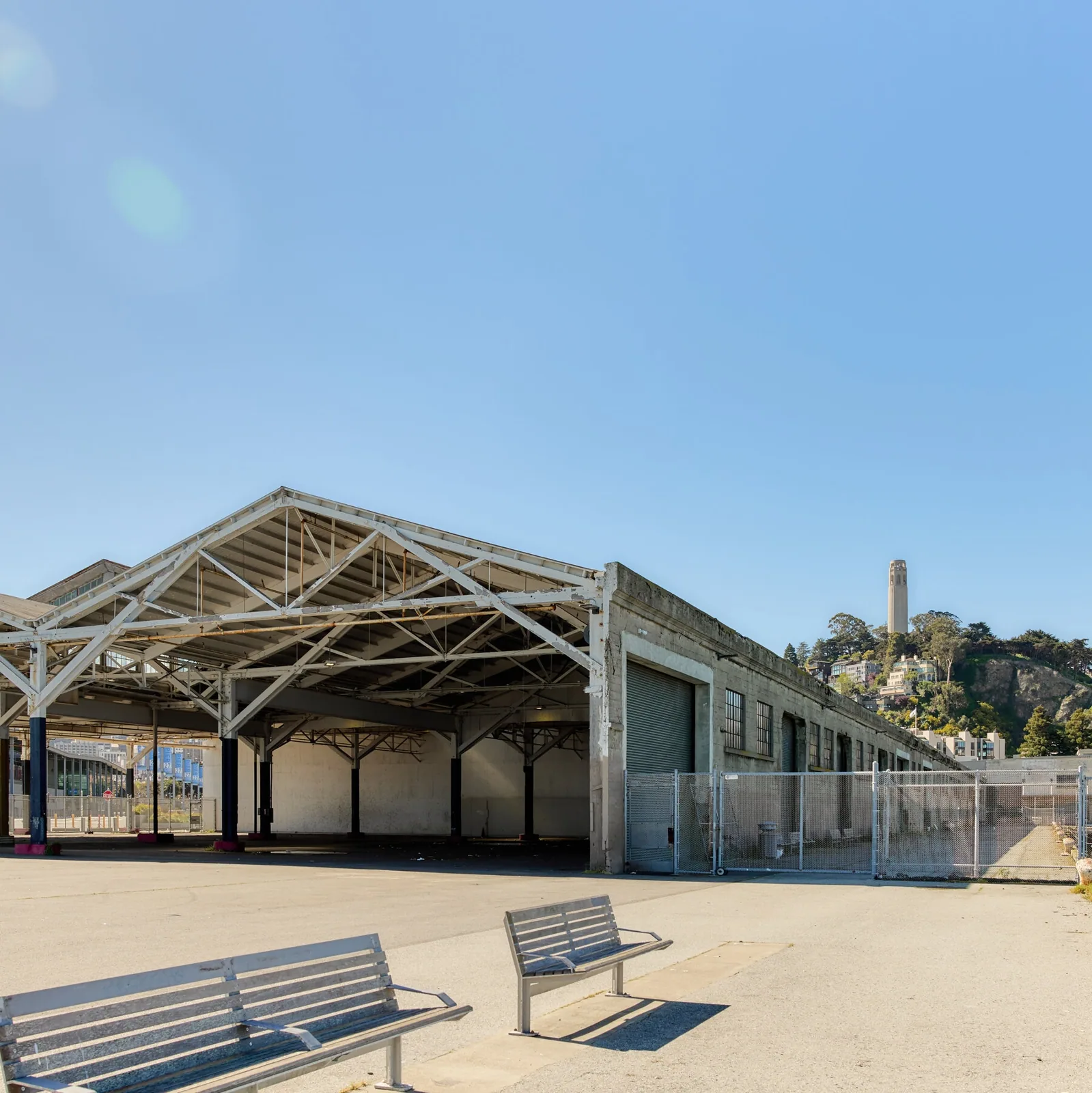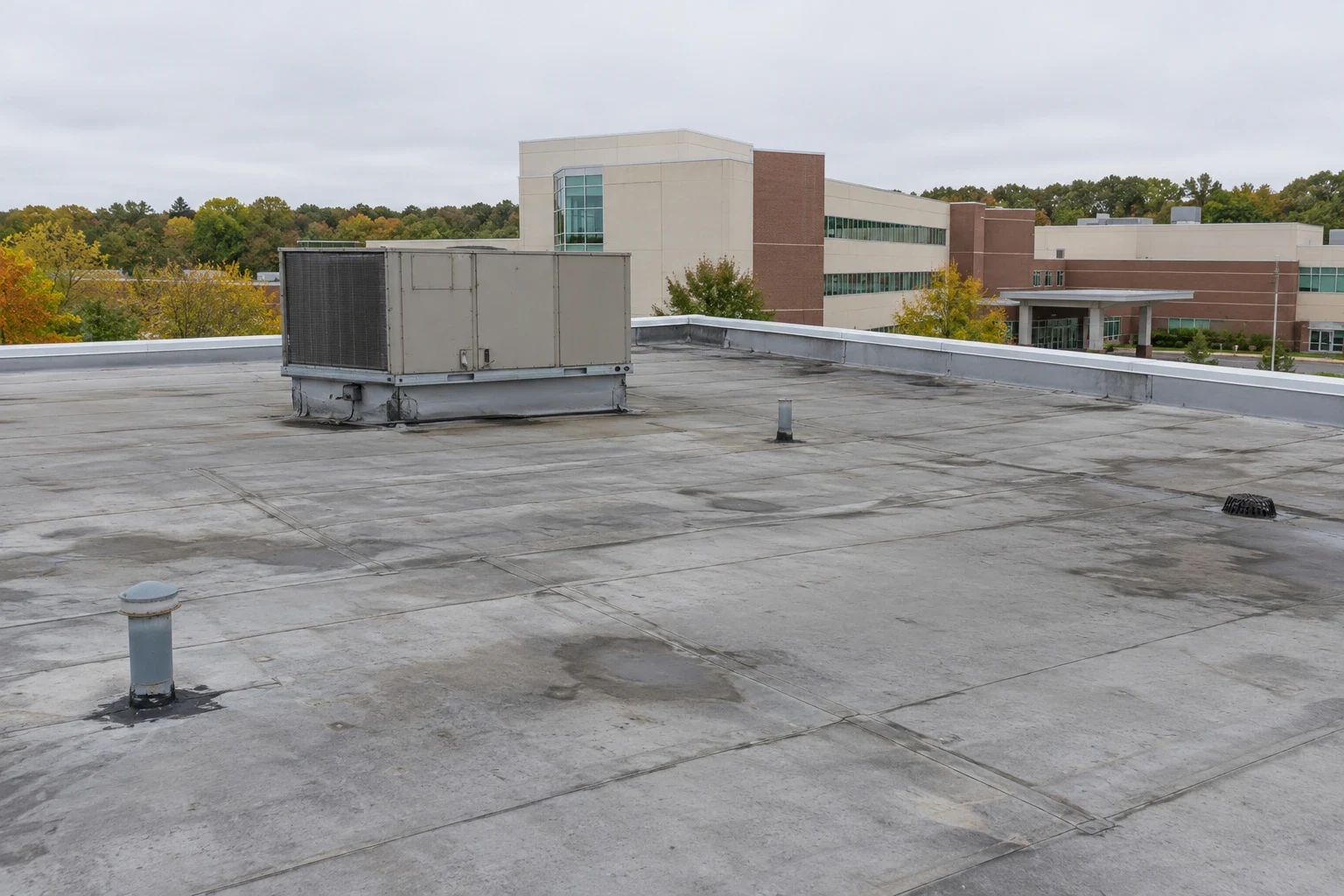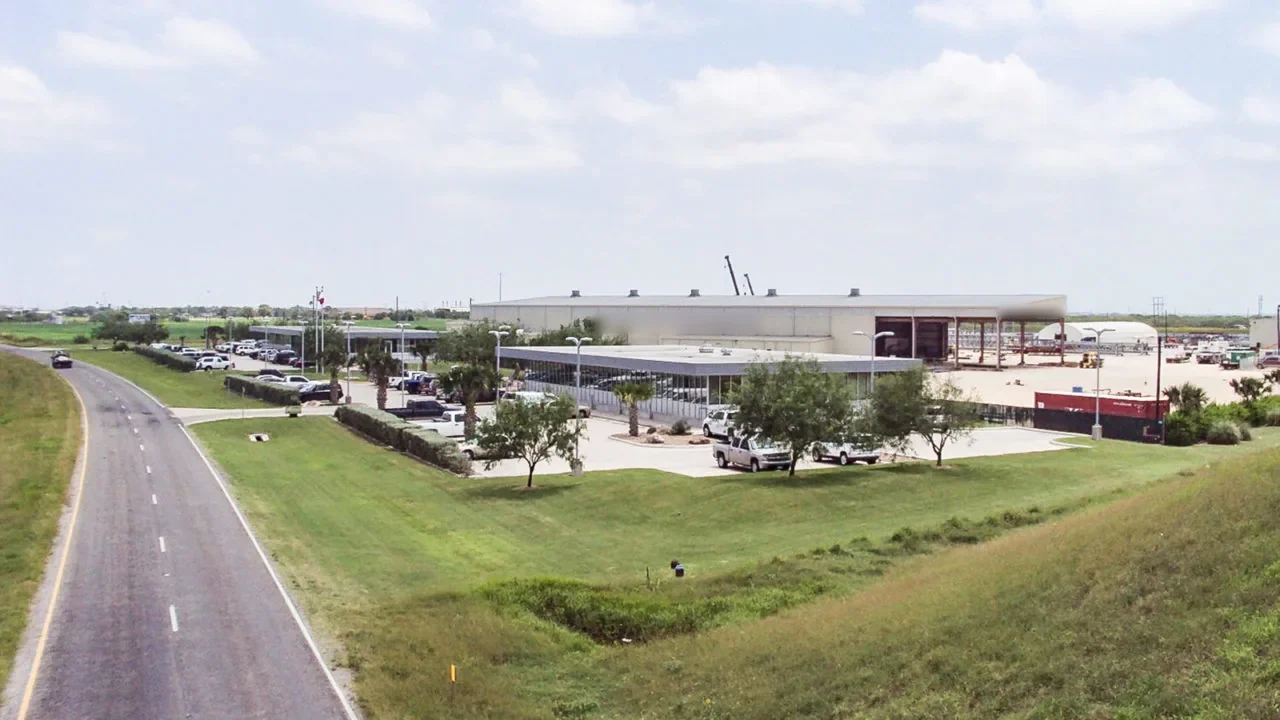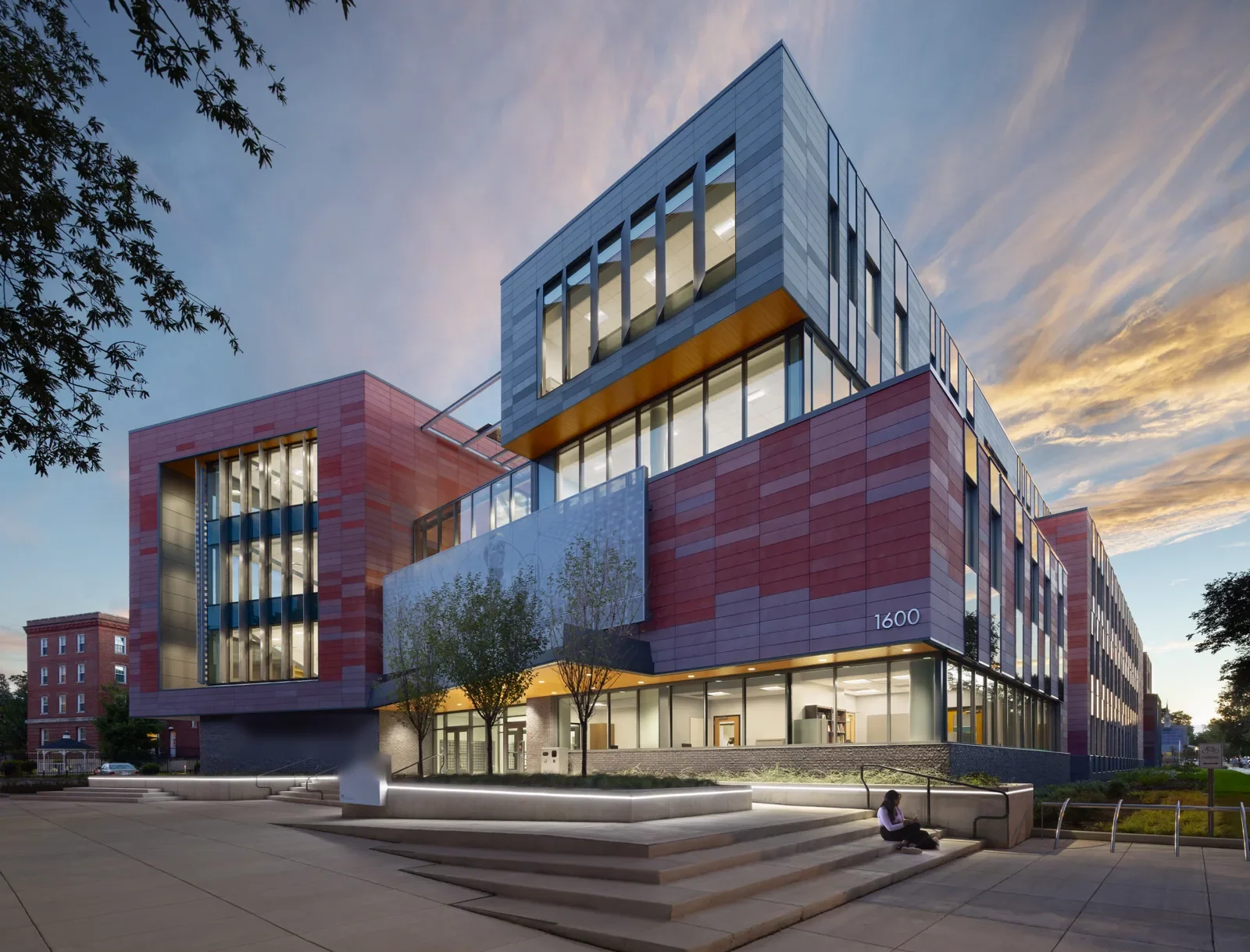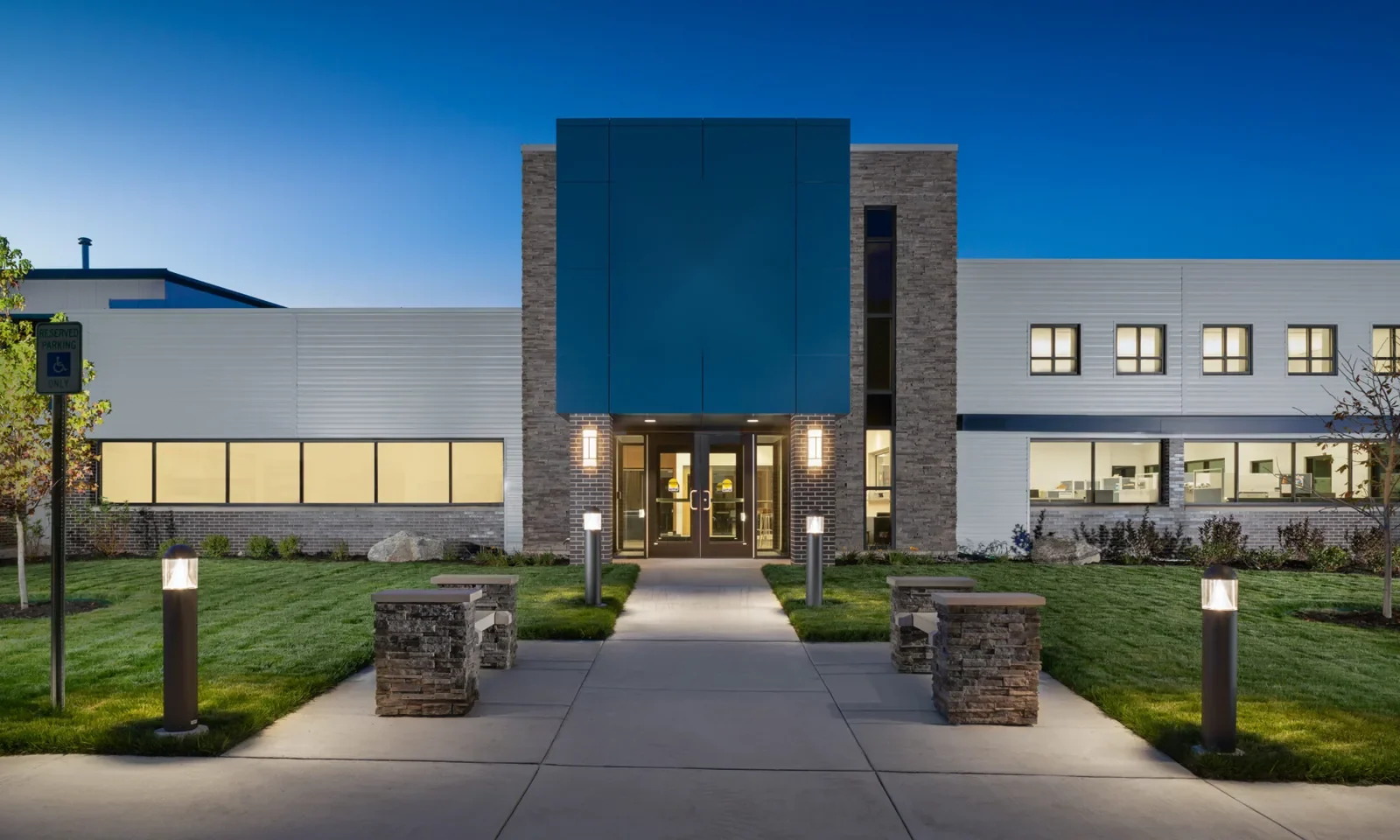
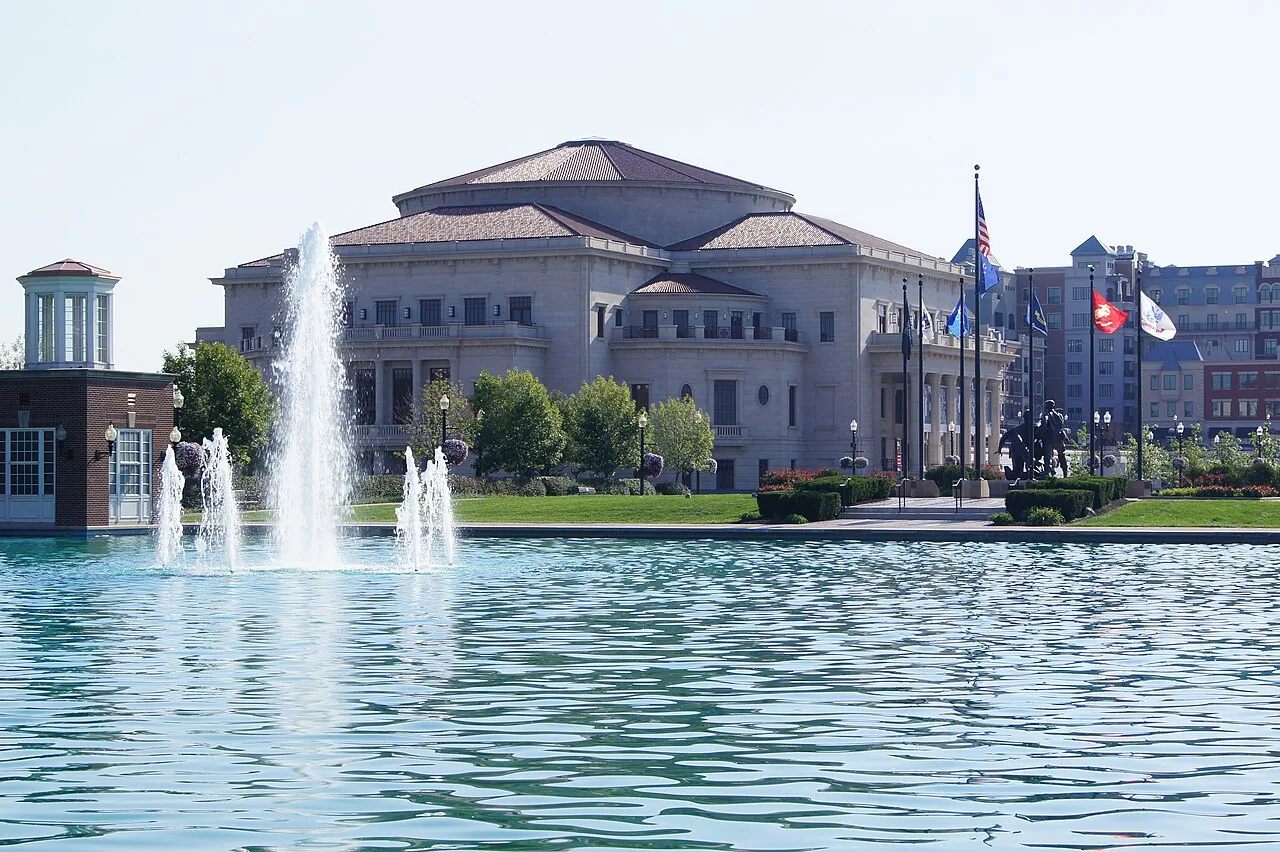
Industry affects how a roof is accessed, how work is sequenced, and what must remain protected below. We inspect the roof system first, then plan around the people, equipment, and hours that shape the building’s operation. Carmel’s commercial inventory includes office activity along U.S. 31 and Meridian and mixed-use districts such as City Center and Midtown. For owners managing several assets, our work can be organized by roof section and capital window, with a separate condition record for each property. Start with property managers, manufacturers, or logistics and 3PL operators.
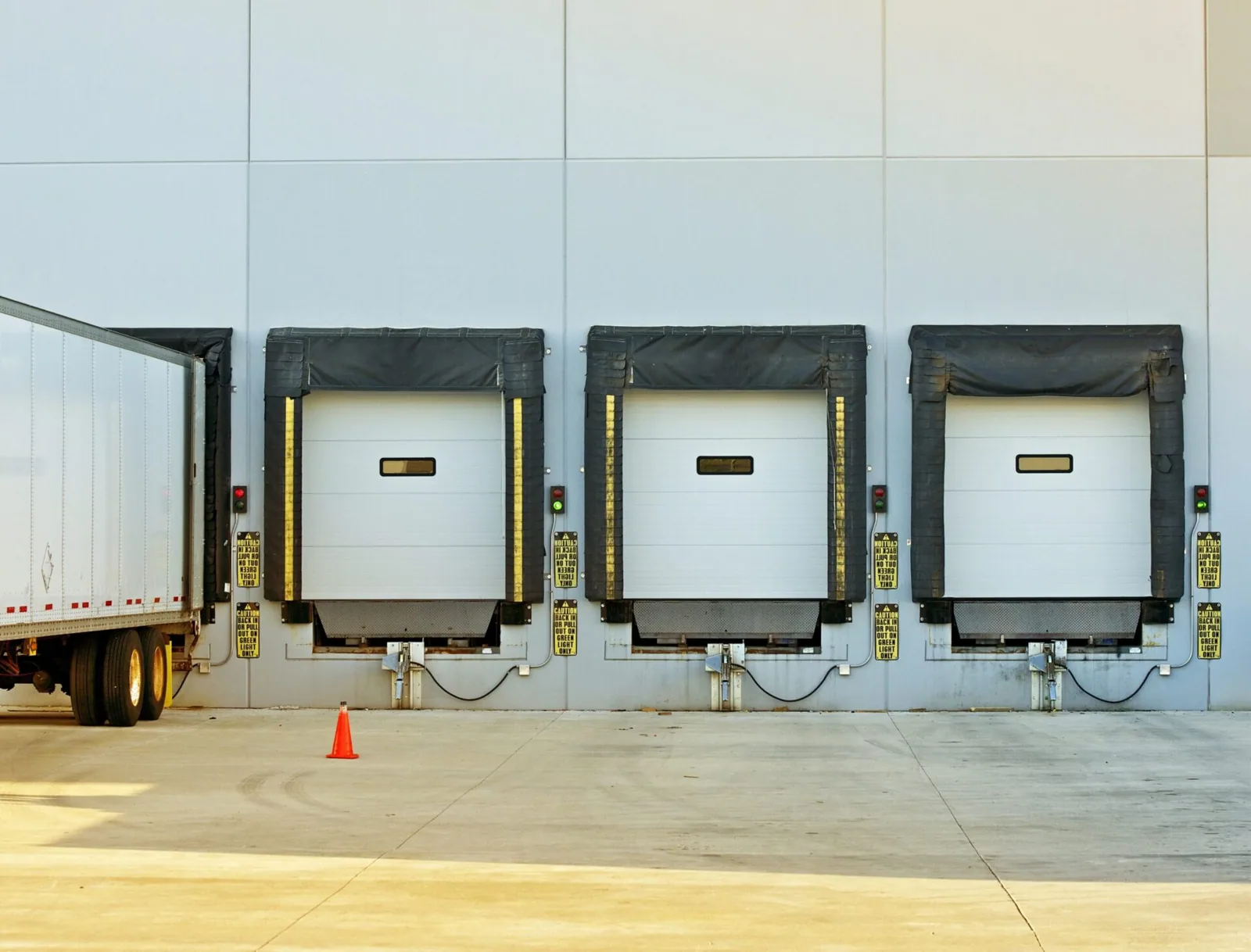
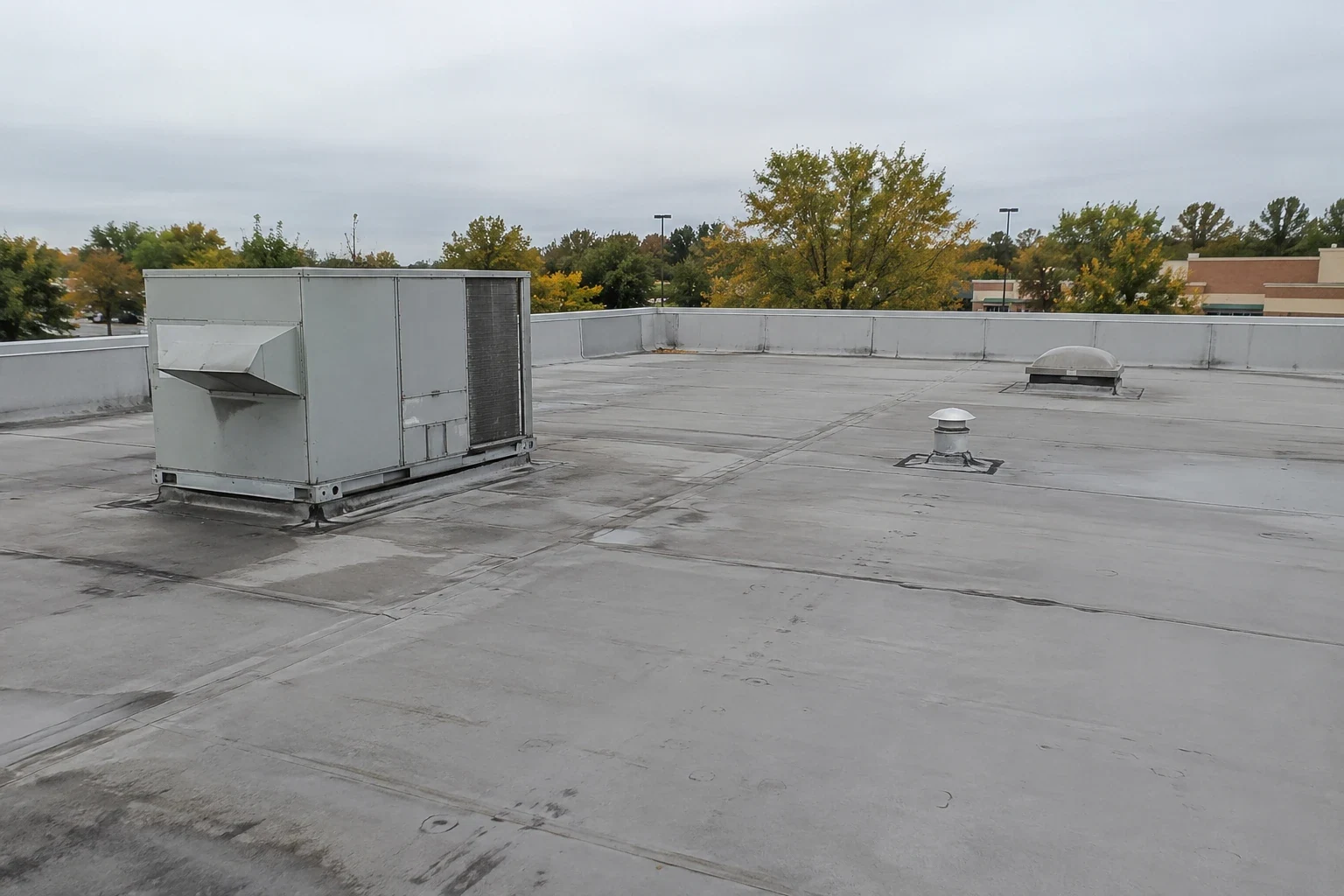
A distribution site may need truck paths protected; a healthcare facility may need interior areas shielded from dust and water. We confirm access, staging, tenant schedules, equipment, and work zones with the site contact. Then we inspect seams, flashing, drains, curbs, and the membrane itself. At a healthcare facility, the sequence may need to protect patient areas; a school district may need work phased around class and building schedules.
Portfolio work benefits from consistent reporting, not a shared diagnosis. We use roof-zone references, dated photos, measured quantities, and repair history to compare buildings while preserving each assembly’s condition. A real estate investor can separate near-term repairs from capital renewal; a retail or restaurant chain can coordinate access across occupied locations. Where an insurer or construction manager is involved, insurance restoration support records visible damage and completed work without deciding coverage.
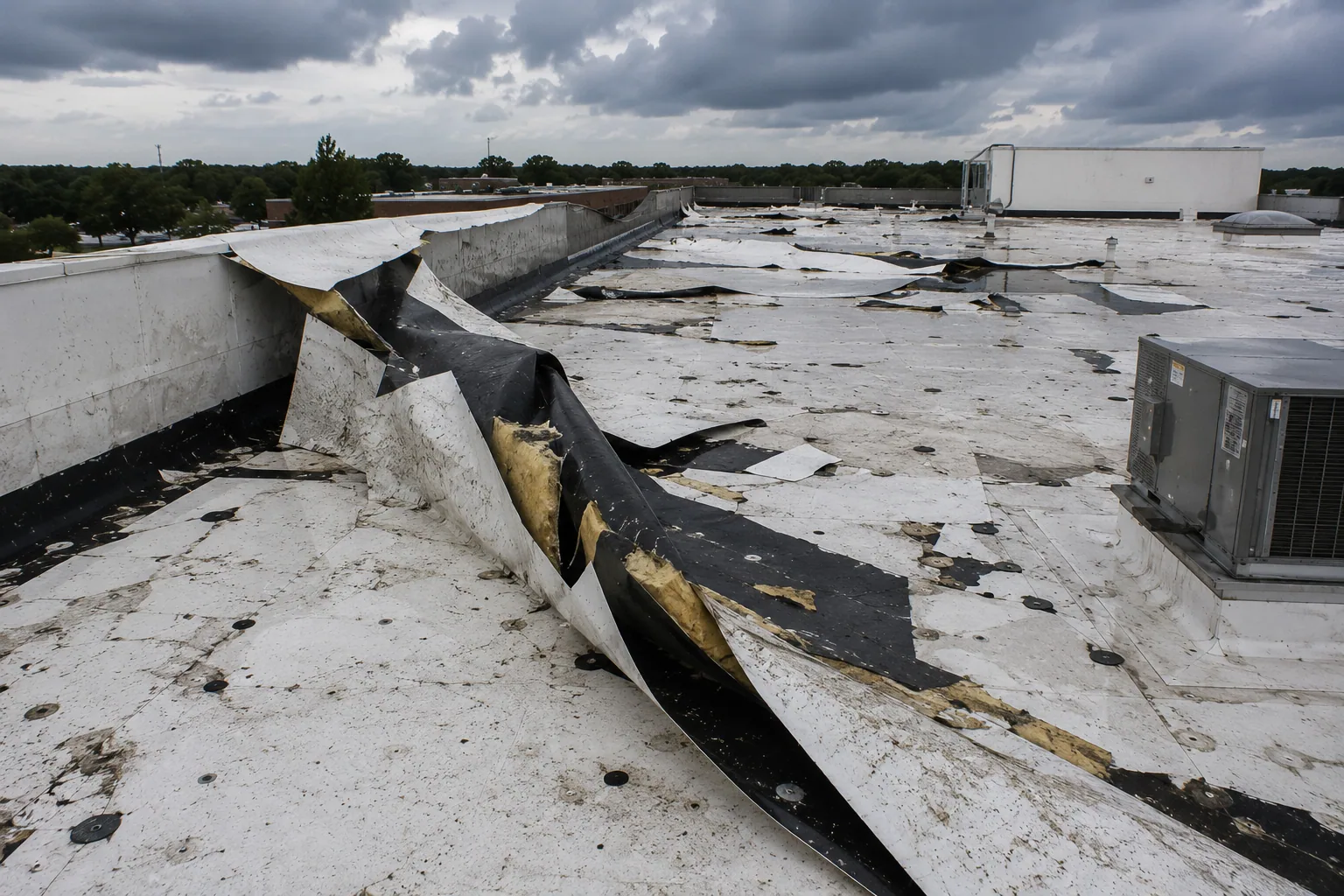
Repair begins with a clear failure boundary. Replacement planning adds removal, insulation, deck, edge, and access quantities. We compare both options against what the inspection establishes, including test needs and concealed conditions. Emergency response can stabilize an active leak overnight, during weekends, and on holidays; the permanent scope follows the site walk. For Carmel-area properties, the Meridian and U.S. 31 corridor is part of our service area, and each building receives its own access and roof plan.
Closeout should show what was observed, repaired, tested, or left open. The maintenance log can then connect a later leak call to the right roof section and show whether an earlier repair held. Owners can use multi-site roof programs to coordinate inspections while keeping costs and conditions visible by building. For immediate decisions, a commercial roof inspection establishes the condition; capital planning places the next step in a budget window that fits the asset.
We can coordinate visits across sites, but each building receives its own roof map, condition notes, photos, and quantities. That keeps the portfolio view useful without blending unrelated assemblies.
We confirm access, staging, interior protection, and operational limits with the property contact. The work sequence follows those constraints and the actual roof sections that need attention.
Storm documentation can include photographs of visible roof conditions, completed stabilization, and a repair scope. The insurance carrier determines coverage.
A building list, roof records, leak history, access limits, and capital dates give us a working baseline. We verify the roof conditions during each site walk.