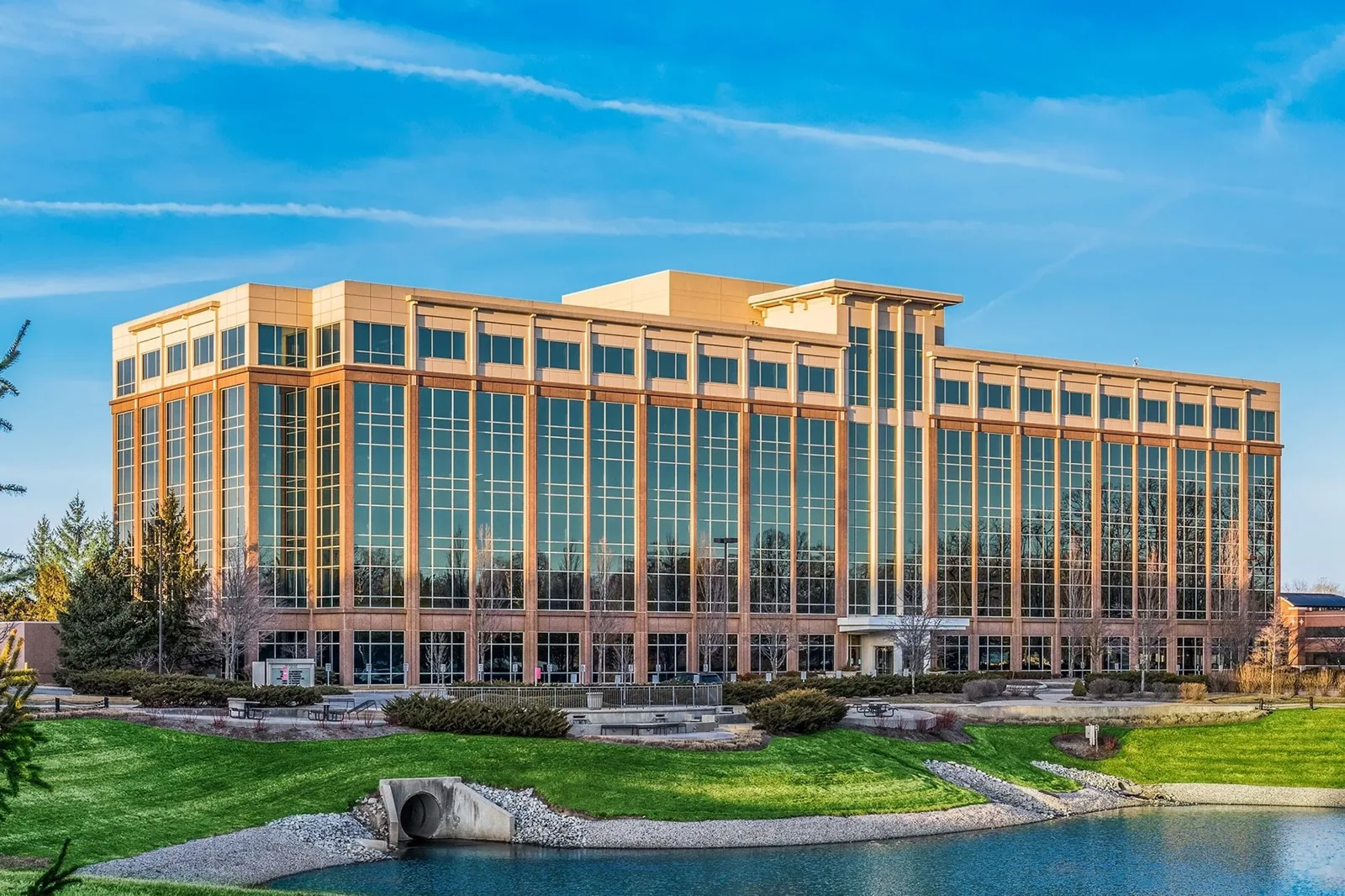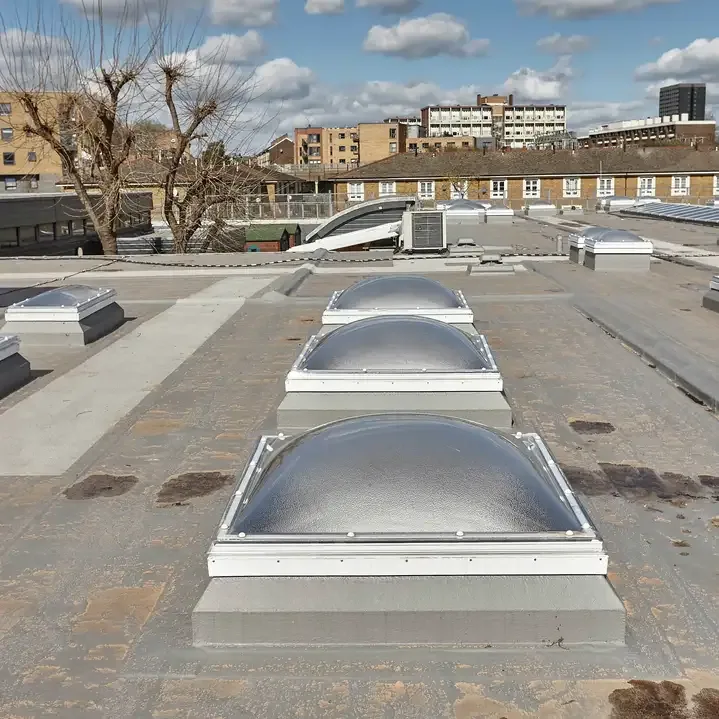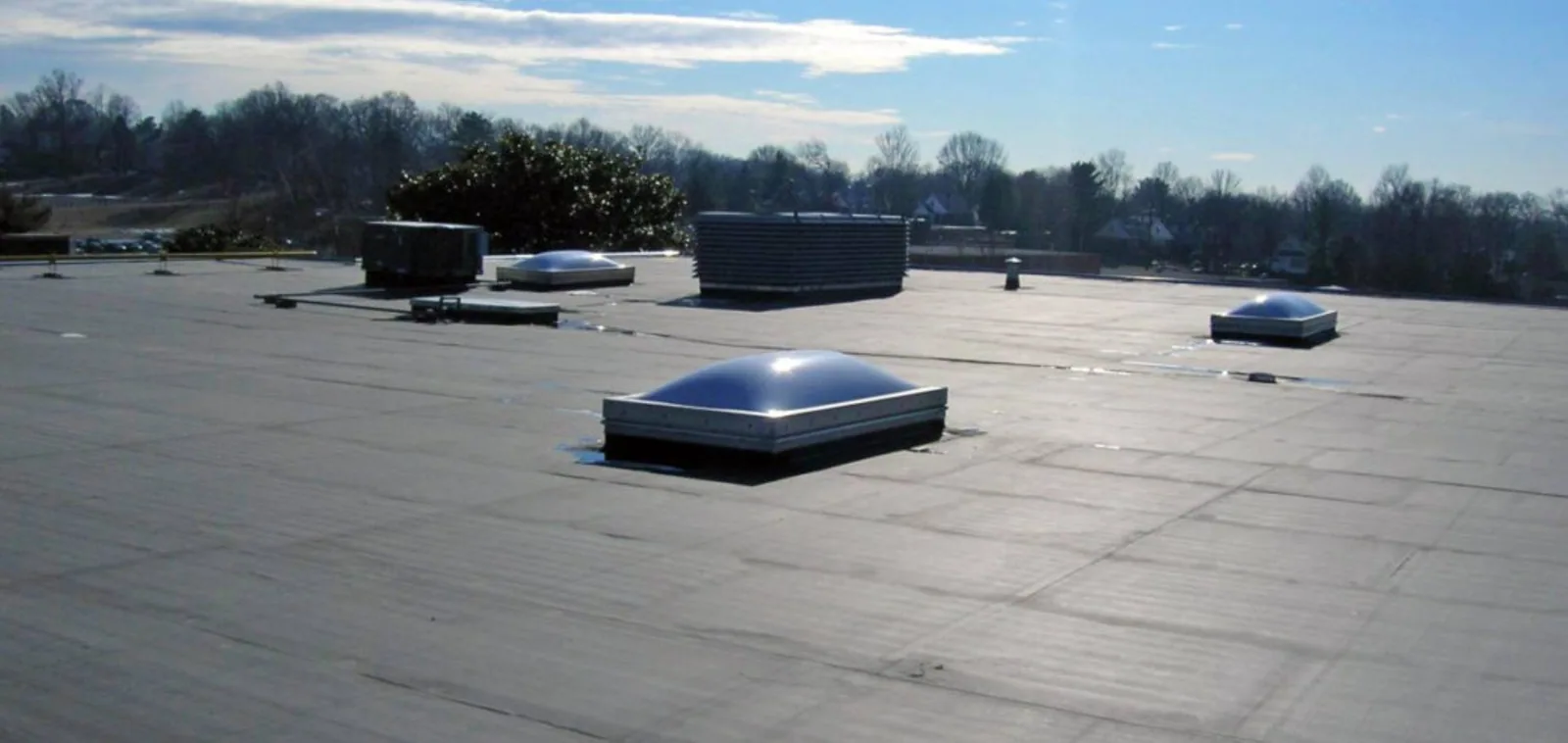
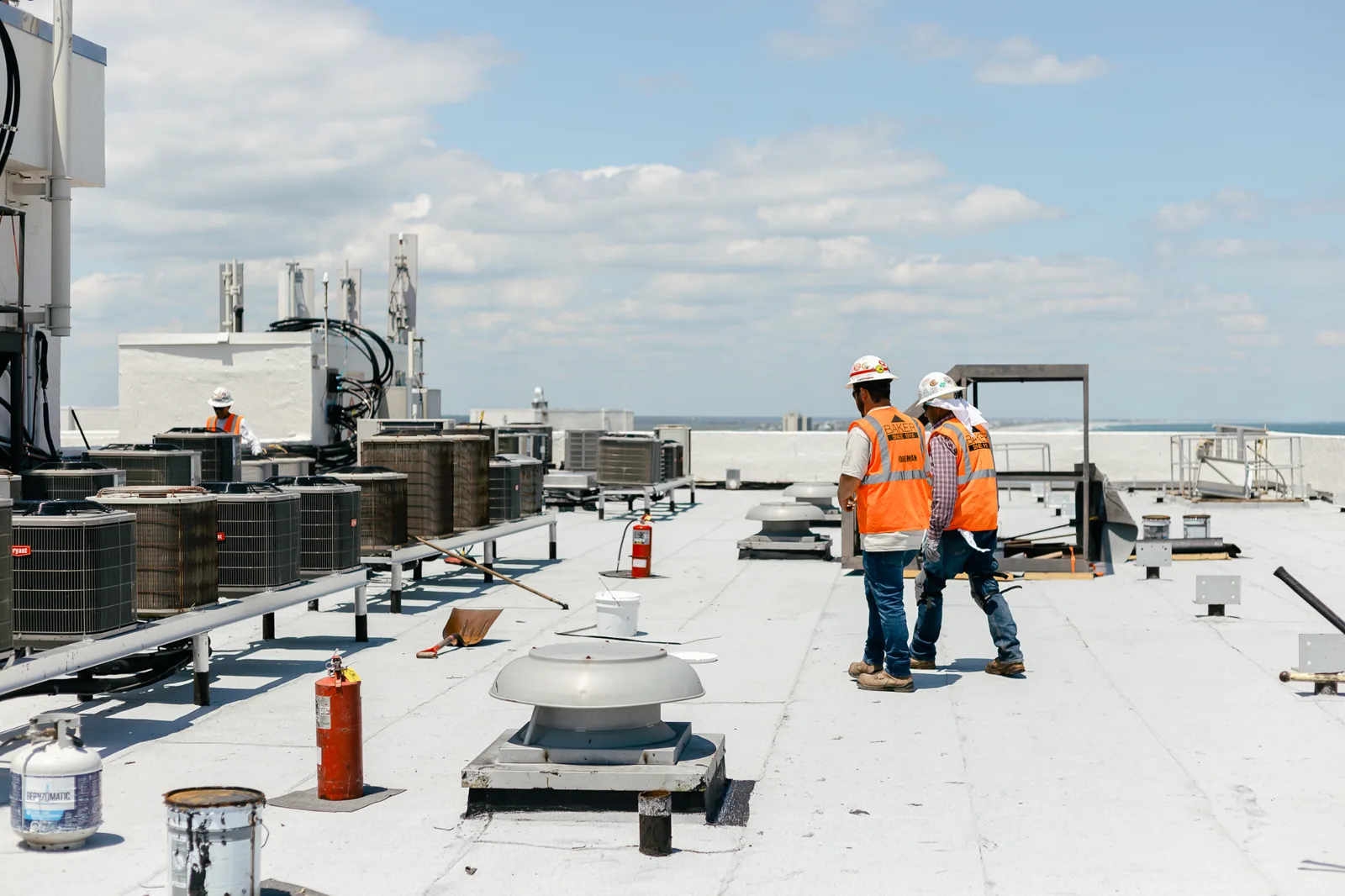
A TPO decision starts with the membrane already on the building, not with a color chart. We check seam condition, repairs, wet insulation, edge attachment, drainage, and how the roof is used. That matters on Carmel's varied commercial inventory, from the multi-building properties at Parkwood Crossing to offices along the U.S. 31 and Meridian corridor. A white surface may reflect sunlight, but it does not correct a weak seam or a drain that cannot move water. We document the roof section and the work boundary first. A commercial roof inspection can separate a repairable surface issue from an assembly that is reaching its renewal window.
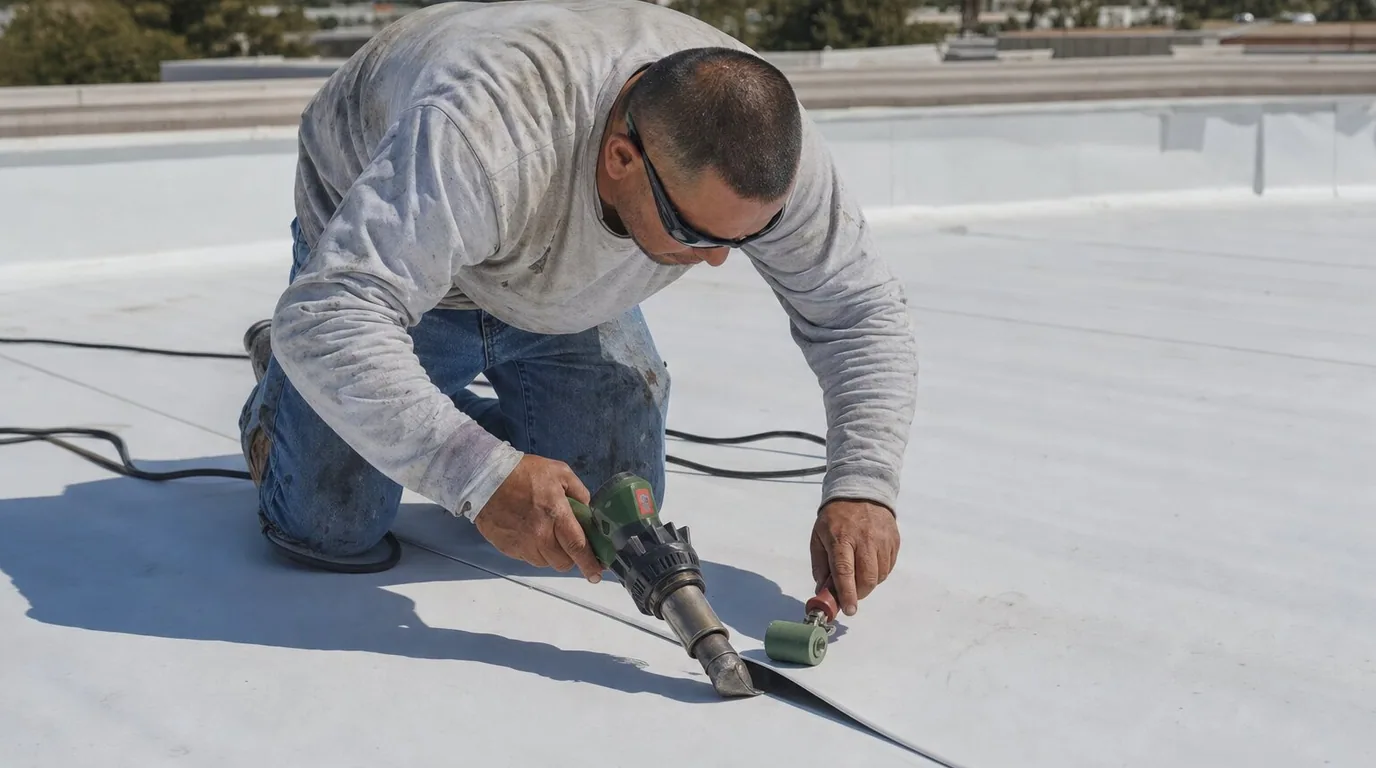
TPO is a single-ply thermoplastic membrane. Seams are heat-welded, and the sheet may be mechanically attached, adhered, or installed as part of a different approved assembly. The method changes how the roof responds to movement, wind loads, substrate conditions, and future access. We identify what is actually installed before pricing new work. A prior coating, recover layer, or patch can change compatibility even when the visible surface looks like a familiar white membrane.
A low-slope office building with frequent equipment service needs clear walk paths and maintainable flashing. A retail roof may need work staged around deliveries and customer operations, as at Carmel City Center or Clay Terrace. We use those operating differences to shape access, then verify membrane, deck, insulation, and attachment on site. For a replacement comparison, we lay out TPO beside PVC roofing or EPDM membrane. The comparison should name the same insulation, cover board, edge details, warranty requirements, and tear-off assumptions.
Heat-welded laps are the first place to look when a TPO roof develops a leak. We examine seams for skipped welds, contamination, fishmouths, cuts, and patches that no longer bond at the edge. A probe check can reveal a small opening that is difficult to see from a standing position. At corners and changes in plane, we check whether flashing is continuous and whether movement has pulled the membrane away from the detail.
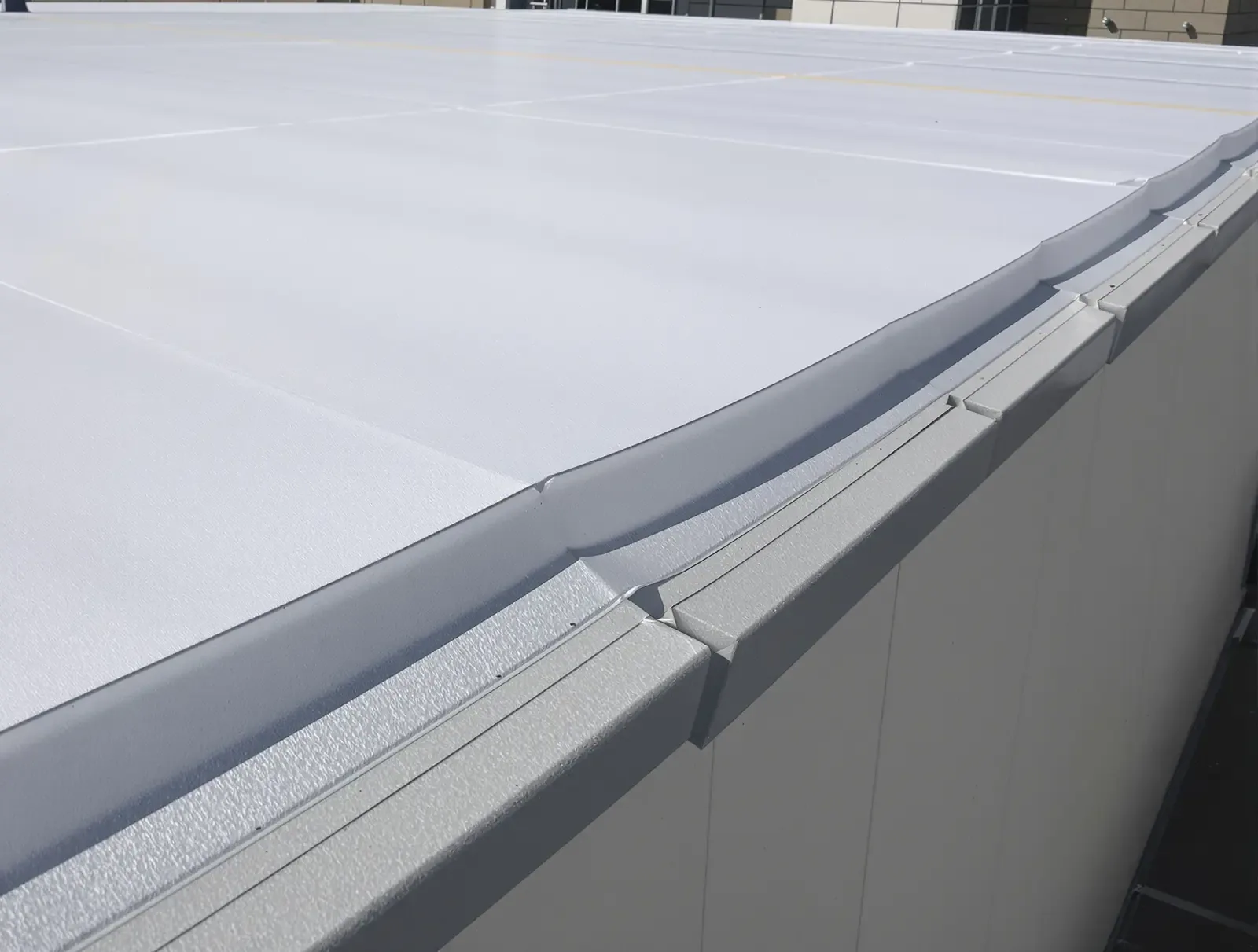
Edges deserve their own review. The field membrane can remain intact while perimeter metal, terminations, or corner attachment fail. We inspect fastening and sealant, look for lifted metal or water behind a termination, and record exposed areas that need closer testing. Curbs, pipes, skylights, and equipment supports create additional transitions. For those locations, a focused penetration-flashing review can clarify whether the repair belongs to the membrane or the adjacent sheet-metal detail.
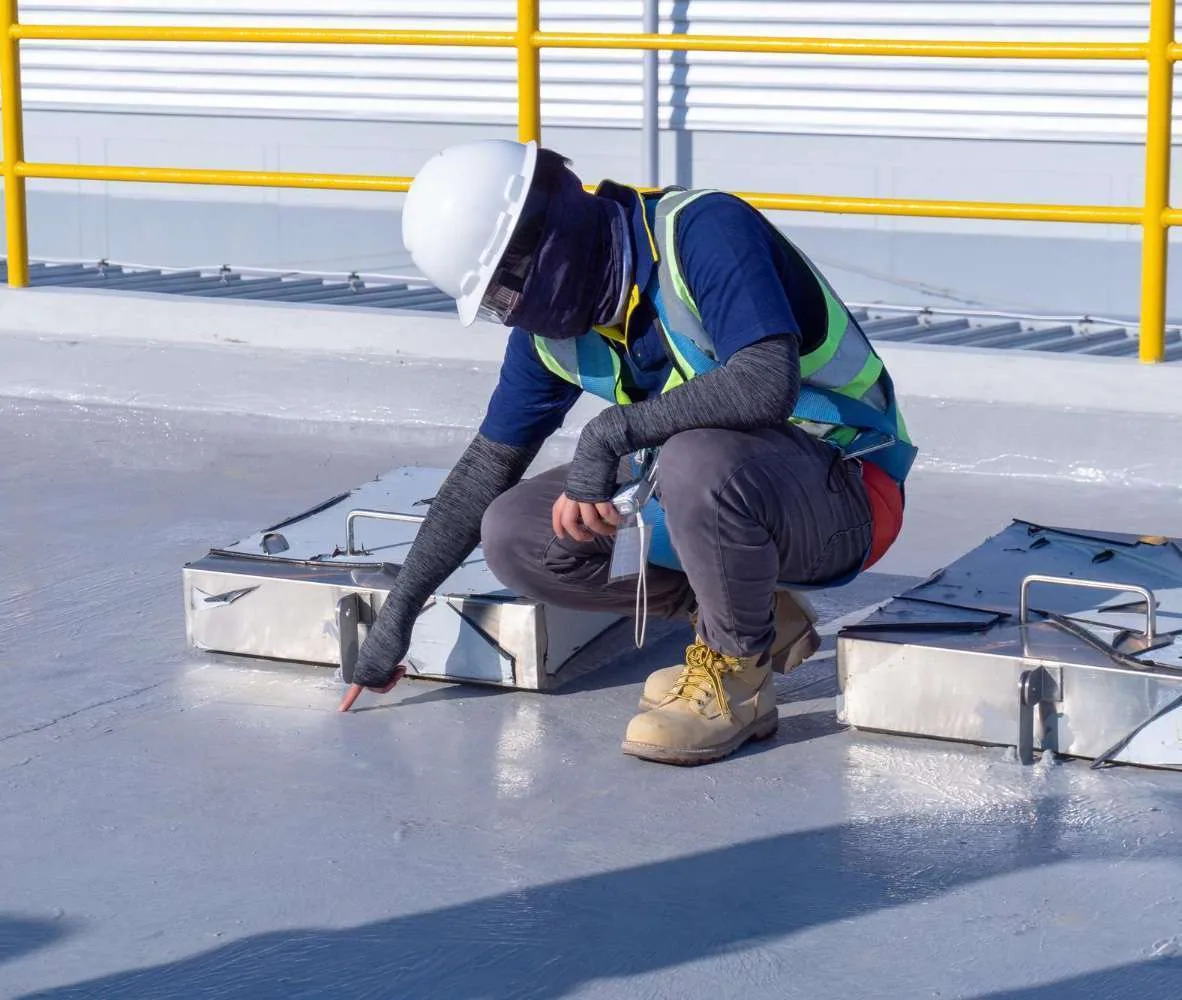
Surface marks need context. Scuffs from maintenance traffic, a loose patch, and a puncture can look similar at a distance but call for different work. We map each condition to a roof section and photograph the boundary. If moisture is suspected below the sheet, we may recommend selective testing or an infrared moisture survey under suitable conditions. The survey guides confirmation; it does not replace it.
A membrane patch will not solve a recurring pond if water still has no reliable route off the roof. We inspect the drain bowls, strainers, scuppers, overflow openings, and visible low areas. Debris can be a maintenance item. Persistent standing water may point to deflection, insulation changes, an outlet problem, or a slope condition that needs a broader scope.
TPO welding and adhesive work require suitable surface and weather conditions. Before setting the repair window, we inspect the outlets and roof surface, check access, and identify a daily closeout boundary. The scope separates work ready for the current mobilization from details that need a later return.
The membrane tie-in at a drain or scupper matters: new sheet at a bowl or curb must match the system's preparation and welding requirements. A ponding-water repair scope can address slope or outlet questions when cleaning alone does not change the condition.
A localized TPO repair may fit when the field membrane remains sound and the failure is limited to a weld, flashing, or puncture. The scope then names the preparation, compatible membrane, seam work, and any edge or drain detail included. Repeated repairs across many sections may signal that the owner should compare broader renewal instead of extending isolated patches. We show the repair boundary so the budget reflects the condition observed, not the size of the entire roof by default.
Recovering over an existing membrane may be possible only if the existing assembly, moisture condition, code requirements, and attachment design support it. Wet insulation cannot simply be hidden under new sheet. Existing layers, deck condition, fire requirements, edge height, and wind design can all change the answer. Before construction, we confirm current permit requirements with Carmel Building Safety, the office that reviews applications and inspects completed work. Our roof recover assessment compares the existing assembly with a tear-off option.
For a replacement, we measure each roof section and list insulation, cover board, membrane, perimeter, penetrations, drains, and access needs. For a TPO replacement, the proposal identifies the assumed code basis and the permit review required before construction. Carmel Building Safety handles permits and inspections under adopted codes; we confirm the current project requirements with that office and the authority having jurisdiction. We keep code assumptions explicit in the proposal so the owner can compare scopes on the same basis.
Cold or wet conditions can interrupt membrane welding and adhesive work. A schedule should include a plan for exposed edges at the end of each shift, not just a target completion date. When winter conditions narrow the work window, we can separate urgent repairs from the larger replacement decision. The record should identify which areas are protected, which remain exposed, and what conditions must return before permanent installation resumes.
Loading docks, tenant entrances, and HVAC service routes may share roof access or staging. We coordinate noisy work, lifts, and equipment shutdowns with the property contact, then set phases and daily closeout around the building's use.
A finished TPO project should leave the owner with a roof map, repair locations, material information, and closeout photographs. We distinguish completed work from conditions not included or not reached. That record gives the next maintenance visit a starting point and helps keep repairs compatible with the installed system. A condition report can organize details across multiple buildings.
We capture drains, edges, curbs, and equipment penetrations that may need seasonal attention. A maintenance schedule should follow actual access, debris exposure, and equipment layout instead of treating a portfolio as one roof. We list sections by building and tie the renewal scope to measured quantities.
Before authorization, we ask for the building list, known leaks, repair records, and capital timing. We can walk the roof, define the repair boundary, and identify what needs testing.
The repair boundary answers that. If the field sheet and nearby seams remain sound, a compatible patch or flashing repair may be appropriate. We check surrounding welds and insulation before limiting the work to one visible opening.
Existing moisture, attachment, deck condition, edge height, code requirements, and the number of roof layers drive the comparison. We document those items and show where selective testing is still needed before recommending a recover.
A white membrane reflects more sunlight than a dark surface, but the indoor result also depends on insulation, air leakage, equipment, and the building schedule. We review the full assembly instead of promising a temperature change from color alone.
Each building needs its own roof-section quantities, access notes, drains, edges, and repair history. We separate phases and temporary protection so the owner can compare costs and keep the work sequence clear.
Temperature, moisture, wind, and product limits control the work window. We separate temporary protection from permanent work and schedule seams when conditions support installation.