A plant roof repair has to protect production without creating a new interruption on the floor. We start with the process schedule, equipment below, active leak reports, and the access route to the roof. Carmel Science and Technology Park supports research and employment uses near Meridian and 116th Street; Whitestown's Anson zoning allows warehousing, distribution, and light manufacturing. These nearby areas show the region's technical and industrial mix, while the work plan must reflect the actual facility's process, roof system, and operating calendar.
We inspect the assembly by section, map drains and rooftop equipment, and identify whether the issue is localized or repeated. A leak near a control room, packaging line, or stored material can have a different consequence from one above an office. The scope ties that operating effect to the roof detail, repair boundary, and production window.
We review leak tickets, maintenance logs, roof plans, equipment layouts, and planned shutdown dates before the site walk. On the roof, we inspect seams, flashing, penetrations, curbs, edge metal, drains, and earlier repairs. The water path may cross the deck before it appears inside, so we mark the interior report separately from the suspected roof opening. Photos make the finding usable for operations, finance, and maintenance teams.
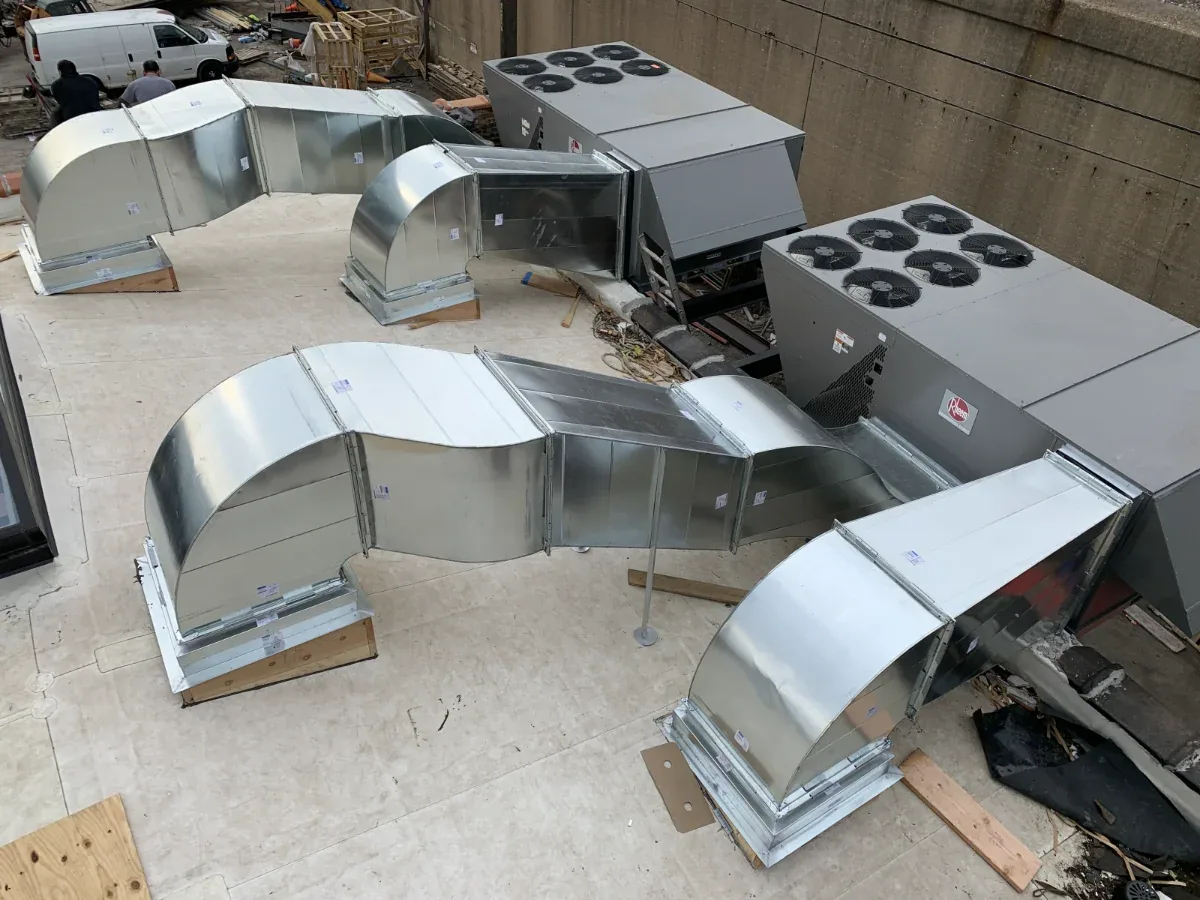
Production equipment can introduce rooftop supports, exhaust, and service traffic. We check curb flashing, support attachment, condensate, walk paths, and any new equipment planned. If another trade will add a unit, the roof detail and drainage need to be coordinated before the work is closed. A equipment curb review can specify the roof interface and required service access.
When visible evidence cannot establish insulation condition, testing may change the removal quantity. We choose a selective opening or infrared moisture survey only when it will help decide between a local repair and a larger section. Readings require confirmation before they become a quantity. That distinction keeps the production plan from carrying an unnecessary tear-off area.
A shutdown date is useful only if access, permits, materials, and roof preparation are ready before it begins. We identify what can be completed during normal operation, what requires a line stop, and what temporary cover is needed at the end of each shift. The scope names the equipment, route, or area affected and who can approve an adjustment if a concealed condition changes the sequence.
For active plants, lift placement, crane or material delivery, ventilation, and truck movement can constrain the work. We coordinate with operations and safety staff before opening a roof section. Each phase has a daily closeout point; any section left exposed receives a planned dry-in. That helps the production lead decide whether a repair belongs in a weekend window or a planned maintenance outage.
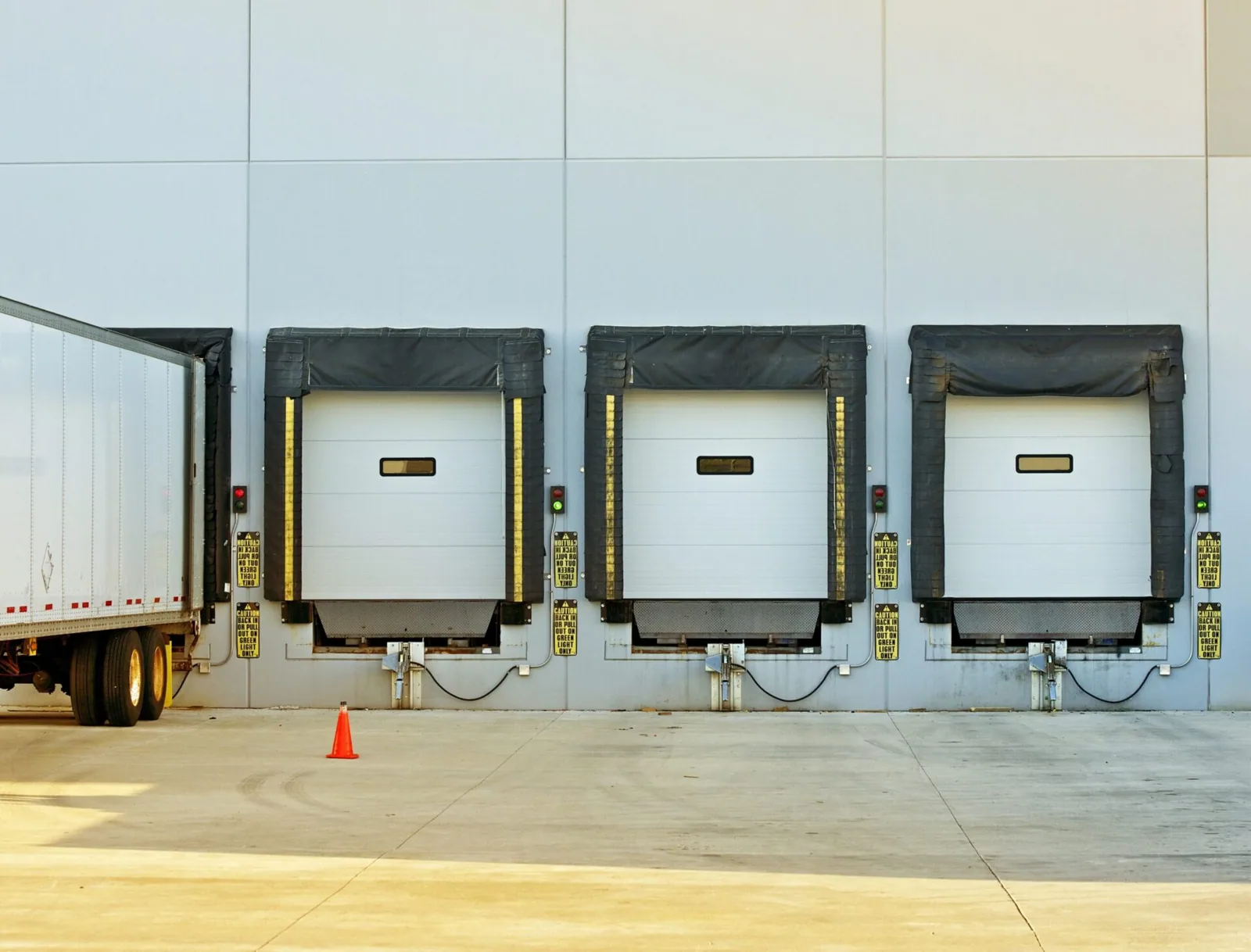
The Carmel Meridian / U.S. 31 corridor includes corporate offices and employment uses, while Parkwood Crossing has multiple office buildings and a mix of commercial activity. These examples reinforce that a local roof plan must fit the building's own circulation. If a manufacturing group also manages fulfillment operations, the logistics roof sequence may involve different dock and inventory constraints than the plant line.
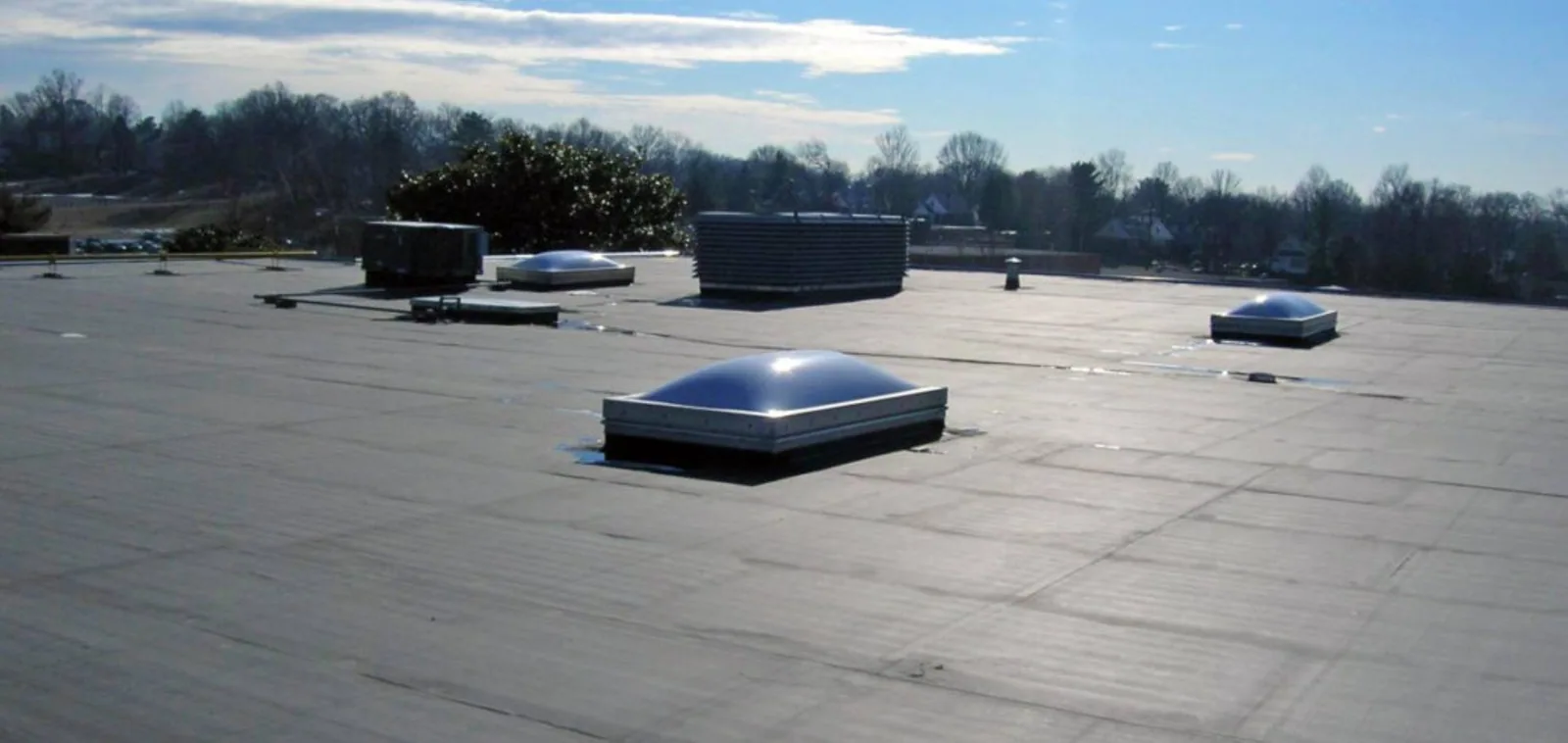
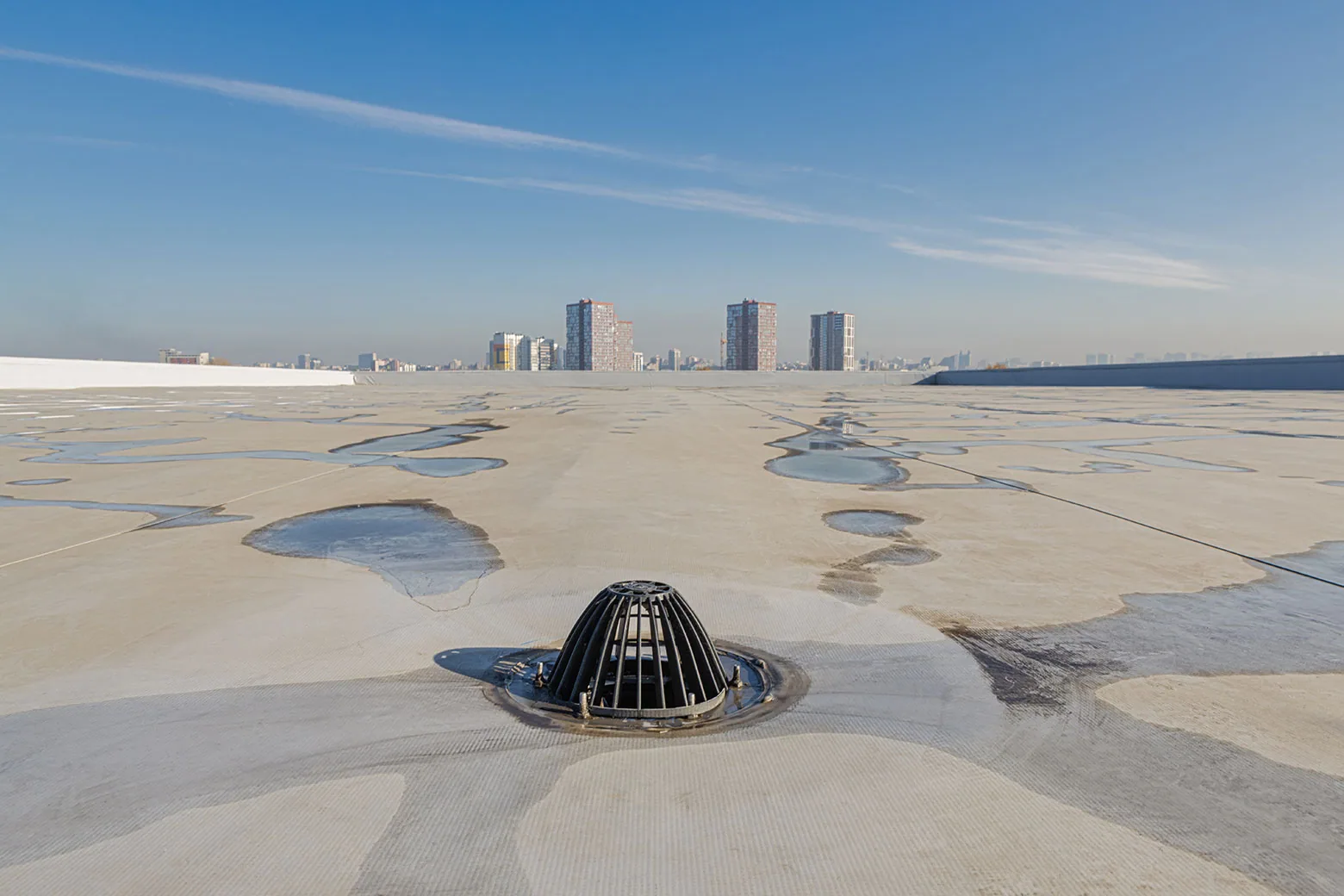
Manufacturing roofs can have many penetrations, but a high count alone does not identify the failure. We inspect each curb, pipe boot, exhaust opening, and conduit transition for secure flashing and water entry. At drains, we check bowls, strainers, overflows, and discharge paths. Repeated ponding may involve debris, slope, insulation movement, or a damaged drain connection; the repair method follows the cause.
Hamilton County has recorded hail and damaging-wind events. When a plant reports storm exposure, we inspect edges, seams, metal panels, flashings, and rooftop equipment for visible changes. Regional storm history does not establish damage at a particular site. We document the actual condition and distinguish immediate protection from permanent repair or testing.
A drainage repair plan can specify whether the crew will clear an outlet, rebuild its connection, or correct adjacent membrane work. A post-storm inspection can organize the observed effects after a reported event. If a production area cannot pause, the repair plan also identifies how water entry will be stabilized while a suitable access window is arranged.
A small repair can be the right option when a seam, penetration, edge, or curb has failed and nearby materials remain serviceable. We describe preparation, tie-in, material, and any protection beneath the work. If leaks repeat across a section or testing confirms wet insulation, the plant can compare local repairs with a wider renewal. We show which measured quantities are included and which concealed conditions remain an allowance.
Recovery may fit when existing layers are dry, securely attached, and compatible with a new assembly. We review deck, drainage, edge height, and equipment clearances before including it. An overlay review and a full replacement scope should show separate quantities for the insulation package, edge details, curbs, and removal. We note the production outage and weather protection each option requires.
For a plant roof, the manufacturing building plan accounts for production and equipment. If a GC is sequencing roof work with process piping, electrical, or interior upgrades, trade coordination can align the work boundary and closeout responsibilities.
Closeout should show roof sections, repaired details, photos, materials, exclusions, and any follow-up inspection. We identify which production zone sits below the work and note whether a test was completed or deferred. That record lets maintenance staff connect the next leak ticket to a known seam or penetration and check whether equipment access changed.
Carmel Science and Technology Park grew with development along Meridian and 116th Street and reflects the area's research and employment base. That local context is useful for a manufacturer reviewing equipment access and roof service paths; the plant's own production map still controls the work plan. A local operations team should keep its roof plan current as production equipment, exhaust, or service paths change. A revised roof map helps the next maintenance shift confirm which unit or service route was added.
Share equipment drawings, leak reports, planned shutdowns, roof plans, and access rules. We can inspect priority sections, identify testing, and prepare separate options for repair or renewal. A clear work record helps the next maintenance lead know what changed, where, and which roof question remains open.
Often, if the roof section, interior protection, safety route, and daily dry-in can be planned around operations. We identify any work that needs a line stop before setting the schedule.
We confirm access, equipment coordination, materials, testing, and permit steps ahead of the outage. The work plan lists the roof area and sequence so the shutdown window is used for the tasks that need it.
We coordinate immediate protection with operations, then trace the roof path and define a repair boundary. If moisture extends beyond the opening, we test before setting removal quantities.
Testing is useful when it can separate a local flashing repair from wet areas that need removal. We identify the test location and how its result will change the scope.
Keep the marked section, photos, materials, exclusions, equipment interfaces, and follow-up checks with the facility log. That lets maintenance tie future reports to the actual work.