A moisture survey is useful when a roof looks intact but the next repair or replacement decision depends on what sits below the membrane. We use infrared imaging to identify temperature patterns that may point to trapped moisture, then confirm selected areas with core cuts or other direct checks. A scan is a screening tool; it does not prove that insulation is wet. Sun exposure, roof construction, surface material, and weather can produce patterns that need a second look. In Carmel, the commercial office base along U.S. 31 and Meridian includes varied buildings and roof layouts. We map each roof section, note the conditions during the survey, and select confirmation points based on the assembly and repair history. Indianapolis, the nearest long-term station for Carmel, averages 25.5 inches of snow and 43.63 inches of precipitation each year. Those regional conditions inform survey timing, while the scan and confirmation tests establish roof-specific findings. The roof inspection and test plan together help the owner decide whether to repair, recover, or replace.
Infrared surveys depend on a temperature contrast between wet and dry areas. We consider weather, recent rainfall, surface conditions, roof construction, and the time of image capture before interpreting the scan. A wet roof surface, shaded area, rooftop unit, or different membrane material can change the pattern. We mark anomalies for review instead of labeling every color change as moisture.
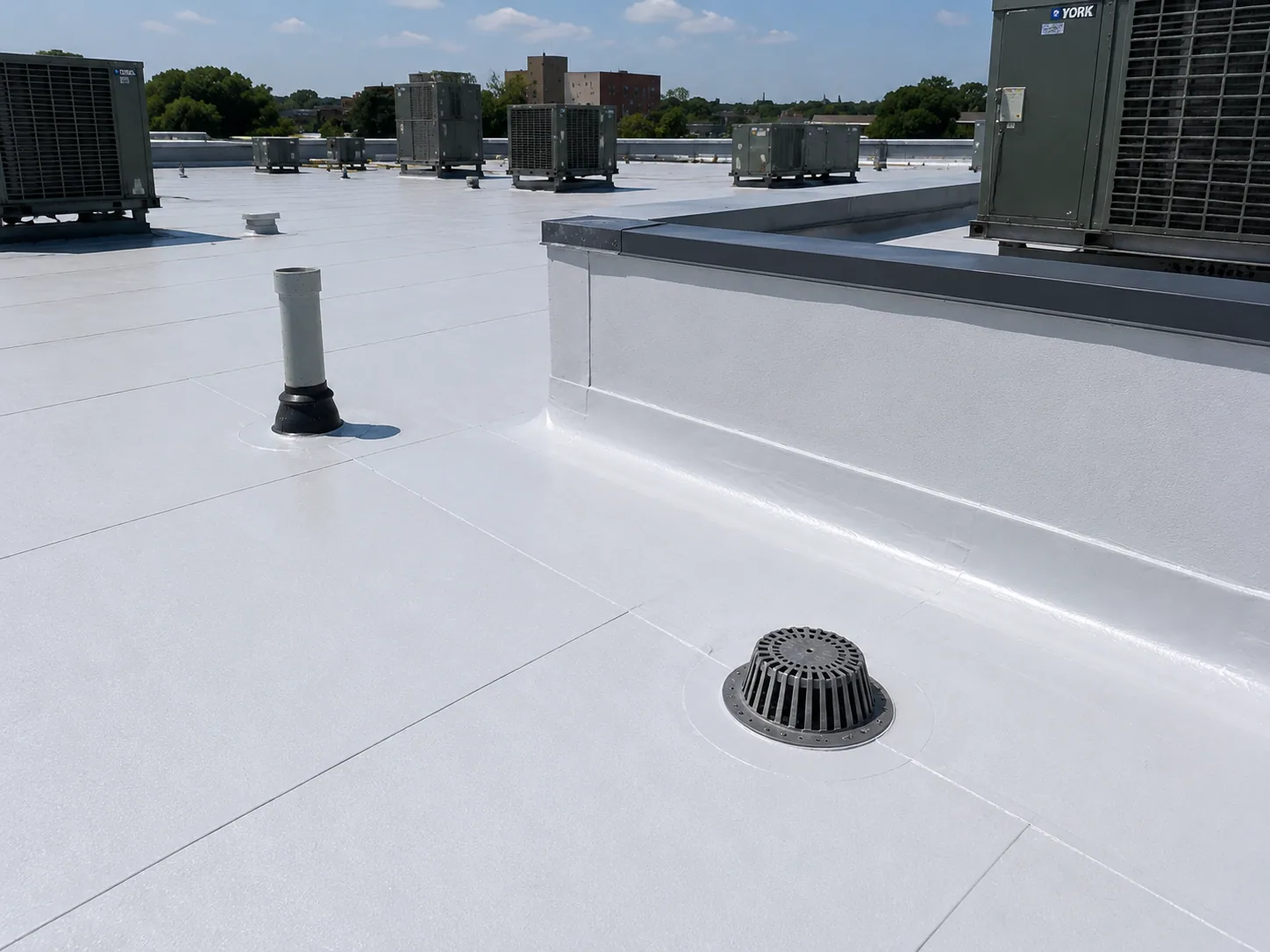
Before imaging, we review roof plans when available, prior leaks, repair locations, and known changes in insulation or membrane. A building with separate roof sections may need separate capture and interpretation. We label the image set by roof area and compare its patterns with drains, curbs, penetrations, and reported interior leaks. This narrows the areas where direct confirmation can provide the most value.
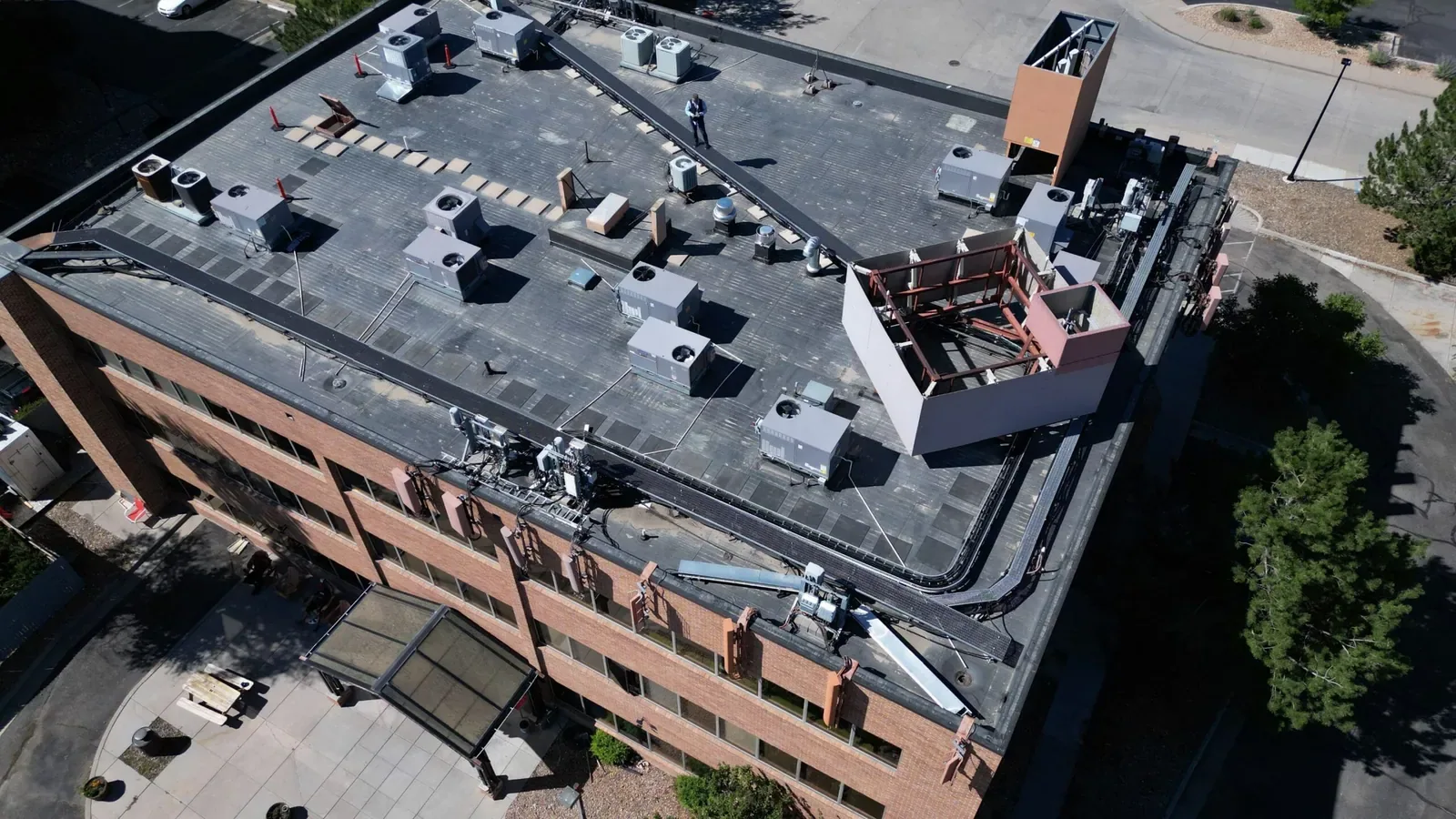
Access and safety also shape the method. We identify the roof hatch, equipment hazards, restricted zones, and portions hidden from the scan. If rooftop obstacles leave gaps, we state them. When an aerial view helps map the roof's geometry, drone imaging can document its layout; infrared capture and confirmation testing address the moisture question.
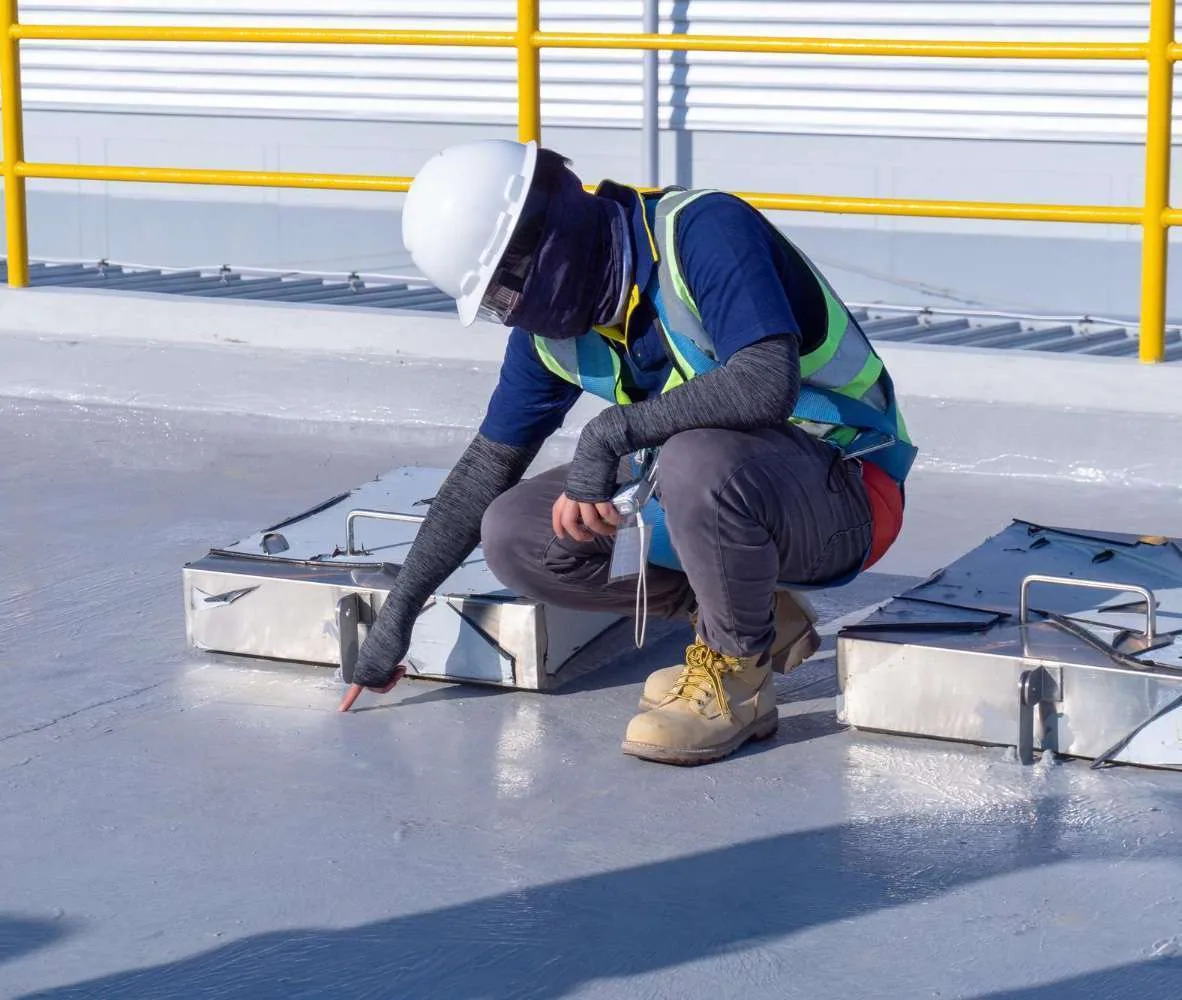
Core cuts provide a direct view of the roof layers at selected points. We choose locations based on the scan, roof plan, repair history, and a discussion of the owner's decision. A test opening can show whether insulation is damp and what layers make up the assembly, but one sample does not describe an entire roof. If results vary across sections, additional points may be needed to define the repair boundary.
We mark each test location and record the membrane, insulation, cover board, and deck conditions that can be observed. Openings are closed with compatible materials and documented for follow-up. Multiple roof layers or earlier repairs can change how a thermal pattern appears and how a repair should be detailed, so we include those conditions in the interpretation.
Findings guide the next step. Localized moisture may support selective removal and repair; a broader pattern can change the comparison toward replacement. A recover should not conceal wet material or unresolved attachment. The owner receives a mapped area and confirmation results, not a blanket statement based on an image. If water entry is active, our leak repair service can stabilize the building while the survey defines the extent.
A usable report distinguishes infrared anomalies, confirmed wet samples, dry samples, and areas that remain untested. We show the roof plan, capture conditions, locations opened, and observations from each confirmation point. That lets the owner see where evidence is strong and where further testing could change the recommendation. We also state any weather or access limitation that affected coverage.
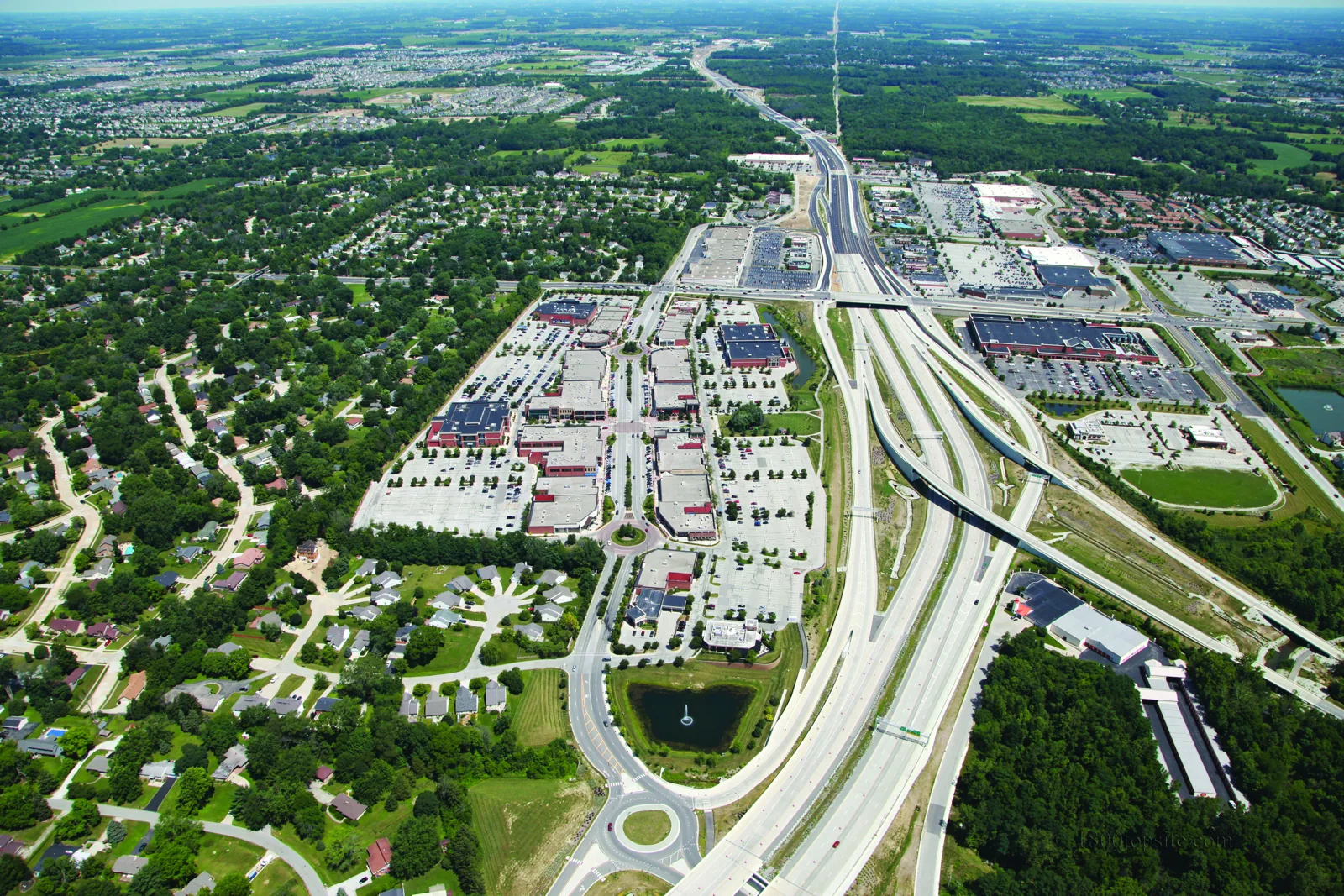
Carmel's office areas along U.S. 31/Meridian and the city's Science and Technology Park demonstrate a broad mix of commercial and employment uses. A district description cannot establish a roof's insulation type, condition, or age, so we keep each result tied to the building surveyed. If the owner has several structures, we identify them individually and avoid extending one sample result to another roof.
We connect the mapped area to measured quantities for a repair or renewal proposal. The owner can compare selective insulation replacement, wider tear-off, or continued monitoring using the same roof-section boundaries. A condition report can preserve those results alongside repair photos, maintenance history, and outstanding recommendations.
Survey timing can affect the reliability of the temperature pattern. We review recent weather and roof conditions before the visit and may recommend a different window if the surface is wet or contrast is too limited. Core cuts can be scheduled with the owner after the scan points are reviewed. This sequencing avoids opening the roof where the image does not support a useful question.
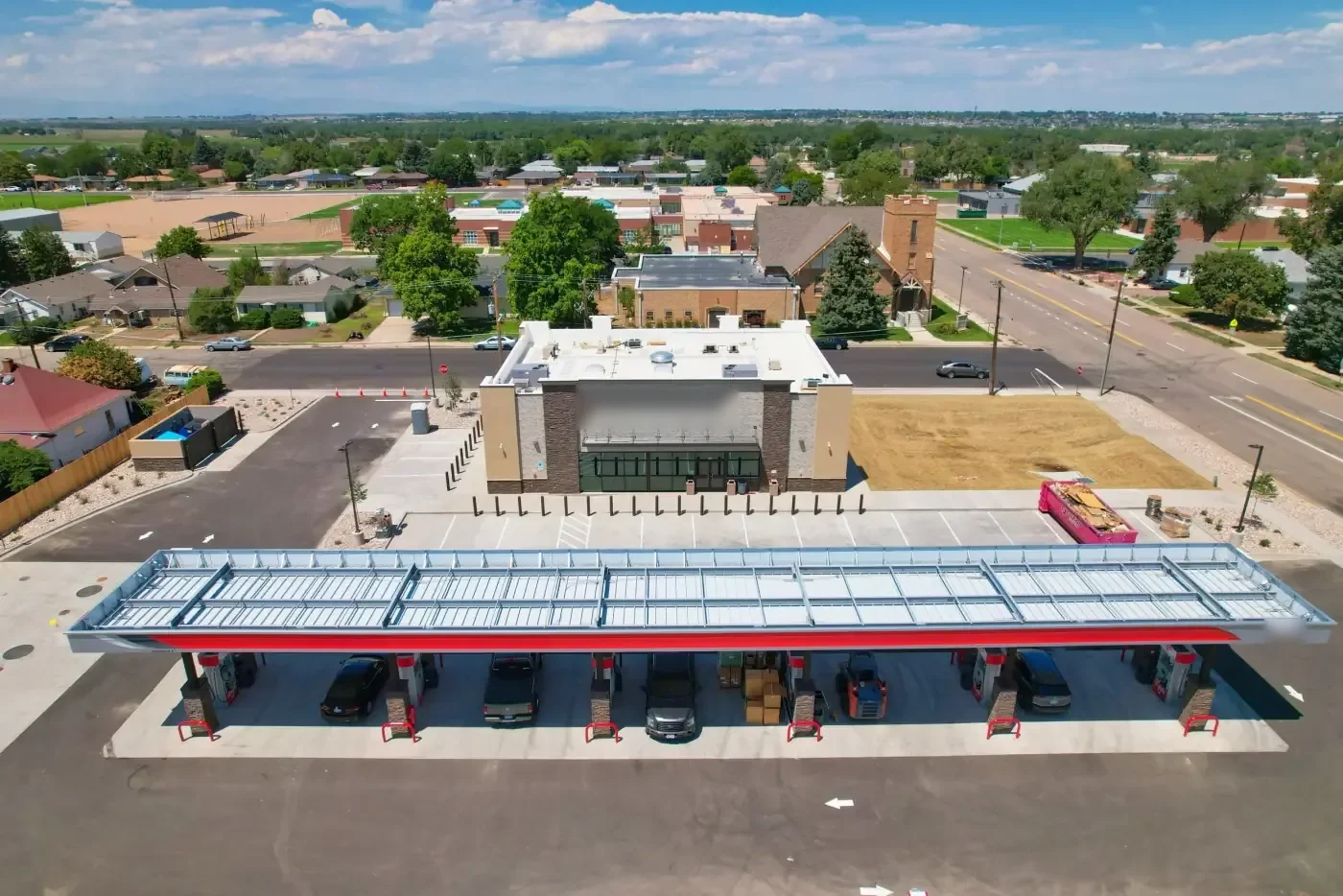
For a Carmel property around Clay Terrace, a retail operating schedule may matter to access and staging, while an office campus can have different requirements. We coordinate with the actual property contact, confirm safe access, and protect test areas after the work. If a building has sensitive operations below the roof, we identify them before cutting or removing material.
Once results are confirmed, we can separate urgent repairs from capital work. If moisture is localized near a drain or curb, the proposal can define that repair boundary. If samples show a broader pattern, we can present a replacement scope and explain what remains uncertain. The report should help the owner decide what to authorize next, not make the choice on its own.
Keep the report with the roof plan and maintenance record. A later survey can revisit the same sections and compare confirmed sample locations, repair areas, and new leak reports. If the roof changes after a replacement or recover, the old map still helps explain which layers were present before the work.
We also document what the survey cannot establish. Infrared imaging does not measure remaining service life, verify attachment, or locate every leak. Samples represent the points where material was opened. These boundaries keep a useful screening method from being treated as a full roof condition verdict.
For a portfolio, a capital plan can align confirmed moisture areas with other repair needs and the owner's budget window. If replacement is being considered, a measured renewal scope should state removal assumptions, quantities, and details that still need field verification.
No. It identifies temperature patterns that may be consistent with moisture. We interpret them with weather, roof construction, and site history, then use core cuts or another direct check where confirmation affects the repair decision.
The surface and recent weather need to support useful temperature contrast. We review conditions and may move the visit if rain, shade, or another factor makes the image difficult to interpret. The report records the capture conditions.
The number and position follow roof size, assembly changes, image patterns, and how the results will be used. We select points that can confirm or challenge the suspected areas. If samples differ, we discuss whether additional testing is worth the cost.
It informs that comparison by mapping suspected and confirmed moisture, while the full decision also weighs attachment, deck condition, drainage, layers, and project requirements. We combine the test results with a roof inspection and measured scope.
Yes. We close each test opening with compatible materials and record the location. If the survey finds repair needs, we can price the confirmed work separately so the owner can authorize the next step.