
A useful roof report lets a manager locate a condition without joining the inspection. We record the building, roof section, visible issue, photo reference, and recommended next step in plain language. The report distinguishes an open seam from a suspected wet area, and a completed repair from work that still needs approval. For a Carmel property with multiple buildings, that detail keeps one roof's findings from becoming a vague portfolio note.
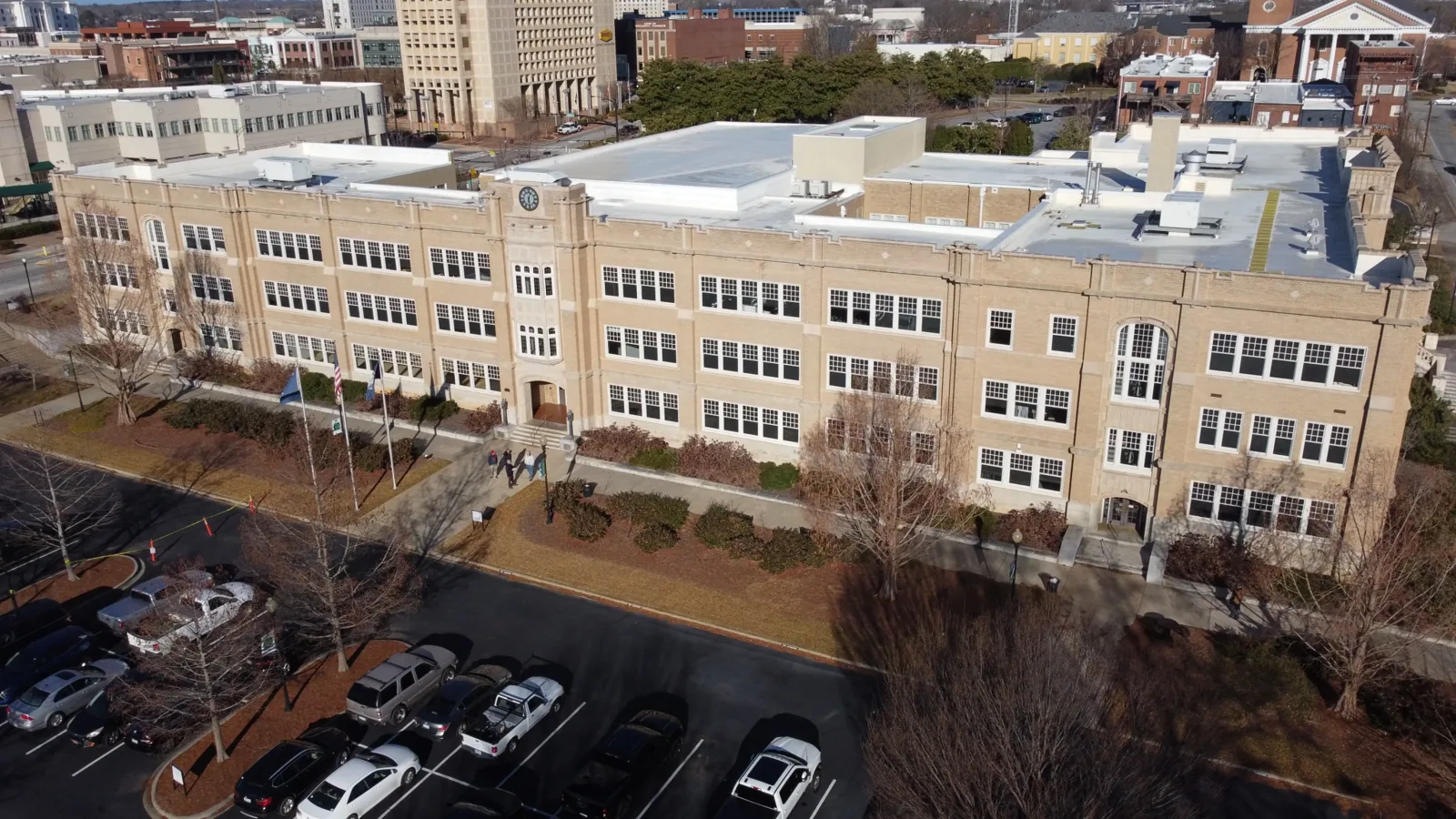
Parkwood Crossing contains seven office buildings as well as a hotel, restaurants, a bank, and parking. The commercial mix makes clear building labels and access notes practical. We inspect each asset directly, then prepare photographs and findings the property team can use for maintenance, repair, or capital review.
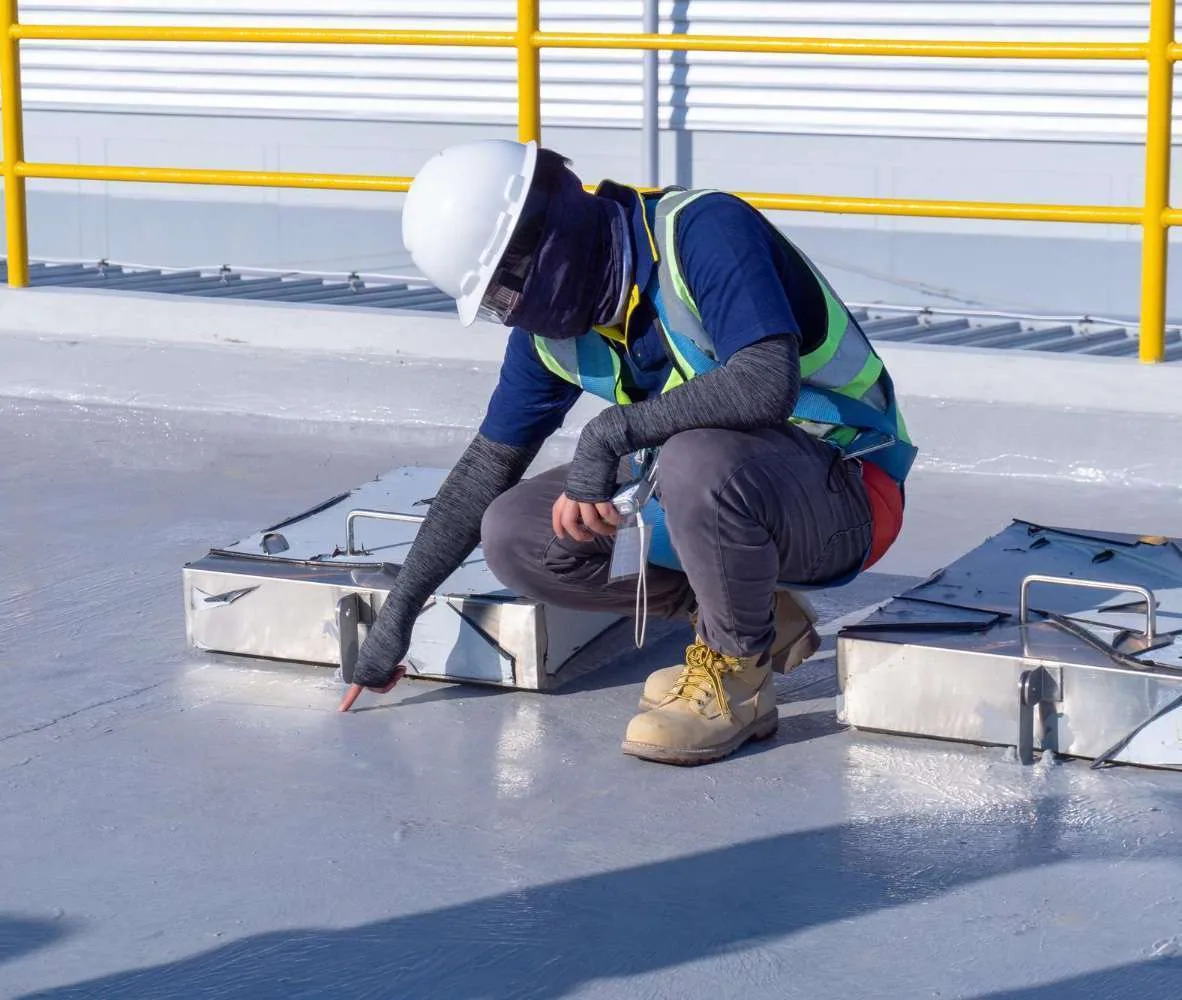
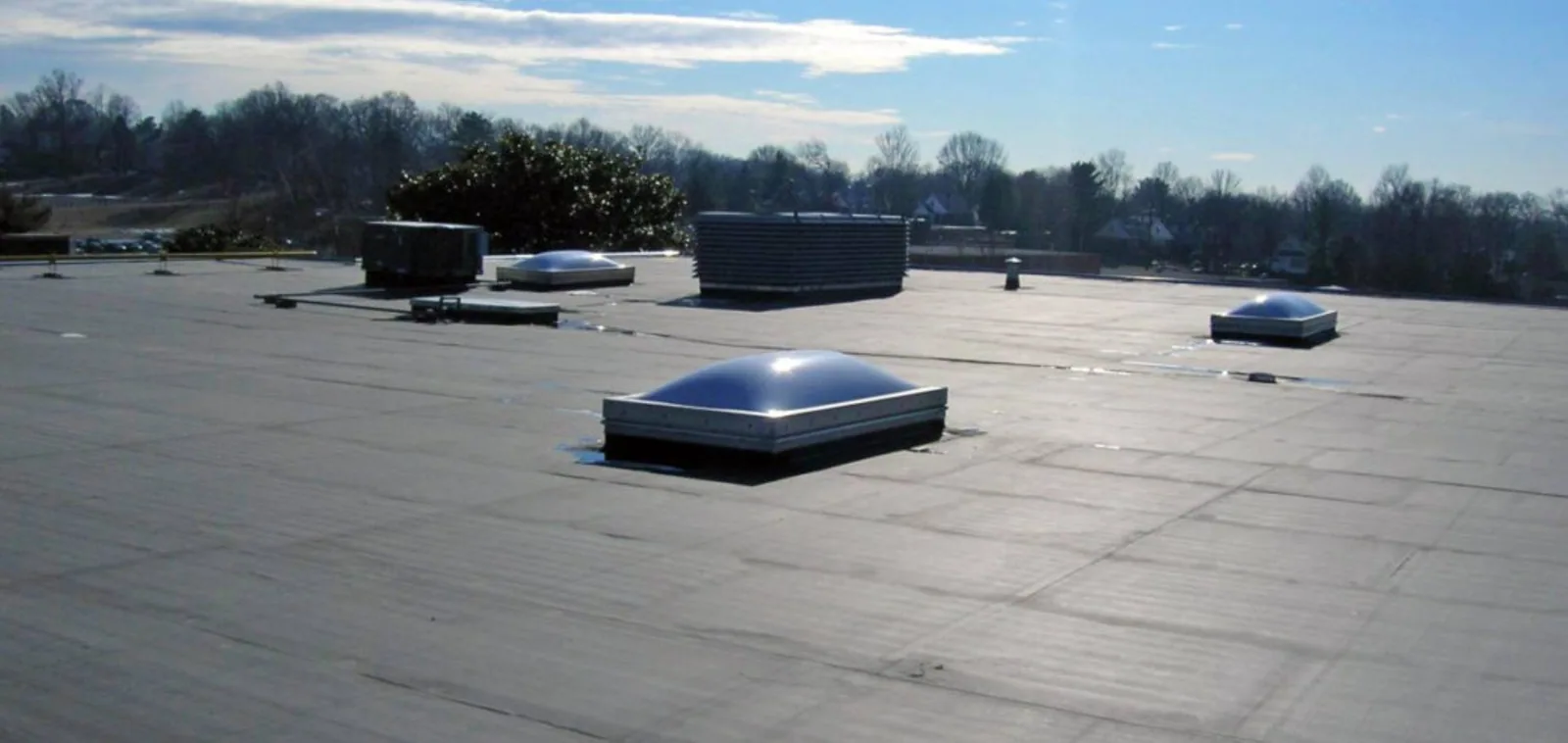
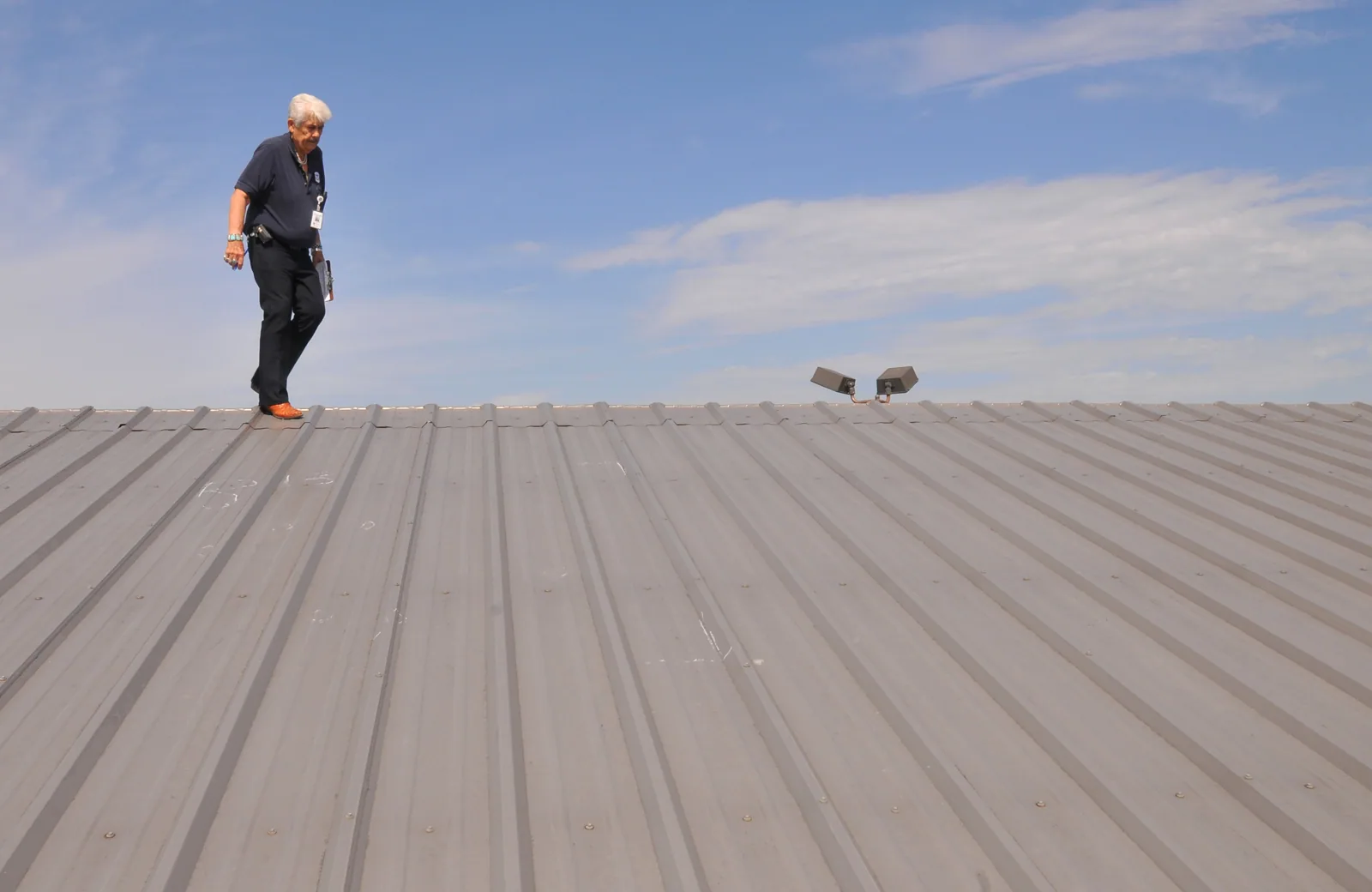
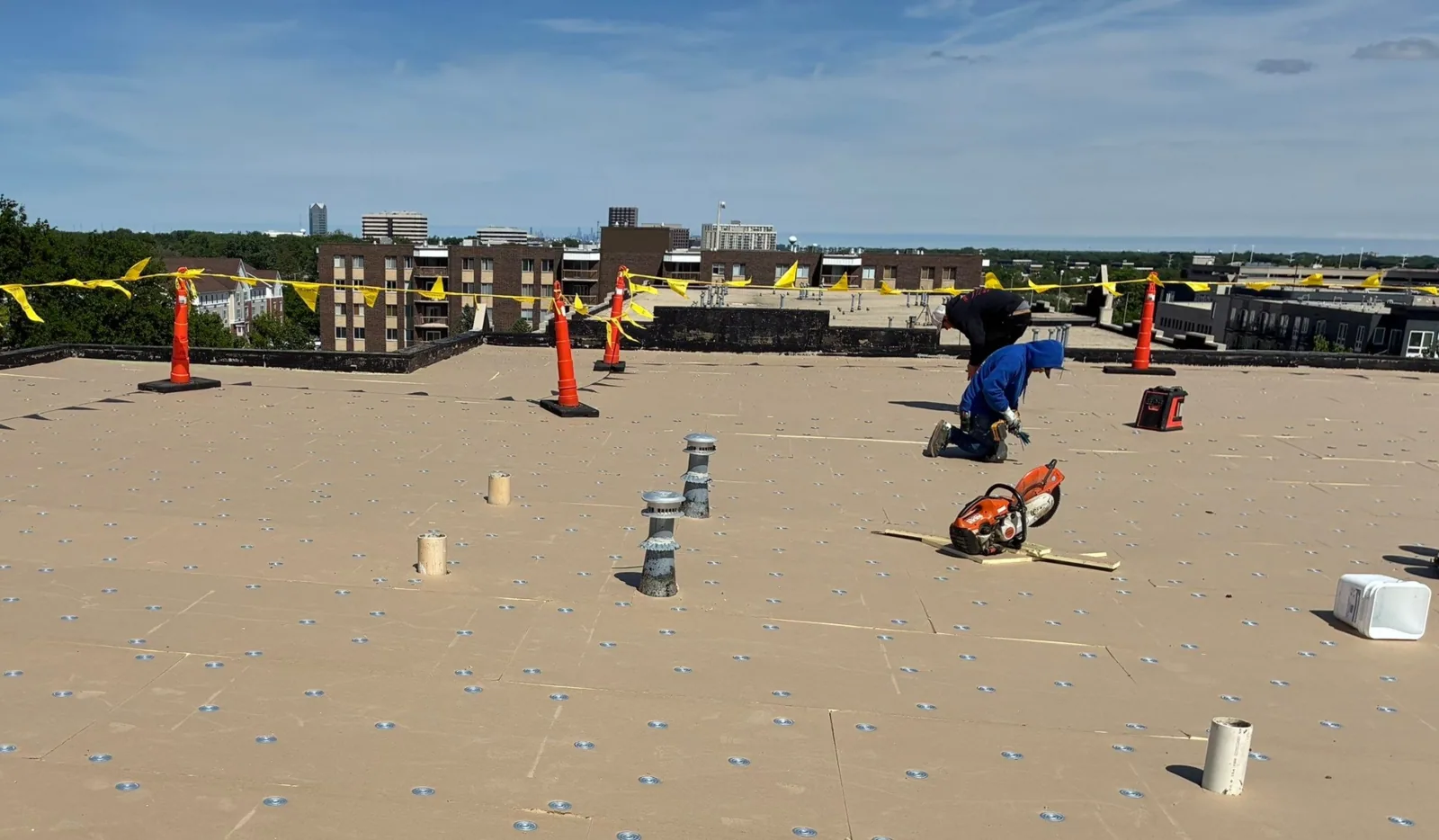
We walk the accessible roof areas and note membrane or metal condition, seams, flashing, drains, scuppers, edge details, penetrations, equipment supports, and signs of water entry. Photos are selected to show the condition and its location, not simply fill a file. A wide image can identify the roof section; a closer view can show the open lap or displaced metal. If the condition is not clear from the surface, the report says what additional step could confirm it.
Interior reports are useful when they include the room, date, weather, and whether the leak is active. We compare that information with roof details above and around the reported area, then trace plausible water paths. The indoor mark can appear several bays from the roof opening. Our commercial inspection notes the roof features examined and any area that could not be safely reached.
When a thermal pattern may affect the scope, we can add an infrared moisture survey as a separate method. A scan can help choose confirmation locations under suitable conditions, but it does not by itself establish moisture depth or quantity. We identify the test boundaries and results so the reader can separate screening from a confirmed condition.
Reports lose value when a photo is treated as a complete diagnosis. We describe what is visible, what it may mean for the roof, and which question remains open. A lifted flashing edge is an observation. Whether water has reached insulation beneath it may require a test opening. A dark area can be a stain, shadow, or material difference, so we do not label it as saturated insulation without evidence.
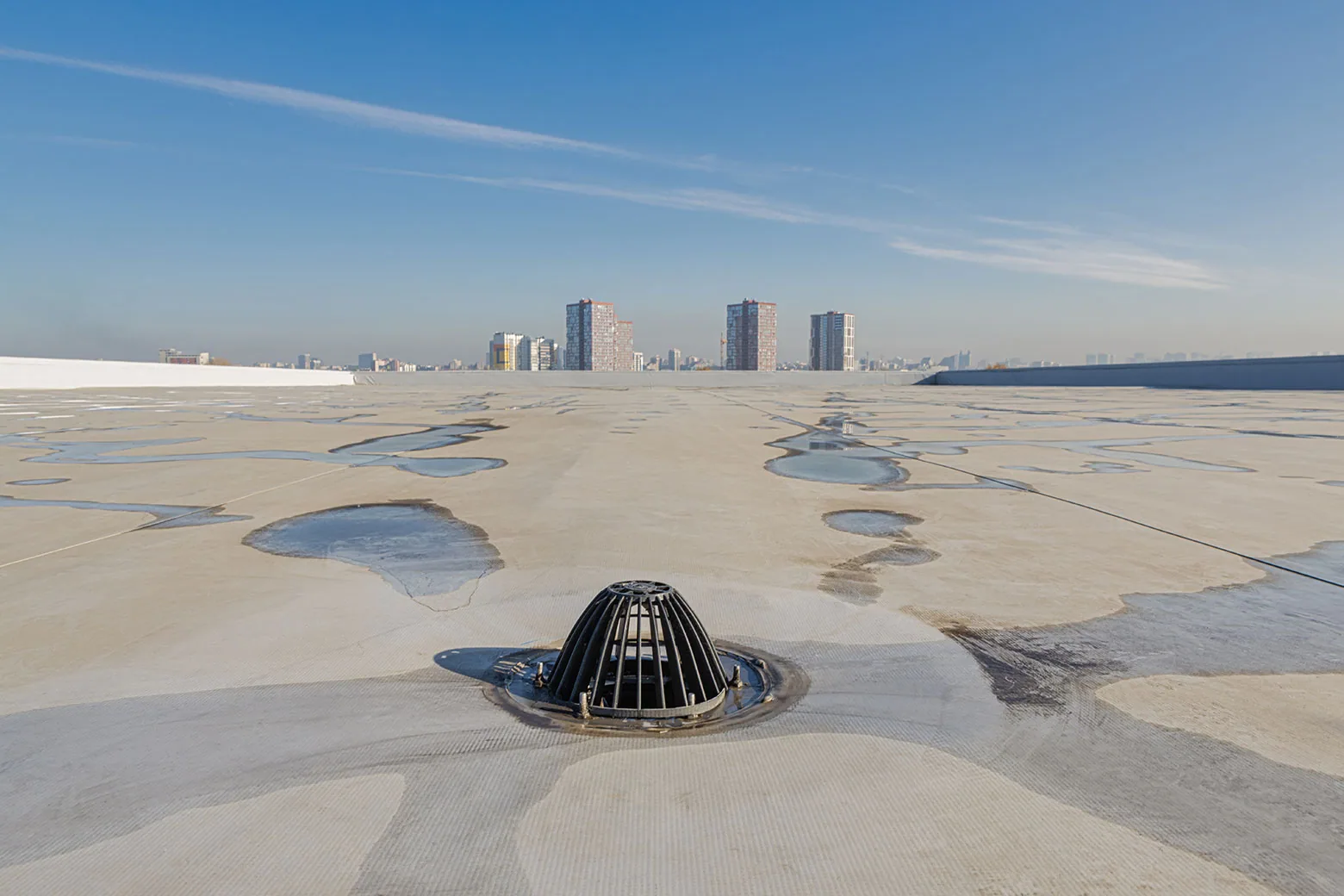
For each finding, we identify a practical action: clean or service, repair, monitor, test, or evaluate for renewal. If a drain bowl holds debris, the note can call for clearing and follow-up. If the membrane around it is split, the repair boundary and tie-in need their own scope. A drainage correction visit can address the outlet while keeping any membrane repair separately measurable.
Our report also makes limitations visible. Snow cover, standing water, equipment, locked access, or unsafe conditions can prevent a complete view. We list the affected area and recommend how to return to it. That record is more useful than implying that every surface and concealed layer was examined during a visual walk.
Each image should answer a location question. We label the building and roof section, give it a sequence or map reference, and pair it with a brief description of the observed issue. For a broad roof, we can divide the plan into sections so a repair crew can identify the same area after the report is delivered. That reference also helps ownership compare a later visit with the initial condition.
Carmel Midtown includes office buildings, multifamily housing, restaurants, commercial space, and public parking. A report for an asset in a mixed-use setting should make access and operation notes clear, while keeping those notes apart from roof condition. If a loading route or tenant schedule affects follow-up, we record it as a project consideration rather than a roof defect.
For a portfolio, consistent labels can support a condition register across different properties. A roof asset management record can carry the report date, findings, photos, repairs, and open items forward. If a report is being prepared for a lender or buyer, a transaction roof survey can focus on the decision questions and known limitations without changing what the inspection actually established.
When a repair is recommended, we describe the work area, preparation, materials, tie-in, access, and closeout evidence. Where measurement is possible, we include quantity and location. If concealed conditions may change the final repair, we state what must be confirmed after opening. This prevents a report from hiding uncertainty inside a broad “repair roof” recommendation.
For a larger problem, the report can compare localized work with replacement planning. A commercial repair scope should identify the defect and surrounding detail that needs correction. If broader deterioration or repeated failures make renewal a reasonable option, the replacement review should list insulation, drains, edges, curbs, staging, and removal needs. The owner can then review the cost drivers without treating a report as a final construction proposal.
Storm findings also need careful separation. Central Indiana records hail, tornadoes, and damaging wind, but regional event history is not proof of damage at a particular building. If a property reports an event, we inspect the specific roof and document impact evidence, displaced material, or other observed conditions. A hail review can help assess the reported roof after access is safe.
We deliver the report with a short priority summary, detailed observations, labeled photos, and a list of open actions. The summary gives the asset manager a clear first read; the detailed sections preserve the evidence behind that ranking. We can organize findings by urgency, building, or capital window, depending on how the portfolio team makes decisions.
For a property in the Carmel Midtown area, or elsewhere in the city, we keep the roof record tied to the specific asset and roof section. The same format can support a later repair visit, an annual review, or a renewal comparison. When work is approved, closeout photographs and repair locations can be added to the record so the next reviewer sees what changed.
A report does not replace a structural assessment, code review, or destructive testing when those are needed. It states the inspection method and the boundaries of what was observed. That way the owner can decide whether a contractor walk, engineer review, core cut, or permit check is the next useful step.
A Carmel report can support a repair authorization, targeted test, or capital comparison. We identify buildings and roof sections, inspection date, observed conditions, photo references, limitations, and next actions. Where a repair is defined, we state its boundary and measurable work; suspected conditions remain marked for testing.
Yes. We rank active water entry and immediate protection separately from scheduled repair, testing, and renewal planning. The report explains why each item sits in that group so a manager can take the urgent action without losing the longer capital picture.
A surface photo generally cannot establish concealed moisture. If the condition could change the repair choice, we can recommend targeted confirmation. Infrared screening may guide locations, while a test opening can verify the assembly at the sampled point.
We can inspect several buildings during one coordinated visit, but each roof gets its own section labels, findings, photos, and work priorities. Parkwood's multiple office buildings and other commercial uses make that distinction especially useful for access and recordkeeping.
For a transaction, the survey can focus on condition, known repairs, remaining questions, and likely near-term work. We state the inspection limits and do not present a visual review as a warranty or engineering opinion.