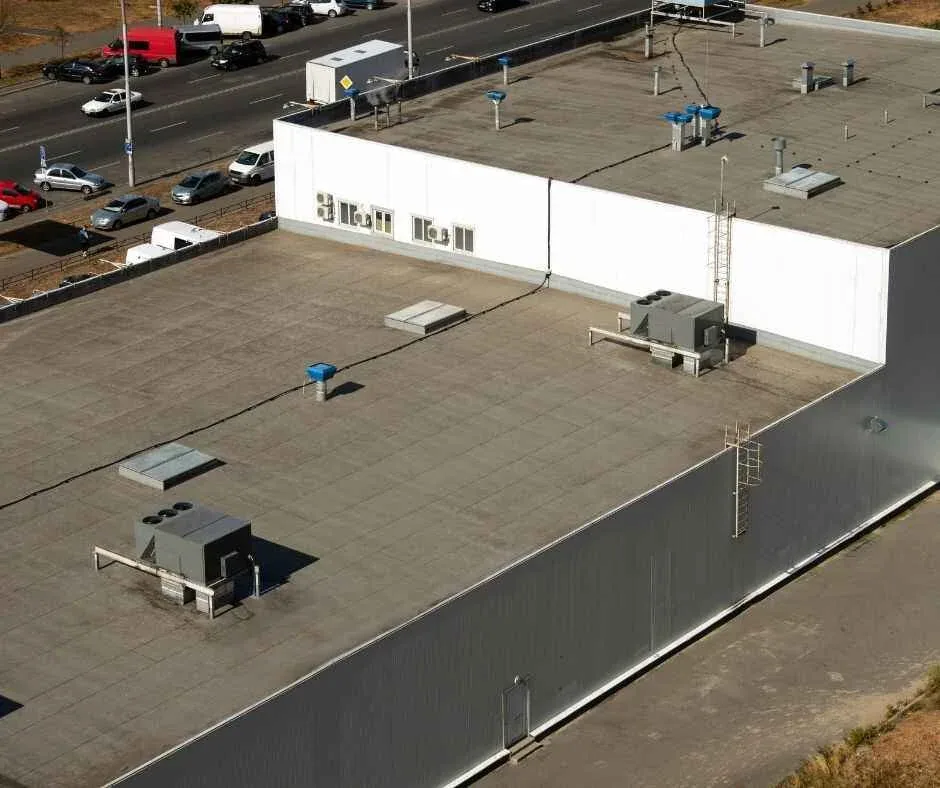
A portfolio roof list should answer a practical question: which building needs attention first, and what evidence supports that call? We organize the record by property, roof section, condition, active leak, maintenance history, and next decision. At Parkwood Crossing, seven office buildings sit alongside a hotel, restaurants, a bank, and a parking garage. That mix is a reminder that one address can hold several separate roof assets, each with its own access, assembly, and operating calendar.
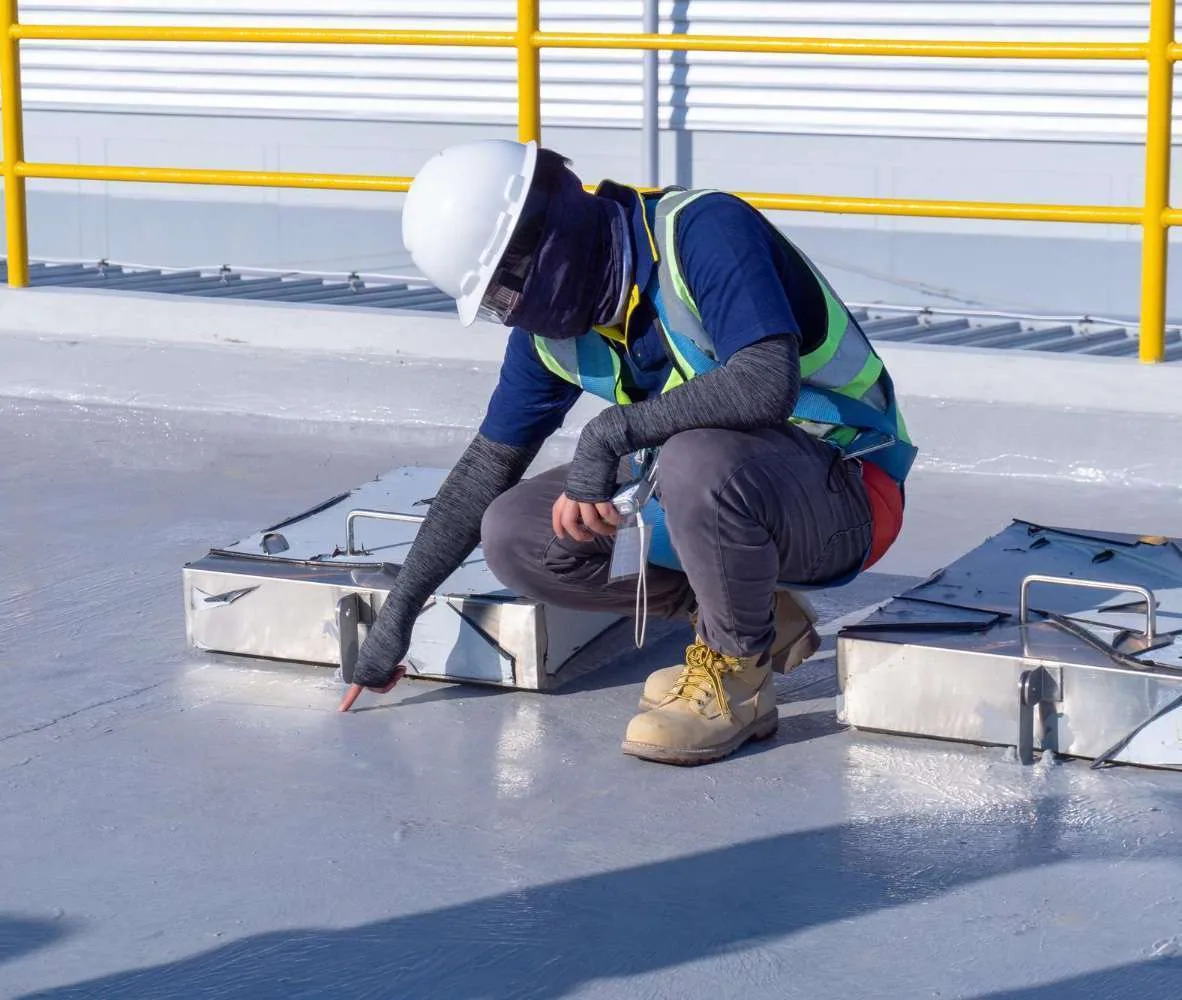
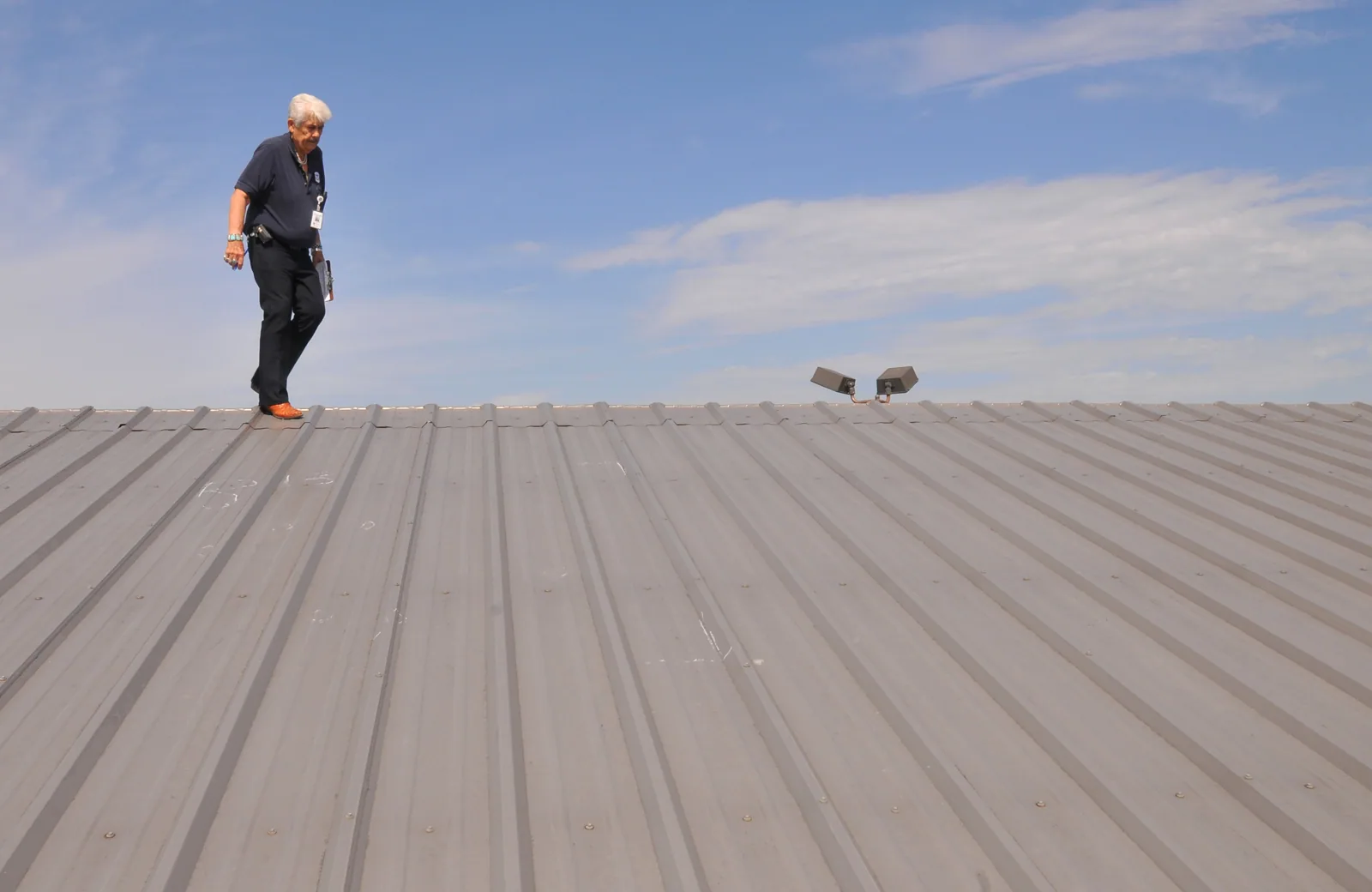
We begin with the records you already have, then compare them with a roof walk. A maintenance log may show a repair that solved a leak, or a patch that has returned as a recurring item. The field review checks the membrane or metal, water path, penetrations, edges, and rooftop equipment. The result is a working asset record that separates observed conditions from items that still need testing.
Portfolio data becomes useful when it points to a place a manager can find. We label each building, roof section, drain group, and known repair boundary. Photographs should carry a location and date, while notes describe what is visible: an open lap, loose edge metal, a clogged outlet, or a soft area that needs confirmation. A general entry such as “roof needs work” does not help a new manager compare bids or schedule the right trade.
For a larger asset list, we can pair condition reports with a photo-based roof condition report so images and recommended actions remain tied to the same section. The record also notes the method used, such as visual review, infrared screening, or a selective test opening. That distinction matters. We use a thermal pattern to choose confirmation points, then rely on testing to establish the extent and condition of wet insulation.
We keep completed work, recommended repairs, and open questions in separate fields. When a drain is cleaned, the record says so. When the connection is damaged, it moves to a repair scope. When an area was blocked by equipment or unsafe to reach, that limitation remains visible so the next site walk can close the gap.
A condition rating has value only when it leads to a defined next step. We describe whether a finding calls for routine maintenance, a localized repair, targeted testing, or a renewal comparison. A punctured membrane near a service path may have a tight repair boundary. Repeated seam separation across several areas points to a different conversation. We measure the affected work where possible and list concealed conditions as allowances only when the owner has a reason to carry them.
When water entry has been reported, the commercial roof inspection traces the likely path from the interior report to roof details. If the insulation condition could change the repair choice, we can select confirmation points before measuring a repair scope. Our asset record preserves both the initial evidence and the follow-up result, rather than replacing one note with another.
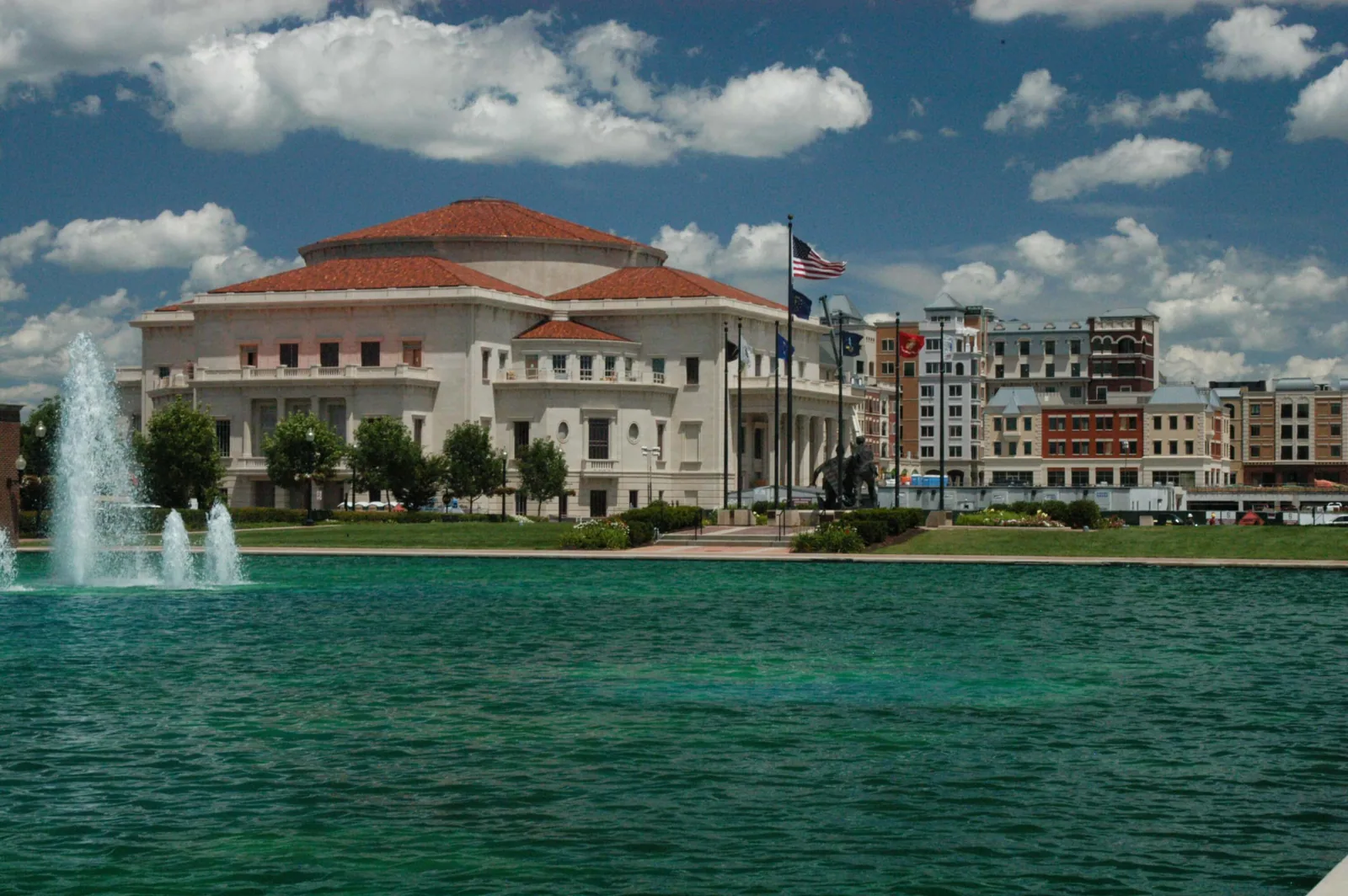
Carmel City Center combines office, retail, housing, and public parking in a mixed-use district. That context can make access and scheduling different from a single-tenant office building, while the roof condition still needs a building-by-building review. A Carmel City Center roof assessment starts with the exact building list and operating contacts, not an assumption that nearby structures share the same assembly.
Two roof defects can look similar and deserve different priority. A small opening over a sensitive room may need immediate protection, while a broader but stable wear pattern could be scheduled into a planned capital window. We consider active water entry, material condition, drainage, interior use, repair history, access requirements, and the time needed to procure materials. The record states why an item is urgent, near-term, or suitable for monitoring.
Central Indiana's winter snow and precipitation make outlets and low areas worth checking before seasonal work. We inspect each roof section directly and record how its drainage responds to rain, snow, and thaw. After a severe-weather report, the wind-damage assessment documents displaced edge details, lifted membrane, or punctures before the owner decides whether the issue belongs in maintenance or a larger repair.
Managers can use one priority method across assets while keeping the supporting facts local to each roof. A building with clean drains and no repeat leaks should not inherit another property's risk score. We show the condition, the consequence of delay, and the next action separately so a portfolio ranking stays understandable when a capital committee reviews it months later.
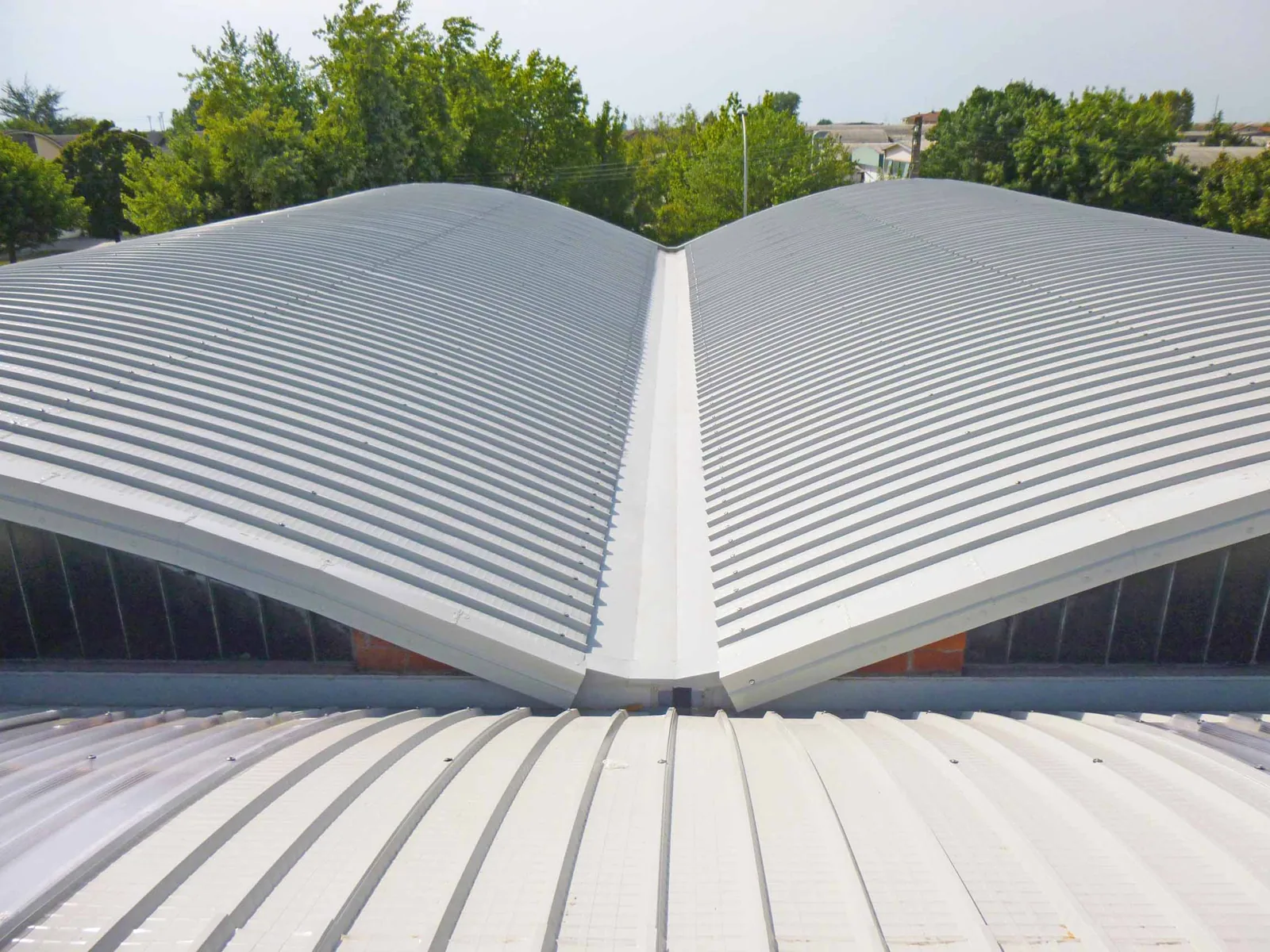
When several assets approach renewal, the record should make repair, recover, and replacement options comparable. We identify roof layers where known, attachment and deck questions, insulation concerns, drainage changes, edge conditions, rooftop equipment coordination, and disposal needs. A replacement scope can then show measured areas and detail work. A recover assessment can state whether the existing assembly appears suitable for another layer and what testing remains.
These paths carry different schedule and disruption assumptions. A recover may reduce removal work if the roof is dry, secure, and compatible, but added height can affect drains, curbs, edges, and clearances. Replacement exposes more of the assembly and may allow wet material to be removed, with different staging and weather protection needs. We record the decision criteria before pricing so the owner can compare options on matching quantities instead of choosing from dissimilar proposals.
For portfolios along the Meridian and U.S. 31 office corridor, coordination may involve multiple contacts, building access rules, and occupied work. The asset record can hold those operating notes alongside roof facts, but it keeps them distinct. The roof decision rests on condition, scope, and schedule; tenant arrangements shape how the work is delivered.
Asset management is a repeatable cycle: collect the prior record, inspect the roof, assign each finding, complete approved work, and return the closeout information to the file. We agree on review timing based on condition and exposure. A roof with an active leak, recent repair, construction traffic, or planned renewal may warrant an earlier follow-up than a stable section with no open items. The interval should respond to evidence, not just repeat the same calendar date.
After the work, we return photographs, repair locations, materials, limitations, and follow-up items in a form the property team can use. We can also coordinate a preventive maintenance visit to check drainage and details between larger capital reviews. If the portfolio carries manufacturer coverage, a warranty record review can track required documents and open questions.
Start with the building and roof-section labels, known system, inspection date, reported leaks, repair history, visible conditions, photos, and open follow-up. We also note access limits and whether a finding is confirmed or needs testing. That lets the next reviewer tell what changed and what decision remains.
Yes, when access and operating schedules allow. We can group the site walk while keeping a separate record for each roof. Parkwood Crossing's mix of office buildings and other commercial uses shows why the route can be shared but the condition and work list cannot be combined by default.
Active water entry, safety or access constraints, repeat repairs, drainage, interior use, and evidence of broader assembly concerns all affect priority. We explain the basis for the ranking and distinguish urgent protection from work that can be planned into a later capital window.
No. It can help identify areas for confirmation when conditions are suitable. We use the result to plan selective testing or another inspection step, then base repair quantities on confirmed conditions and the agreed scope.
Send the building list, roof plans if available, leak reports, prior invoices, warranty documents, access contacts, and capital timing. We will identify what can be reviewed from the record and what needs a site walk or testing before options are compared.