A warranty file matters most when a leak or repair question comes up. We help Carmel property teams organize the documents, roof plans, maintenance records, and repair history by building and section. The goal is practical: know which paperwork belongs to the roof, what maintenance or notice steps may apply, and what condition should be inspected before work begins. We review documents as records, not as proof that a specific claim will be approved.
Parkwood Crossing includes seven office buildings and several other commercial uses, so a shared property file can quickly mix separate roof histories. We keep each building's materials distinct, then note the manufacturer, system, coverage document, dates if shown, maintenance requirements if stated, and any missing information that needs follow-up.
We begin with the actual file: warranty document, system submittals, approved repair records, inspection notes, photographs, and closeout information. We compare the document's property and roof-area references with the building list and roof plan. We match each covered area to its documented roof section; adjacent wings or buildings enter the file only when the paperwork includes them.
Installation records can identify membrane type, insulation, attachment, flashing details, and project limits. A TPO roof record should not be substituted for a PVC or EPDM file simply because the roofs appear similar from the ground. When the system is unclear, we can inspect accessible details and record what is visible, then mark what needs confirmation through documents or selective testing.
For a portfolio, the asset record can keep the warranty file, roof condition, leak history, and current work in one building-specific chain. We note whether a document is complete and legible, whether the covered area can be located, and which questions remain for the issuer or owner. That is more useful than a folder labeled only by city or property group.
Warranty terms differ, so we read the actual requirements rather than assume a standard schedule. The file may specify inspections, prompt notice, approved materials, repair procedures, or documentation. We list each stated condition and flag unclear language for the owner to resolve with the issuer. A routine maintenance visit remains separate from any coverage decision.
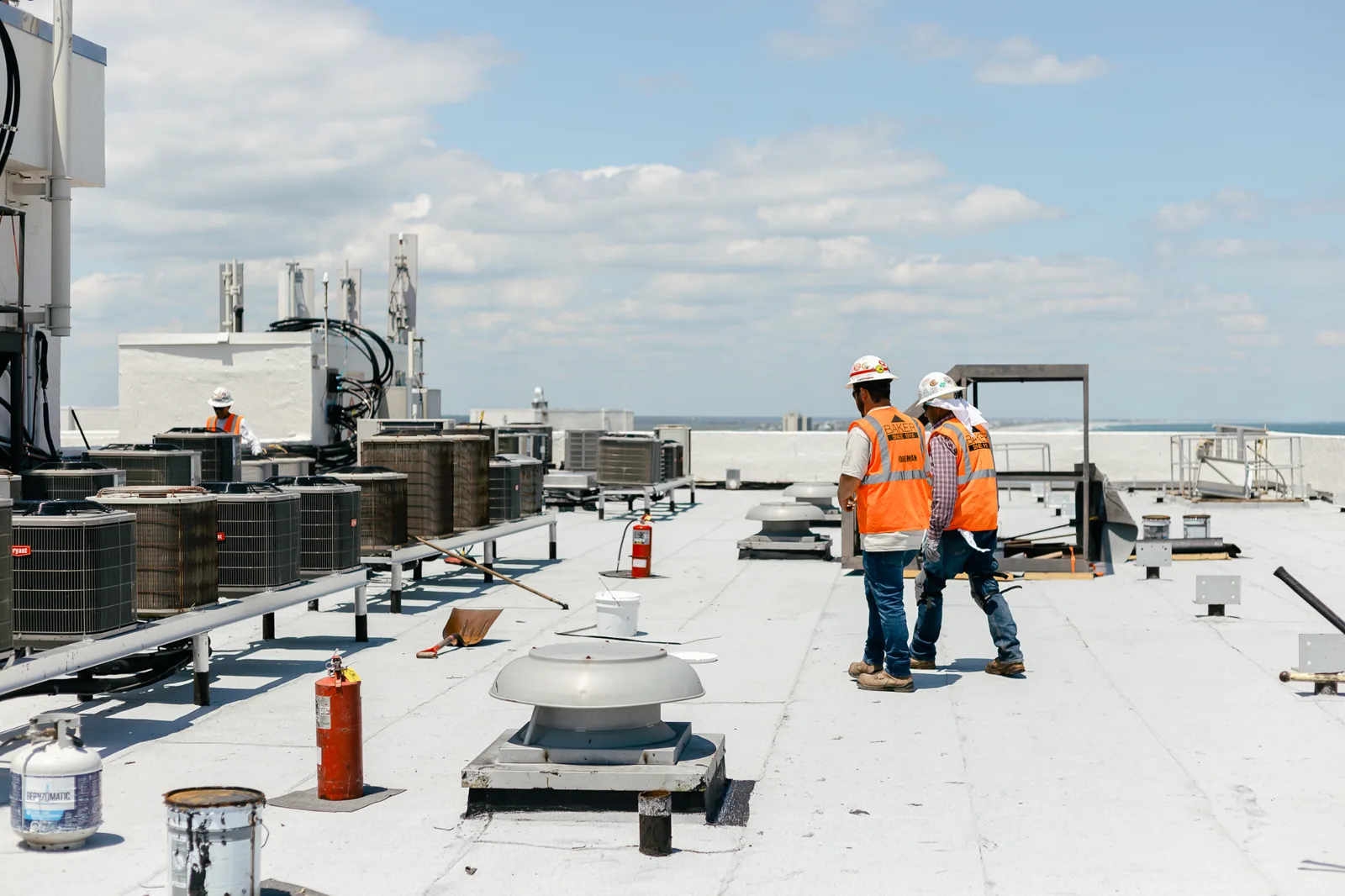
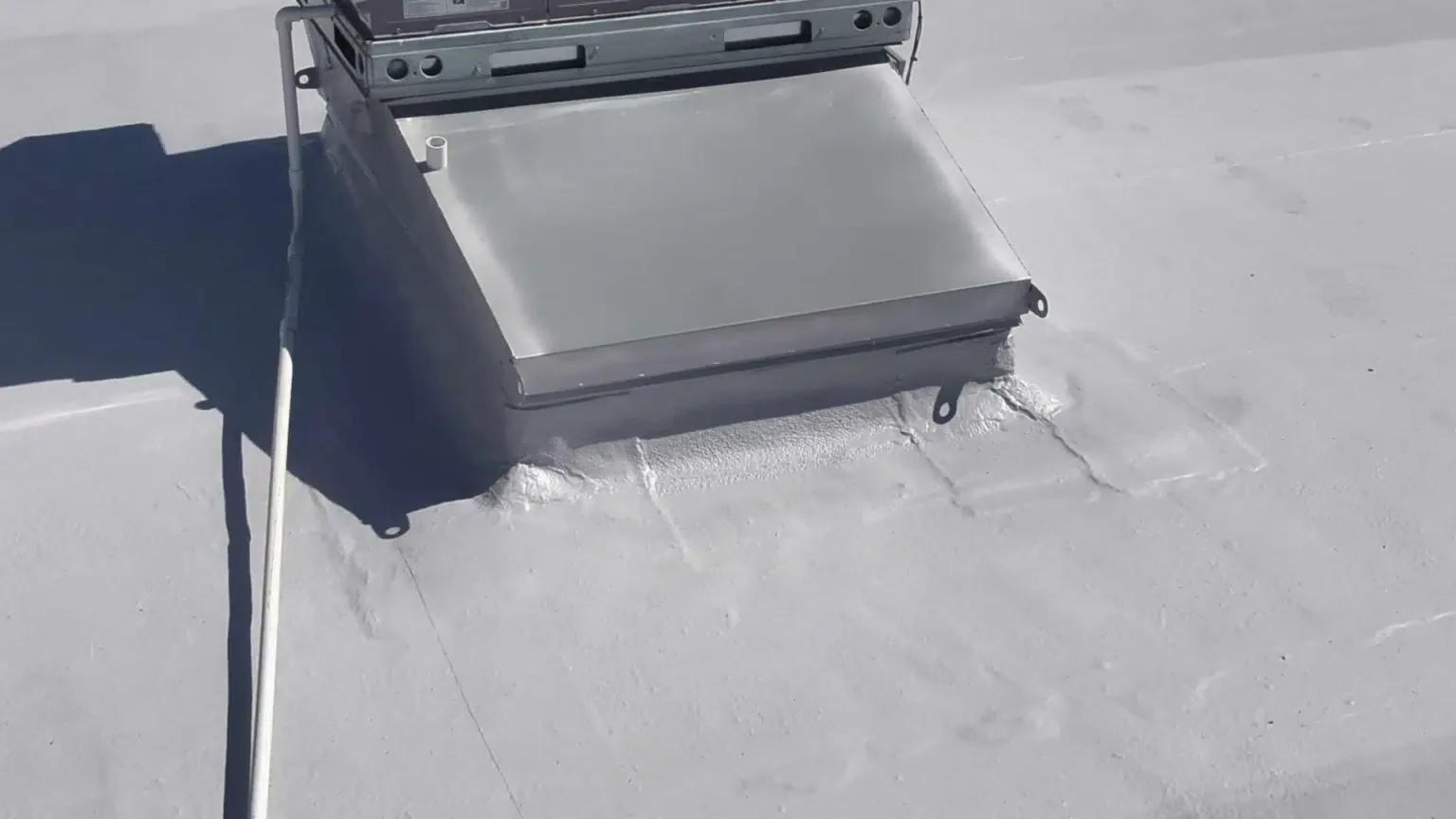
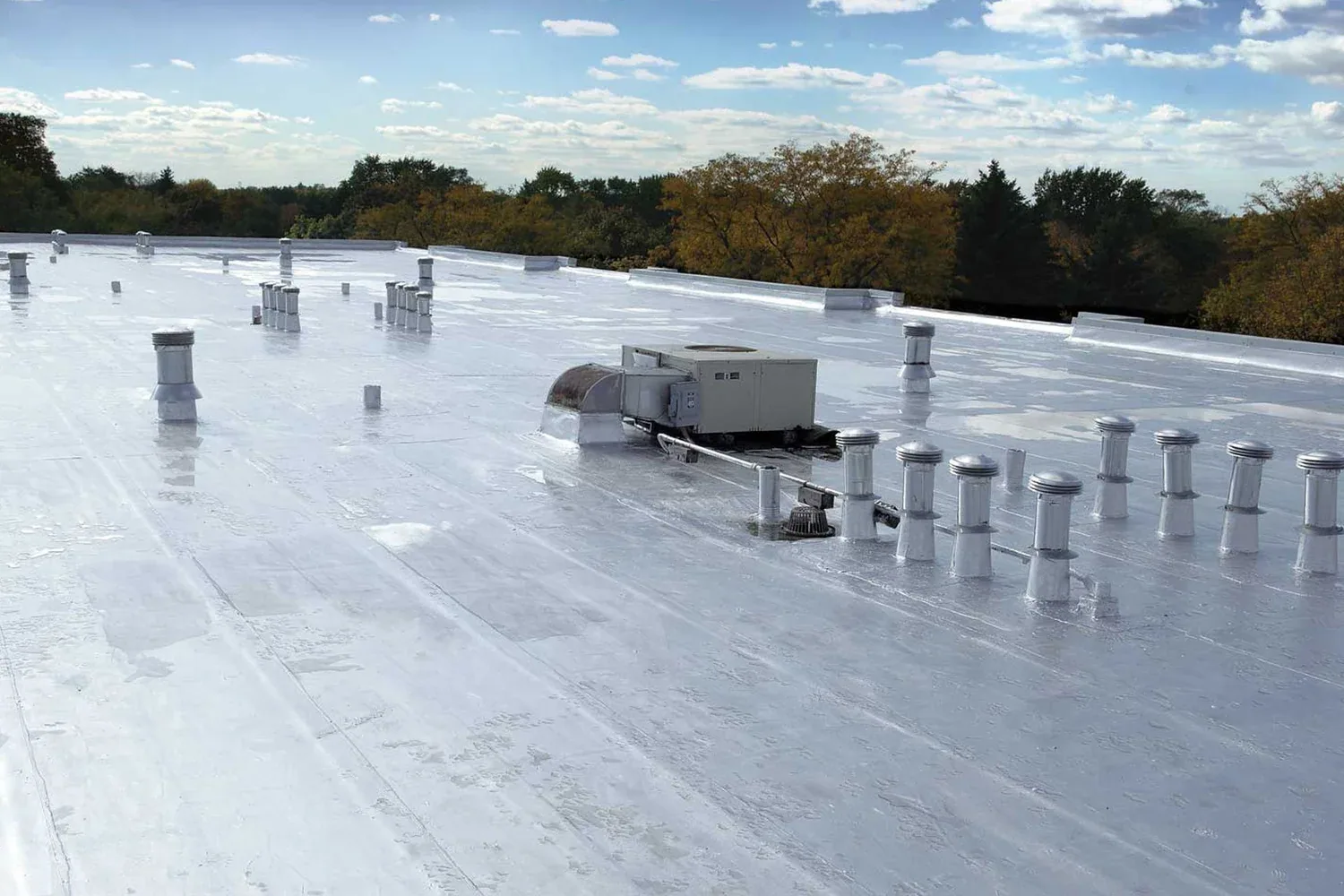
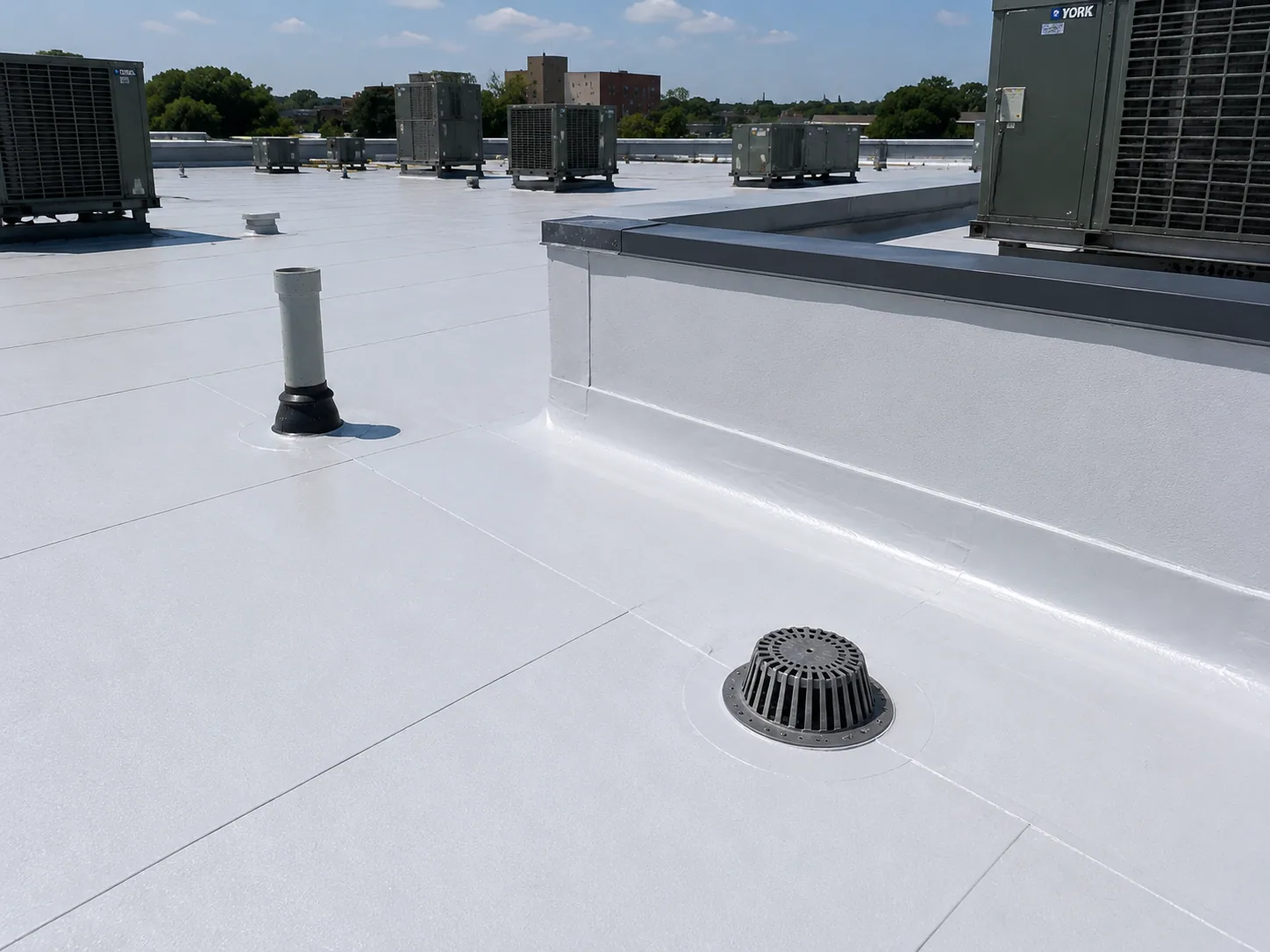
On the roof, we review drains, seams, penetrations, curbs, edges, and prior repair areas against the available record. A repair can affect a covered system if it changes a detail or uses a material that the document restricts. Before work, we identify the planned repair boundary and any approval or notification step shown in the file. The maintenance visit can also return dated photographs and a record of observed conditions for the owner's file.
Carmel winter conditions can restrict safe roof access and expose weak details to repeated freezing and thawing. We schedule the inspection around the actual surface and weather, then note any section that snow or ice makes inaccessible. A winter damage inspection can document a reported event without treating seasonal exposure alone as proof of roof damage.
When a leak appears, the first step is to protect the interior and locate the likely roof entry path. We document the report date, affected room, weather, and any operations concern, then inspect roof details that could connect to the water path. A ceiling stain can sit away from the roof opening when water follows a deck joint or framing member. The leak investigation records what we found and separates emergency protection from permanent corrective work.
Before repairing a roof with active coverage, we compare the proposed work with the file's requirements and identify questions that need an owner or issuer decision. We can describe the material, preparation, tie-in, and access plan, then keep the completed work record with dated photographs. If the document is missing or the covered boundary is unclear, that uncertainty stays visible rather than being treated as permission to proceed.
A condition report helps preserve the decision trail. The photo-backed report can show the defect, surrounding details, inaccessible areas, and any testing performed. It can also state whether the observed repair appears localized or whether a broader roof review is warranted. The report records evidence; coverage interpretation remains subject to the actual policy or warranty language.
Some roofs need regular maintenance. Others need a repair, testing, or a renewal plan. We define the work before arrival, identify the system and location from the records, and state any restrictions or unanswered questions. Where a condition could affect coverage, we document the condition and proposed repair before changing the roof assembly, subject to the process in the governing document.
Carmel City Center combines apartments, office and retail space, and public parking across a mixed-use district. That context can affect access, staging, and communication, while the warranty record still needs to point to the exact building and roof area. We coordinate with the property contact and keep traffic, equipment, and work boundaries clear. The City Center service area is a local setting, not a substitute for identifying the covered roof section.
If the file calls for a repair by a listed manufacturer or a specific method, we identify that requirement before scheduling. We record the manufacturer, listed method, and approval status exactly as the documents state, then confirm unresolved requirements with the issuer. For a broader system decision, a roof survey can gather the condition and document questions needed before purchase, refinance, or renewal planning.
After authorized work, we can return the scope, photographs, materials used, repair location, and completion date for the owner's records. We also identify any remaining item, such as an area that needs testing or an access limitation that prevented a full inspection. A future manager should be able to match the closeout to the roof plan without searching across several properties.
At a multi-building property, records can be grouped by campus for convenience but should remain separate by roof. Parkwood Crossing's office, hotel, restaurant, banking, and parking uses illustrate how nearby structures may operate differently. We coordinate roof visits around those uses and file the result with the correct building record.
We can revisit the file during the next maintenance cycle or capital review. If the owner supplies a new document, repair invoice, or inspection result, we update the open questions and note what has changed. A multi-site program can use a common record format while preserving each roof's coverage terms and condition history.
No. We can review the documents provided and record their stated dates, scope, and requirements. The issuer or owner may need to confirm current status, especially when files are incomplete or a transfer question exists.
Useful records include the coverage document, roof plan, system submittals, prior inspection reports, repair invoices, leak details, and photographs. We can compare those materials with the roof condition and identify any step listed before repair work begins.
The answer depends on the actual terms and the proposed work. We identify the repair boundary, materials, and method, then flag any written approval or notice requirement we find in the file for the owner to resolve before proceeding.
Use a separate record for each building and covered area, with the document, system details, maintenance history, repair photos, and open questions. The portfolio can share a consistent index while keeping roof-specific requirements separate.
We can inspect visible conditions, gather available plans and invoices, and mark what remains unknown. A field review may establish the apparent system or locate a repair, but it cannot recreate missing coverage terms or prove what was concealed during installation.