Snow and ice can change the roof's water path before a leak appears inside. We inspect accumulation patterns, drains, overflows, edges, penetrations, and interior reports, then decide whether the issue is blocked drainage, an open detail, or a condition that needs engineering review. Carmel's nearest long-term weather station normals show 25.5 inches of annual snowfall and 8.8 inches in January. The snow-load question belongs to the building's structural review. We use those averages to plan access and inspect drainage, then follow the property's safety procedures for any load concern.
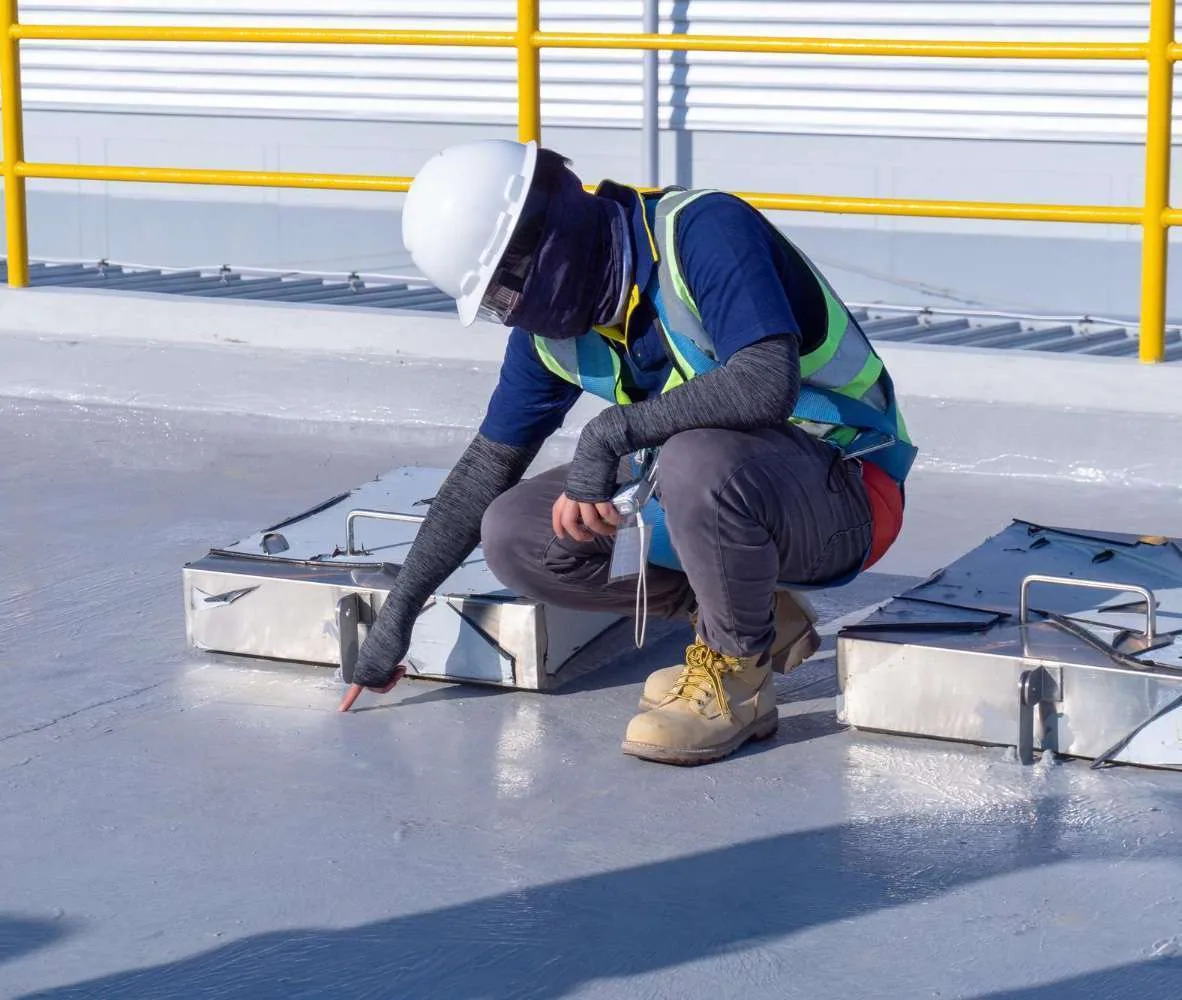
We do not move snow or ice until the building's safety plan and roof access conditions are clear. The work starts with a controlled inspection and protection plan. On a multi-building campus such as Parkwood Crossing, each structure and access route needs its own status, because a condition on one roof should not be applied to another without inspection.
We look for ice at drains and scuppers, backed-up water, open seams, displaced metal, blocked overflows, and stains at ceilings or walls. After a thaw, water may enter at a detail that remained hidden while the roof was covered. We record the roof section and nearby features, then compare the interior report with the likely entry path. A commercial roof inspection can document what is accessible and which areas need a later check after conditions change.
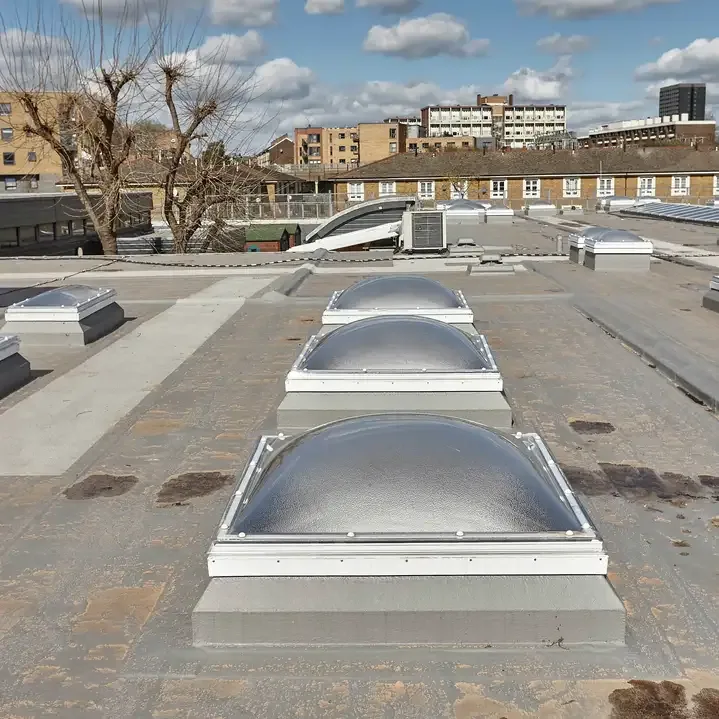
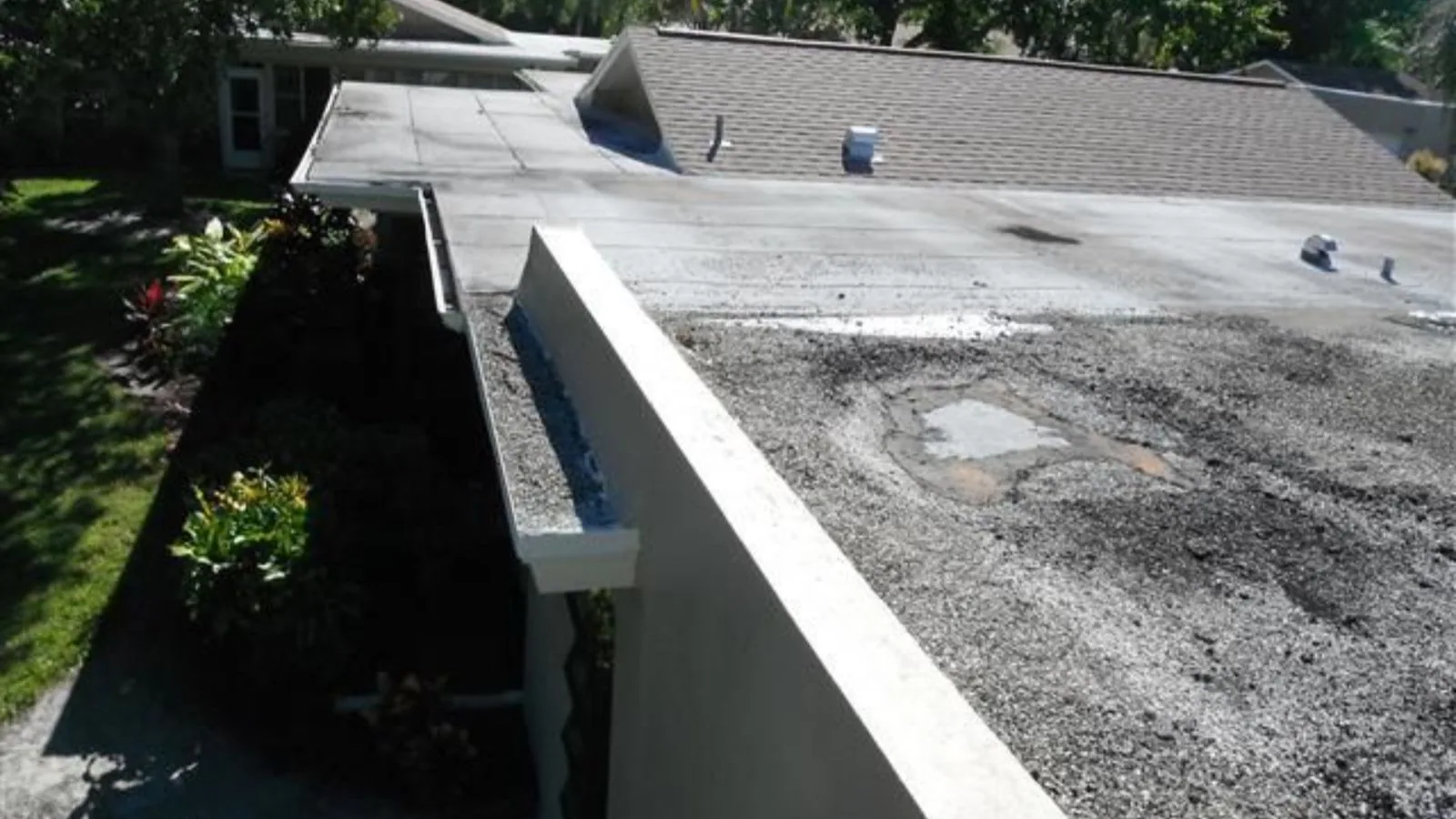
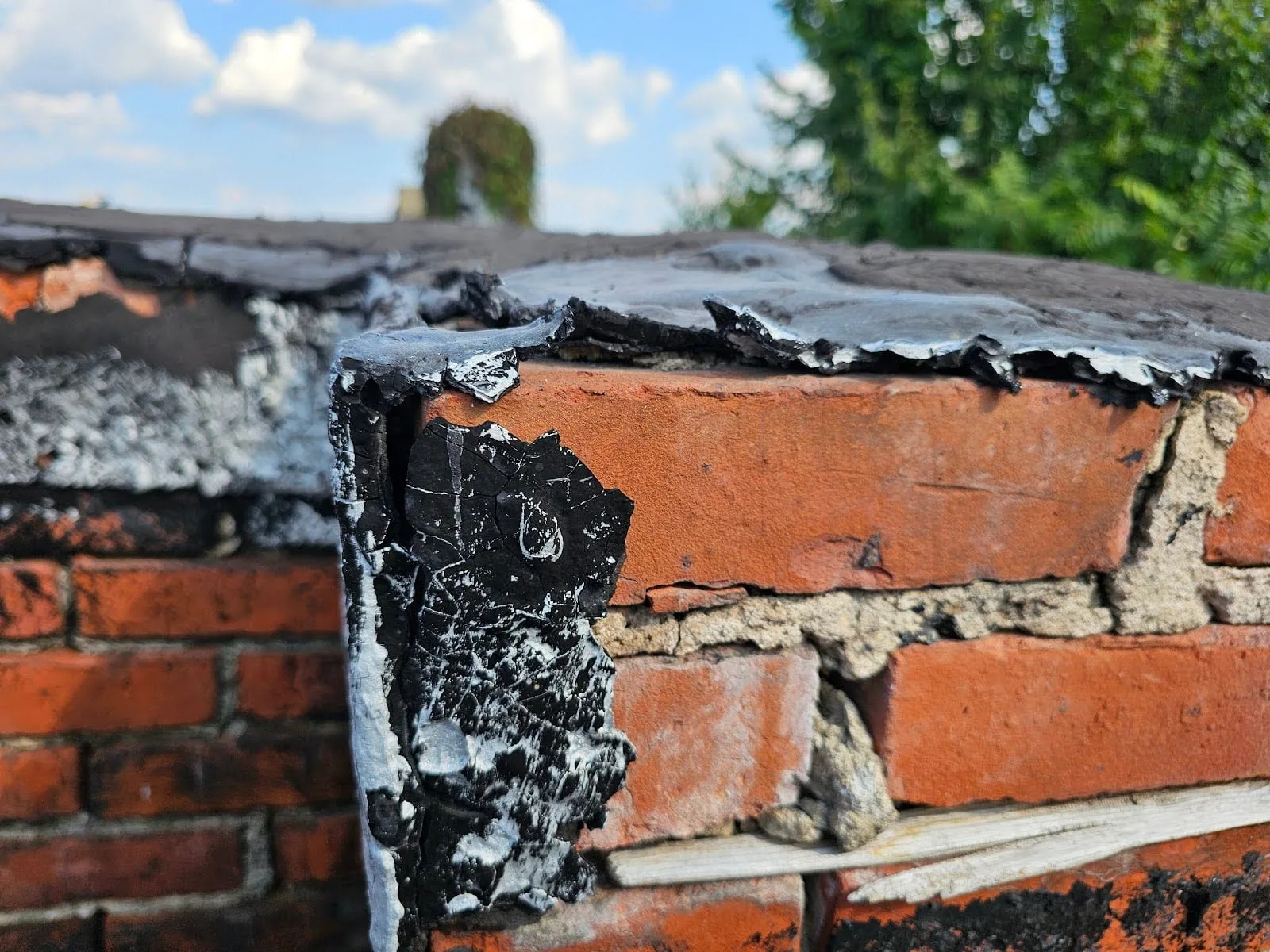
At parapets and roof edges, we inspect the membrane termination, coping, gutters, and downspouts for movement or separation. At curbs and penetrations, we check corners, boots, sealant, and the area where melting water may collect. A edge and gutter assessment can identify metal and discharge work, while a penetration repair addresses an opening that has lost its watertight connection.
Interior water does not always enter directly above the stain. It can travel along a deck or insulation before it shows. We mark the room, timing, and observed conditions so a later roof walk can test the likely route rather than patching only the ceiling location.
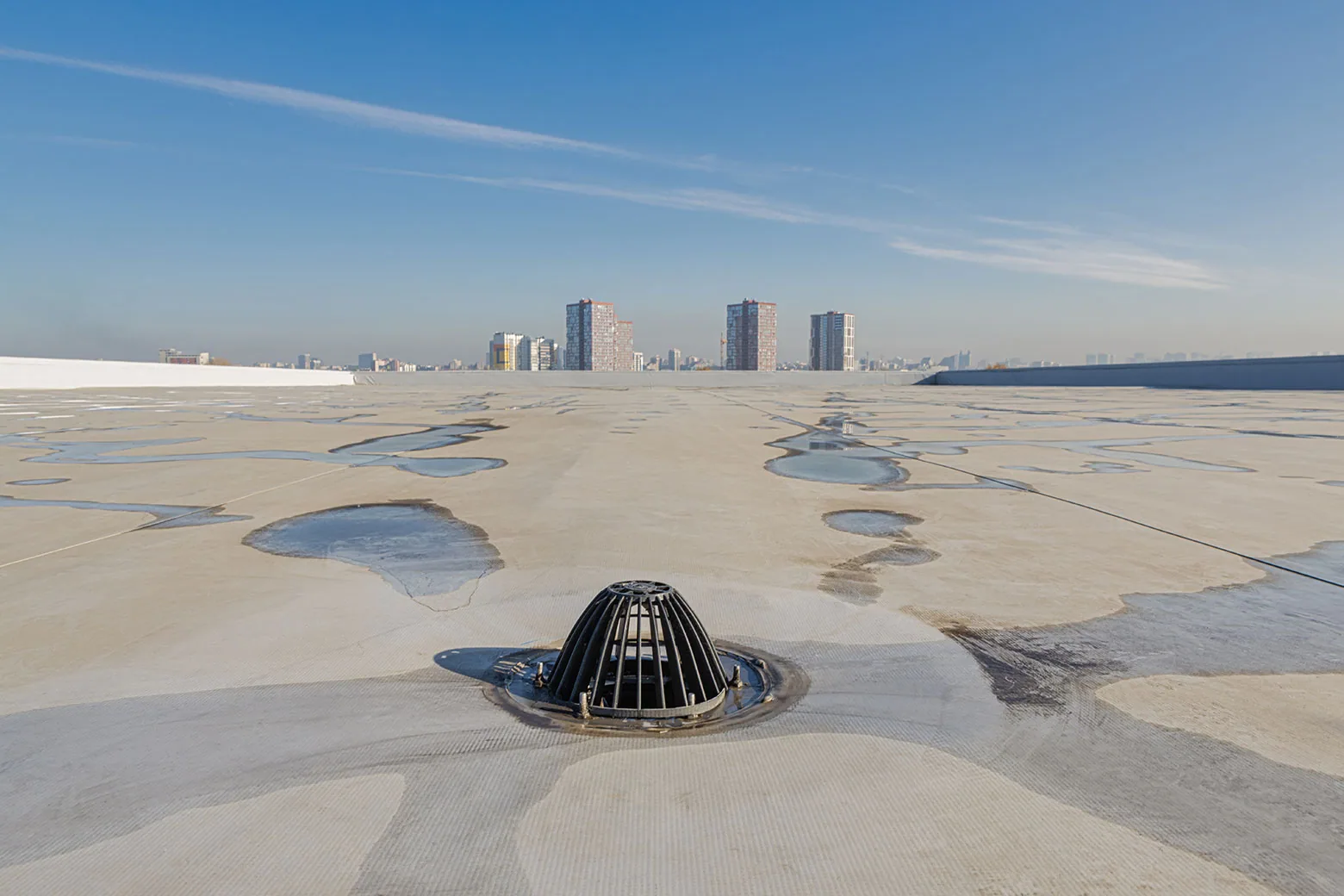
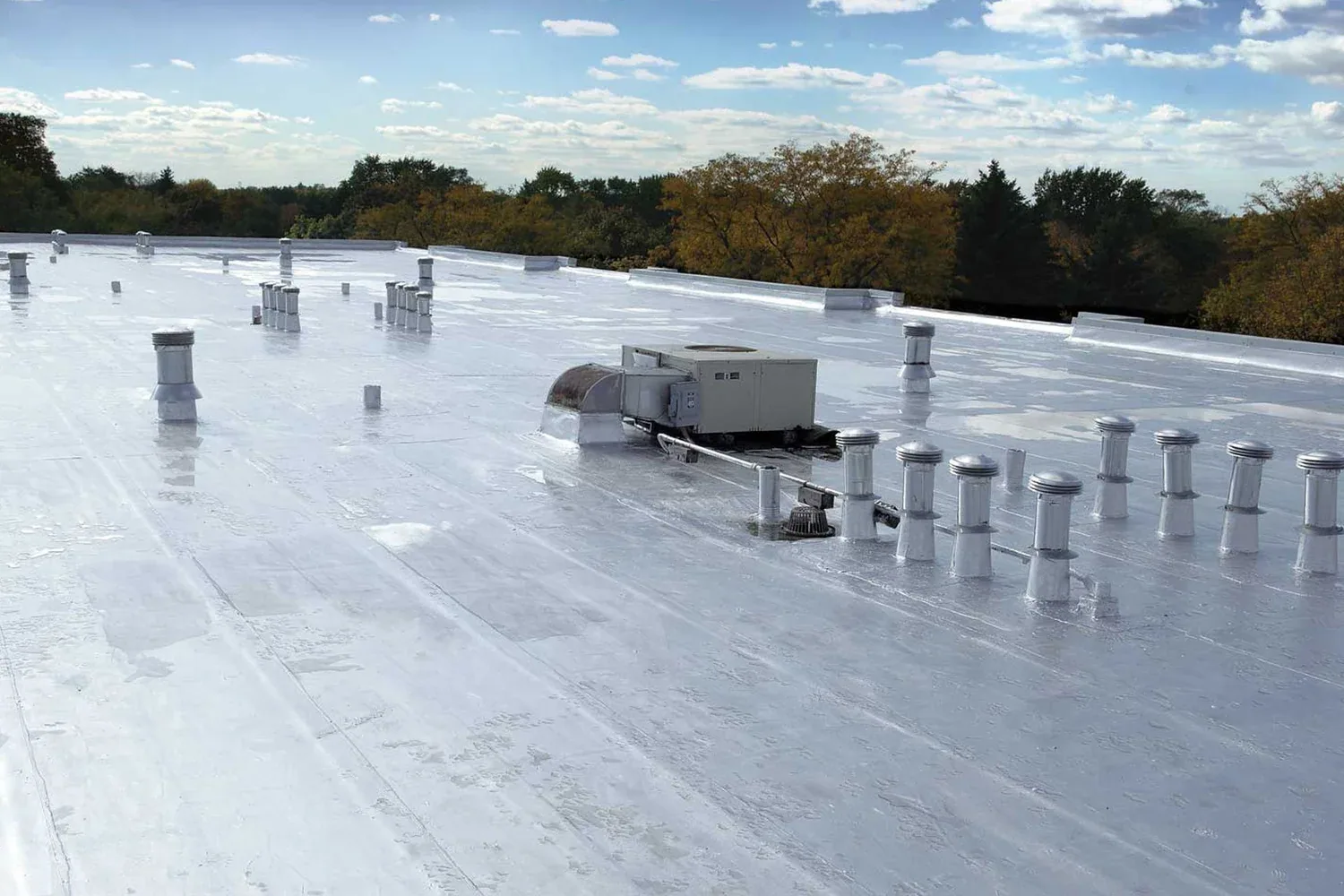
Blocked drainage can hold water against seams and transitions during a thaw. We inspect the bowl, strainer, overflow, scupper, gutter, and discharge route, then note whether the obstruction is debris or a damaged connection. A drain and scupper repair can define cleaning, flange work, or a membrane tie-in as separate tasks. If water remains after the outlet is clear, a broader low-area review may be needed.
Ice can hide the roof surface and make access unsafe. We do not infer a structural problem from a snow-covered roof, and we do not use a citywide snowfall average as a loading calculation. If the owner observes unusual deflection, cracking, interior distress, or an engineer's concern, the building should follow its emergency and structural procedures before roofing work proceeds.
Where water returns to the same low area, a ponding-water evaluation can check slope, insulation movement, and outlet condition. That is separate from snow removal. The permanent scope should address the reason water remains, not simply describe the last weather event.
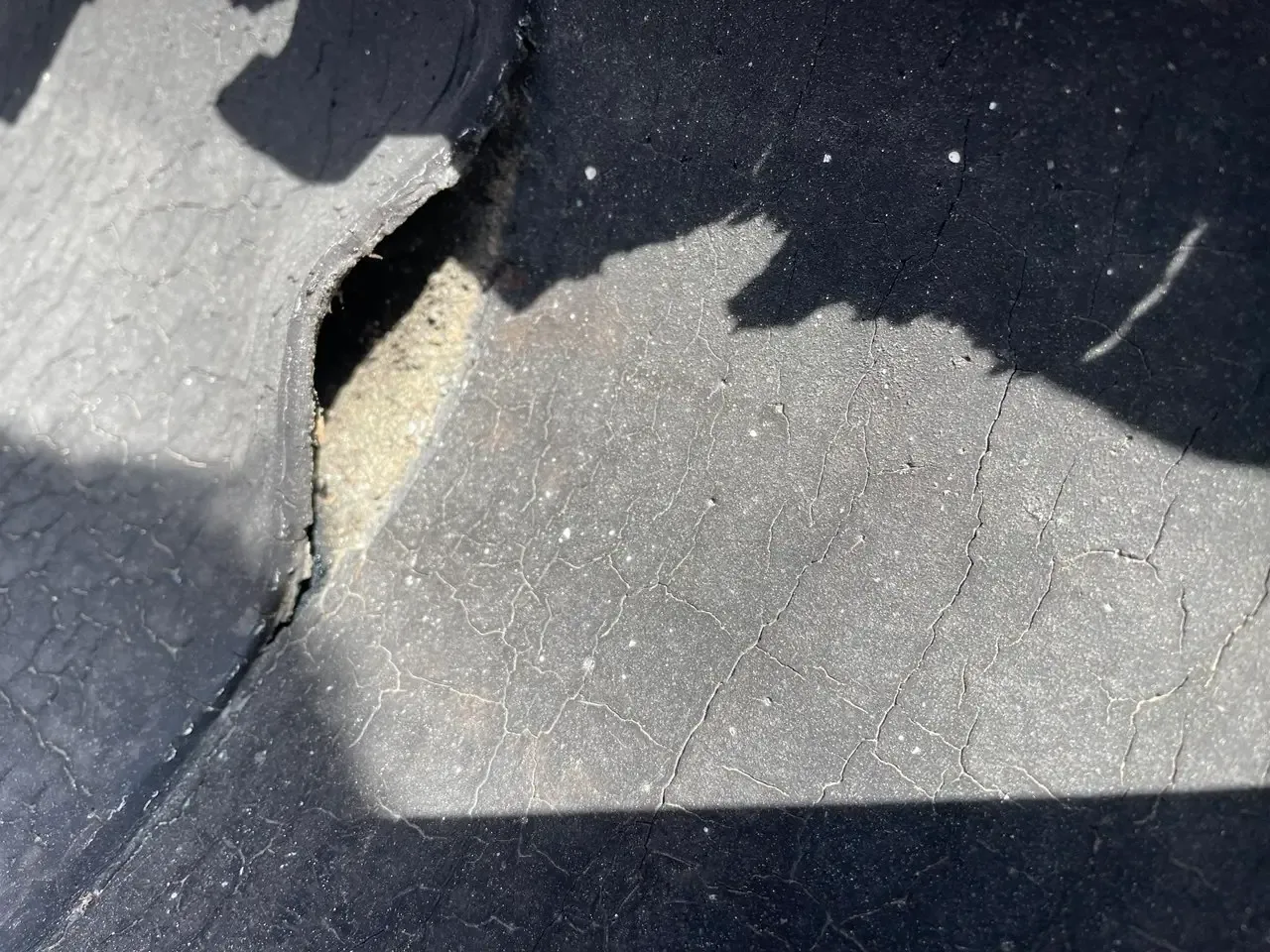
Once access is safe, we inspect the membrane or metal around each reported opening. A split seam, loose flashing, damaged drain flange, or lifted edge may need its own repair method. We remove unsound material to a stable boundary, prepare a compatible surface, and maintain drainage while the tie-in is made. If insulation or deck has been affected, the repair scope identifies that layer separately.
Freeze-thaw can expose an existing weakness, but the inspection must show what failed. A seam repair focuses on an open joint; a flashing repair rebuilds the connection at a wall, curb, or penetration. We compare each condition with prior maintenance records where available and avoid expanding the work beyond the observed or tested boundary.
If water has entered an occupied building, temporary protection may be needed while permanent repair waits for safe access or suitable surface conditions. An emergency roof visit can stabilize the opening and document what remains. We plan a weatherproof stopping point before work begins so the roof is not left exposed before the shift ends.
Indianapolis January normals include a 36.1-degree average high and 20.9-degree average low, with 8.8 inches of snowfall. Those values provide Carmel's regional winter context; the actual roof, access, and daily forecast decide when a repair is safe. Wet surfaces, ice, and freezing conditions can limit inspection and installation methods. We identify what can be handled now and what needs a return visit after the assembly dries or access improves.
Before mobilization, we coordinate ladders or lifts, tenant access, interior protection, and the area where materials can be staged. Carmel Midtown includes office buildings, housing, restaurants, commercial space, and public parking, so nearby activity can shape a repair route. The property contact confirms actual access and operating restrictions; the district's general mix does not determine the schedule at one building.
For recurring winter problems, preventive roof maintenance can include pre-winter drain checks and inspection of edges, transitions, and prior repairs. The calendar should reflect the roof plan and safe access, not a one-size interval. We note which drains need attention and which conditions require a separate capital decision.
Closeout identifies the affected section, observed accumulation or drainage condition, repair performed, photographs, and any area that could not be inspected. We distinguish a blocked outlet from membrane damage and record whether the repair needs a follow-up after thaw. A facility manager can then connect a later leak report to the right roof detail.
The Carmel Meridian and U.S. 31 corridor has office and employment uses, while the Village of WestClay includes businesses, health services, education, banking, and recreation. Those local areas show a varied commercial market, not a roof condition at a particular property. A WestClay area record can help organize service planning while each building's roof map carries the snow and ice observations.
Share the roof plan, interior reports, drain history, access limits, and any safety observations. We can inspect when the roof can be entered safely, restore damaged details, and prepare a repair plan. If a structural or load question remains, we identify it for review by the appropriate building professional before the roofing scope proceeds.
No. Regional normals provide seasonal context, not a structural load rating. We inspect visible conditions and follow the building's safety procedures if there is a structural concern.
We assess safe access first. If the surface or route is unsafe, we document what can be seen from a safe position and return when the area is cleared.
Thawing water can reach an open seam, drain connection, or flashing detail that was covered during the cold period. We trace the interior report to the roof rather than assuming the stain marks the opening.
That decision depends on the building's safety plan and the roof condition. We do not treat snow removal as routine roofing repair; the owner should follow the applicable safety and engineering direction.
We document the failed detail, drain condition, and any open maintenance task. A pre-winter check can address outlet blockage and prior repairs before freezing conditions return.