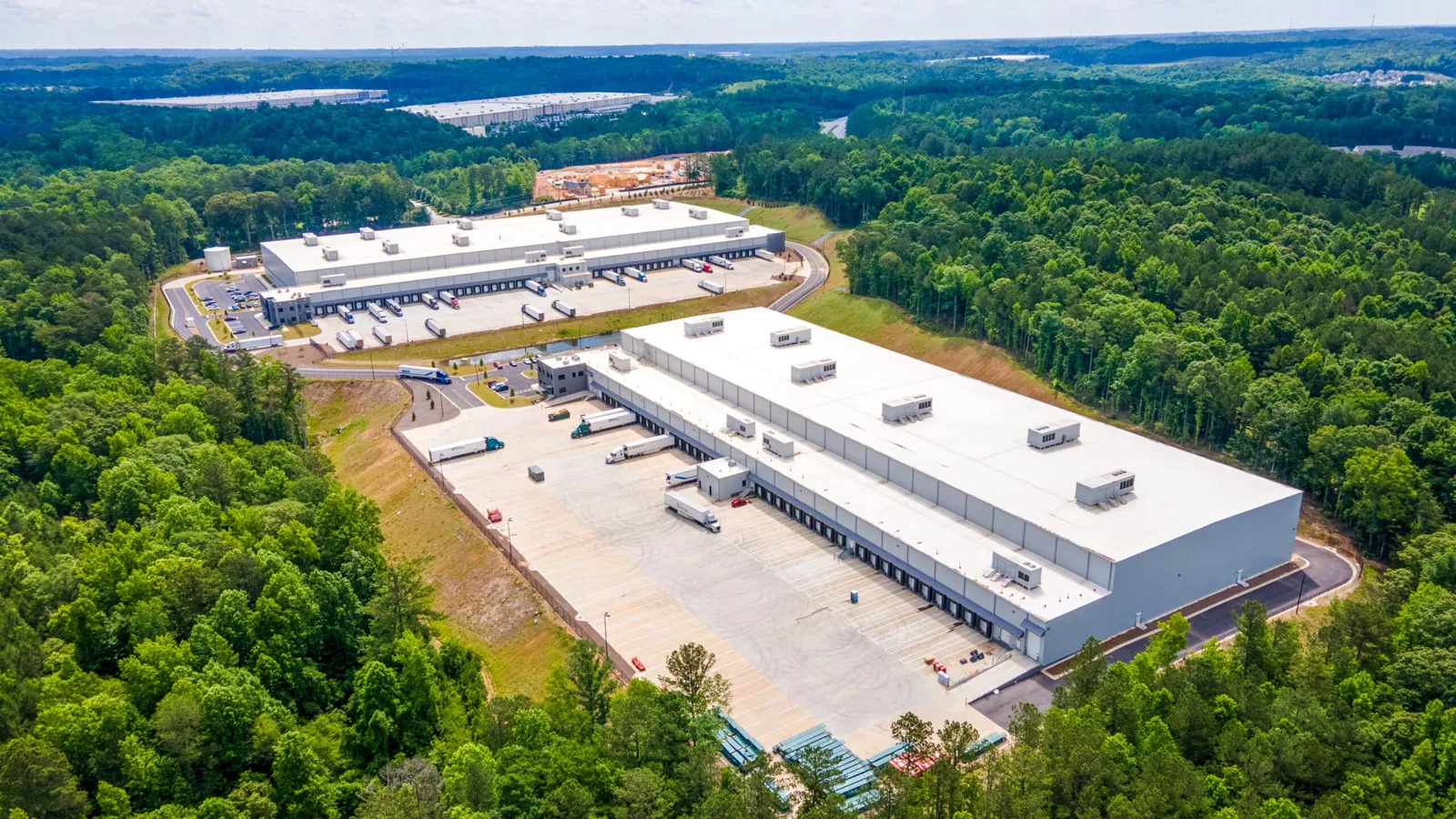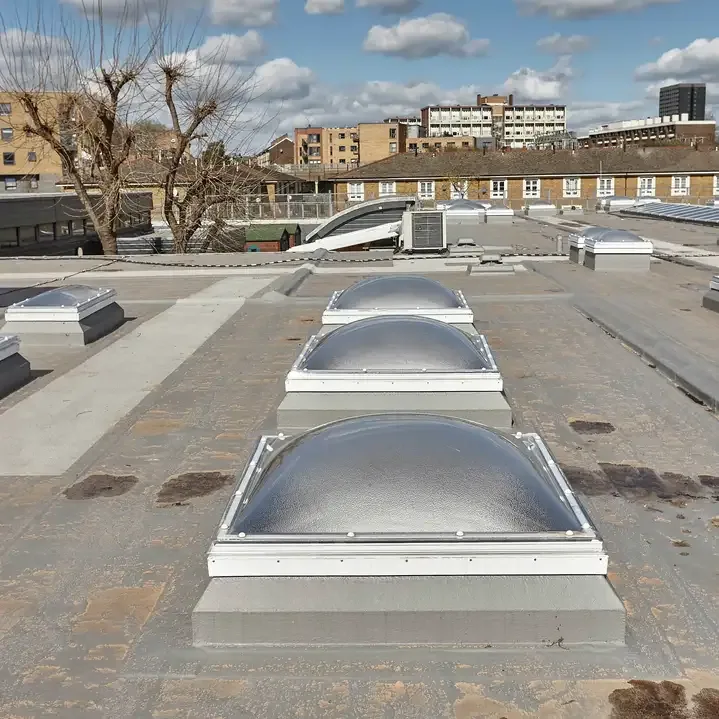
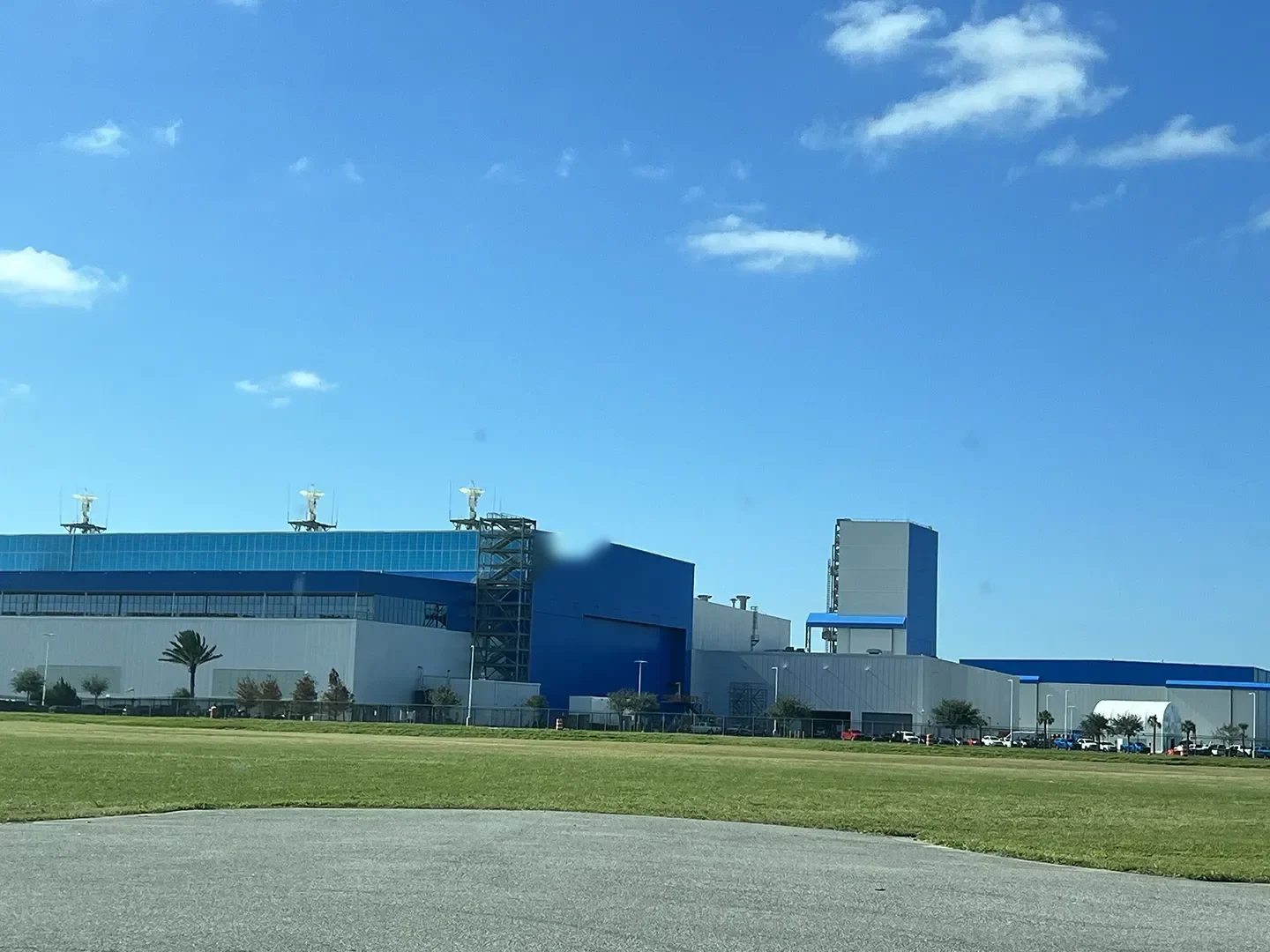
A roof repair can affect production long before the crew reaches the membrane. The first discussion is about process areas, equipment access, known leaks, and the shutdown calendar. Then we inspect roof sections, penetrations, drains, and transitions to find the repair boundary. Carmel's Science and Technology Park sits in an employment corridor where city zoning supports research and laboratory uses. That employment setting makes equipment and operating schedules useful topics for the site contact. A site inspection gives us the building-specific findings needed to set the scope.
We ask which lines, controls, and areas below cannot take water or dust. If a roof section sits over sensitive machinery, the work plan identifies temporary protection, vibration limits, access, and when the area must be clear. A planned shutdown may be the right time to expose a deck or replace a curb. Routine production hours may support a small exterior repair but not a wider tear-off.
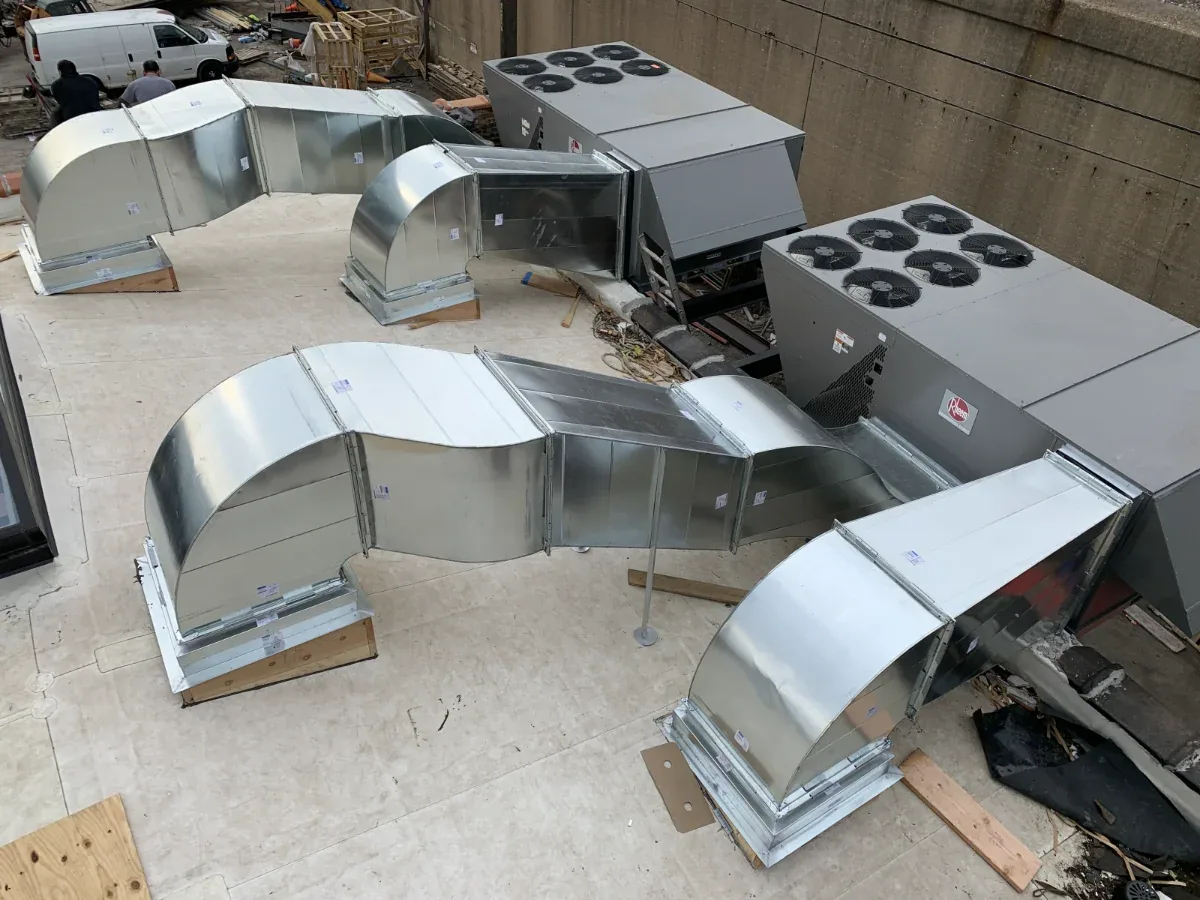
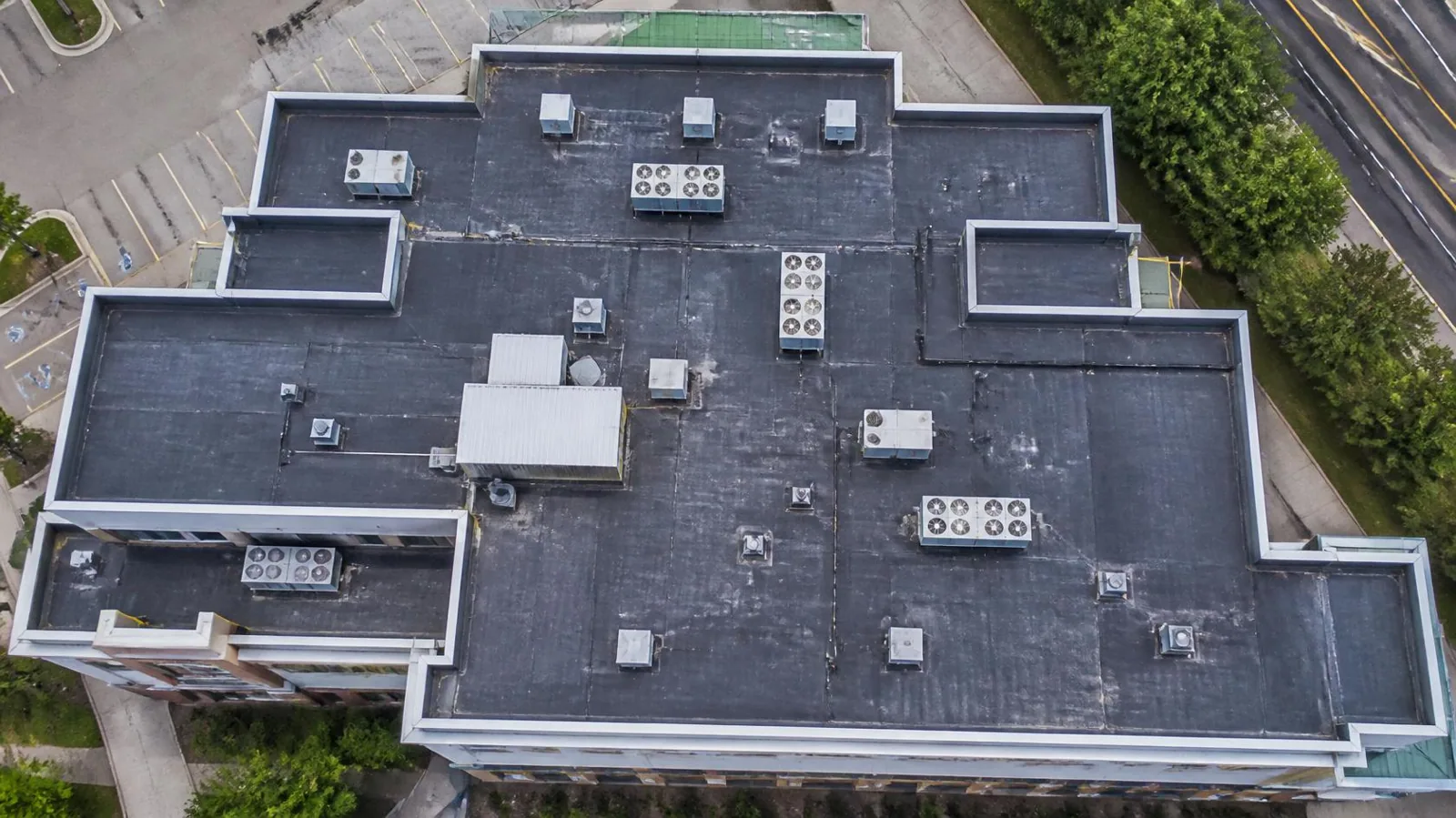
Process exhaust and rooftop equipment create distinct roof conditions. We locate discharges, condensate, service paths, support frames, and penetrations before selecting repair materials. Heat, chemicals, or maintenance traffic can affect a limited area. We map the observed pattern rather than assuming that every roof zone sees the same exposure. A curb and equipment review can document the transitions that need repair or added protection.
Manufacturing assets may include production space, warehouse areas, and offices. We treat them as separate operating zones where access or leak consequences differ. For storage and shipping areas, a warehouse roof scope may address inventory exposure; a manufacturing work plan also needs process continuity and equipment coordination. Where temperature-controlled operations are present, a cold-storage roof review adds attention to insulation, vapor control, and refrigeration penetrations.
We inspect seams, membrane or metal panels, flashings, edge attachment, drains, and prior repairs. Each finding is tied to a roof section and an interior process zone when useful. Water can travel along a deck or structural member before it appears, so a leak location is a starting point rather than the final diagnosis. We trace the route and photograph the likely entry detail.
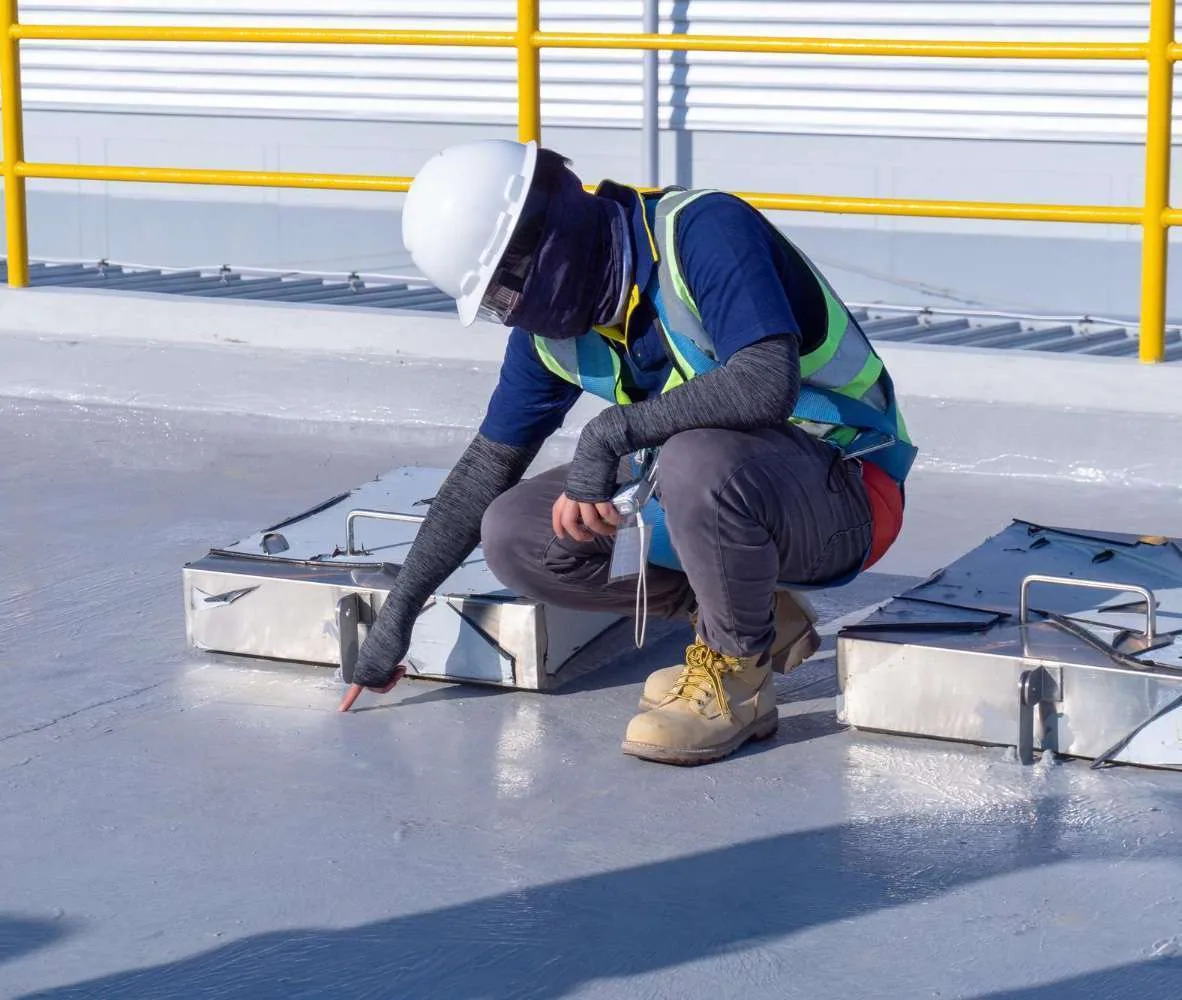
Penetrations are often clustered around exhaust, piping, electrical conduit, and mechanical equipment. The curb may move differently from the roof field, and added service lines can leave poorly sealed openings. We check flashing height, corners, counterflashing, support attachment, and whether maintenance paths damage the surface. When a detail needs focused work, penetration and flashing repair can be scoped separately from broader field replacement.
Drainage needs attention even when the process does not depend on roof access. We look at bowls, strainers, scuppers, overflow paths, and low areas for debris or recurring water. If an outlet is blocked, routine service may solve it. If water remains after cleaning, we evaluate slope, insulation changes, and deck movement before including corrective work.
Indianapolis July normals indicate sustained summer heat in the Carmel market. Solar exposure can affect membrane, sealants, and equipment clearances at a plant, so we inspect the actual roof details and operating paths. We inspect the actual assembly and note where repeated heat or exhaust exposure has changed a detail.
Winter planning brings another constraint. Indianapolis climate data puts annual precipitation at 43.63 inches and snowfall at 25.5 inches. For a plant, snow cover and wet surfaces can restrict access, so we coordinate inspections and permanent repairs with safe roof conditions and the shutdown window. We separate temporary protection from permanent work when conditions do not support preparation or adhesion. The next step may be a controlled opening during a scheduled shutdown rather than a rushed repair during unsafe access.
Severe-weather history includes hail and damaging wind in Hamilton County. That is a reason to check the roof after a reported storm, not proof of damage at an individual plant. We inspect metal edges, seams, flashings, and rooftop equipment attachments, then record which findings are new and which belong to prior maintenance. A hail damage review can help document observed impact without treating every roof mark as storm-related.
A repair scope names the affected detail, preparation, compatible material, and the production zone below. If only one curb or seam has failed, the owner may be able to authorize a limited repair with a defined protection plan. If similar failures recur across separate sections, we show the pattern and compare repair costs with broader renewal. We keep active leak control and long-term replacement as separate decisions.
Before a recover or reroof, we review existing layers, moisture, deck condition, attachment, drainage, and equipment elevations. Wet insulation or a weak substrate should not disappear beneath a new membrane. A recover assessment can compare keeping the existing assembly with tear-off, while listing the tests needed to settle uncertain conditions.
Whitestown's Anson zoning lists light manufacturing among its employment uses, and AllPoints at Anson is planned for advanced manufacturing and other industrial space. We size each job from measured quantities and current plant information, not from a district description.
A plant may have a narrow maintenance shutdown, a planned equipment move, or a process that cannot stop. We sequence phases to those windows and identify where temporary covers, interior protection, and equipment access are needed. If work can proceed over one zone while production runs elsewhere, we define the limits and daily inspection points before opening the roof.
Material staging and lift routes also affect production. We coordinate with the facility manager on truck access, hot work controls where applicable, HVAC impacts, and the path to rooftop service areas. A delivery may need to arrive before a line change or after a shift clears the staging lane. We confirm the route with the operations team before setting the access plan.
Permits, design review, testing, and replacement equipment can affect the start date. Before selecting an assembly, we verify applicable code and permit steps with Carmel Building Safety and identify required inspection milestones. We show dependencies and distinguish firm dates from weather or testing contingencies so production planners can reserve realistic windows.
Closeout should show roof sections, repaired details, system materials, photographs, and any area not included. We can tie findings to interior process areas without exposing confidential production information in the roof record. Notes on access, drain cleaning, and future testing help the next inspection start with the right questions.
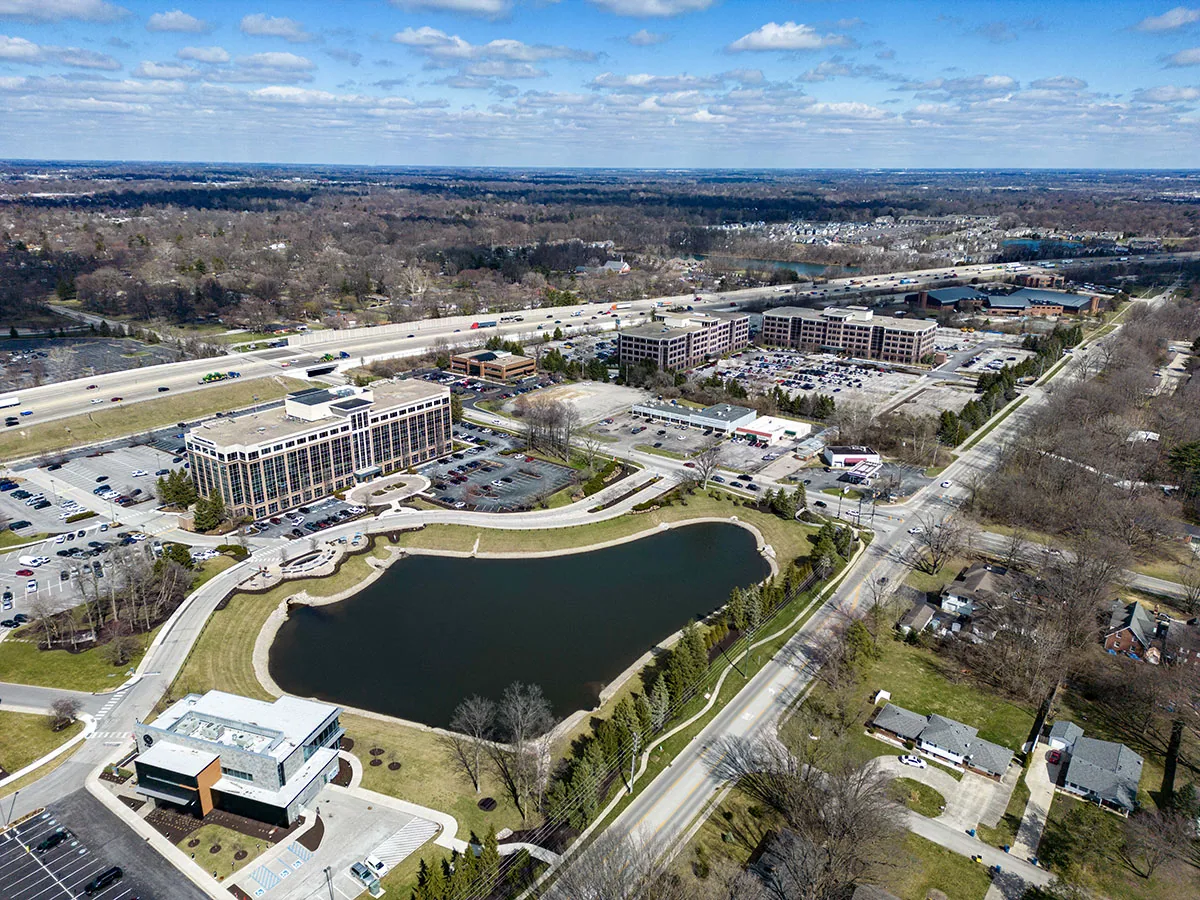
Carmel's Meridian corridor includes corporate employment and research or laboratory uses, while Parkwood Crossing shows how multi-building commercial properties can combine offices and other uses. Those places provide local context, but the condition report should describe the actual plant and its roof zones. A condition report can preserve the measured quantities and repair boundary for a later capital review.
Share roof plans, leak history, equipment schedules, prior repairs, and the shutdown calendar. We can walk the roof, coordinate with facility staff, and prepare a repair or renewal scope aligned with production needs.
Some exterior work can proceed with staged access and protection, while openings over sensitive processes may need a shutdown. We map affected zones and coordinate timing with the facility team before setting the work method.
We inspect the membrane and flashing around each discharge, then look for heat, chemical, condensate, and traffic effects. The observed exposure is mapped to the equipment rather than assumed across the entire roof.
We identify the leak path and confirm moisture with testing or selective openings where needed. The scope separates measured removal from protection and repair so the plant can plan around any exposed interior zone.
That depends on moisture, deck condition, existing layers, attachment, edge height, and equipment details. We document those conditions and compare the recover sequence with tear-off and replacement.
We confirm the shutdown dates, process restrictions, equipment moves, delivery routes, and required inspections. The schedule then identifies phase boundaries and what must be complete before the plant returns to normal operations.