A multi-ply roof is judged at the laps, transitions, and drains as much as across the open field. Modified bitumen uses asphalt sheets reinforced for low-slope roofing, with SBS or APP modifiers and installation methods that vary by product. We inspect the actual plies, seams, flashings, and moisture before proposing a patch or renewal. That review fits Carmel's office inventory along U.S. 31 and Meridian as well as properties near Carmel City Center. A roof inspection helps define what can remain and where the assembly needs more investigation.
Modified bitumen may be installed in multiple layers with hot asphalt, cold adhesive, or torch application, depending on the product and assembly. Surfacing may include granules, coating, or another finish. We look for labels, edge conditions, prior work, and exposed layers to identify what is there. A repair material must match the system and surface preparation. Guessing from color or texture can produce a patch that does not bond.
SBS and APP systems differ in modifier and performance characteristics, but the job conditions matter too. Roof slope, deck, insulation, attachment, foot traffic, and exposure affect the detail. We review how the roof is accessed, where equipment service occurs, and whether any chemicals or grease reach the surface. Parkwood Crossing has several building types within a concentrated commercial area; that context informs access planning, while the roof assembly still needs property-specific inspection.
For a replacement comparison, we can evaluate modified bitumen beside built-up roofing or a single-ply system. We keep the deck, insulation, cover board, flashing, edge metal, and tear-off assumptions visible in each option. This makes the scope easier to compare than treating every low-slope roof as interchangeable.
Water often finds a weakness where one course meets another. We inspect side and end laps for fishmouths, open edges, wrinkles, blisters, and movement. Granule loss exposes the surface. We inspect the underlying sheet, seams, and moisture conditions before defining a repair boundary. We record the location and extent, then determine whether a repair can tie into sound material around the defect.
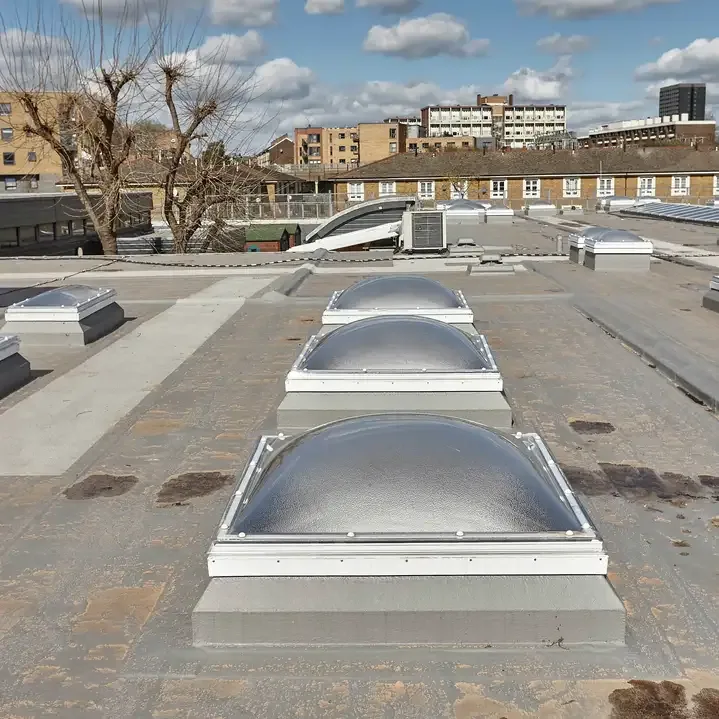
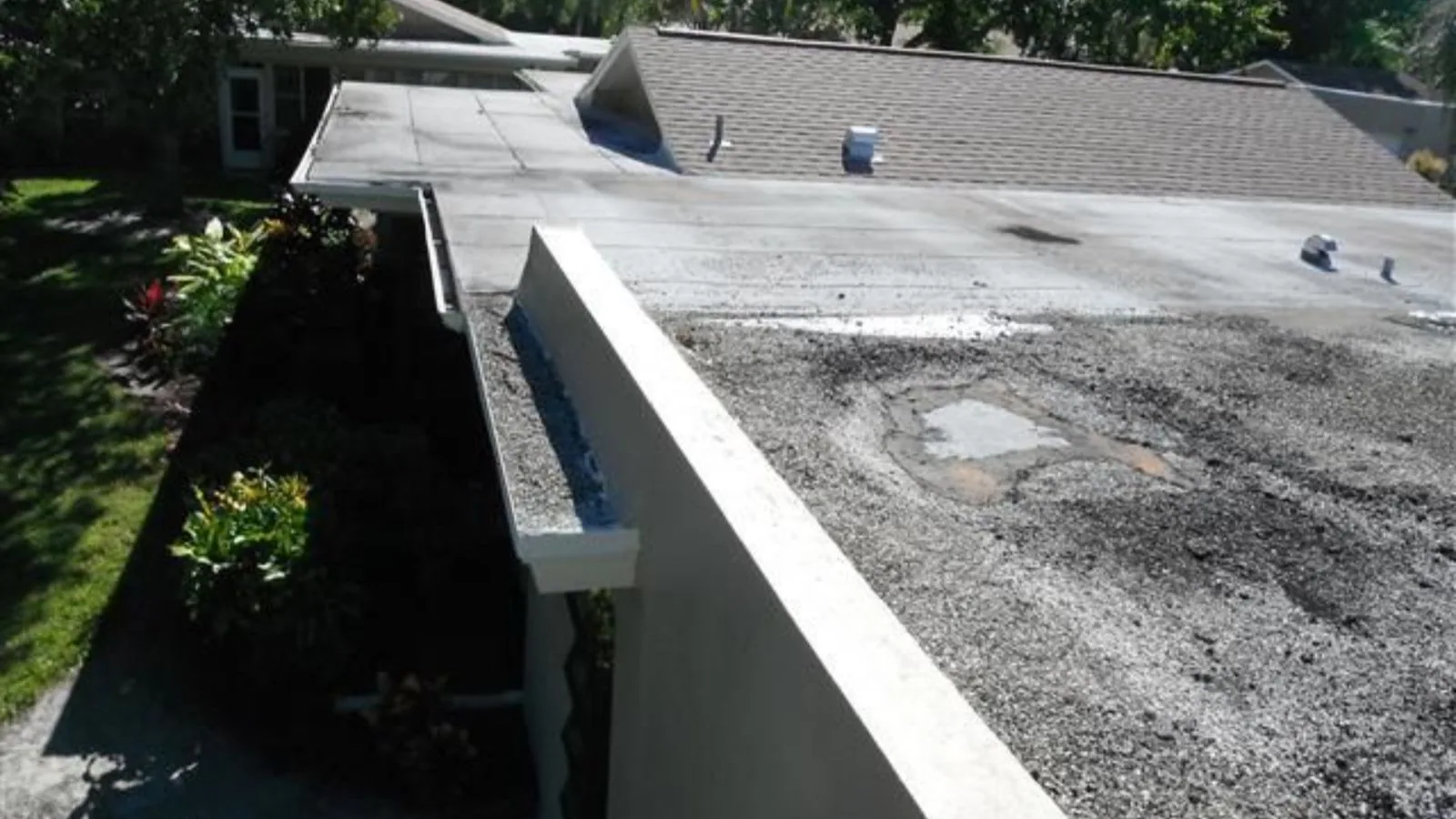
Flashings and penetrations need a continuous transition from the field to the vertical surface. We review parapets, curbs, drains, pipes, skylights, and equipment supports for cracks, loose metal, open corners, or past patches. A small failure at a curb can allow water behind a larger field section. When a transition needs work, the penetration and flashing scope should name the substrate and tie-in method.
Repeated patches can hide a pattern. We compare repair locations with interior leak reports, drainage direction, and past maintenance records. If wet insulation is suspected, selective testing may guide where confirmation is needed. We separate confirmed damage from an area that only needs testing so the owner can decide how much to open.
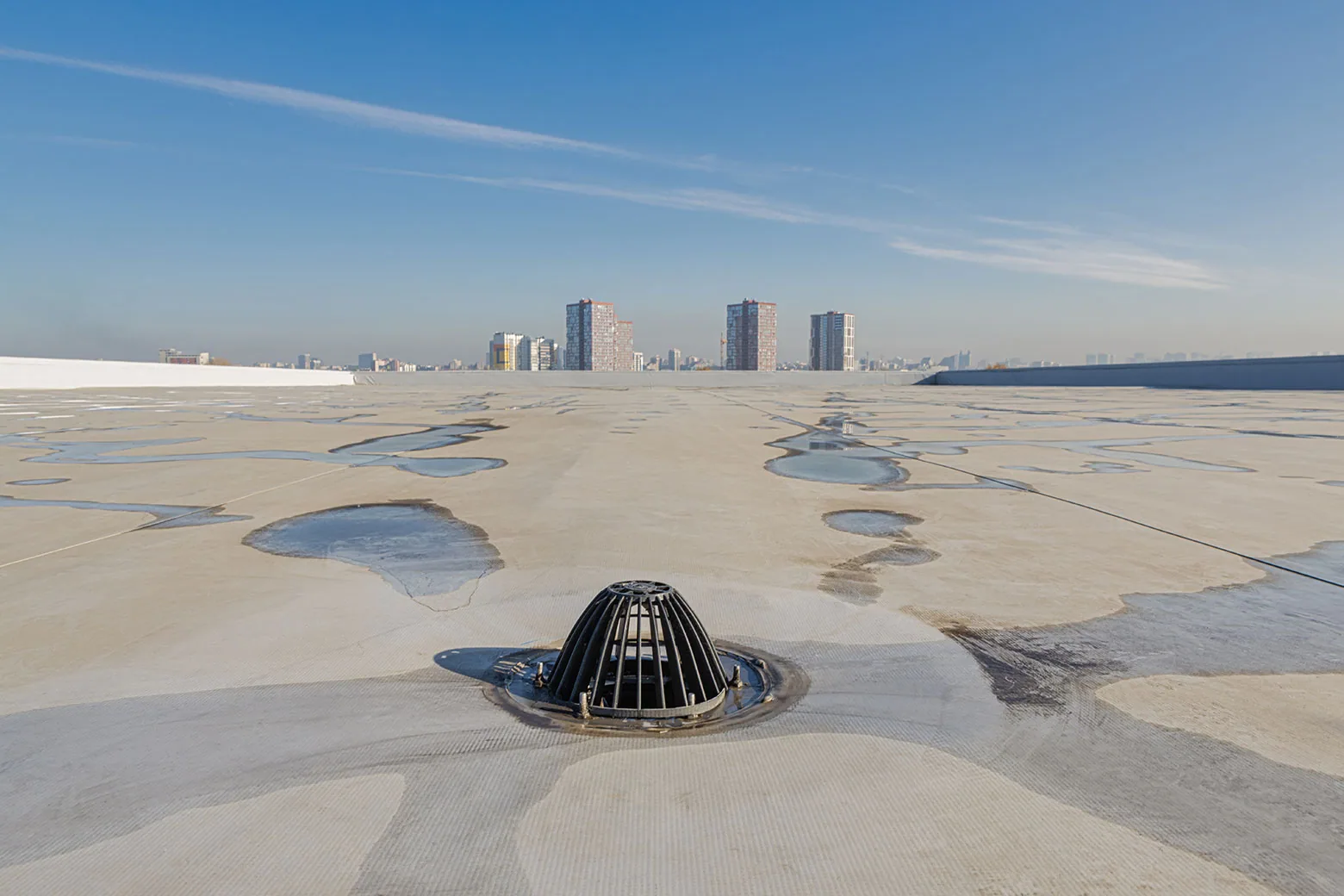
Modified bitumen still depends on drains, scuppers, and slope to move water off the roof. We inspect strainers, bowls, overflows, and low areas for debris, standing water, and evidence of recurring backup. A blocked outlet can be a maintenance issue. Persistent water may involve deck deflection, insulation layout, or a drain connection that needs a different scope. We state which condition we can correct and which calls for further measurement.
Indianapolis annual climate averages are 43.63 inches of precipitation and 25.5 inches of snow. Before winter or after a thaw, we check modified-bitumen laps, drains, and low areas. Typical January lows are below freezing, so we check the actual surface and access conditions before setting heat or adhesive work. Before work, we check actual low areas and outlets and set a plan for wet or freezing surfaces.
At the perimeter, we examine metal edges, parapet caps, and termination bars for movement or water entry behind the assembly. A drain correction must tie into compatible flashing and the required plies. Drain and scupper service can be combined with membrane work when the outlet detail is involved. A broader ponding-water repair may be needed when standing water continues after cleaning.
A repair scope identifies the failed lap or flashing, preparation, new material, and tie-in to the existing plies. If the surrounding surface is brittle or repairs repeat across multiple sections, we show that pattern and compare a larger renewal. The immediate leak repair and long-term replacement decision are related, but they are not the same authorization. A defined boundary helps the owner understand which parts of the roof remain outside the work.
Recovering over an existing assembly requires review of moisture, deck, layers, attachment, and edge height. Wet material cannot be concealed below a new roof. We compare recover with tear-off and identify what must be verified first. Before specifying new plies, we confirm the permit pathway and inspection needs with Carmel Building Safety. The applicable code edition and project details are recorded with the scope. A recover assessment can organize those findings.
Replacement quantities should list each ply, insulation, cover board, surfacing, flashing, drainage detail, and metal edge separately. The code path should be confirmed for the specific assembly before the final material order.
The installation method changes staging, fire controls, odor, and work sequencing. Torch work requires suitable conditions and controls for heat; hot asphalt and adhesive methods have their own handling and cure requirements. We confirm the approved product method and site conditions before pricing. The work plan should address roof access, material lifts, protection, and how the open edge will be closed at the end of a shift.
Cold, wet, or windy weather can narrow the schedule. Indianapolis January normal lows are below freezing. Before applying a repair or surfacing, we confirm the substrate and weather conditions meet the selected system's requirements. We separate temporary dry-in from permanent work where the assembly cannot be installed reliably. Occupied buildings also need coordination for deliveries, equipment service, and any work that may affect tenant access.
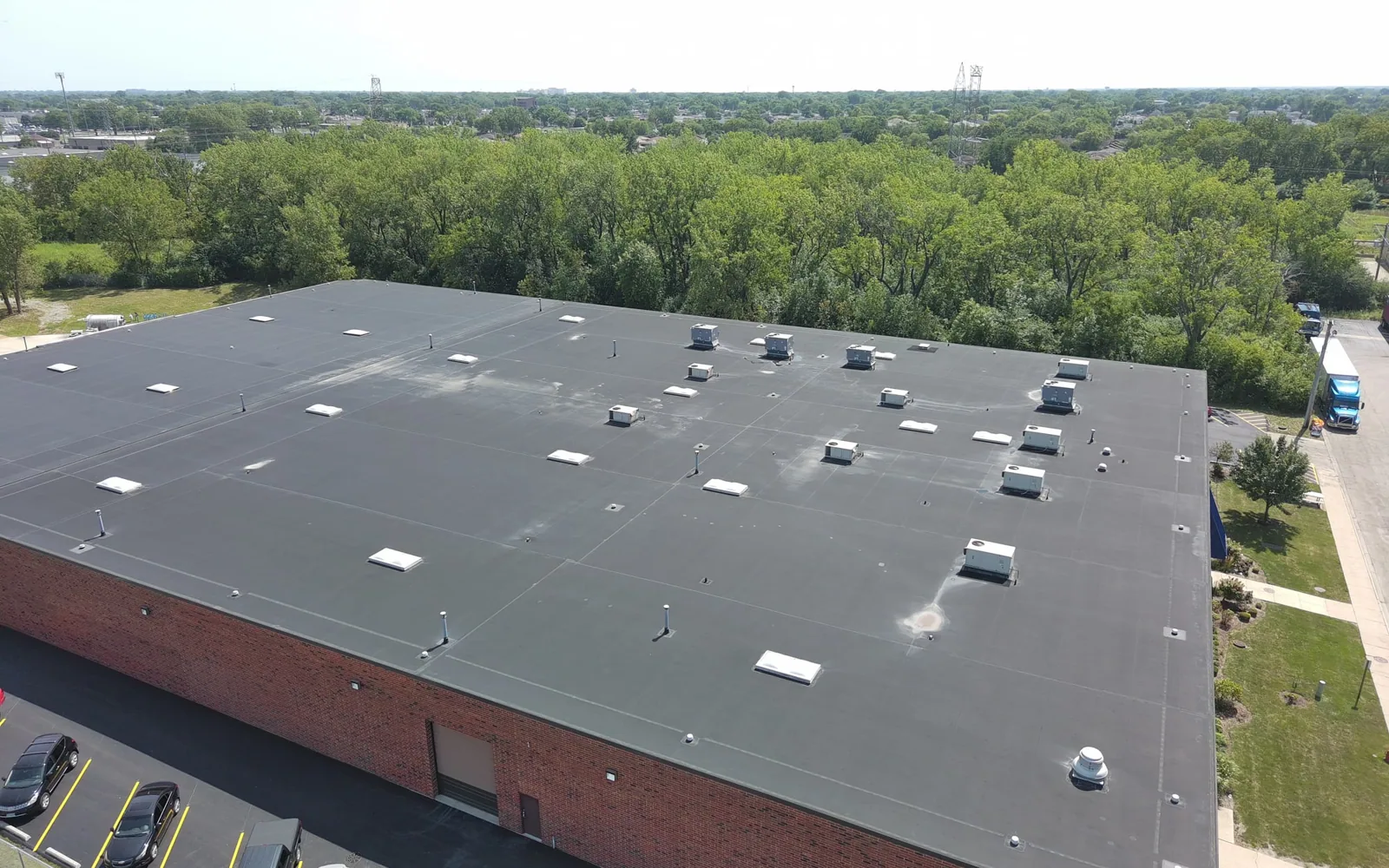
For a multi-building office site, we stage by roof section and list the sequence, protection, and closeout condition. City Center's mixed-use core has different circulation than a closed office roof, so access arrangements should be specific to the property. The schedule becomes more useful when it identifies decision dates for materials, testing, and weather-sensitive work rather than a single target date.
Closeout should identify the modified bitumen product, number of plies installed or repaired, surfacing, flashing details, and exclusions. Photographs and a roof map make the repair boundary useful for later inspections. A condition report can carry the same structure across buildings while keeping observations separate.
We note drains, penetrations, prior patches, and any inaccessible areas. If a repair depends on a future test or a separate trade, that item remains visible in the maintenance log. Carmel properties range from office areas along Meridian to retail and arts uses around Carmel Arts & Design District. Access patterns vary, but the roof record should always name the building, roof section, and condition.
They use different modifiers and product formulations. We identify the installed sheet and follow its specifications before selecting a repair method or comparing replacement options.
A local repair may fit when the surrounding plies and substrate remain sound. We inspect adjacent laps and moisture conditions so the boundary does not stop at the visible opening.
No. The product and approved assembly set the method, which may involve torch, hot asphalt, or adhesive application. We confirm site controls and conditions before scheduling the work.
Wet insulation, damaged decking, excessive existing layers, weak attachment, or insufficient edge height can change the answer. We compare recover with tear-off using the actual assembly.
Granule loss needs inspection of the underlying sheet, seams, and moisture condition. We determine whether the surface needs maintenance, a compatible restoration, or a broader membrane scope.