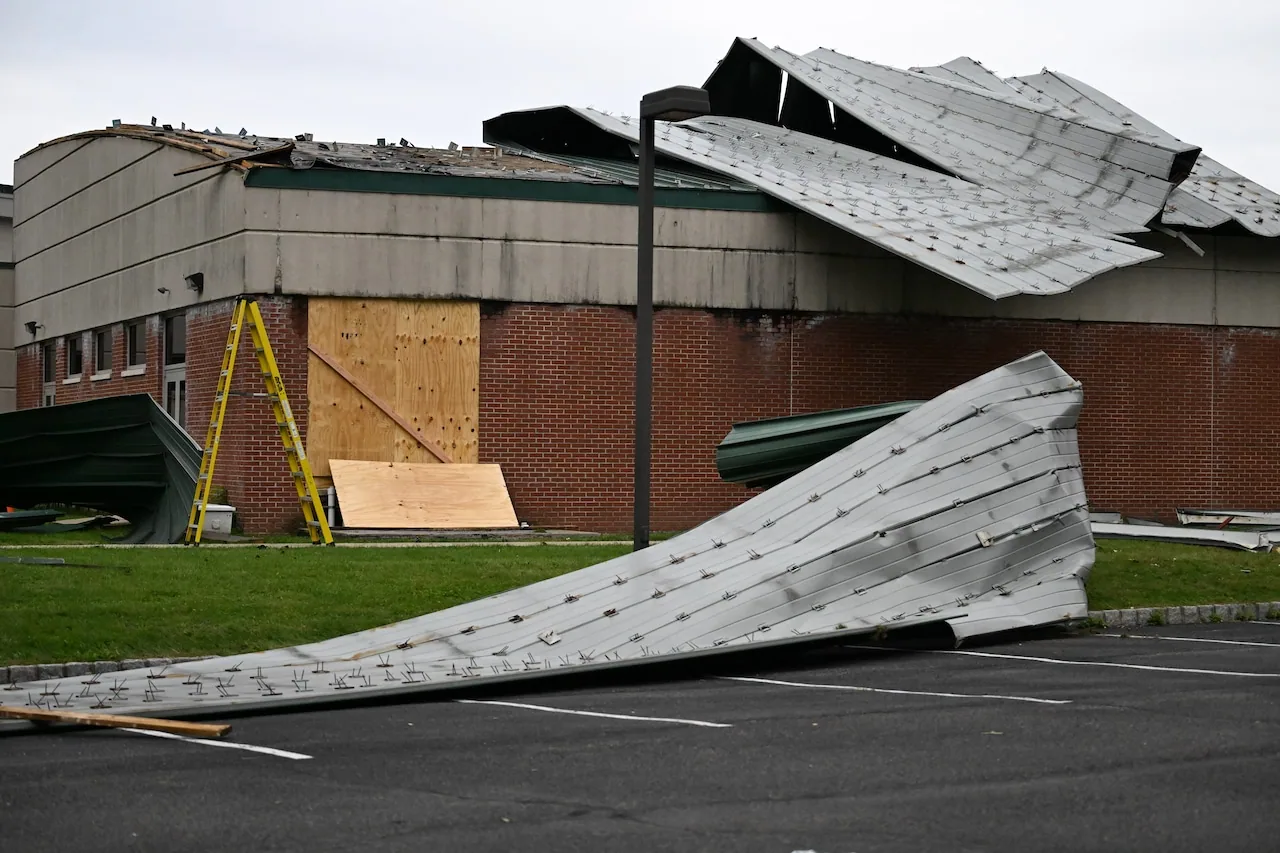
Dispatch starts with four details: caller location, affected rooms, roof access, and current conditions. We take that information and send an around-the-clock response for urgent commercial roof problems. The first visit may include a temporary cover, localized seal, or other dry-in suited to the roof and weather. That step buys protection; it does not replace the permanent repair. We document what is active, what was protected, and which details require a second inspection after the weather changes. Owners receive a clear boundary between emergency stabilization and follow-up work. A commercial leak investigation can then trace the path and identify the permanent repair.
We first establish where water is entering and what below the roof needs protection. The crew checks the affected interior area, identifies equipment or electrical concerns, and coordinates access with the facility contact. On the roof, we look for the active opening and the safest way to limit additional exposure. If roof access is unsafe or conditions prevent permanent work, we use an interim measure that fits the situation and explain its limits.
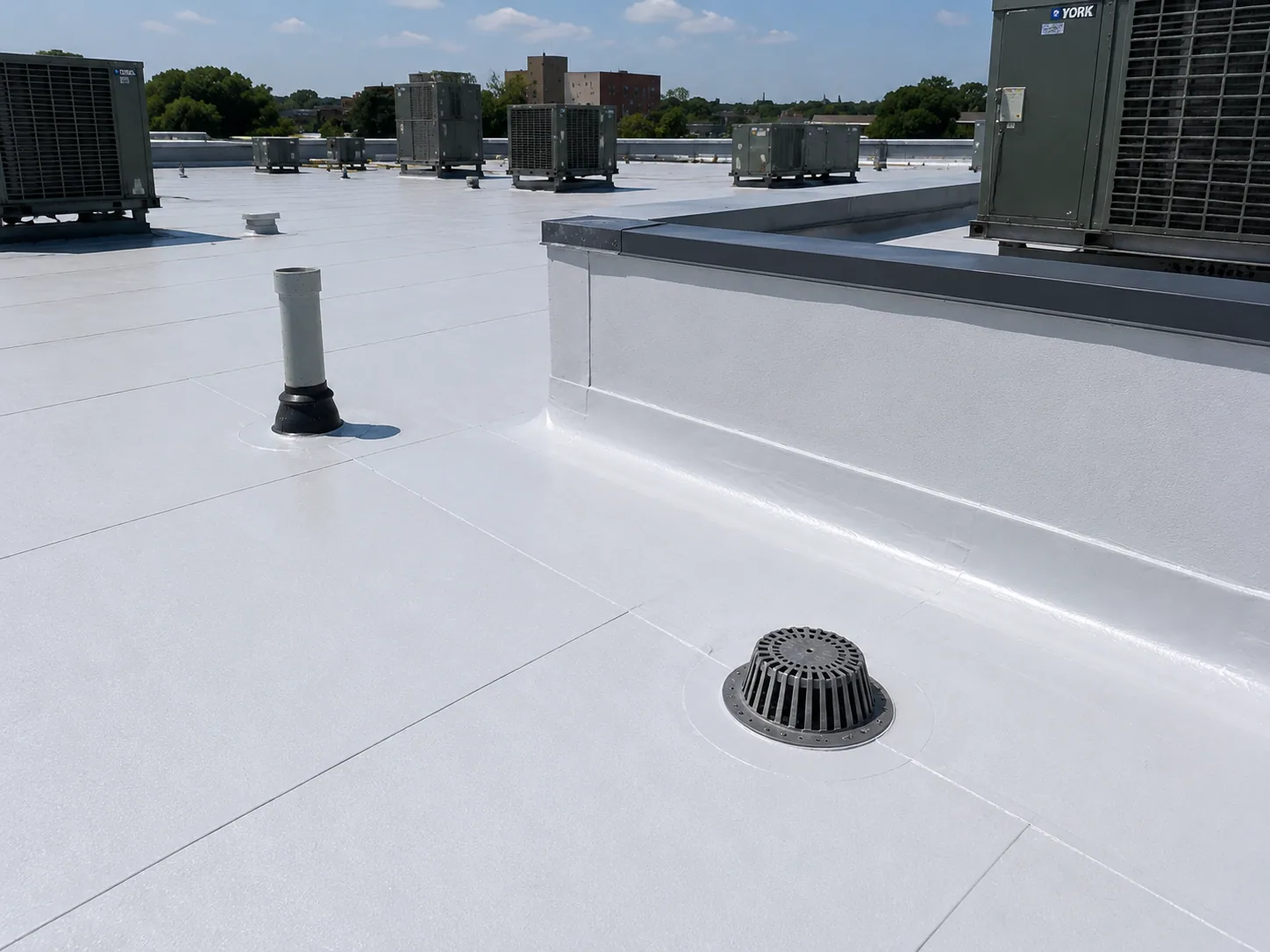
Temporary protection might include a secured cover, a localized patch, or a controlled route for water, depending on the assembly and weather. A membrane puncture, loose edge, displaced flashing, and backed-up drain each call for a different stabilization measure and permanent repair. We record the condition before covering it wherever practical, so the permanent crew can inspect the repair area and the surrounding details later.
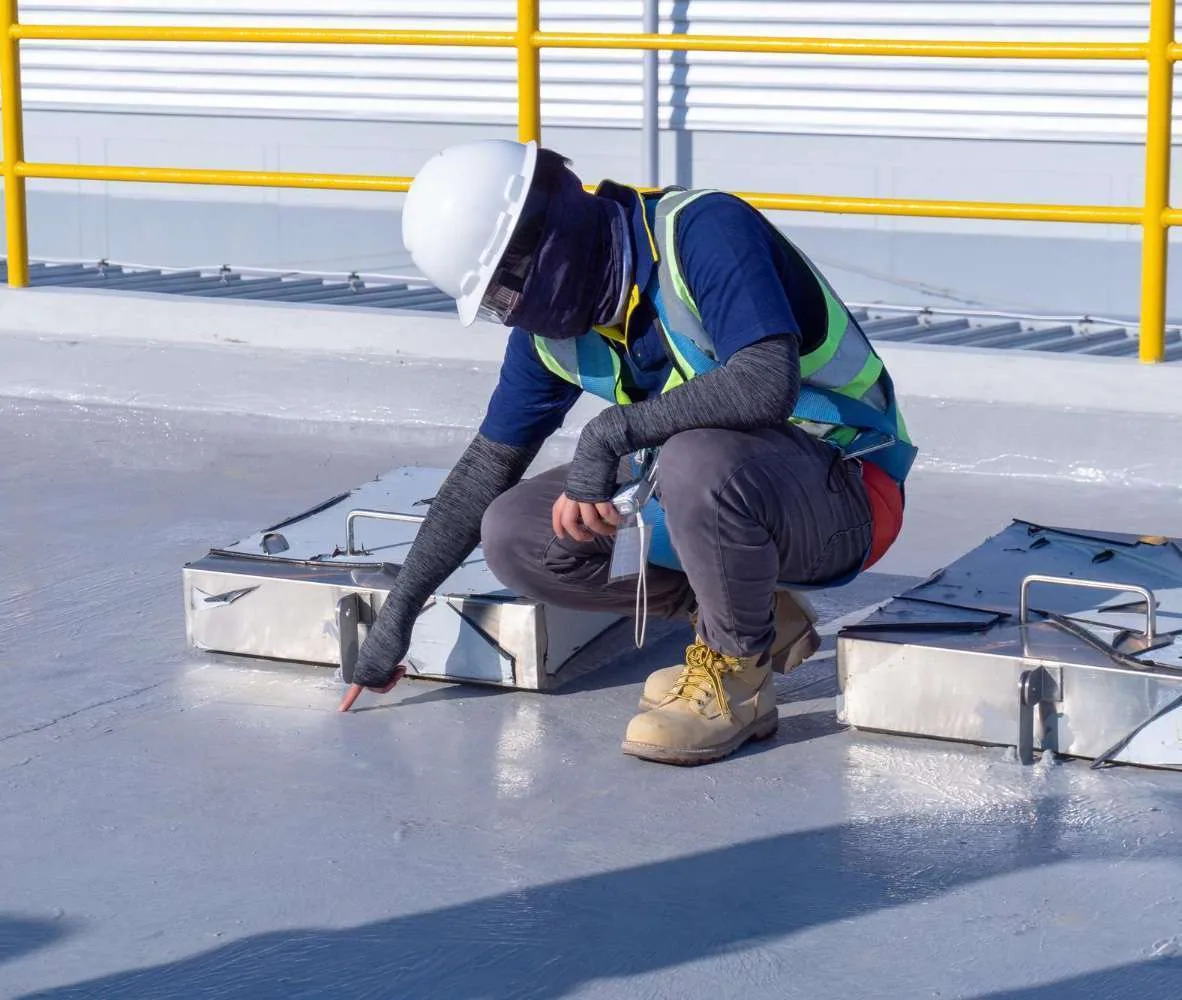
An emergency patch is not a roof assessment. After water is controlled, we inspect the nearby membrane, seams, penetrations, edges, and drains for conditions that may have contributed to the entry. The stain may be displaced from the roof opening, so we follow slope and construction details outward before naming the failure. If the assembly is wet beneath the surface, a limited opening or moisture check may be needed to understand how far the damage extends.
We compare the current event with the maintenance log and previous leak calls. A new puncture after a storm differs from a recurring seam failure that has been patched several times. Photographs, weather timing, and the location of the temporary measure help explain what is confirmed and what still needs inspection. We mark an area complete after the permanent scope is finished and documented.
Winter precipitation and freeze-thaw conditions across the Indianapolis region can affect access, adhesion, and how a temporary measure performs through a thaw. We assess the roof surface and access conditions before setting permanent work. We schedule the permanent work around actual surface conditions and forecast, then recheck the protected area before removing the interim material.
The follow-up proposal separates emergency labor from the permanent repair. It identifies the failed detail, preparation, compatible materials, and any insulation or cover board that requires removal. If deck condition is unknown until the assembly opens, we state how that finding will be reviewed and priced. This makes the next authorization a decision based on documented conditions, not just a callback from the first visit.
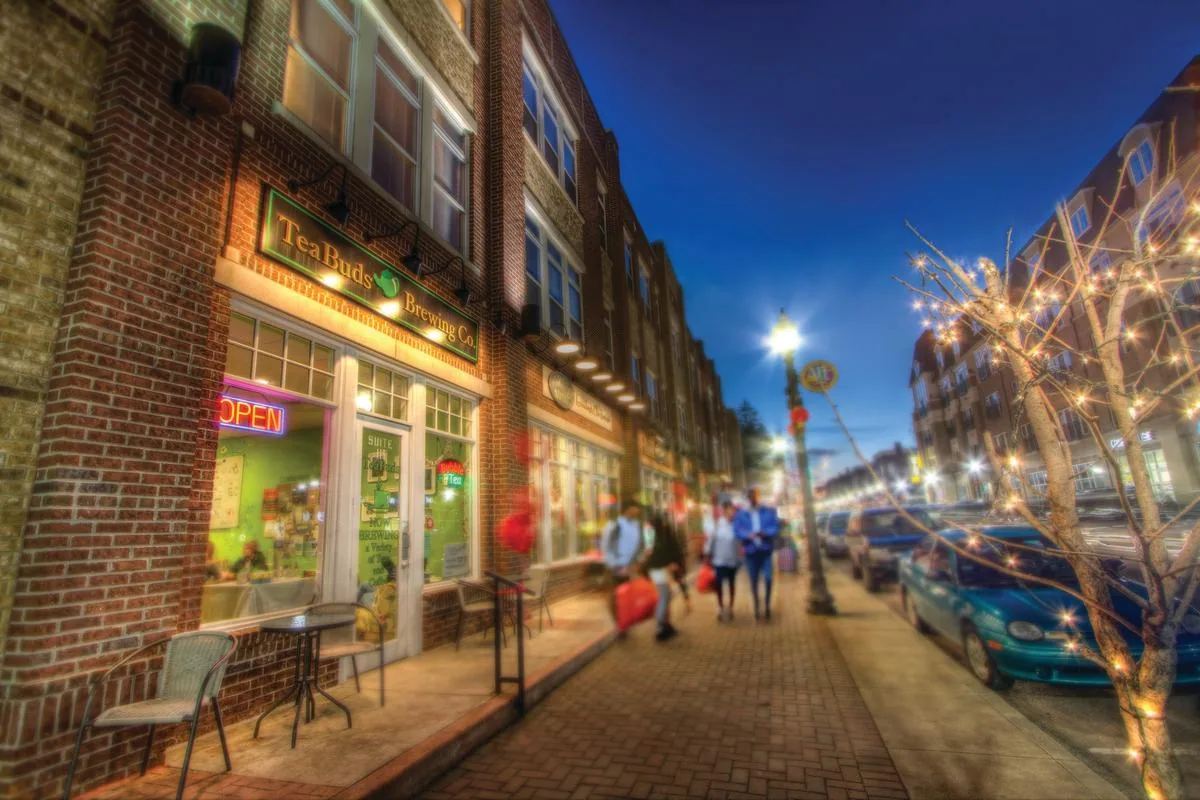
For Carmel portfolios, we can tie the incident to a building and roof section rather than a general property note. Parkwood Crossing has office buildings, restaurants, hotel, and parking within a multi-building commercial area; the mixed uses make it especially useful to confirm the exact building contact and access route rather than assume a shared schedule. Each property has its own roof and operating needs. We coordinate delivery, tenant notices, and equipment concerns with the responsible manager.
Where a storm may have affected multiple details, the scope can include a broader inspection and photographs. An inspection visit can check the roof beyond the visible leak, while a wind-damage review addresses lifted edges or displaced materials. If moisture appears widespread, a moisture survey can help select areas for confirmation.
Permanent repair depends on a dry, stable work area and materials that can be installed under current conditions. Rain, snow, freezing temperatures, or a saturated roof may postpone part of the work. We set the interim protection to reduce exposure, then schedule the permanent repair when preparation and adhesion can be completed properly. If an opening remains vulnerable, the plan identifies who will check it and when.
Occupied buildings need a separate interior and roof-access plan. We confirm which entrances remain open, where materials can be staged, and whether the work affects loading, parking, or rooftop equipment.
Emergency notes should be usable after the water stops. We record the reported time, affected interior areas, roof conditions, temporary measures, and the permanent repair recommendation. The owner can attach that record to maintenance history and compare it with future inspections. If another section has a separate problem, the notes keep it outside the emergency repair boundary unless it is added to the scope.
A roof condition report can consolidate photos and outstanding items across buildings. For a Carmel site near the Arts & Design District, the record can also note access coordination around nearby commercial activity without implying that surrounding buildings share the same roof condition.
Follow-up may include a drain check, seam review, insulation test, or maintenance visit. The right task depends on the cause and weather exposure. If repeated failures are appearing, we prepare a measured comparison of repair and replacement rather than relying on emergency patches as a long-term plan. A capital plan can place confirmed roof needs against the owner's timing window.
Before closing the emergency call, we walk the repaired area, confirm temporary materials have been removed where appropriate, and record any remaining protection. We identify what the owner can monitor from inside and what requires roof access. If the permanent work must wait, the contact receives the reason, the interim boundary, and the next planned visit so the temporary measure is not mistaken for a completed repair.
Once permanent work is finished, we document the detail and update the maintenance record. The next inspection can check the repair after normal exposure resumes. If the building has several roof sections, we identify the one addressed and any separate conditions that remain open. That distinction helps the asset manager plan maintenance without assuming the emergency visit renewed the whole roof.
Send the property address, safe entrance, affected rooms, and current leak status when calling. Interior photos can help us prepare for arrival. We will confirm whether the first visit can complete permanent repair or needs to begin with dry-in, then state the remaining work and return conditions.
Yes. Urgent commercial roof response is available around the clock, including weekends and holidays. We first protect the building and limit active water entry, then explain what inspection or permanent repair should follow.
Move people and movable equipment away from active water, use safe interior containment if available, and identify the room and roof access point. Do not climb onto a wet or storm-damaged roof. Share photos and the site contact's access instructions by phone.
It may, if conditions allow a complete repair. In rain, snow, or unsafe access, the first visit may focus on temporary dry-in. We document the limit and return when the roof can be prepared and repaired correctly.
We can coordinate calls across a property, but each building needs its own access and roof check. We prioritize active interior water, protect the most exposed areas, and record separate work limits for each structure.
The follow-up inspection should verify the source, nearby seams and details, and any moisture below the membrane. We record the permanent repair and items left open, then set a focused maintenance check if the roof history points to recurring exposure.