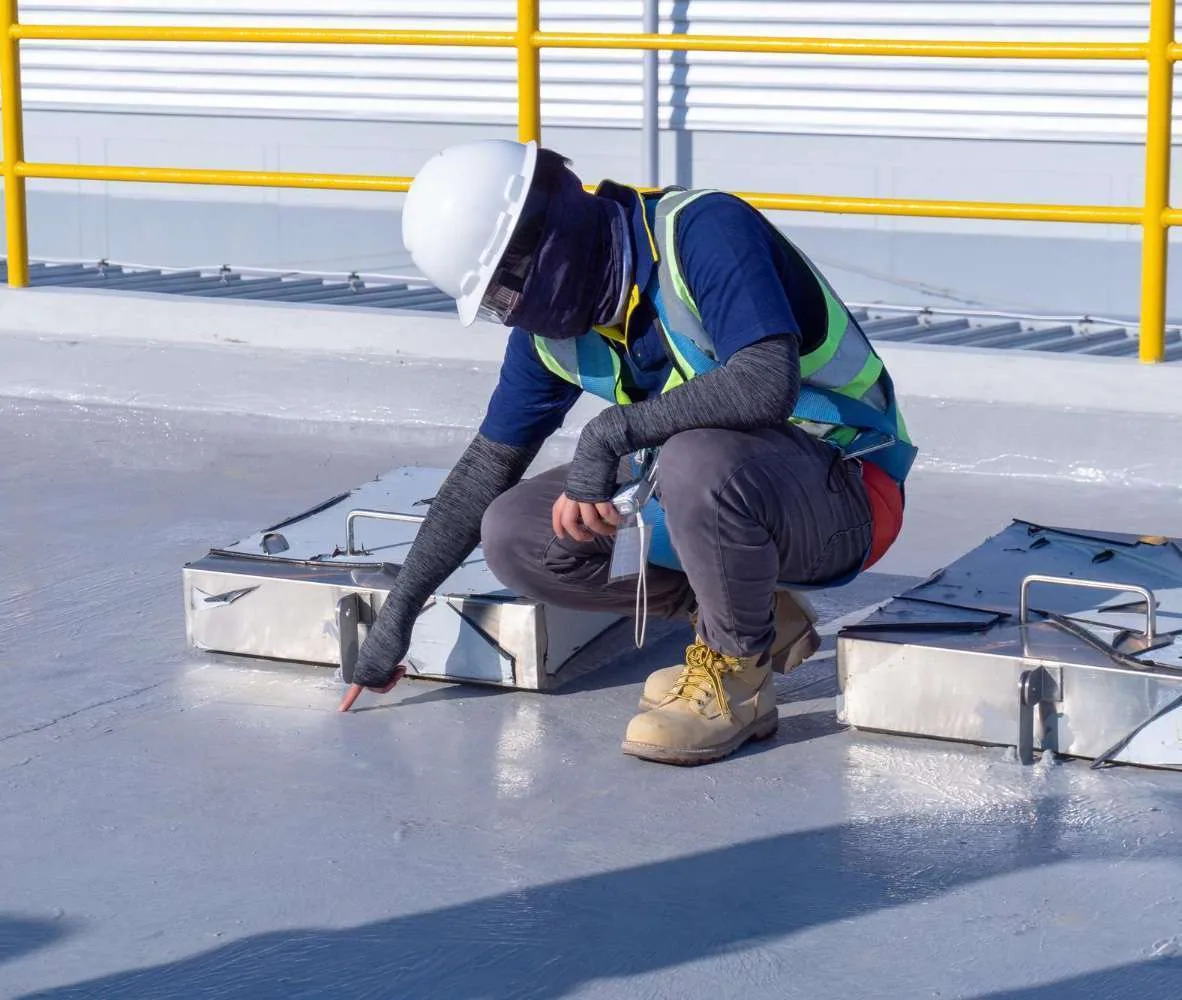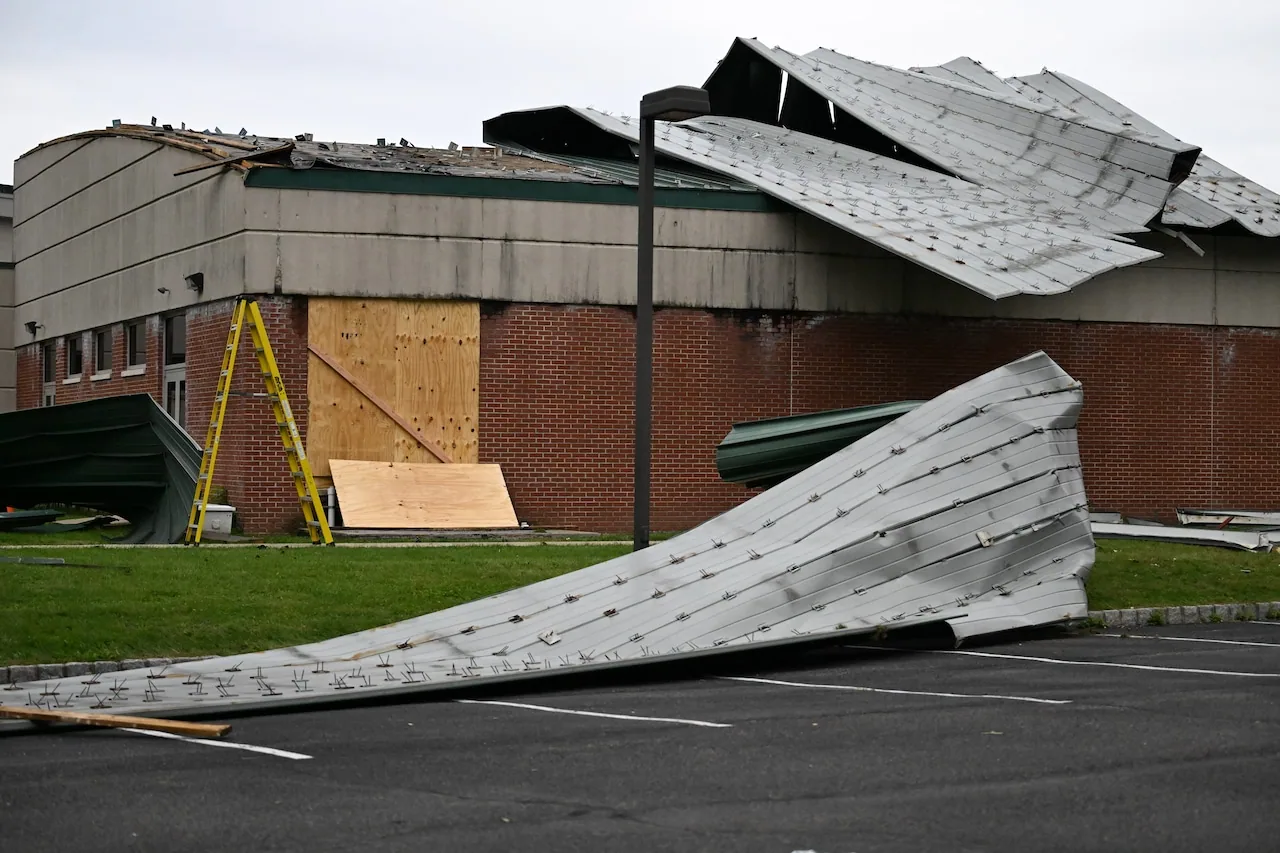
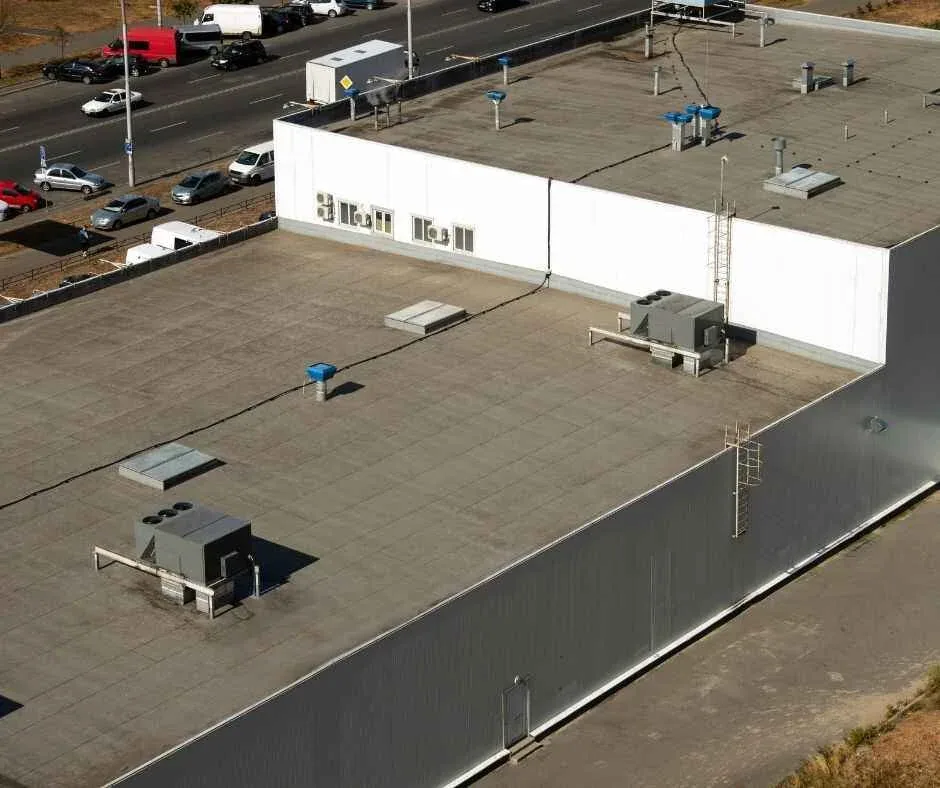
A wind report needs a roof walk before it becomes a repair quantity. We check the perimeter, corners, metal transitions, membrane seams, rooftop equipment, and any interior leak area, then mark what moved and what remains secure. Hamilton County appears in central Indiana's damaging-wind and tornado records. After a reported event, we inspect each Carmel building and map movement, openings, and water entry by roof section. On a multi-building property such as Parkwood Crossing, separate roof maps matter because office, hotel, dining, and parking uses can create different access and protection needs.
We document the likely opening, nearby details, and temporary protection before discussing permanent work. A lifted edge can let water travel under the field membrane; a puncture or displaced cap may call for a different repair. The scope names each roof section and keeps observed damage separate from older wear, so the owner can compare repair, testing, and renewal without treating an entire building as one failure.
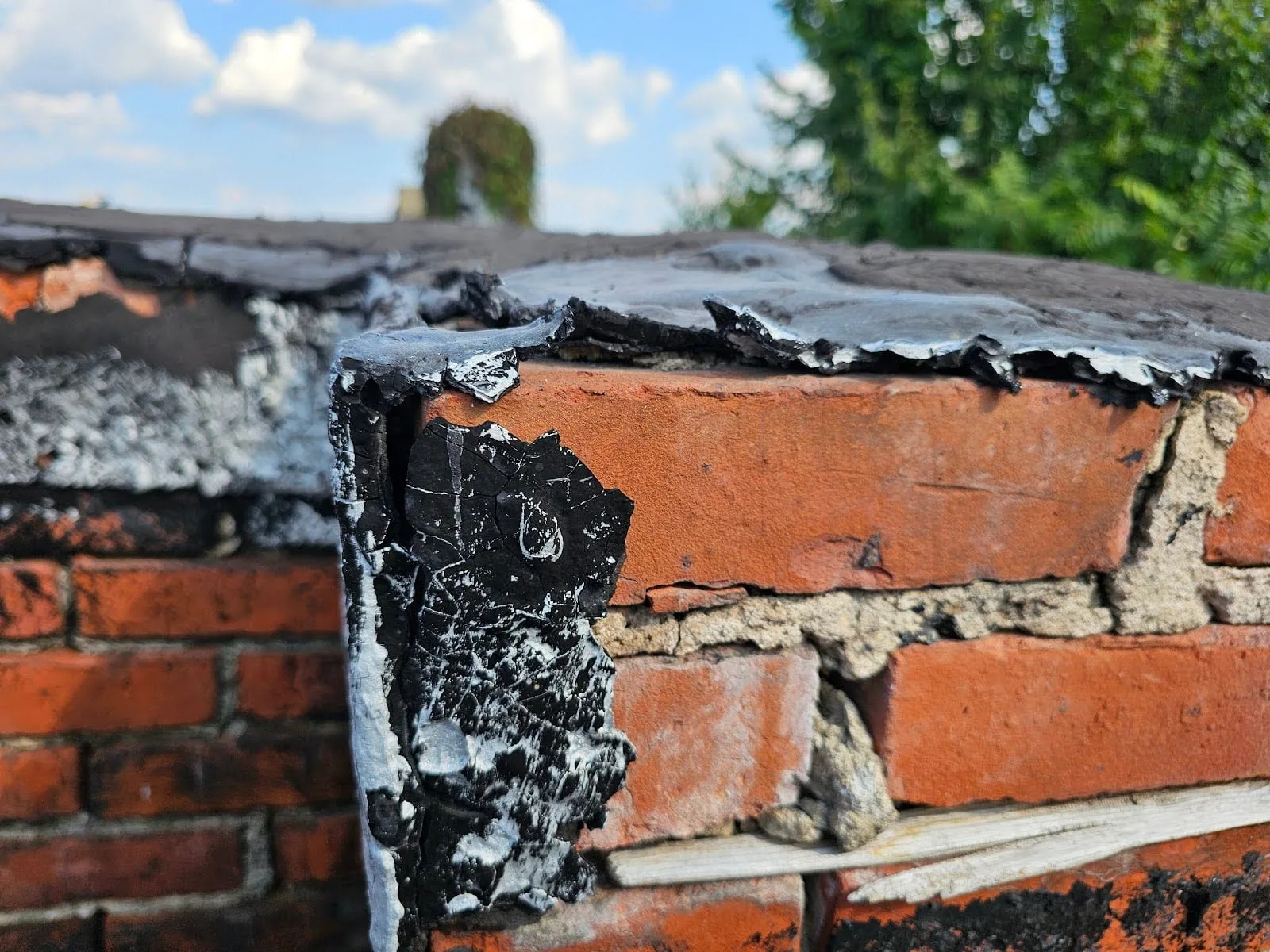
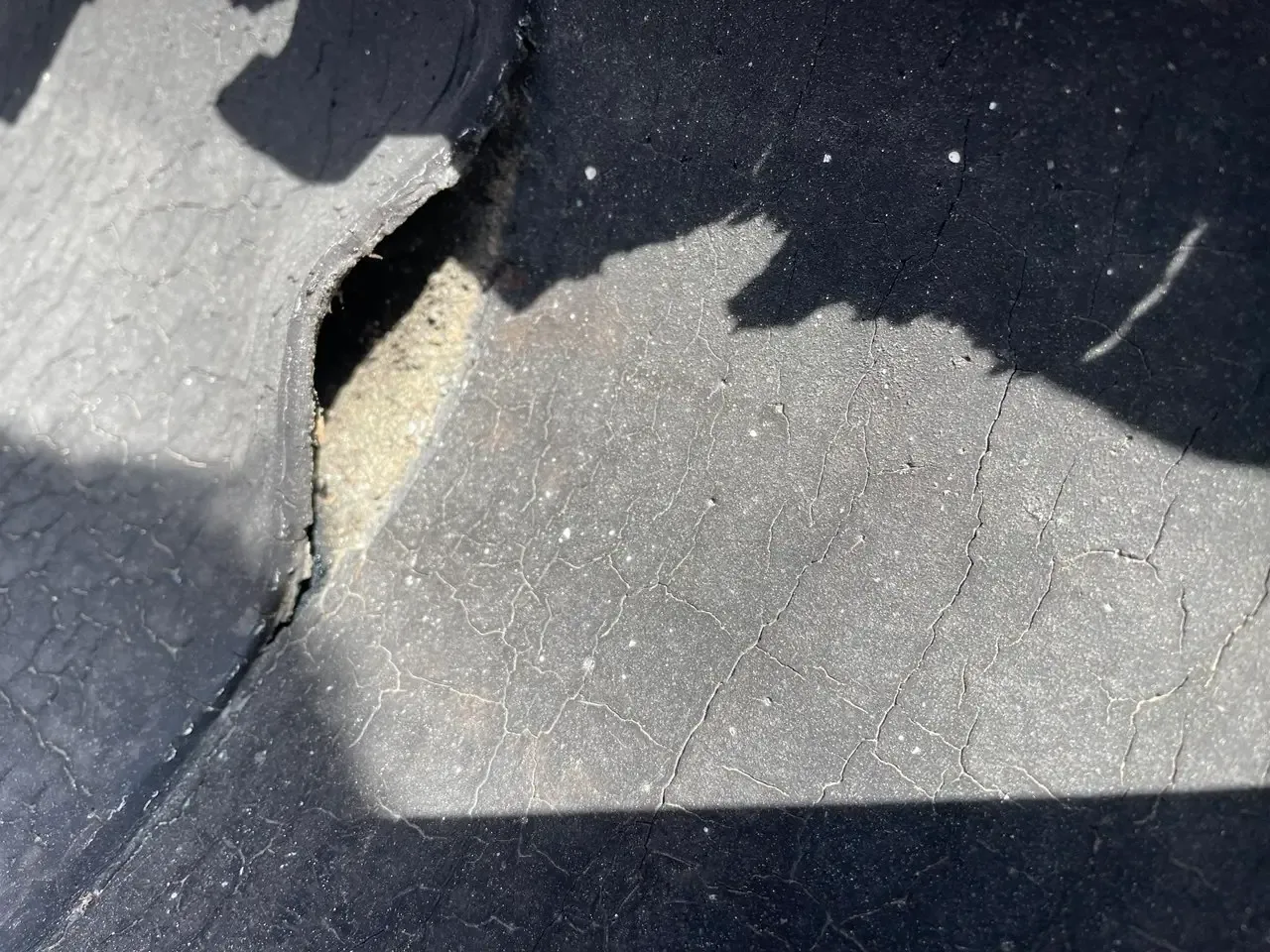
Wind exposure is not uniform. We inspect corners and perimeters, then follow seams, wall transitions, curbs, drains, and prior patches into the field. A loose termination may show a short gap at the edge while the membrane beyond it still holds. Another section may have a split lap or displaced sheet. We photograph the detail with a nearby reference and mark its location so the repair crew can return to the same spot.
Inside, we note the room, equipment, ceiling condition, and time the leak appeared. Water can travel along a deck or insulation layer before reaching a ceiling, so the stain is evidence of entry, not necessarily the opening. We compare the interior report with nearby roof details, slopes, and the likely water path. A commercial roof inspection can give the owner a baseline when the report covers several buildings or roof sections.
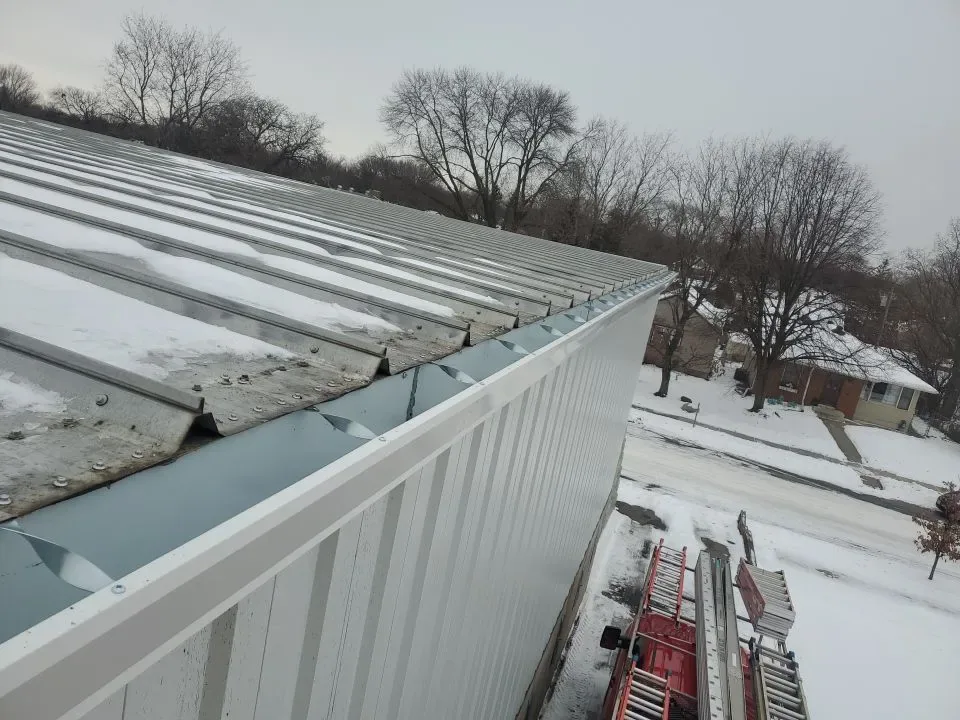
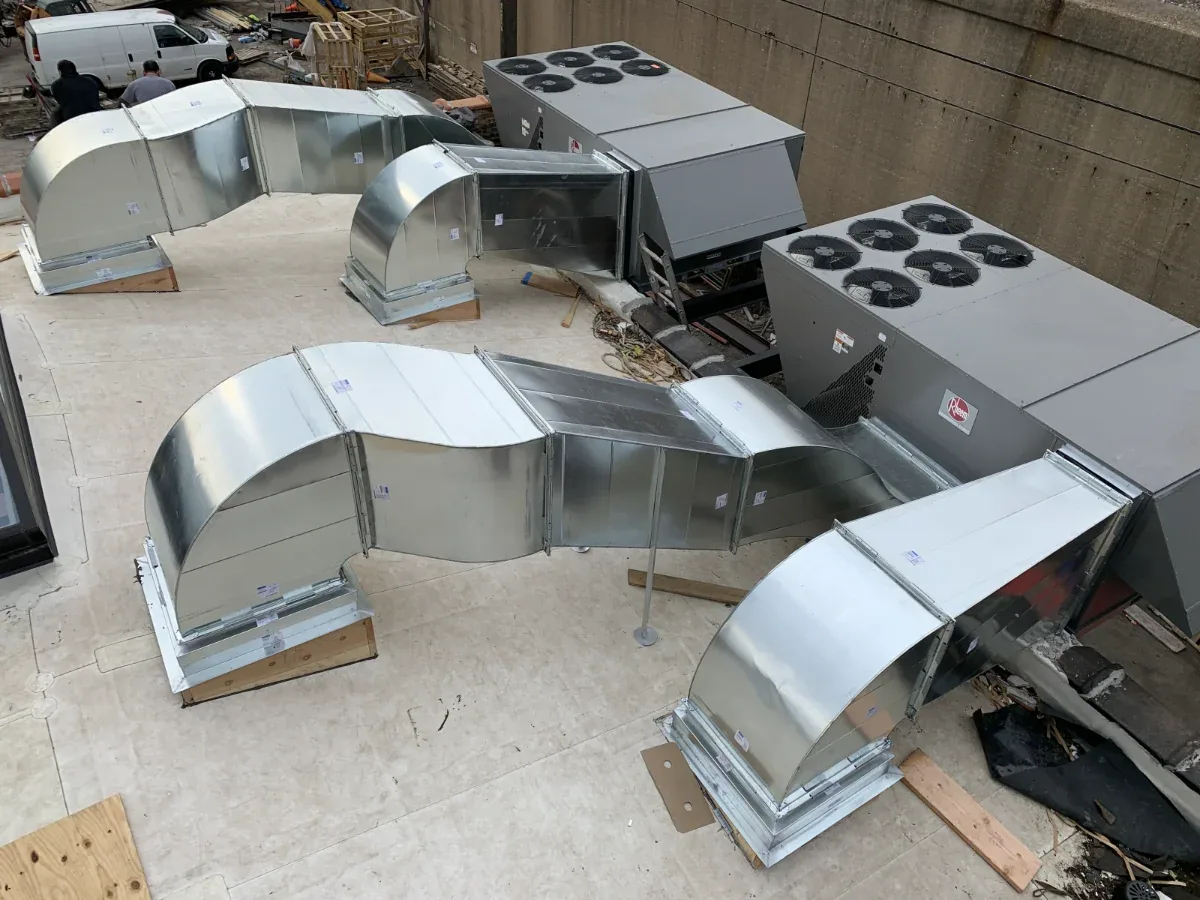
Metal copings, edge cleats, fasteners, and counterflashing deserve a close look after gusts. We check for movement, opened joints, loose fasteners, and damage to the surface below. If equipment screens, curbs, or service items appear displaced, we record them separately from membrane repair. The edge-metal repair scope can address perimeter details, while a curb and support review checks the roof interface around equipment.
Active water entry takes priority. We identify the area below the opening, protect equipment and finishes, and select a temporary measure that will not trap water or block drainage. If the roof is unsafe to enter, ground observations and interior reports help set the next safe step. Temporary cover should have a defined footprint, attachment method, and removal plan; loose material can create another hazard when gusts return.
For an occupied office or retail property, access and notice are part of stabilization. Carmel City Center combines offices, shops, housing, and public parking, so work near active entrances requires a route that keeps occupants clear of lifts, tools, and debris. Each building needs its own approved staging area and contact. An emergency roof response can limit exposure while the owner arranges a fuller inspection and permanent repair window.
We distinguish immediate protection from work that can wait for dry conditions or material delivery. The service record notes what was covered, which leak remains active, and whether the temporary detail needs a follow-up visit. That gives the facilities lead a practical status for the rest of the day and prevents a short-term patch from being mistaken for completed restoration.
A repair starts with the material and attachment method already present. We remove loose or unsound material to a stable boundary, prepare the surface, and make a compatible tie-in. At a metal edge, that may involve securing or replacing the affected component and restoring the membrane termination. At a seam, the work may require cleaning, drying, patching, or a larger section if the substrate has softened. The scope identifies the method instead of calling every condition a patch.
Quantities depend on the length of opened edge, number of damaged transitions, access for lifts, protection below, and whether insulation or deck needs repair. If hidden conditions could change the area, we separate an allowance or test from the confirmed work. A flashing repair assessment can isolate a wall or curb transition, while a seam repair focuses on the membrane joint and adjacent material.
When wind damage crosses multiple sections or follows repeated repairs, we compare localized work with broader renewal. A storm-damage roof assessment records the observed opening and repair boundary; wet assembly or compromised attachment beyond that point can call for a broader scope. We show what can be confirmed now and what requires testing before the owner commits to a full replacement.
Weather determines when the repair can be made safely and how much roof can be opened. We confirm the forecast, surface condition, material requirements, and access before mobilizing. The crew should have a stopping point that can be closed and protected if conditions change. On an occupied property, we also coordinate roof access, loading areas, and tenant notices so a lift or material drop does not conflict with building operations.
If several areas need work, we rank them by active water entry, exposed insulation, interior consequence, and risk of movement. The owner receives the sequence, the temporary protection status, and the expected decision points. A single roof section may be repaired first while other areas remain under observation. We set the scope from marked conditions on each building and keep the remaining inspection items visible.
After repair, we inspect the tie-in and nearby drainage, then record photographs and any follow-up item. Where the owner has a broader maintenance schedule, preventive roof maintenance can include perimeter checks before seasonal exposure changes. That follow-up does not replace the storm repair; it helps identify whether nearby details need separate attention.
A good closeout shows the roof section, detail repaired, materials used, photographs, and any excluded or untested area. We note whether temporary cover was removed, what remains active, and which conditions should be checked after the next weather cycle. If multiple buildings are involved, records stay separated by asset so one roof's findings do not become a shortcut for another.
The Meridian and U.S. 31 corridor includes corporate offices and mixed-use development. At Parkwood Crossing, a multi-building visit uses a separate access plan and roof map for each structure, with repair evidence recorded by building and section.
Send the building list, leak reports, roof plans, known repairs, and access limits. We can inspect the affected sections, protect active openings, and prepare measured repair options. If testing or a larger renewal is warranted, the record will show which observation led to that next decision.
No. Hamilton County weather history provides context, but we inspect the building for moved edges, opened seams, displaced components, and new water entry before defining a repair.
Protect the interior first, then arrange a safe roof assessment. We can stabilize the opening and document what temporary work remains before permanent repair.
We compare the reported timing and location with visible movement, failure surfaces, prior patches, and surrounding materials. The report separates what is observed from what still needs testing.
Yes. We map each roof separately, rank active conditions, and keep photos and repair quantities tied to the correct building and section.
Widespread wet insulation, failed attachment across multiple sections, or recurring openings can justify a larger comparison. We verify the assembly and show repair and renewal boundaries separately.