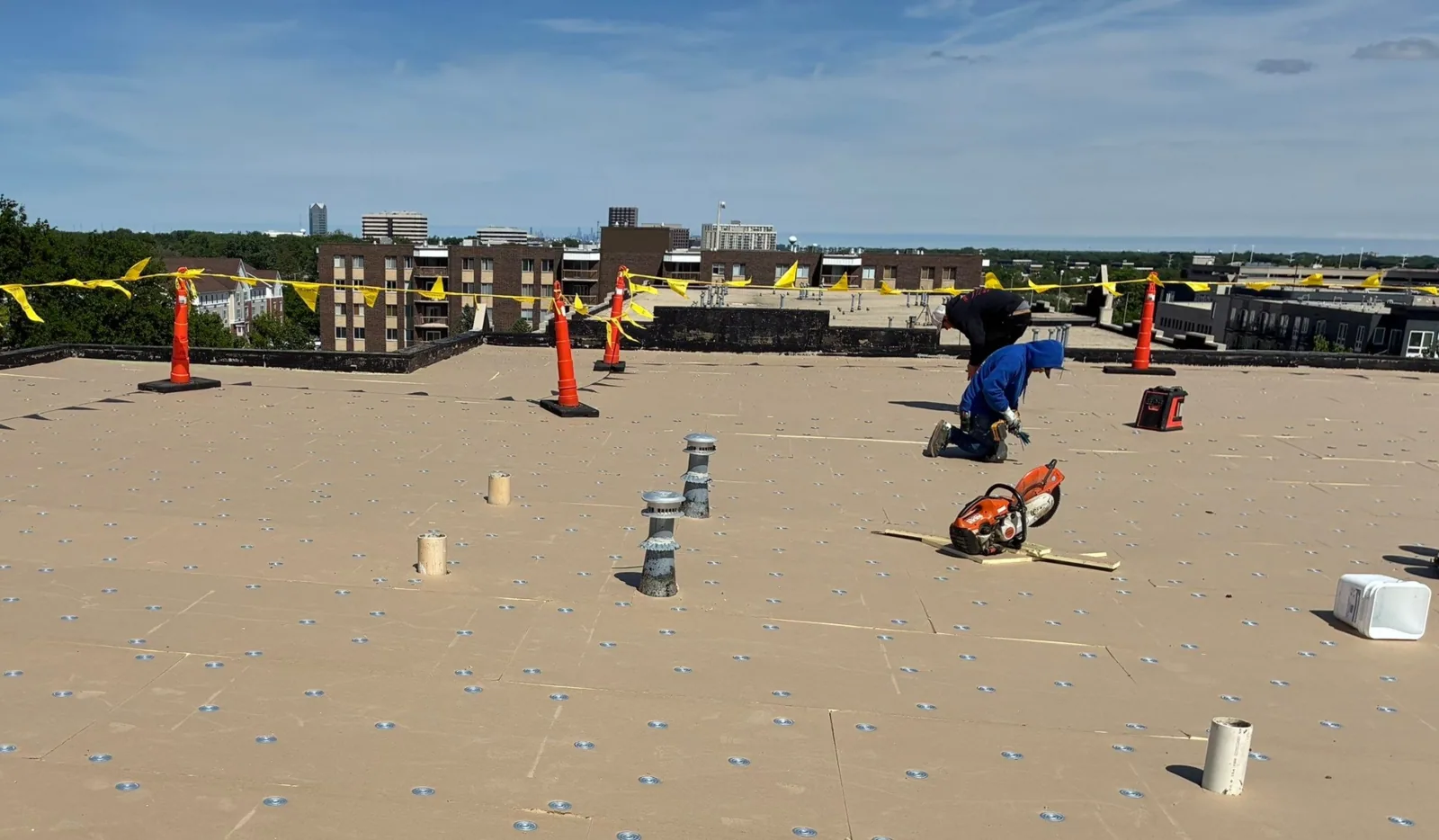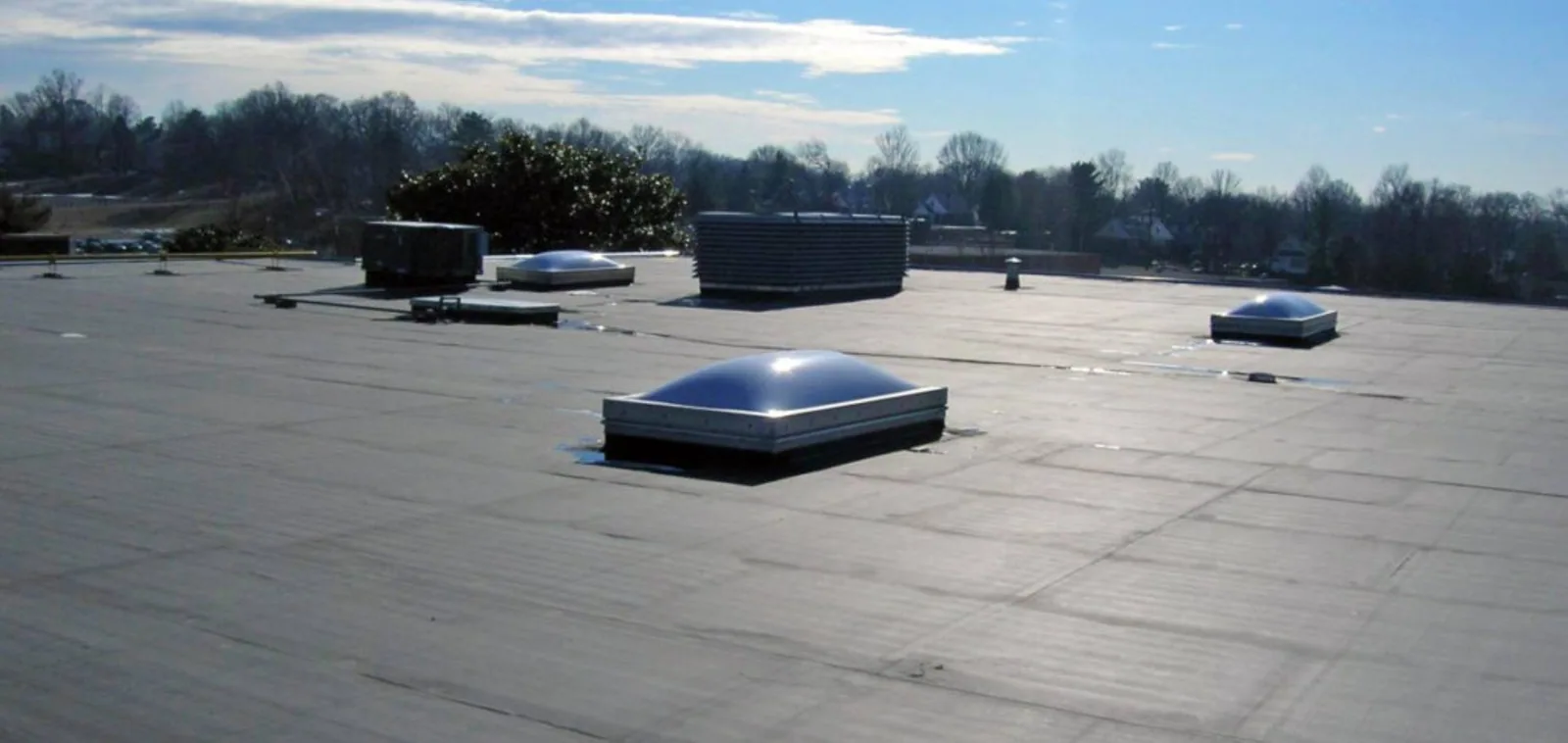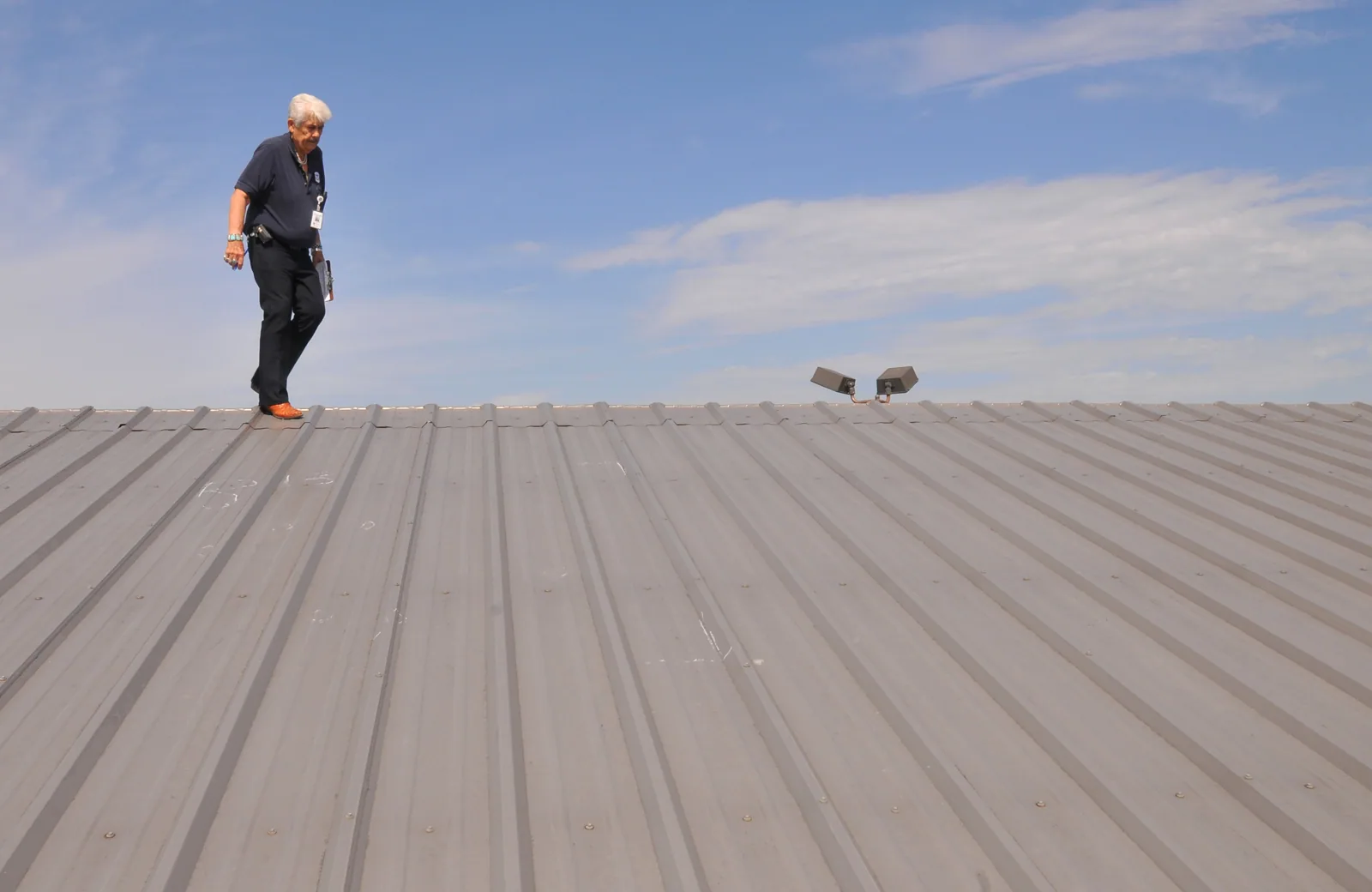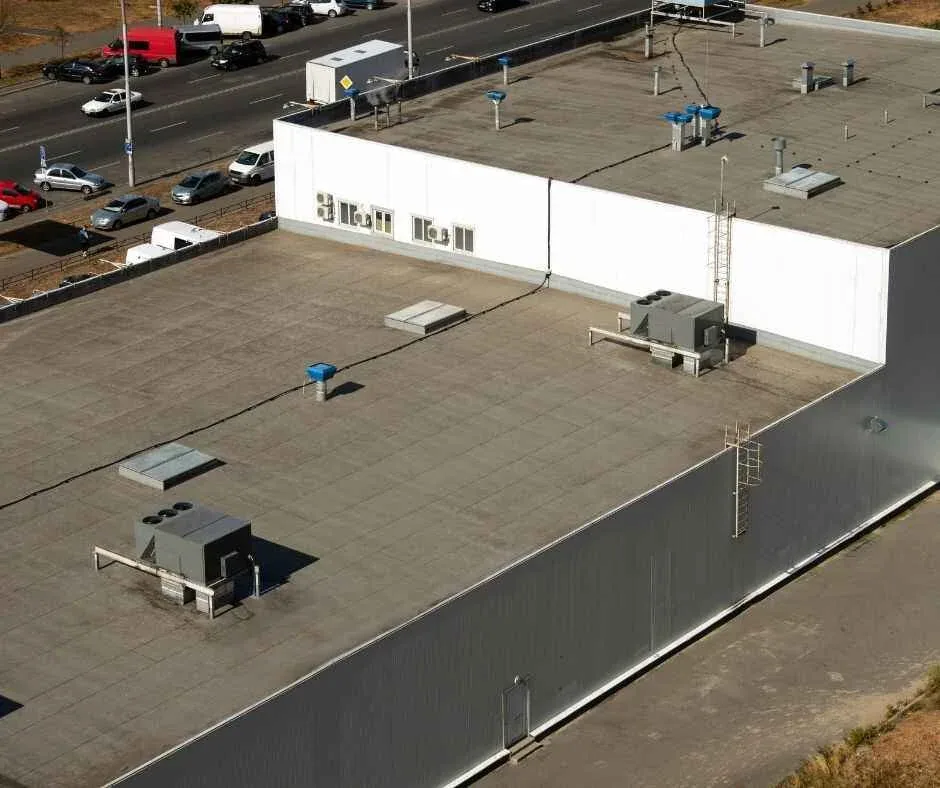
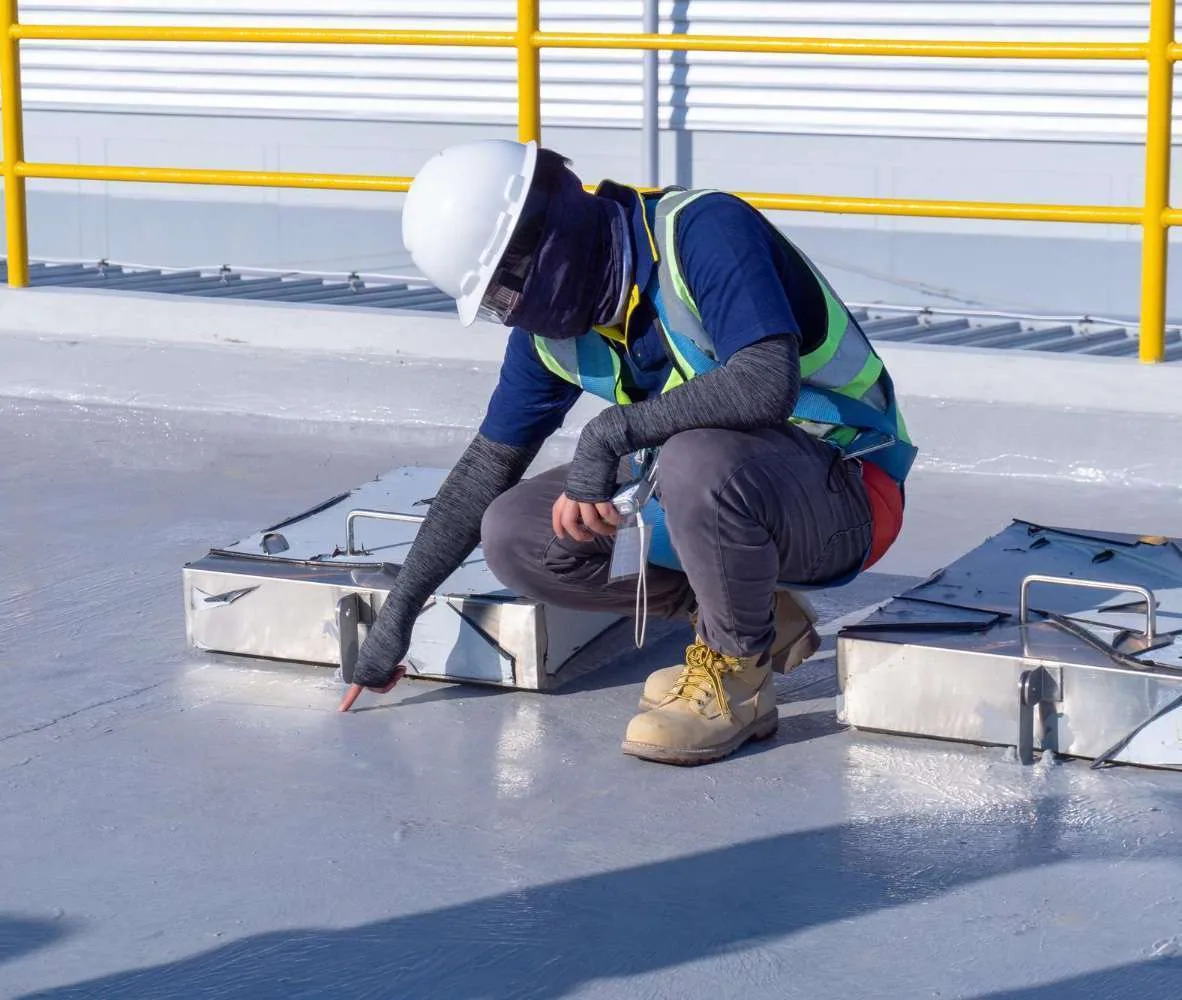
A capital review should identify which roof sections need work now and which can wait for more evidence. We begin with the property list, leak calls, repair history, and the timing question behind the visit. Then we walk each accessible roof section, following seams, edges, penetrations, equipment, and drains. Carmel's office inventory is concentrated along U.S. 31 and Meridian, and Parkwood Crossing includes several commercial building types in one area. That context helps us expect varied access and operations, but the inspection stays specific to the building. We record what is visible, what needs testing, and what could not be reached. Indianapolis averages 43.63 inches of annual precipitation and 25.5 inches of snowfall, making drain condition and winter access useful inspection priorities. A condition report can organize the findings into repair, monitoring, and capital priorities.
Inspection scope depends on the decision. A leak call needs a focused search for the water path. A capital review needs section-level condition, remaining risks, and quantities. A warranty or transaction review may require a different record and a narrower time window. Before the site walk, we agree on the buildings, roof areas, access constraints, known problems, and the format the owner needs for comparing next steps.
We use the maintenance log and prior work orders to locate recurring failures. A repair that appears new may sit beside older seam work or a drain correction, and that history changes what we inspect. If records are incomplete, we note that limitation rather than fill the gap with an assumption. The owner can then decide whether selective testing or a follow-up visit is warranted.
For several buildings, we label each section consistently. We tie each inspection finding to its building, tenant area, and roof section. We record access points, transitions, drainage direction, and the approximate location of equipment and penetrations. The same map can support later service repair work and the next annual inspection.
We inspect the membrane field, but most useful findings come from details that interrupt it. Seams are checked for separation, contamination, wrinkles, or earlier patches. At curbs and pipes, we look at flashing, counterflashing, movement, and sealant. Perimeter edges and corners receive attention because attachment and wind exposure differ from the middle of the roof. We note corrosion, loose metal, exposed fasteners, and places where water can get behind a termination.
Drainage gets a direct check. We look at the roof's slope, bowls, strainers, scuppers, overflows, and visible signs of standing water. Debris may be removable maintenance, while repeated ponding can point to a broader slope or outlet problem. We photograph the low area and follow its route to the discharge point. If the roof includes equipment, we check clearances, supports, and the flashing around each penetration without assuming a roof type from the equipment alone.
Interior observations can help. Water stains, odor, damaged ceiling tile, or corrosion may identify an affected zone, but they do not locate the exterior opening automatically. We compare the interior pattern with roof structure and slope. For a suspect area that cannot be judged visually, a moisture survey can help direct confirmation testing.
Each finding should tell the reader where it is, what was observed, and what action fits. We separate immediate repair from routine maintenance and monitoring. A loose edge, open lap, blocked drain, and wet insulation are different items; combining them into a general note can blur urgency and cost. We record the section, nearby feature, and photo reference so a manager can match the item to a roof walk.
We list inaccessible areas, snow cover, wet conditions, or roof sections hidden by equipment. If moisture extent needs testing or an opening, the report identifies that next action separately from observed damage. Photos show the conditions on the inspection date, and each recommendation stays tied to the section reviewed.
Carmel's Building Safety Office handles permits and inspections under adopted building codes. If the owner is considering a repair or replacement, we identify the proposed scope that needs a permit check and confirm current requirements with the applicable authority. The inspection report supports that planning, but does not replace the permit review for a particular project.
After the site walk, we organize the findings by urgency and work type. Active water entry and exposed materials deserve early attention. A drain that needs cleaning can be handled as maintenance. A question about concealed moisture may need testing before repair quantities are set. This keeps the budget tied to the work that the roof actually needs and separates near-term repairs from items that can enter the next capital window.
Timing depends on weather, access, material availability, and building operations. Central Indiana precipitation and winter freeze-thaw conditions make seasonal exposure part of the review, while the actual forecast and surface condition determine when a repair can be installed. We identify which findings can be addressed in a planned visit and which require a faster response.
For an office site around the Parkwood Crossing commercial area, staging and roof access may differ by building. We confirm the property contact, service entrance, safety steps, tenant schedule, and rooftop equipment needs before arranging follow-up. The area context informs the questions; the owner supplies site-specific operating constraints.
A good baseline lets the next inspection answer whether a seam has moved, a drain has stayed clear, or a repair has held. We keep section names, photographs, and repair boundaries consistent so new findings can be compared with the prior record. If the portfolio changes, we update the building list and access notes rather than assume an old roof map still fits.
Repeated findings can be grouped into an asset review. We weigh repair history, observed condition, test results, and capital timing. A recurring seam failure, for example, calls for checking nearby roof sections before it enters a renewal queue. A roof asset review can help rank work across sites while keeping each recommendation tied to its own evidence.
Share the buildings, known leaks, prior repair records, and the decision you need to make. We can set the inspection boundary, walk the roof, and return a record that distinguishes repair now, monitor, and investigate further. The report is useful when it supports the next decision, whether that is a service call, a targeted test, or a measured wind-damage check.
A building list, known leak areas, prior repair notes, roof access instructions, and the decision the report needs to support are a good start. We use them to focus the walk and identify records or testing that may still be missing.
It can document current condition and visible risks, but a remaining-life estimate depends on material, assembly, maintenance, and concealed moisture. We state the evidence and limitations so the owner can use the result without treating an estimate as a fixed outcome.
Yes, when those areas are accessible and included in the agreed scope. We check drainage paths, bowls, scuppers, equipment curbs, supports, and flashing, then note any area hidden or blocked during the visit.
The interval should reflect roof condition, repair history, exposure, and the owner's risk requirements. A roof with recurring leaks or recent repairs may need a closer follow-up than a stable section. We can recommend a schedule based on the current findings.
Yes. We separate active issues, maintenance items, conditions to monitor, and questions that need testing. The report includes locations and photos so the property team can match the priority to a building section and plan the next work.