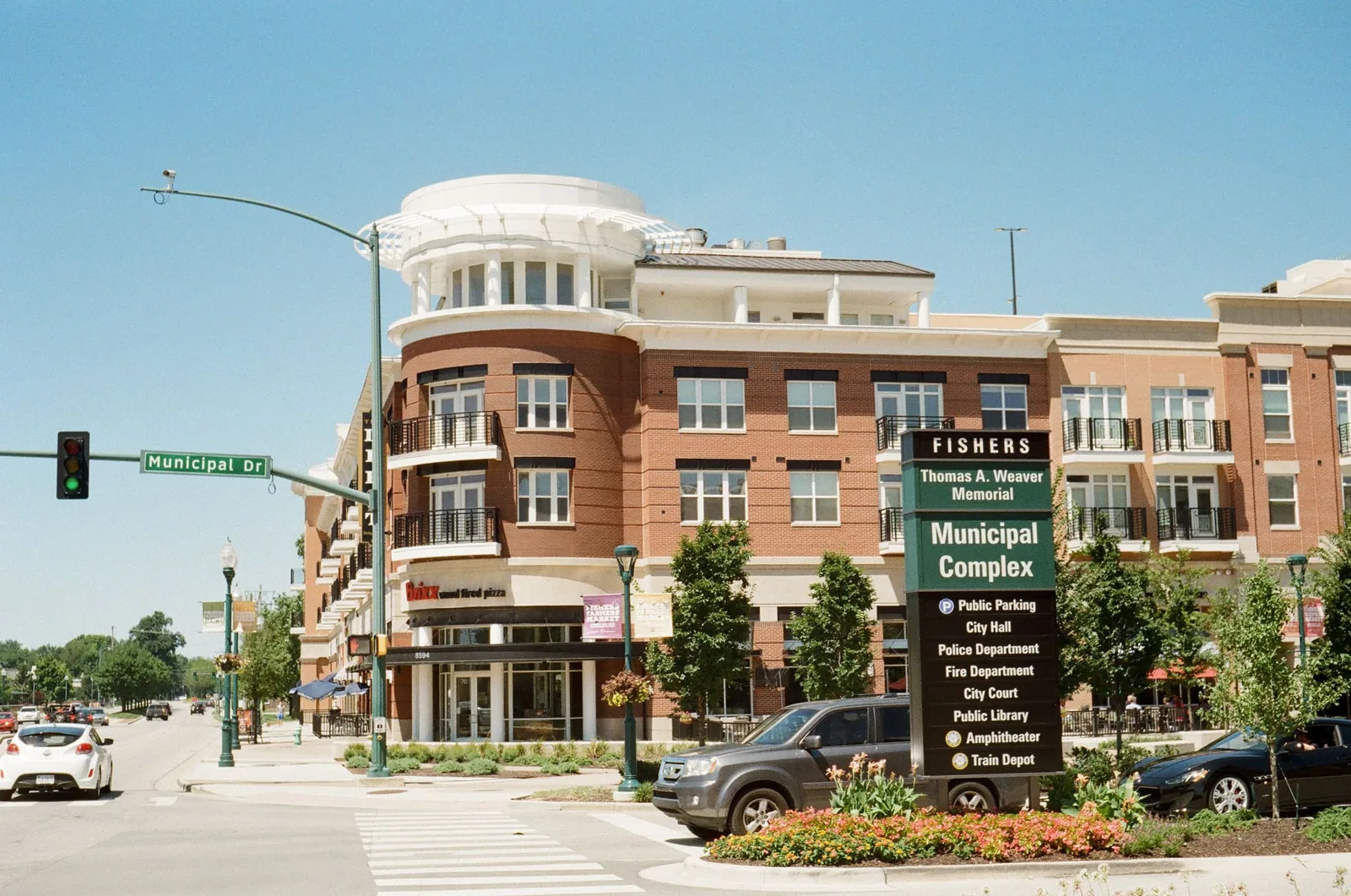
Commercial redevelopment in Fishers has concentrated along the 96th Street corridor east of the I-69 interchange, where the city lists office, mixed-use, and headquarters investments. For a property owner there, the first roof question is not which system to buy. It is what the current assembly shows, where water is moving, and whether repair or a planned renewal fits the building's operation. We inspect the roof and document the evidence before putting a work boundary or date on the scope.
Fishers has also invested in the State Road 37 project and 106th Street interchange and opened the Fishers Event Center. Those city developments establish a changing commercial and destination context, not the condition of any single roof. We use the property contact, roof plan, leak history, equipment activity, and access rules to build a site-specific visit. A portfolio that includes Fishers and Carmel should keep the records and quantities separate by asset.
Before the site walk, we collect the building list, reported leaks, prior repair invoices, maintenance notes, and any available roof plan or system submittal. We confirm who can provide roof access and whether HVAC work or a tenant improvement is already planned. If the 96th Street project area includes an office or headquarters property, those records can identify equipment routes and occupied hours, but the system and condition still need to be checked in the field.
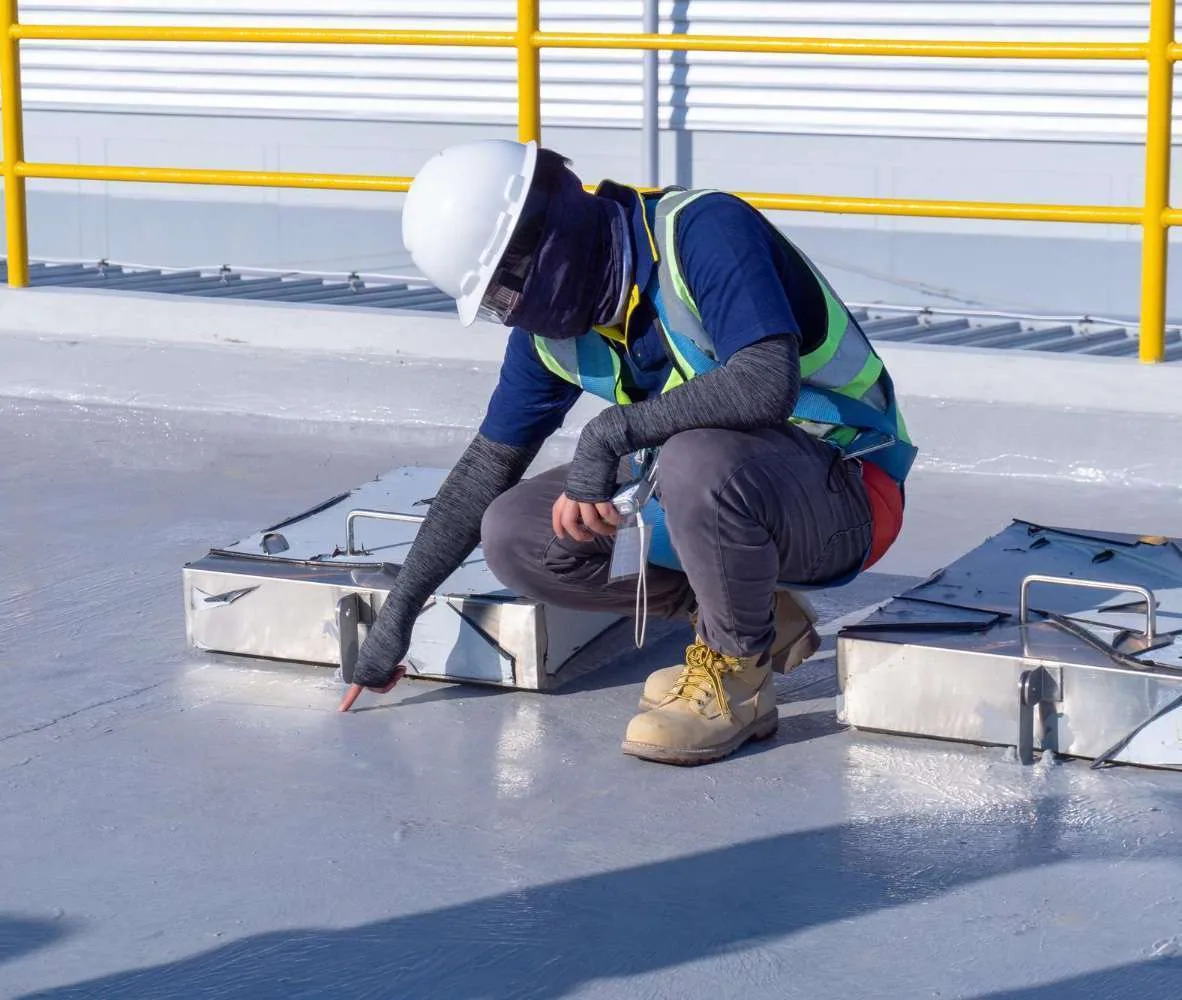
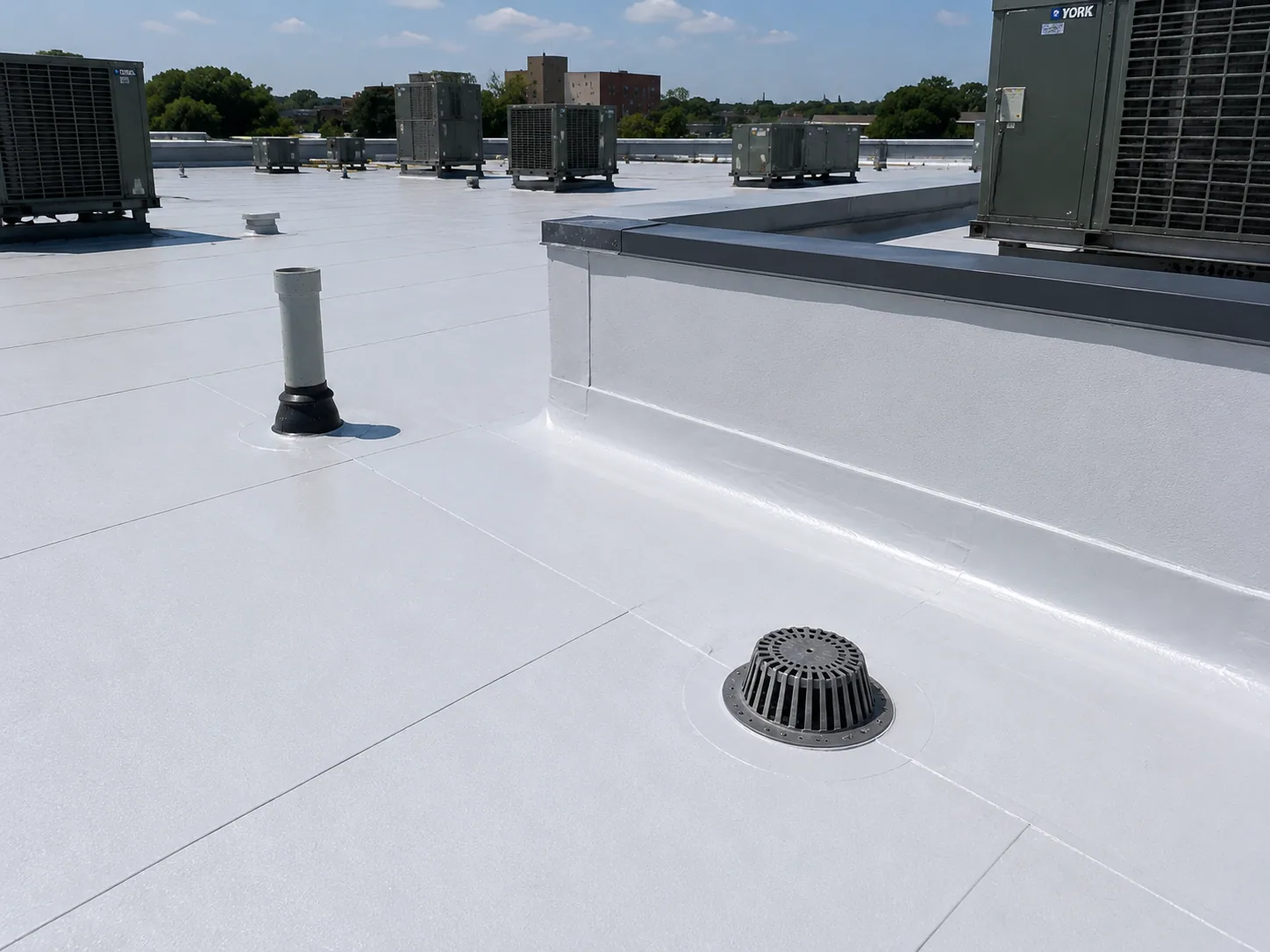
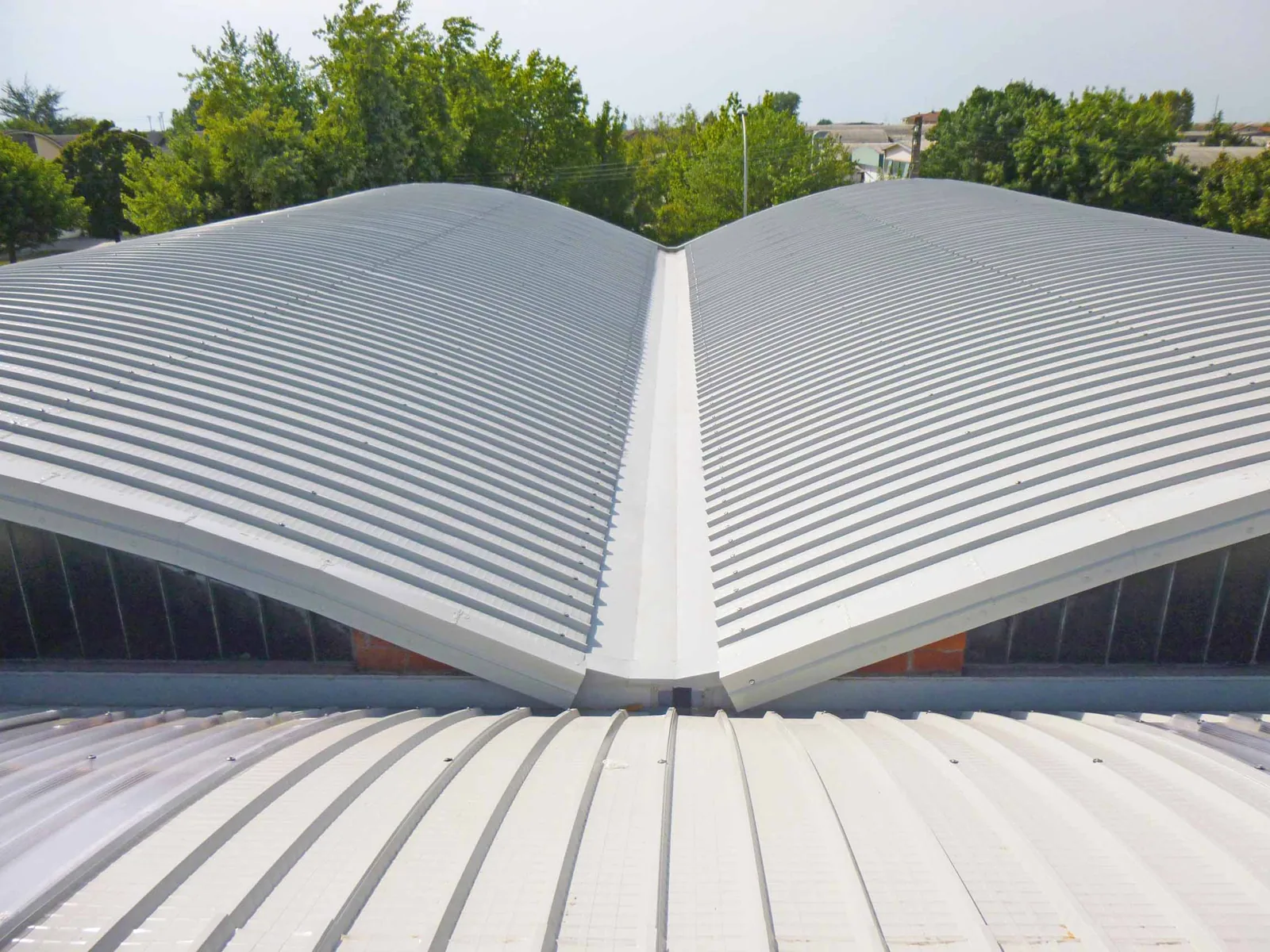
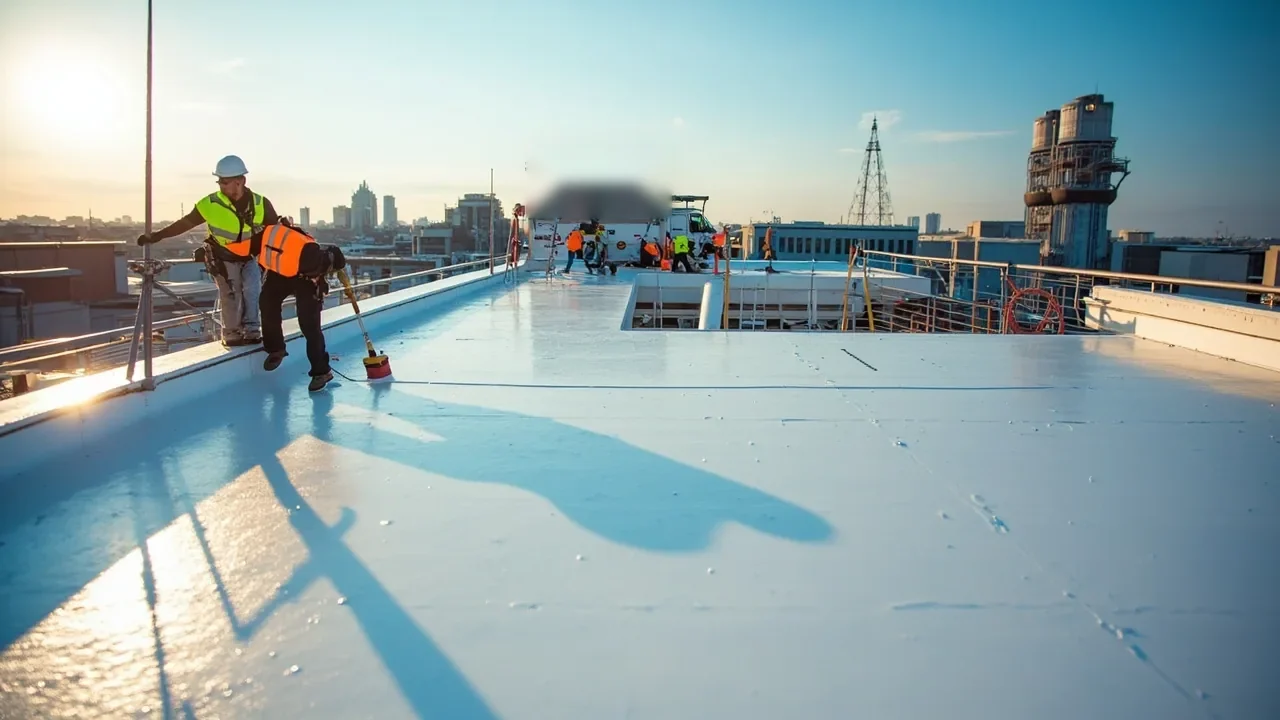
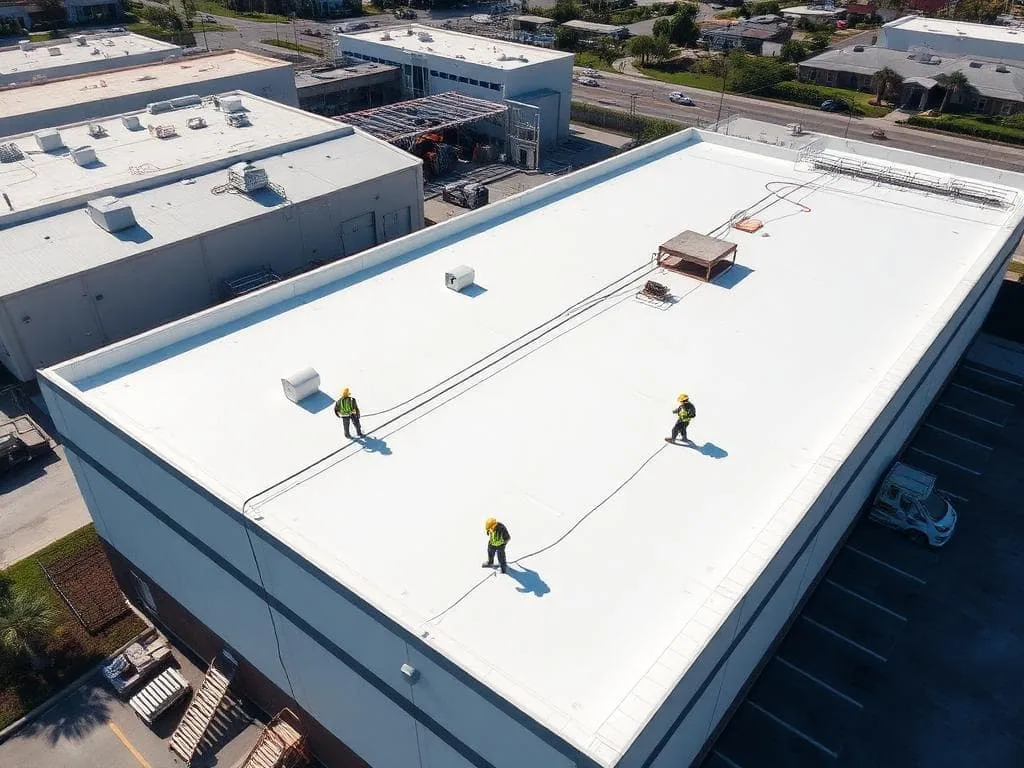
On the roof, we examine the membrane or metal surface, seams, perimeter, wall flashing, curbs, penetrations, drains, and prior patches. We note which observations are confirmed, which could change with testing, and what was inaccessible. A commercial roof inspection can establish the visible condition and identify the detail needing repair or follow-up.
When an interior leak is reported, we record the room, timing, and operating impact, then trace likely entry paths above. A ceiling mark may sit away from a drain or curb where water first entered. The leak investigation defines the next step and separates temporary protection from permanent roof work. If moisture depth is uncertain, we identify a test before writing a larger quantity as confirmed.
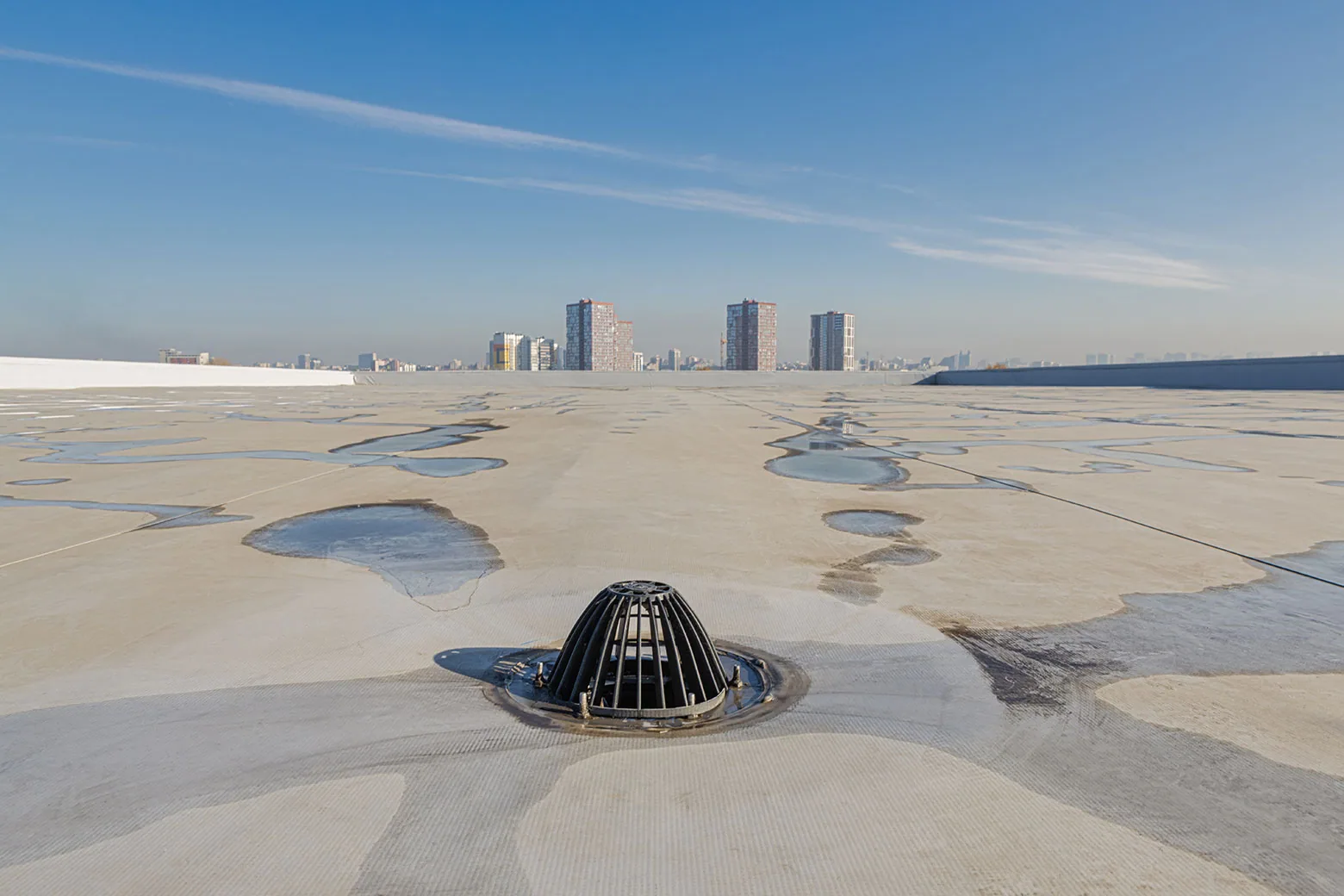
We follow the roof's water route to drains, scuppers, and overflow points. Debris, damaged strainers, blocked outlets, settled insulation, or split flashing can slow the flow or redirect it toward a seam. We note whether a cleaning visit will restore drainage or whether the outlet, bowl, or surrounding membrane requires a measured repair. A drain should not be treated as a housekeeping issue when the connection itself is damaged.
Indianapolis averages an 85.2-degree high in July. Before setting summer roof work in Fishers, we check the actual surface conditions, safe access, and material requirements at the property. A drain and scupper scope can distinguish cleanout from membrane and connection work.
Summer heat, winter freeze-thaw, and severe weather can affect the inspection window and maintenance timing. We review current conditions before stepping onto the roof, then record any section obscured by snow, standing water, or equipment. If a reported event may have moved edge details or opened seams, a focused wind inspection documents what the roof actually shows before a repair path is selected.
When damage is limited to one seam, curb, or flashing detail, a localized repair may be suitable if adjacent material remains sound. We explain the preparation, compatible material, tie-in, and repair boundary. If failures recur across several roof sections or testing identifies broader moisture, we can compare that work with a renewal scope. The owner sees which quantities are measured and which depend on opening the assembly.
A recover may fit when existing layers are dry, stable, compatible, and within available height at drains and edges. The recover review checks those conditions before an additional layer is proposed. If the existing roof needs removal, the replacement scope can separate removal, deck exposure, insulation replacement, perimeter treatment, and equipment transitions, with staging and disposal listed on their own. We price each path from the actual roof rather than a broad property label.
For an office or mixed-use building, the project sequence may need to keep entrances, deliveries, parking, or equipment service available. A phased roof plan can set the work area and close-in point for each shift. For a property in another Fishers business area, the Northeast Commerce Park service scope should still be measured on its own conditions, not copied from the 96th Street corridor.
We confirm where a lift or material load can stage, what roof access is allowed, and which parts of the building must remain available. A mixed-use property may have different access patterns than an office floor, while a headquarters project may need coordination with internal facility staff. We ask about operating windows and rooftop service before setting the daily sequence. The schedule names the area that will be opened and the protection in place if weather changes.
Fishers' redevelopment and transportation investments can make route and access coordination relevant around active project areas. We confirm the actual site entrance and any delivery constraint with the owner instead of assuming roadway conditions from a corridor description. If mechanical contractors will work on the roof, we coordinate the equipment curb, supports, and flashing before the membrane detail is closed.
Permit requirements and inspections should be verified with the authority having jurisdiction for the property and scope. We carry that check, material lead time, testing, weather protection, and closeout into the project schedule. A start date is useful only when those dependencies are visible to both the building team and the roofing crew.
Closeout should identify the roof section, material installed, measured work, photographs, and any item that remains open. We note a condition that needs monitoring separately from repair completed. If access was restricted or a suspected wet area was not tested, the record explains that limit so the next visit can resolve it rather than inherit an assumption.
For ownership with assets in more than one part of Fishers, a Nickel Plate District roof review can use the same inspection method while keeping its work history separate from the 96th Street property. The district has mixed-use development north and south of 116th Street, but the record for each building remains tied to its roof section. A roof asset file can hold the findings and capital dates without merging the conditions.
When repairs close, we return the photos and scope so the property team can update its maintenance log. A later inspection can compare the repaired detail with its earlier condition, identify new damage, and set a realistic review date. The next capital discussion then starts from a documented roof history instead of a general description of a corridor.
We inspect the roof at the property in question, including the membrane or metal, seams, flashing, curbs, drains, edges, and prior repair areas. The 96th Street corridor includes office, mixed-use, and headquarters investments, but roof type and condition remain specific to each building.
No. Corridor and interchange projects provide context for access and scheduling, not roof construction. We confirm the actual membrane, layers, drainage, and equipment details from records and a site walk.
Yes. We coordinate access, staging, work areas, deliveries, and daily close-in with the building contact. If occupants or equipment operations need protection, those steps go into the sequence before work starts.
A recover requires suitable moisture, attachment, compatibility, and roof height. We inspect those conditions and compare them with removal needs, insulation, drainage, edges, and equipment work before recommending a path.
Indianapolis serves as the long-term reference station for Carmel. Its snowfall normal is 25.5 inches, and precipitation totals 43.63 inches across a typical year. We treat those as regional context and inspect Fishers drainage directly.