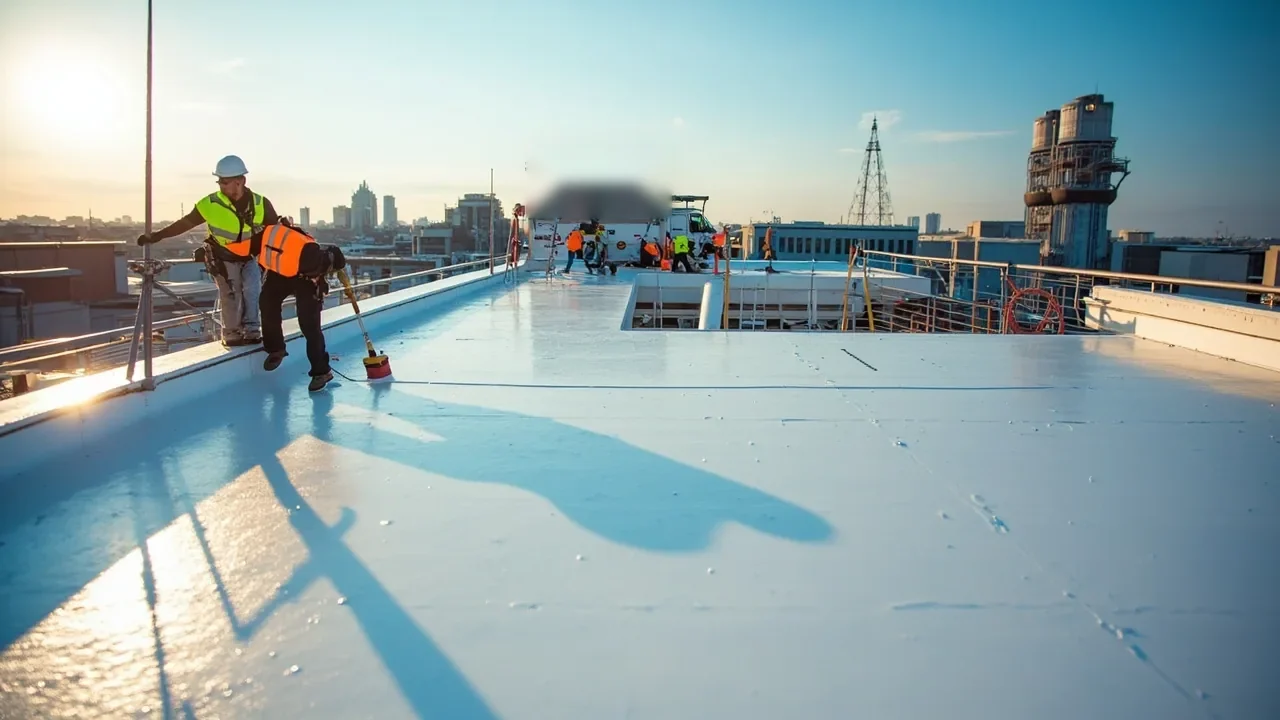
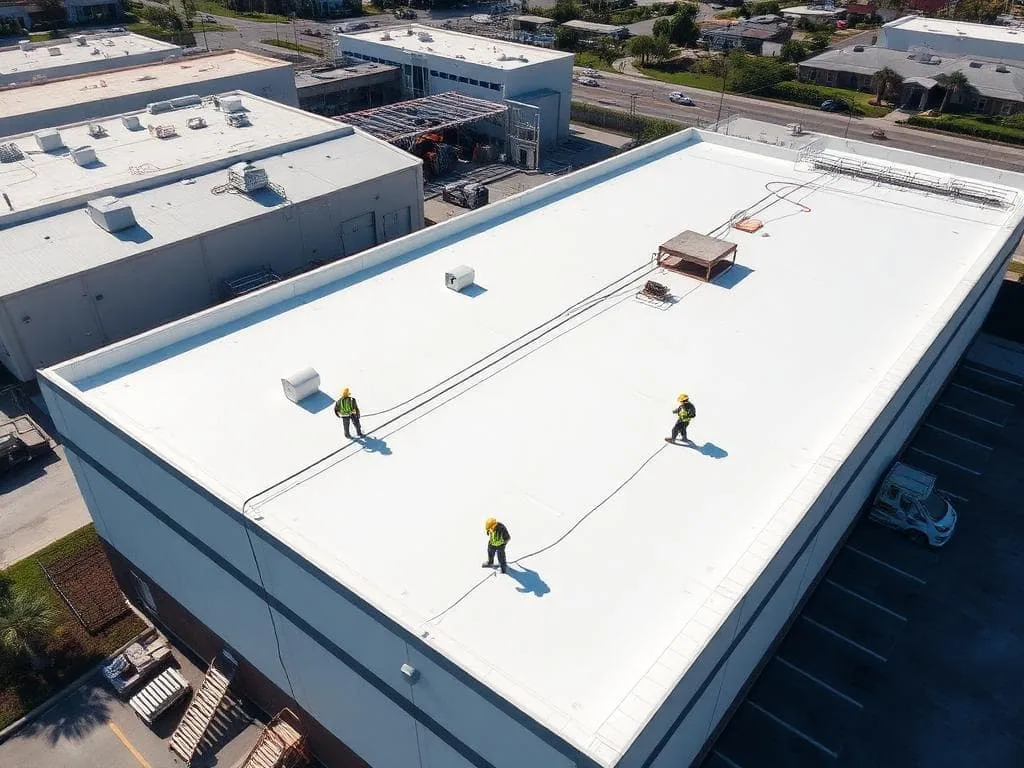
A reroof can proceed while a building stays open when the work area, access routes, and daily closeout are planned in advance. We divide the roof into workable sections, coordinate deliveries and tenant movement, and set a weather-protection plan for each shift. The exact sequence depends on building use, roof geometry, and interior risk. Carmel's Parkwood Crossing includes office buildings, hotel, restaurants, a bank, and a parking garage, while City Center has mixed-use buildings and public spaces. Those examples show why one commercial area may have several operating patterns, but each property needs its own access plan. We identify entrances, loading windows, sensitive rooms, and equipment constraints before mobilization. Indianapolis normals used for Carmel show 25.5 inches of annual snowfall, a regional factor in winter scheduling. A measured replacement scope gives the owner the roof areas and phases to coordinate with occupants.
We break the roof into sections sized for safe removal, repair, and dry-in within the planned shift. The crew protects the deck and interior from weather before stopping, and we define where materials and tools can remain. If unexpected wet insulation or deck damage appears, the section stays protected while the owner reviews the additional work. The daily boundary should be clear to both the roofing crew and facility staff.
Tenant access is planned at ground level as well as on the roof. We coordinate delivery paths, crane setup if required, parking impacts, loading areas, noise-sensitive work, and entrances below the active zone. A property manager can share building schedules and any times that cannot be interrupted. We confirm the route with the site contact instead of assuming neighboring tenants operate on the same calendar.
At the start of each phase, we confirm the roof section, access, equipment needs, and temporary protection plan. At the end of the shift, we document completed work, open areas, and any conditions that could affect the next day. If weather changes the schedule, the manager receives a direct update and the active roof area is secured.
Before removing material, we identify interior areas that need special protection. That may include occupied offices, inventory, production equipment, medical or data systems, and finished spaces. We coordinate with the building representative on where to place interior coverings and how to reach a ceiling or mechanical room if a leak occurs. The plan names the contact who can authorize access when the roofing crew finds a concealed condition.
Roof condition influences how disruptive the project will be. Wet insulation, damaged deck, unusual penetrations, or multiple roof layers can add steps that are not visible from the surface. We use inspections and testing to reduce uncertainty before work begins. If a tear-off exposes a different assembly than expected, we photograph the finding, keep it dry, and review the quantity and schedule before extending the work boundary.
For an active leak during construction, around-the-clock response is available to protect the building. We identify how the site should report water entry and which path the crew uses to reach the roof. We log temporary cover as its own work item and identify the permanent roof repair still due. A emergency response plan can be set before the first section opens.
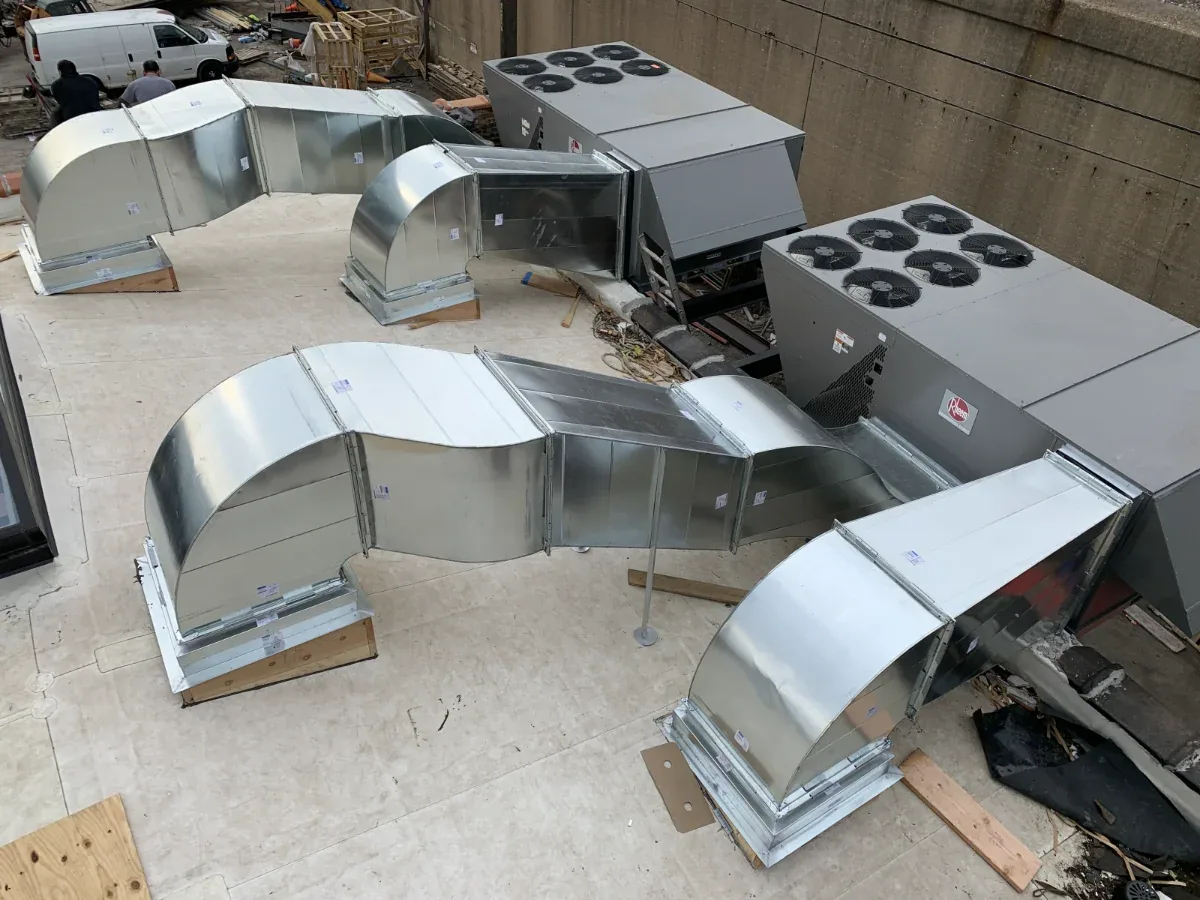
Occupied reroofing can involve HVAC, electrical, security, and tenant vendors. We list equipment that needs to remain powered or accessible and coordinate any shutdown or unit lift before roofing work reaches the curb. A new penetration or equipment change should be placed and flashed as part of the approved roof detail, not cut into a completed field without coordination.
We confirm rooftop paths and staging locations so workers can reach each section without crossing sensitive areas. Where an owner has multiple buildings, separate work plans can keep a problem at one property from disrupting another. For office and retail uses around Carmel City Center, deliveries and pedestrian routes can have different constraints from a suburban office campus. We rely on each site's current schedule.
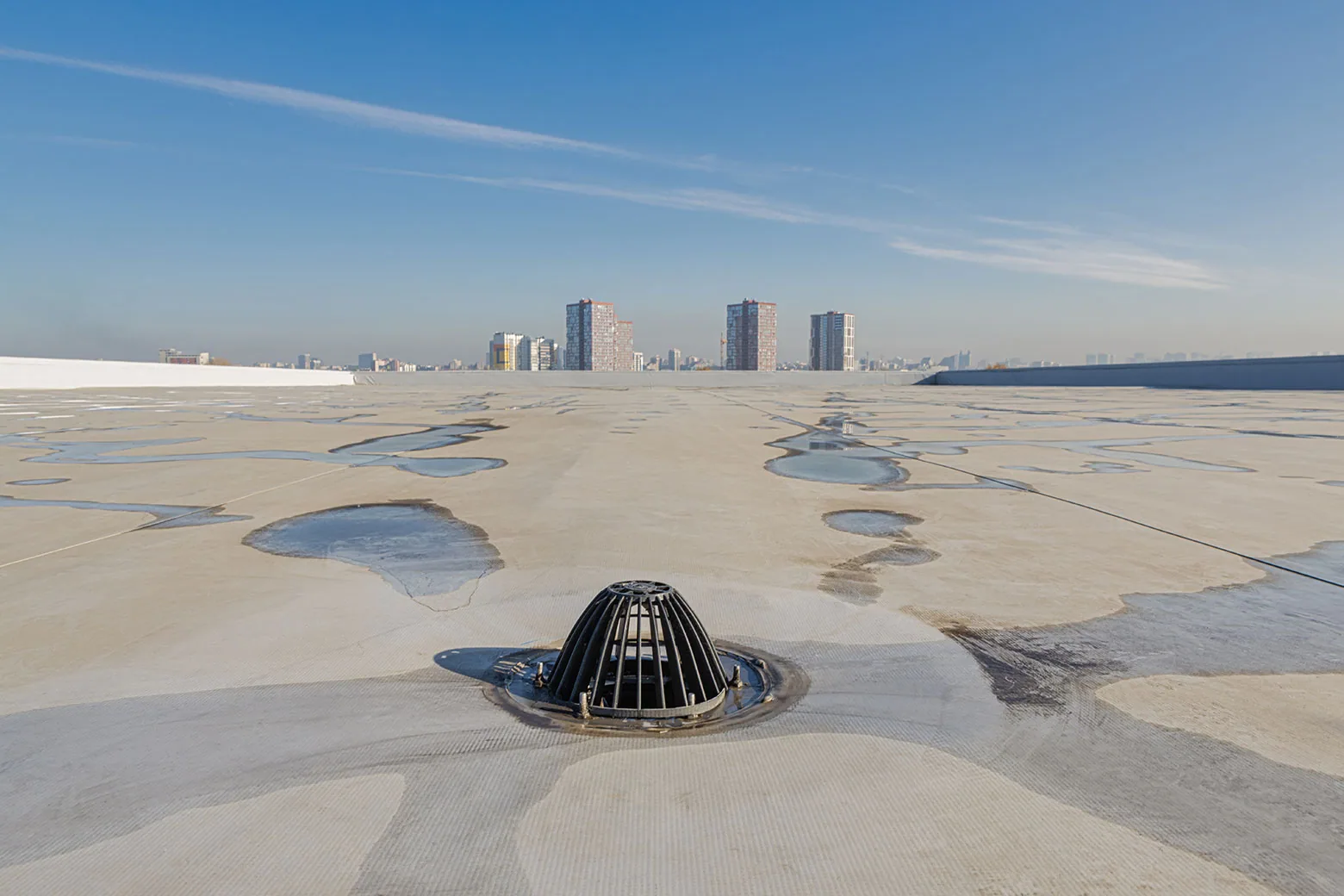
A curb and support scope coordinates mechanical details, while drainage work keeps water outlets open during construction. We state which trade handles temporary disconnects, permanent flashing, and equipment restart. Clear assignment reduces the chance that a detail remains unfinished between work orders.
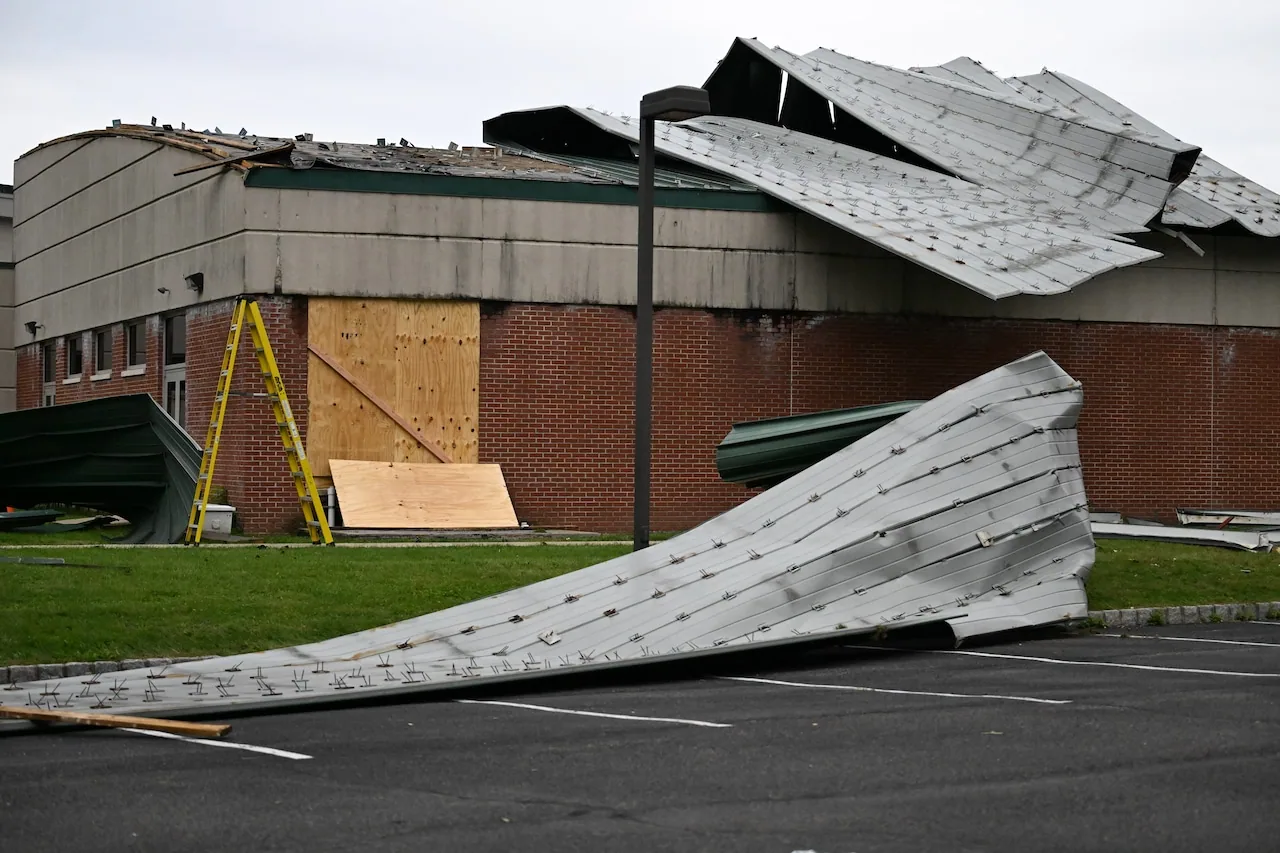
Daily dry-in is part of reroofing, not an extra courtesy. We monitor weather, limit the open section, protect insulation and deck, and confirm temporary transitions before leaving. Rain can change a planned removal sequence, while freezing conditions affect access and installation. A safe schedule keeps the building protected even when a phase moves.
Indianapolis January normals average a 36.1-degree high and 20.9-degree low, with 8.8 inches of snowfall. Indianapolis January normals show a 36.1-degree high, 20.9-degree low, and 8.8 inches of snowfall. We use the current forecast and roof surface to plan safe access and temporary water control.
After each phase, we check drains and scuppers for debris, confirm temporary protection is secure, and remove loose materials from the roof. If a property has occupied entries beneath the work, the facility contact gets notice of any short-term changes. A drain check can be included in the daily closeout.
Communication should state which roof section is active, what access changes to expect, and when the next update will arrive. We identify noisy work, deliveries, crane activity, and any service interruption that needs coordination. The owner can distribute a schedule to tenants and adjust it if conditions change. This keeps building staff informed without asking them to interpret a roofing estimate.
For a building with several tenant groups, the update should name the contact who can approve a route change or a short closure. We confirm where notices will be posted, which entrances stay available, and how staff report a leak during the shift. That keeps a roof change from becoming an untracked building-access problem.
We maintain a roof map showing phase boundaries, completed work, open items, and sections that remain to be replaced. Closeout photos and notes show the membrane, edges, drains, penetrations, and any concealed repairs. A condition report can keep that record with other roofs in the owner's portfolio.
After the project, a maintenance schedule can check drains, seams, and details disturbed by other trades. For Carmel properties in Carmel Midtown or Village of WestClay, the area names help identify the market, while the building list and access notes keep the work assigned to the correct property.
Often, with clear work zones, access routes, and temporary weather protection. We coordinate with the manager on entrances, loading, sensitive areas, and work hours, then confirm the daily roof boundary and schedule updates.
We adjust the open section and sequence to keep the roof protected. If conditions make removal unsafe or a reliable dry-in impractical, we pause that phase and secure the active area before leaving.
We review sensitive rooms, equipment, and inventory with the facility contact before mobilization. The plan identifies interior protection, roof access, and a response route if water entry occurs during the project.
Yes, if roof layout, access, and tie-ins support separate sections. We map phases and identify where temporary transitions or repeated mobilization affect the schedule and scope.
The work plan assigns each shutdown, lift, disconnect, restart, and roof flashing task to the responsible trade. We coordinate the sequence and define the curb or penetration work that belongs in the roofing scope.