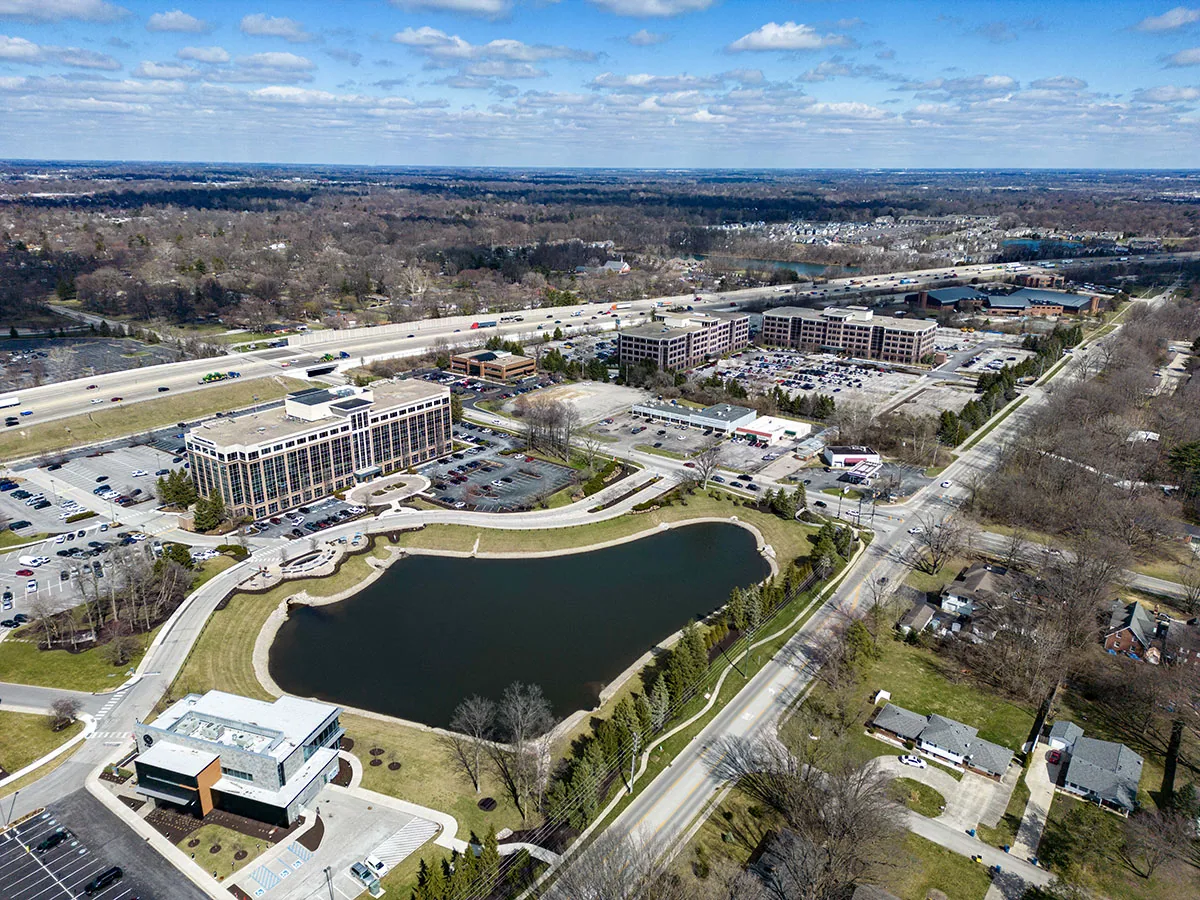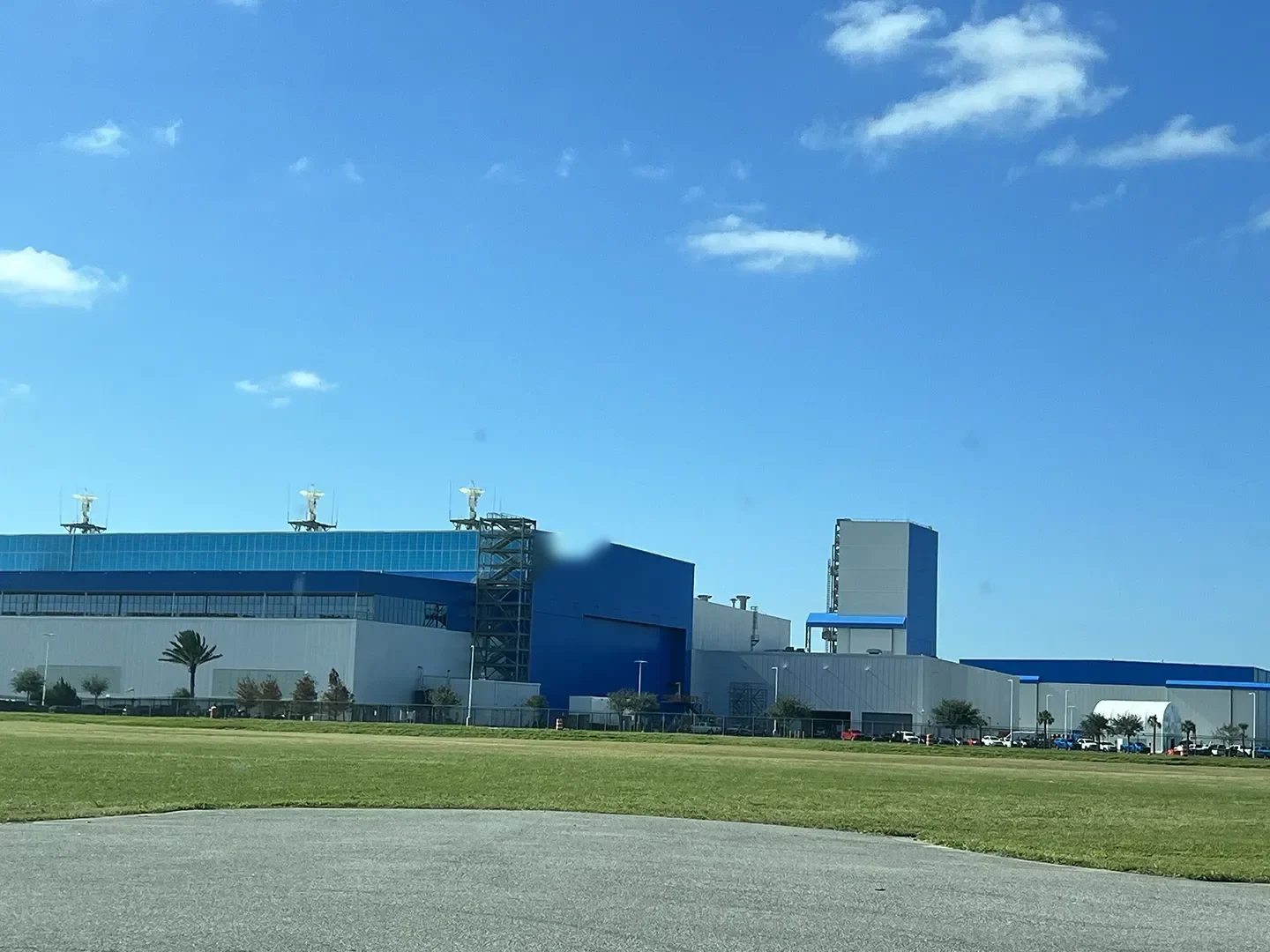
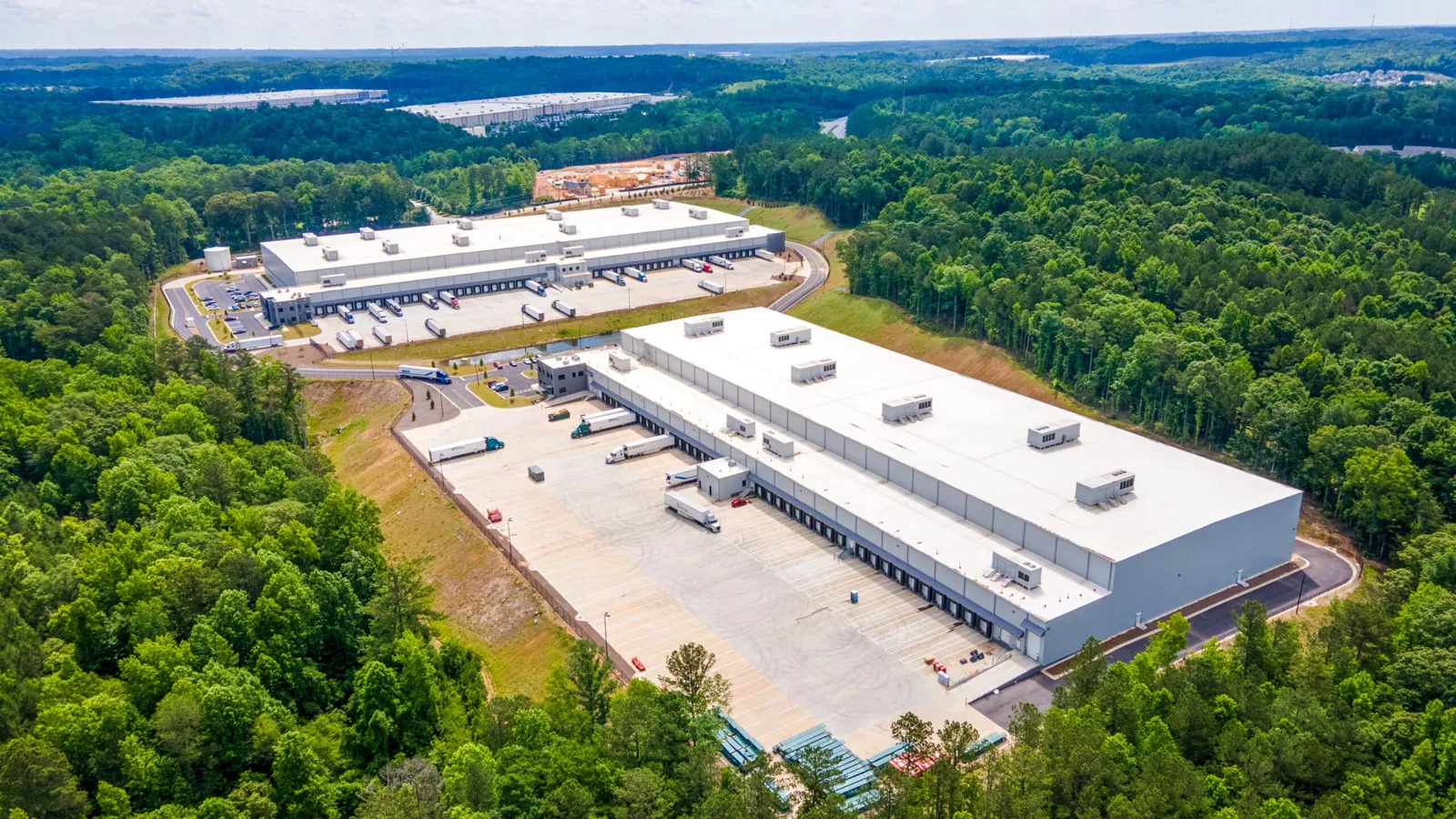
A cold-storage roof has to keep weather outside while the building holds a carefully managed interior temperature. A small leak can wet insulation or disrupt vapor control before water is obvious inside. We begin by locating the roof area above the affected zone, then review penetrations, drains, seams, and prior work. Carmel's Science and Technology Park and Whitestown's Anson area reflect the region's mix of research and industrial uses. On a cold-storage property, equipment locations, temperature-controlled rooms, and roof details shape the access and protection plan. A commercial roof inspection establishes conditions before repair or renewal is priced.
We ask which rooms, loading areas, and process zones sit below the reported leak. Freezer and cooler spaces may have different set points, door traffic, and moisture loads. Those operating details shape access and protection. A repair should not introduce uncontrolled moisture into an assembly or leave a gap around refrigeration piping. We identify the roof area, then coordinate with the facility contact on timing, interior protection, and the limits of any temporary opening.
Roof design is only one part of the thermal boundary. Insulation thickness, vapor retarder continuity, air leakage, penetrations, and deck condition all matter. If the building has additions or staged construction, the transition may be more vulnerable than a broad field. We separate known assembly details from assumptions and recommend selective investigation where a concealed condition changes the scope. For process-adjacent buildings, manufacturing roof planning can also help coordinate work with active operations. For insulation and cover-board decisions, an insulation review can compare repair, targeted replacement, and broader renewal.
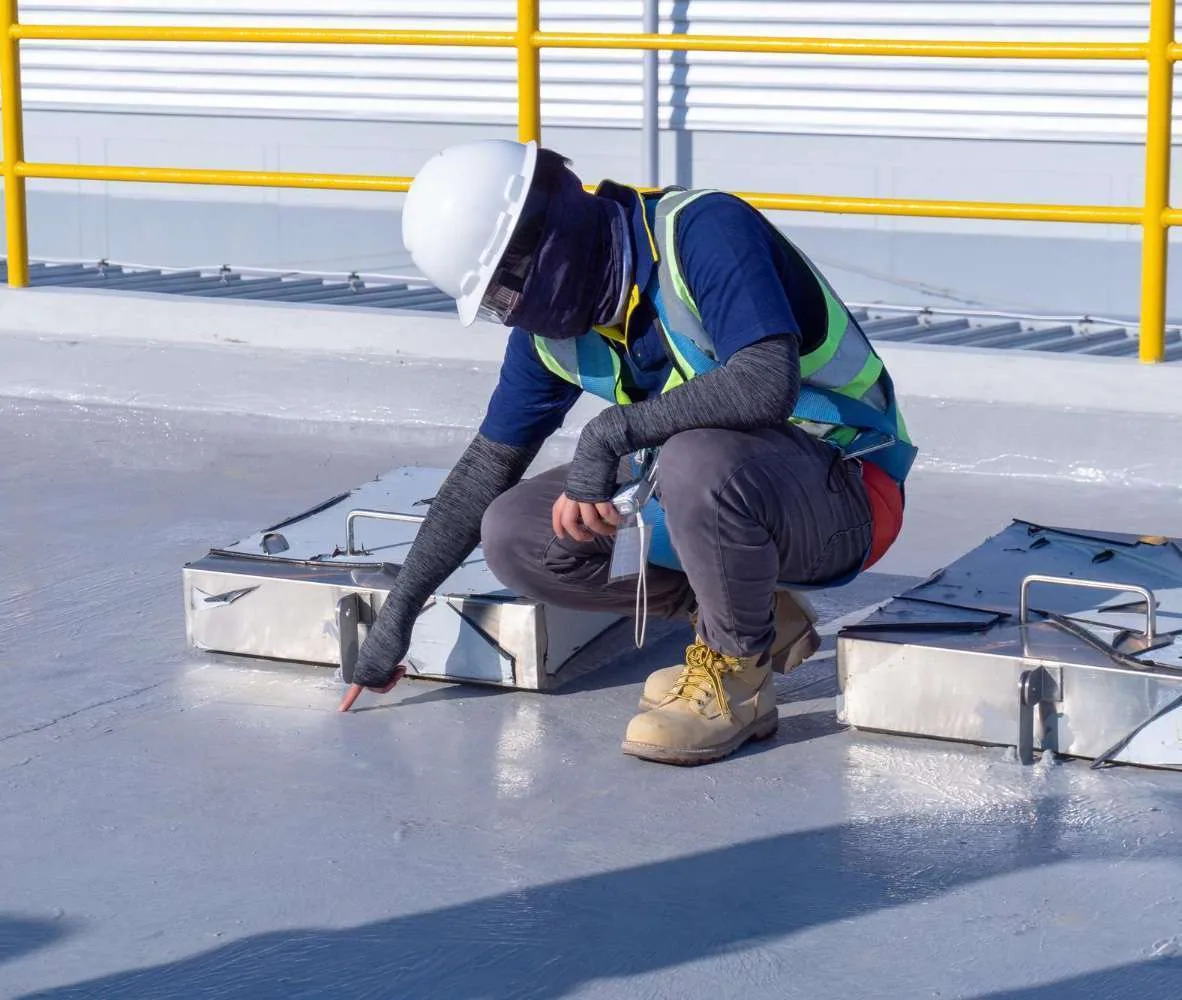
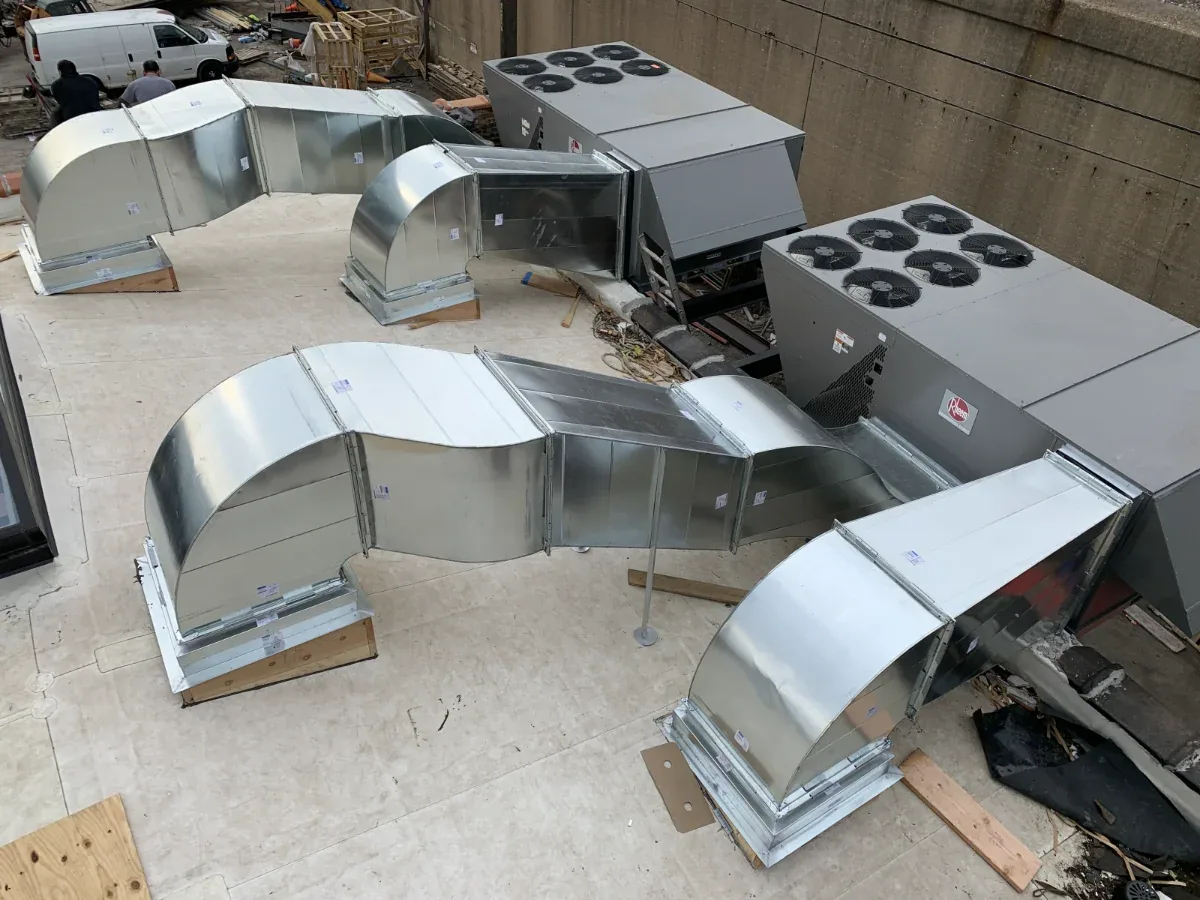
Cold rooms often operate near roofs with rooftop units, condensers, exhaust, and piping. Service access can create repeated foot traffic around supports and curbs. We inspect those paths for loose flashing, compressed insulation, open fasteners, and damage from later trade work. A focused equipment-curb review helps distinguish a roof-field issue from a detail that needs its own repair plan.
Inspection starts at the visible symptom but continues across the likely water path. We check seams, edge metal, penetrations, drains, overflow routes, and changes in roof elevation. Interior staining can appear some distance from the entry point, especially where water follows a deck flute or framing member. We compare the reported timing with rain, thaw, refrigeration cycles, and nearby roof work to narrow the likely source.
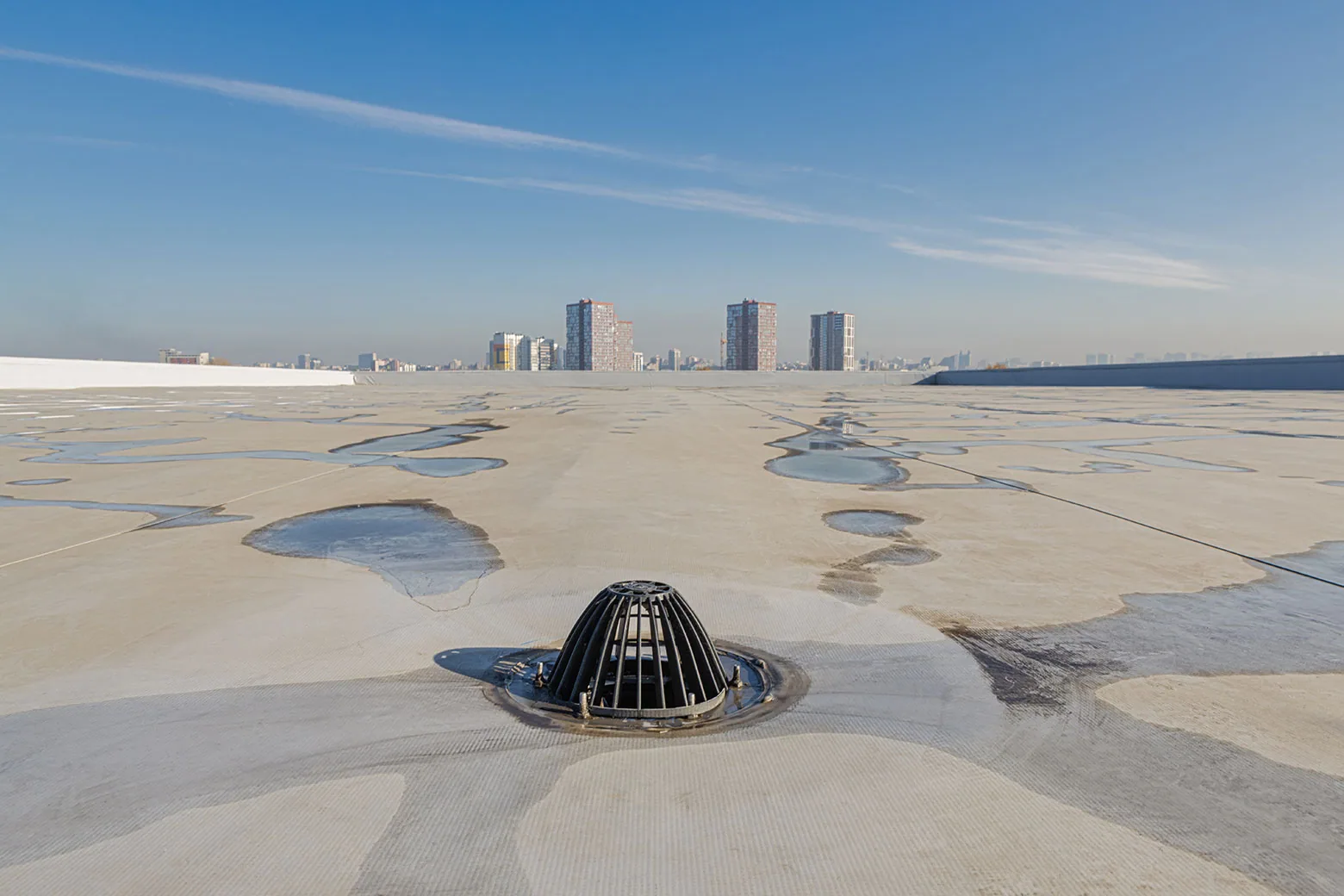
On low-slope areas, drainage is a practical priority. We look for blocked strainers, damaged drain bowls, ponding, displaced insulation, and low spots that hold water after surrounding areas dry. A drain may be clear while the slope or outlet condition still needs attention. Roof plans and prior repair records help us understand the intended route, but the field condition controls the repair recommendation. If the issue is limited to a drain or scupper, drainage repair can be scoped separately.
We also inspect the perimeter, parapets, expansion joints, and roof-to-wall transitions. Thermal movement can stress a detail while repeated wetting works at the seam. Where a penetration is involved, the flashing height and connection to the surrounding membrane should be checked rather than covered with surface sealant alone. Our findings identify what was observed, what remains concealed, and what testing would reduce uncertainty before a larger commitment.
Central Indiana puts a roof through hot summers, cold periods, rain, and snow. In nearby Indianapolis, July averages reach 85.2 degrees during the day and fall to 66.4 overnight. Roof surfaces can become warmer than the air, and exhaust or refrigeration equipment can add local conditions. We inspect the actual membrane and flashing rather than treating a regional temperature as a roof-surface measurement.
Long-term Indianapolis records put annual precipitation at 43.63 inches; snowfall averages about 25.5 inches over the same climate record. Snow cover, freeze-thaw cycles, and wet working surfaces can affect access and repair timing. A repair needing dry preparation or careful adhesion may need a suitable weather window. We can stabilize an active leak first, then schedule permanent work when the assembly and conditions support the intended material.
A good repair scope states which roof area is affected, how it will be prepared, which compatible materials are proposed, and what protection is needed inside. It also states what is not included. That boundary matters where a leak crosses from a freezer zone toward loading or office space. When the evidence reaches wet insulation or failed vapor control, we scope the affected layers and tie the repair to that assembly condition instead of limiting work to the surface.
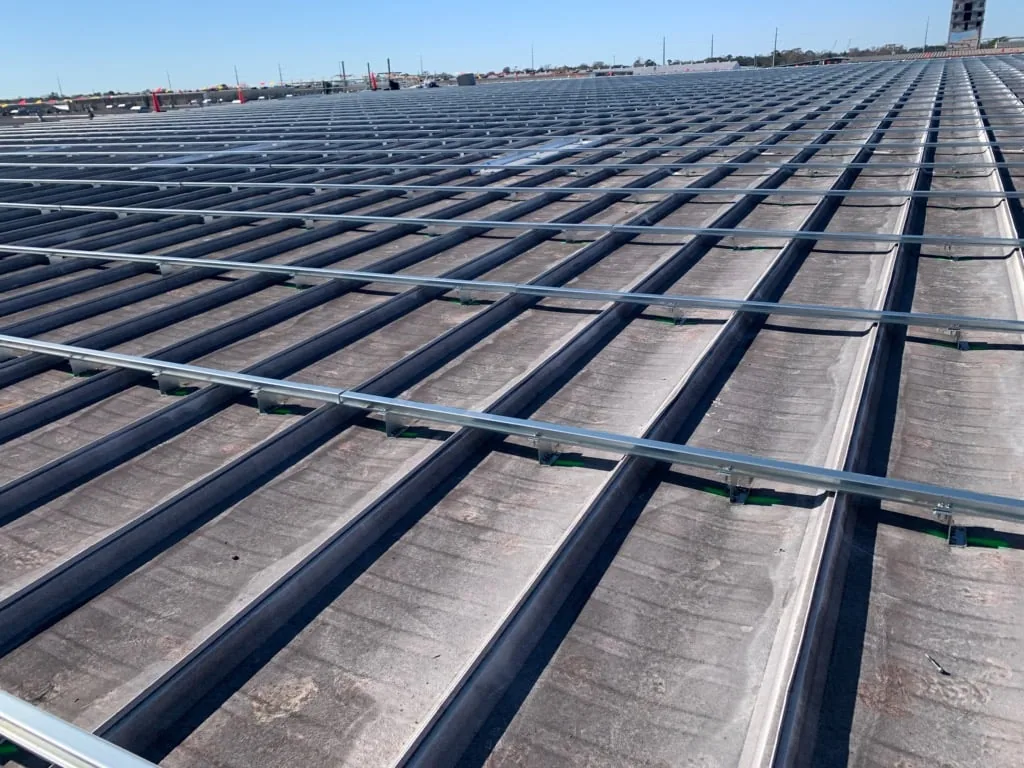
When similar problems appear in several roof sections, we compare the cost and disruption of repeat repairs with a larger project. A roof recover may be possible only if the existing assembly, attachment, moisture, deck, and perimeter height support it. A recover assessment should include the conditions that must be verified and the areas that may need removal. If the existing system cannot be retained, replacement planning can sequence tear-off, insulation, membrane, and equipment transitions.
Before work begins, we confirm delivery access, lift locations, service routes, and the hours when roof access is allowed. Refrigeration equipment may need to remain online. We coordinate around condenser service, loading schedules, sanitation controls, and any restrictions on dust or open-roof exposure. If a section must be opened, the work plan should define the area, protection, weather contingency, and end-of-shift dry-in point.
Some work can be divided into small zones; other work may be more efficient during a planned shutdown or equipment change. We identify which materials need a clean, dry substrate and whether temporary covers can protect the interior. If access is limited by product movement or truck staging, the sequence needs to account for those constraints before materials arrive. A warehouse roof scope may protect operations while a permanent scope is prepared.
Closeout should help the facility team see what was repaired and what remains to watch. We can provide marked roof areas, photographs, materials used, drain or penetration findings, and any exclusions. A useful maintenance record makes later leak calls easier to compare with the prior condition. It also helps a new facilities manager understand the boundary between a completed repair and an area that still needs testing.
Share available roof plans, leak history, insulation or membrane details, refrigeration layout, and access rules. We can inspect the roof with your facility contact and prepare a repair or renewal recommendation that respects the operating temperature and work sequence.
Often the work can be isolated and coordinated while refrigeration remains active, but an opening over a sensitive zone may require a specific protection plan or operating window. We map the work area and agree on the limits before starting.
We trace the water path and review the roof assembly, then use suitable testing or selective openings where the concealed condition matters. The scope separates confirmed wet material from areas that still need verification.
Not by itself. We inspect drainage, slope, insulation movement, deck condition, and how long water remains. A blocked outlet may call for maintenance, while recurring ponding tied to a depressed assembly can require a larger correction.
New penetrations can sometimes be flashed into a serviceable roof, but the detail must suit the existing system and preserve the thermal boundary. We review the support, flashing, and access path before work is scheduled.
It should identify roof sections, preparation, insulation or membrane work, penetrations, interior protections, exclusions, and sequencing. We also list testing or concealed conditions that could change the final scope.