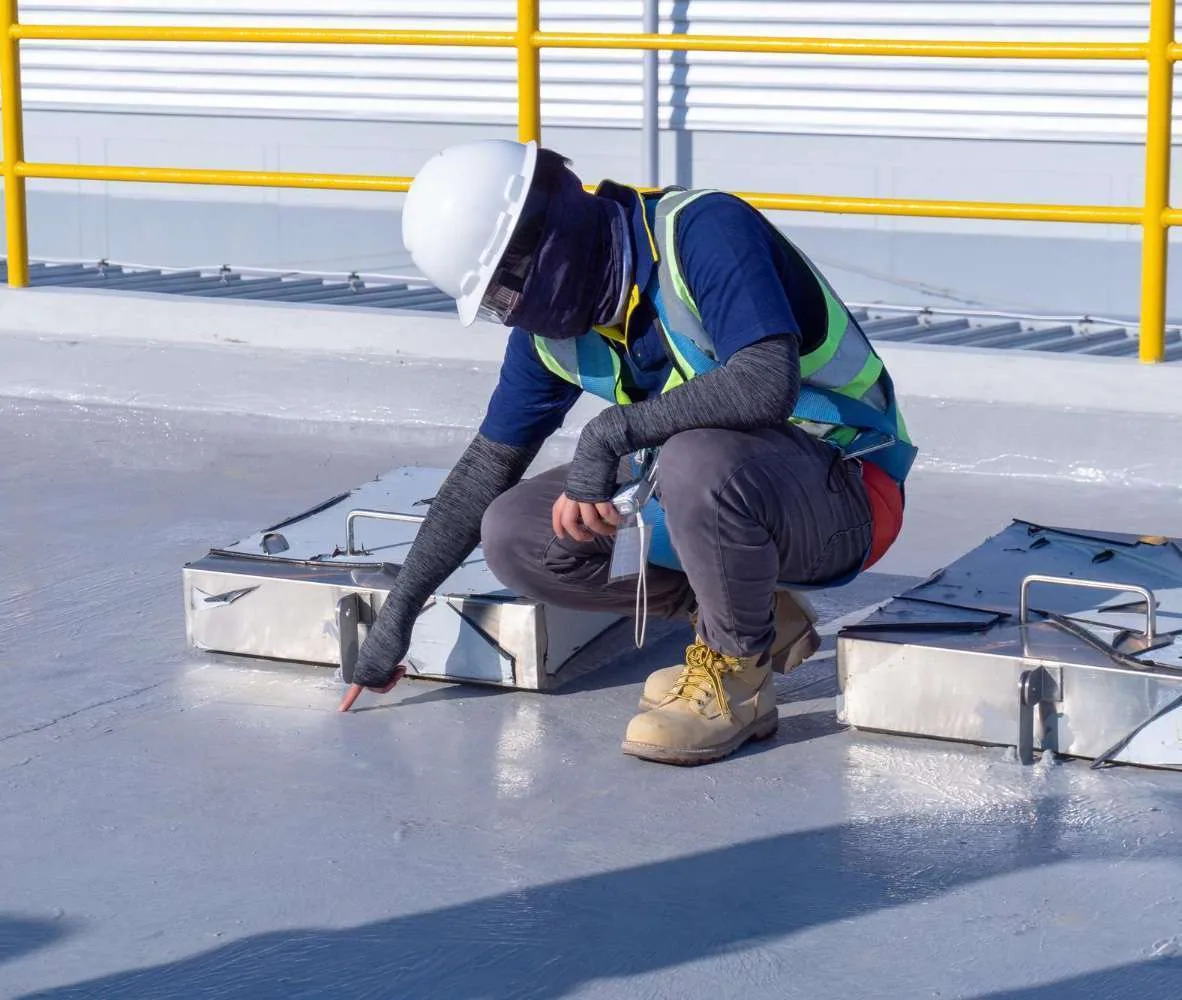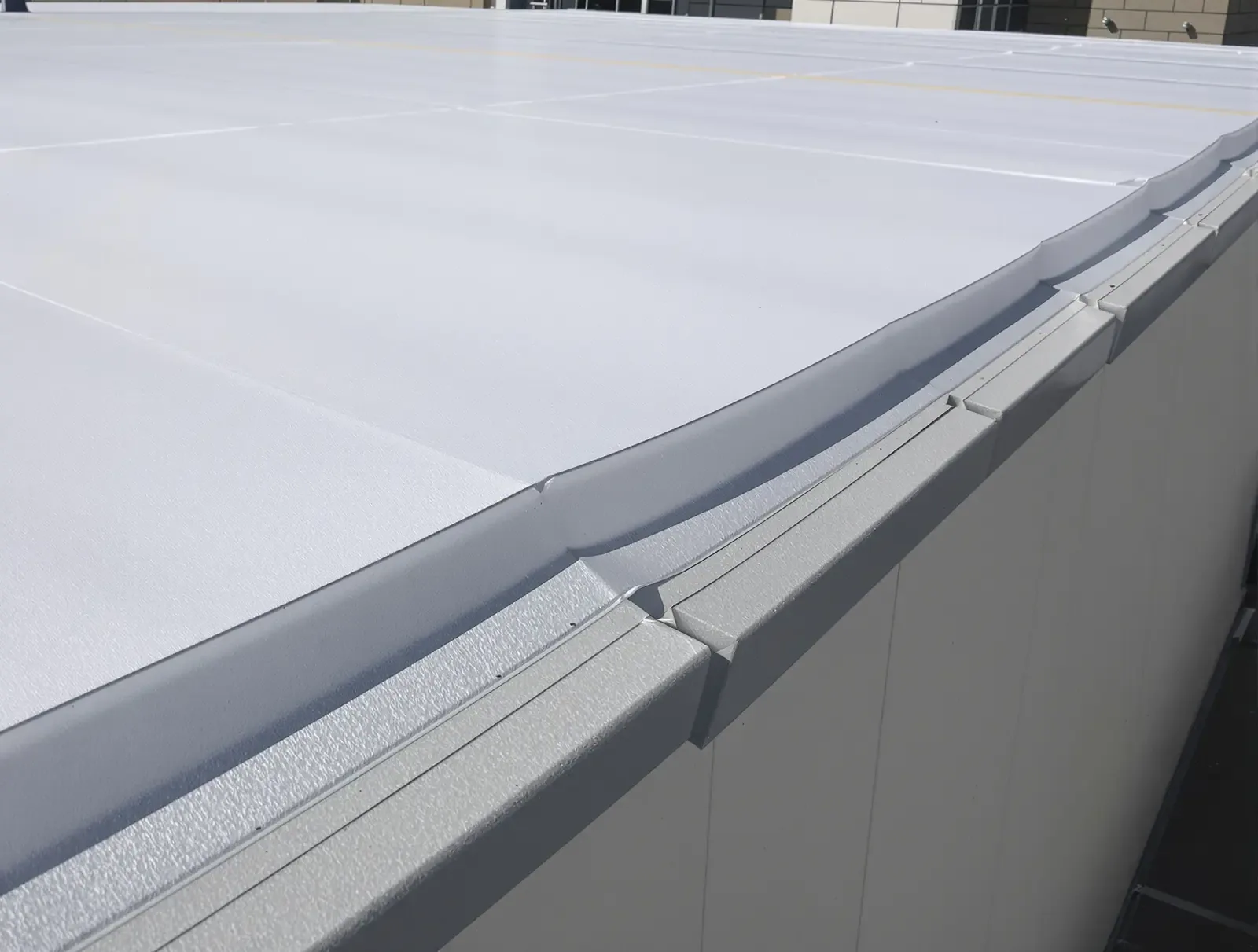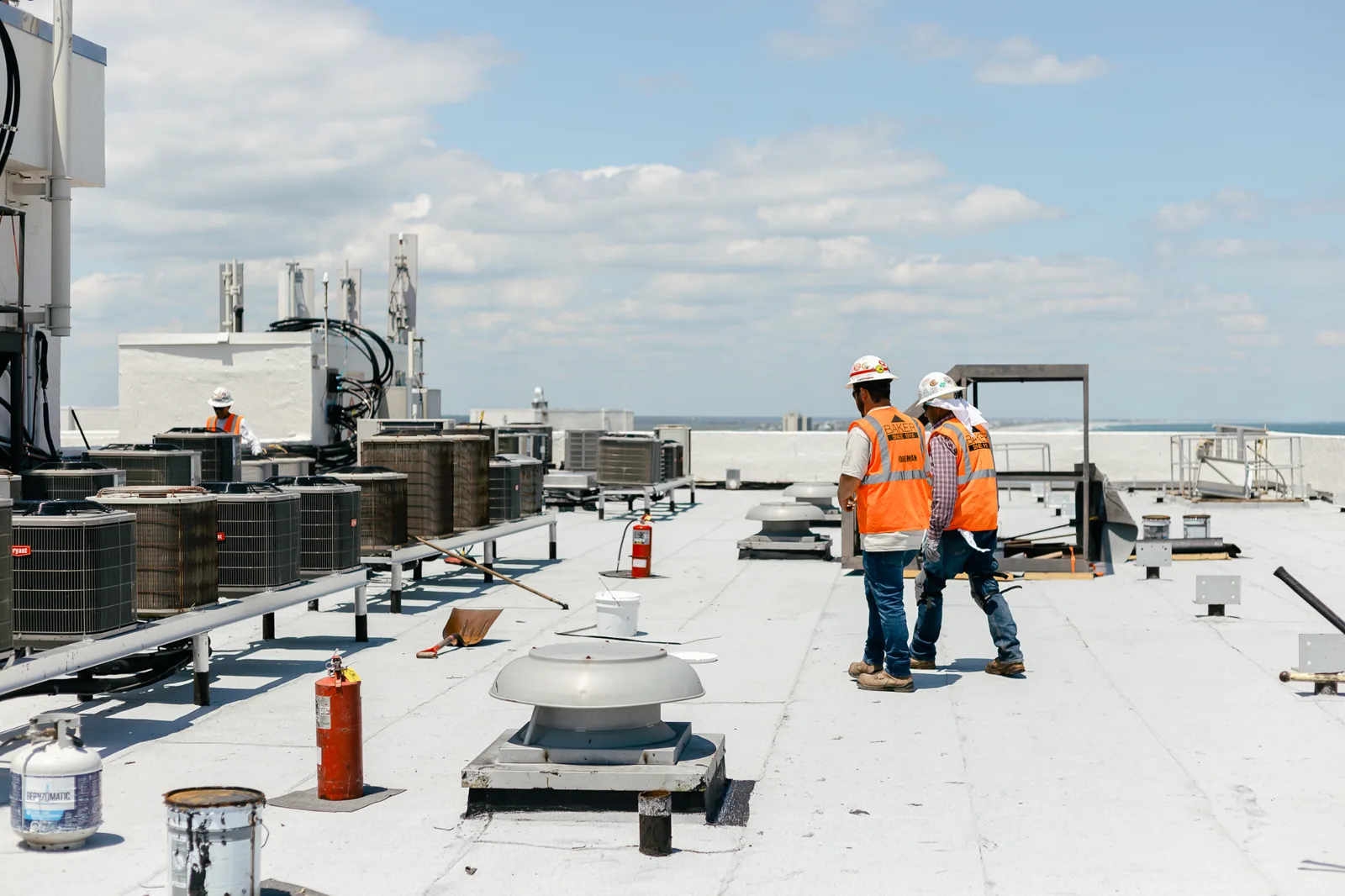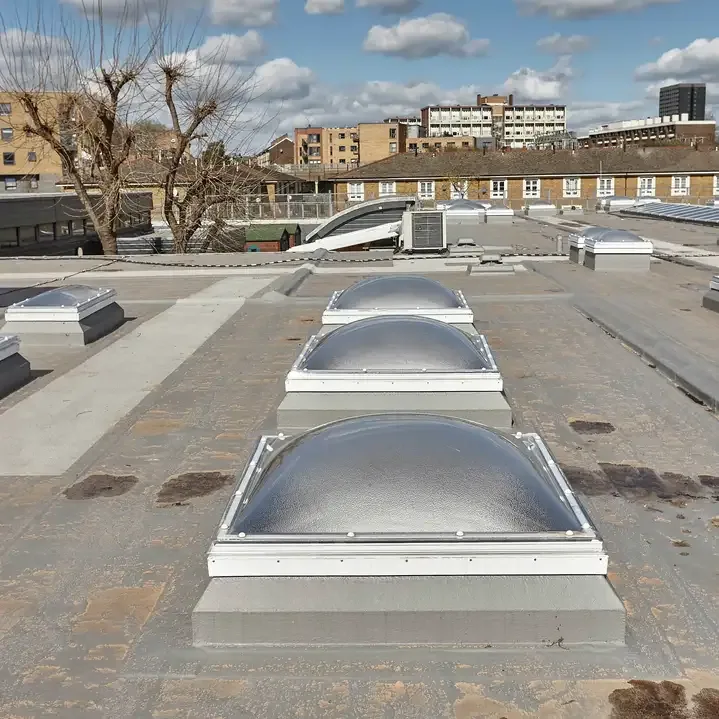
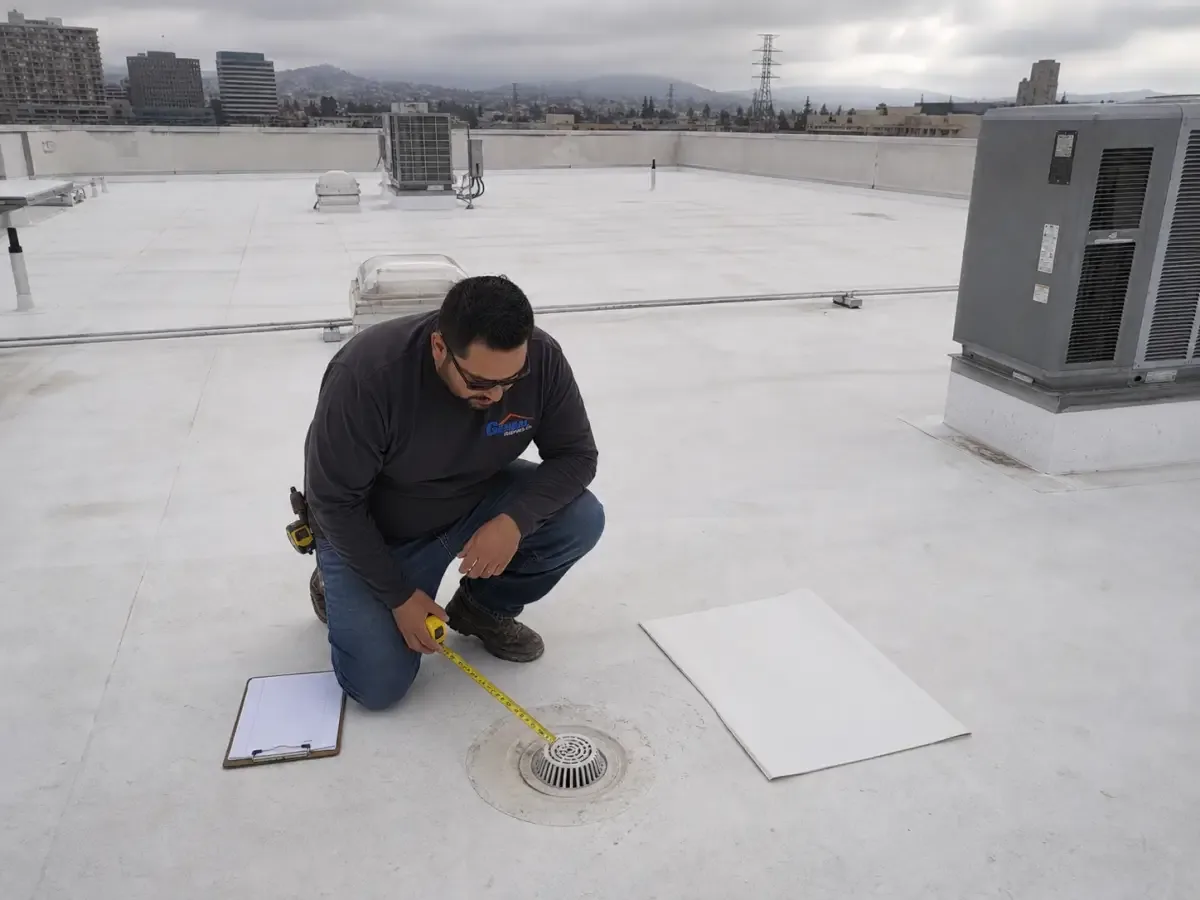
A membrane label is useful only when it matches the sheet on the roof. KEE is a PVC-based alloy used in some single-ply systems, but product formulation, thickness, reinforcement, and installation history still matter. We verify the membrane and inspect seams, flashing, drains, and repairs before recommending a patch or replacement. That step is practical for Carmel's mix of office and mixed-use properties, including the Meridian corridor and Carmel Midtown. A roof inspection ties the product question to the actual assembly and gives the owner a clear starting point.
KEE generally refers to a ketone ethylene ester alloy incorporated into certain PVC membranes. It is not a universal name for every white thermoplastic roof. Labels, installation records, manufacturer information, and field testing may be needed to identify the system. That identification affects primer, cleaner, weld settings, flashing, and repair materials. A surface that appears similar can respond differently to heat or solvent, so we do not select a repair product by color alone.
Exposure also matters. We ask about kitchen exhaust, maintenance chemicals, rooftop equipment, and traffic. A site walk at a Carmel office campus may show different service paths than a retail property in Clay Terrace, and a concentrated exhaust area should be checked in context. The roof's condition and the manufacturer's written requirements guide material selection. No product name substitutes for verifying the substrate and any prior coating or patch.
For a system comparison, we can review KEE alongside PVC or TPO. We list the membrane formulation, insulation, cover board, attachment, edge details, warranty assumptions, and tear-off limits in the same format. This keeps the comparison focused on the complete assembly rather than a single claim about flexibility or chemical resistance.
Thermoplastic seams are heat welded. We check laps for contamination, incomplete welds, edge lift, cuts, and repairs that have separated. At corners and changes in plane, we inspect the field-to-flashing transition for tension and gaps. If a seam appears sound in one area, we still review adjacent details where water can enter behind a termination. The inspection record identifies location and extent instead of calling an entire roof failed based on one photo.
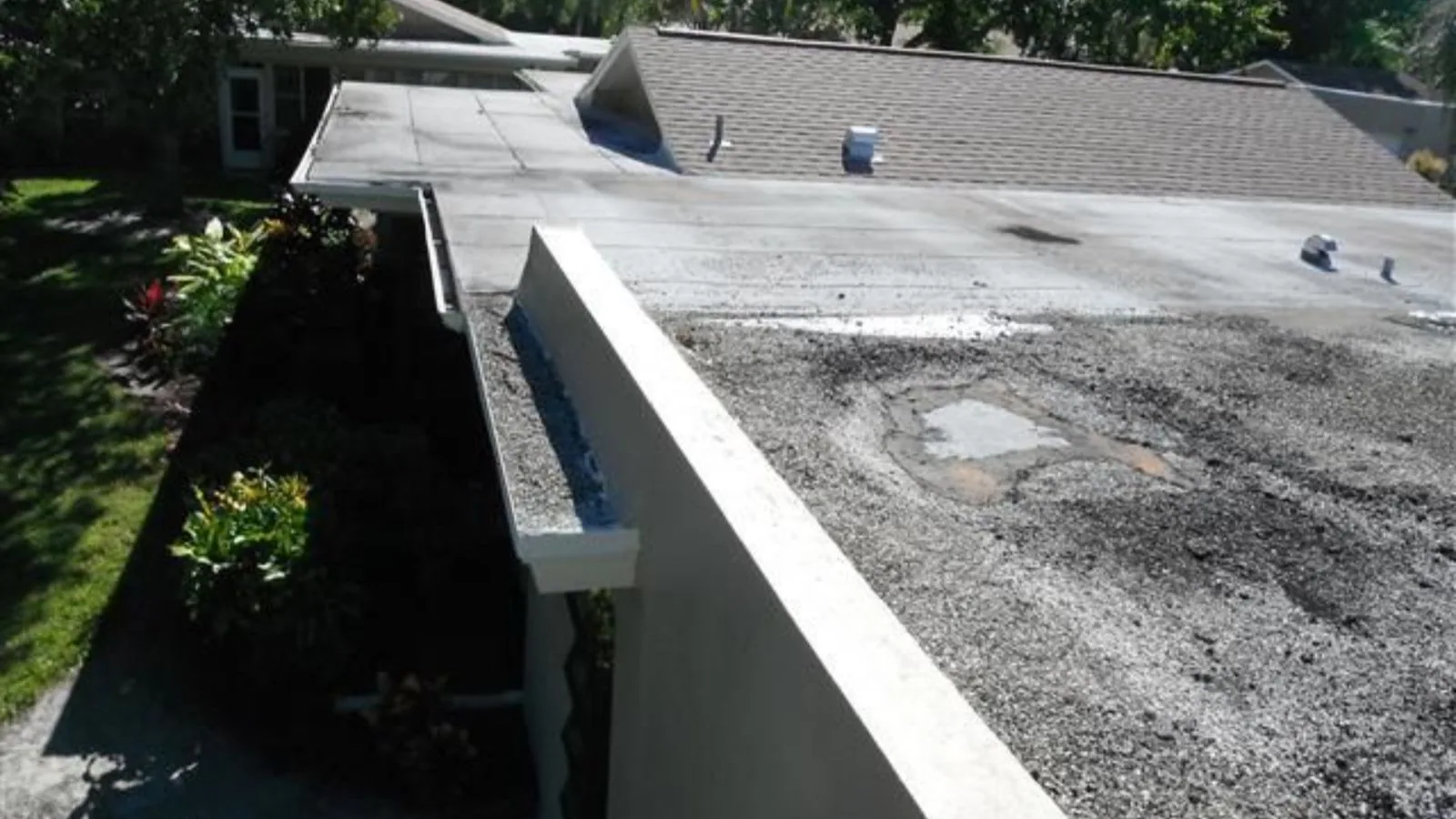
Curbs, pipes, pitch pans, skylights, and supports need flashing compatible with the identified membrane. Movement can pull at corners and vertical turns; sealant may conceal an open edge without restoring the weld. We check metal counterflashing and fasteners as part of the same detail. A focused penetration and flashing review can define those repairs without expanding into unrelated field work.
Past repairs deserve attention. A patch may use the right membrane but still fail if the surface was not prepared or the weld did not reach sound sheet. We record how far the defect extends, whether moisture is present, and if confirmation testing is needed. Where a larger area may be wet, an infrared survey can guide targeted verification, subject to weather and roof conditions.
A KEE repair depends on a dry, clean surface and suitable welding conditions. We check drain bowls, low areas, and affected details during the site walk, then set access and the daily work boundary around the forecast and the membrane manufacturer's temperature requirements.
A thermoplastic membrane repair needs a clean, dry surface and suitable temperatures for welding. Frost, rain, or wind can change whether a permanent repair is possible that day. If a leak requires action, we can separate temporary protection from permanent welding and return when conditions allow a durable tie-in. The site plan should note exposed edges, rooftop equipment, and how the area will be closed at the end of each shift.
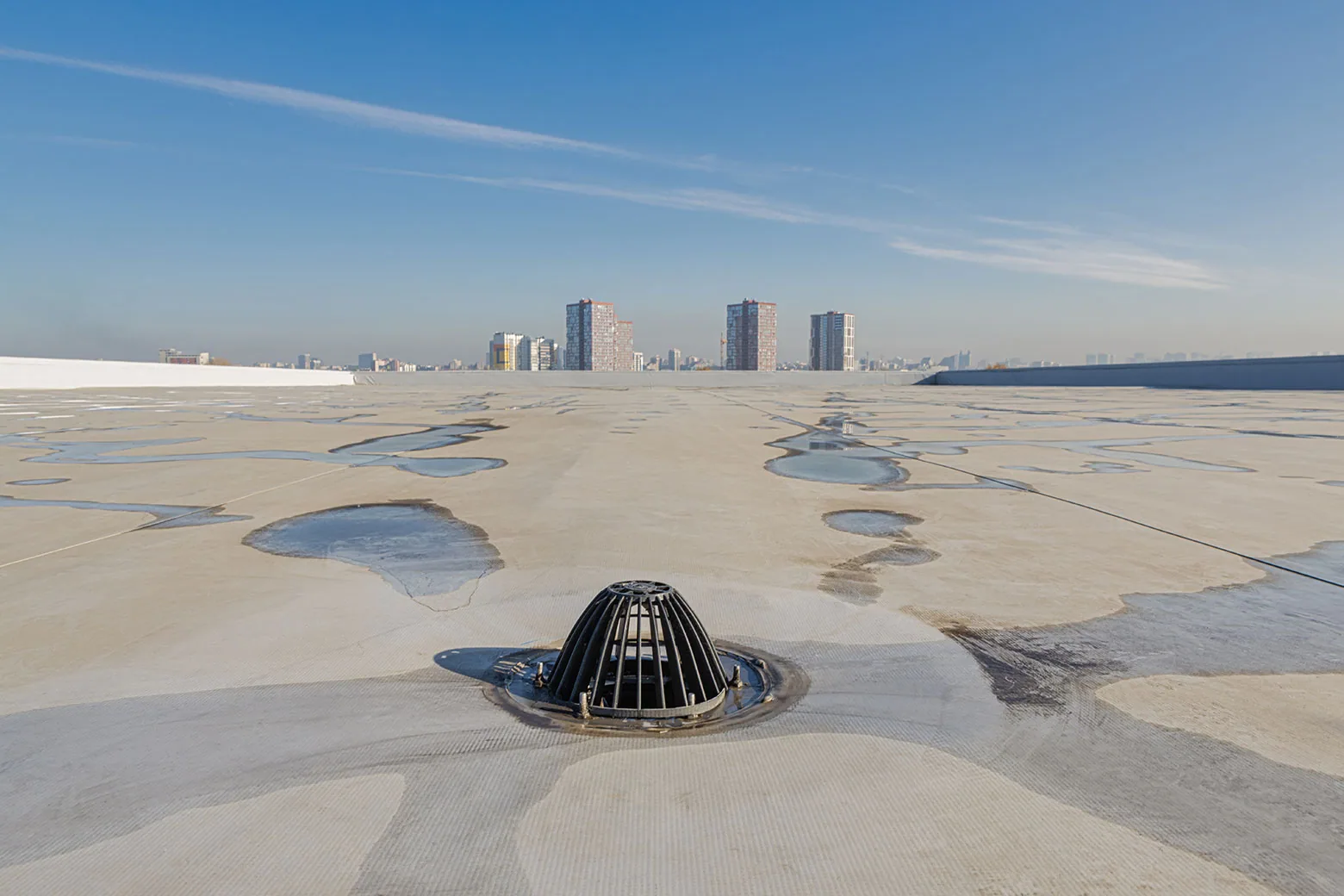
Drainage is part of the membrane review. We look at bowls, strainers, overflows, scuppers, and water marks. A blocked drain may need cleaning; recurring ponding can call for slope or outlet work. If the outlet is the problem, drain and scupper service can be coordinated with the new flashing. A separate ponding-water repair can address persistent low areas.
A local repair makes sense when the membrane remains stable and the defect is limited. The written scope names surface preparation, compatible materials, welds, flashing height, and any affected edge. We include nearby seams if testing shows they are weak. If the defect repeats or insulation is wet, we show that condition separately so the owner can choose between a targeted repair and a larger renewal.
A recover depends on moisture, deck condition, existing layers, attachment, edge height, and code. Wet insulation cannot be covered simply to save tear-off time. We confirm assembly details and compare recover with replacement before setting the price. Before designing a KEE recover, we confirm Carmel Building Safety's current permit and inspection steps. The city's commercial references name Indiana's 2014 Building Code edition, which incorporates the 2012 IBC; proposed height and attachment still need project-specific review. Our recover assessment lays out those conditions.
Replacement quantities separate membrane, insulation, cover board, fasteners or adhesive, edge metal, drains, and penetrations. Building Safety reviews permits and conducts inspections under the city's adopted codes, so we confirm the project requirements before final design. The proposal should state assumptions, access limits, and concealed-condition allowances.
A replacement can affect tenants, deliveries, and mechanical service even when work stays above the roof deck. We agree on access routes, lift locations, staging, and daily closeout with the property contact. Parkwood Crossing has several office buildings and commercial uses in one area; each building still needs its own access and roof sequence. We walk each property, map its roof sections and access routes, and set phases around the building's actual layout.
For an occupied building, we identify which entries or equipment may be affected and when noisy work will occur. Material movement, hot-air welding, and tear-off can create different interruptions. The schedule should state what is protected overnight and how crews will keep drains and temporary edges secure. If rain or cold interrupts the sequence, the manager needs to know which areas remain open for follow-up.
Closeout should identify the KEE product used, repair materials, seam locations, flashing details, and any work excluded. We provide photographs and a roof map so later maintenance does not have to rediscover the repair boundary. A condition report can help compare roofs across the portfolio while preserving each building's separate findings.
Keep product information with the maintenance log and note where exhaust, drains, and service paths intersect the membrane. Carmel's commercial inventory includes the Carmel Arts & Design District, Clay Terrace, and Parkwood Crossing, with different operating patterns.
Before scheduling a KEE project, share any membrane labels, prior repairs, known leaks, roof plans, and target timing. We can verify the assembly, inspect the details, and prepare a repair or renewal scope that names both confirmed conditions and unanswered questions.
We review system records and field evidence, then verify the membrane requirements before selecting repair materials. If the product is uncertain, the scope identifies the testing or manufacturer documentation needed.
A test weld on properly prepared material can show whether the sheet remains suitable for welding. We also inspect seam condition and compatibility before deciding that a patch is appropriate.
Product formulations and exposure vary, so the discharge location and membrane specification need to be checked. We compare the actual product requirements with what reaches the roof rather than relying on a general label.
Wet insulation, poor deck condition, too many existing layers, limited edge height, attachment concerns, or code requirements can rule it out. We document the issue and compare a tear-off alternative.
Separate quantities, access, repair history, and concealed-condition risks by building. We can arrange findings by urgency and capital timing so the owner can choose a sequence without blending roof conditions.