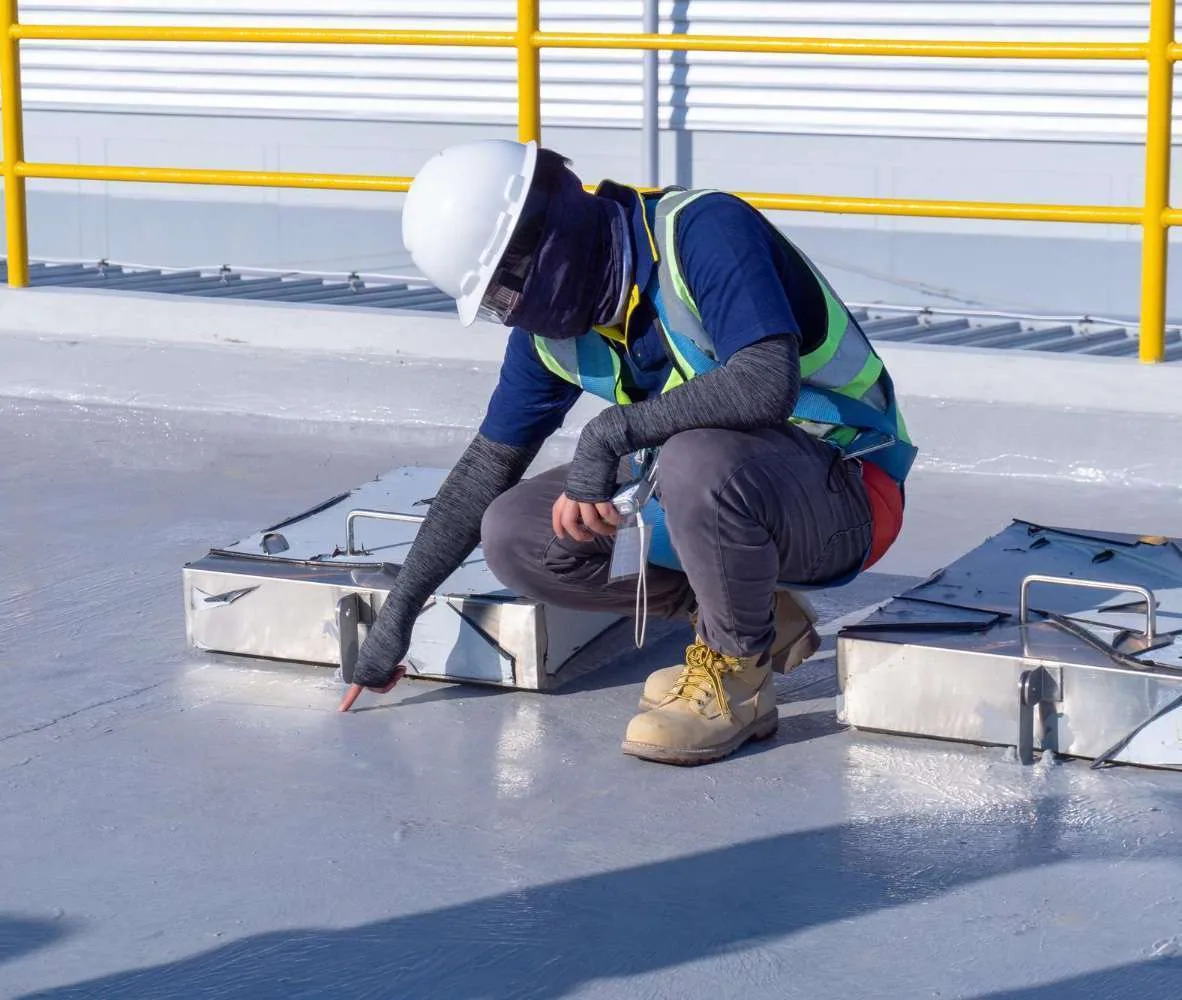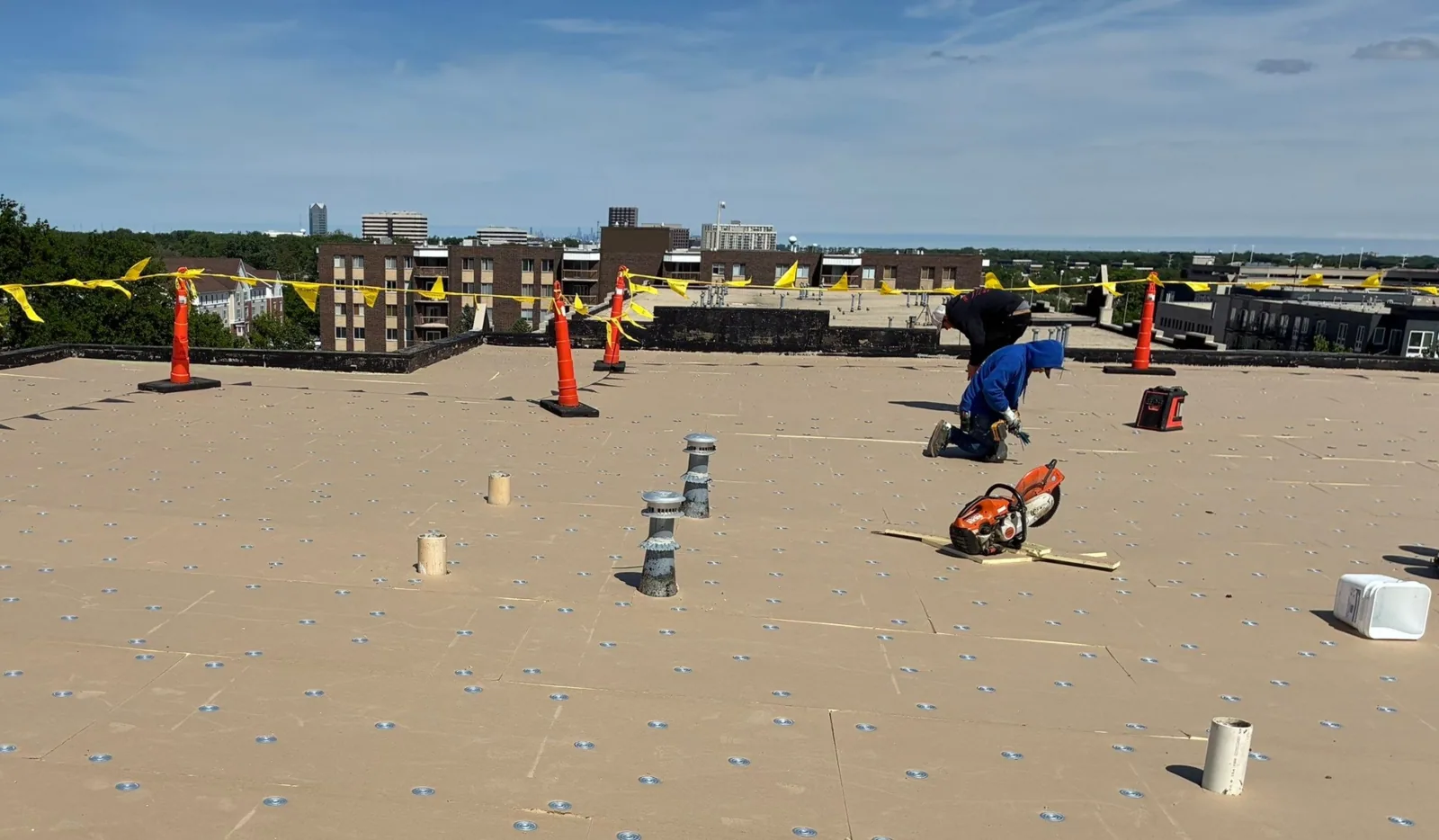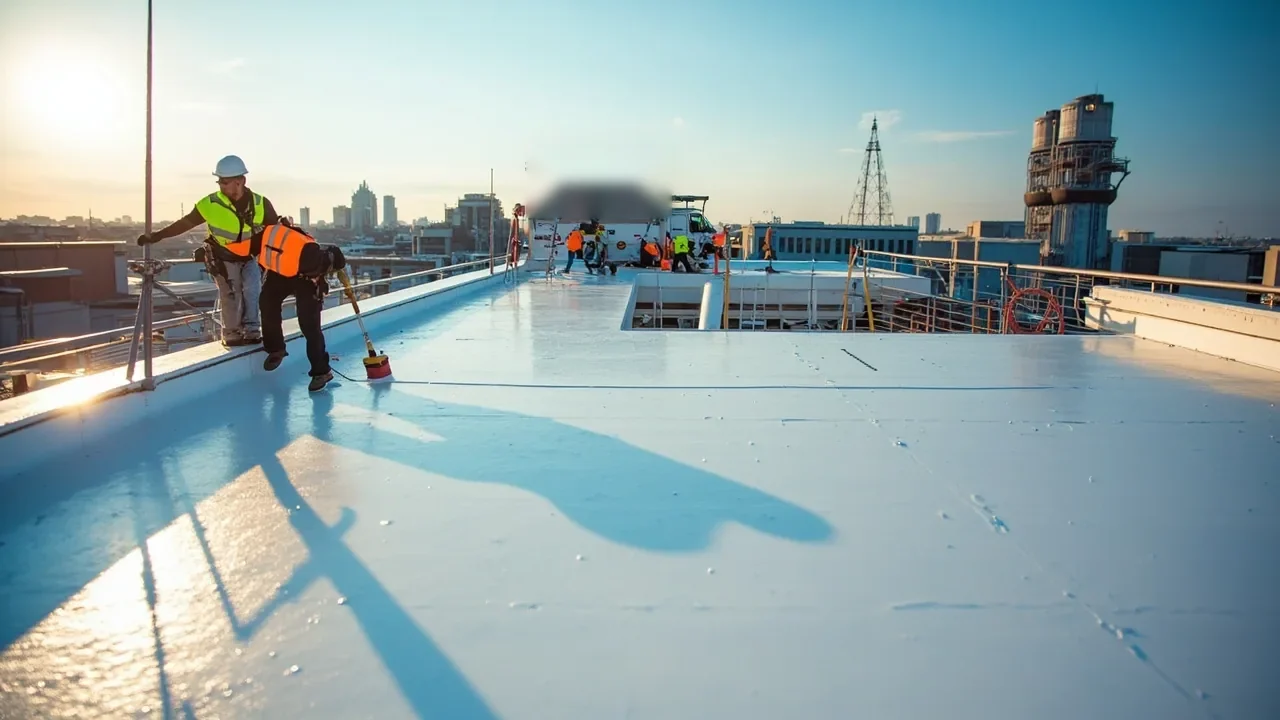
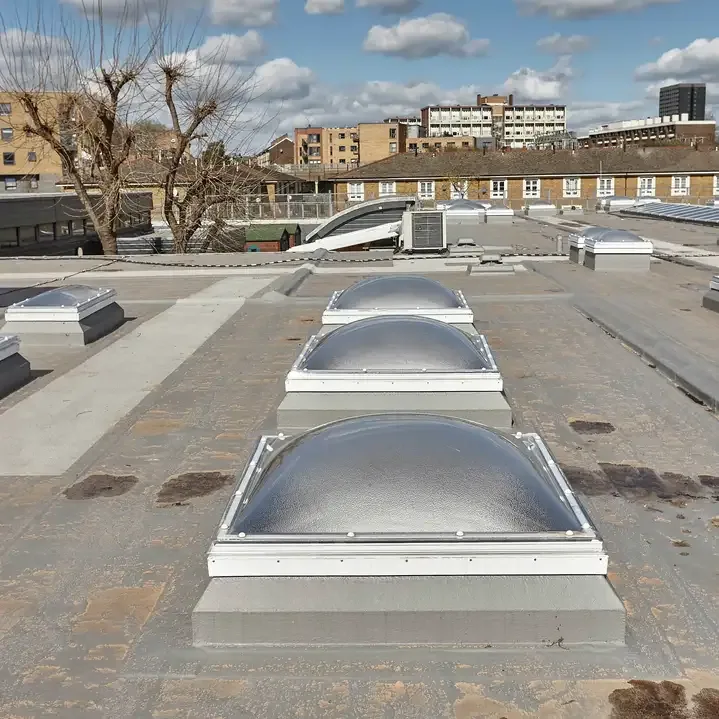
Every opening in the roof interrupts the membrane, so each curb, skylight, pipe, and equipment penetration needs a flashing detail that can move with the assembly and shed water. We inspect the perimeter of the opening, the membrane tie-in, fasteners, counterflashing, and the surface below. A loose sealant bead may be a symptom rather than the repair. Carmel's commercial inventory includes office campuses along U.S. 31/Meridian and mixed-use buildings in City Center and Midtown. Their uses differ, but each roof needs a property-specific detail check. Regional precipitation and freeze-thaw conditions make water management worth reviewing around openings, while the actual leak path is confirmed on site. We photograph the curb or penetration, note nearby seams and drains, and define whether the work is a local flashing repair or part of a broader roof scope. A roof inspection can place the detail in context with the surrounding section.
We look at the opening from the roof surface outward. At a pipe, conduit, skylight, or equipment curb, we check flashing height, attachment, seams, corners, and any counterflashing. Sealant may crack as the curb or pipe moves, but adding another layer without cleaning and preparing the surface can leave the original failure in place. We note where water could pass beneath the flashing or enter at a transition.
Skylights require attention to the frame, curb, glazing, and membrane connection. We look for displaced caps, failed gaskets, cracked sealant, corrosion, and staining inside the building. Condensation can resemble a leak, so we compare weather timing and interior observations with the roof condition. If the lens or frame is damaged, the repair scope may involve a glazing or skylight contractor in addition to roofing work.
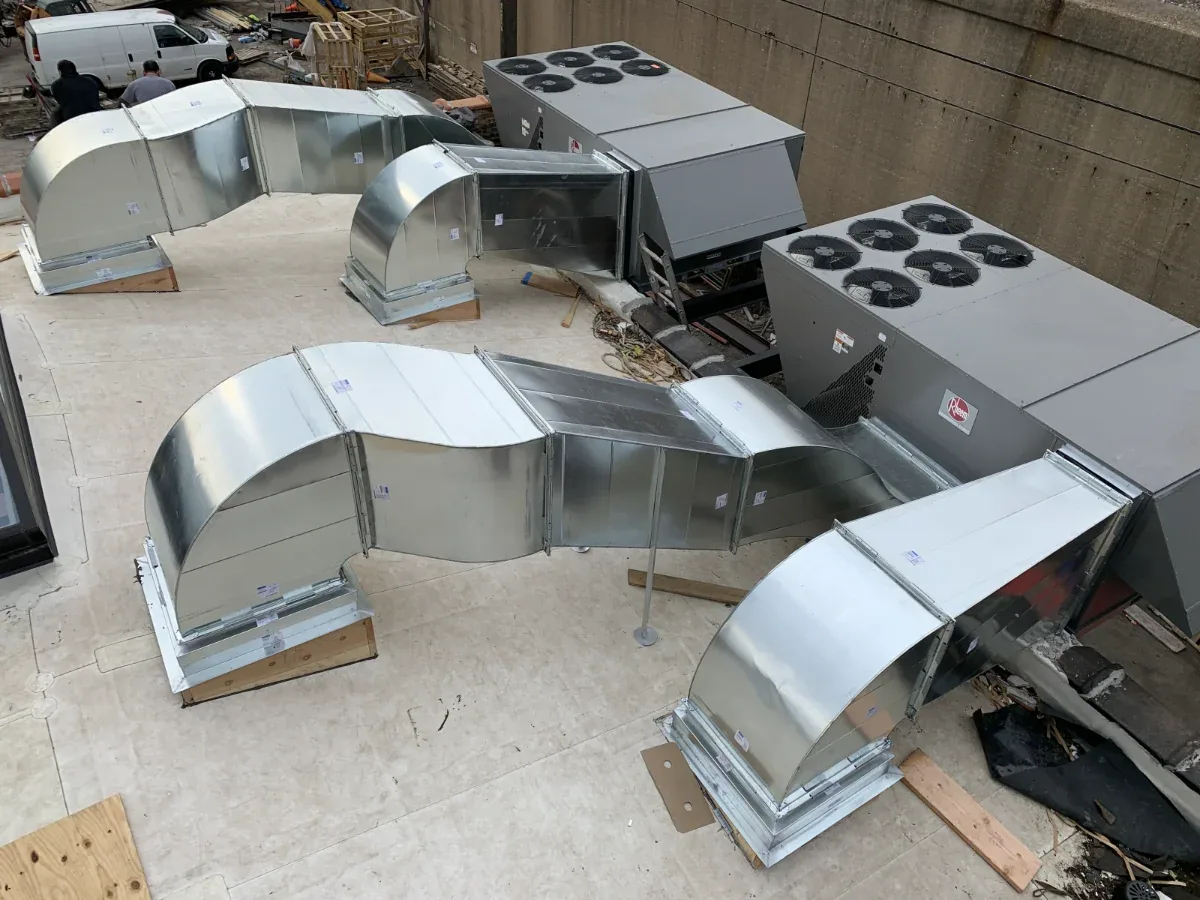
Equipment openings often sit among service pathways, conduit, and supports. We inspect the curb-to-membrane tie-in and note nearby traffic that could disturb flashing. Unplanned penetrations added by other trades can interrupt a roof system or its drainage route. If a new opening is planned, coordinate its location and detail before cutting the membrane. A curb and equipment review can address that work with the flashing scope.
Interior water below a skylight does not always enter through the skylight frame. It can travel along a curb, deck, pipe, or seam before appearing inside. We compare the stain's location with roof slope and nearby details, then inspect the most likely path. If the room is dry during the visit, we still record the reported timing and look for moisture marks or prior repairs around the opening.
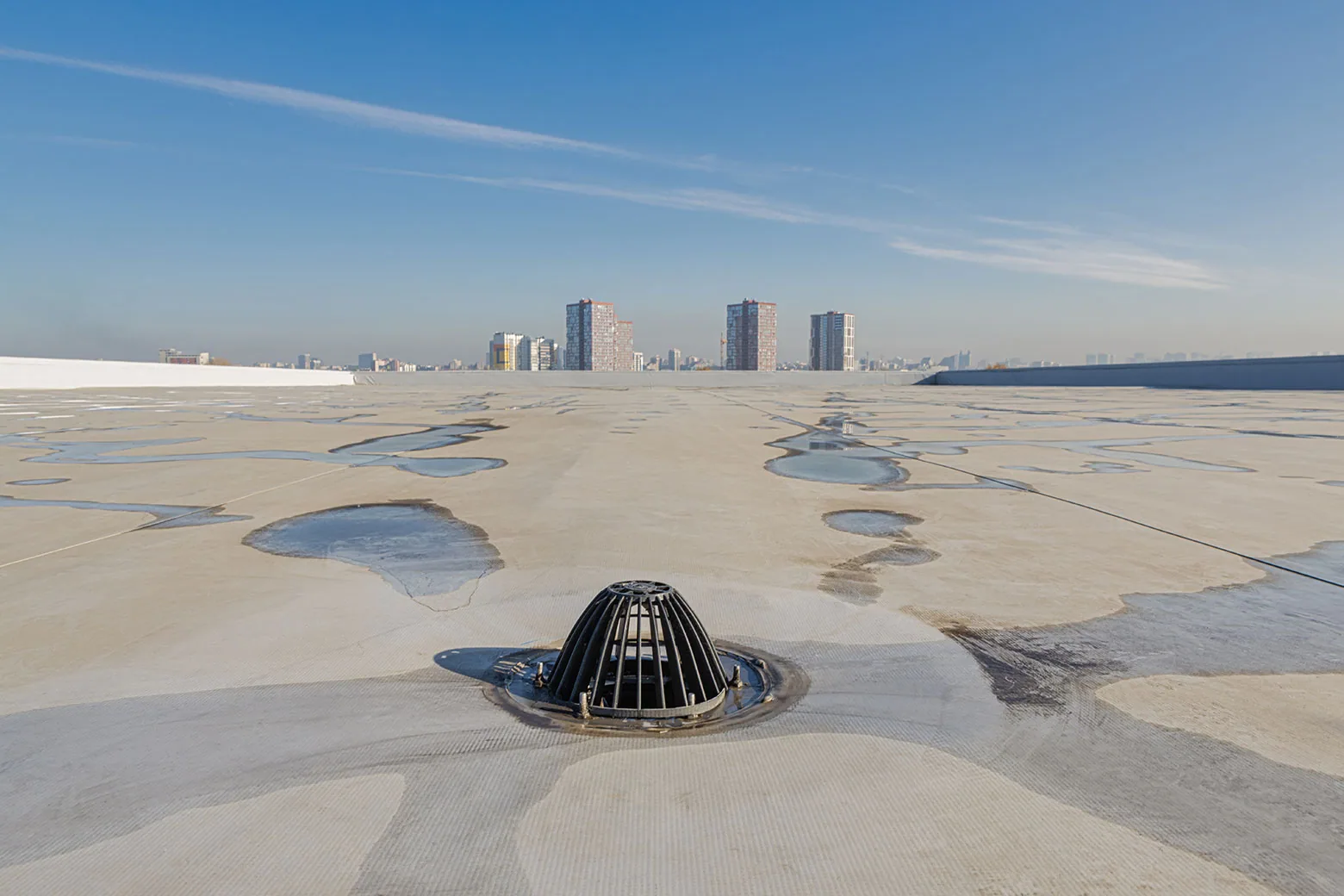
Water can also collect against a curb when the roof drains poorly. We check the upslope side, nearby low points, drains, and scuppers for debris or ponding marks. A cricket or tapered section may be appropriate if the roof geometry can direct flow around the curb, but it needs measurement and detail coordination. A drainage correction can address the water path as a separate part of the work.
Clay Terrace is a retail district with pedestrian storefronts, while the Carmel Arts & Design District includes galleries, specialty shops, restaurants, and design businesses. The property use can affect interior access and staging, but we verify the building's actual skylight and roof layout. We coordinate with the site contact before opening a curb or entering occupied areas.
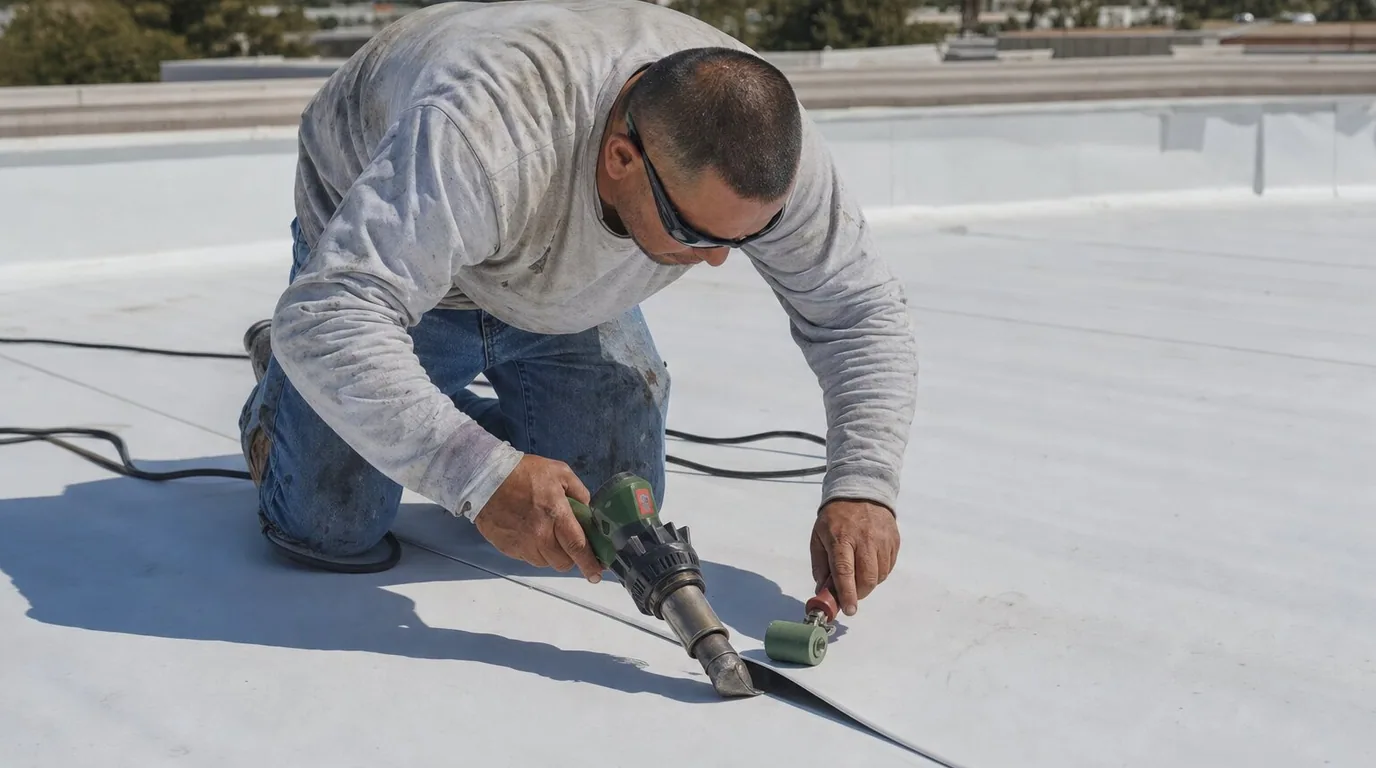
Repair depends on the roof membrane and the detail's condition. We identify the existing system where it can be confirmed and choose a compatible flashing material, reinforcement, or replacement assembly. For confirmed EPDM assemblies, EPDM repair details must suit that membrane. Preparation is part of the scope: remove failed material, clean the surface, dry it as needed, and restore the tie-in. We do not assume that a bead of sealant will remain effective on a moving or contaminated joint.
We measure the number of openings, curb perimeter, affected membrane, and any counterflashing to be replaced. If insulation is wet or the curb substrate has deteriorated, we state whether an opening is needed to determine the full repair. A small area can become a larger scope once concealed conditions are exposed; the proposal should identify how that change will be reviewed before proceeding.
For multiple openings across an office property, we label each location and group similar repairs only when the materials and details match. An overall repair proposal can include the curb work alongside seams and membrane patches, but it should keep each detail and quantity visible. If failures are widespread, a replacement scope may be a more useful comparison.
Skylight repair may require control of the area below as well as roof access. We coordinate with the property contact to protect occupied space, equipment, and people near the opening. If the lens must be removed, we confirm how the interior will be isolated and how the roof will be made weather-tight before work pauses.
Material preparation and cure conditions affect timing. Rain, cold surfaces, and high humidity may delay certain sealants or membrane repairs. We confirm the conditions at the building and sequence the work so an opening is not left exposed. For Carmel properties in the Meridian corridor or near Carmel Midtown, delivery and parking access may need coordination with office or mixed-use operations.
When a leak is active, temporary protection may be needed before permanent materials can be installed. We document that measure and set a return visit when the roof is ready. A follow-up inspection checks the repaired perimeter and nearby water path, not only the sealant visible at the edge.
We update the roof map with each repaired skylight, curb, and penetration. The record identifies material, repair boundary, photographs, and any item left outside the work. That makes later service easier when equipment is replaced or a new contractor needs to locate the detail. The map should distinguish original penetrations from openings added during later building work.
After an HVAC service visit or skylight replacement, inspect the membrane tie-in and remove debris from the work area. A new curb or pipe should be coordinated with the roofing system rather than cut through it without a repair plan. Preventive maintenance can include checks for disturbed flashing and newly exposed openings.
If water continues after repair, we trace the pathway again instead of assuming the same detail failed. A leak investigation may show that water entered farther upslope or through another penetration. We document the new finding and revise the repair boundary when the evidence supports it.
It may be suitable for a limited joint repair, but only when the substrate and flashing are sound and properly prepared. We inspect the frame, curb, membrane tie-in, and surrounding details before choosing sealant, reinforcement, or replacement.
We compare the timing and location of interior moisture with roof conditions, frame and gasket condition, and nearby penetrations. Condensation and roof entry can look similar indoors, so the site walk and reported weather pattern both matter.
Any new opening changes the assembly and should be coordinated before installation. We plan the curb or penetration, flashing tie-in, and any drainage impact with the trade performing the work, then document the completed detail.
We inspect and record each opening separately, then compare their frame, curb, and flashing conditions. Similar failures may support a grouped scope, but the estimate should still show which units and roof sections are included.
Some skylight work can be completed from the roof; damaged lenses, interior staining, or ceiling protection may require access below. We confirm that need with the property contact before scheduling and identify any occupied area to protect.