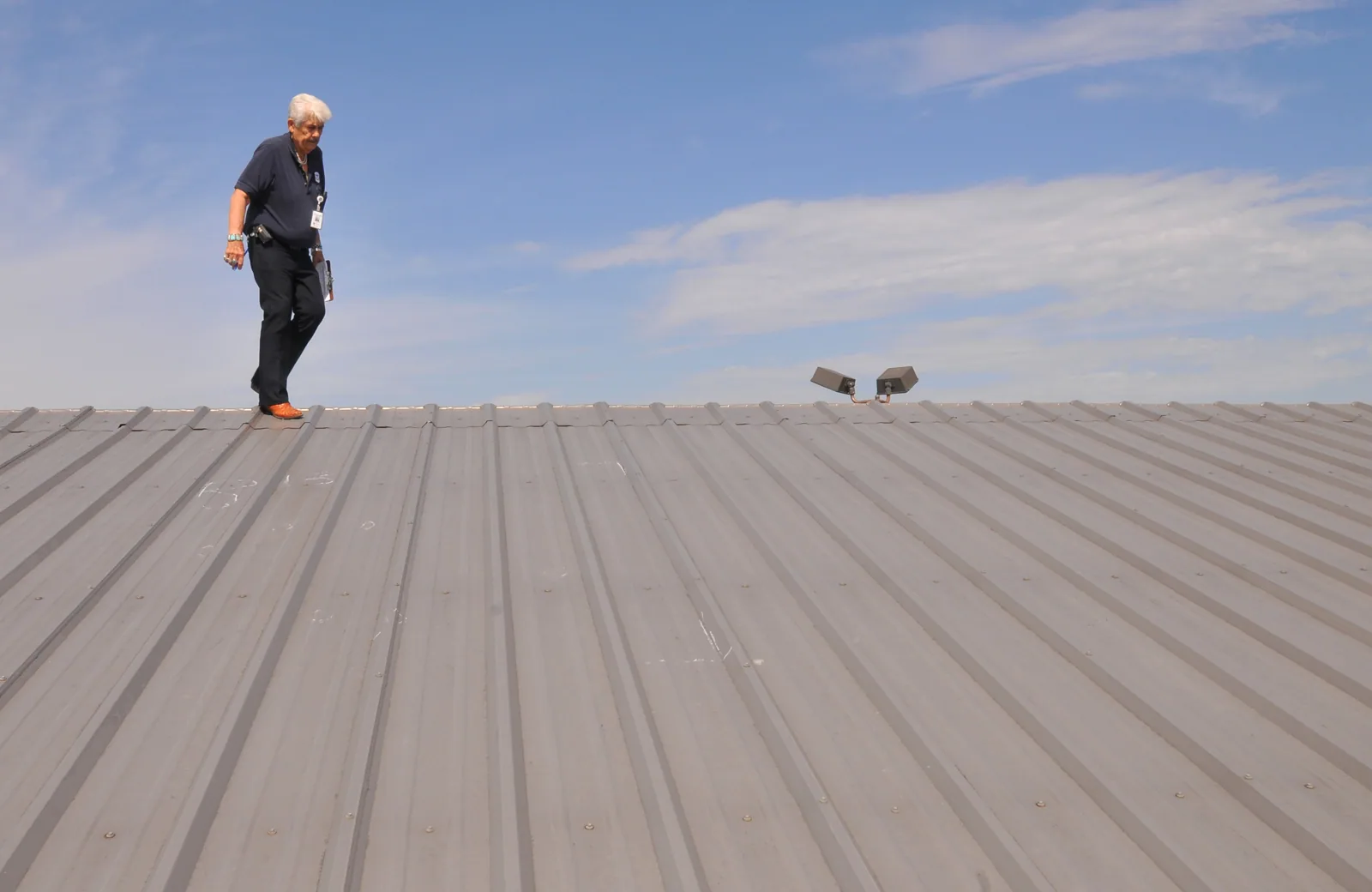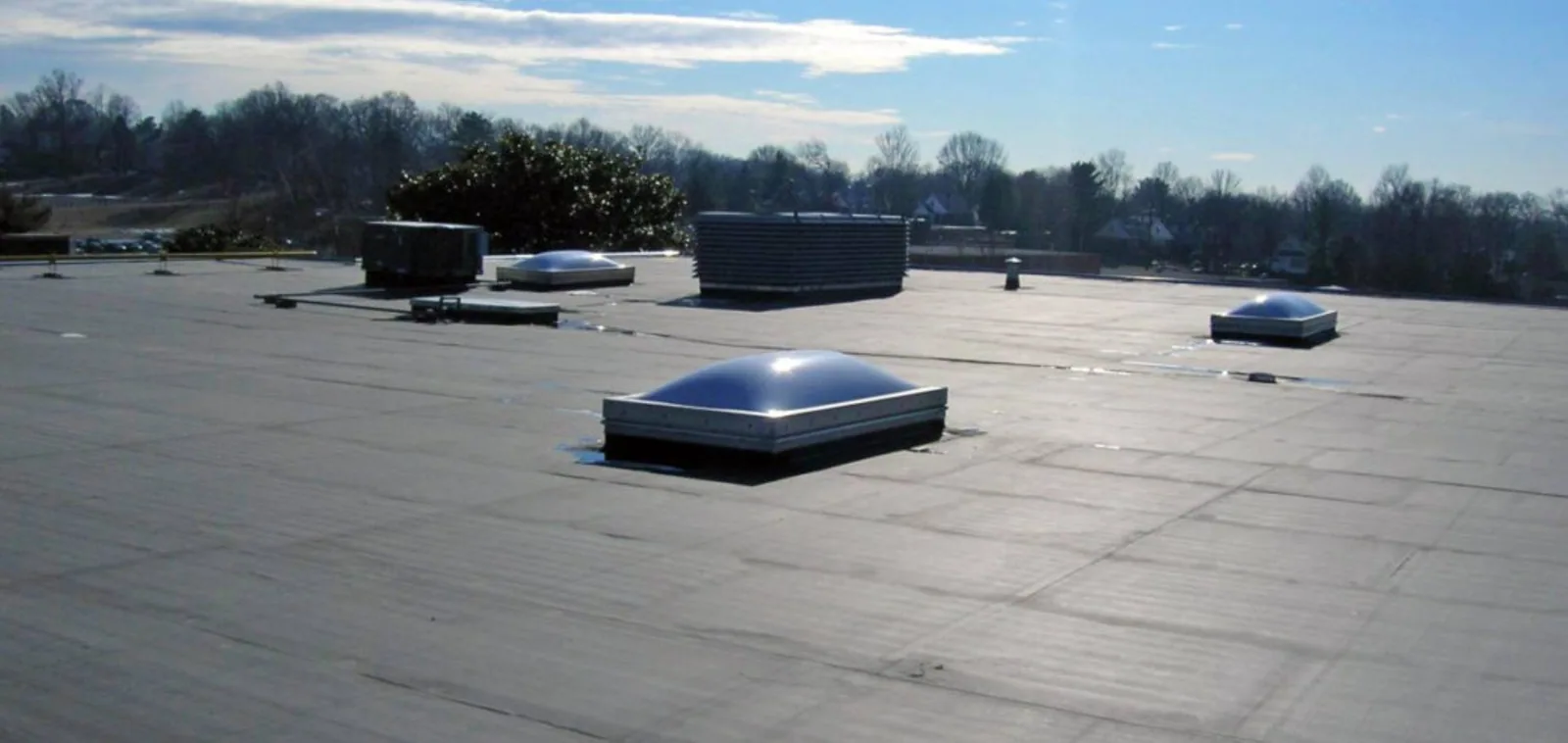
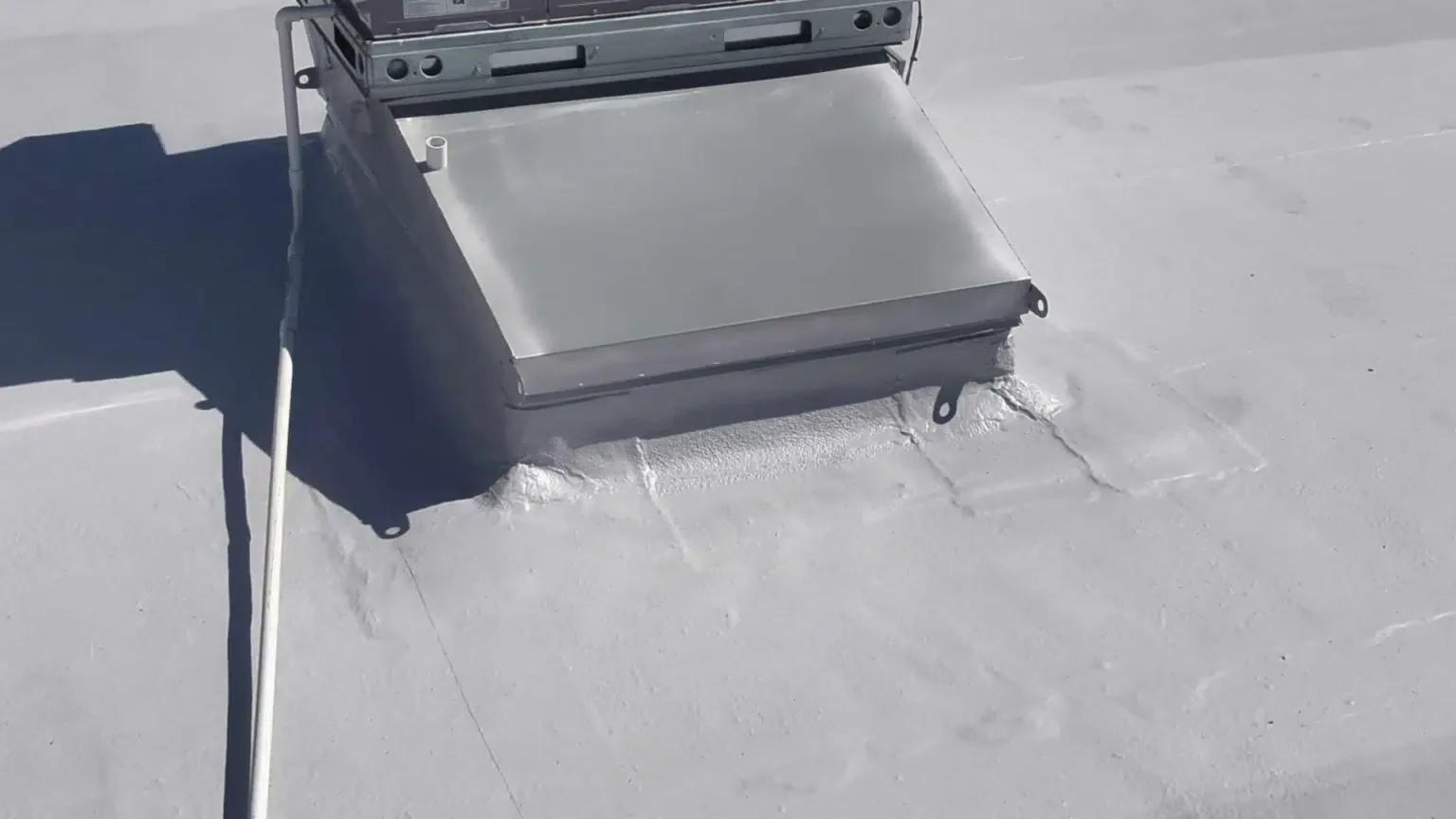
A maintenance plan should make the next roof visit predictable. We set the buildings, roof sections, inspection interval, and closeout record around the owner's operating and capital calendar. The visit follows a practical route: drains and scuppers, seams and transitions, curbs and penetrations, edges, and any areas that have produced leaks. Carmel has a dense office corridor along Meridian and U.S. 31, along with mixed-use areas such as Midtown. Those commercial settings have different access and operating needs, so a roof list needs to identify the actual property and its contacts. The annual program pairs outlet clearing and flashing checks before winter with a follow-up after heavy rain or thaw. We set priorities from each roof's maintenance history and record how a condition changes between visits. Our maintenance visit records each condition and separates a simple service item from a repair scope that should be priced on its own.
A good starting point is the maintenance log. We review prior leaks, patch locations, drain work, warranty documents, and any known equipment changes. A roof that has remained dry may still need basic debris removal and detail checks, while a section with recurring water entry deserves a closer look at seams and adjacent insulation. We use the history to focus the walk, not to assume that a past repair is still holding.
For a property with several buildings, each roof receives its own checklist and record. Parkwood Crossing includes office buildings and other commercial uses across a redevelopment area, but those structures do not share the same roof condition or access plan. We identify which building is scheduled, the route to its roof, and the person who can confirm rooftop equipment or tenant constraints. A roof asset review can help organize the same information across a larger portfolio.
Inspection frequency follows exposure and condition. A recently repaired drain, active construction, repeated leaks, or a roof near its planned renewal window can warrant closer follow-up. We propose an interval based on those known factors and adjust it when findings change. A fixed calendar is useful only when it reflects the roof, the seasons, and the owner's risk tolerance.
Water management is the center of routine maintenance. We look for leaves, sediment, loose screens, damaged drain rings, and scuppers that are blocked or slow. Then we follow the path across the roof to identify low spots, ponding marks, and places where a small obstruction can send water toward a vulnerable seam. We note whether cleaning is enough or whether the drainage layout needs a separate correction.
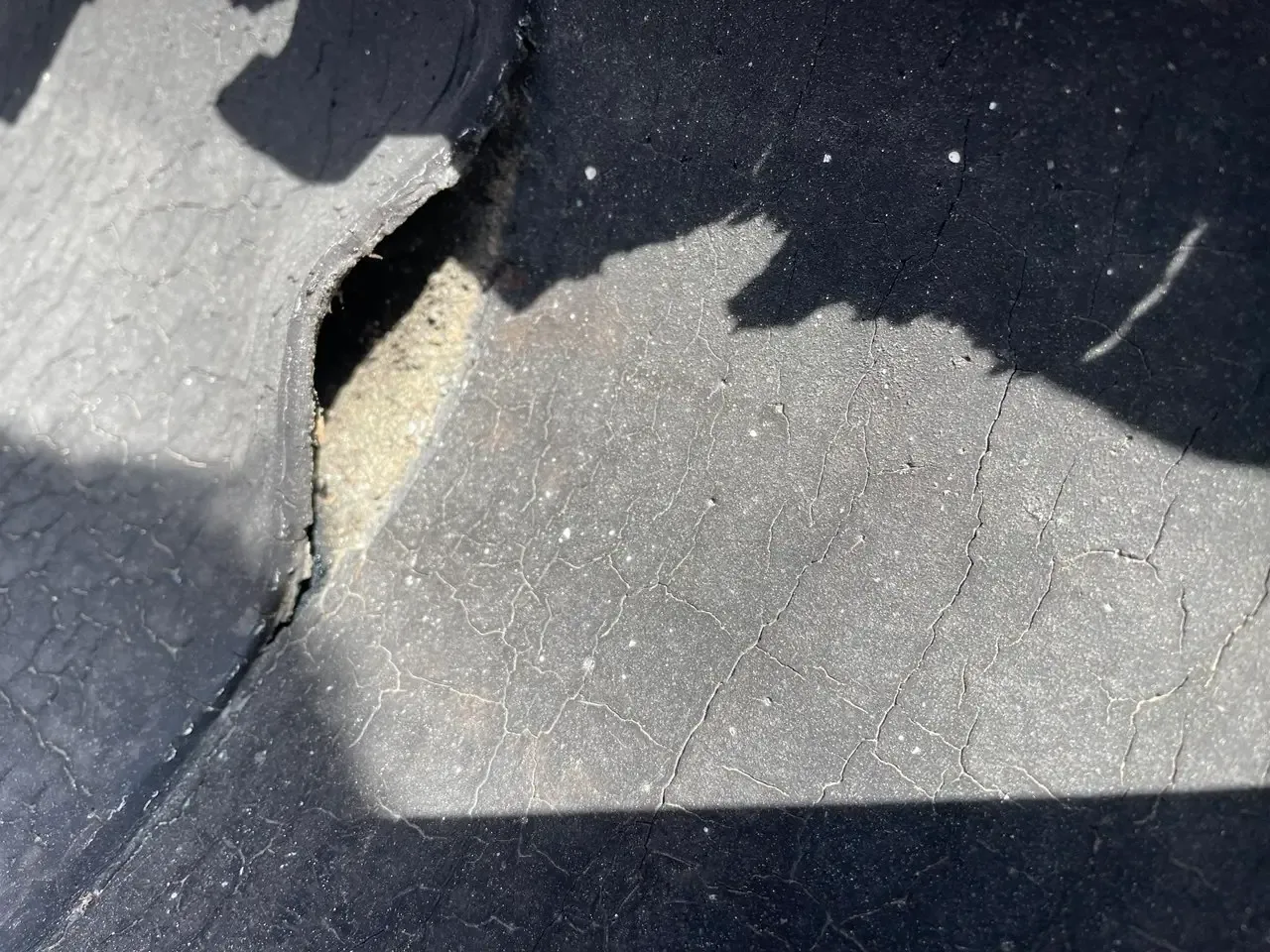
At seams and flashing, we look for lifted edges, open laps, cracked sealant, and movement around curbs or pipes. Small defects can be easier to repair before water reaches insulation or interior finishes. We record the repair boundary with a photograph and location note so the building team can match the work to the correct roof section. If a larger seam failure appears, a seam repair assessment can define the corrective work.
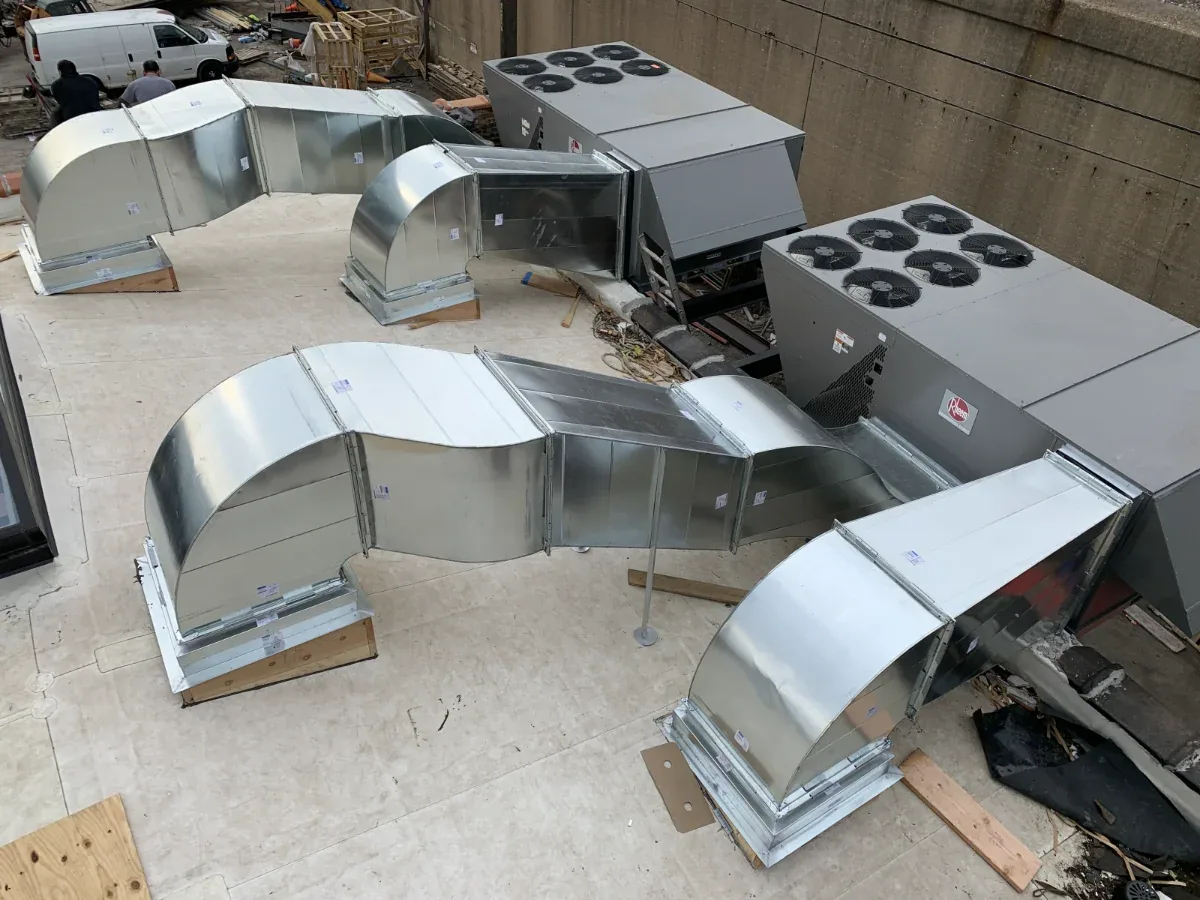
We also check rooftop equipment access and housekeeping. Discarded fasteners, service debris, and unprotected work paths can damage a membrane. If the site has frequent mechanical service, we can identify a designated travel route and review curb flashing after equipment work. A curb and support inspection can address details that need more than routine visual attention.
Seasonal exposure changes what a maintenance visit should emphasize. Before winter, we make sure drains and overflows are clear, inspect flashing at penetrations, and look for details that could admit water as temperatures move above and below freezing. After a thaw or heavy rain, a follow-up check can identify slow drainage and new leak reports. We use the forecast and roof conditions to choose safe access and suitable repair materials.
Before winter, we confirm that outlets and overflow paths remain accessible and record any weak seam, flashing, or edge detail for repair. If a structural loading concern is observed, we document the condition and route it for evaluation by the appropriate professional.
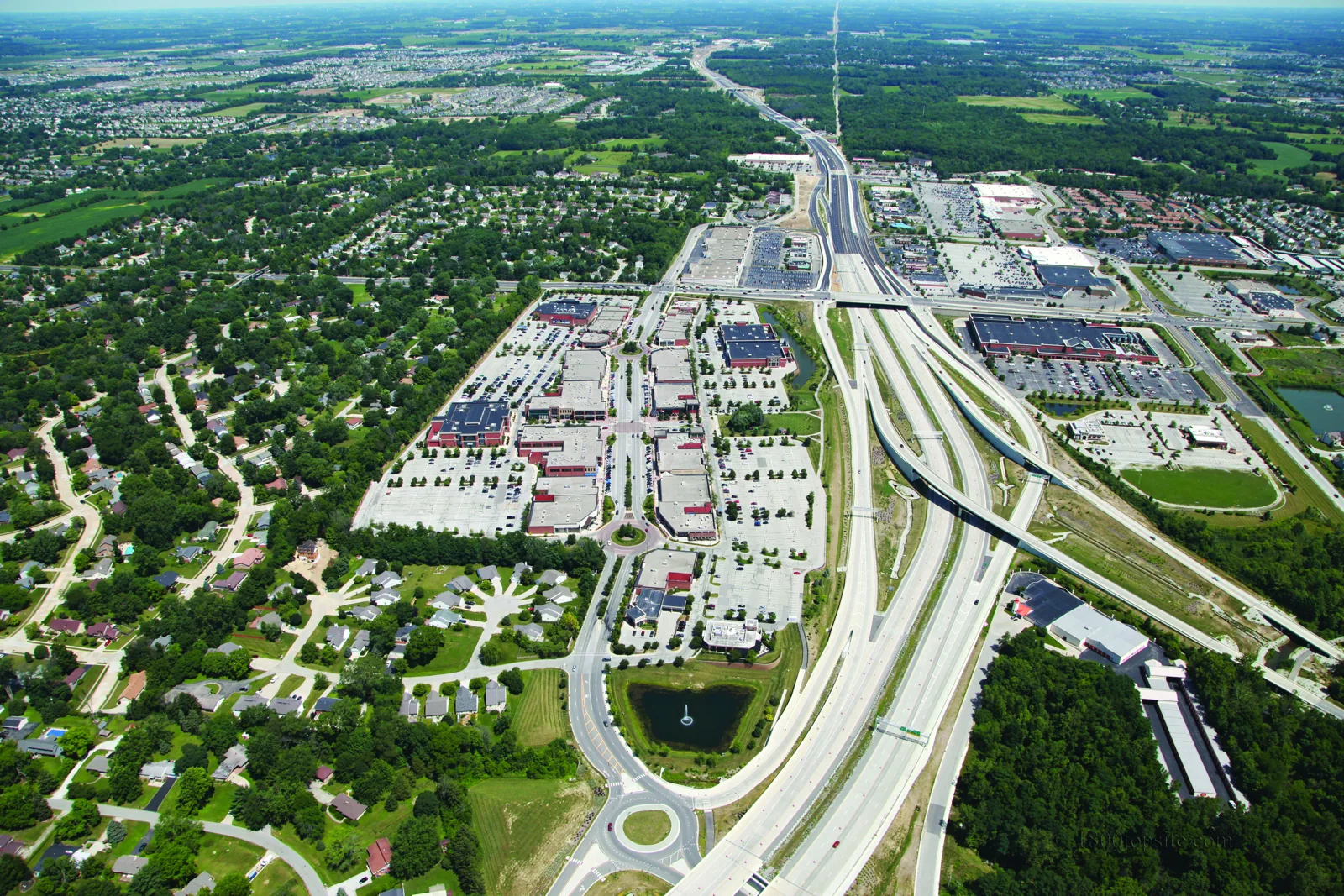
Carmel's commercial mix extends from Clay Terrace to office campuses around Meridian. We confirm those needs with the site contact and plan maintenance without blocking access or leaving debris behind.
Every visit should close with a concise record: roof section, observed condition, work completed, and item still open. We use photographs to show a blocked drain, a repaired lap, or a detail that needs testing. If a section is covered by snow, equipment, or unsafe conditions, we mark the limitation rather than treating it as inspected. That makes a later visit more useful and keeps the report tied to what was actually seen.
Owners can use the same record to compare repeat issues. If a drain repeatedly collects debris or a seam needs the same patch more than once, that pattern may justify a broader correction. We separate completed maintenance from recommended repair and provide measured quantities where the next step is more substantial. A roof condition report can combine those findings with photos and a list of unresolved items.
After repairs, we update the maintenance log with locations and materials. A new manager can see what was serviced and which areas still need a future visit. For multiple properties, consistent labels make it easier to compare urgent work without confusing one building's history with another's. The record supports a budget decision, but it does not replace a roof inspection after a major event or a reported leak.
Routine maintenance usually includes removing accessible debris, checking water outlets, documenting visible details, and noting small items that could be corrected during the visit. A repair proposal is appropriate when membrane, flashing, insulation, or metal needs dedicated work. We identify that line clearly so the owner can approve the service visit and the additional scope independently.
If moisture extent is uncertain, we can recommend targeted testing rather than treat every dark or soft area as saturated. An infrared moisture survey may help prioritize confirmation points on a larger roof. If the maintenance walk reveals recurring water entry, a leak investigation traces the source before another patch is placed.
For buildings along Carmel's central commercial corridors, roof work may need to fit around tenant hours, deliveries, or event schedules. We coordinate those restrictions before arriving and include access, staging, and any follow-up in the plan. The service record then gives the asset manager a direct account of what was checked, what was corrected, and which issue belongs in the next capital window.
We check drains, scuppers, seams, penetrations, flashing, edges, rooftop equipment paths, and prior repair locations. The exact list follows the roof history and access plan. Each finding is labeled as completed service, repair work, monitoring, or a condition needing testing.
Roof condition and exposure guide the interval. Recent repairs, repeated leaks, active rooftop work, and approaching renewal all support closer follow-up. We recommend an interval from those findings and revise it when the roof record changes.
A visit can include agreed small service tasks, but a repair requiring separate materials, labor, or access gets its own scope. We identify the boundary before proceeding so the owner can approve each part of the work.
Yes. We label each building and roof section separately, then group visits where access and operations allow. Parkwood Crossing and other multi-building areas illustrate why site logistics matter, but the maintenance record remains specific to each structure.
We record the location and evidence, then recommend confirmation if the next repair requires a clearer moisture boundary. Infrared patterns may guide selective core cuts, while direct samples verify the assembly at the tested points.