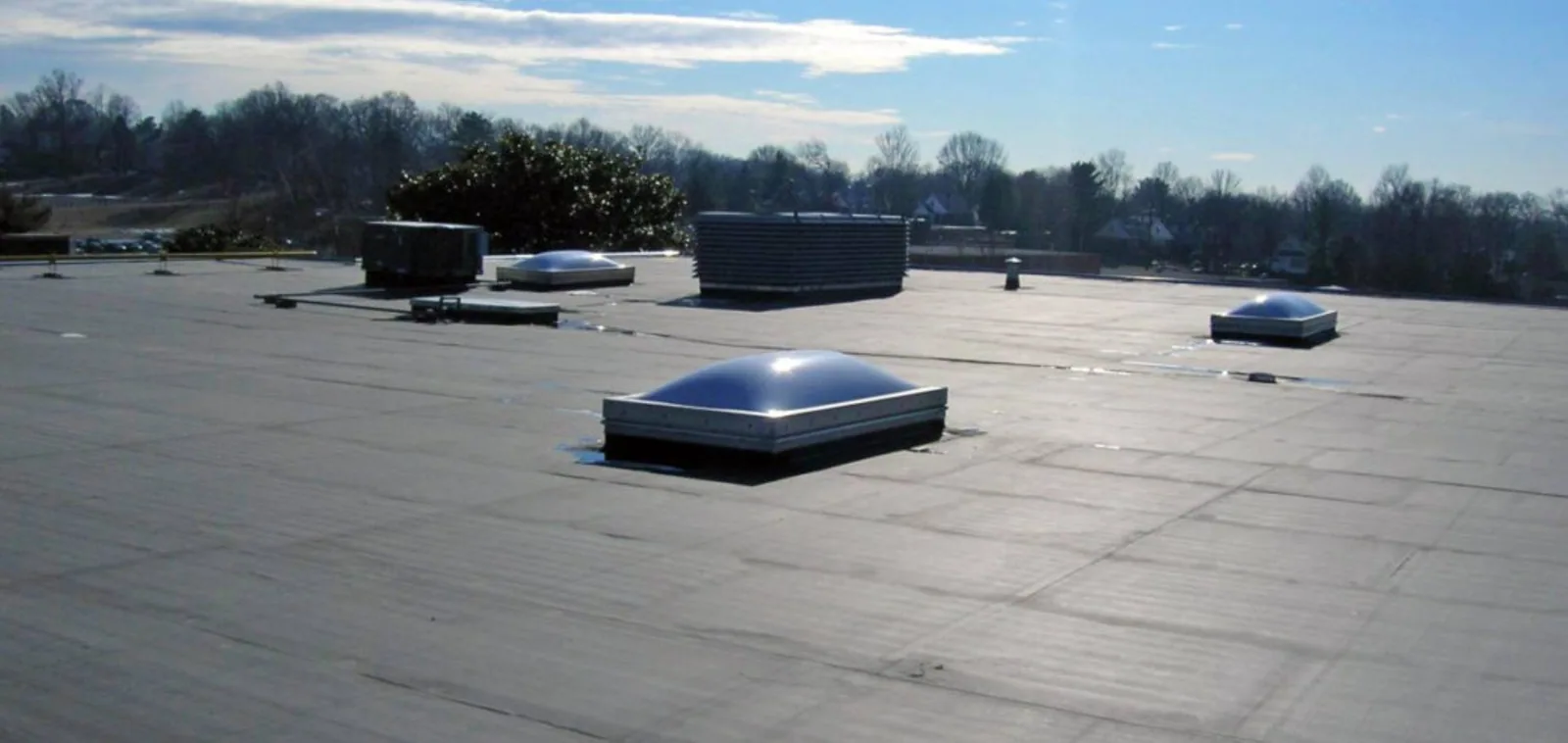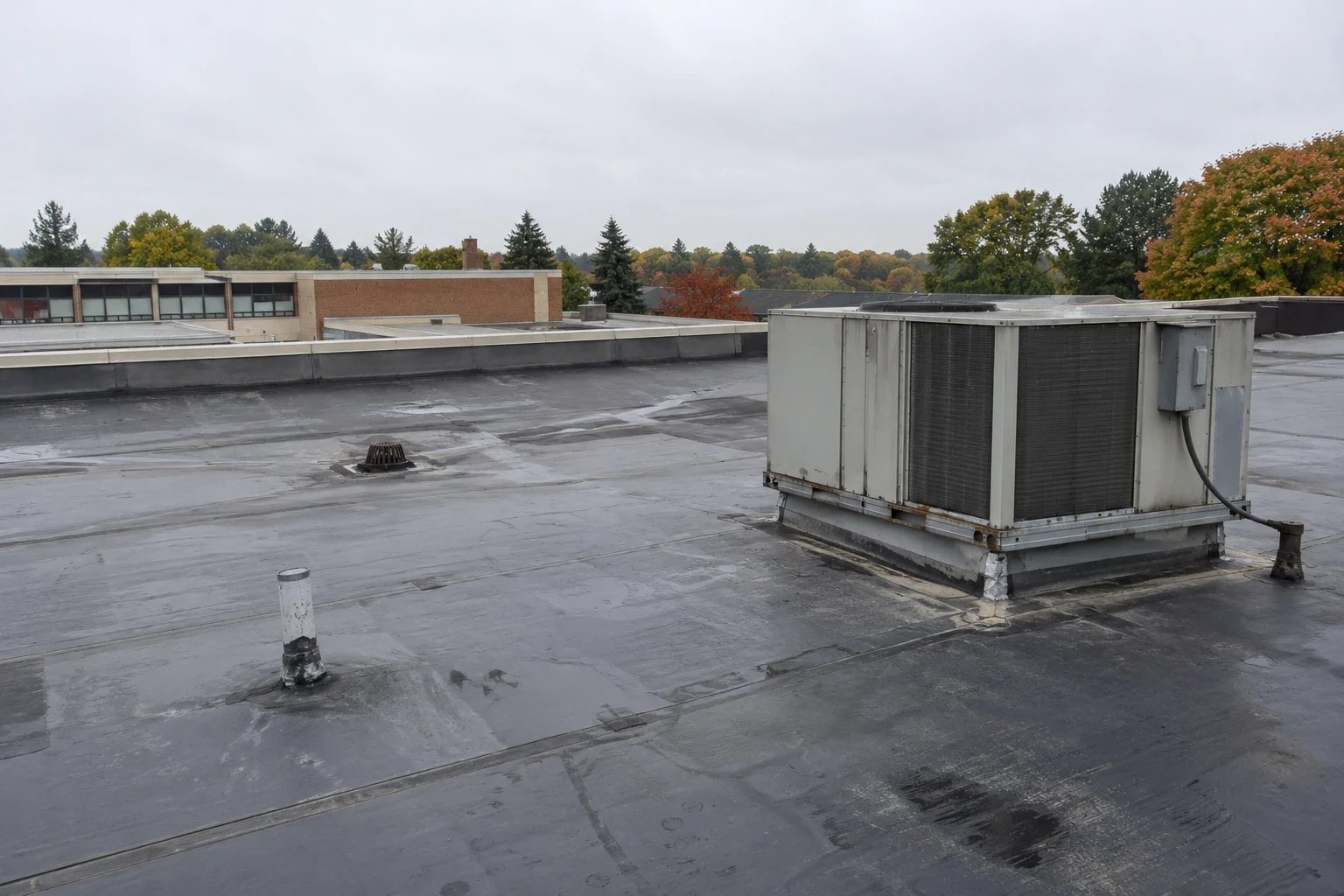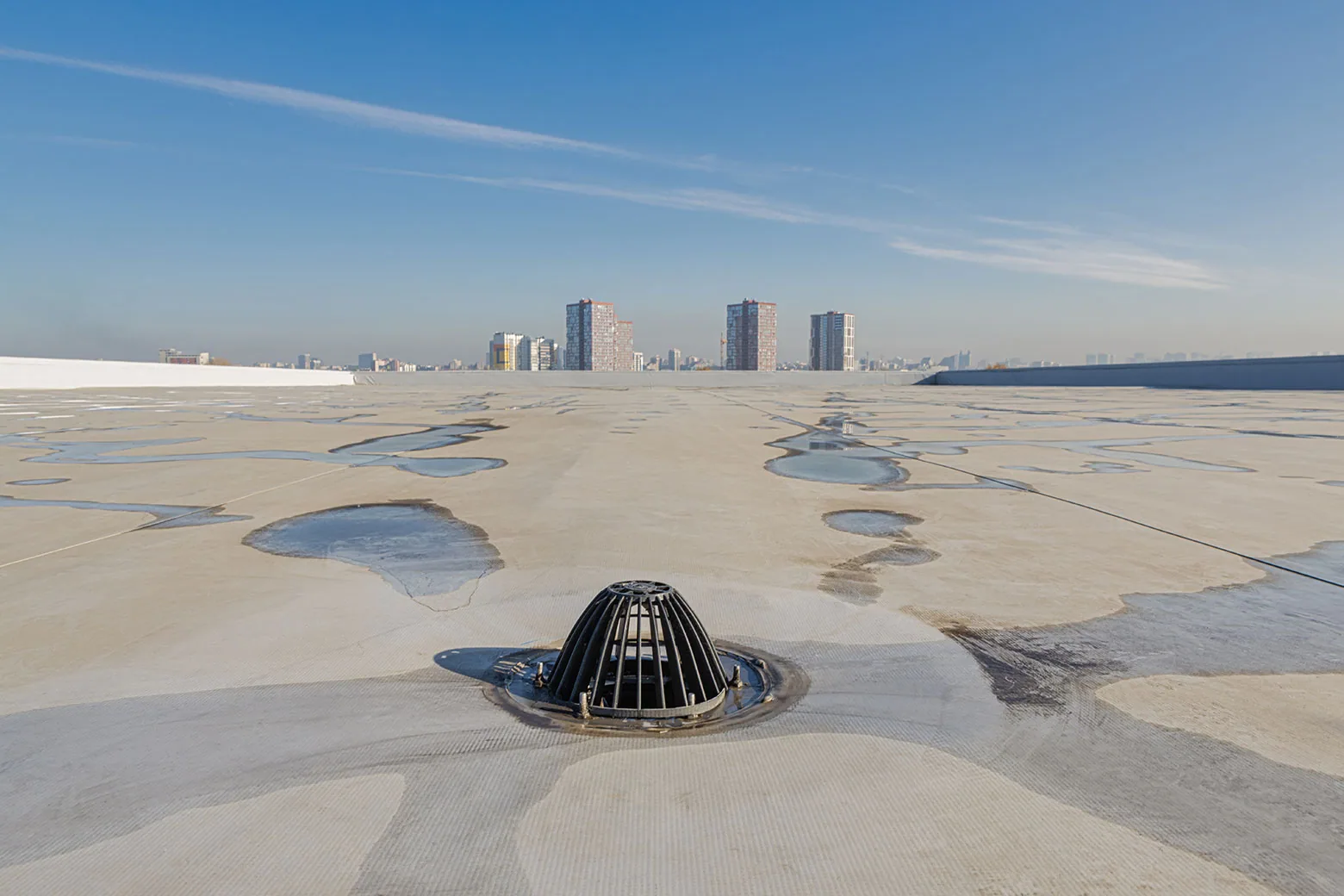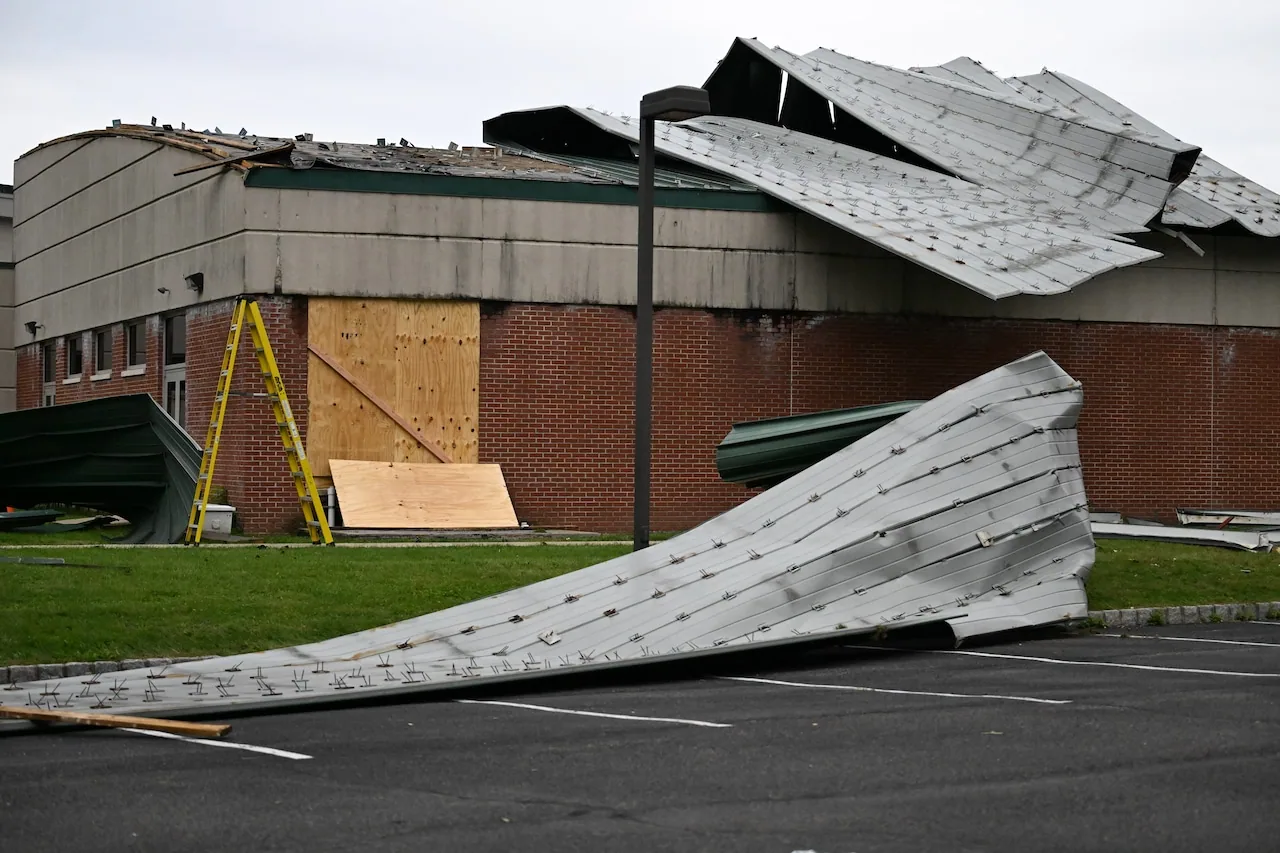
A school roof decision has a fixed window: the building still has to open on time. We begin with the reported leak, affected room, school calendar, and access restrictions, then inspect the roof sections that control the water path. The Village of WestClay directory includes education, health, retail, and professional services; Carmel City Center combines housing, offices, retail, and public parking. For a school project, we set student routes, roof access, and work hours with the district for each building.
We map membrane or metal condition, drains, curbs, edges, penetrations, prior repairs, and areas that need testing. A district can then compare immediate protection, repair, and renewal without assuming all schools share the same system or condition. The scope identifies which areas need a summer window and which smaller tasks can happen during the school year.
We connect the maintenance report with the room below, the date, weather, and any temporary protection already used. On the roof, we trace seams, transitions, penetrations, drains, skylights, and flashing. A ceiling mark may be offset from the opening, so the inspection records the likely path rather than placing a patch directly above the stain by default.
In a classroom, kitchen, gym, library, or mechanical room, interior protection may differ. We coordinate with facilities on access, furniture, technology, and routes that need to remain open. If moisture may extend beyond the visible area, we choose testing based on whether the result would change the removal quantity. An infrared moisture survey can identify candidate areas under suitable conditions, with confirmation before a larger scope is set.
The school building roof scope can focus on roof assembly, student circulation, and occupied-space protection. For a district with several buildings, each inspection should name the school, roof section, system, and access limits so a condition in one building does not become an assumption for the next.
Summer break can create a larger work window, but only when drawings, procurement, testing, and delivery dates line up. We identify what must be completed before teachers and students return, then work backward through permit review, submittals, materials, access, and daily dry-in. A long lead item or concealed deck repair can change that window, so the schedule names dependencies instead of presenting the target date as firm before prerequisites clear.
Some repair work can happen while school is in session if noise, drop-off routes, and access are carefully coordinated. We place lifts and materials away from student routes, confirm who can close a door or parking area, and identify emergency access. The daily plan states which section is open and how it will be left secure and watertight before staff arrive.
Before dates are committed, district staff should check with Carmel Building Safety about permit review and inspection checkpoints for the selected roof work. We add those steps, testing, and any coordination with HVAC or electrical trades to the project timeline so roof work does not collide with classroom setup or opening activities.
We inspect drain bowls, strainers, scuppers, overflows, gutters, downspouts, and low areas. If an outlet is clear but water still collects, the cause may involve slope, insulation movement, or a damaged connection. Each finding belongs to a roof section and an outlet, so facilities can repeat the check and maintenance can follow the water path rather than rely on a general note.
For Carmel schools, annual snowfall averages 25.5 inches and precipitation totals 43.63 inches. We use that seasonal pattern to schedule drain, low-area, and exposed-transition checks before winter and after thaw, with findings tied to each school roof. Hail and damaging wind appear in Hamilton County severe-weather records. A report from one event prompts a check of the school roof itself: we compare edges, seams, metal panels, and penetrations with prior conditions and record any visible change.
A drain and scupper correction can define cleaning, connection repair, or membrane work. For an active leak over a classroom or library, temporary roof protection can stabilize the area until permanent repairs fit the school calendar.
A repair can make sense when a single seam, curb, edge, or flashing has failed and the surrounding roof remains serviceable. We describe preparation, materials, tie-in, and interior protections. Several recurring leaks or confirmed wet insulation can support a wider renewal. The district receives measured quantities by building and clear separation between confirmed work and contingencies for concealed deck conditions.
An overlay may fit only when moisture, attachment, existing layers, drainage, and perimeter height all support retaining the assembly. We compare a recover option with a tear-off alternative and show the added insulation, cover board, metal, curb, and disposal work. Each path gets a schedule that accounts for testing and the district's return-to-school date.
For publicly funded projects, scope clarity supports a fair comparison of bids. We identify the material and detail assumptions, testing requirements, submittals, exclusions, and work boundaries that shape a price. If several schools share a capital plan, public agency procurement coordination can help align review steps; a property manager's maintenance record can offer a useful model for preserving asset-level history.
Closeout includes marked sections, photos, materials, exclusions, and follow-up items. We note where a test was completed, where access was limited, and what should be checked after the next season. A roof map helps facilities staff connect a new report to a repaired seam or open question without relying on a contractor's memory. It can also preserve the drain schedule, equipment access route, and observations that should be checked after a freeze-thaw cycle or summer storm.
The Village of WestClay is a recognized Carmel area whose directory includes education and community services. Carmel City Center is a mixed-use district with public parking, offices, retail, and housing. At each school, we identify the roof system, building contact, and access plan before assigning work or calendar dates. For work near the Village of WestClay, we confirm school access and maintain separate roof records for each district building.
Share the school list, roof plans, maintenance history, calendar, and access rules. We can sequence schools by active water entry, access window, and measured repair need. The district receives a separate scope for each building, with testing and larger renewal set apart from urgent protection so funds and summer dates track the real work.
That depends on procurement, testing, material delivery, access, and concealed conditions. We build the schedule backward from the opening date and identify which steps could change it.
Some work can fit around classes with a controlled roof area, separated student routes, and daily dry-in. We coordinate timing with facilities and identify any room or access closure.
Protect equipment and notify facilities, then record the room and conditions. We trace the roof path, stabilize active entry, and define a permanent repair after inspecting the assembly.
Use building-specific inspections, measured quantities, repair history, testing, and access constraints. We rank urgent protection separately from planned renewal and keep assumptions visible.
Keep the roof plan, photos, material details, exclusions, test results, and follow-up checks with each building file. Facilities can use those records during the next summer planning cycle.