A public roof project needs to stand up to both weather and procurement review. We inspect the building, document visible conditions, and separate measured repairs from allowances for concealed work. Carmel routes permit review and inspections through its Building Safety Office. We confirm which adopted requirements apply to the planned assembly before setting the close-in date. At Carmel City Center, offices, retail, housing, and public parking share a mixed-use district. An agency project still needs an access map and continuity plan for the actual building.
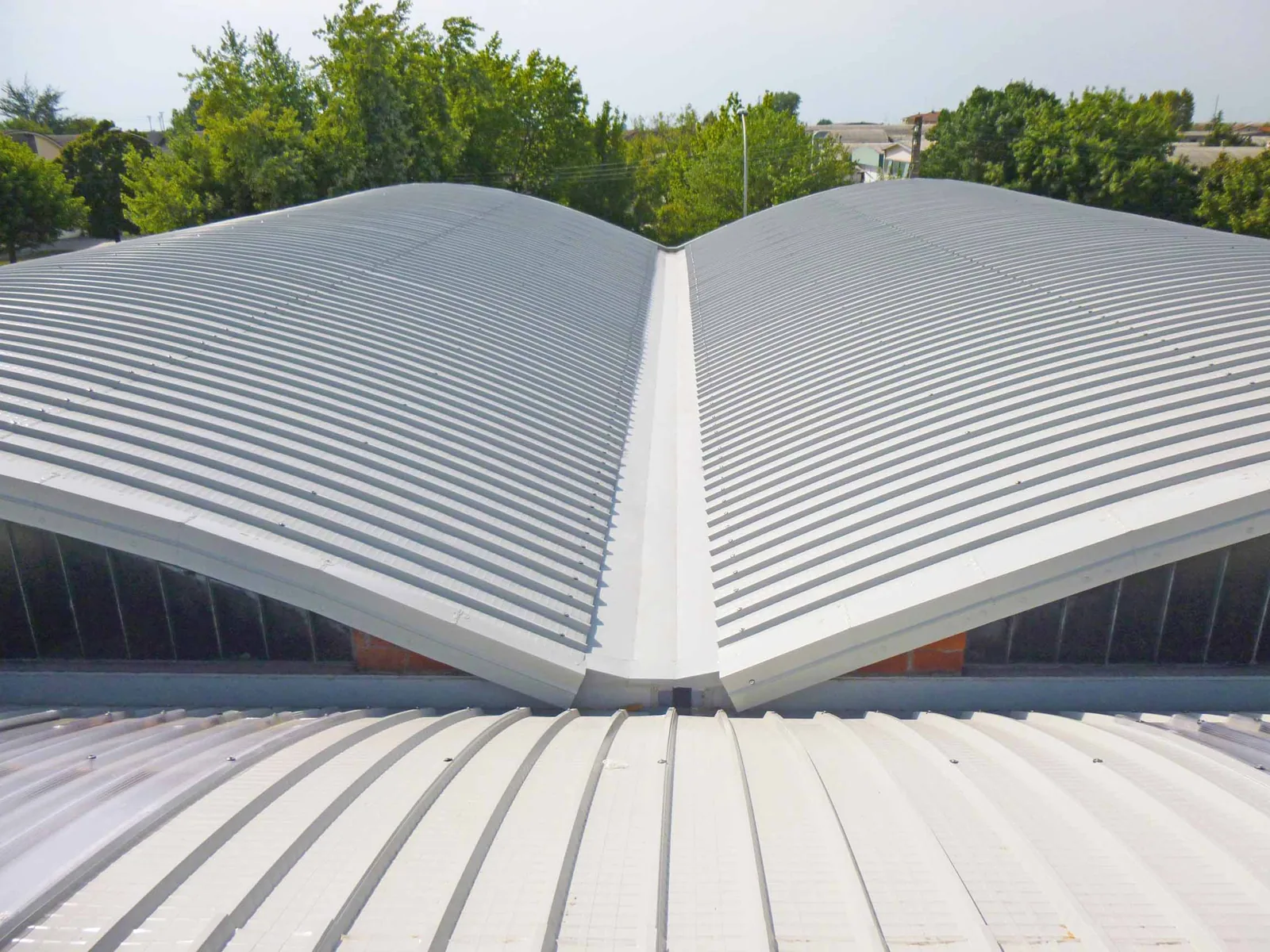
We begin with the roof plan, maintenance history, leak tickets, facility hours, and procurement milestones. The site walk records membrane or metal, seams, flashing, drains, curbs, edge details, and any location that needs testing. The resulting scope gives staff and reviewers a clear boundary, assumptions, and next decision without blurring confirmed work with contingencies.
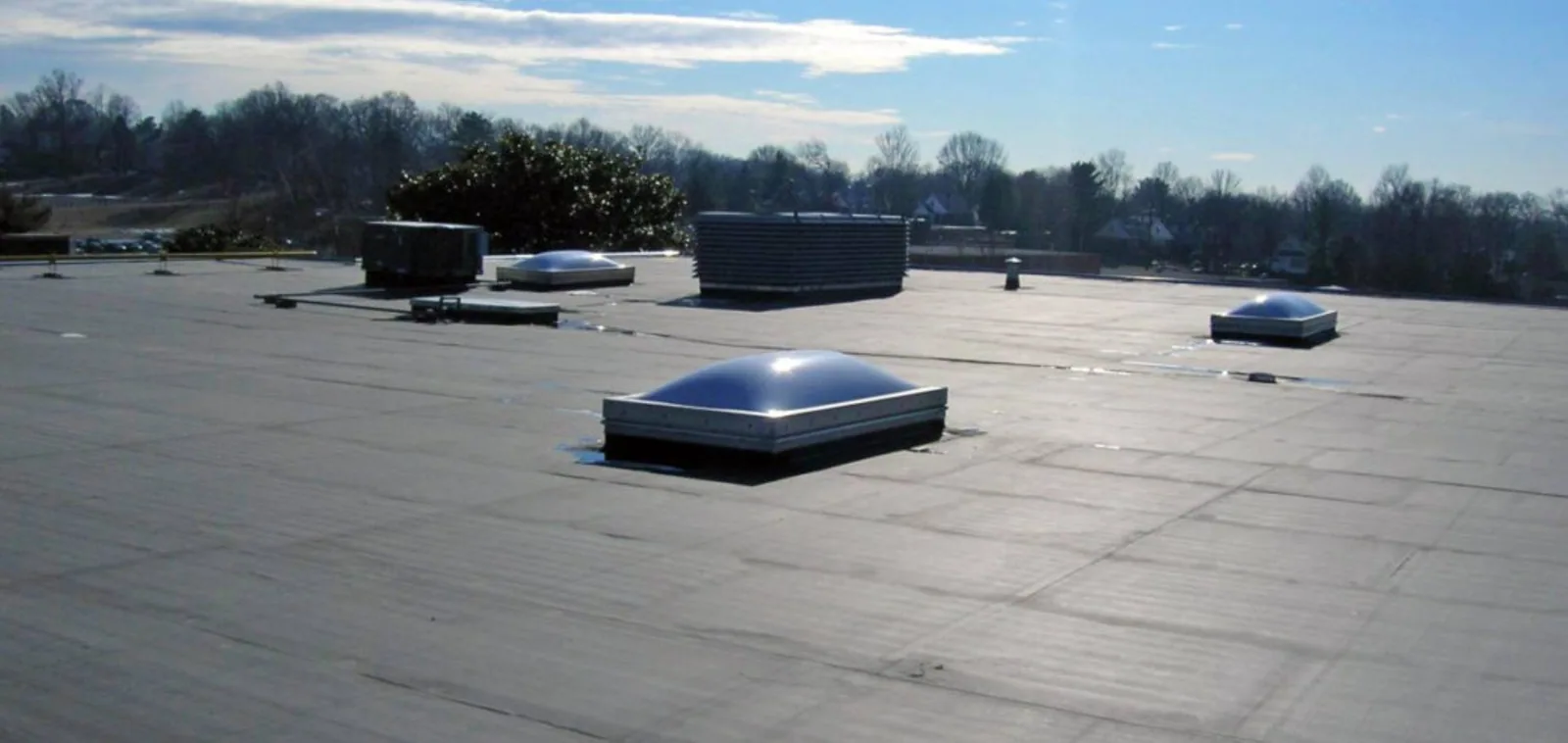
We tie each interior complaint to its room, date, conditions, and roof section. Water can move across a deck before it appears on a ceiling, so a visible stain is not automatically the point to repair. On the roof, we inspect transitions, laps, penetrations, drains, curbs, and previous patches. Photos and a marked plan let facilities, procurement, and finance see the same condition.
Public facilities may include offices, meeting space, records, service counters, and equipment rooms. We ask which areas must remain open and who can approve a temporary closure. Lift staging and debris routes should avoid public entrances and accessible paths. If a roof condition requires a test, we explain its purpose and the quantity or repair decision it could change before adding the work.
An infrared survey is useful when its readings can narrow where a selective opening should be made. We identify the test area and decision it informs, then confirm moisture before assigning removal quantities. A written condition report can preserve the photos, access limits, and repair boundary for the procurement file.
A useful bid package tells contractors what system is present where known, which areas are measured, what details are included, and what remains uncertain. We identify testing, submittals, permits, inspection points, exclusions, access, temporary protection, and closeout needs. If a deck condition cannot be verified without opening the assembly, we list a separate allowance rather than treating it as a measured quantity.
Carmel Midtown combines residential, dining, office, and commercial uses. Public project documents should state the facility's operating hours, security rules, and service routes. When roof work is part of a larger capital project, trade coordination can define the roofing interfaces before mobilization.
Bid review also needs a consistent way to handle concealed conditions. We list unit prices only where the likely work can be measured, then identify the finding that would activate them. A test opening may confirm wet insulation or reveal a sound deck; either result can change quantity and schedule. The scope names who reviews the field condition and how the public owner records authorization before work proceeds.
Permit and inspection milestones belong beside procurement dates and material lead times. We confirm which review applies to the assembly and work type before the schedule is set. That makes schedule risk visible early, before bid comparisons assume all contractors used the same review timeline. When alternates are requested, we separate their quantities and assumptions so reviewers can compare like scopes without combining different assemblies.
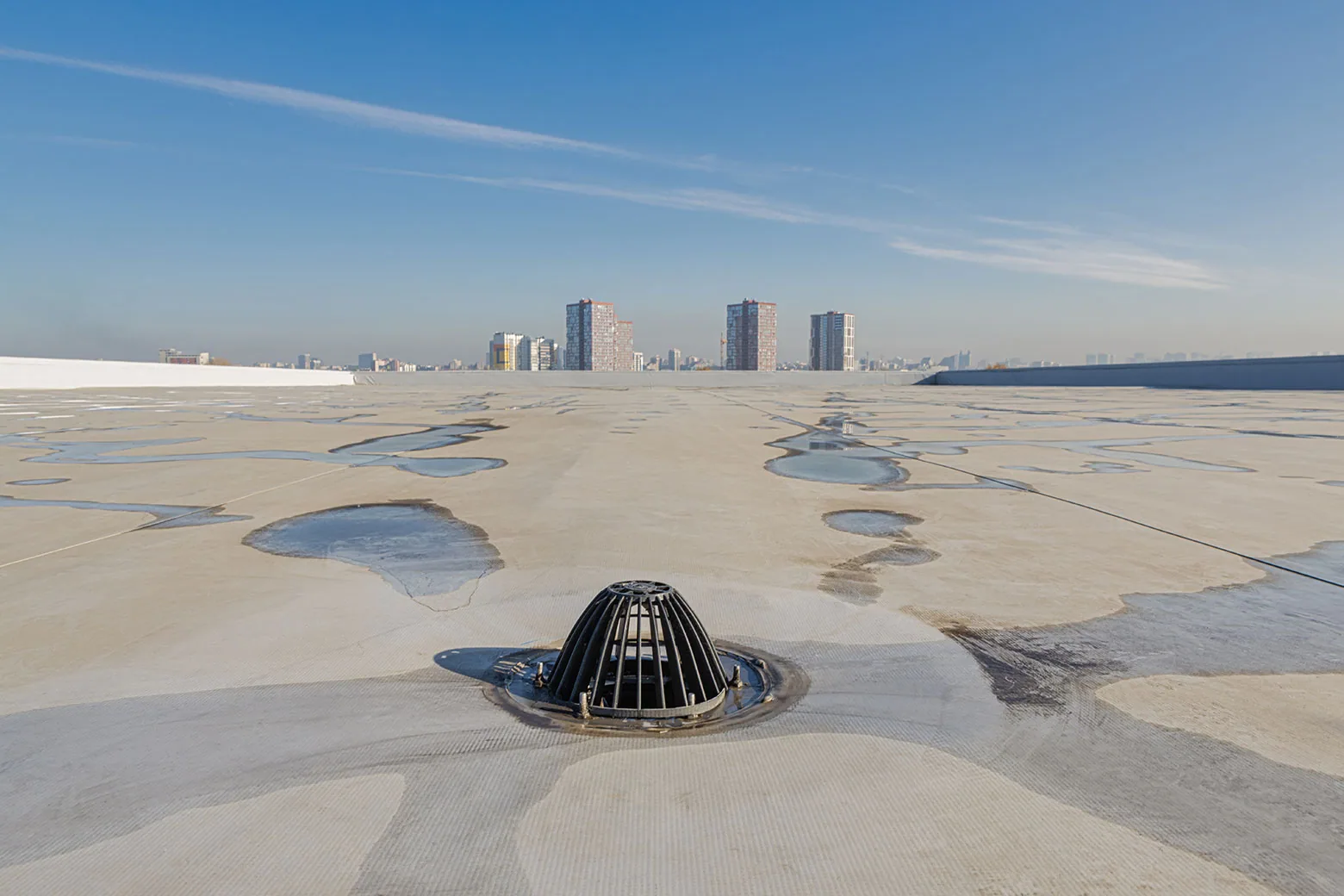
We inspect outlets, strainers, scuppers, overflows, gutters, downspouts, and low points, then mark where water leaves the roof. A blocked outlet may need maintenance; ponding that continues after clearing may point to slope, insulation movement, or a damaged connection. Those findings belong in separate scope lines because the work and follow-up differ.
Seasonal rain and snow make outlet paths and safe access part of Carmel roof planning. We map overflows to entrances, parking areas, and public walkways. After a reported hail or wind event in Hamilton County, we inspect the roof for observed changes.
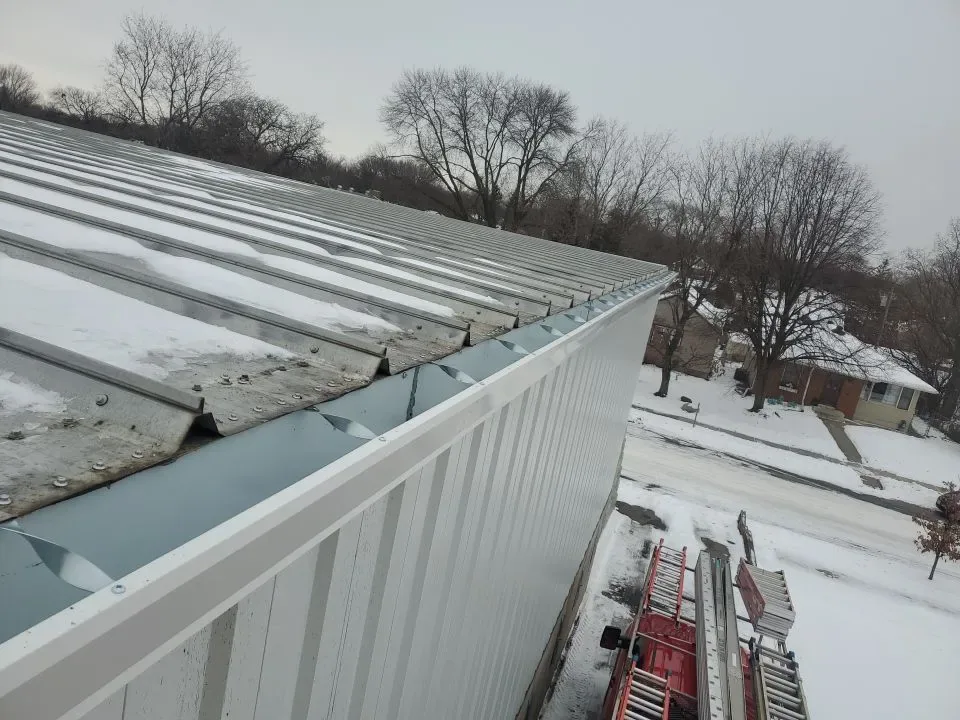
A drainage repair scope can separate cleaning from a connection or membrane correction. For edge details, metal and gutter work should state the exact length, material, and tie-in. The public owner can then compare a recurring maintenance task with a capital repair that addresses the underlying failure.
A single failed flashing, seam, or drain connection can be a focused repair when surrounding material remains serviceable. We show the preparation, material, tie-in, and interior protection. If repeated failures or confirmed wet insulation affect a broader area, we measure the section and compare renewal. Public funding benefits from that distinction: urgent protection, testing, and capital replacement remain visible as separate decisions.
An overlay is viable only when the existing layers, attachment, deck, drainage, and perimeter can support another assembly. We show what would remain in place and what must be removed. A recover review and a tear-off scope set out different quantities for insulation, cover board, metal, and disposal, along with the entrance controls each phase requires.
A city or county may manage a varied portfolio. Property management records can provide a useful asset-level structure, and insurance restoration documentation may matter when a covered storm loss is involved. The underlying inspection and quantities still belong to the public building being scoped.
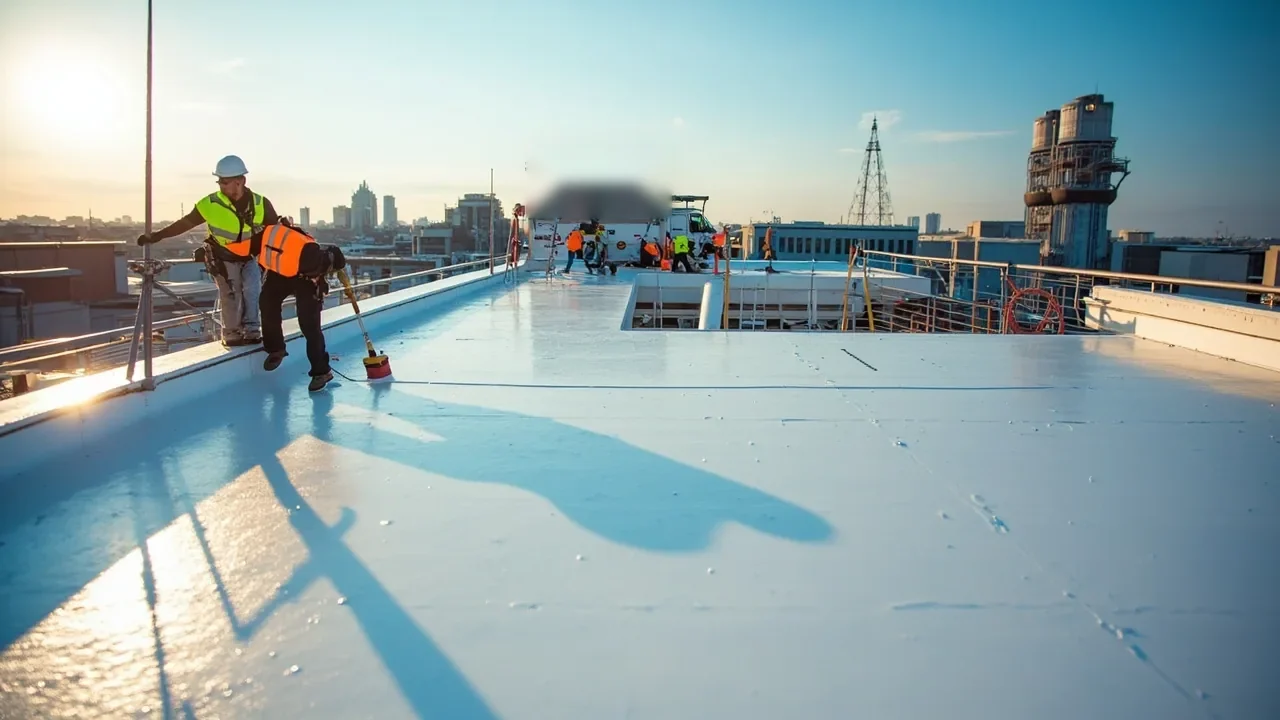
Closeout should include the marked roof plan, photos, materials, repair boundaries, exclusions, test results, inspection records, and unresolved items. Staff can then see what was completed, what was not accessed, and when the next check is due. If operations require work outside public hours, the record can also preserve route changes and the contacts who approved them.
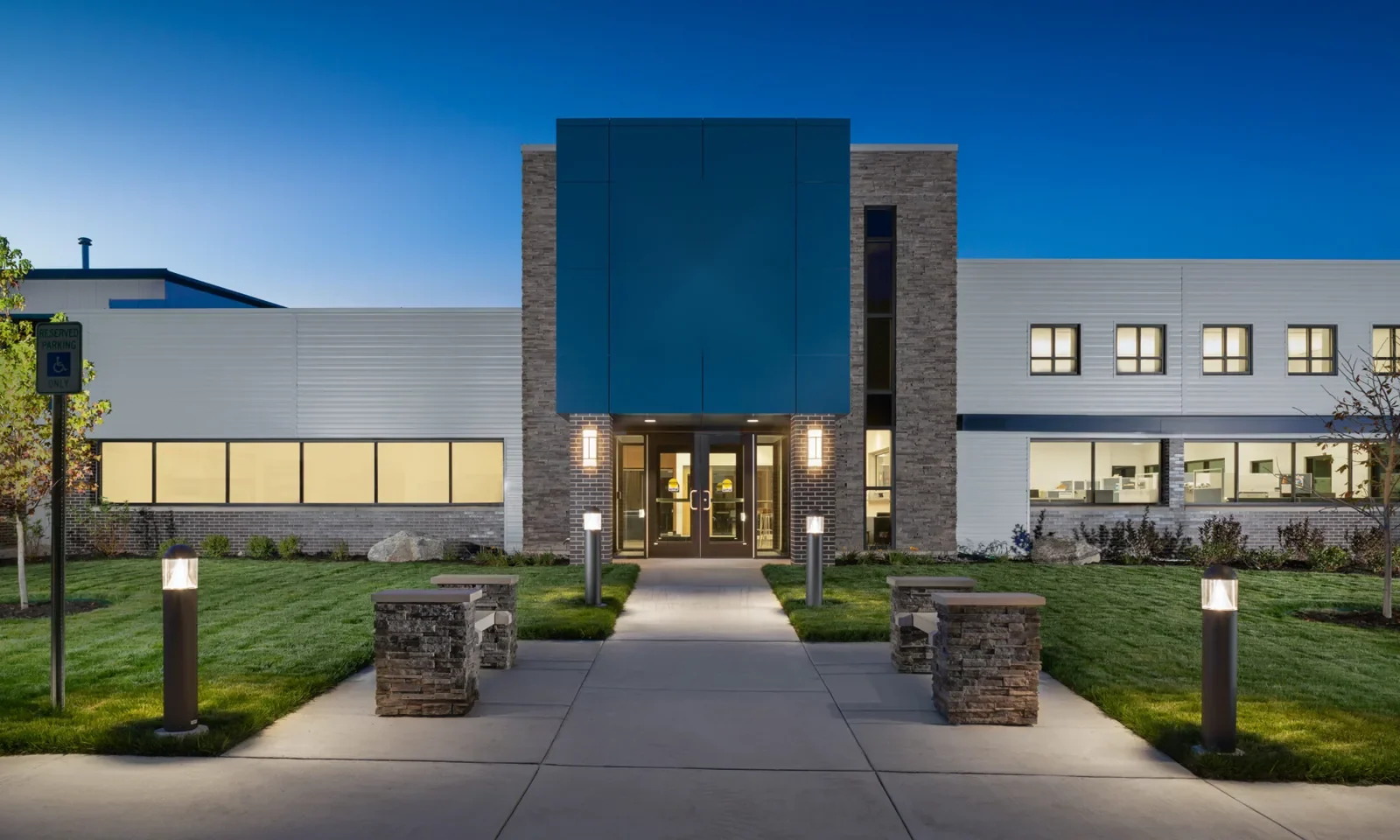
Carmel Meridian / U.S. 31 is an employment corridor, while City Center offers mixed-use development with offices, retail, housing, and public parking. A regional public owner may manage sites with very different functions. At Carmel City Center, access patterns vary by property. The building file should hold each facility's hours, access points, and drainage map.
Share the facility list, roof records, service calendar, procurement timeline, and access rules. We can prioritize buildings, identify immediate protection, and prepare measurable scopes with clear assumptions. A well-structured closeout makes the next budget or audit review easier because each line points back to a condition the team can locate. It also gives future staff an inspection date, a maintenance action, and a reference point for checking recurring leaks.
List roof sections, materials where known, measured quantities, access controls, tests, permits, temporary protection, exclusions, and closeout requirements. We state which items are confirmed and which remain allowances.
Carmel's Building Safety Office reviews permits and inspects work under adopted codes. We confirm which steps apply to the actual project and place them in the schedule.
Often, if entrances, accessible routes, service counters, and daily dry-in can be protected. We coordinate closures and staging with the facility contact before work begins.
We identify the test location and state how its result could change removal or repair quantities. That keeps an unresolved condition distinct from confirmed scope in bid review.
Keep photos, marked plans, approved materials, inspection records, exclusions, test results, and follow-up dates with the building file. Those items support maintenance and later procurement.