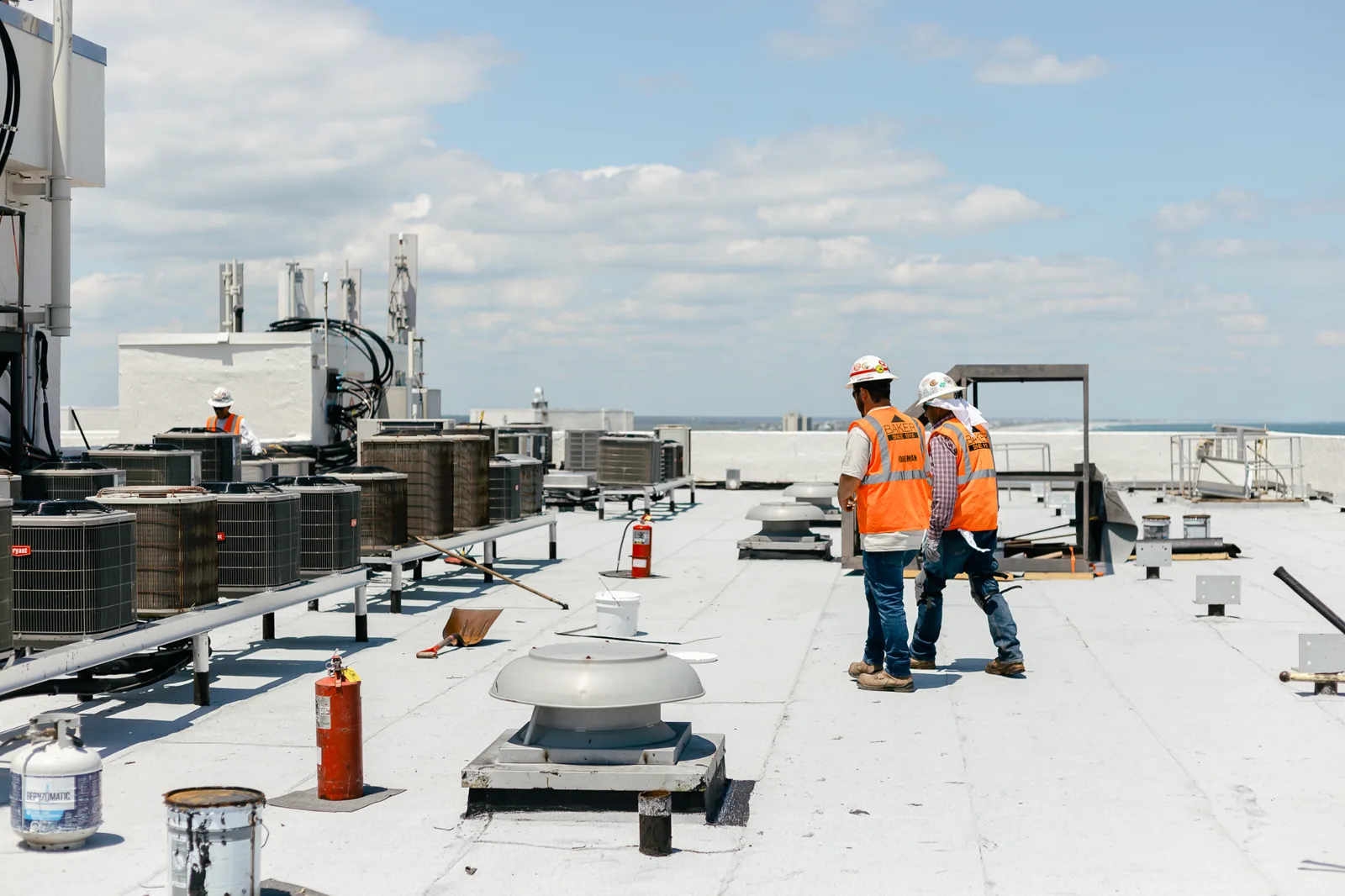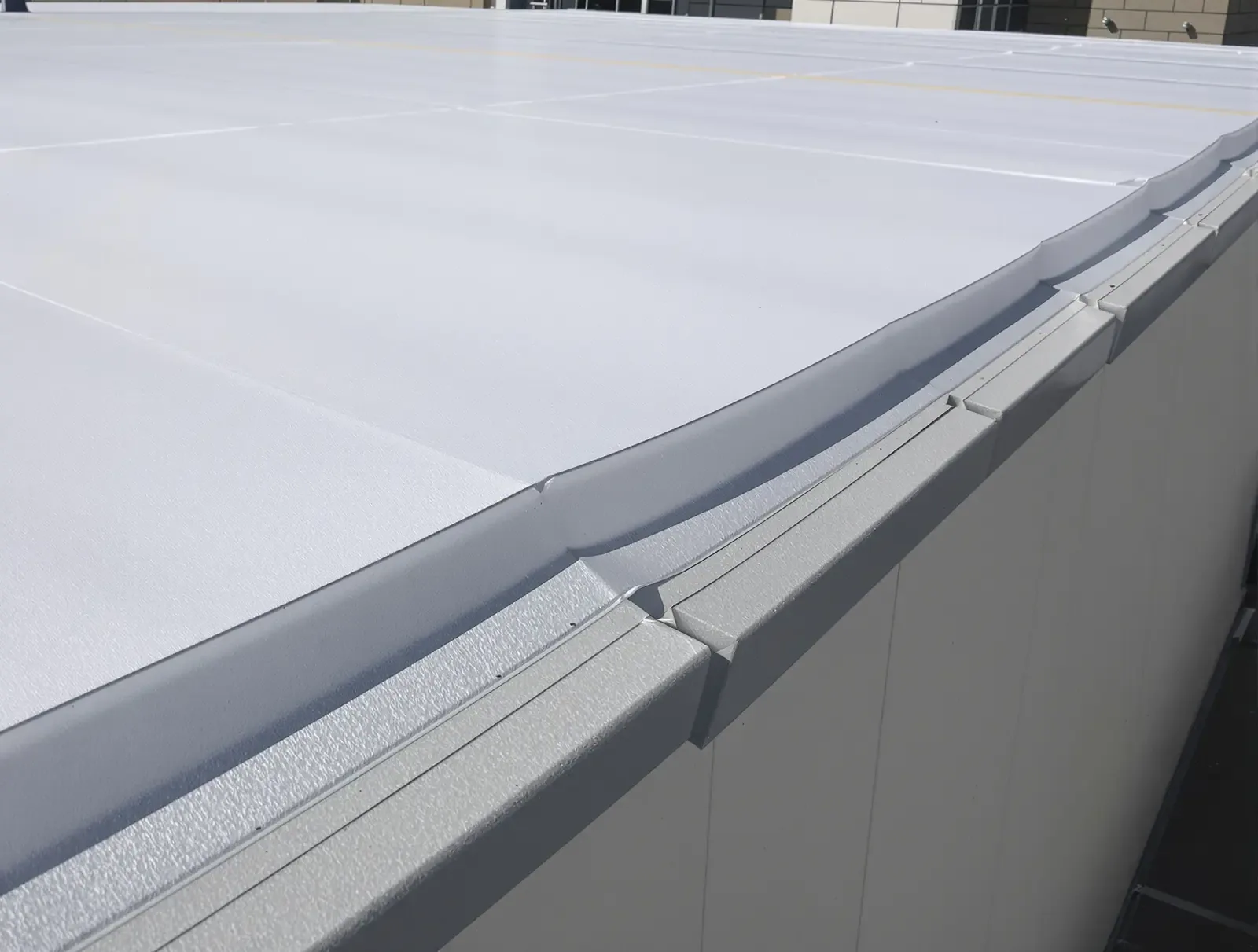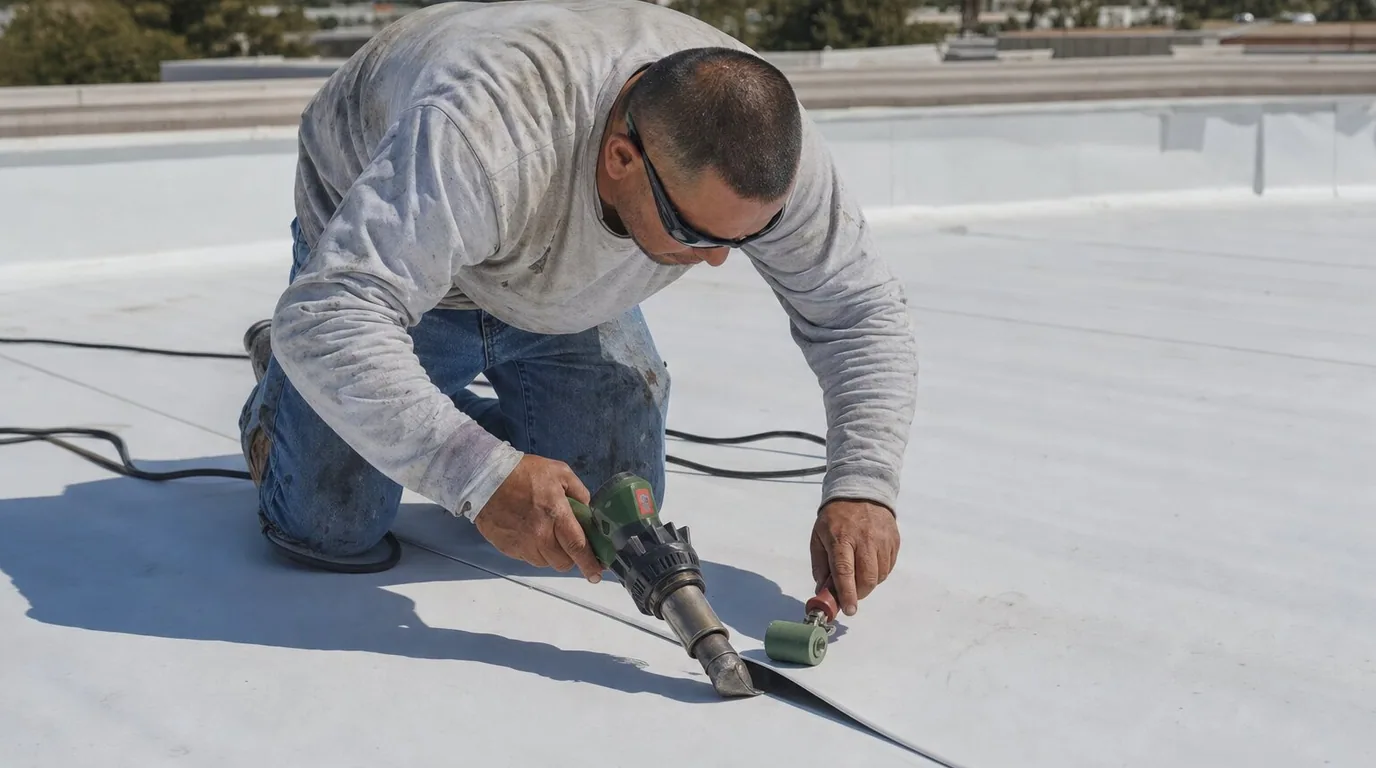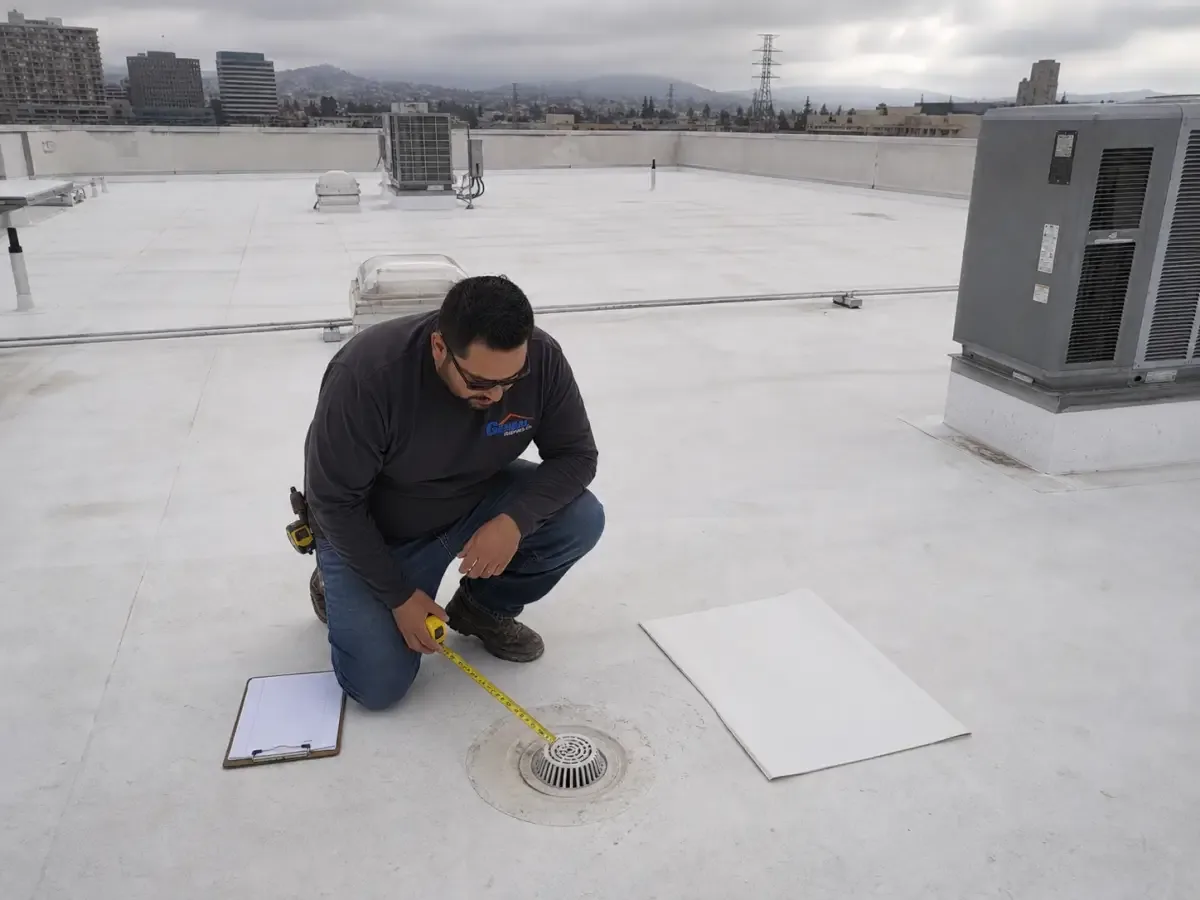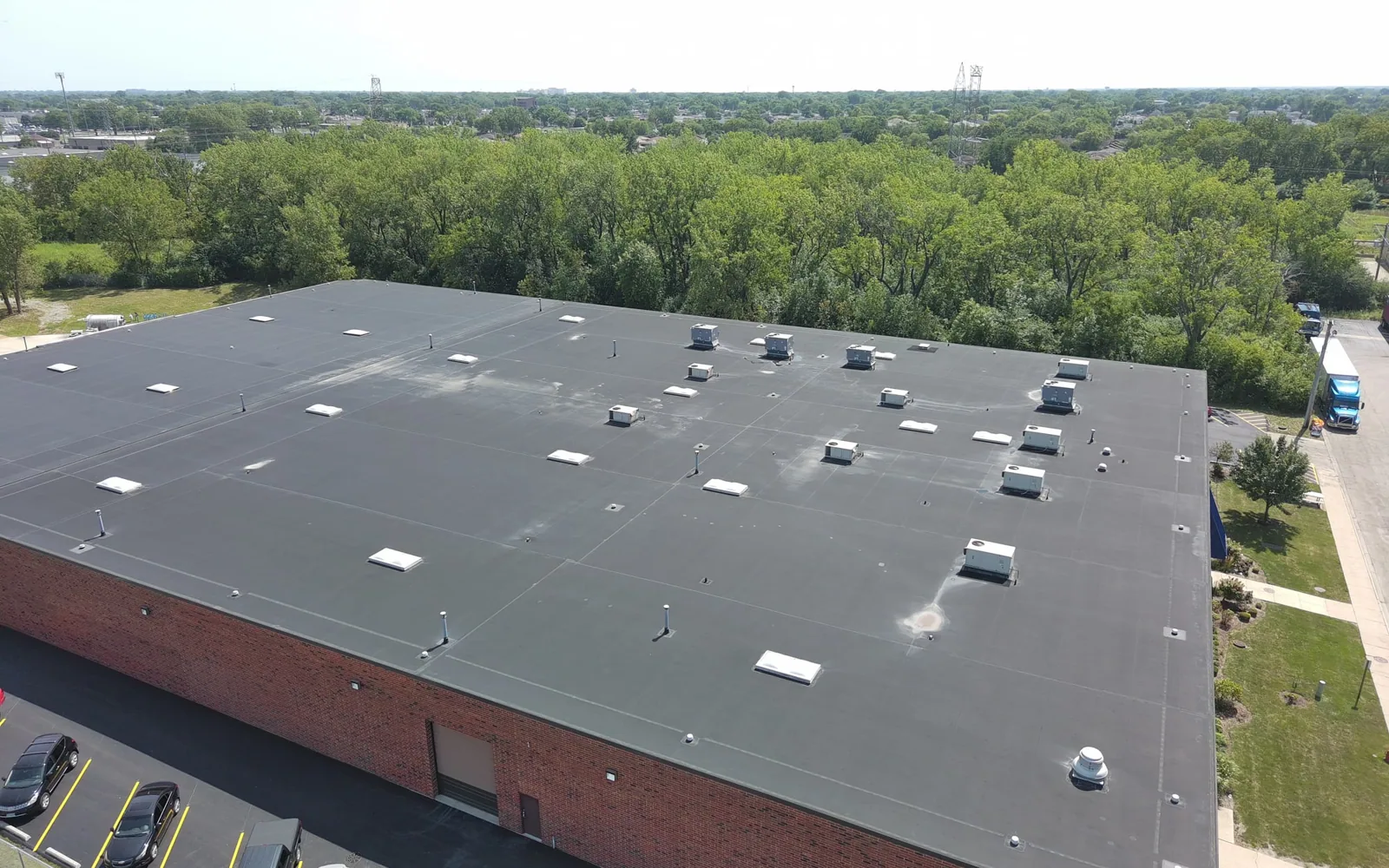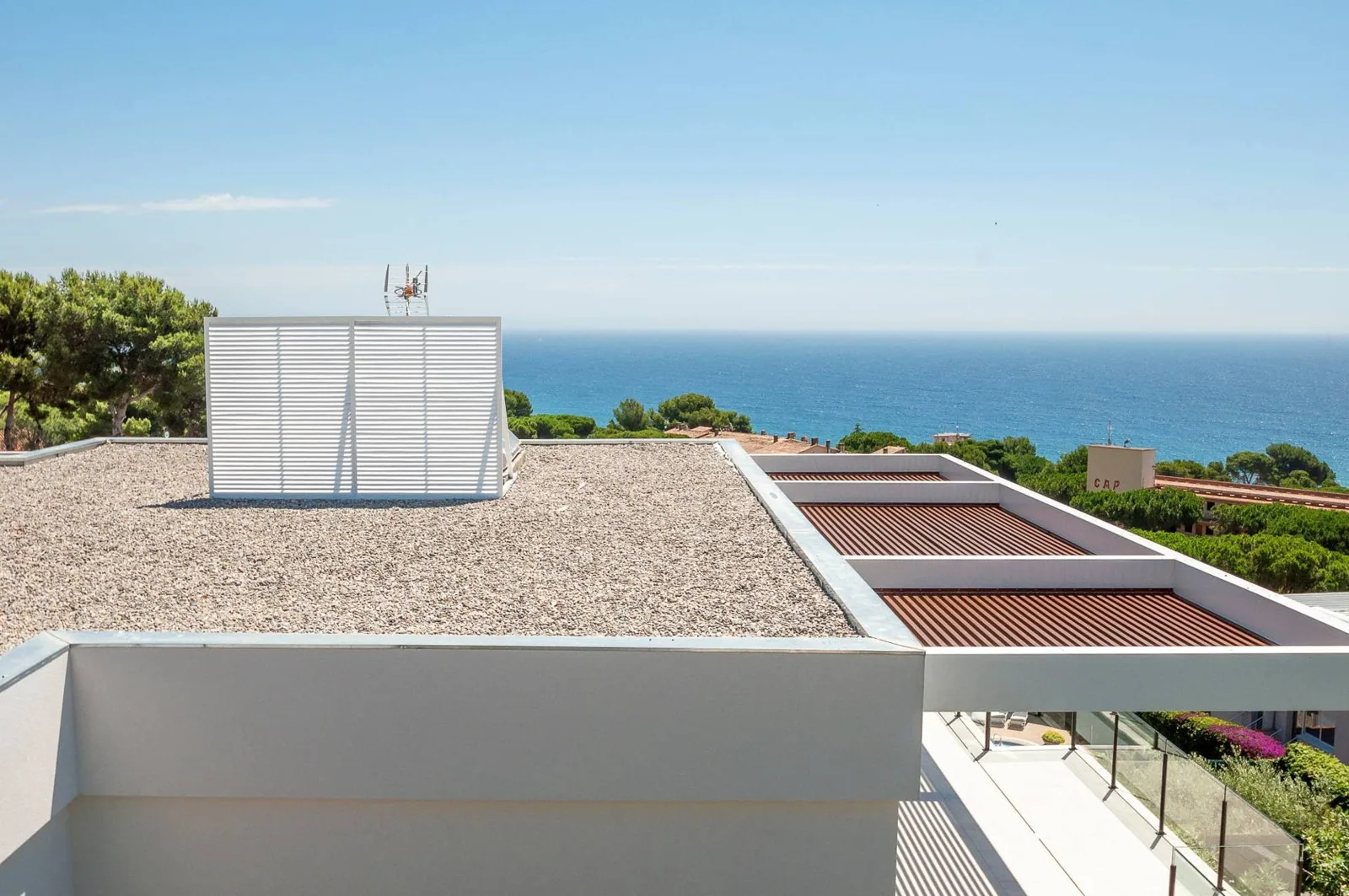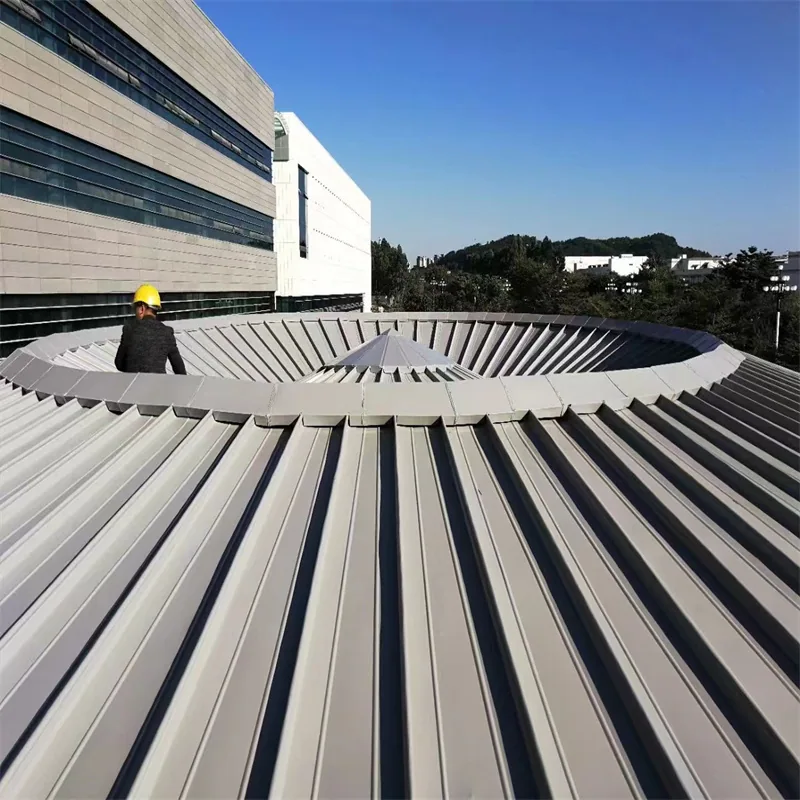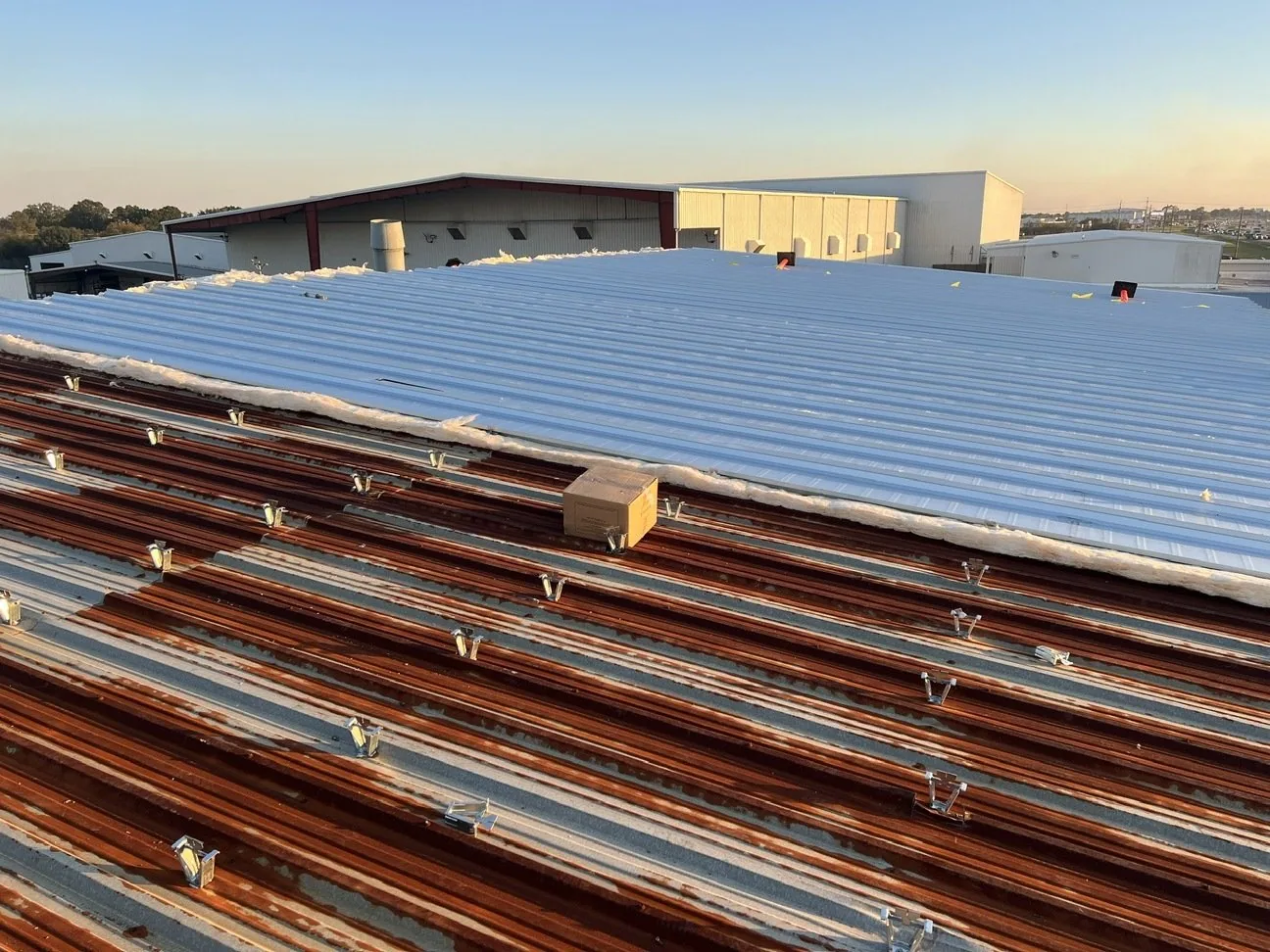
The right roof system is the one that fits the deck, drainage, building use, and capital window. Our Carmel crews install, repair, and maintain low-slope membranes, built-up roofs, standing seam metal, retrofit systems, and fluid-applied coatings. A site walk establishes what is present before we recommend a tie-in or replacement. We check seams, flashings, insulation, edge details, equipment, and any areas where moisture could change the scope. Start with TPO, PVC, or EPDM when comparing common membrane assemblies.
Membrane thickness alone does not decide a system. Attachment, insulation, deck condition, drainage, penetrations, and service traffic all matter. We review the existing roof plan and repair record, then verify the assembly at the roof. Single-ply options include KEE as well as TPO, PVC, and EPDM. Each system has its own material characteristics and compatible details, so we specify the repair or tie-in around the existing membrane rather than treat every white roof as interchangeable.
Modified bitumen and built-up systems use different layer construction from single-ply membranes. Standing seam metal and retrofit metal systems call for close attention to panel movement, fasteners, transitions, and edge attachment. We can review modified bitumen, built-up roofing, standing seam metal, and metal retrofit against the building’s condition and use. The estimate identifies removal, insulation, deck repair, edge work, and equipment coordination separately.
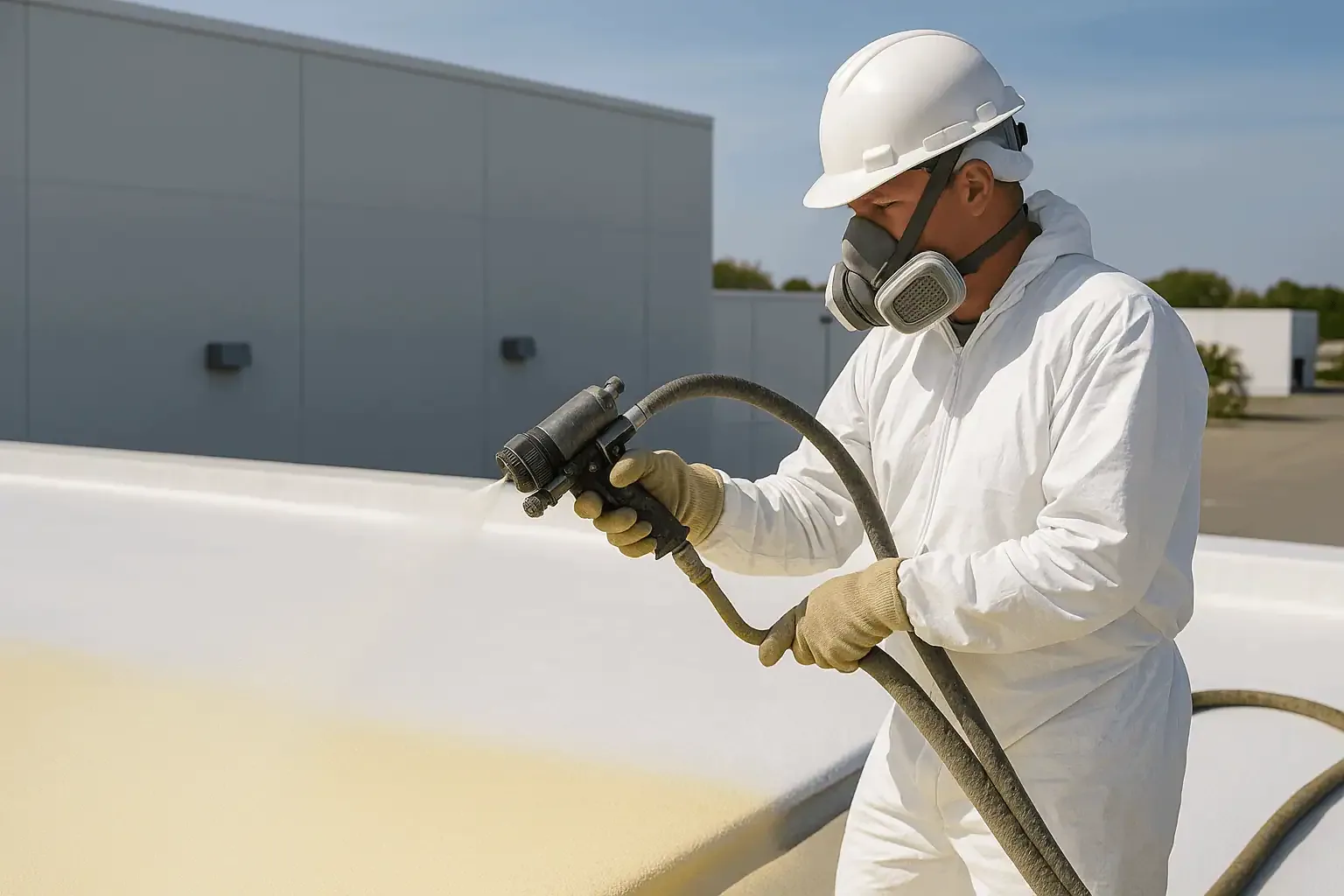
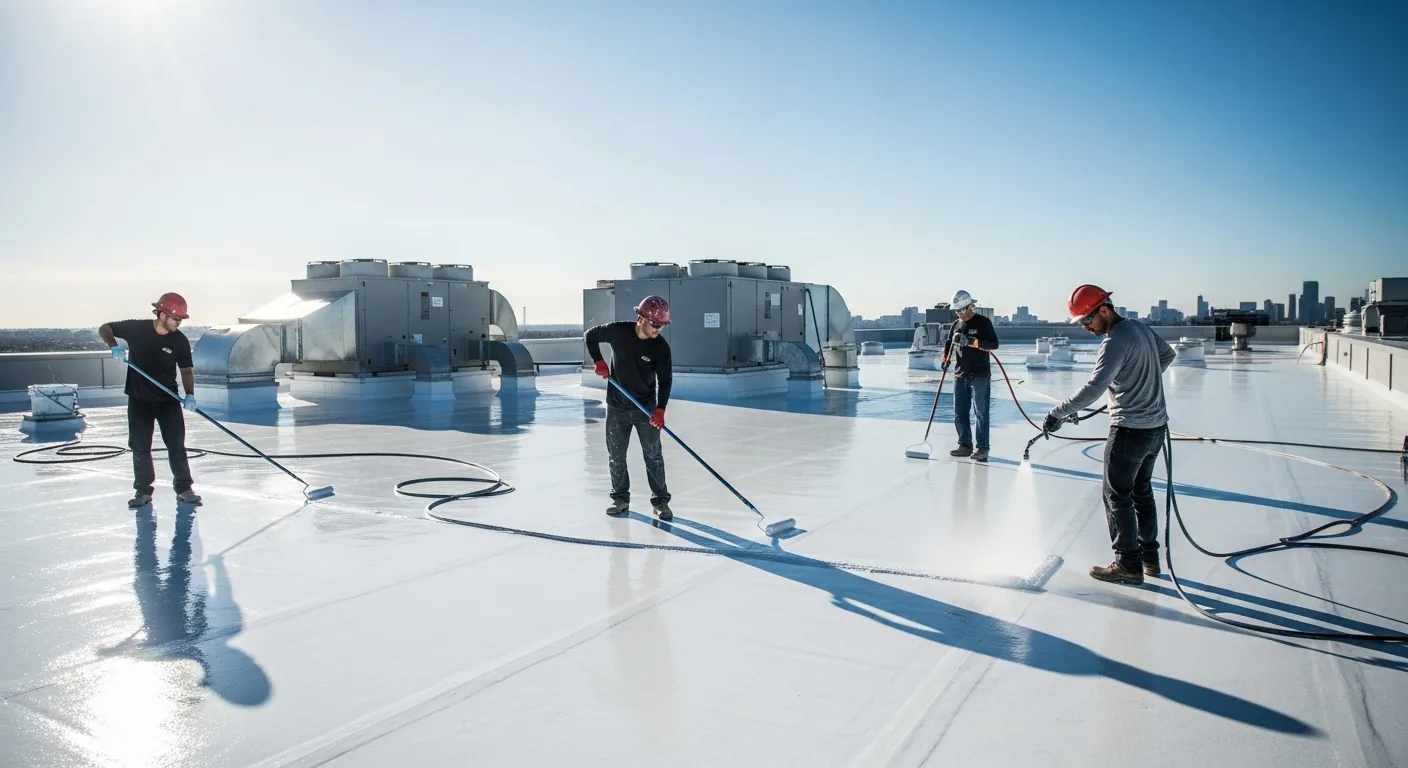
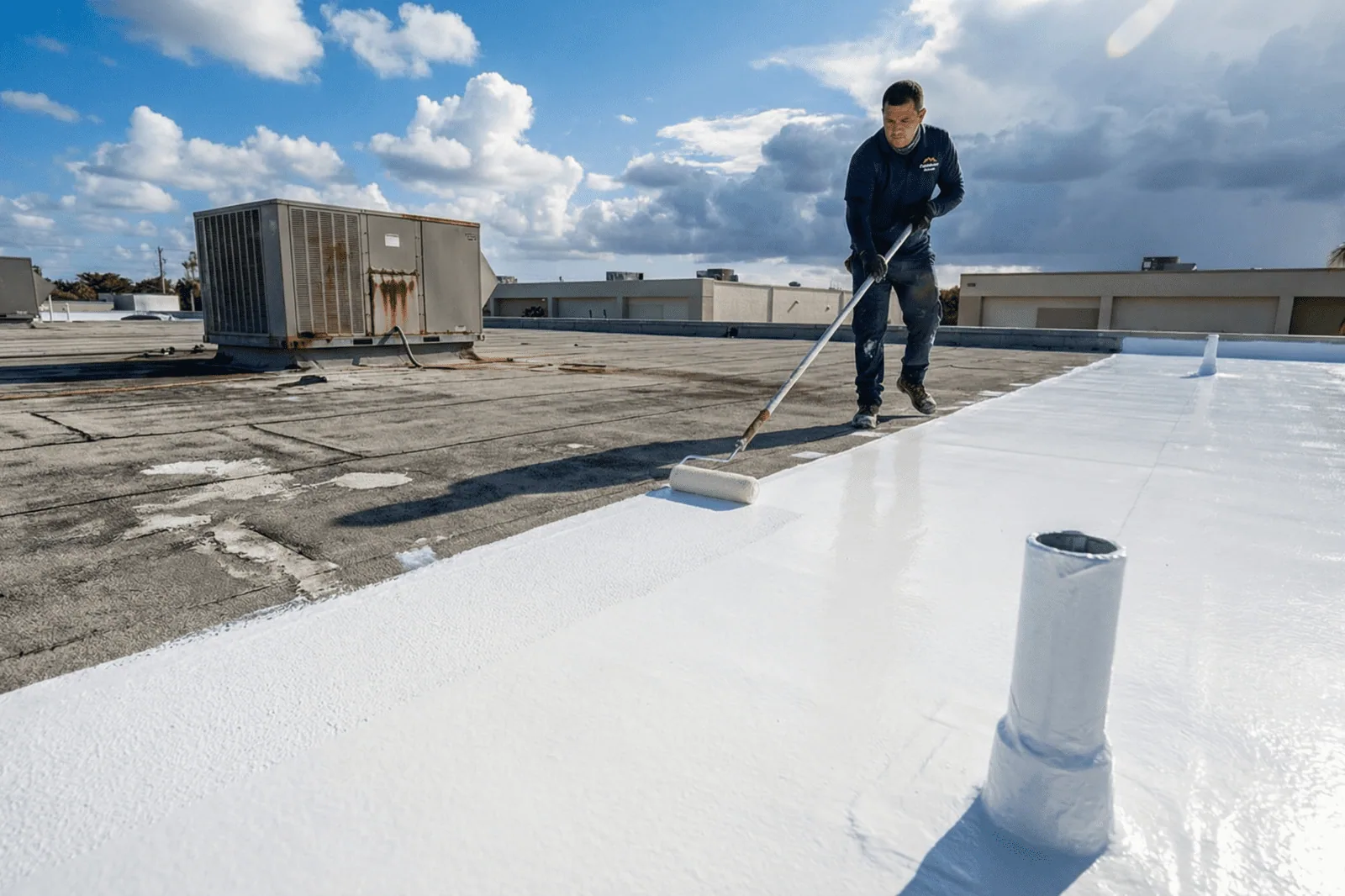
Coatings and spray foam are not shortcuts around a roof inspection. The surface must be prepared, compatible, and dry enough for the proposed system. We check adhesion, seams, penetrations, insulation, and drainage before recommending silicone coating or spray polyurethane foam. If moisture or attachment problems extend beneath the surface, a coating alone will not correct the assembly. Winter snowfall and recurring precipitation make drainage paths and low areas important parts of a Carmel roof assessment. We inspect how the existing system moves water before recommending a coating or foam application.
Closeout should state the installed assembly, material details, repair locations, photos, and maintenance items. That record helps a manager compare future inspection findings and plan compatible repairs. We work across the U.S. 31 and Meridian corridor, Carmel City Center, and other commercial areas, but each roof receives its own condition record. A commercial roof inspection can establish the next decision before repair or replacement quantities are set.
Sometimes. We check the deck, existing layers, moisture, attachment, transitions, and added load before comparing recover with tear-off and replacement.
No. Each membrane has material-specific seams and compatible repair methods. We identify the installed system and use details suited to it.
The existing roof must be dry, well attached, and suitable for preparation. Wet insulation, failed seams, or unresolved drainage may require assembly repairs first.
Measured roof area, removal, insulation, deck repair, edges, penetrations, access, staging, and occupied-space protection all affect the scope.