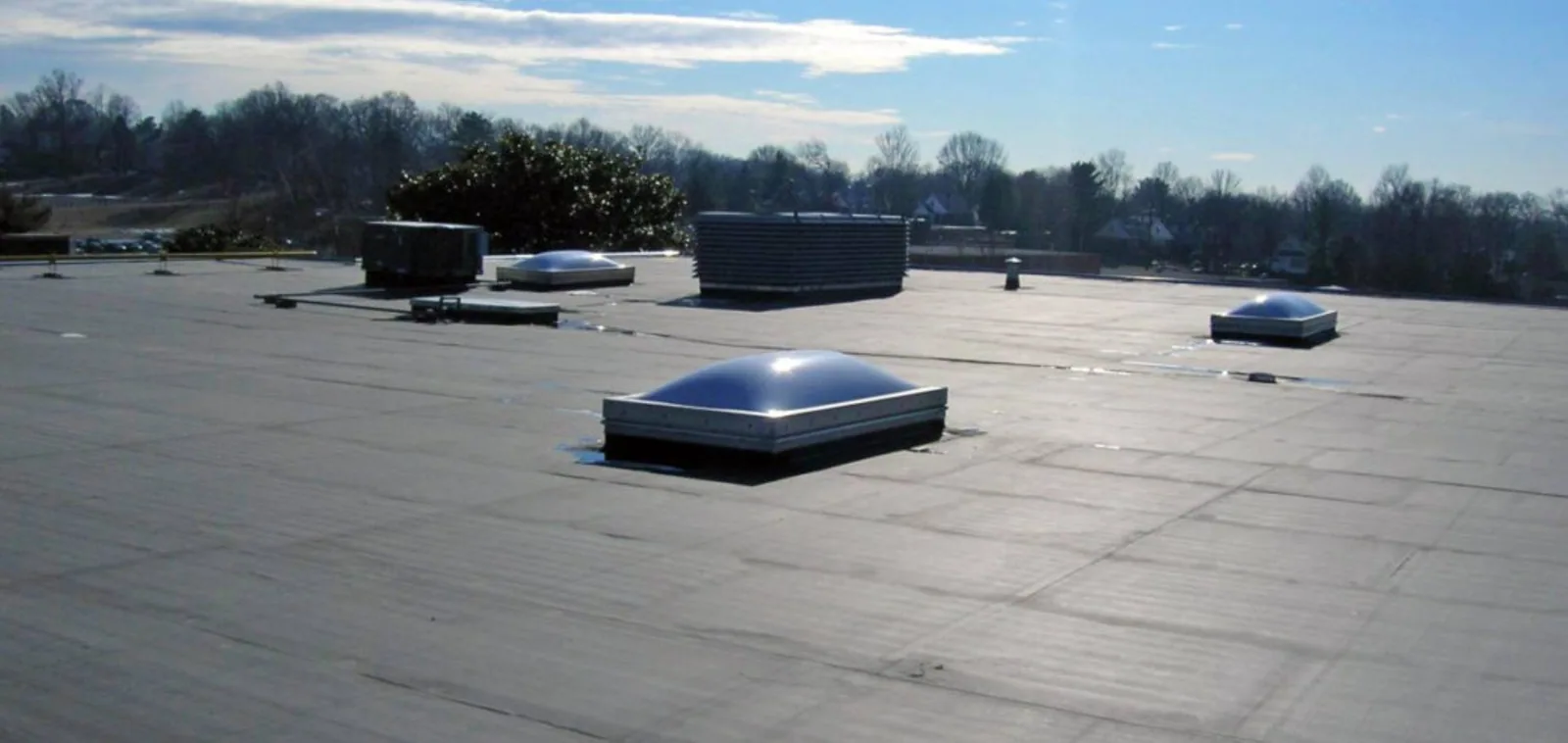
A roof coating project starts with the question of whether the existing surface can hold a new layer. Acrylic coatings can be a fit for some prepared roofs with positive drainage, but prolonged ponding, wet insulation, or loose material may rule them out. We inspect the substrate, seams, drains, flashings, and prior repairs before recommending restoration. Carmel's precipitation and winter conditions make drainage and application timing part of the decision. A building near Clay Terrace may require a different access plan than an office campus, but coating suitability comes from the roof itself. A commercial inspection gives us the evidence for that call.
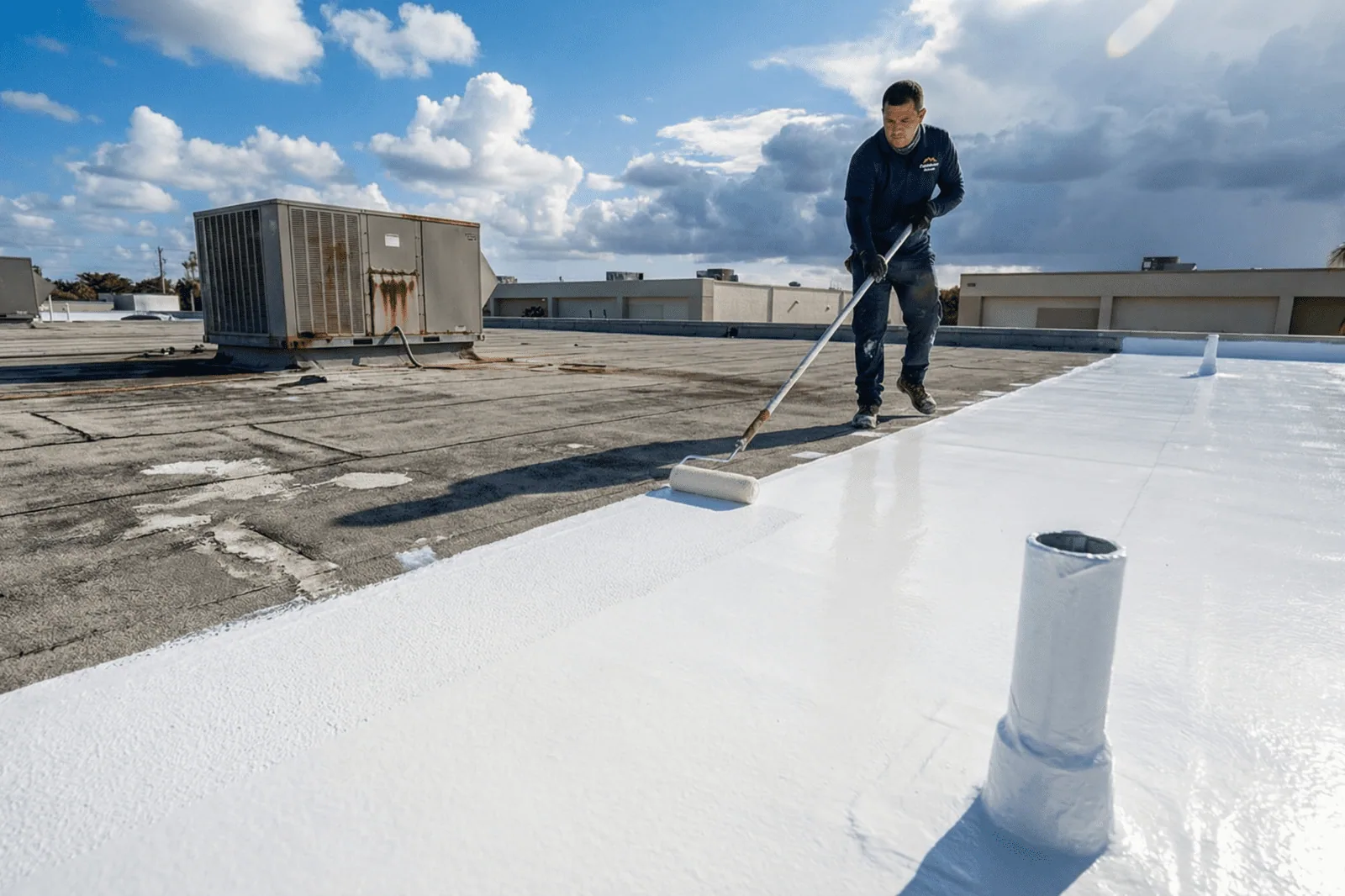
Acrylic roof coating is a liquid-applied layer that cures over a prepared substrate. Product formulations and approved surfaces vary. We identify the current roof and coating, inspect the adhesion, and check whether the roof drains rather than holding water for extended periods. If the existing surface is chalked, oily, wet, or incompatible, it needs preparation or may not be a coating candidate.
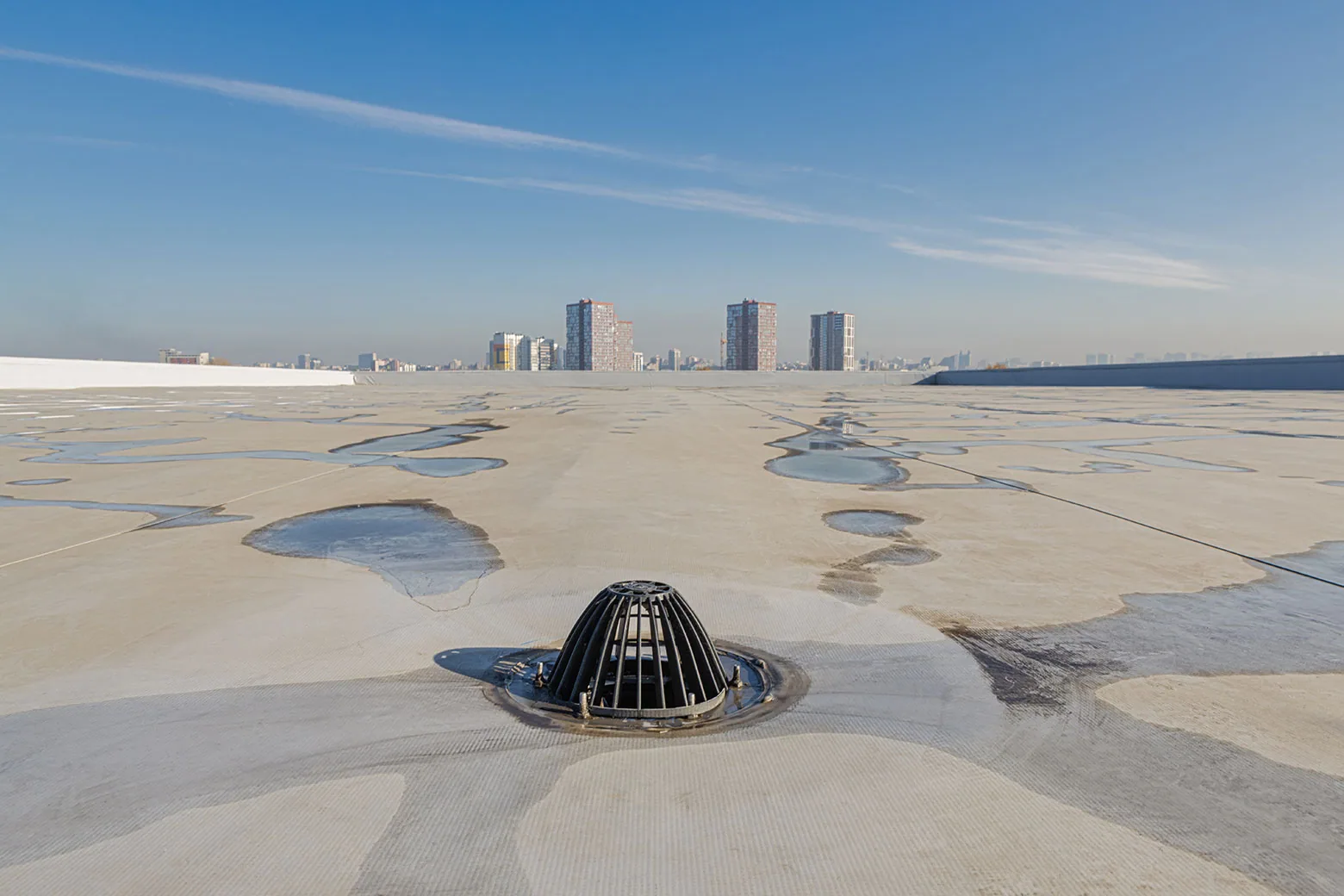
Positive drainage matters. We walk low points, drains, scuppers, and overflow routes to see whether water leaves the roof as intended. A coating may renew weather protection, but it does not automatically correct slope, repair failed insulation, or secure loose metal. We measure ponding locations and distinguish cleaning from structural or drainage work before estimating coating quantity.
For suitable roofs, we compare acrylic with silicone coating or SPF roofing. Water exposure, surface type, UV, traffic, maintenance, and installation conditions affect the comparison. We state product limits and preparation separately, since two bids using the word “coating” may include very different repairs and film builds.
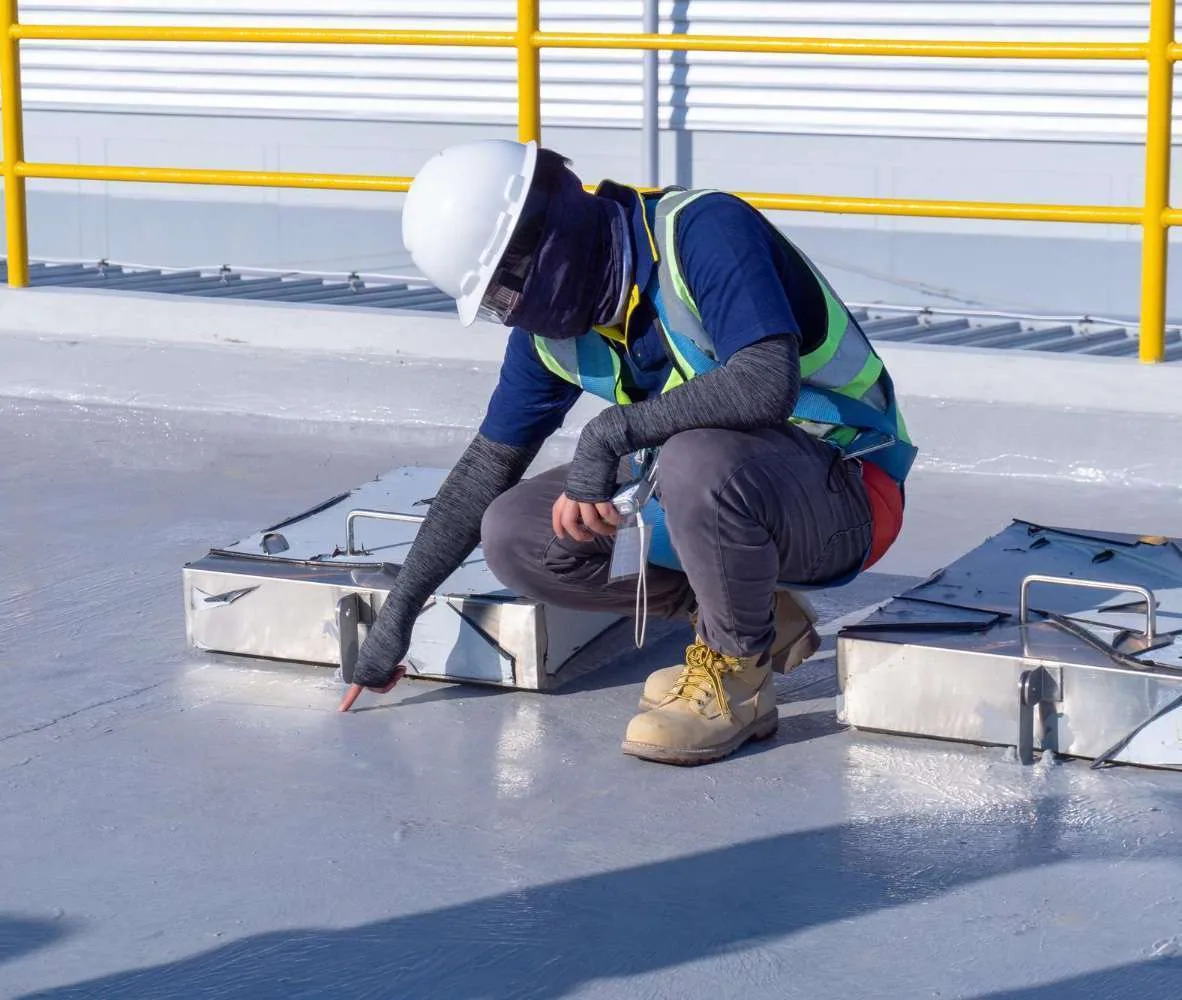
We check seams, laps, blisters, punctures, exposed reinforcement, and previous coating edges. Loose or peeling material must be addressed before another layer is applied. At roof transitions, we inspect curbs, pipes, skylights, parapets, and edge metal for openings or movement. A coating can reinforce some details when the product system specifies it, but it should not cover a failed flashing or hide a wet assembly.
Adhesion testing can show whether the proposed coating bonds to the existing surface. We select test locations that represent the roof, document the preparation used, and allow the test to cure as required. If there is more than one existing material, each may need evaluation. A small successful test at a clean corner does not prove that the entire roof is ready.
Moisture concerns need separate checking. We compare interior leak history with surface symptoms, low areas, and repairs. If insulation may be wet, targeted openings or an infrared moisture survey can help locate areas for confirmation. We do not include assumed wet insulation as measured damage; the proposal identifies where testing or removal may change scope.
Drains determine whether acrylic is being applied to a roof that sheds water or to a persistent pond. We inspect bowls, strainers, scuppers, overflows, and the slope leading to each outlet. Clear debris and check whether water leaves within the expected path. If a drain is damaged, the repair needs to be completed before the coating is applied around it.
Indianapolis averages a 20.9-degree low in January, 43.63 inches of precipitation, and 25.5 inches of snowfall annually. That seasonal range makes dry-surface checks and application timing important; we inspect the actual roof and avoid coating over wet surfaces or unresolved low spots.
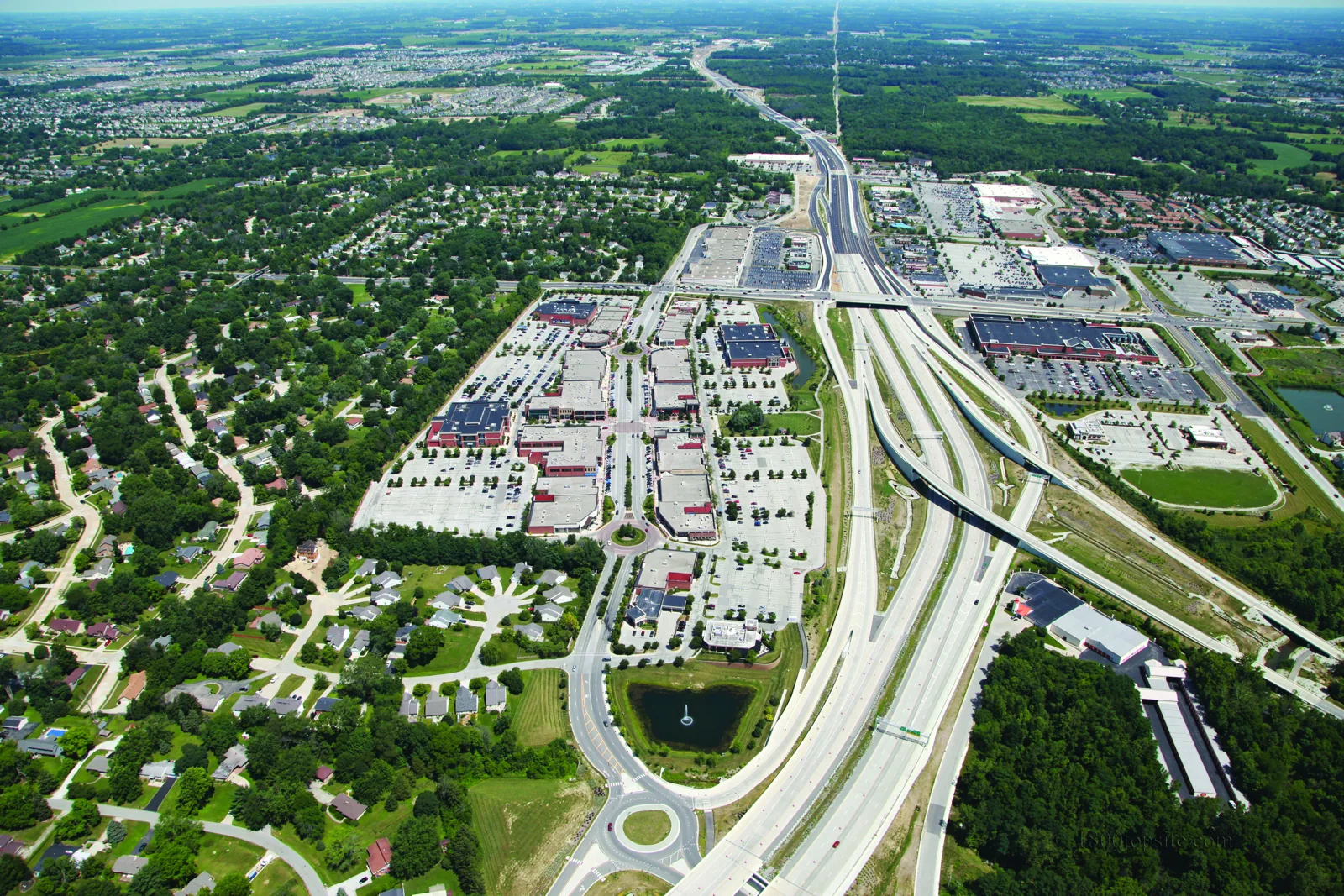
At Carmel Midtown and Parkwood Crossing, commercial buildings have different operating patterns and roof access. The coating scope still needs to identify each building's drain layout. If outlets need work, drain and scupper service can be completed as part of preparation. Where ponding continues after drain maintenance, a ponding-water assessment can address slope and assembly questions.
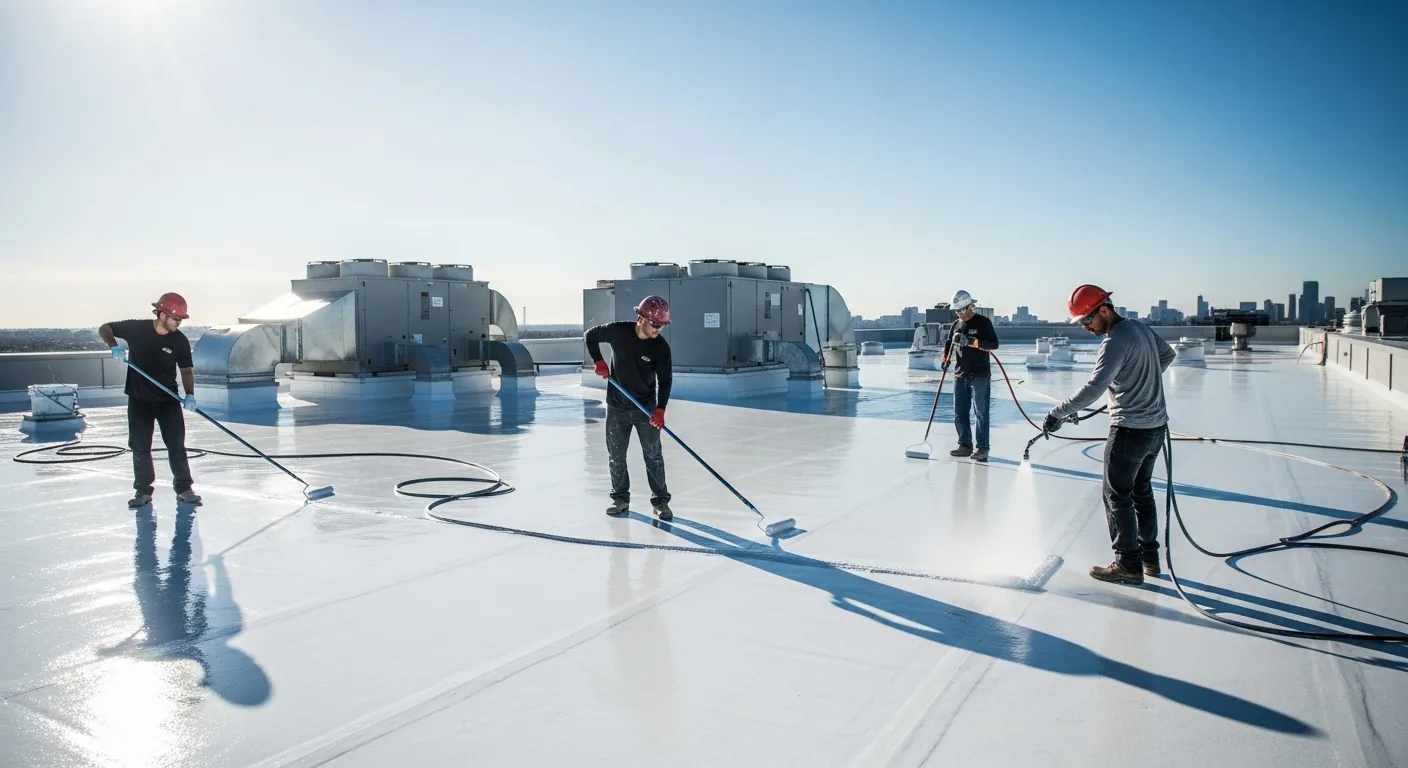
A coating proposal should show roof area, existing surface, preparation, repairs, primer, reinforcement, product, and target application. We record the required dry film thickness and number of coats according to the selected system. Edges, penetrations, and drains may need additional material or detail work. The owner can then compare quantity and preparation rather than relying on a broad per-square-foot figure.
When the substrate is not sound, removal or replacement may be the better path. Wet insulation, delaminated membrane, corrosion, or a weak deck can make coating inappropriate. We describe test results and separate confirmed removal from potential concealed conditions. If the current roof cannot support another layer, a recover review or tear-off comparison can define alternatives.
Carmel's municipal code includes commercial building standards. We confirm the current permit review with Building Safety before a coating scope that changes drainage or assembly details. We include assumptions around surface preparation, access, weather, and drainage changes before materials are ordered.
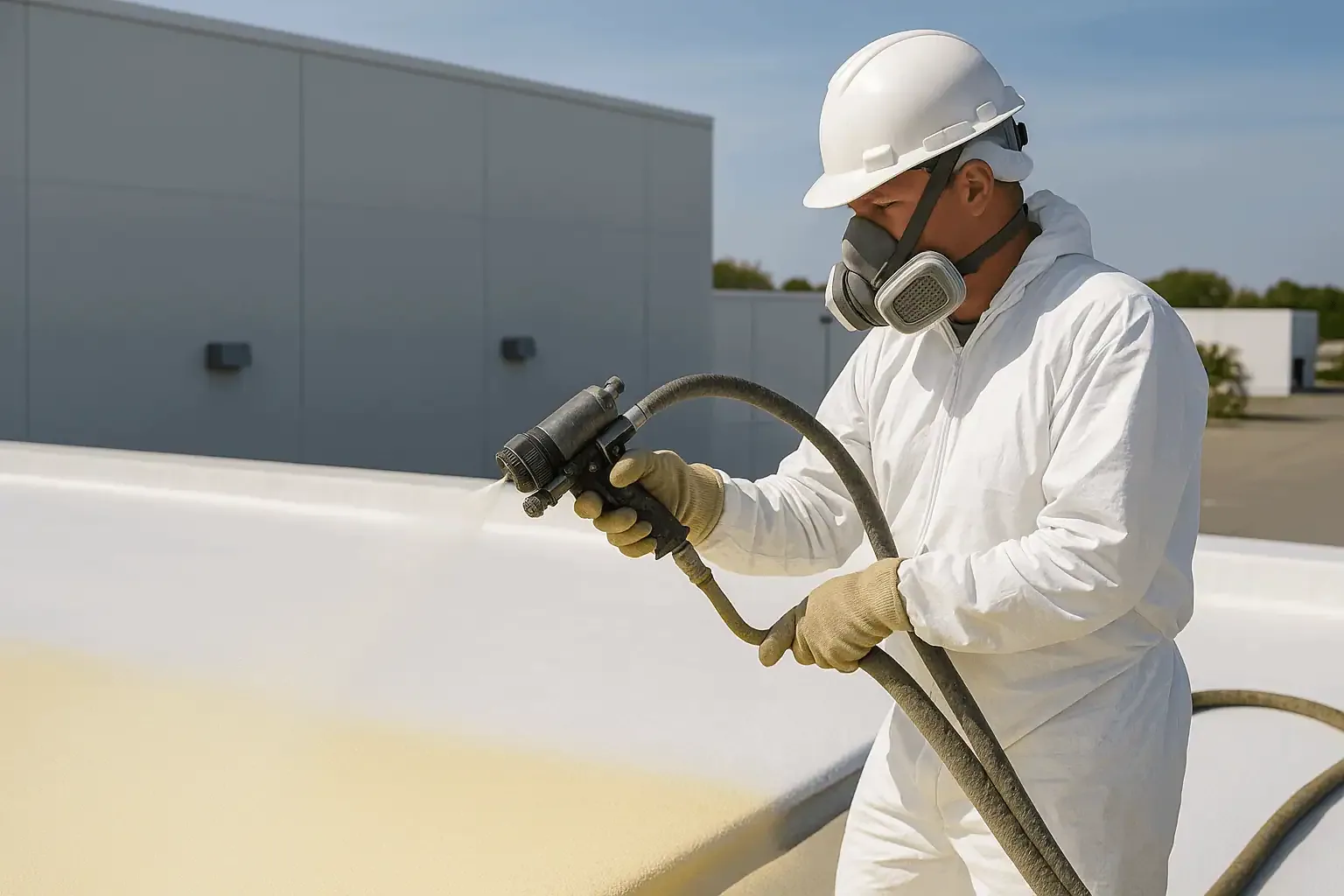
Acrylic application needs suitable surface and air temperature, low substrate moisture, and enough dry time for cure. Rain during the application or cure window can affect the result. We check the product requirements against the forecast and roof condition before coating begins. If weather changes, the crew should have a way to protect open repairs and stop at a clean transition.
Application can affect rooftop ventilation and nearby operations. We coordinate intakes, doors, equipment, and any required shutdown with the property manager. Spray or roller methods may have different containment and access needs. On a retail property at Clay Terrace, staging and customer paths should be planned before material delivery; on a private campus, tenant routes and service access may matter more.
Preparation often controls the schedule. Cleaning, drying, repairing, and testing the existing surface happen before the coating. If the test area fails, the owner needs a decision about another primer, further removal, or replacement. We list those checkpoints so a weather delay or compatibility finding does not get mistaken for completed scope.
Closeout should identify product, color, measured area, repairs, reinforcement, test locations, and excluded sections. Photographs of drains and details provide a reference for later inspection. A roof condition report can keep those observations with the building's maintenance record.
We note areas where coating wear, standing water, traffic, or repairs should be checked again. Carmel has varied commercial settings, from City Center and Midtown to office properties along Meridian. A common coating specification does not mean each building has the same maintenance needs. The record should identify the actual access and roof section for the next site walk.
Share previous coating details, roof plans, leak history, and capital timing. We can inspect the existing layer, test where appropriate, and provide a restoration or replacement scope with the repair boundary and application limits stated.
Acrylic systems generally need positive drainage and the product instructions govern allowable water exposure. We inspect the low areas and outlets before recommending this coating or comparing another system.
We identify the surface and perform adhesion testing when appropriate, using preparation representative of the planned work. Results help select primer, preparation, or a different renewal path.
The existing chemistry, condition, and bond need review. We test representative areas and remove loose or incompatible material before including a new coating layer.
A coating may be part of a repair after the entry point and substrate are understood. We inspect seams, flashing, drains, and moisture first, then separate leak correction from broad restoration.
The product, temperature, humidity, thickness, and drying conditions control cure time. We schedule the application around the manufacturer's requirements and verify conditions before starting.