A coating is only a sound renewal option when the roof below it can support another layer. Silicone may be considered where standing water is a concern, but it will not repair wet insulation, open seams, or a weak substrate by itself. We inspect adhesion, surface condition, drainage, flashings, and moisture before defining the coating area. For a building near Carmel Midtown, that means checking the actual roof and access plan, not relying on district context. A roof inspection can establish whether restoration is viable or replacement should be compared.
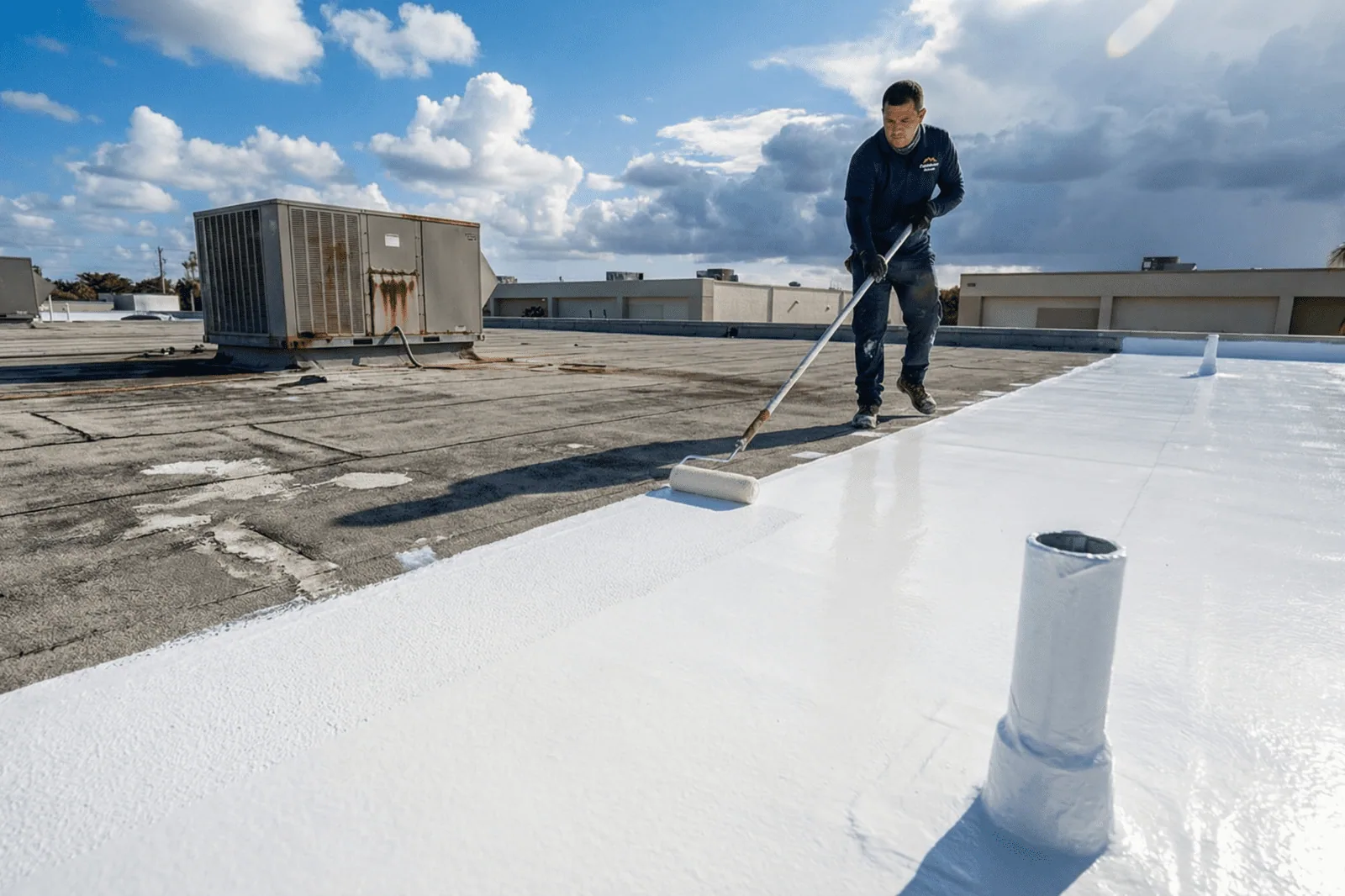
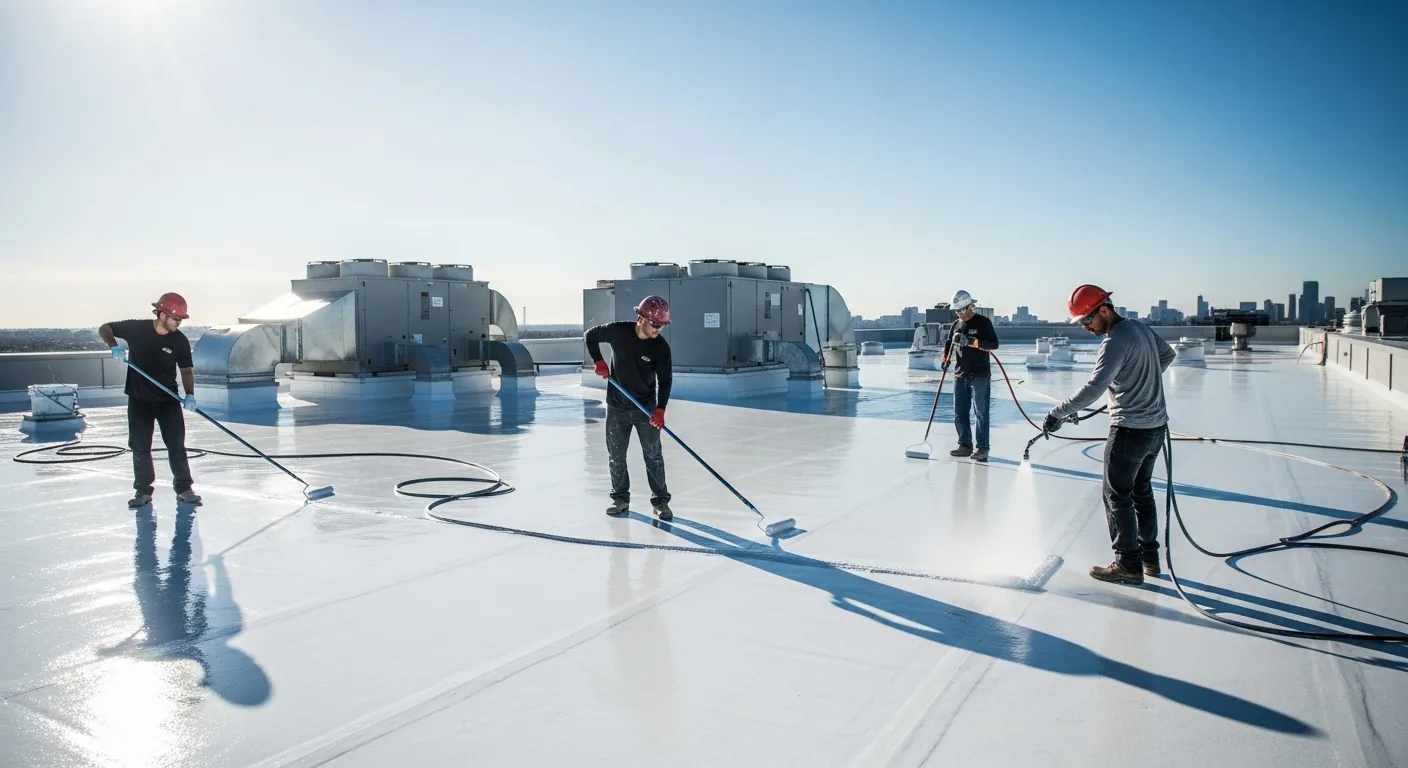
Silicone roof coating is a liquid-applied membrane that cures into a continuous protective layer. The existing surface must be clean, dry, stable, and compatible with the selected product. We identify prior coatings and repairs, check for loose material, and test adhesion when required. If the coating cannot bond to the substrate, adding more material will not correct the interface.
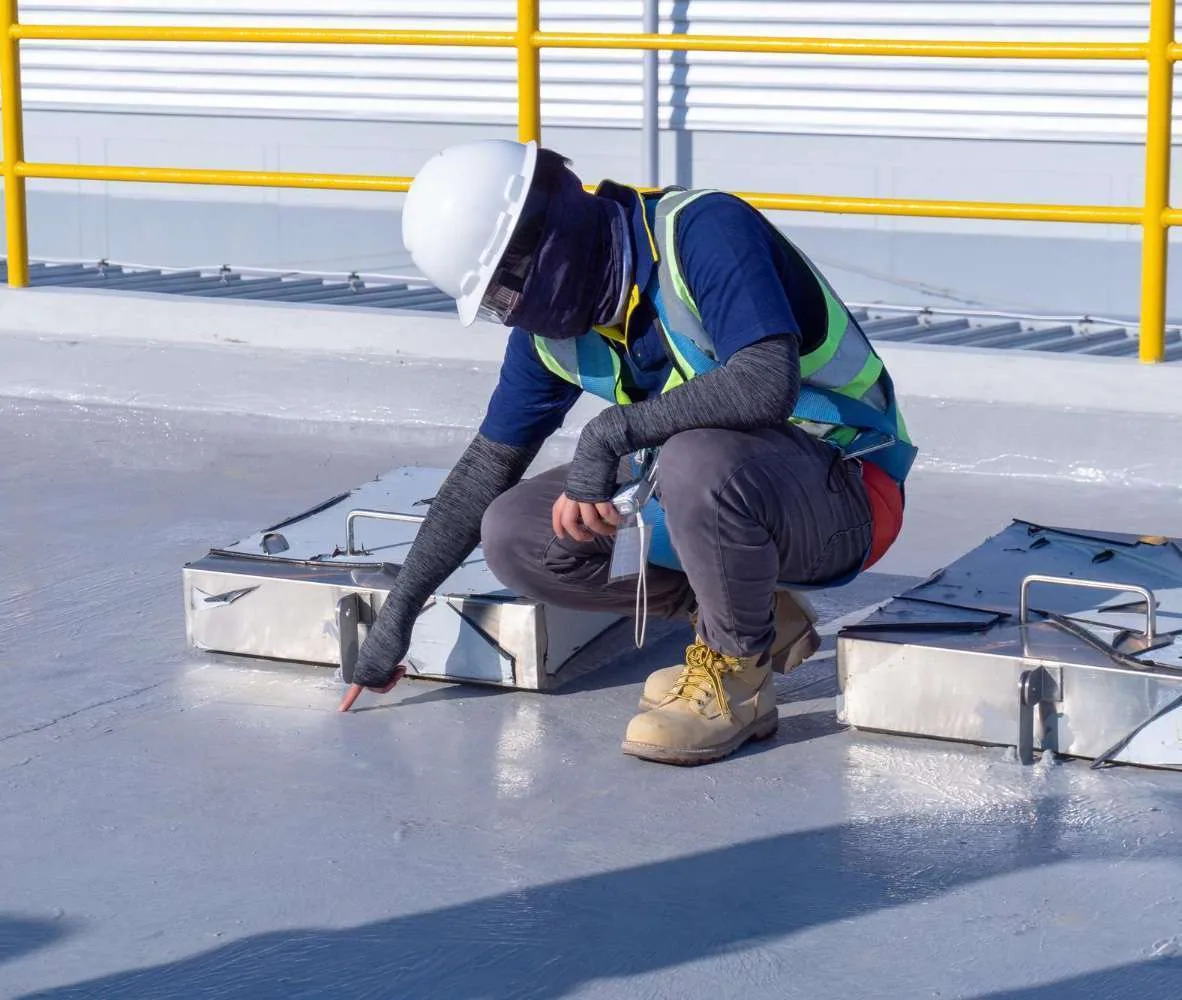
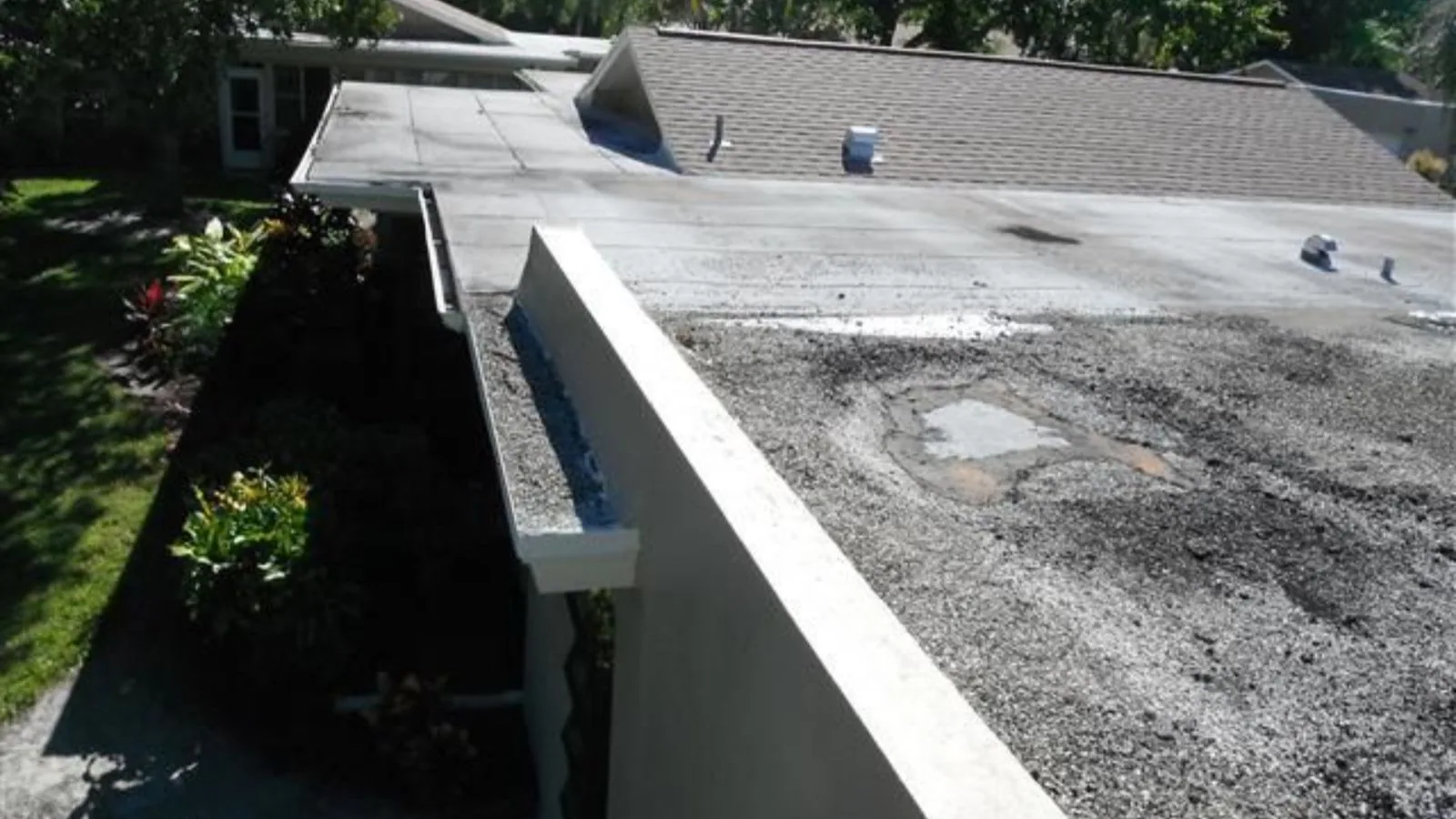
We inspect seams, blisters, punctures, cracks, and transitions before quoting restoration. Some details need reinforcement or a separate flashing repair; others require removal of wet or failed material. We distinguish surface wear from a deeper assembly problem and note where a core or other test is needed. The scope should include preparation, repairs, primer, reinforcement, coating quantity, and the surface conditions required for application.
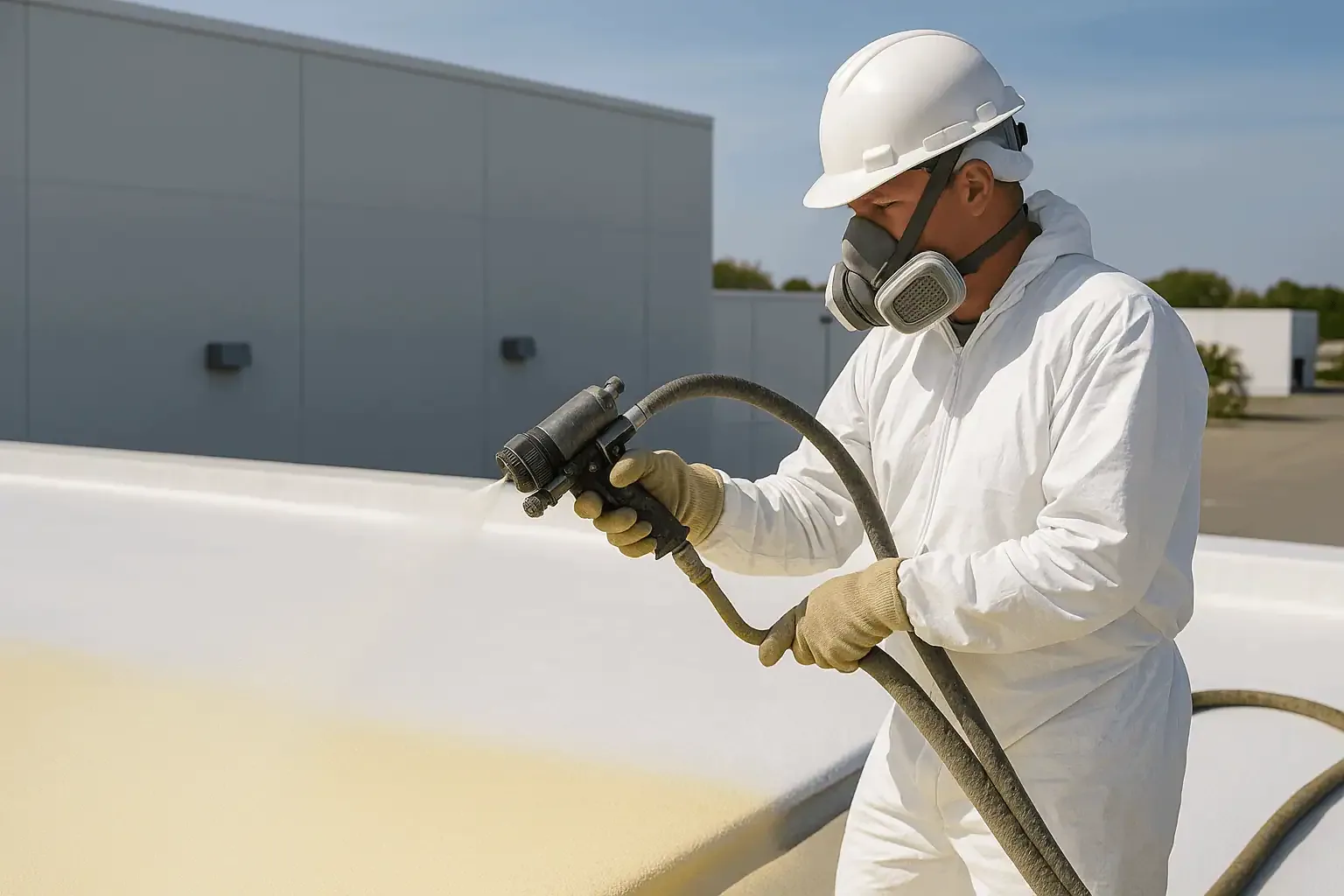
Silicone can be compared with acrylic coating or an SPF assembly when the roof and slope are appropriate. We consider the existing substrate, expected water exposure, traffic, UV, maintenance, and future access. A coating comparison is incomplete if it does not include repairs and preparation as well as the top layer.
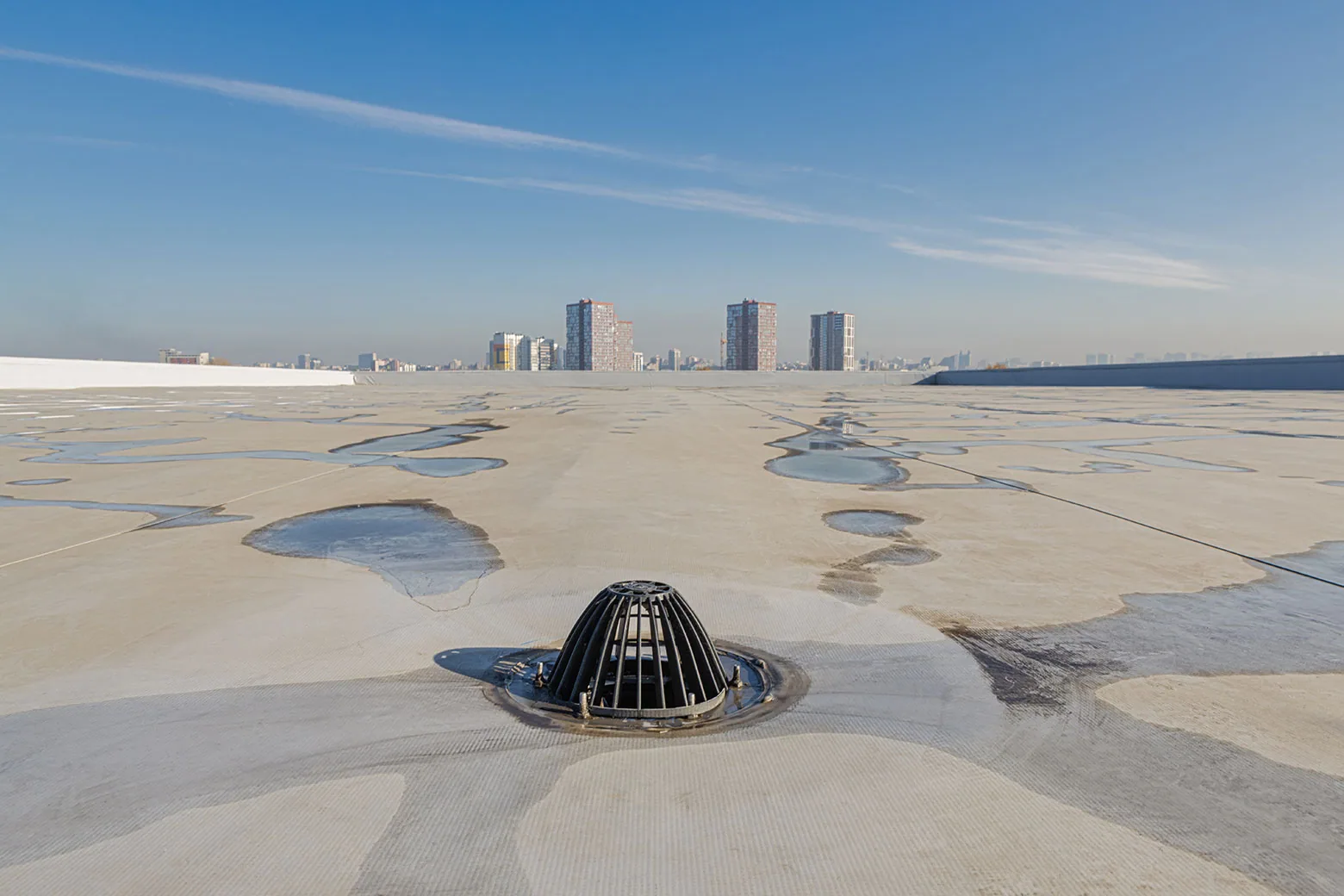
Silicone may tolerate ponding exposure better than some coating types, but the roof still needs a drainage review. We check drain bowls, strainers, scuppers, overflow routes, slope, and repeated water lines. If an outlet is blocked, maintenance may solve the immediate issue. If water stays after cleaning, the roof may need slope correction, drain work, or removal of wet material before coating.
An Indianapolis January averages 8.8 inches of snow, with a normal low of 20.9 degrees. Before winter application or repair, we check whether the surface is dry and whether crews can reach the low areas and outlets safely. Coating over a puddle does not remove the underlying slope condition.
At Carmel's office areas along Meridian and mixed-use properties near City Center, access and operations vary, while drain locations remain specific to each roof. We map the outlet and overflow path before work. If drains or scuppers need correction, drain and scupper service can be included. When ponding extends beyond the outlet, a ponding-water repair review can define the broader work.
A roof coating cannot bridge every defect without preparation. We inspect seams for separation, surface contamination, wrinkles, and prior repairs that have lifted. At curbs, pipes, skylights, and equipment supports, we check flashing height, corners, and movement. Coating may be reinforced at a detail, but it should not hide a failed termination or an opening that needs replacement.
Surface contaminants can limit adhesion. We identify loose granules, oils, chalking, debris, and incompatible sealants, then specify cleaning and preparation for the product. If a previous coating is present, a test area can show whether the new material bonds as intended. We state whether the application includes mesh, fabric, primer, or a separate flashing compound at each detail.
Moisture below the surface requires a different response. Stains, soft spots, and interior leaks can help target inspection but do not confirm the extent. We may recommend selective openings or an infrared moisture survey when conditions support it. Any removal or replacement of wet insulation stays separate from the coating quantity so the proposal does not price concealed damage as a fact.
A useful proposal measures the roof area and identifies the selected product, target film thickness, preparation, repairs, reinforcement, and number of coats. We also list drains, edges, penetrations, and vertical transitions. This lets an owner compare proposals that may use similar product names but different quantities or preparation. The coating warranty, if included in a proposal, should follow its actual terms and exclusions.
Where existing material is saturated, delaminated, or structurally weak, removal may be necessary. A coating is not a substitute for a sound roof deck or dry insulation. We mark the affected area, explain what testing would confirm, and compare local removal with full replacement if the condition is widespread. For a larger decision, capital planning can sequence repairs by urgency and budget timing.
When coating work changes drainage or assembly details, Carmel's permit team must confirm what review is required. We identify those open code questions before material is ordered. We state the design and permit assumptions before ordering material, particularly where restoration changes drainage or roof loading.
Coating application needs suitable surface temperature, low moisture, and a forecast that allows cure. Rain, dew, dust, and wind can affect adhesion or overspray controls. We check actual roof conditions before opening the work area and confirm how the surface will be protected if weather interrupts. A calendar date alone cannot make a wet substrate ready.
On occupied properties, we coordinate air intakes, doors, rooftop units, and staging with the manager. Coating odors or spray movement may require temporary controls. We identify the areas being applied, any equipment requiring shutdown, and daily closeout expectations. On a multi-building property such as Parkwood Crossing, phases should be recorded by roof section instead of assuming every building will use the same sequence.
Preparation can take more time than coating itself. Cleaning, drying, repair, and adhesion testing can change the start date. If field tests show an incompatible surface, the owner needs a decision point before materials are applied. The work plan lists preparation, coating, cure, inspection, and re-entry in an order the property team can manage.
Closeout should record product, color, application areas, measured quantities, test locations, repairs, and exclusions. Photographs of seams and transitions give future maintenance a baseline. A roof condition report can keep those records with the building's roof map.
We identify drains, traffic paths, penetrations, and sections where coating thickness or adhesion should be checked during maintenance. Carmel's Clay Terrace and Parkwood Crossing represent different commercial uses, but neither substitutes for recording actual access and roof conditions. The next inspection can then focus on observed wear rather than start from assumptions.
Share coating records, repair history, leak locations, and capital timing before the site walk. We can test the surface where needed and prepare a restoration or replacement scope that identifies the work boundary and open questions.
Compatibility and adhesion need to be established first. We identify the existing coating, clean and test the surface, and specify preparation or removal where the new product will not bond.
Silicone may be suitable for some ponding exposure, but it does not change slope or clear a blocked drain. We inspect the water path and include drainage correction when needed.
We use visible conditions to target investigation and recommend testing where results affect the scope. Selective openings may still be needed to confirm moisture extent.
The proposal should state preparation, repairs, primer, reinforcement, coating product and quantity, target application, weather limits, and areas excluded. We measure and itemize those components.
The surface area, preparation, repairs, access, and weather determine the sequence. We set a phase plan after inspection and identify the conditions required for cure and closeout.