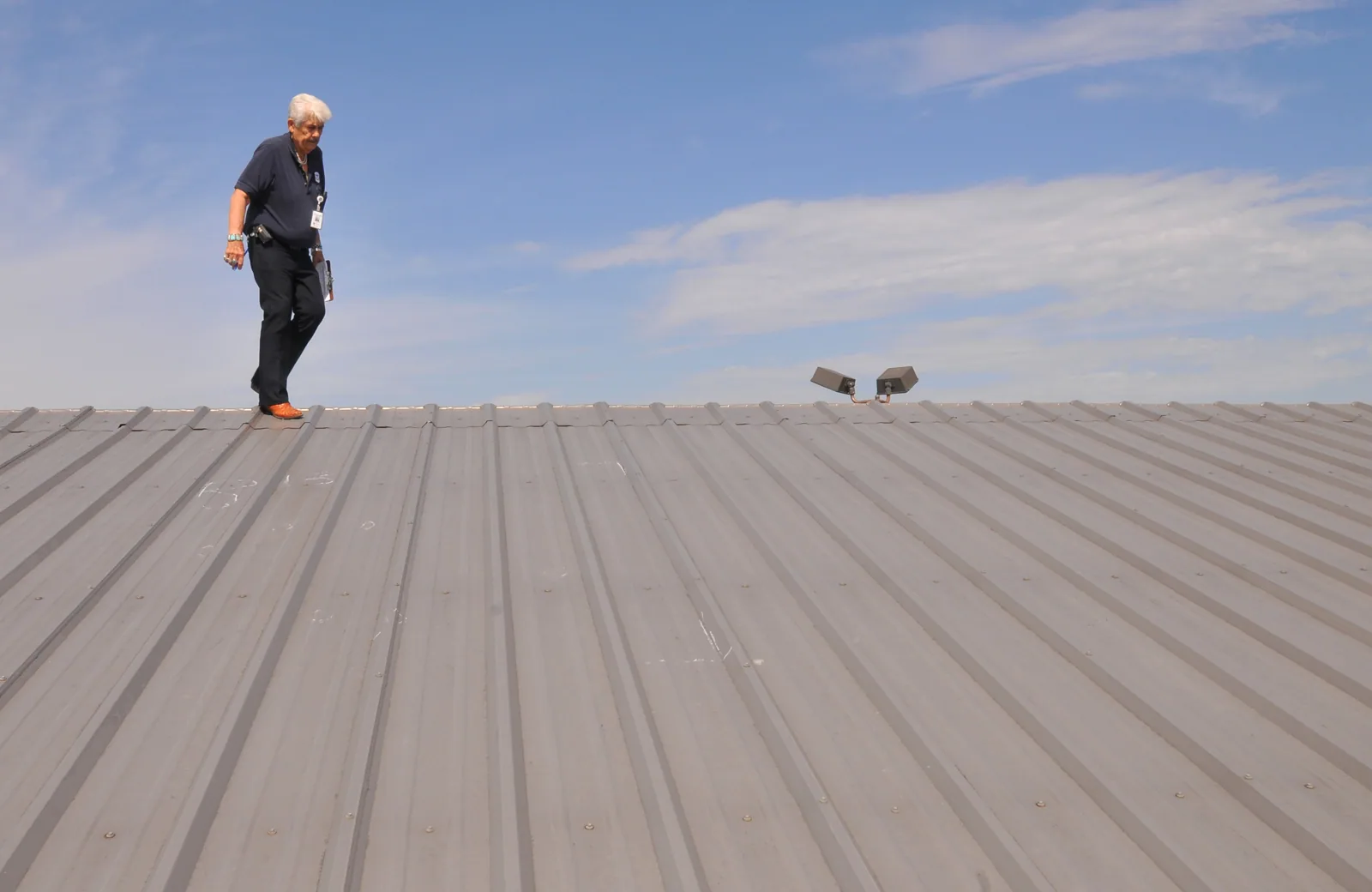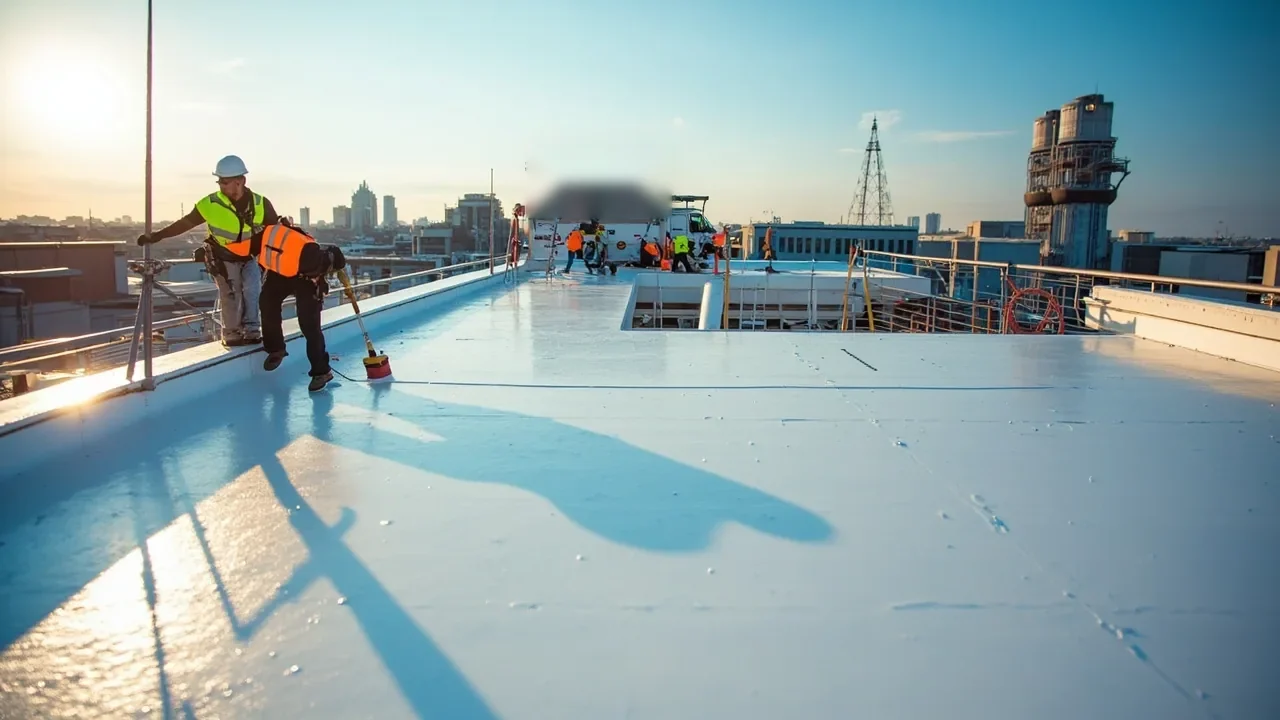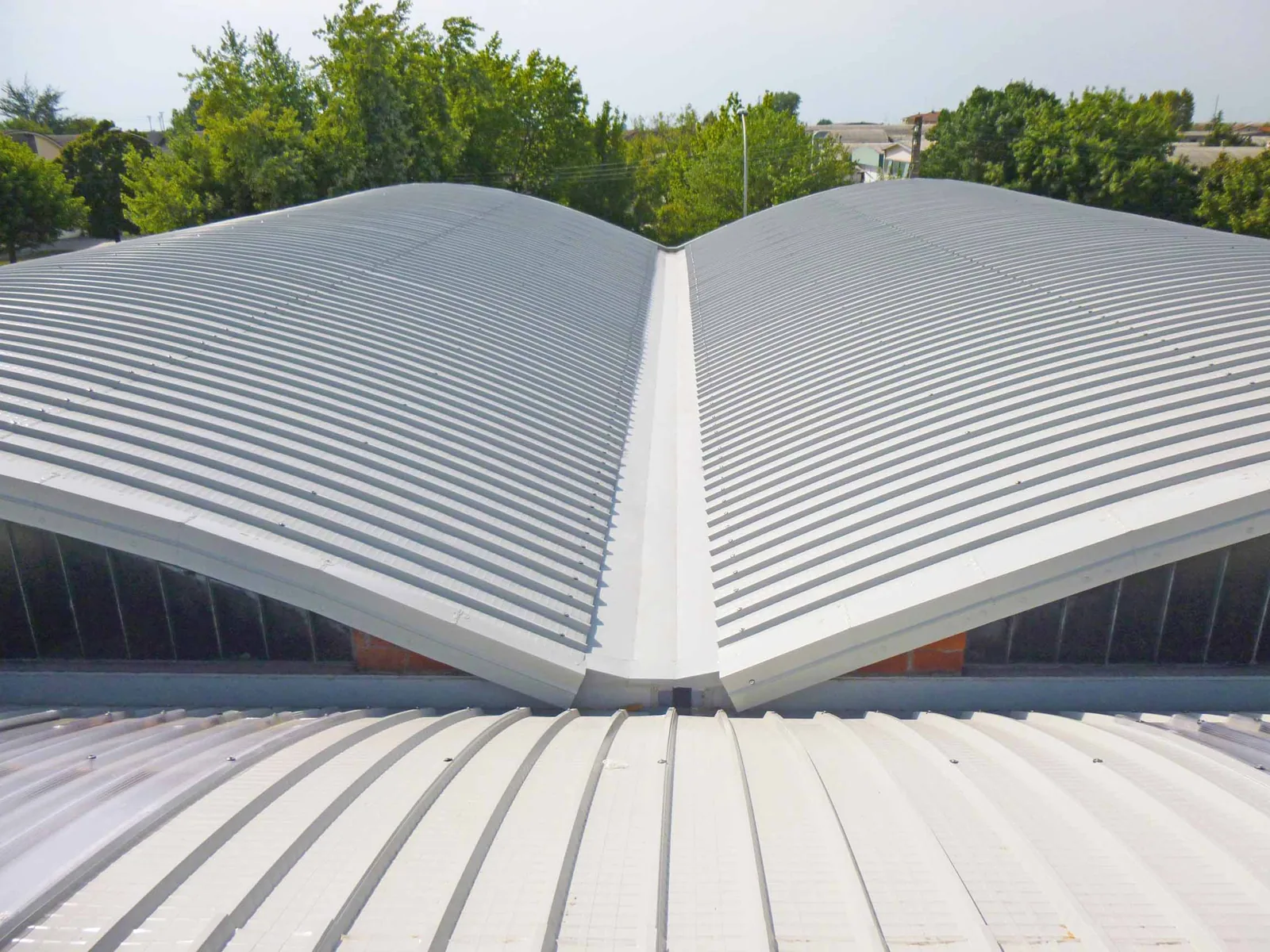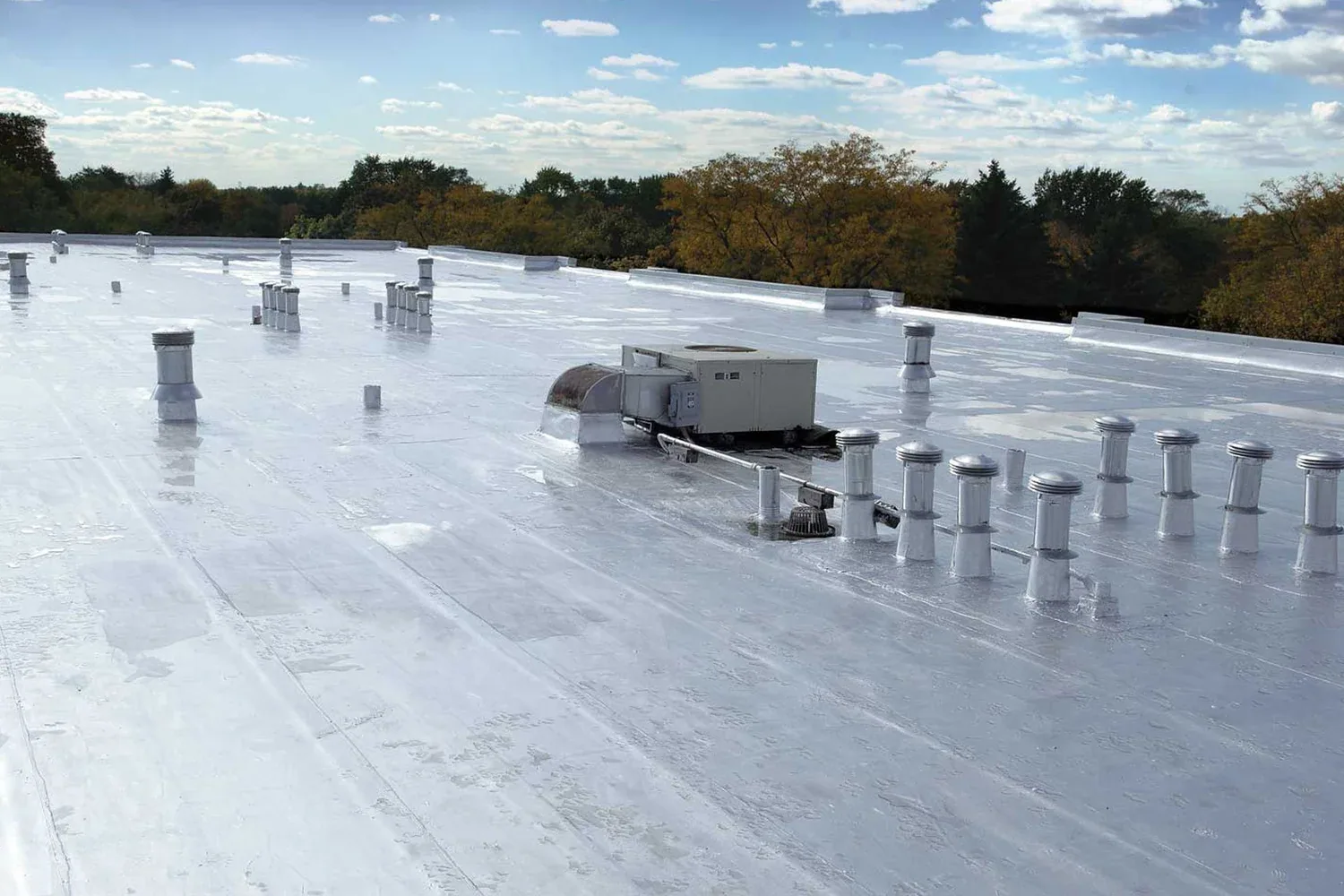
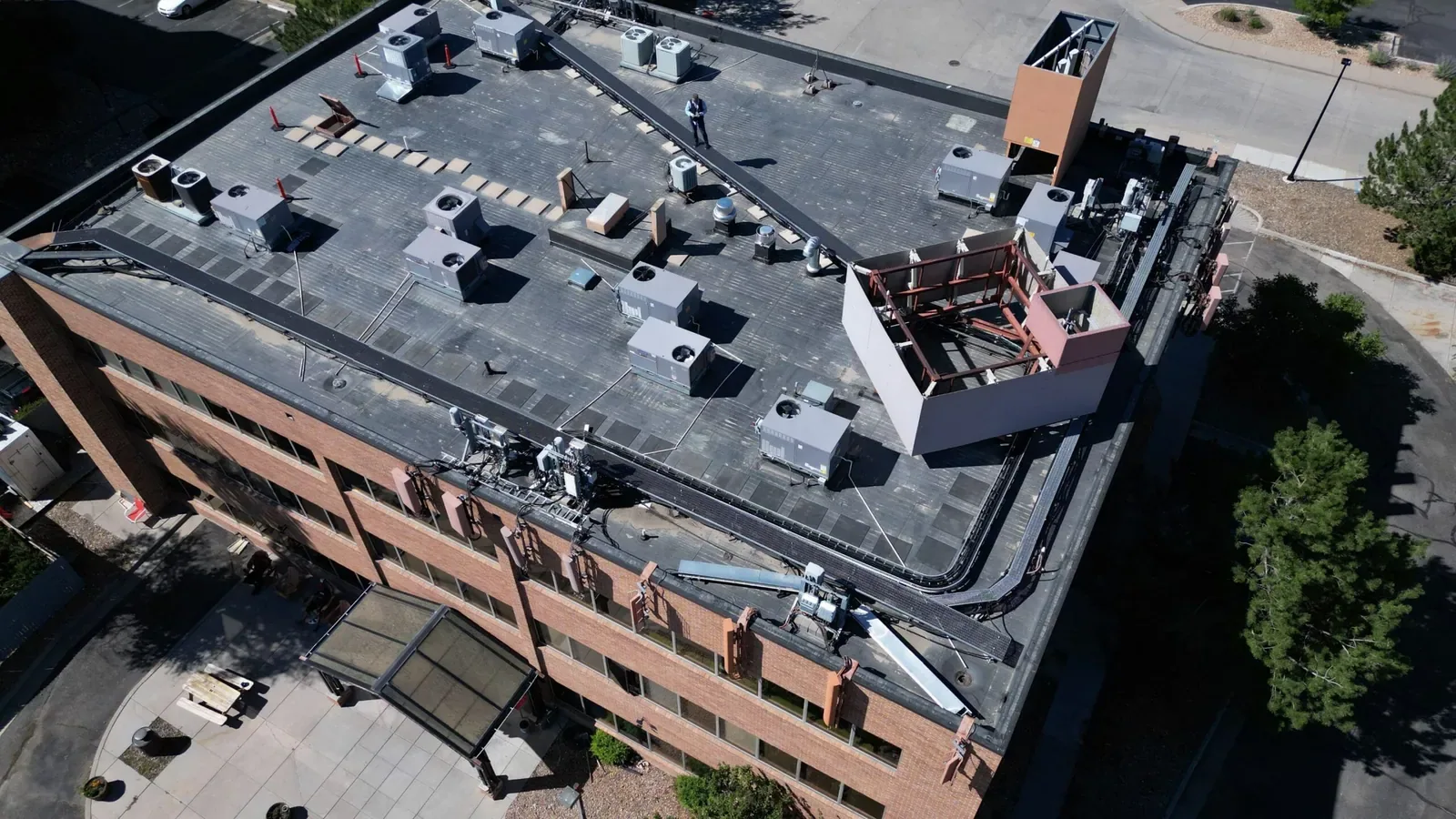
A roof budget is easier to defend when the request connects a visible condition to a measured scope and a workable date. We help Carmel owners separate urgent leak response from planned repairs and renewal candidates. The first pass collects building records, known leak areas, prior work, and capital timing. A site walk then checks each roof section, drainage, edge details, penetrations, and equipment access so the budget reflects the building rather than a portfolio average.
Parkwood Crossing includes seven office buildings plus hotel, restaurant, banking, and parking uses. That commercial mix creates a useful reminder for an asset manager: adjacent properties may have different roof histories and operating calendars. We prepare a separate condition and work path for each asset, then group projects only when the scope and schedule actually align.
Start with water entry and safety. A leak that is active above occupied space may need temporary protection and a focused repair before the next budget cycle. A stable seam or aging coating can be documented for a planned visit if there is no current interior impact. We state what needs action now, what needs testing, and what can remain on the monitoring list, with the evidence behind each choice.
A capital review should show the repair boundary. If a defect is isolated, a repair scope can price the affected detail and adjacent tie-in. If repeated failures, saturated insulation, or broad material breakdown appear, a larger renewal option may be more appropriate. The roof asset record helps keep condition and repair history attached to the right building while the manager compares those paths.
We do not assign a replacement year from age alone. Roof age, assembly, maintenance, exposure, prior repairs, and current findings all matter. Where records are incomplete, we mark the gap and recommend the inspection or testing that could change the decision instead of treating an unverified assumption as a budget fact.
Repair, recover, and replacement proposals are useful only when the work can be compared. We outline the roof area, removal or preparation, insulation, membrane or coating, edge metal, drains, equipment curbs, disposal, staging, and closeout. The replacement option should identify the work needed to expose and correct the assembly. A recover option should state the moisture and attachment checks that support leaving the existing roof in place.
Recover is not a shortcut that fits every roof. Added material can raise drain and perimeter details, conceal wet insulation, and change how curbs or rooftop equipment meet the finished surface. If the existing assembly is not dry, secure, and compatible, the owner may need to compare removal with selective repair instead. We separate known quantities from concealed conditions so an allowance does not look like confirmed work.
A written condition report can carry photographs and measurements into the capital request. It should show the location and consequence of each item, along with what remains uncertain. That gives finance and operations a common basis for review even when they did not attend the roof walk.
Timing is part of the scope. We review weather exposure, material lead time, permit steps, tenant activity, equipment work, staging, and the amount of temporary protection required. For occupied offices, phased areas may keep entrances and service routes open. For a mixed-use property, delivery hours or parking access can matter as much as the roof sequence. We identify these dependencies before putting a start window in the capital plan.
Indianapolis weather normals used for Carmel show average annual precipitation of 43.63 inches and snowfall of 25.5 inches. Those regional averages make drainage and winter planning relevant, but they do not establish the condition or load capacity of an individual roof. We check actual slopes, outlets, overflow routes, and seasonal access. After a storm or freeze-thaw period, the snow and ice damage review can document whether movement or blocked drainage changed the repair priority.
Carmel's Meridian and U.S. 31 corridor has a concentrated office and employment base. For buildings in that area, we can set the work sequence around roof access and occupant coordination. The corridor service area is broad context; each building still receives its own access plan, schedule, and roof-specific scope.
A budget line should show the assumptions that could change the final amount or schedule. We list the measured work, access method, material basis, disposal, testing, and any concealed conditions that require confirmation after opening. If an area could not be reached, that limitation belongs in the record. If the scope depends on moving an HVAC unit or coordinating a different trade, the dependency should be visible before approval.
For a property with several buildings, we retain individual records and provide a portfolio view that groups work by urgency or capital window. Carmel City Center includes office, retail, housing, and public parking in one mixed-use district. That variety makes a single generic schedule less useful than a building-level sequence that notes occupancy, access, and delivery constraints. We can revisit the plan as repairs close or new conditions are confirmed.
Once work is complete, closeout photos and repair locations help the next budget cycle start with current information. We update completed quantities, identify any follow-up item, and keep warranty documents with the correct roof record where coverage applies. A warranty file review can help the owner track submittals and maintenance requirements without assuming that a document alone proves current coverage.
We can turn the roof walk into an action list: immediate protection, scheduled repair, testing, and renewal planning. Each item includes a reason, a section reference, and the next decision date. If the board or ownership group needs a short comparison, we can show options on a consistent scope basis and explain which findings make one path more suitable.
That record is useful after the meeting too. The property team can assign the next inspection, request missing plans, reserve a seasonal work window, or approve a measured repair without reconstructing the discussion. If leak reports change or a storm affects the property, we update the priority from current evidence instead of leaving the old schedule untouched.
The roof condition and scope drive the timing. We review system, repair history, moisture evidence, drainage, edge details, and access before recommending a renewal window. If those records are incomplete, we identify the inspection or testing that would make the date more defensible.
Yes, when the repair addresses a defined condition and the remaining assembly is suitable for continued service. We state the repair boundary and any monitoring need so the short-term work does not read as a substitute for a broader renewal decision.
Removal, disposal, insulation replacement, deck condition, edge height, drainage changes, equipment details, staging, and protection can change the scope. We compare measured quantities and state what must be confirmed before either option is final.
It can be sequenced where the roof conditions and access plan support it. Parkwood has multiple office buildings and other commercial uses, so we keep the scope by building, then look for practical grouping in material delivery and mobilization.
Include the condition record, photos, measured work, option comparison, schedule dependencies, assumptions, and open tests. We can organize those pieces around the approval calendar and identify what would change the recommended path before funds are committed.