A standing seam roof moves as the metal heats and cools. The panels, clips, seams, and perimeter details must work together or movement can open a water path. We inspect panel condition, seam engagement, fasteners where visible, flashing, drainage, and attachment before recommending a repair. Carmel's seasonal temperature shifts and commercial building mix make that review more useful than judging the roof from the ground. Office and employment properties in the Science and Technology Park area can have different access needs from retail buildings. A roof inspection records the actual system and the decisions still open.
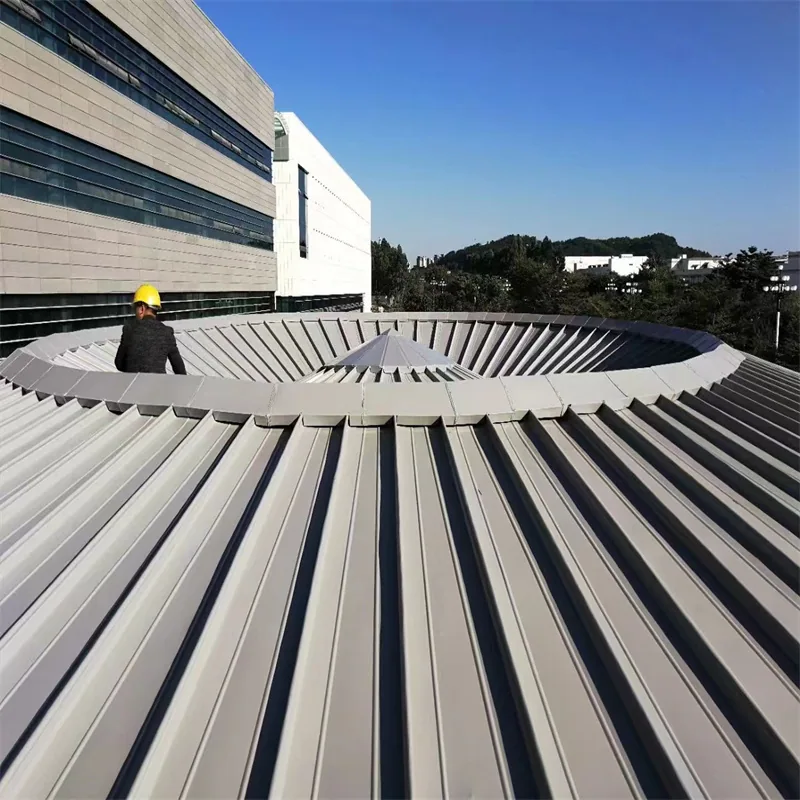
Standing seam panels use raised seams to keep water out of the field. We check whether seams remain engaged, whether a panel has shifted, and whether clips allow the movement the system requires. Oil canning, dents, or surface waviness may be cosmetic, structural, or a clue to attachment and substrate conditions. We document what is visible and investigate before treating appearance alone as a failure.
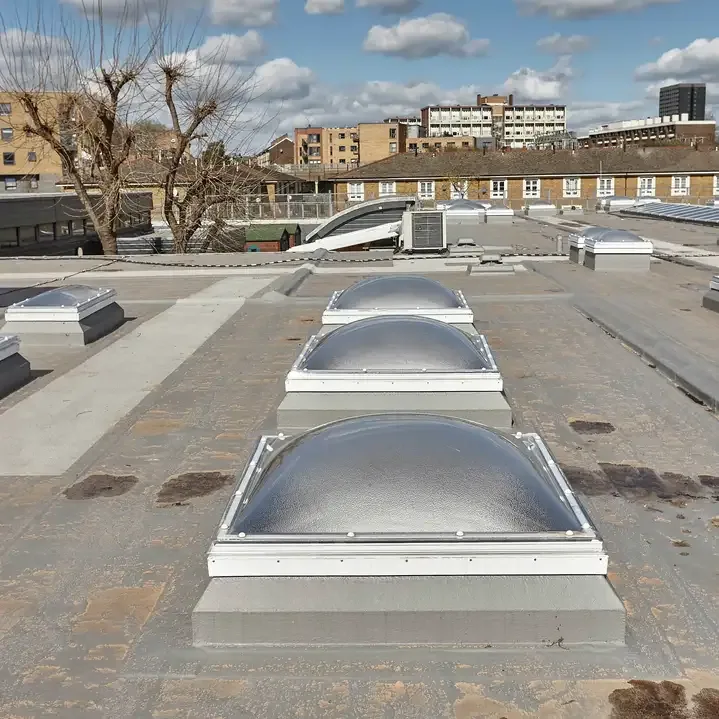
Penetrations interrupt the panel layout. Curbs, pipes, skylights, and rooftop supports need details that control water without locking the panels in place. We look at the curb, flashing, counterflashing, and nearby panel seams for tears, open corners, loose fasteners, or sealant-only repairs. A penetration and flashing repair should preserve the metal's movement while restoring a continuous water barrier.
At valleys, eaves, ridges, and parapets, we check how panels discharge water and whether the trim is secure. A panel field may be sound while a transition leaks behind metal. Corrosion at cut edges, incompatible metals, or trapped debris can accelerate deterioration. Where visible roof coating or prior repairs are present, we identify them and verify compatibility before specifying new material.
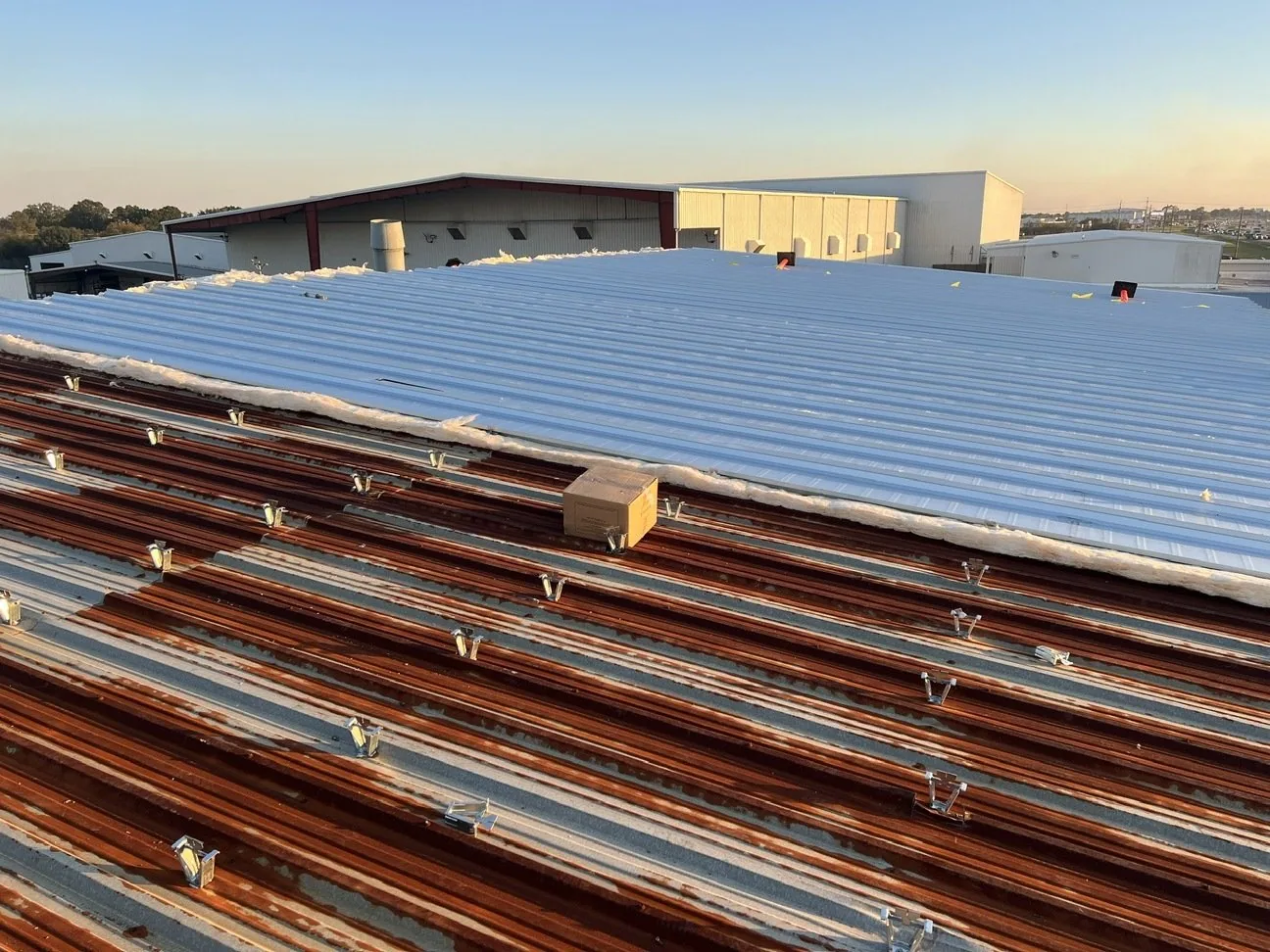
Standing seam is not one universal assembly. Panel profile, seam height, metal type, thickness, clip design, substrate, underlayment, and attachment vary. We identify what can be established from the roof and records before pricing repair or replacement. A retrofit may preserve the existing panels but require new attachment or a secondary system; a replacement may remove the deck or underlayment layers that are no longer serviceable.
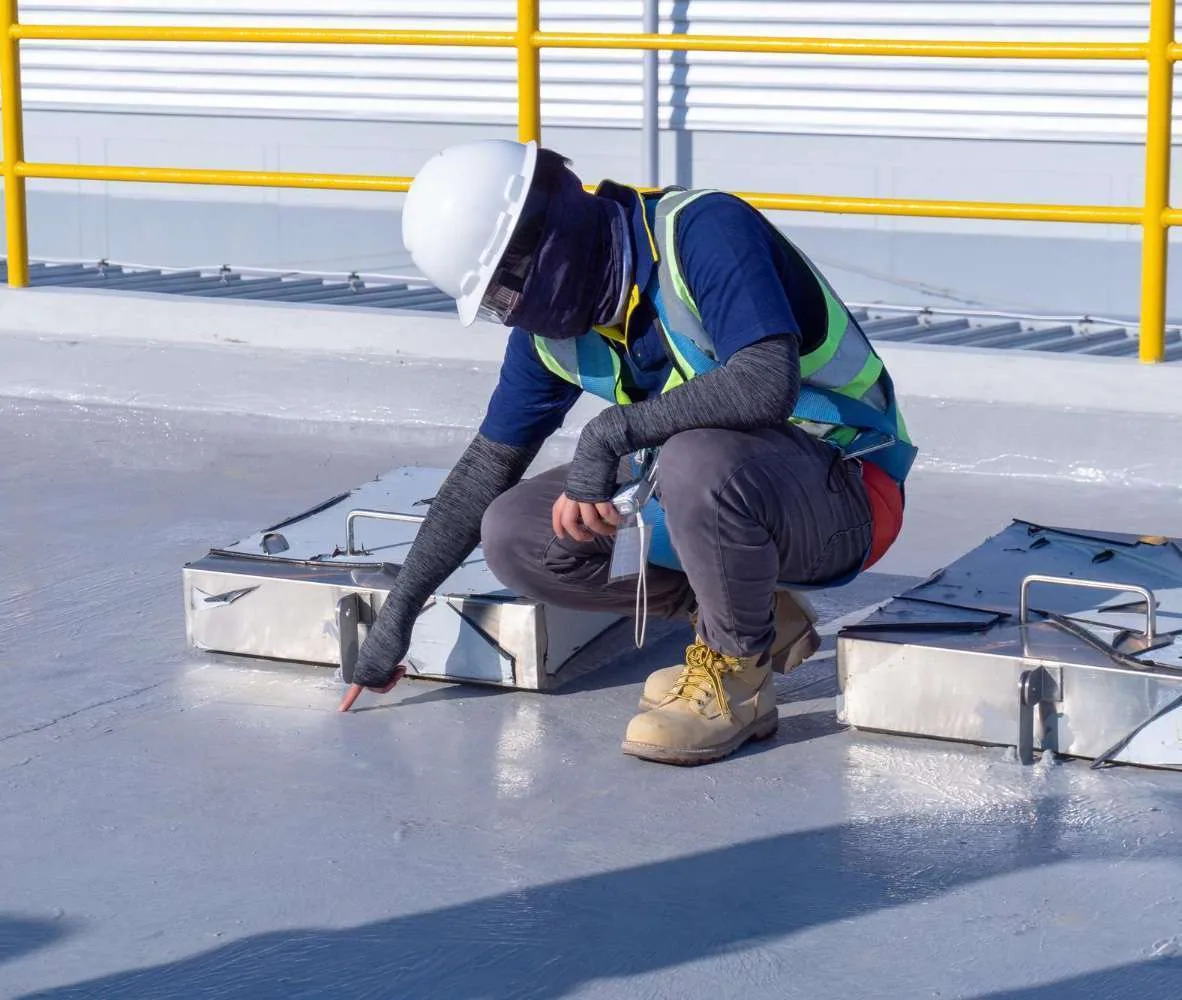
Metal moves with temperature. Fixed points and sliding clips manage expansion and contraction across the panel length. If fasteners are overdriven or clips are corroded, movement can transfer stress to seams and penetrations. We inspect for loose or backed-out fasteners where exposed, but do not assume the clip condition from the surface. If concealed attachment controls the recommendation, we describe the needed opening or manufacturer review.
For a low-slope area, standing seam may not be the only viable option. We can compare it with metal roof retrofit or a single-ply TPO assembly where geometry and use allow. The comparison should include slope, drainage, underlayment, insulation, attachment, and access rather than focusing only on panel finish.
Central Indiana seasons expose metal panels to rain, snow, sun, and temperature changes. Indianapolis normals used for Carmel average a July high of 85.2 degrees; winter records include 25.5 inches of annual snowfall and a January low of 20.9. Those are regional measures, not panel temperatures or a calculation of drift at a specific building. We inspect the roof's slope, edges, fasteners, and drainage directly.
Snow and ice can collect where geometry changes or where drainage is restricted. We inspect valleys, gutters, downspouts, snow guards, and lower roof transitions for movement or debris. We do not recommend adding snow retention without reviewing structure and attachment. Winter work also requires safe access and dry surfaces for sealants or coatings; a temporary repair may be appropriate until conditions support permanent metal work.
Hamilton County has recorded hail and damaging wind events in regional severe-weather records. That history supports an inspection after a reported storm, but it does not show that a particular building was damaged. We check dents, seam openings, displaced trim, and punctures, then distinguish storm-related findings from prior wear. A documented storm damage review can help map those observations.
Standing seam panels shed water only when the roof directs it toward reliable outlets. We check gutters, internal drains, scuppers, valleys, and transitions to lower roofs. Debris may block the path; a low point or misaligned panel can keep water against a seam. We separate cleaning from metal correction and slope issues so the owner can see which scope will change the condition.
At penetrations and end laps, sealant is a maintenance component, not a substitute for a designed flashing detail. We check where it has cracked or pulled away and whether water can travel under a trim edge. A loose gutter or failed end dam can direct water behind fascia and mimic a panel leak. If drainage details need attention, edge metal and gutter service can be scoped with the panel work.
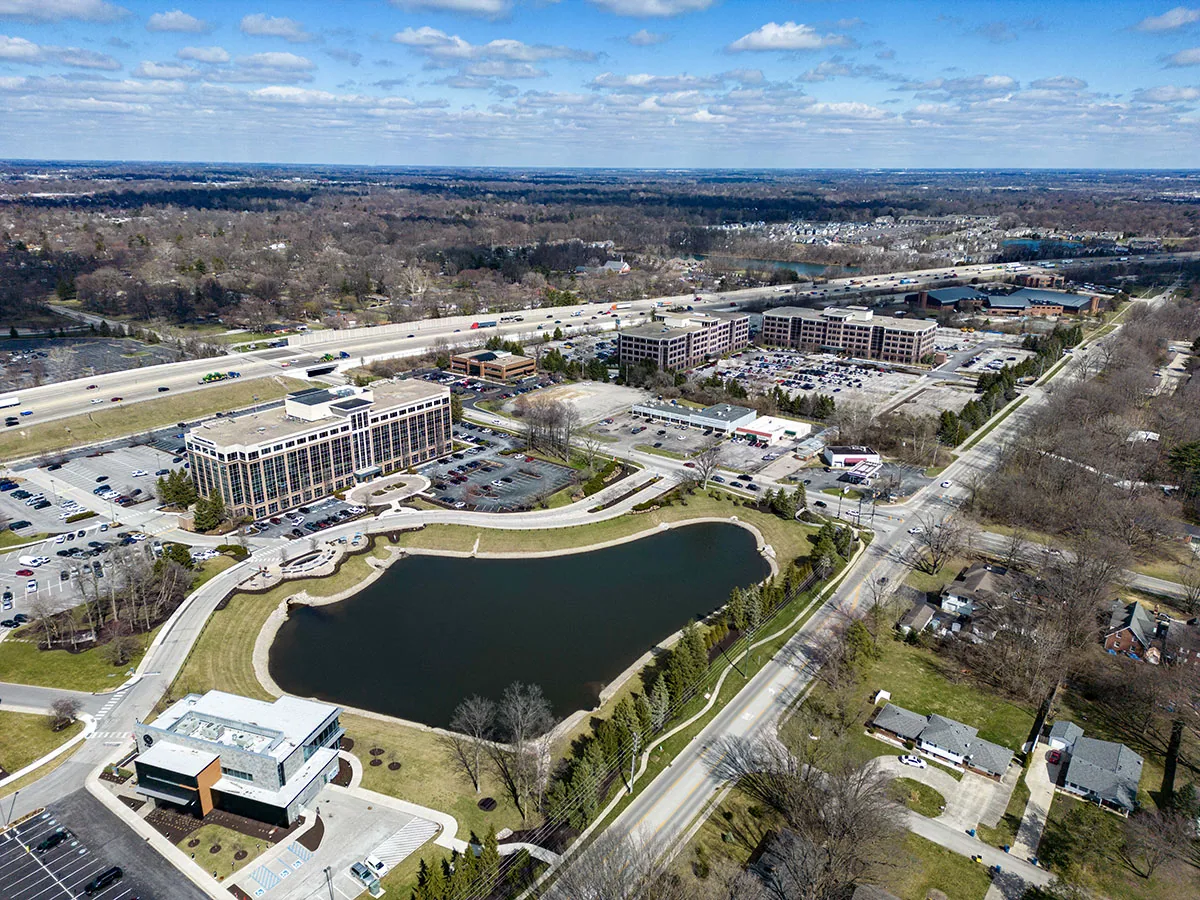
Carmel's office areas along Meridian and mixed-use districts at City Center include different building forms. That variety is useful for planning access and tenant coordination, but each roof's slope, outlet locations, and panel direction need a site walk. We map the path from ridge to discharge and note where repair will restore it.
A localized repair can address a loose trim, failed flashing, corroded fastener, or damaged panel when adjacent materials remain sound. The scope names the panel or transition, attachment method, metal type, sealant or flashing detail, and any finish limits. We identify color and profile availability before promising a match. A replacement panel may differ slightly from an aged roof even when its nominal color is the same.
When multiple seams, clips, or penetrations fail, repairing one location at a time may not control the water path. We show the distribution of findings and compare targeted repair with a broader replacement or retrofit. The perimeter metal review can be included when eaves, coping, or gutters contribute to the failure.
Permits and code requirements depend on project scope. Carmel directs construction permit review and field inspections through its Building Safety Office. We verify the code edition and structural submittals required for this panel system before work begins. We record the basis for proposed attachment and identify any structural engineering needed before work.
Closeout should record panel profile, metal where known, repair locations, attachment observations, flashing work, and areas that were not opened. Photos at seams and transitions help the next inspection compare movement over time. A condition report can keep those findings by building and roof section.
We note gutter and drain conditions, snow-management details, corrosion, and access limitations. A maintenance log can track loose trim or sealant without confusing it with a panel replacement. At Parkwood Crossing, we organize findings by building and panel layout.
Share panel records, leak history, storm dates if relevant, and capital timing before scheduling the walk. We can inspect the assembly, identify what needs opening or testing, and prepare an option set for repair, retrofit, or replacement.
Open seams, failed flashing, loose trim, fastener corrosion, blocked drainage, or movement at a penetration can all create entry points. We trace the water path and inspect the connected details before setting the repair boundary.
The answer depends on depth, seam engagement, coating damage, and whether the panel remains watertight. We document the condition and distinguish cosmetic marks from damage that changes the assembly.
A retrofit may be possible, but attachment, deck, moisture, structural capacity, slope, and code all need review. We identify what can be verified and specify any engineering or opening needed before a decision.
Snow-retention needs depend on roof geometry, discharge areas, structure, and pedestrian or equipment zones below. We assess the actual layout before recommending attachment or new guards.
We list each building's panel and flashing conditions separately, then rank work by leak risk, access, and timing. That makes the repair boundary and capital sequence easier to compare.