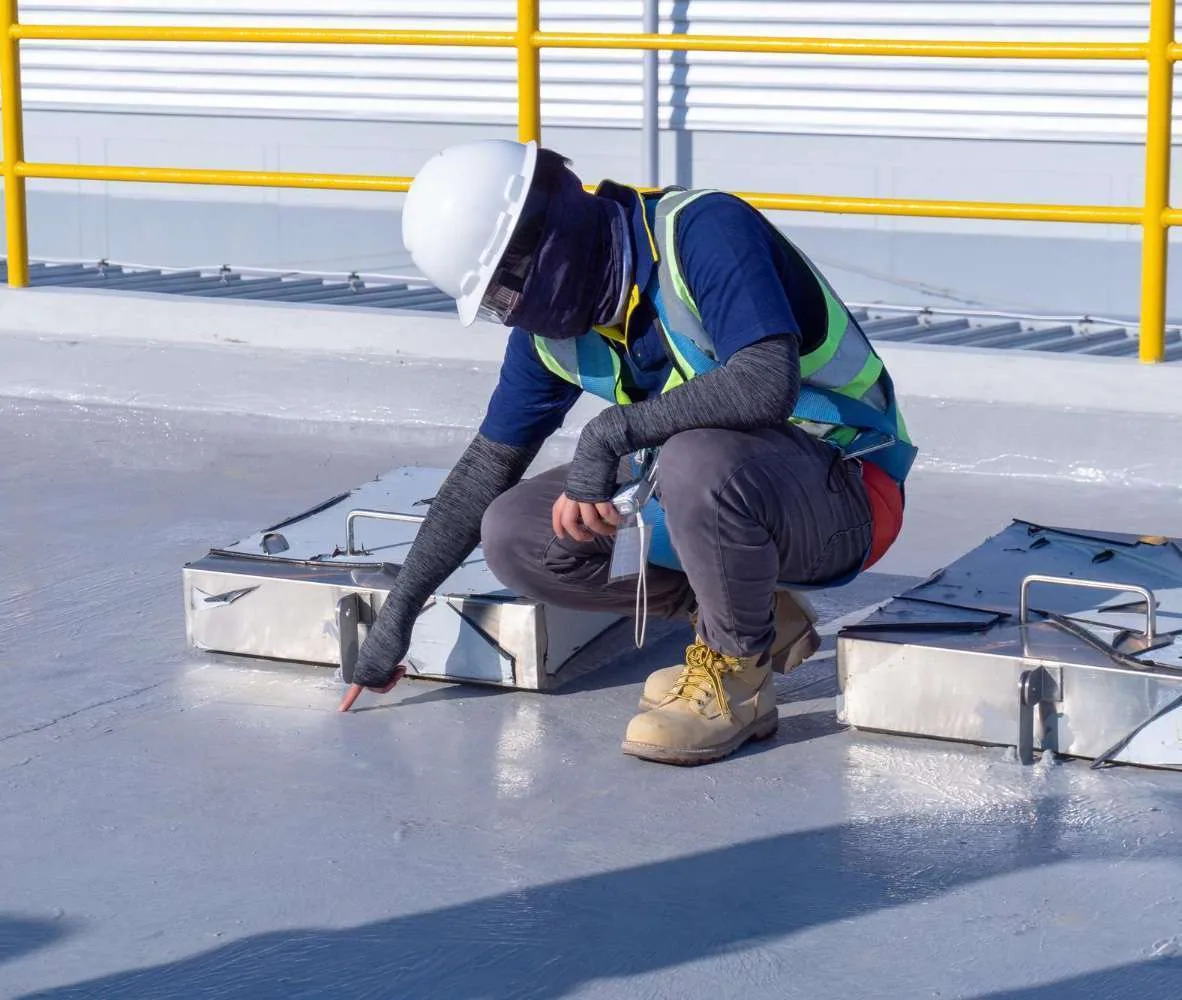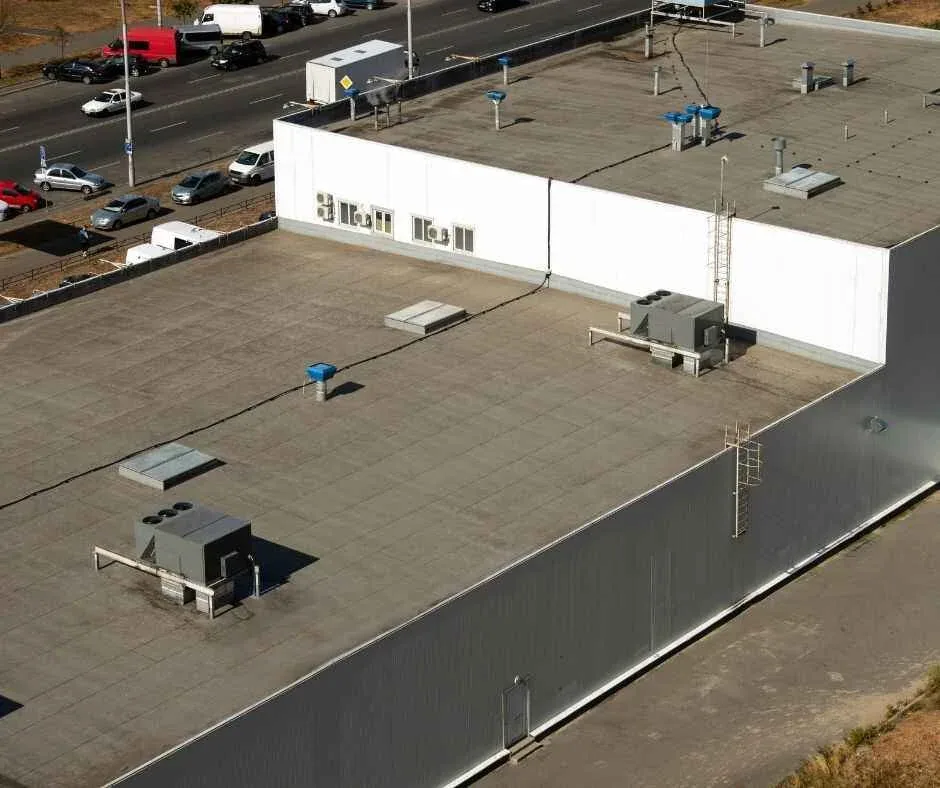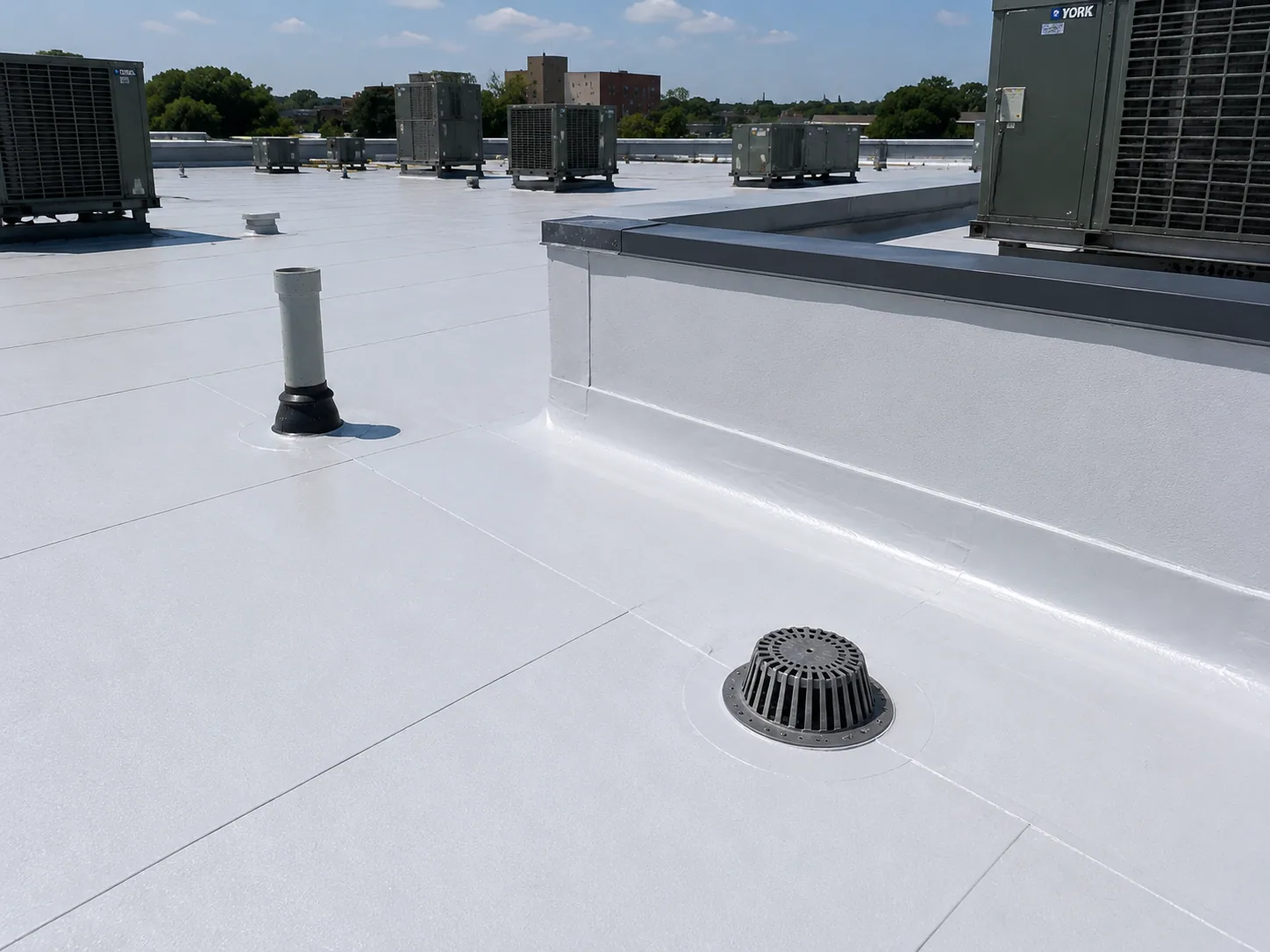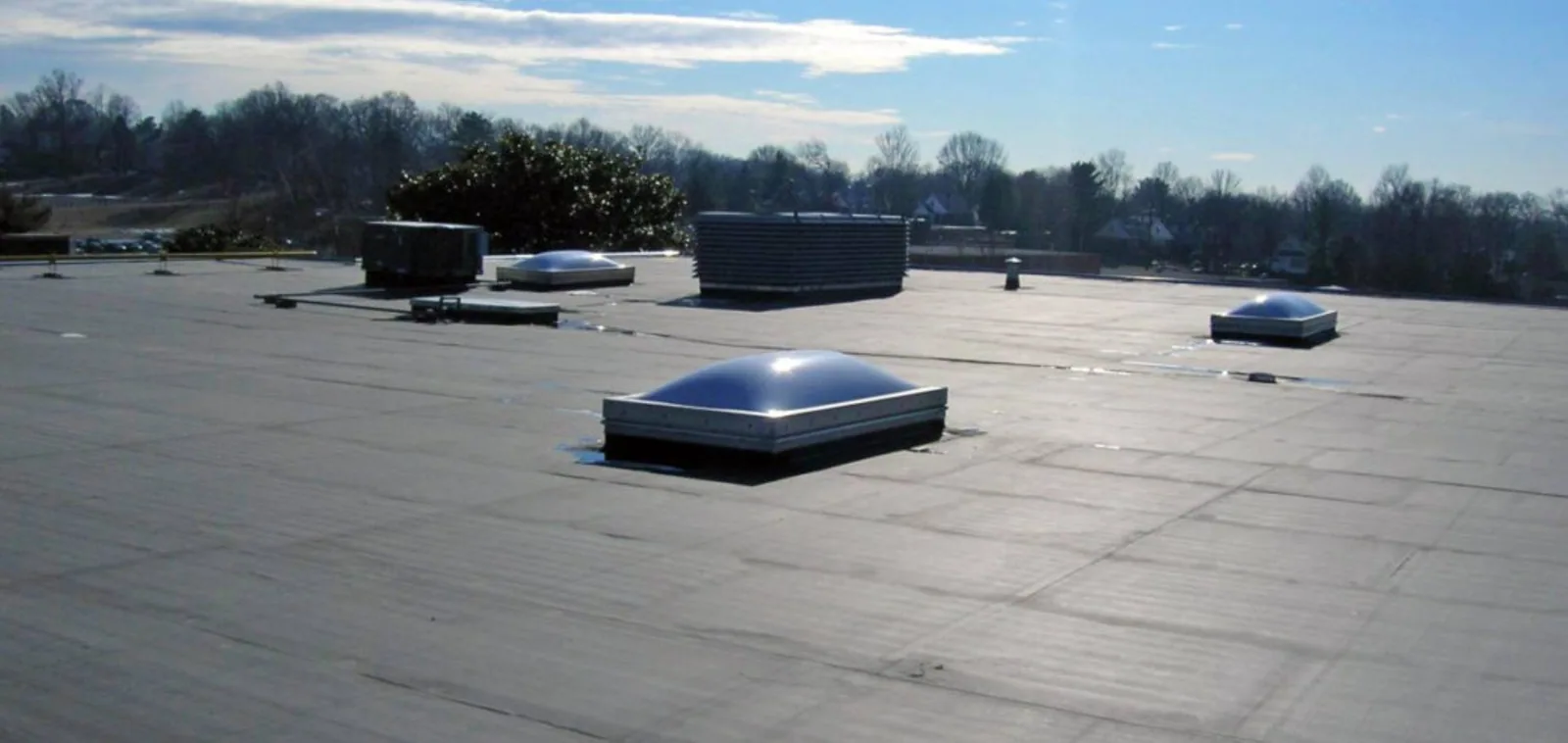
After hail, high wind, or severe weather, we inspect the building for lifted edges, punctures, displaced flashing, blocked drains, and interior water entry. Hamilton County has recorded tornado, hail, and damaging-wind events. For a reported storm, we document visible changes by roof section. We compare the roof's pre-event condition when records are available, then mark new observations and anything needing closer testing. Active water entry can receive an around-the-clock response and temporary dry-in while permanent work is evaluated. A commercial inspection provides the roof-section baseline, and a wind-damage review can focus on attachment and perimeter details.
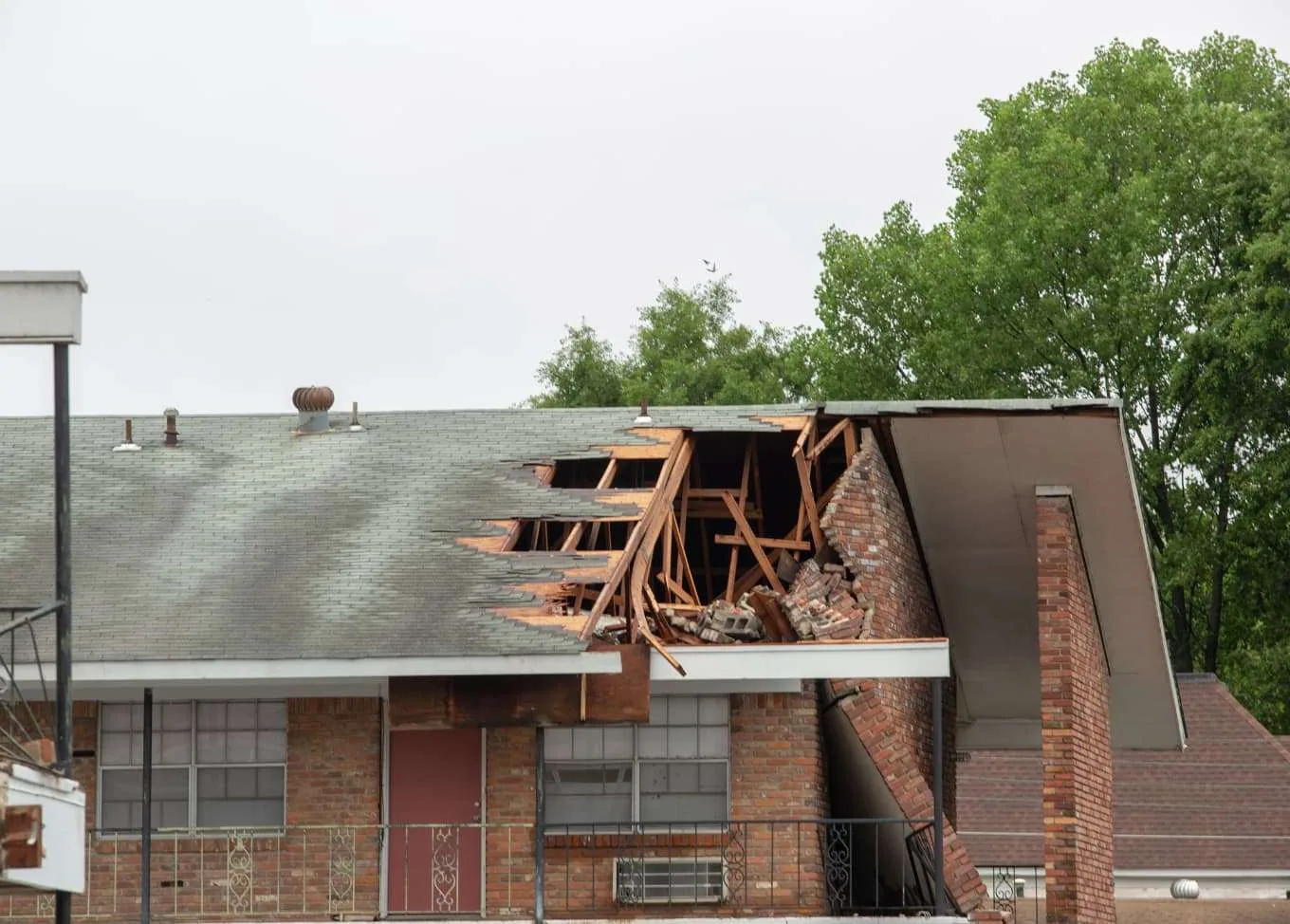
Storm assessment starts with safe access and a clear property record. We note the date of the event, the roof sections inspected, reported interior conditions, and any areas that could not be reached. Then we look for displaced edge metal, loose flashing, opened seams, punctures, impact marks, damaged rooftop equipment, and debris that may block drainage. We photograph each observation with enough surrounding context to locate it on the roof map.
Not every blemish is storm damage. Aging sealant, prior patches, corrosion, and long-term moisture can look similar to a recent failure. We compare maintenance notes and earlier images when available, then separate confirmed changes from conditions that need testing or another inspection. That distinction helps the owner discuss the event without assigning a cause that the roof evidence cannot support.
Water entry can show up hours after a storm or after snow begins to thaw. We inspect the area above the interior report and follow likely pathways across seams, penetrations, curbs, and drains. A leak investigation can trace active entry, while an infrared moisture survey can help select confirmation points if wet insulation is suspected.
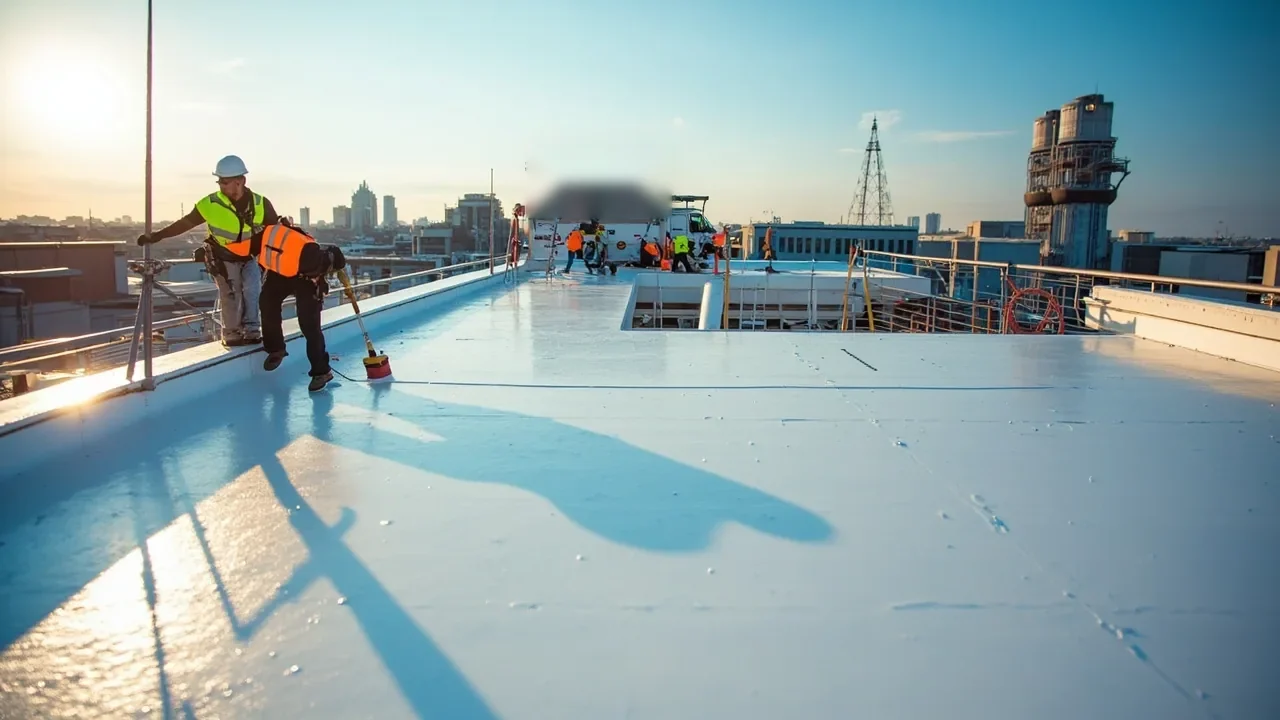
Where the roof has opened or water is actively entering, we first limit further exposure. The response may include a secured cover, a temporary patch, or controlled drainage, depending on the roof system and conditions. We document what the temporary measure protects and what remains vulnerable. After temporary protection, we schedule the inspection or testing needed to check concealed materials and nearby roof sections.
We respond around the clock to urgent commercial roof damage, including nights, weekends, and holidays. Wind, rain, snow, and safe access affect what can be done on the first visit. If a permanent repair cannot be made under current conditions, we note why and set the next inspection or repair step. A building manager receives a clear account of the interim boundary and how the site should monitor it.
Inside, move people and movable equipment away from active water and identify electrical or process areas at risk. We coordinate with the property's safety contact before roof access and keep the route clear. For properties with multiple structures, the call record identifies each building separately so an urgent condition at one roof is not mistaken for a full site inspection.
A storm repair scope identifies the observed damage, the affected section, preparation, material, and any test or opening required before work. We distinguish new damage from older maintenance issues when the evidence allows. If a pre-event photo or prior inspection shows that a seam was already open, we note the history and keep that item distinct from a new puncture nearby.
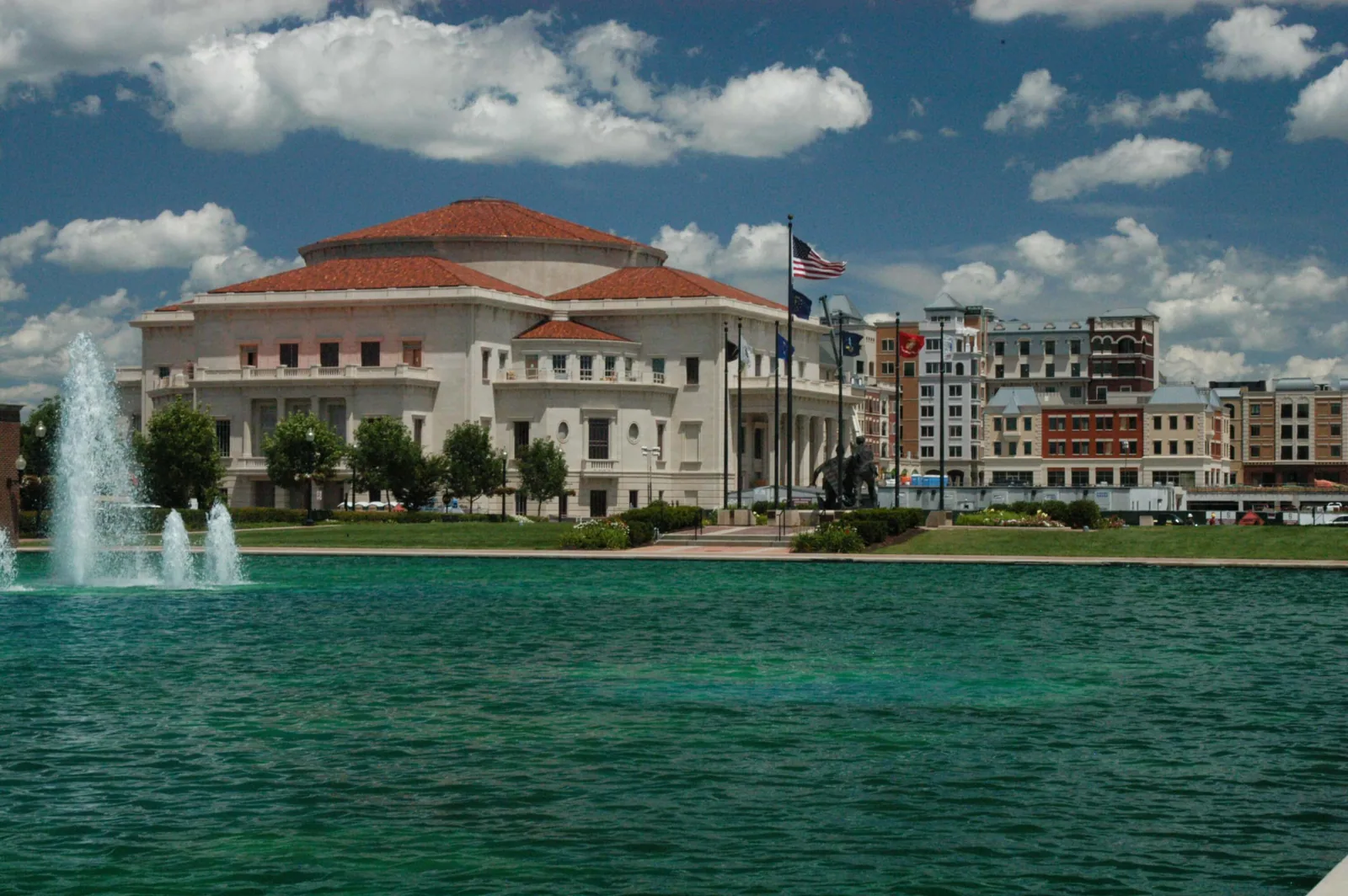
Hamilton County has recorded severe storms. We document each property's event evidence through its inspection and roof records. Carmel's commercial building stock includes the office corridor along Meridian and U.S. 31 and mixed-use sites such as Carmel City Center. For these settings, we confirm tenant schedules and access needs with each property contact before preparing the repair plan.
We measure the repair area and identify any adjacent components that must be disturbed to make the work sound. If the observed failure extends beyond one detail, we describe the expanded scope before proceeding. A separate work order can address non-emergency items, while broad deterioration may call for a replacement comparison.
When an owner is documenting a loss, a useful file includes the event date, roof map, photographs, inspection notes, temporary work, and repair estimate. We describe what we observed and when. We compare the inspection with pre-event condition reports, maintenance logs, and contractor invoices when available, then document what changed and what needs further testing.
Each image should identify its roof section and the feature in view. We record existing conditions around the repair boundary so an adjuster or asset manager can understand the limits of the proposed work. If testing is incomplete, the report states what remains unknown. The owner can request a follow-up inspection if removal reveals concealed conditions that affect the repair quantity.
For multi-building Carmel portfolios, separate folders by property and roof section. A claim documentation service can help assemble the inspection findings and repair scope for review, while a condition report keeps the event work connected to the longer maintenance record.
A first visit may happen in poor conditions, with limited visibility or temporary protection in place. We schedule a follow-up when the roof can be inspected and repaired safely. The timing also depends on material availability, drying, and the amount of concealed damage found after an opening. If temporary protection remains, we tell the site contact how it will be checked before the permanent repair.
Winter conditions can narrow a repair window. We verify safe access, current surface conditions, and material temperature limits before permanent work; structural load concerns go to the appropriate professional.
When weather is still active, ground-level observations and interior reports can guide temporary protection, but they do not replace the roof walk. We return after conditions clear to inspect the temporary cover, follow new water paths, and check exposed seams before closing the event file. The report notes whether the final inspection covered the same sections as the initial response, so the owner can see what changed between visits.
After repair, we check the repaired detail, photograph the completed work, and update the building's maintenance record. The closeout identifies work completed, items still open, and areas that could not be inspected. A later maintenance visit can review drains, seams, and other details before another weather event.
No. County storm records show regional weather history, while roof damage must be documented at the specific property. We inspect the actual assembly, compare earlier records when available, and separate confirmed changes from older conditions.
From safe ground or inside, capture the affected rooms, ceiling marks, water entry, and any visible exterior debris. Do not climb onto a wet or damaged roof. We document roof details during the inspection and label images by section.
Yes. We can respond around the clock and apply a temporary measure suited to the roof and weather. We record what it protects, what remains exposed, and when a follow-up inspection is needed.
We compare current observations with maintenance logs, prior photos, and earlier inspection records when available. The report identifies what appears new, what predates the event, and where the evidence is inconclusive.
It can. The scope should explain how newly exposed conditions will be documented and priced. We photograph the opening, identify the affected quantity, and review the change with the owner before expanding the work.