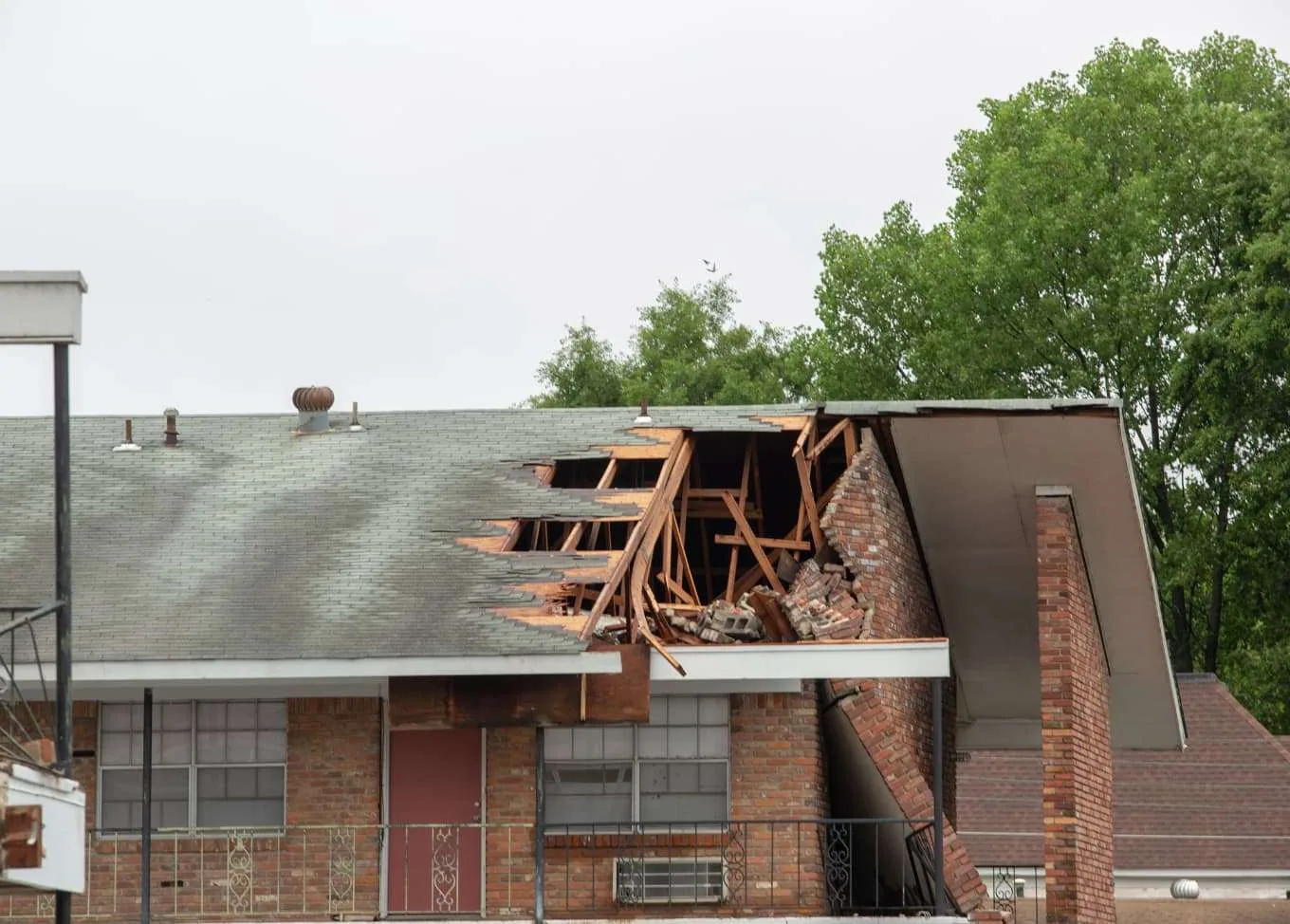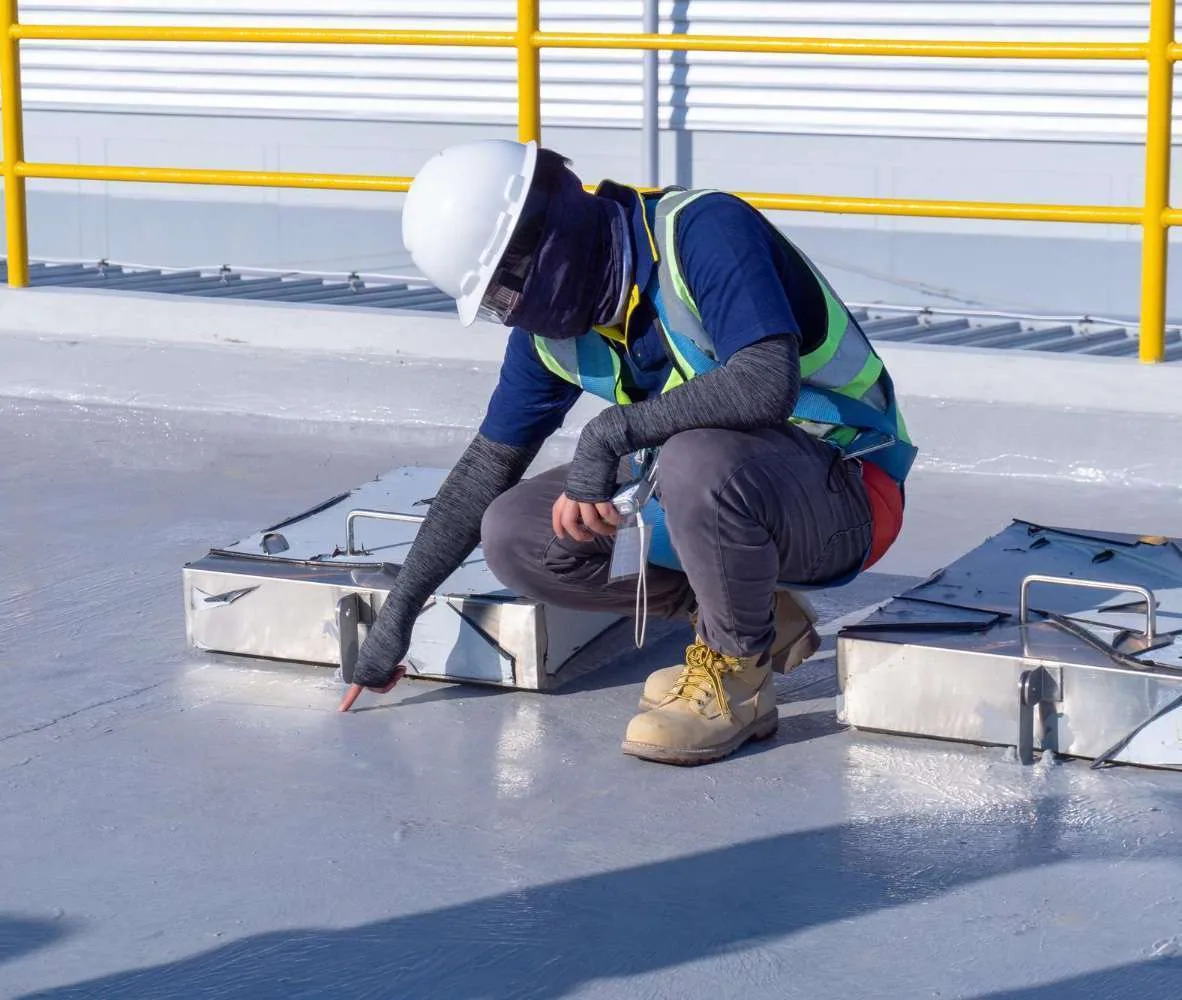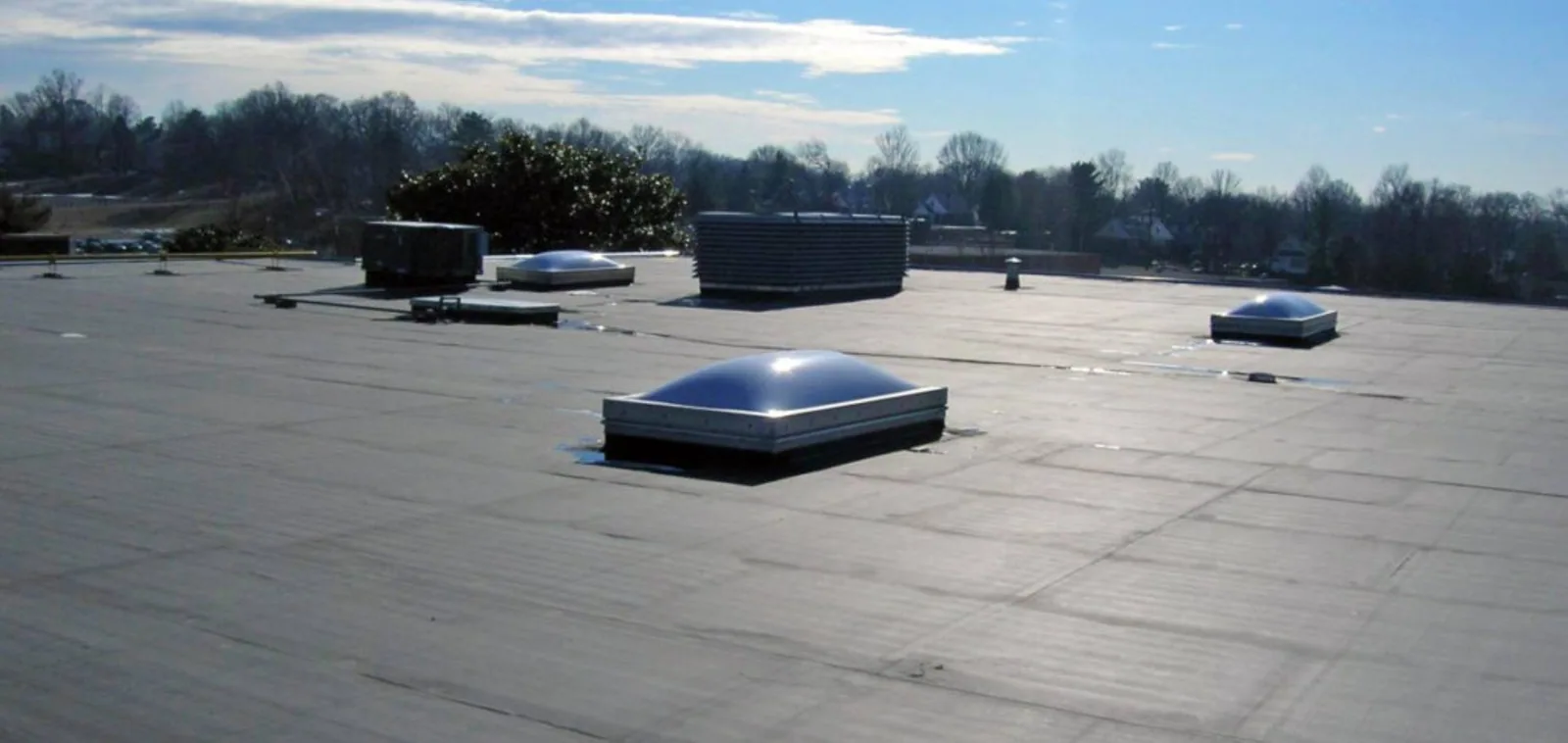
A claim file is stronger when it separates the event, observed damage, prior roof condition, and proposed repair. We inspect the building, map the affected roof sections, photograph visible conditions, and measure the work needed to restore them. The record stays tied to what we can observe; it does not promise how an insurer will decide. Hamilton County has recorded hail, tornado, and damaging-wind events. That regional history frames the reported weather; only an inspection of the building can establish roof damage. We also review maintenance logs and earlier photographs when the owner has them, so an existing condition is not mistaken for a new event. If water is active, we can stabilize the roof while documenting the temporary work. A storm damage inspection and roof condition review provide the building-specific evidence.
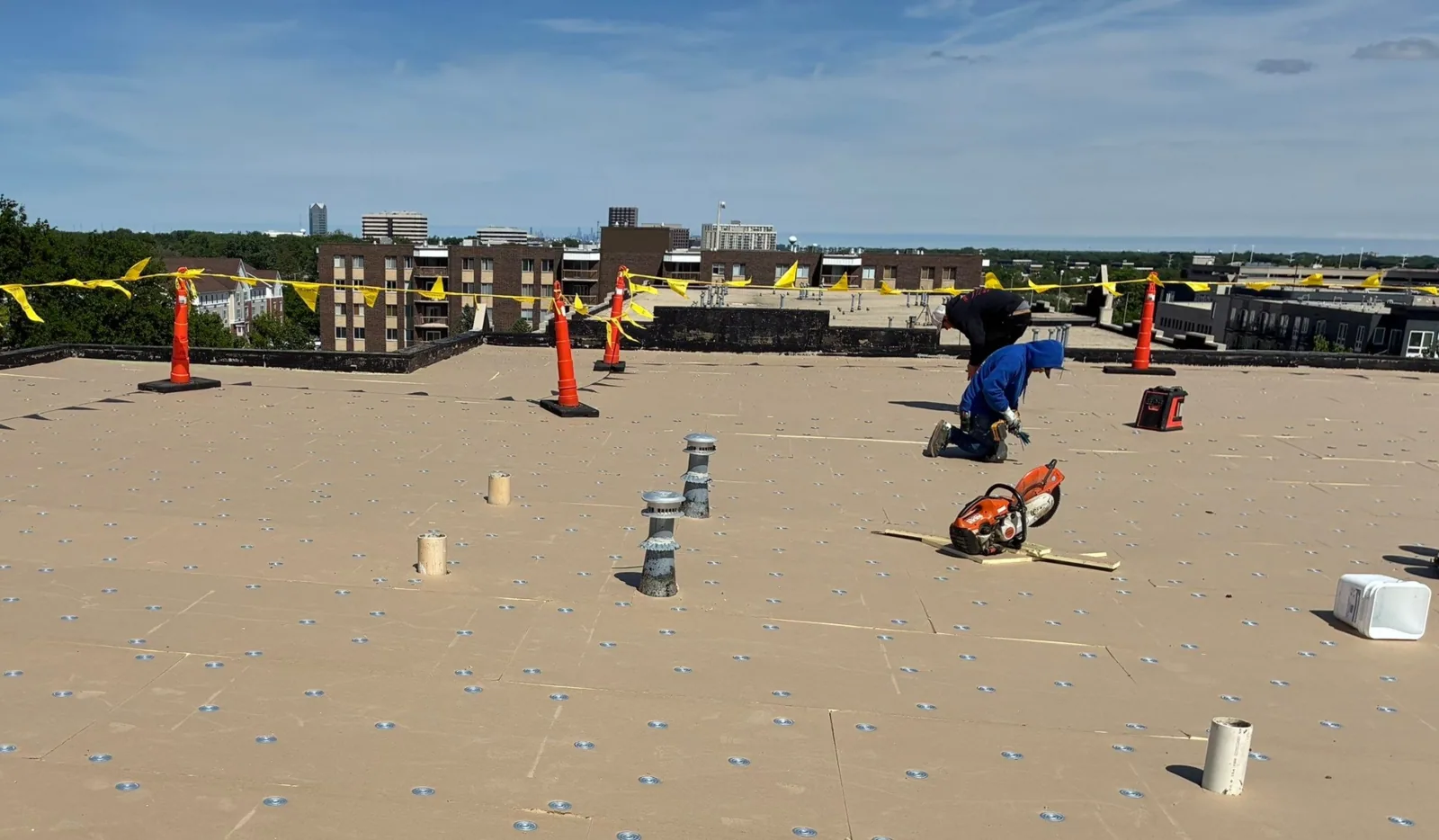
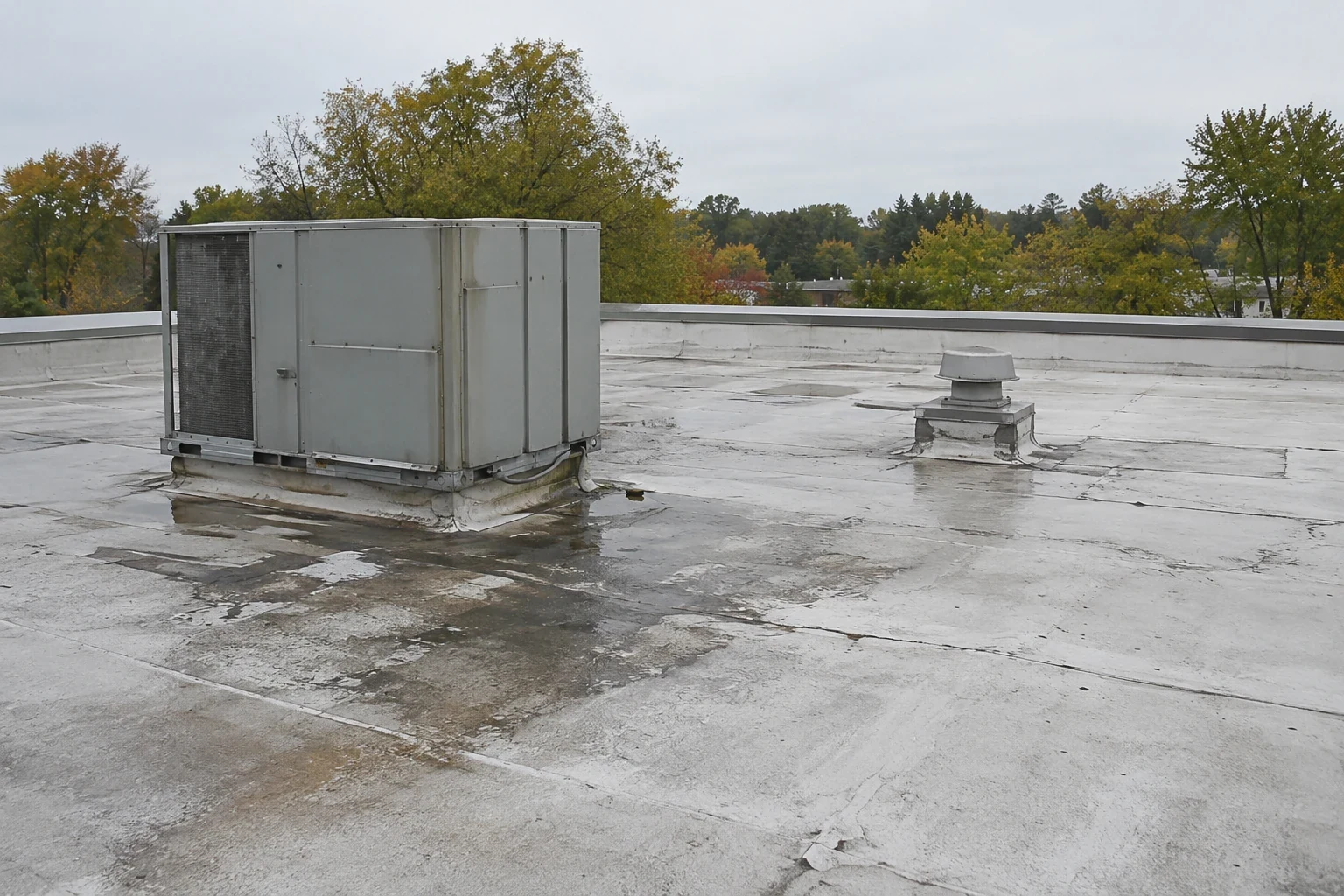
We start with the date of loss provided by the owner, the affected interior areas, and the roof sections reported after the event. On site, we record what is visible: displaced metal, open flashing, punctures, seam separation, impact marks, debris, or drainage problems. Each photograph should show both the detail and enough surrounding roof to locate it later. We note the section and direction of view, then match it to a roof plan if one is available.
Pre-event information helps establish condition. Prior inspection reports, work orders, warranties, invoices, and maintenance logs may show whether a seam or drain had already needed attention. We compare those records with current observations and identify changes where the evidence supports that conclusion. If a condition cannot be dated from the available record, we describe it without assigning a cause.
Testing can matter when water may be trapped under the membrane. We mark suspect areas and recommend infrared screening or core cuts when confirmation could change the repair quantity. One sample represents one point, not the entire roof. The report states which locations were tested, what was found, and where more evidence may be needed. A moisture survey can help direct that testing across a large roof.
The repair scope identifies the roof area, preparation, material, flashing or seam work, insulation replacement if confirmed, and any access or protection required. We distinguish emergency dry-in from permanent repairs and list assumptions that could change if concealed damage appears. Measured quantities help the owner compare the work with the roof map and understand which portions remain outside the proposal.
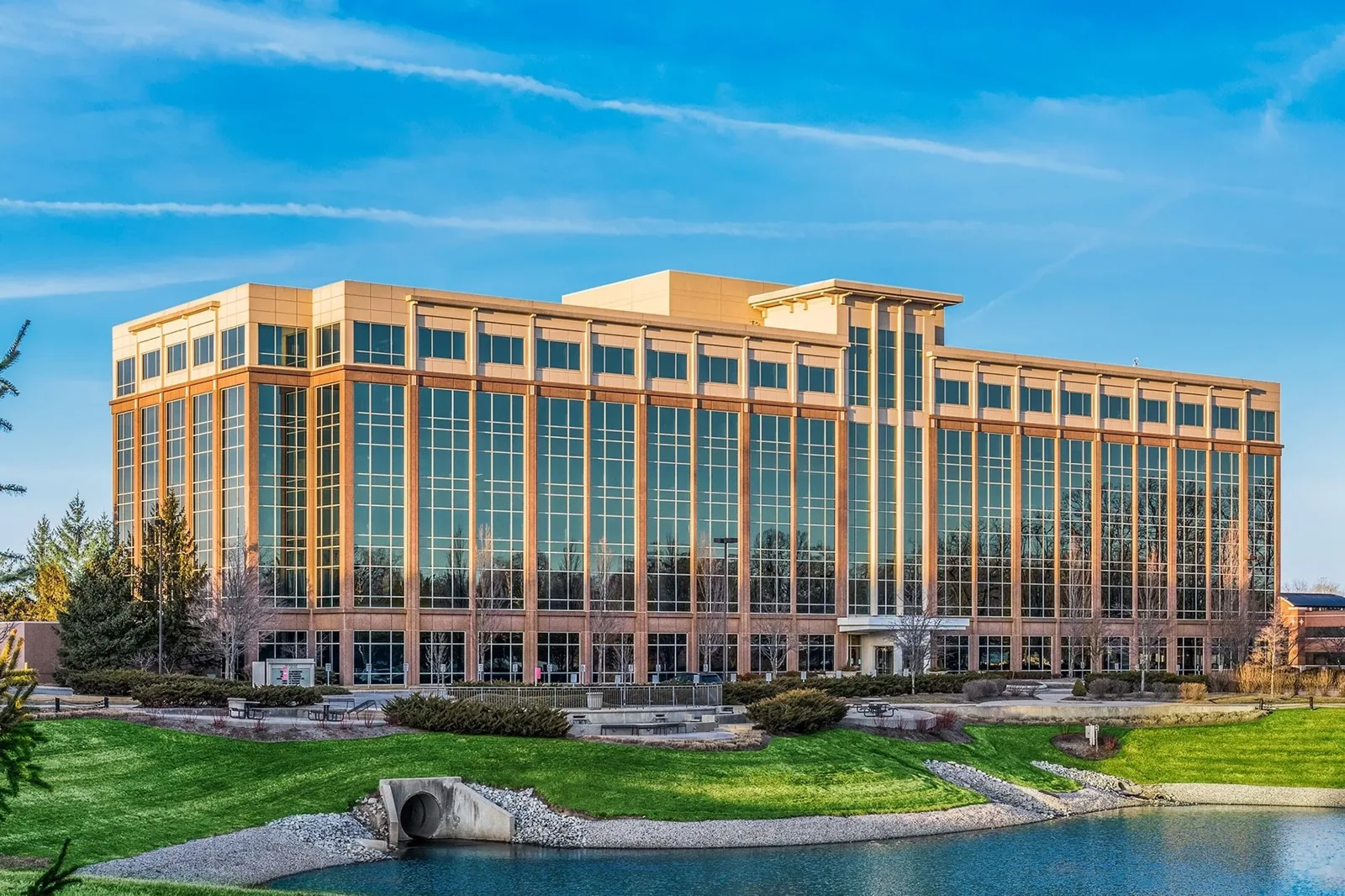
For a portfolio in Carmel, each building needs its own identification and documentation. Parkwood Crossing includes several office buildings along with hotel, restaurant, and parking uses. Those are distinct commercial uses within one redevelopment area; the claim file still records the actual roof and access constraints of the affected property. We label the building, section, and interior report rather than relying on a general campus description.
If the evidence points to broader deterioration, we separate that condition from the event-related repair. A repair scope can address existing maintenance needs, while a replacement estimate can be prepared when the affected assembly cannot be restored locally. We describe what the inspection supports and leave coverage decisions to the insurer and policyholder.
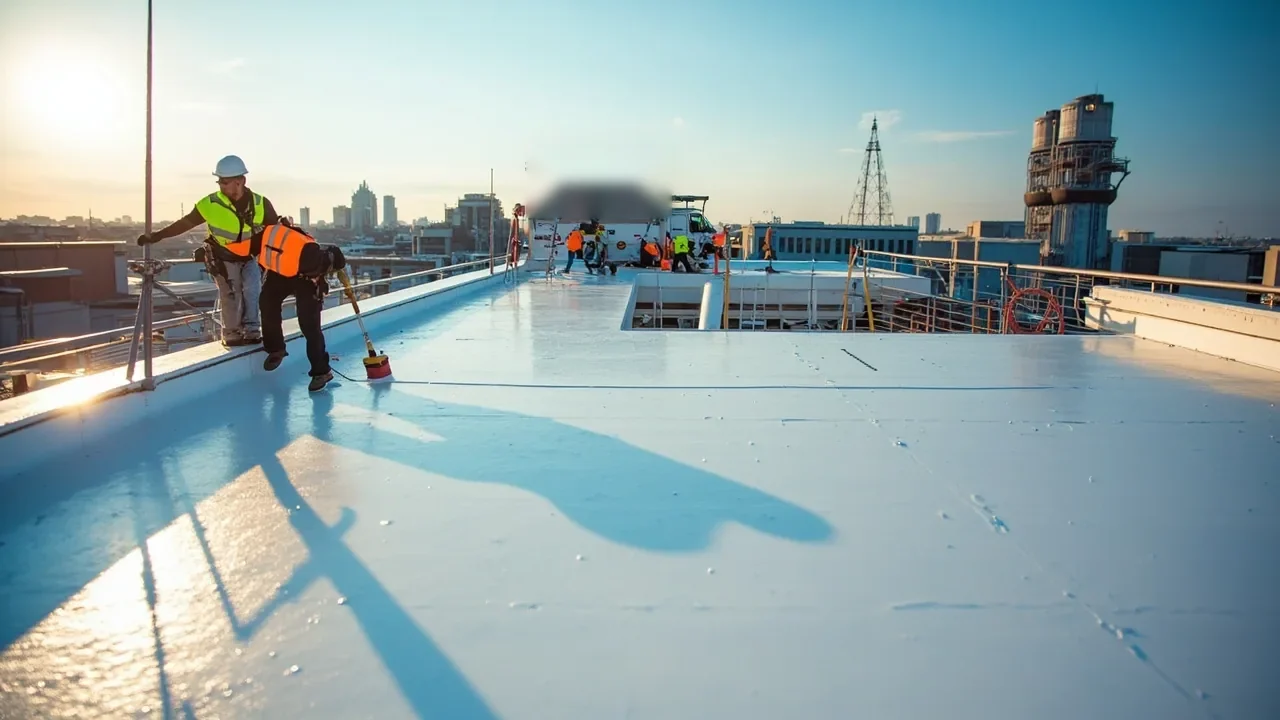
Active leaks may need temporary work before the claim review is complete. We can respond around the clock, protect exposed areas, and record the materials and limits of the dry-in. Temporary measures should be labeled as interim so they are not confused with permanent repairs. If weather or access prevents a complete inspection, we state what remains to be checked and plan the follow-up.
We coordinate with the property contact around interior access, tenant operations, equipment, and roof staging. A building along Carmel's U.S. 31/Meridian office corridor may have different access needs from a mixed-use property in City Center. We confirm the actual site route and affected rooms rather than assuming nearby properties operate the same way.
When a permanent repair begins, we photograph the opened assembly, note concealed conditions, and compare the measured quantity with the approved scope before expanding the work. If the deck or insulation differs from what was visible, we explain the finding and request direction before proceeding beyond the agreed boundary. That keeps the construction record connected to the inspection evidence.
Storm history is not the same as proof of damage. Hamilton County event records provide regional context, but an individual roof needs dated observations, photos, and any relevant pre-loss condition reports. We describe the event information supplied by the owner and identify which roof findings are consistent with the reported timing, without claiming that a regional record establishes the cause at the property.
Repairs may reveal older defects next to newer damage. We document each condition separately and identify the work needed for safety, water control, and restoration. If the owner wants to proceed with essential protection before all questions are resolved, the scope can state the temporary work and hold other items for review. A condition report can preserve the inspection findings in a format the facility team can also use later.
Claim support is documentation and coordination, not a coverage decision. We can answer questions about our inspection and repair scope, provide photographs and quantities, and record changed conditions during construction. The insurer and policyholder determine coverage and settlement under the policy. A clear roof record lets the owner, facility team, and claim reviewer distinguish observed conditions from proposed work.
At closeout, we provide the completed work areas, photographs, materials and quantities, and remaining recommendations. The owner can keep that record with the claim correspondence and roof maintenance history. A later inspection can compare any new finding with the prior repair boundary and identify what remained outside that work.
Carmel's central core includes Carmel City Center and Midtown, each with mixed-use and office development. For buildings in those areas, access and tenant coordination should be recorded at the property level. We note the actual work boundary and any follow-up needed, so the closeout remains useful to the next facility manager rather than relying on a general district label.
If the roof needs future work beyond the claim scope, we can provide a separate budget and schedule option. A capital plan can place that work alongside other building needs. The owner receives a roof record that supports both claim review and later maintenance decisions without conflating the two.
We document roof conditions and prepare a measured repair scope, but the insurer and policyholder determine coverage under the policy. Our report states what we observed, which areas were tested, and what work is proposed.
Prior roof reports, repair invoices, maintenance logs, leak dates, pre-event photographs, and the policyholder's event details can help establish the building history. We review what is available and identify gaps that affect the condition comparison.
Active water entry may need protection to limit interior damage. We document temporary work, its location, and its limits, then coordinate a later inspection if the permanent repair scope requires additional review.
We record older conditions separately from observed changes and compare them with prior reports when available. If the timing or cause cannot be established from the evidence, the report says so rather than assigning a date.
Concealed deck or insulation conditions can change measured quantities. We photograph the finding, explain how it affects the scope, and review the added work with the owner before proceeding beyond the agreed boundary.