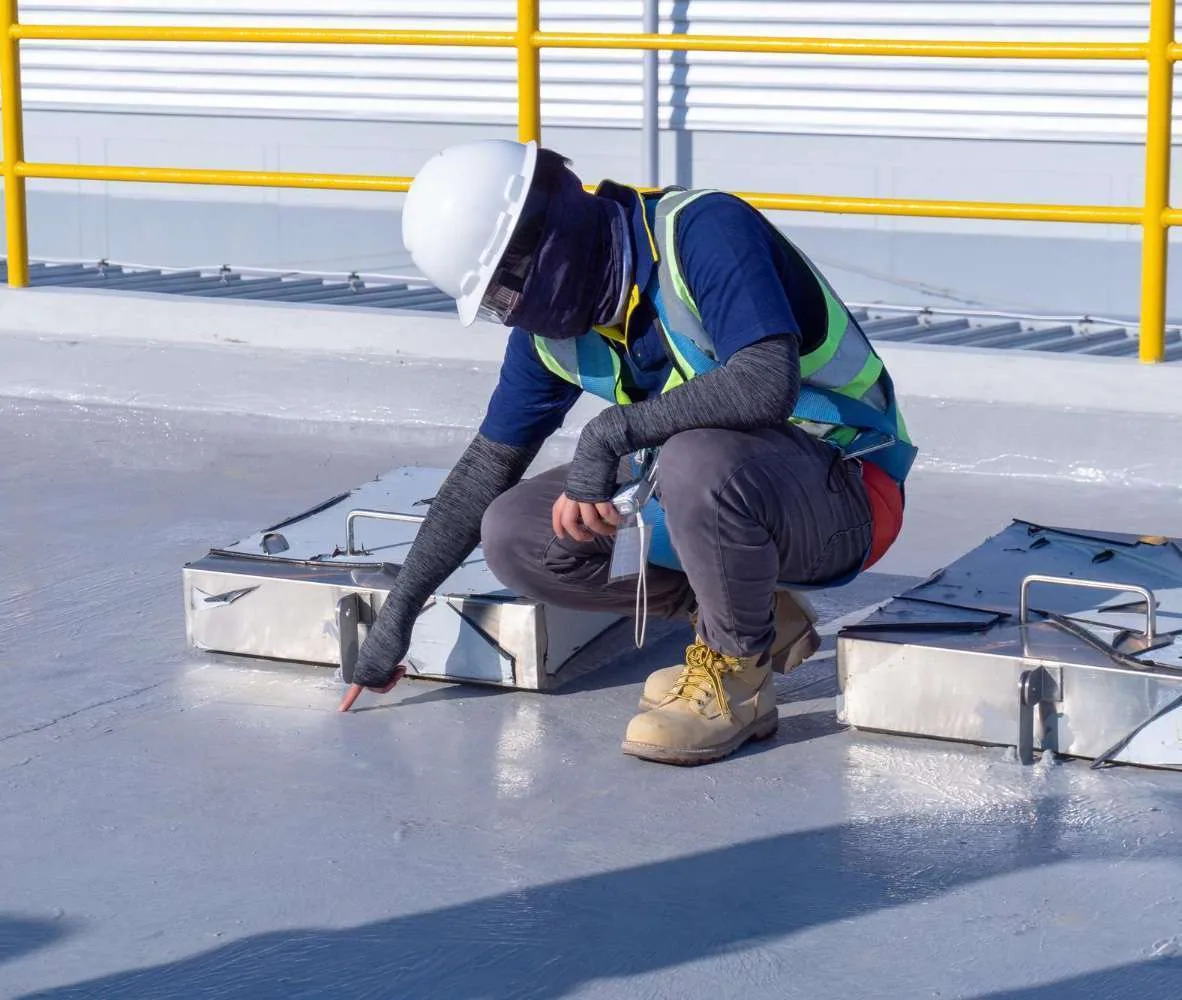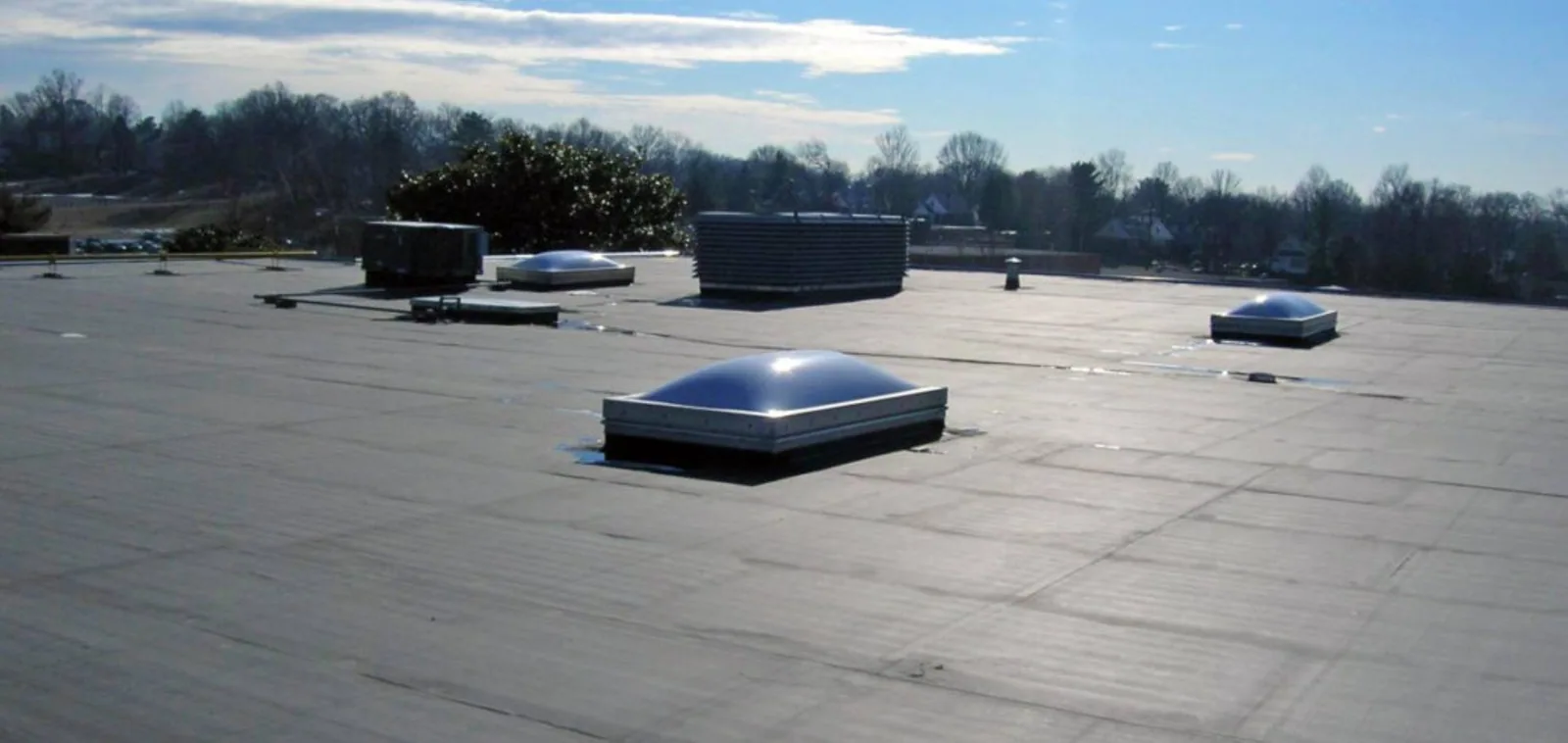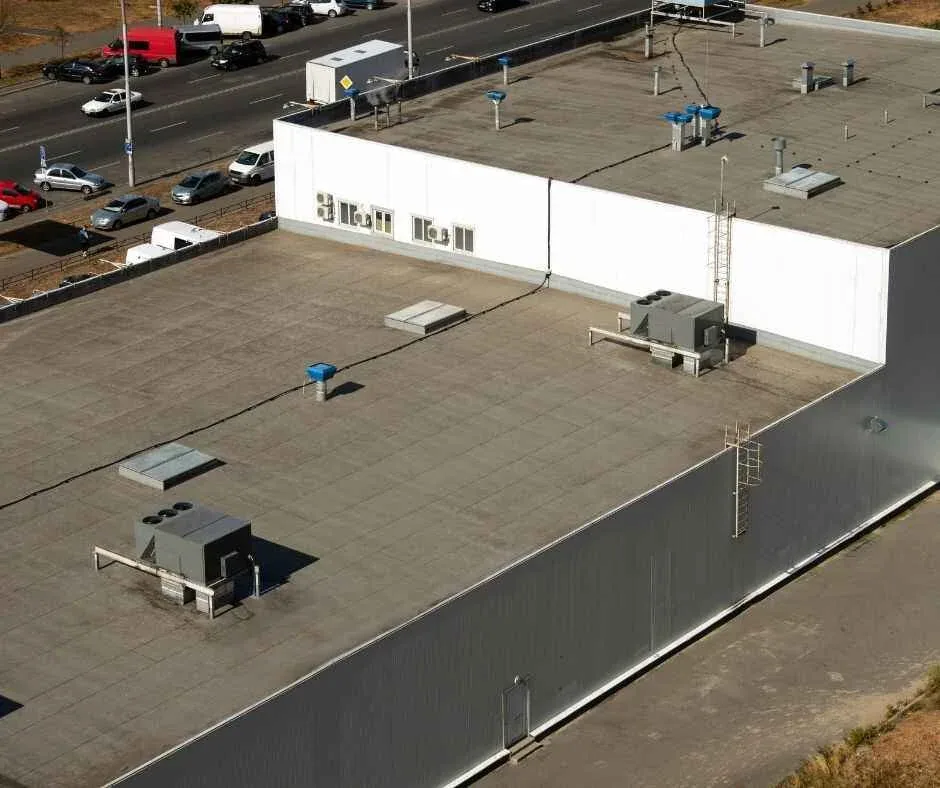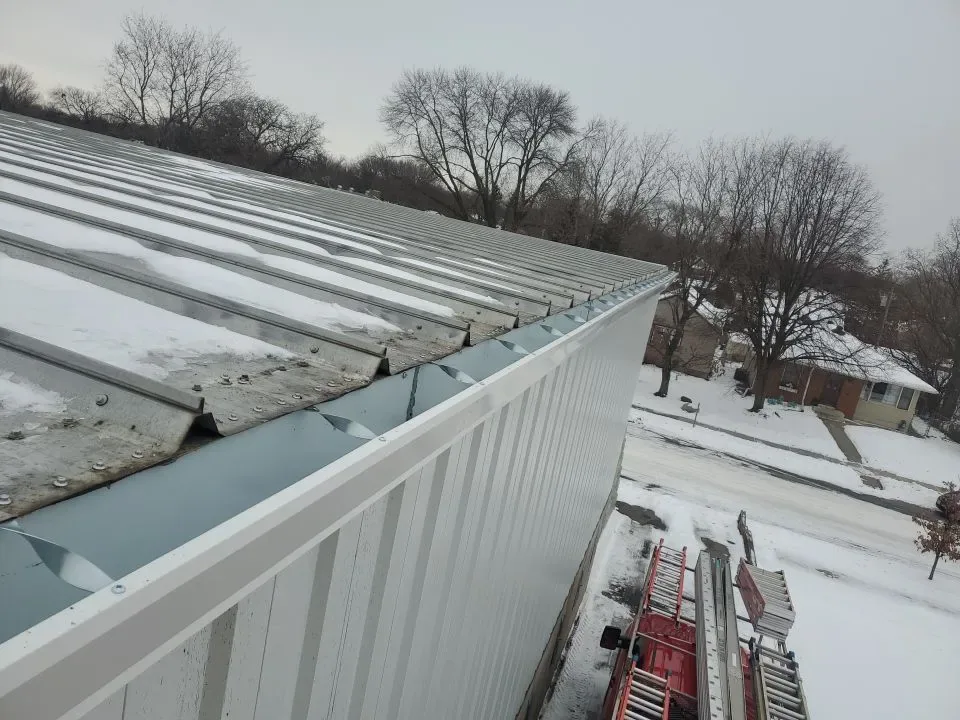
Hail marks need a roof inspection before they become a repair estimate. We look at the membrane, metal edges, rooftop equipment, skylights, and exposed accessories, then record which conditions appear new and which may predate the event. Central Indiana severe-weather records include hail reports in Hamilton County. After a reported event, we inspect the Carmel building's membrane, metal edges, rooftop equipment, skylights, and accessories, then mark visible impact and any detail that needs testing.
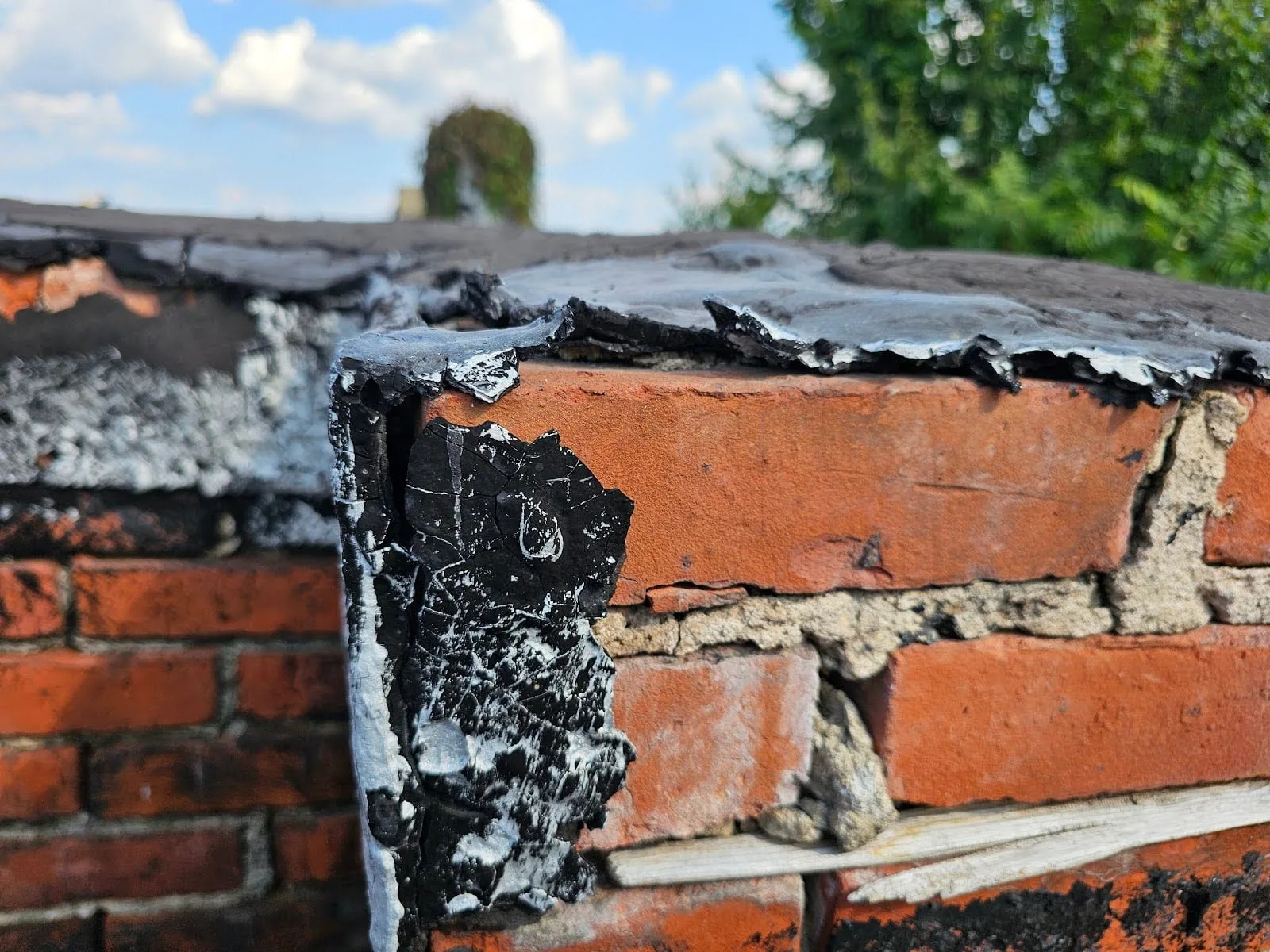
We map roof sections and photograph impact areas with enough context to locate them later. Dents on a soft-metal component may be relevant, but they do not alone prove that a membrane has failed. We separate visible marks, punctures, opened seams, loosened flashings, and active water entry so the owner can review repair needs without treating every mark as the same condition.
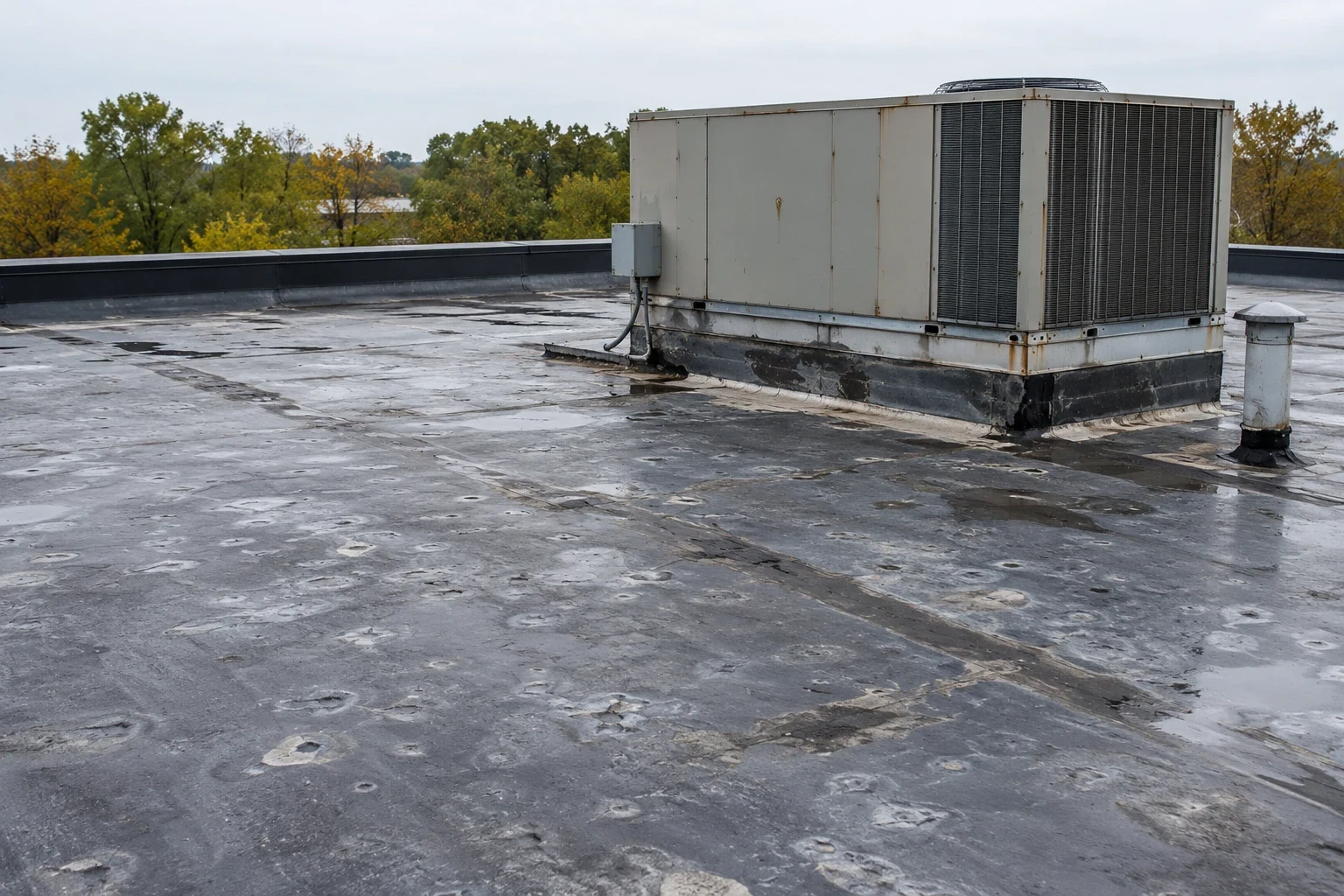
We inspect field membrane, seams, edge metal, copings, vents, curbs, skylight frames, and exposed rooftop units. The assessment notes the material, location, and observed condition. We compare impact marks with prior photographs or maintenance records when they are available, then identify areas that need closer examination. A dent may be cosmetic, while a cut, crack, opened joint, or displaced component can create a water path.
Interior evidence is part of the same inspection. We record leak reports, ceiling marks, wet insulation indicators, and affected equipment, then compare them with roof details above and nearby. Water can travel before appearing indoors, so we trace the path from the reported room across likely roof details before marking the repair boundary. A commercial roof inspection can organize findings across a campus or portfolio by building and section.
Where concealed moisture could change removal quantities, we explain the reason for testing and the limit of what a test can show. An infrared moisture survey may help screen candidate areas when the conditions support it; selective confirmation still matters before pricing insulation removal. The owner gets a clear line between observed impact and an area that remains uncertain.
Hail can strike membranes, metal components, vents, and skylights, but an inspection also needs to account for ordinary wear, prior repairs, foot traffic, and equipment service. We note which condition is visible and where the repair boundary lies. If a seam was already open or a patch was deteriorated, the record should not label that condition as new hail damage without supporting evidence.
Hamilton County's severe-weather records include hail and damaging wind. When both are possible, we inspect edges and terminations for movement separately from impact marks in the field. A wind-damage assessment can examine lifted edges or opened laps; the hail review focuses on contact marks and whether material was punctured or displaced. Each finding has its own location and repair need.
On a roof with many accessory details, we inspect metal copings, drain flanges, curbs, and walkway pads for new openings. A metal-edge review can define a loose coping or damaged termination. If a transition is open, a flashing correction can be separated from field membrane work. That makes the scope easier to compare with the photographs and site map.
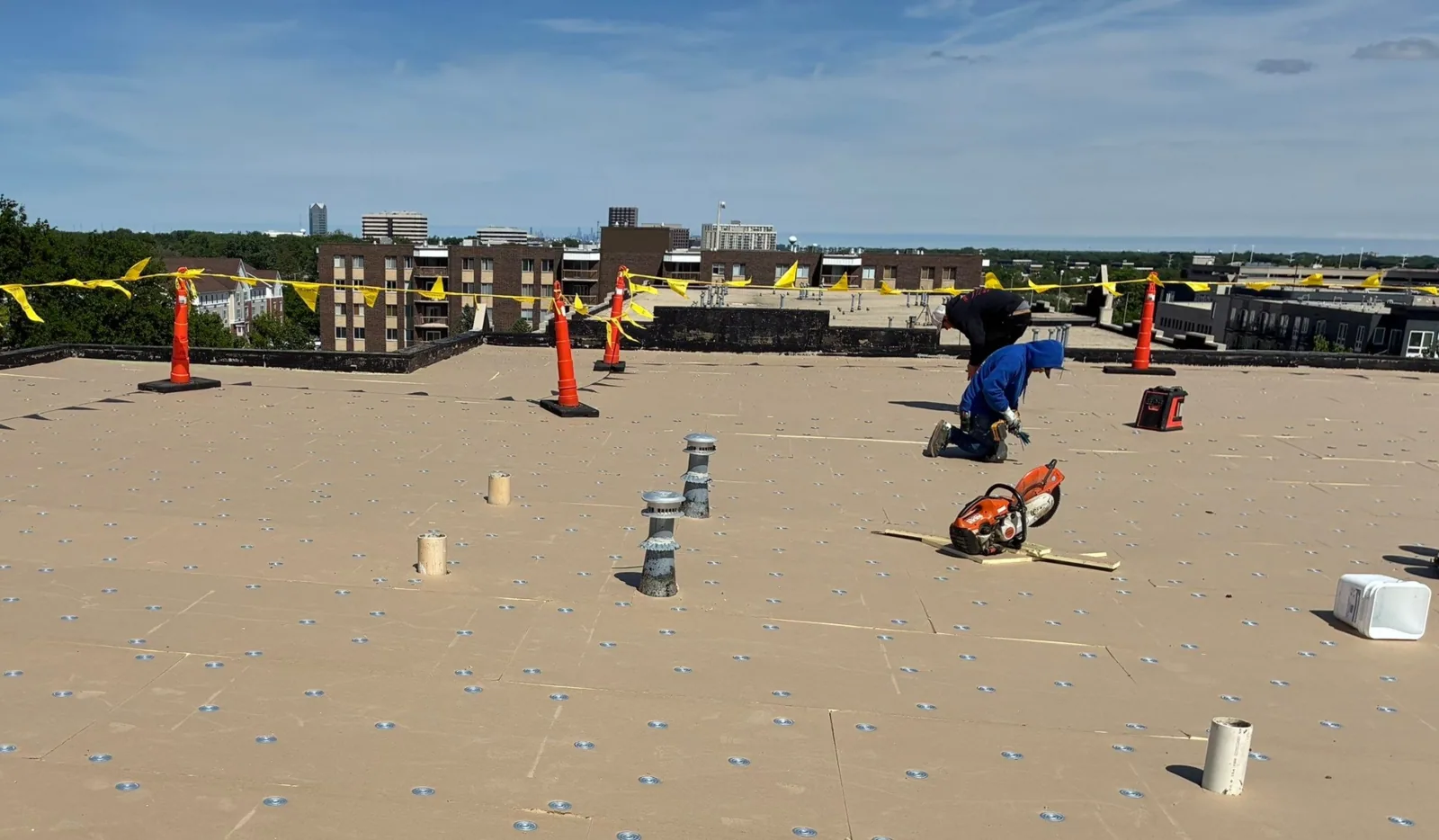
A repair follows the installed system and the condition beneath the impact. We remove loose or split material, prepare a sound surface, and install a compatible patch with enough overlap to create a continuous waterproof detail. If a metal panel, curb, or skylight frame has moved, it may need securement or replacement before the surrounding membrane can be closed. We confirm that water can still drain away from the repair.
If insulation is wet or the deck is affected, we show that work separately from the membrane patch. The commercial roof repair scope lists preparation, material, tie-in, interior protection, and quantities. For multiple affected sections, a storm-damage roof assessment records each building's conditions and follow-up sequence separately.
When visible impact is widespread or system integrity cannot be restored with localized work, we compare repair with a broader renewal. A replacement scope includes removal, insulation, cover board, edges, penetrations, and disposal. A recover option is considered only after checking moisture, attachment, existing layers, drainage, and edge height. We show the decision points so the owner can decide what testing is worth completing before work begins.
After a hail report, water entry and exposed areas should be stabilized before longer repairs are scheduled. We protect the interior, identify safe roof access, and keep temporary measures from blocking drains. If active occupants share the building, we coordinate lift placement, notice, and work hours with the property contact.
Carmel's Meridian and U.S. 31 corridor contains office and employment properties; Carmel City Center combines retail, housing, office space, and public parking. Those local settings illustrate different ways roof staging can intersect with people and vehicles. The actual property contact confirms access rules, tenant routes, and any equipment that needs to remain available during repair.
Material requirements and surface conditions determine the repair window. We confirm whether the roof is dry enough for the selected method and set a daily stopping point with temporary protection in place. If several buildings are involved, we rank them by active leaks, exposed materials, and consequences inside, then keep the repair record attached to the correct asset.
The closeout should include photos, marked roof sections, observed impact, repair materials, quantities, and any items left for testing. We identify which areas were not accessible and whether a follow-up inspection is needed. That record helps the owner compare the repair with later leak reports without assuming the same storm condition applies across every building.
Carmel Science and Technology Park is part of the city's employment area near Meridian and 116th streets. Parkwood Crossing is a multi-building commercial area with offices, hospitality, dining, and parking. These places show the range of property activity in the market, not the condition of an individual roof. A Parkwood Crossing area plan can organize a broader site visit while each building map carries its own hail observations.
Share the event date if known, the property list, prior roof records, leak reports, and access requirements. We can inspect the roof, document confirmed conditions, and set out repair or testing options. If there is no physical evidence of damage, the report should say what was checked rather than infer a repair from the weather event alone.
No. Metal marks are one observation. We inspect membrane, seams, penetrations, and water entry separately before defining the work.
A regional hail report helps set inspection timing, while a roof walk verifies the building's metal, membrane, seams, penetrations, and water entry.
We compare impact patterns with prior repair records, material condition, opened seams, and water reports. The inspection distinguishes what is visible from what needs testing.
The owner can prioritize properties by reported impact, active leaks, exposed accessories, and building use. We inspect each selected roof separately rather than assume a portfolio-wide condition.
The scope identifies confirmed openings, material preparation, compatible patch or component work, access, interior protection, and any moisture testing or replacement quantities still to be confirmed.