A multi-site roof program needs one operating method and separate building decisions. We help owners set inspection cycles, triage leaks, group practical work, and keep a record for each property. That structure lets a portfolio team compare priorities without assuming that neighboring roofs share the same condition. The plan starts with the asset list, contacts, repair history, known access limits, and the dates that matter for maintenance or capital approval. We also establish who can approve emergency work, who receives closeout photos, and how unresolved testing is carried into the next budget review.
Carmel's commercial inventory ranges from office areas along Meridian and U.S. 31 to mixed-use districts such as City Center and Midtown. Parkwood Crossing includes several office buildings and other commercial uses in the same redevelopment area. These settings make coordinated access useful, while the field record still needs to identify the exact building, roof section, and work boundary for every task.
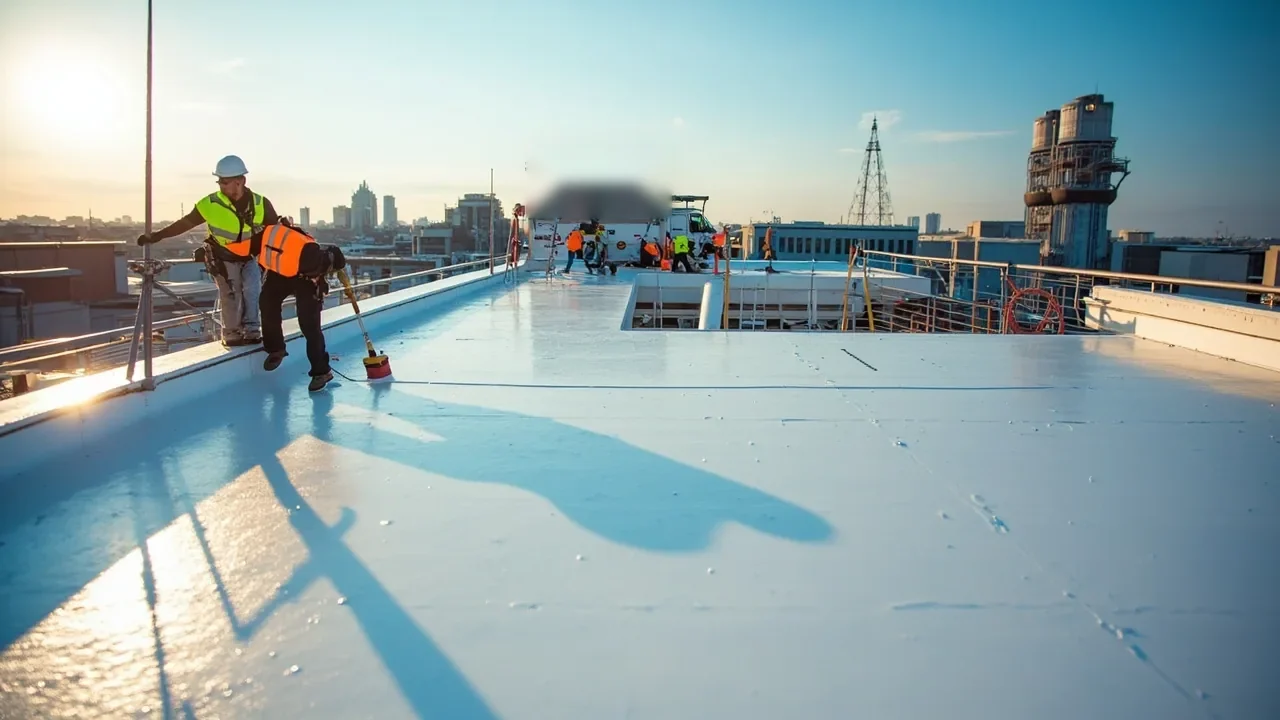
We establish a repeatable cycle for intake, inspection, repair approval, closeout, and follow-up. Each property receives a primary contact, roof access plan, emergency contact path, and labeled building record. If several buildings can be visited during one mobilization, we group the route to reduce repeated setup. Findings and work remain assigned to the correct roof instead of becoming one portfolio-wide work order.
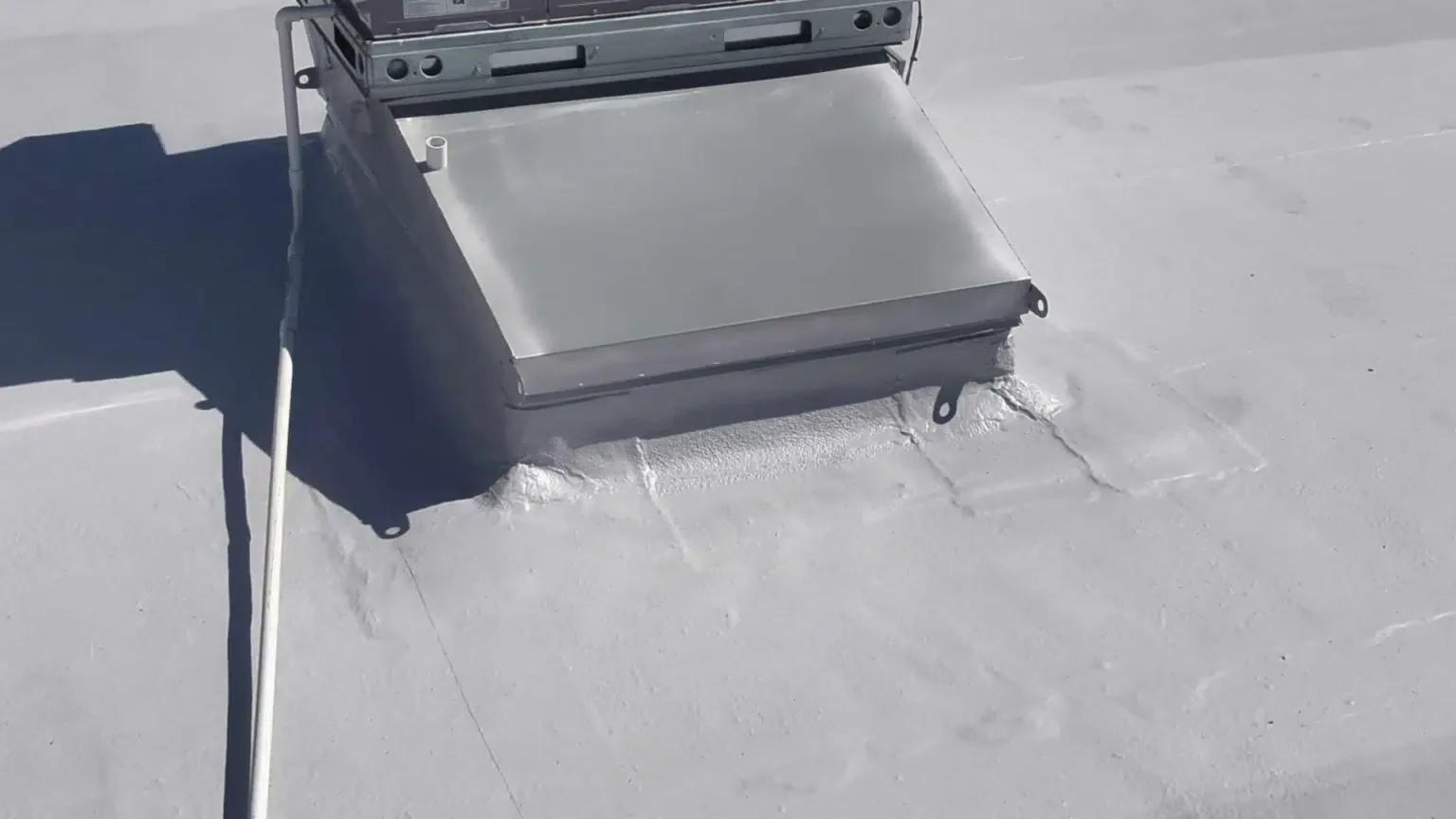
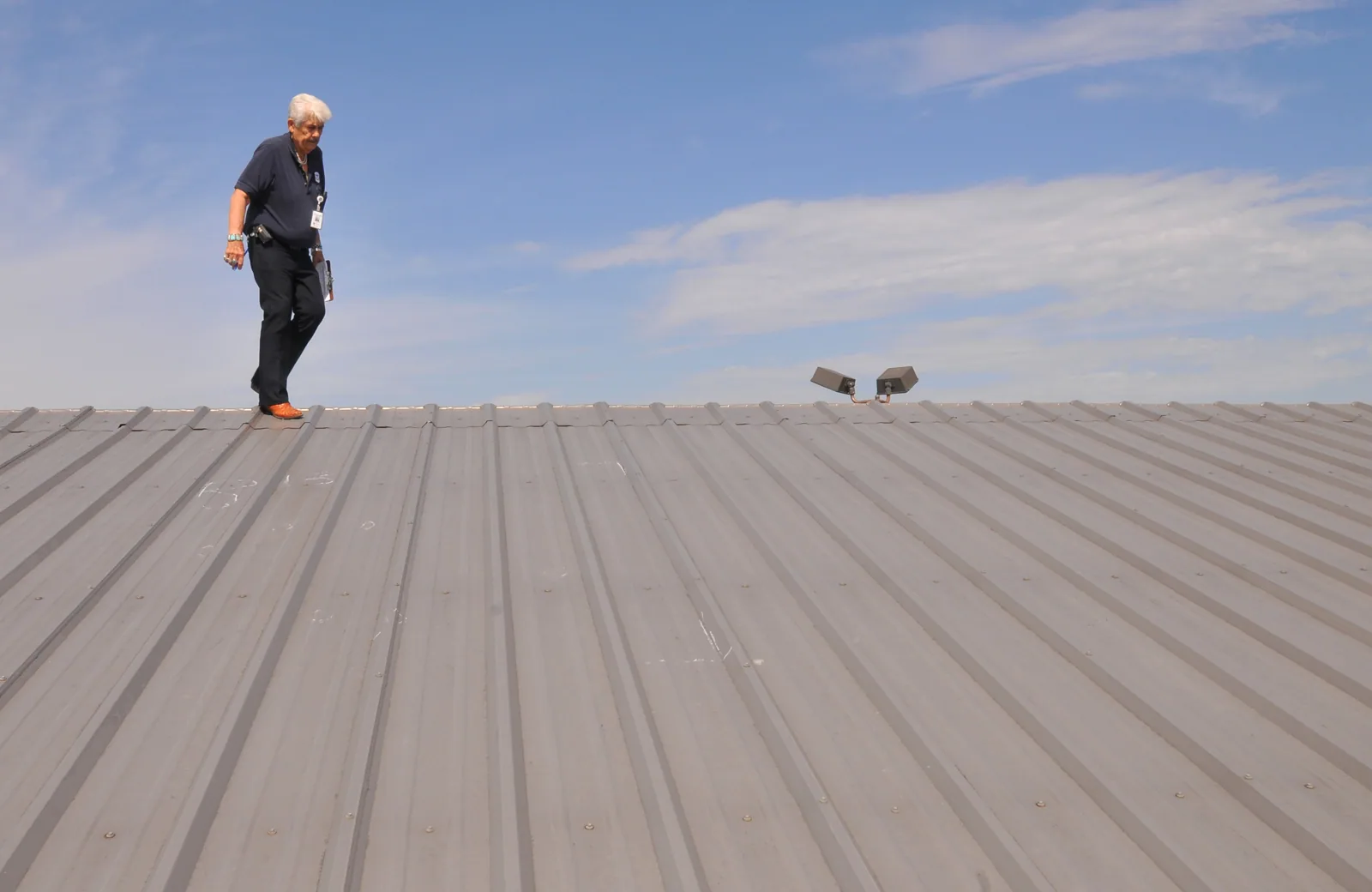
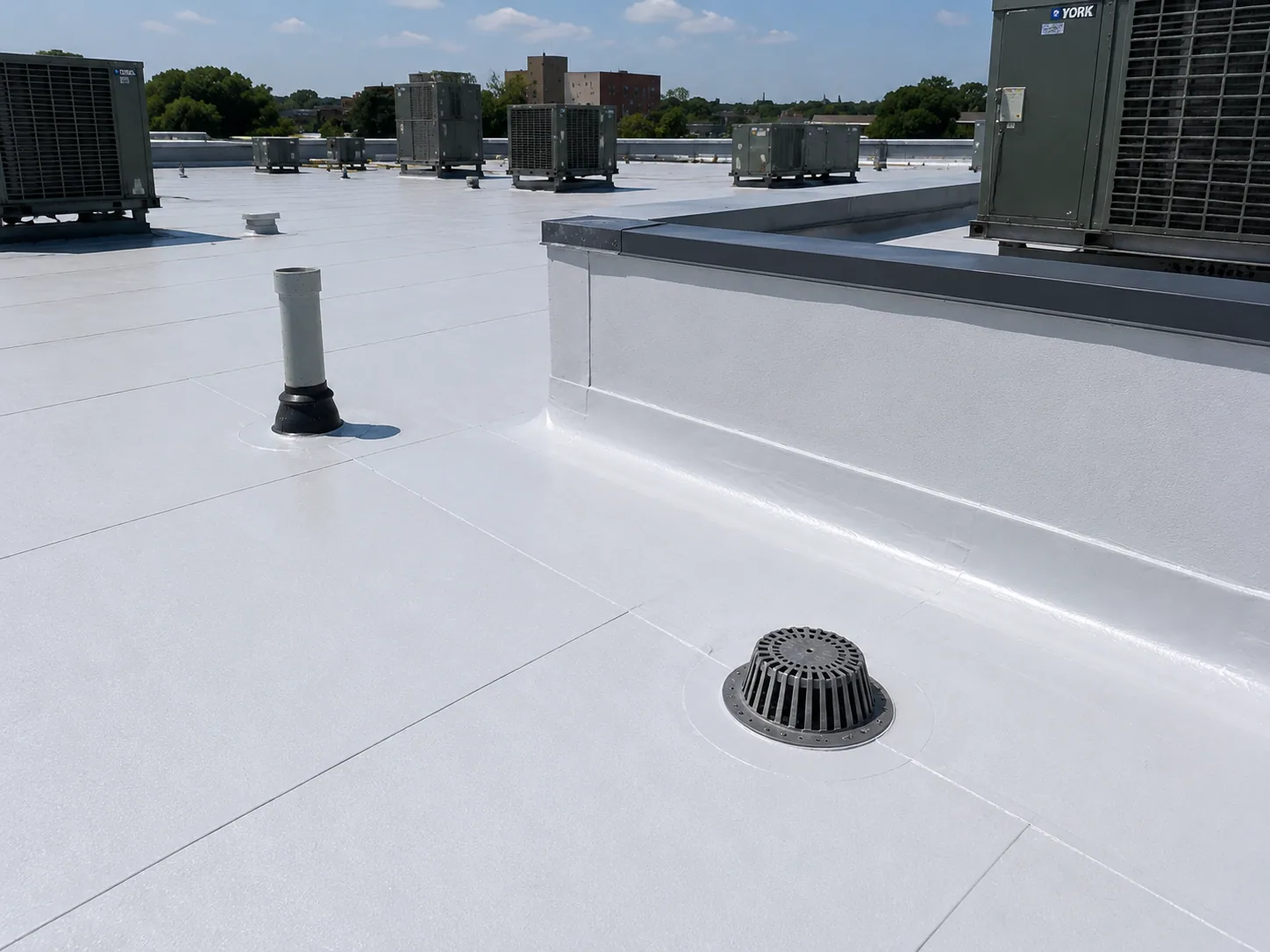
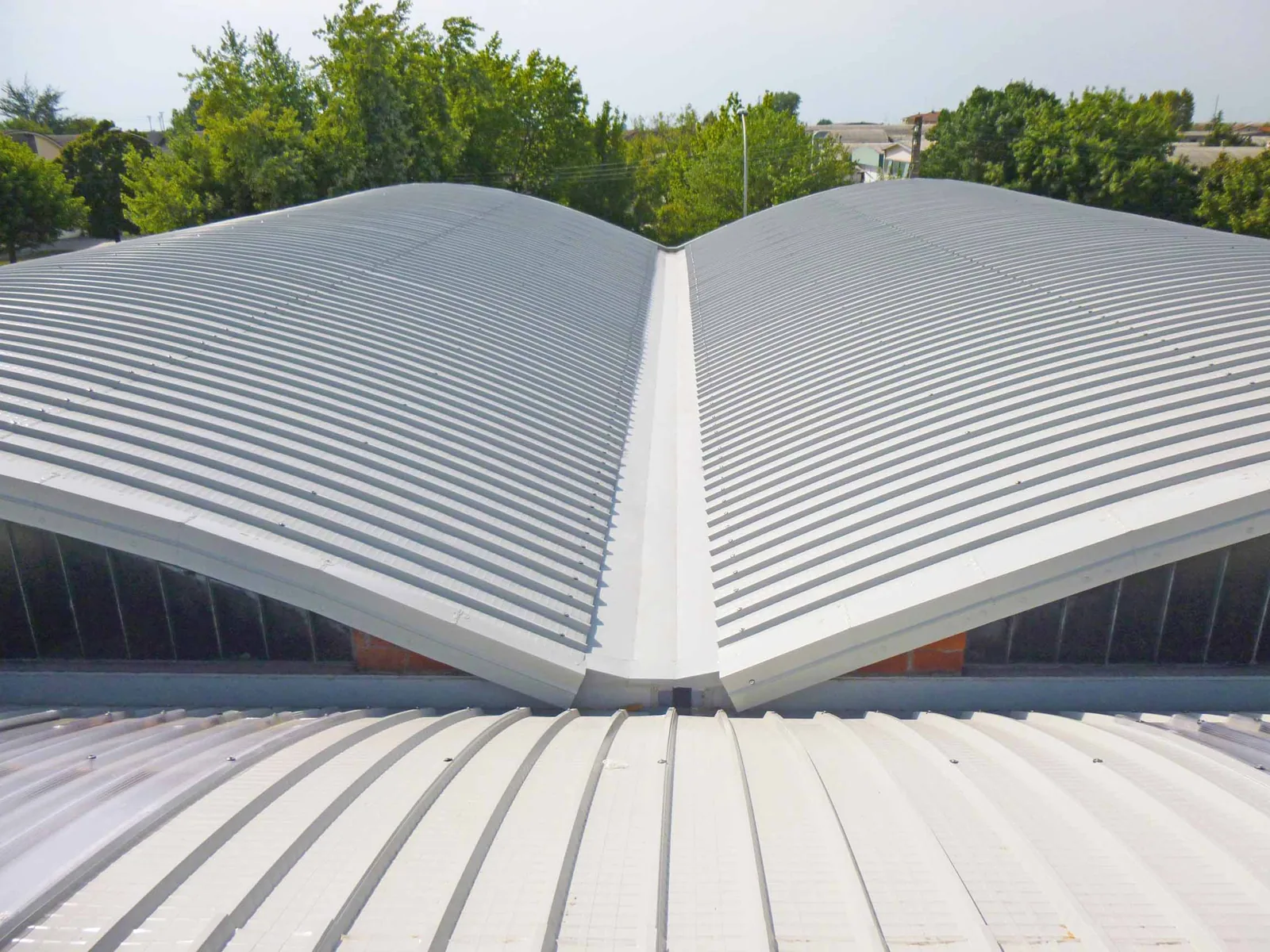
The visit checklist can include membrane or metal condition, drains, scuppers, seams, flashing, curbs, equipment travel paths, prior repairs, and reported interior leaks. A maintenance schedule can address routine service while the program separates capital repair from recurring housekeeping. Seasonal timing should reflect roof condition and safe access, not just a calendar reminder.
For a property team that needs consistent data, the asset management record can keep building labels, maintenance history, photos, and next actions together. We agree on the fields before inspection begins, so the manager receives records that can be compared without forcing each roof into identical ratings.
Leak intake should capture the affected room, date, recent weather, active water, and any equipment or tenant impact. We use that information to identify whether the first response is interior protection, roof access, or a scheduled investigation. Emergency requests can be directed to a response line at any hour, including weekends and holidays. The record then captures what was stabilized and what permanent repair remains.
At the roof, we look beyond the stain to seams, penetrations, drains, edge details, and other possible entry paths. A leak repair investigation documents the likely source and separates emergency protection from corrective work. If a pattern repeats on one roof, the site-specific history can raise its priority for testing or a broader review without labeling every portfolio roof as high risk.
Central Indiana's severe-weather history includes hail, tornadoes, and damaging wind in Hamilton County. That regional record can inform a post-event review cycle. We inspect each reported building and document visible impact, displaced material, and any detail that needs confirmation before repair is scoped.
Combining projects can help with mobilization and scheduling when roof type, access, material, and work timing are compatible. We review those details before presenting a grouped scope. One building may need a drain repair while another needs a membrane renewal; combining those under one broad description can make price and closeout hard to track. We retain line items by building and explain any shared staging or delivery costs.
For planned renewal, a replacement assessment identifies removal, insulation, edge, drainage, and equipment detail work. A recover review checks whether the existing assembly is a candidate for another layer. Those options stay separate at each site, even if a portfolio plan uses the same approval meeting to review them.
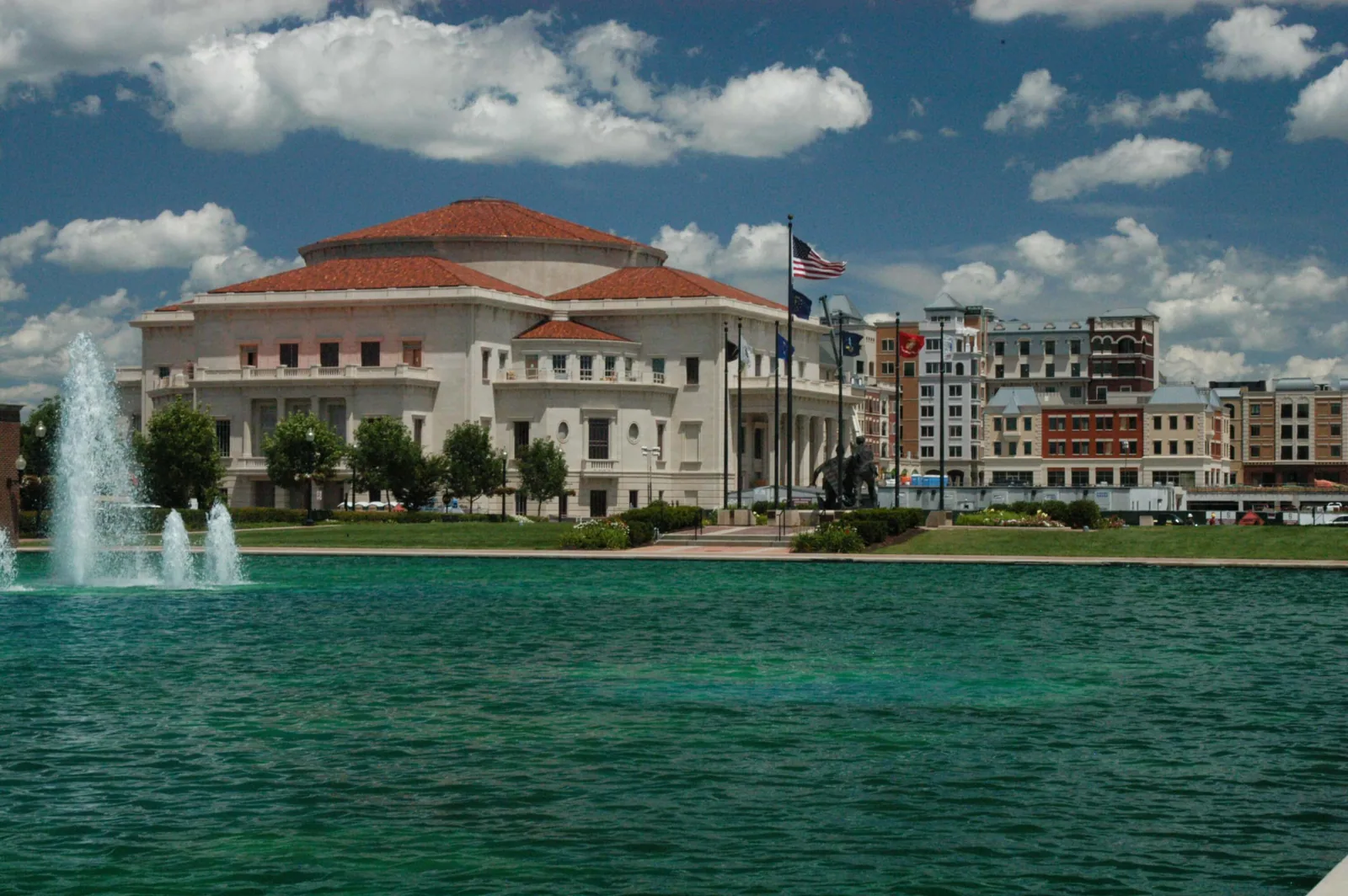
Carmel City Center combines offices, retail, housing, and public parking. A roof project there may need staged work and careful coordination with property operations. At Carmel City Center, we confirm building access, work hours, and delivery needs with the property contact before scheduling crews.
A useful portfolio summary groups information without hiding the details. We can summarize open leaks, planned repairs, completed work, testing needs, and renewal candidates by urgency or approval date. Behind each summary item, the file should retain the building, section, photo, quantity, and recommendation. The manager can then move from a portfolio view to the evidence for one asset. For repeat findings, the next visit can check the same roof section and detail before the item is closed.
A condition report can preserve photos and observations after each inspection. When a property has manufacturer paperwork, the warranty record review can keep maintenance requirements and unresolved documentation questions with that building. Each item separates observed roof conditions, completed work, and open testing or coverage questions.
We also record inaccessible areas, roof sections covered by snow or equipment, and any follow-up that needs an owner decision. If a team member changes, the next manager can see what was checked, what was repaired, and what remains open. That continuity can reduce duplicate calls and prevent old notes from being mistaken for current roof condition.
A portfolio schedule should account for the work itself and the building's operating calendar. We note tenant hours, loading periods, mechanical service, parking constraints, and any planned construction that could affect roof access. Where several roofs share a corridor or campus, the visit sequence can be arranged to limit disruption. The property record still notes any site-specific restriction instead of applying one access plan to all locations.
Indianapolis July averages reach 85.2 degrees, with a normal low of 66.4. For the portfolio, that summer cycle makes rooftop equipment clearances, surface condition, and drainage upkeep relevant planning items. We check each building directly rather than infer a roof temperature from the air reading. The same review cycle can flag an open drain before winter and check the repair after thaw, with every visit tied to its date and roof section.
Clay Terrace is a multi-tenant outdoor retail setting, so roof access and deliveries should be coordinated with the property contact before crews arrive. We confirm the work route, staging area, and operating window, then close the job with building-specific photographs and measured quantities.
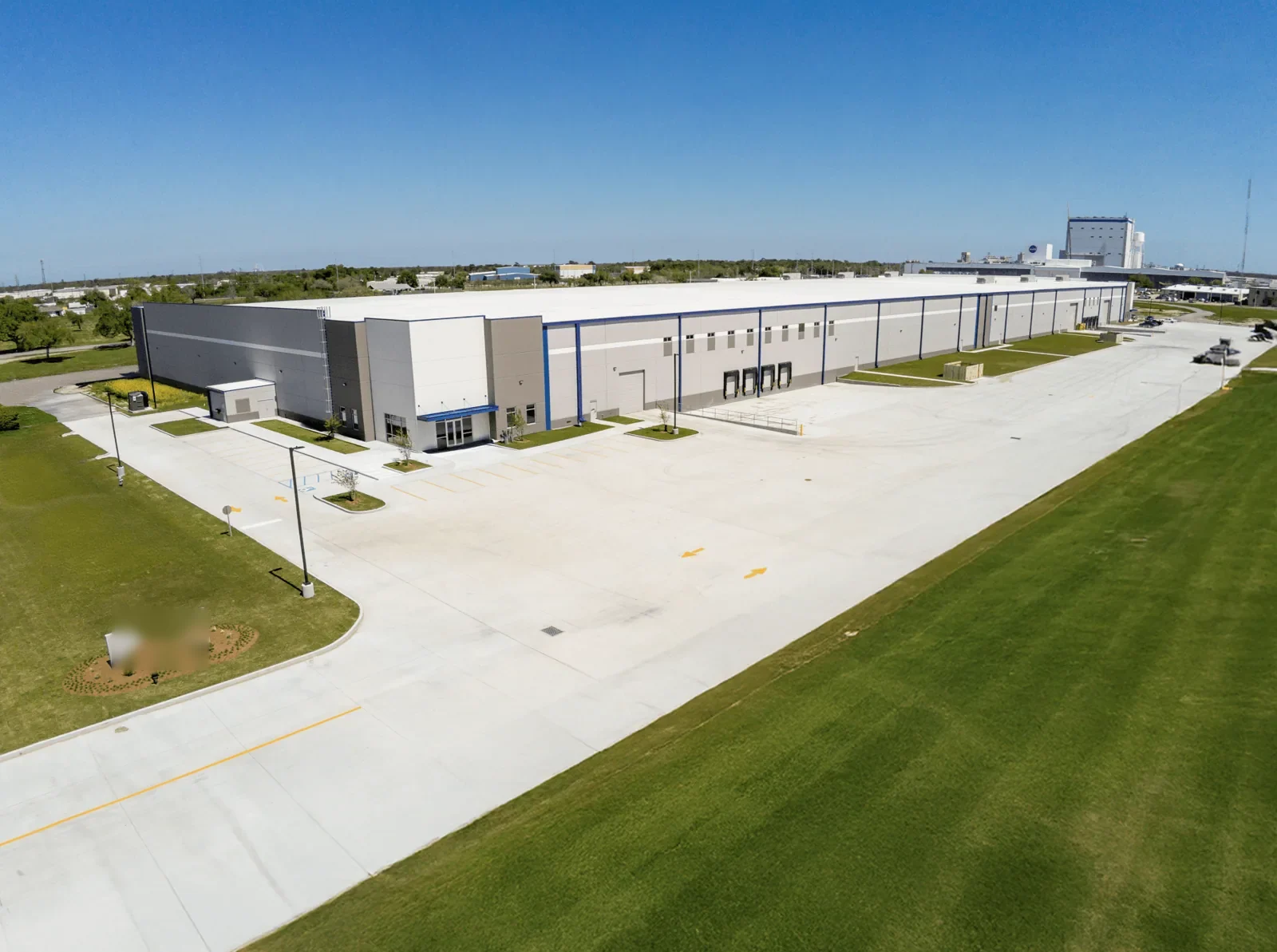
Yes, a common intake and record method can support offices, retail, industrial, and mixed-use properties. We keep inspections and work scopes attached to individual buildings, then summarize them together for portfolio review.
We consider active water, interior impact, weather exposure, roof condition, recurrence, access, and the protection needed. The priority record explains the reason for response and separates temporary stabilization from permanent repair.
When access and operations line up, we can group the site visits. Each roof still receives its own findings and closeout record, so a shared mobilization does not blur which building needs which repair.
We assess each roof and compare repair, recover, or replacement based on its system, condition, testing, drainage, and access. The portfolio schedule can group approval dates, while quantities and assumptions remain separate by asset.
Keep the building list, roof plans, leak reports, photos, inspection dates, repair invoices, warranty documents, access notes, and open recommendations. We can organize the field results so the next manager can locate the same roof section and see what changed.