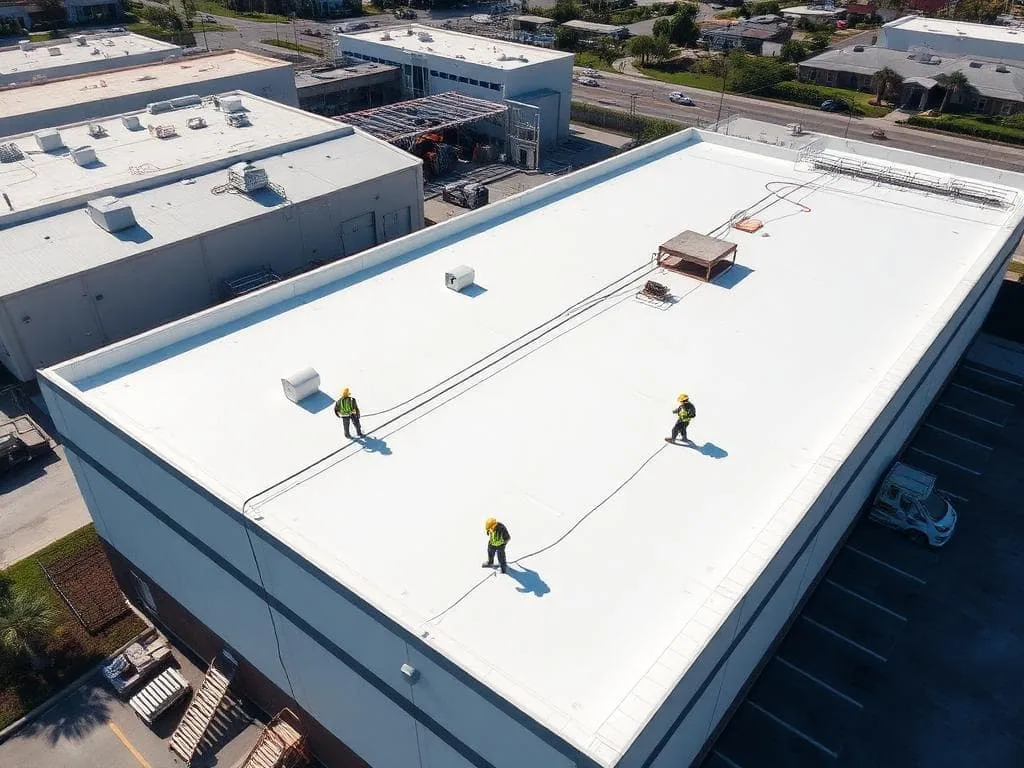
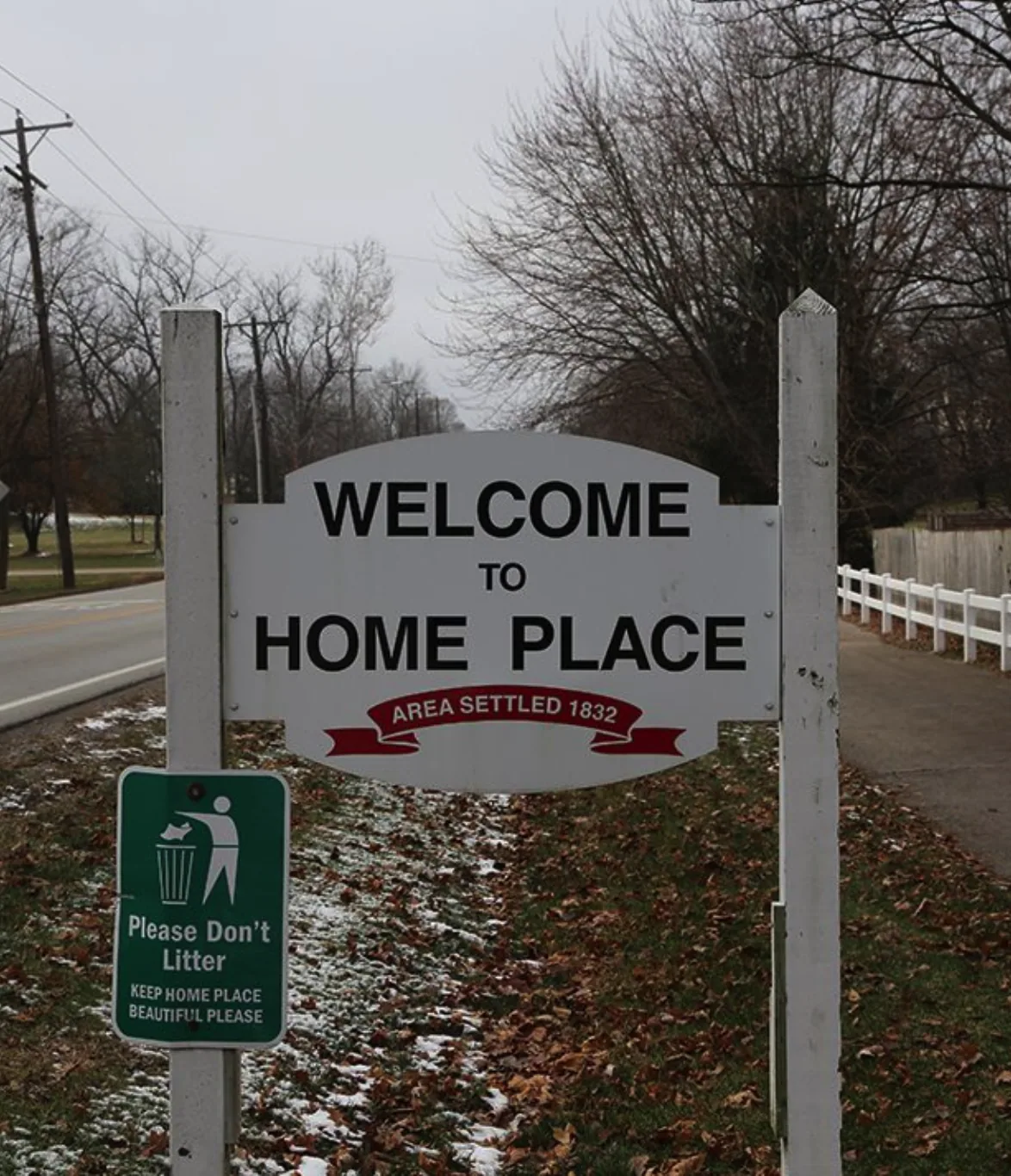
Commercial roof work in Home Place begins with the specific building, not a guess about what a recognized subarea contains. Home Place is a recognized Carmel subarea with planning guidance for future development. We inspect the roof that is actually on the property, confirm its system and access, then document leaks, drainage, seams, edges, and prior repairs. That keeps the recommendation tied to the structure rather than an assumption based on a map label.
A water-main expansion serves Home Place and portions of southwest Carmel. If utility work overlaps a property project, we coordinate the roof access and staging with the owner before setting the repair or renewal sequence.
Before the visit, we request the building contact, roof plan if available, leak reports, prior invoices, and any system or warranty documents. We confirm ladder or hatch access, rooftop equipment rules, and whether work below the roof is active. If the property is part of a larger ownership group, we label the asset and roof sections so the Diligence Notes do not blend with another Carmel record.
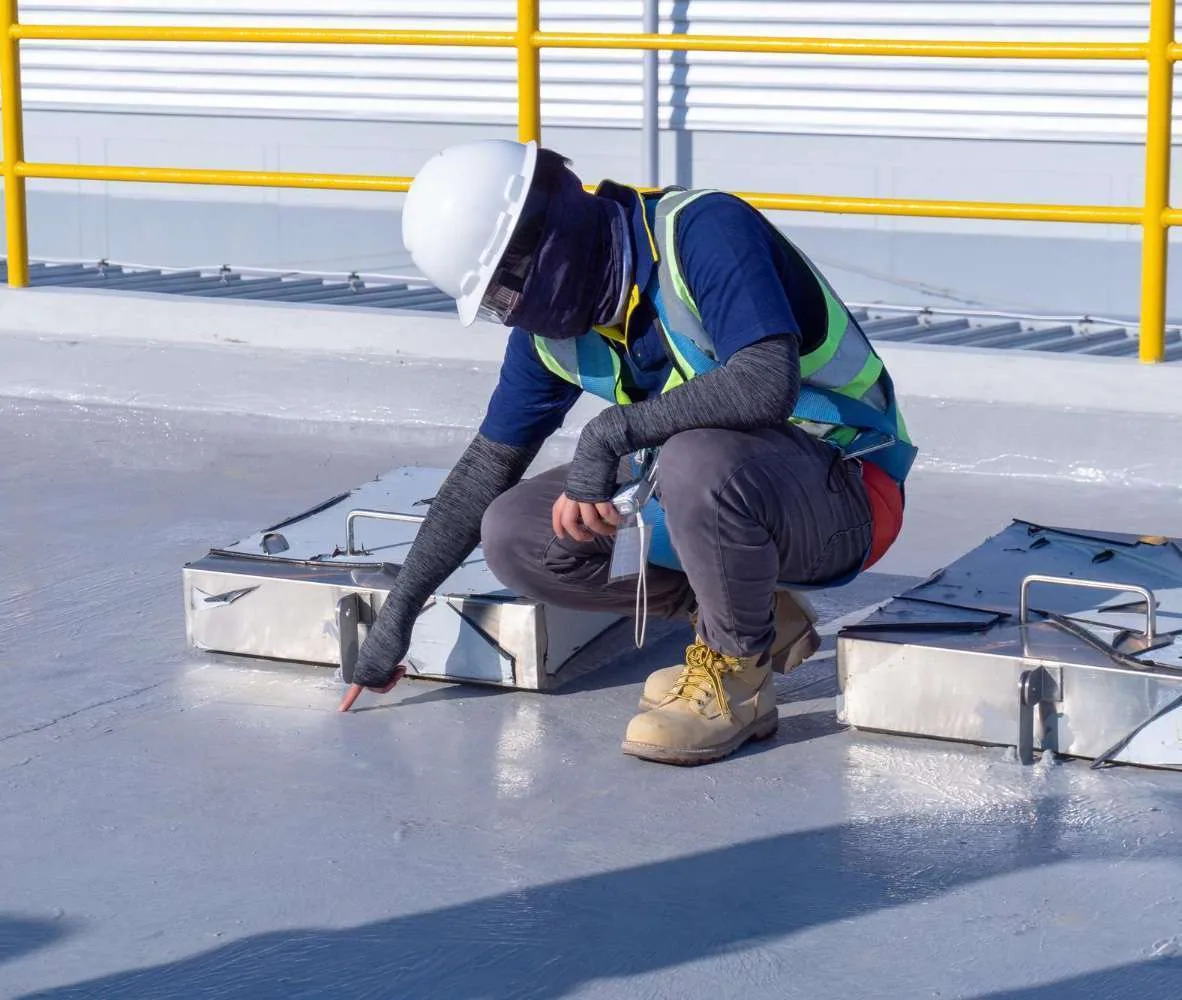
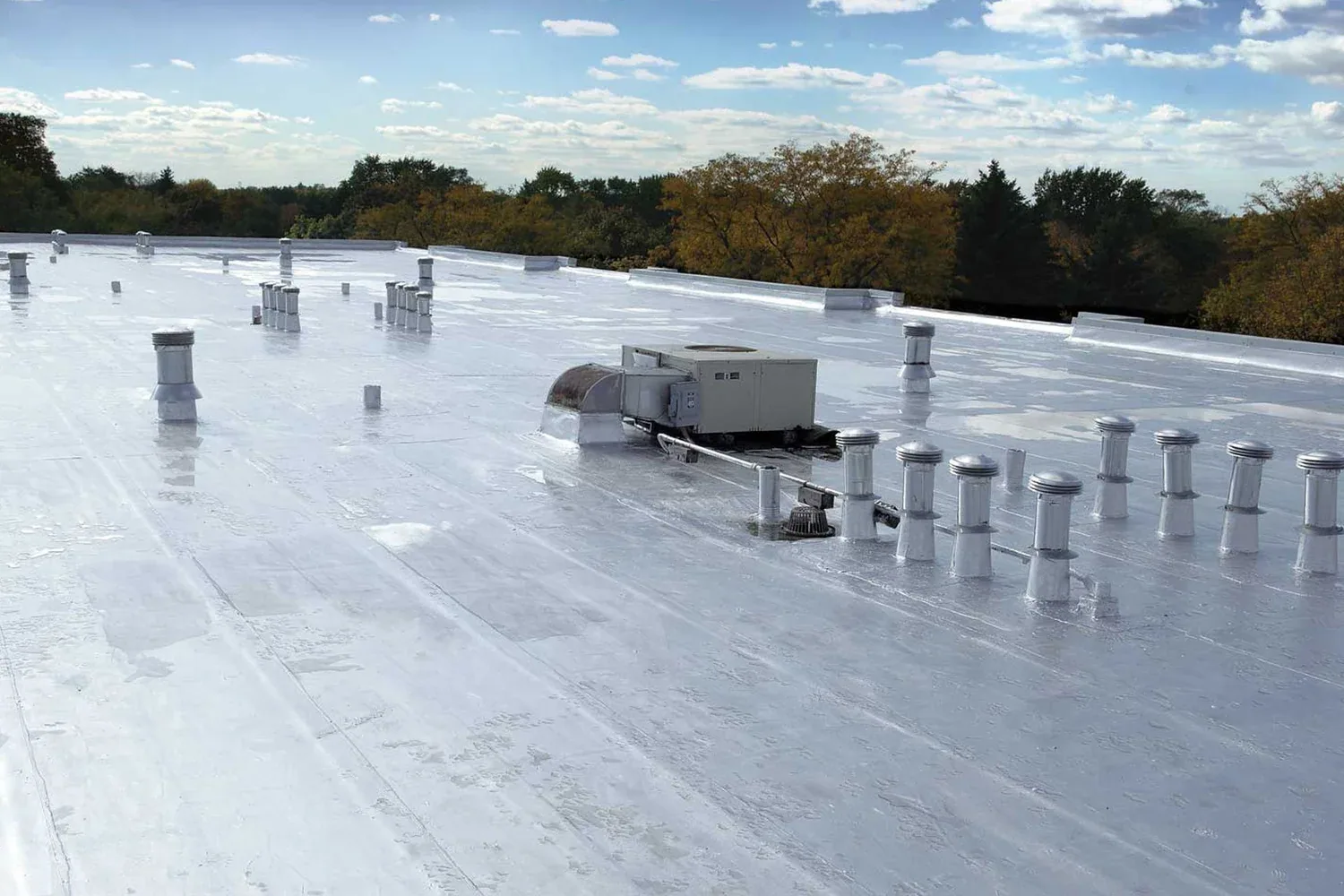
On the roof, we check the membrane or metal, seams, flashing, penetrations, curbs, drains, scuppers, perimeter, and visible repair areas. We follow the likely water path from reported leaks and note where equipment, snow, standing water, or unsafe access limits the view. A commercial roof inspection gives the owner a direct account of conditions that can be seen and questions that remain.
If a soft area or repeat leak could change the repair boundary, we identify the next confirmation step. We may recommend a test opening or an infrared survey where conditions support it, but we do not call concealed insulation wet from a surface mark alone. A photo condition report can place the observation on a roof section and preserve it for later review.
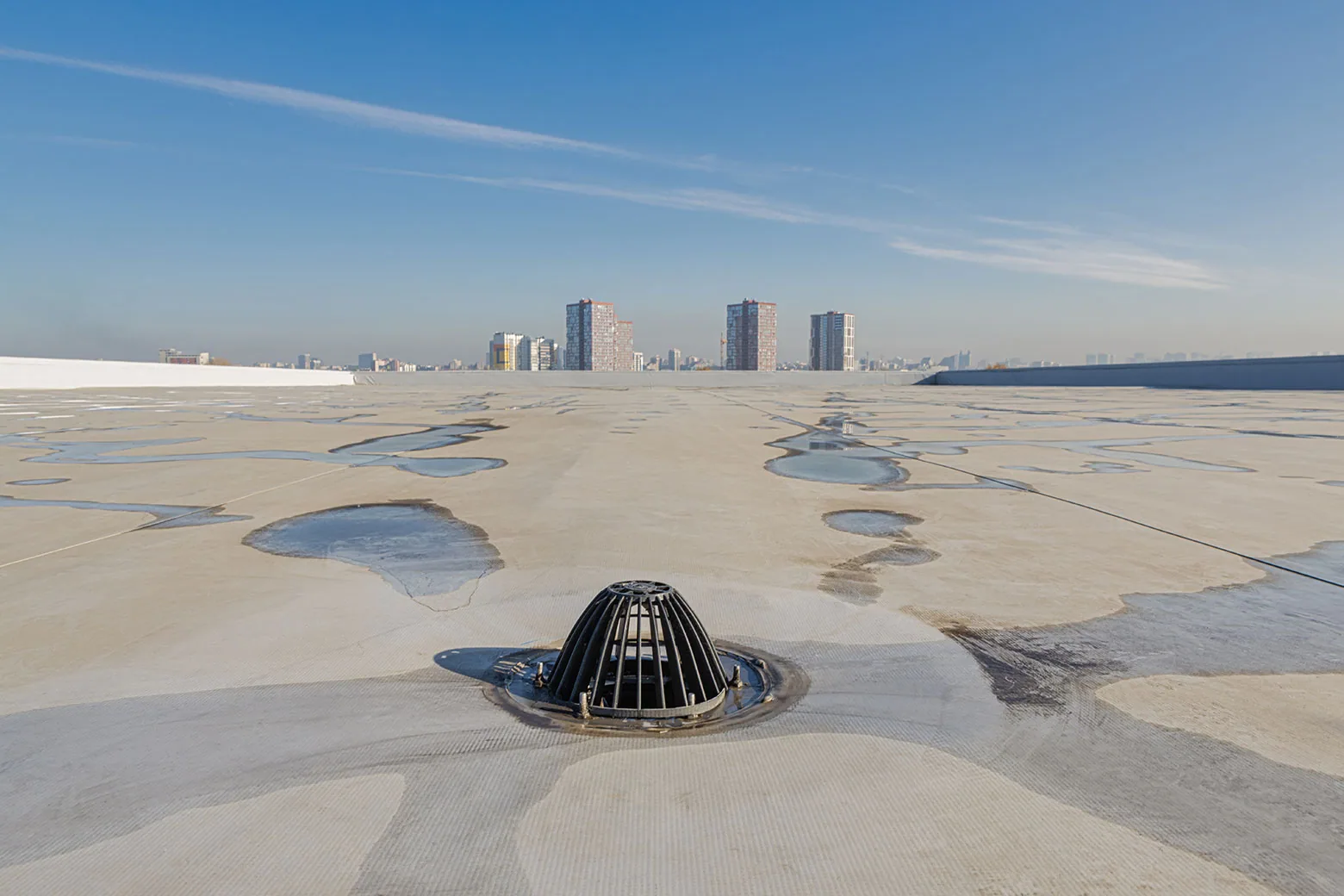
Drains and overflow paths need a clear route from the roof surface to discharge. We look for debris, loose strainers, slow outlets, ponding evidence, displaced drain rings, and damaged membrane around the bowl. If cleaning resolves the issue, we record the service. If the drain connection or nearby sheet has failed, we define that repair separately so the owner can see which work restores the water path.
Carmel's closest long-term station is in Indianapolis. The precipitation normal is 43.63 inches per year; typical snowfall is 25.5 inches. We apply both only as regional background, then inspect Home Place outlets and low areas directly. A drain and scupper service can clear an outlet or measure a repair at the connection.
During winter, safe access and surface conditions can change the timing of inspection and repair. We check the roof as it stands on the visit date, note any area blocked by ice or snow, and schedule a return if a detail cannot be evaluated. If the owner reports a winter event, the snow and ice review records the actual membrane, flashing, and drainage condition instead of treating seasonal weather as proof of damage.
A repair scope should identify the defect, the material that will be removed or prepared, the tie-in, and the roof section that is included. For a localized opening, we can price a defined repair if the surrounding assembly is serviceable. If several details fail or testing points to broader moisture, the owner may need to compare a larger replacement plan. The field record should explain why the proposed work stops where it does.
We separate observable conditions from concealed risk. If the deck or insulation is not visible, the proposal can describe what would change once that layer is opened. Material choice, staging, disposal, equipment access, and weather protection also affect the work sequence. A repair assessment can address a specific condition; a replacement scope can describe a broader renewal when condition evidence supports it.
Carmel's Building Safety Office reviews permits and inspections under Indiana-adopted building codes. For replacement or other permitted work, requirements should be confirmed with the city for the actual scope before a start date is set. We include permit review and inspection timing as project dependencies rather than treating them as general neighborhood assumptions.
When a roof repair overlaps utility work, paving, mechanical service, or another site project, the order of work can affect access and protection. The water-main expansion associated with Home Place and southwest Carmel is a reminder to ask whether any public or private site work is planned near the property. We confirm the actual work limits with the owner and coordinate roof staging around the conditions on the site.
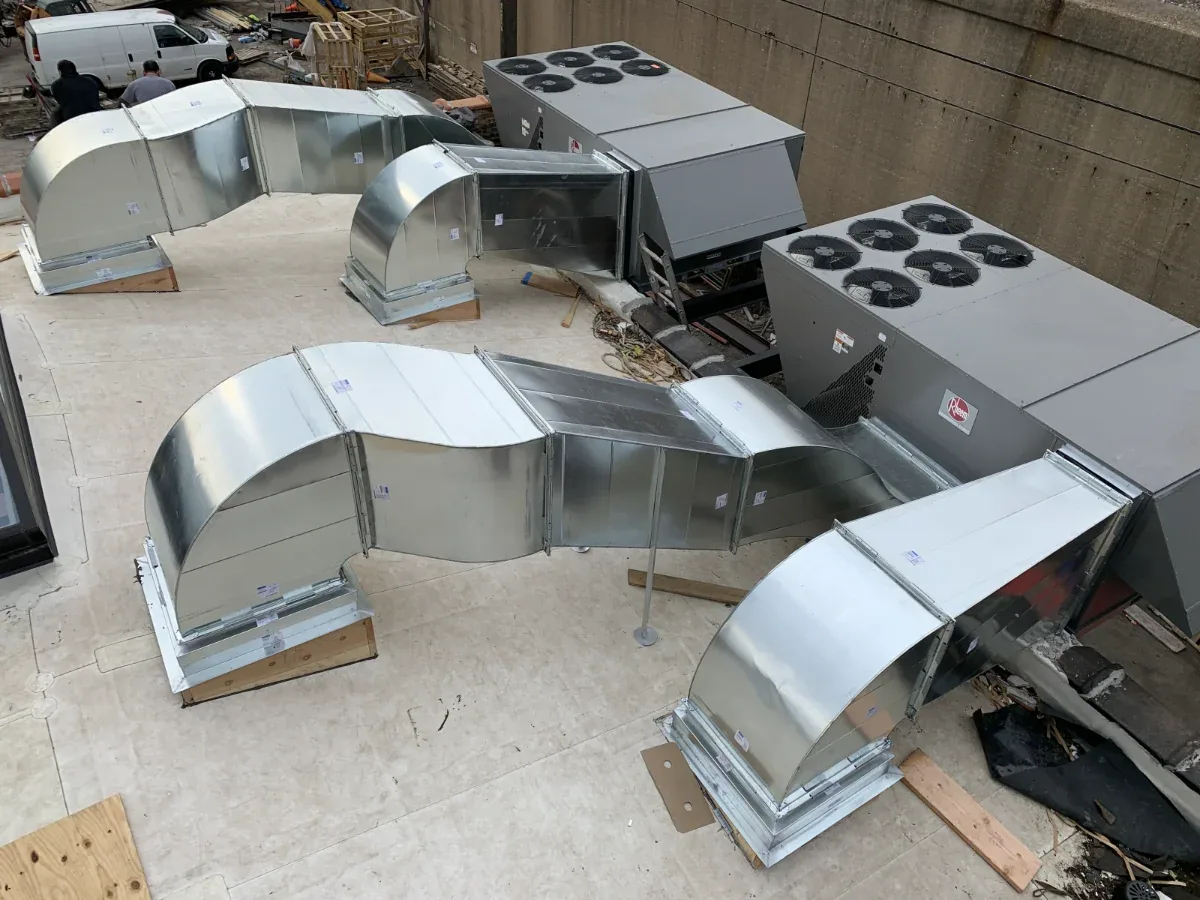
For an occupied building, we identify the work area, material drop, roof entry, daily close-in point, and contact for a change in conditions. If HVAC equipment needs service or relocation, the roofing detail should be coordinated before the membrane is closed around its curb. A curb and support inspection can establish the roof work needed at that interface, while a phased reroof plan can preserve access as the project moves across sections.
We also confirm current permit steps with Carmel Building Safety and schedule any required inspection into the sequence. Cold, wet, or windy conditions can affect materials and safe access, so we do not promise a fixed work date until the property and forecast support it. The owner receives a clear notice of what will be open, protected, and returned to service.
A roof record should make the next visit easier. We identify the section, condition, photo, completed work, remaining question, and suggested review date. A manager can use that record to assign maintenance, approve a repair, request testing, or place a renewal in the capital plan. If access prevented a complete review, the record says where and why rather than implying the whole roof was cleared.
Carmel's 2022 comprehensive plan gives Home Place more detailed planning guidance than a general citywide designation. For a property owner, that planning context is separate from roof condition; it can matter when coordinating a building improvement, while the roofing scope still rests on field evidence. If the portfolio includes an office or research property in Carmel Science and Technology Park, keep the inspection findings and work quantities tied to that separate asset.
We can return a capital planning summary when the owner needs repair and renewal options on one schedule. A roof asset record can keep Home Place inspection photos, leak history, and open items available to the next manager. If a second building is in Village of WestClay, its roof gets its own service history and approval path.
Send the building contact, roof plan, leak reports, past repairs, and access details. We will identify which roof sections can be inspected, what records are available, and any conditions that could require a separate test.
It helps identify the subarea's planning context, but it does not establish roof construction or condition. We inspect the actual building and coordinate any work with the property owner and the applicable city review process.
Yes, when the owner confirms the project area and timing. We coordinate access and staging, then keep the roof repair boundary distinct from work below grade or elsewhere on the site.
We compare repeated failures, moisture evidence, membrane condition, drainage, repairs, and the cost and disruption of the alternatives. If concealed layers could change the recommendation, we identify the test needed before finalizing quantities.
Indianapolis is Carmel's nearest long-term weather reference, with 25.5 inches of typical annual snowfall and 43.63 inches of precipitation. We check this building's slope, drains, and access before setting the visit.