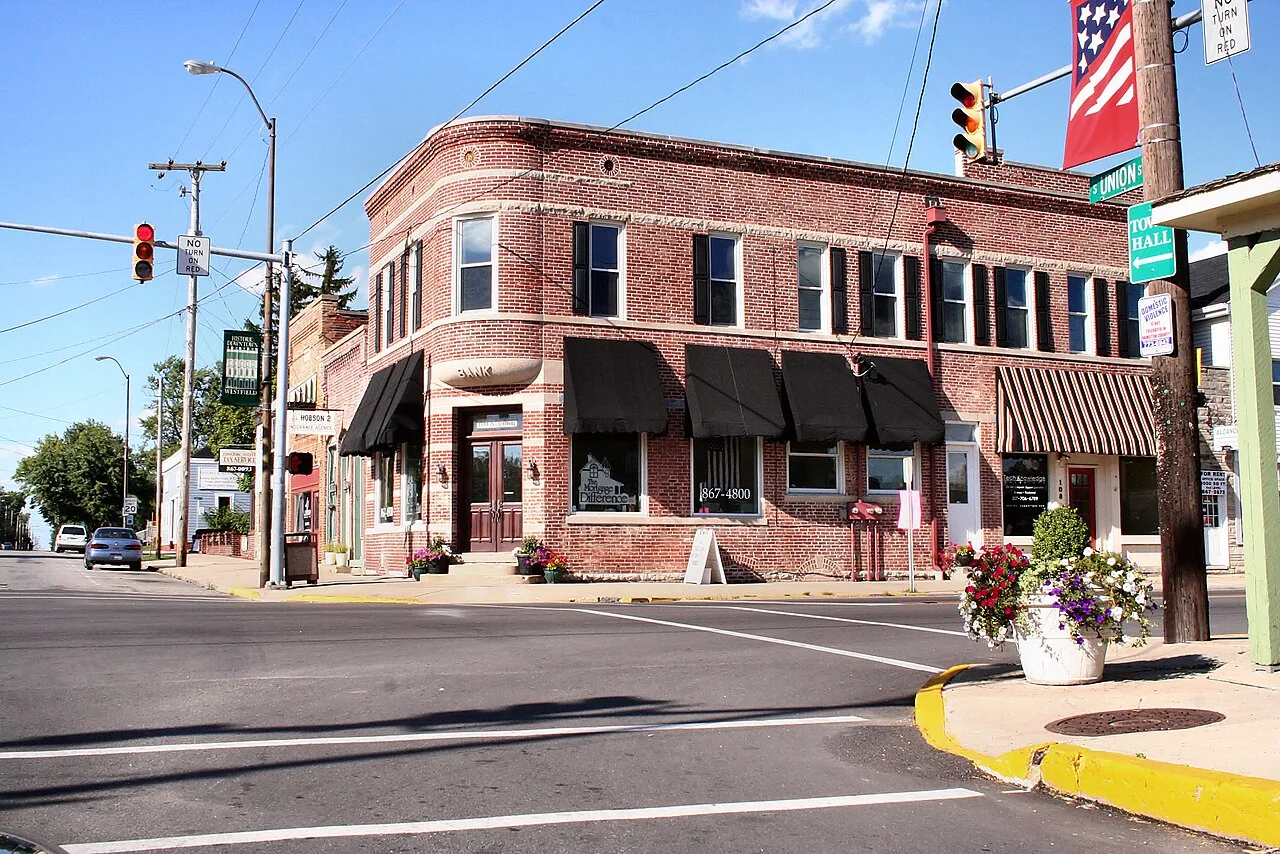
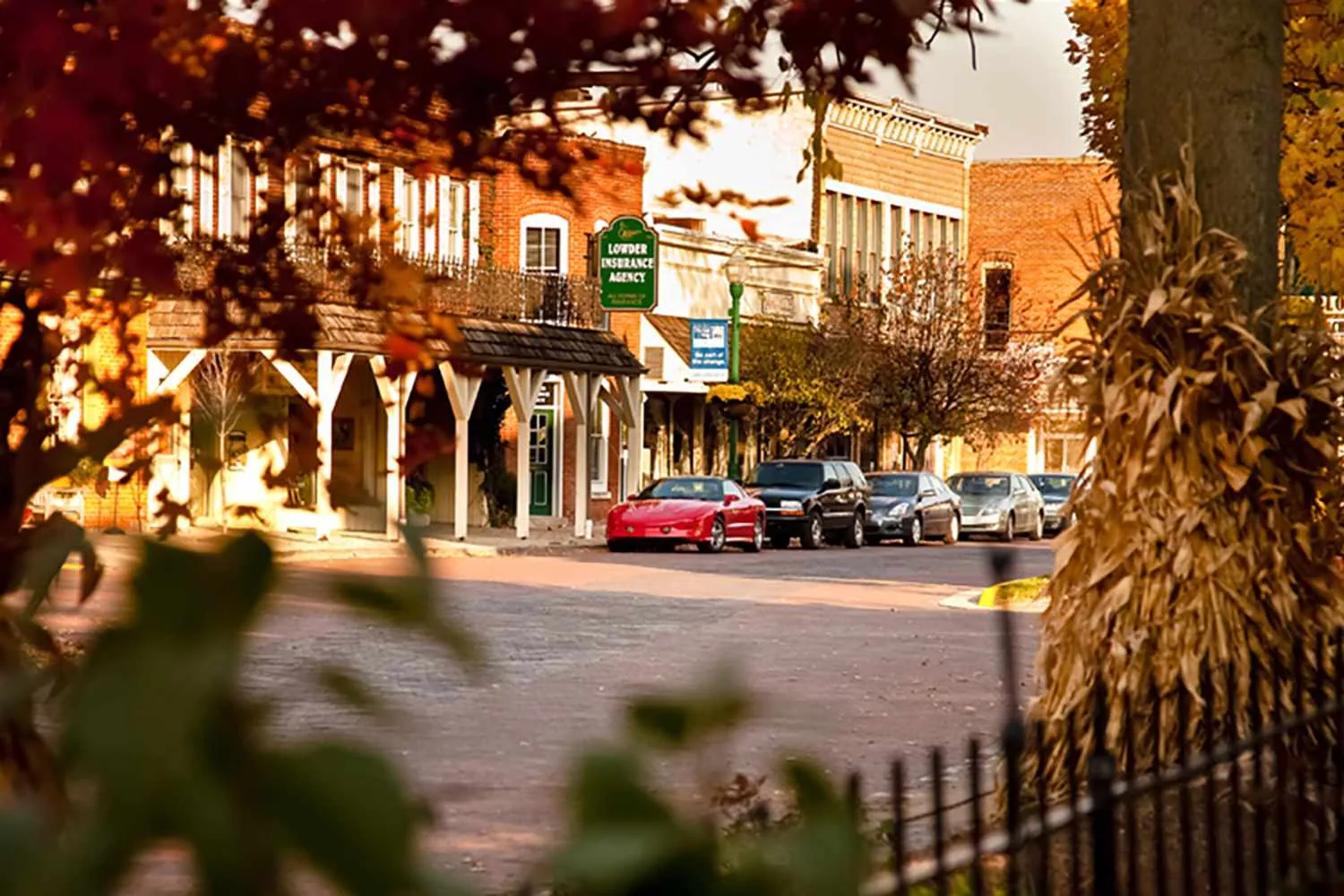
A roof decision in Zionsville starts with the building record, not a town-wide assumption about what sits overhead. The historic downtown village has small businesses and active commercial redevelopment, and roughly 175 shops and restaurants sit on or near its brick Main Street. The village's commercial activity makes access and occupied-space planning part of the site walk; roof age and assembly are confirmed from building records and inspection. We inspect the actual membrane, seams, drains, edges, penetrations, and repair history, then set a scope around the conditions we can document. For a portfolio that includes the village and other Zionsville properties, a shared maintenance log can still preserve a separate roof record for every address.
A stain near a tenant’s ceiling is a starting point for tracing water, not a map of the repair. We follow the water path across the roof section, check nearby seams and penetrations, and note whether the insulation feels wet or has lost firmness. The visible opening may be at a curb, wall transition, drain bowl, or failed lap farther upslope. Wet insulation or widespread attachment trouble may call for a larger renewal scope.
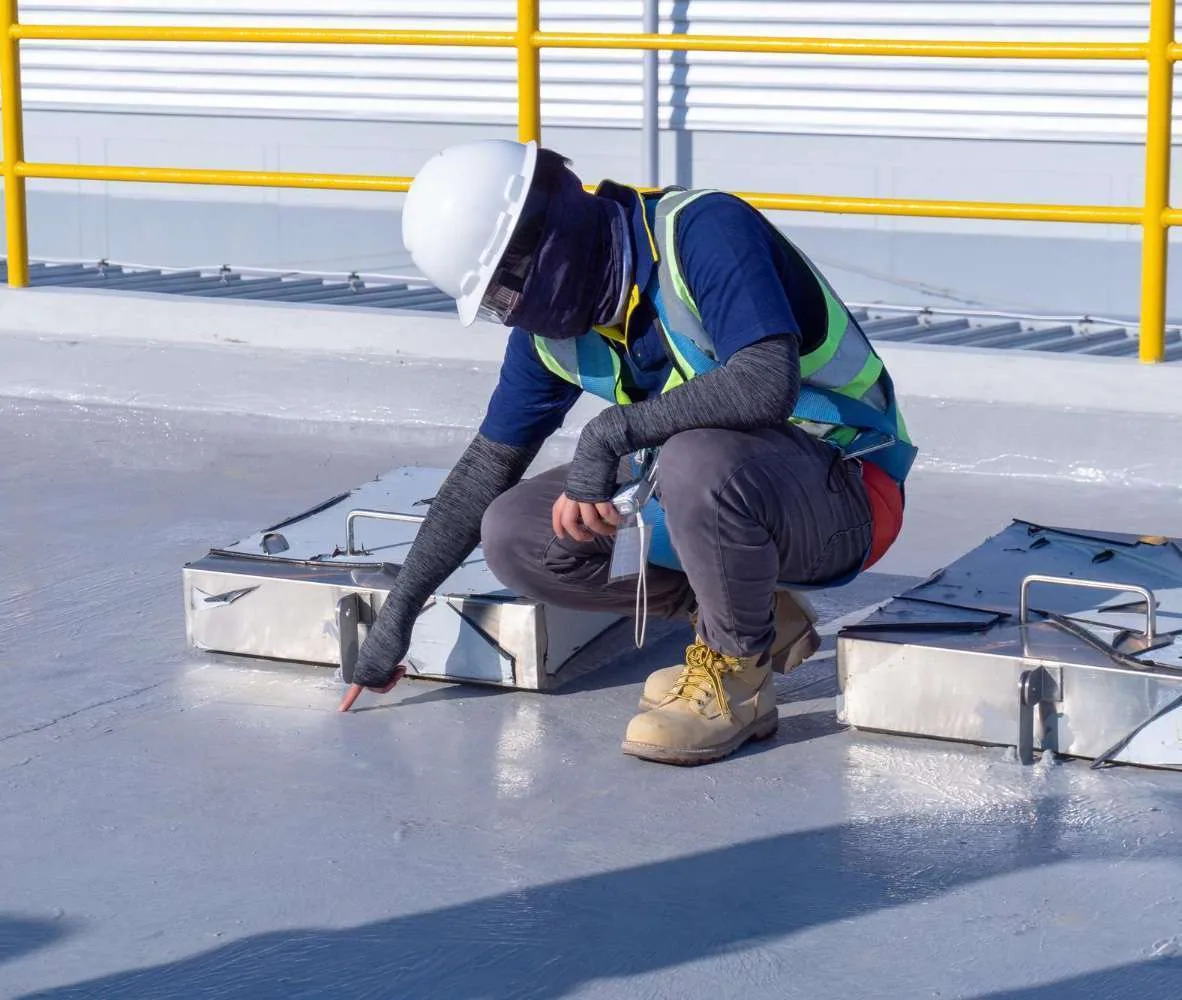
On a shop or restaurant property near historic Main Street, access and staging deserve attention early. We confirm where ladders or lifts can sit, how deliveries and customer paths stay clear, and which interior areas need protection. Those are building-specific questions; the district’s commercial character does not answer them for an individual property. A focused commercial roof inspection records the roof section, current leak locations, and inaccessible areas so the owner can compare an immediate repair with a planned capital window.
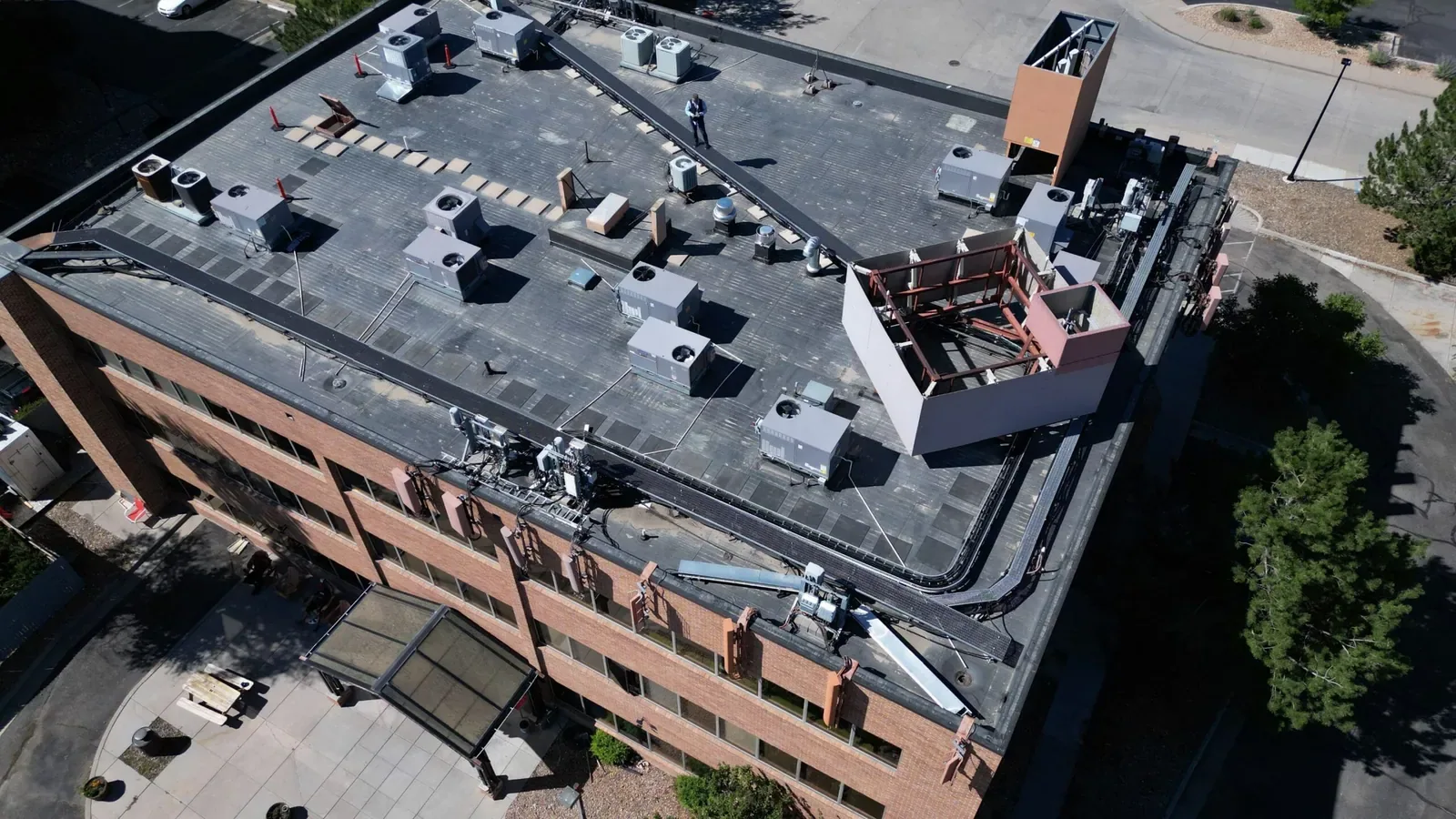
Historic commercial recognition says something about the district’s identity, not the construction hidden above a tenant space. A Century Structure designation describes a building's historic recognition. We identify its roof membrane, deck, insulation, and repair history from records and inspection. Instead, the site walk checks how water leaves the surface, where the roof meets parapets and storefront walls, and whether later equipment work disturbed the original flashing. Photos identify the observed condition, and measured quantities keep a proposal tied to the roof rather than a broad allowance.
Where several tenants share one roof, we also map which interior report belongs to which roof zone. The inspection notes what was tested, what was only observed, and what needs a follow-up opening. If the membrane can be repaired, we mark the boundary. If deterioration continues beyond it, the report explains why coating, recover, or replacement should be evaluated instead of repeating patches.
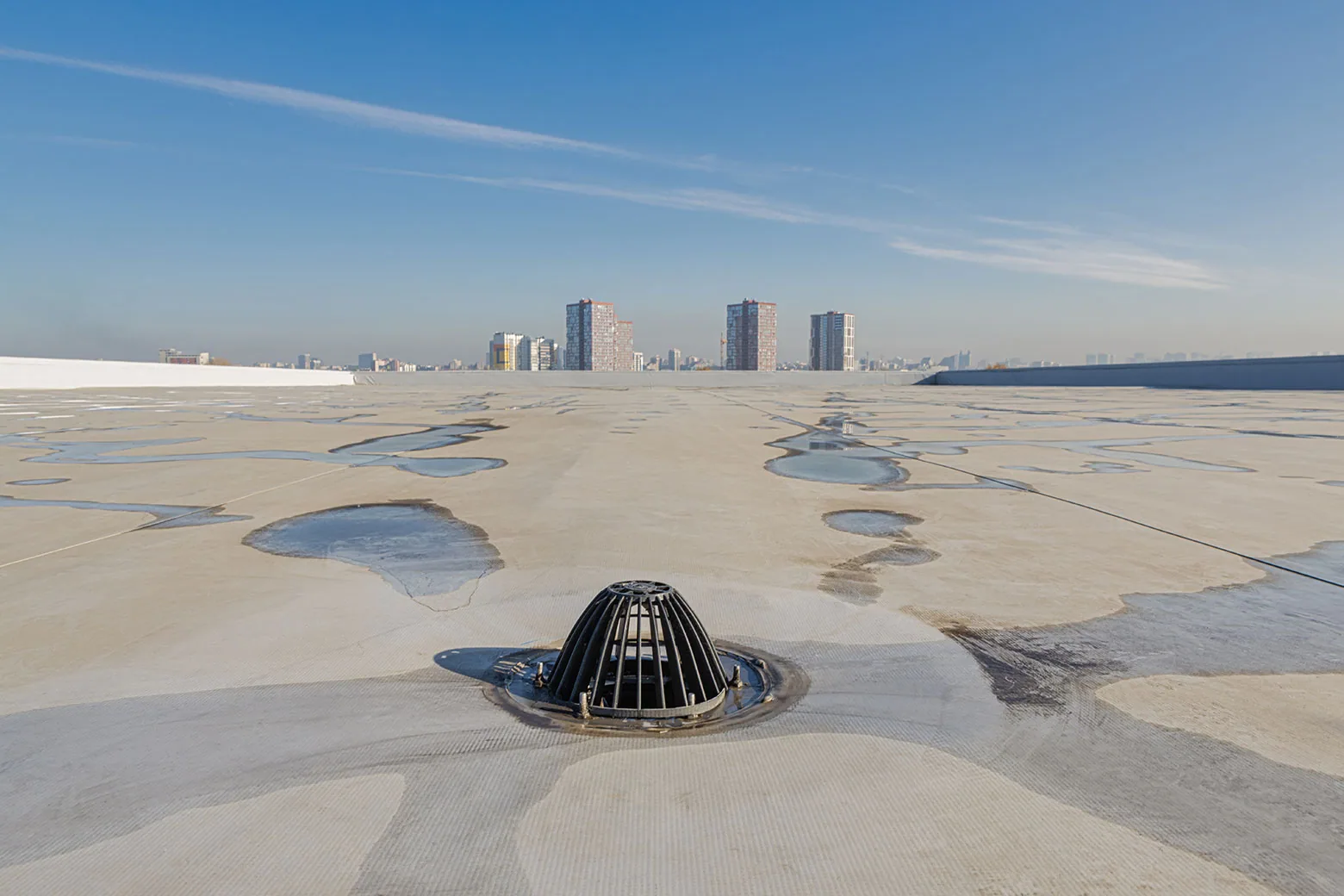
Winter freeze-thaw cycles around Indianapolis can work on open laps and small cracks. On a Zionsville roof, the drainage check starts with actual ponding marks, drain condition, and overflow route. In winter, freeze-thaw cycles can work on open laps and small cracks; during rain, blocked strainers or a settled low area can hold water longer than the surrounding membrane. We photograph the drain bowl, nearby seams, and visible slope breaks rather than treating one wet spot as proof of a roof-wide problem.
For a business operating through regular hours, repair timing should account for weather, material cure requirements, access, and the work zone below. We can stage tasks so the most urgent leak path is stabilized before a broader restoration decision is made. When drainage or insulation is part of the problem, a patch alone may move the symptom without correcting the cause. A drain and scupper assessment assessment can identify whether the next step is clearing and correcting a local obstruction, rebuilding a limited low area, or including drainage improvements in a larger project.
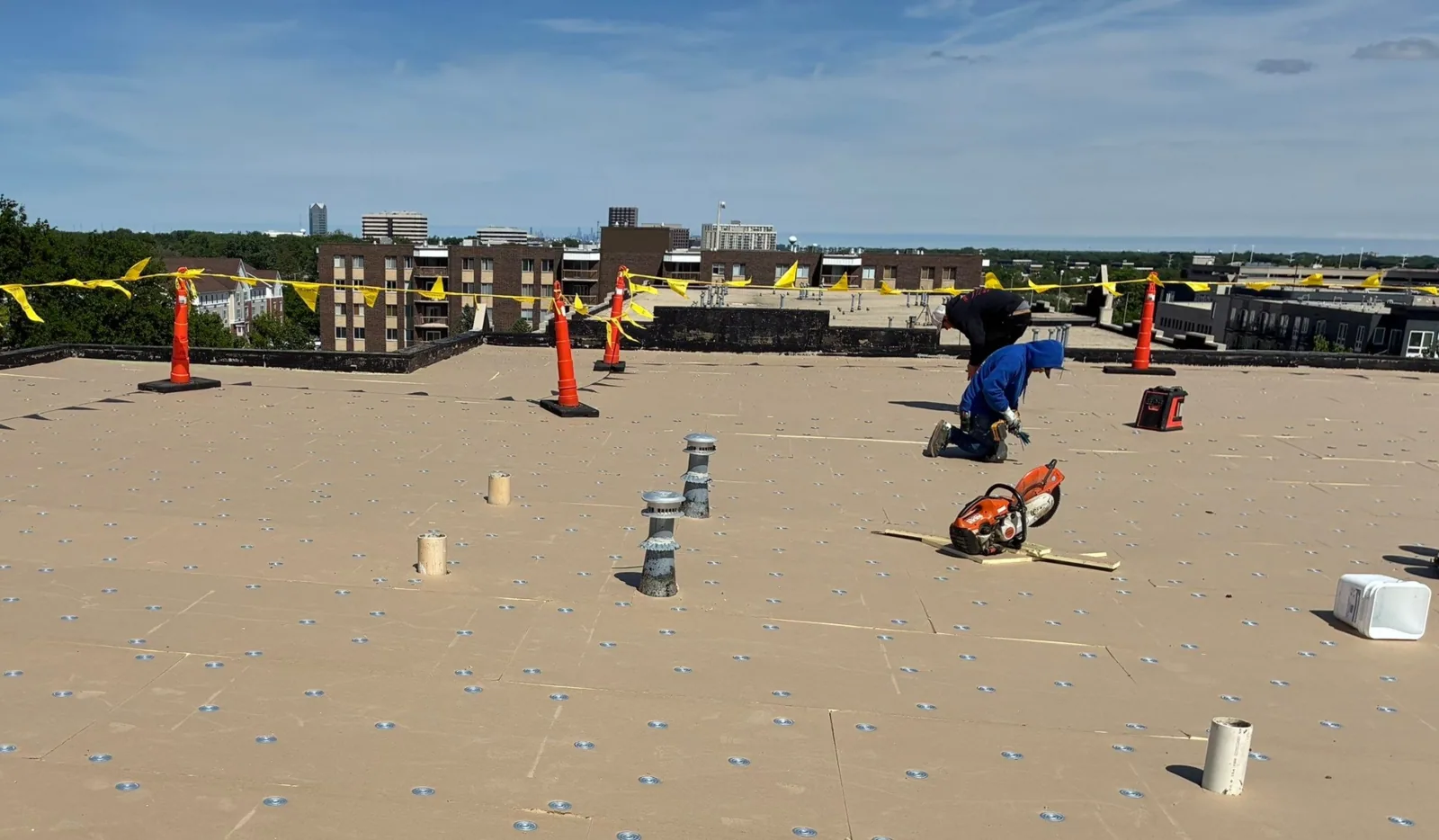
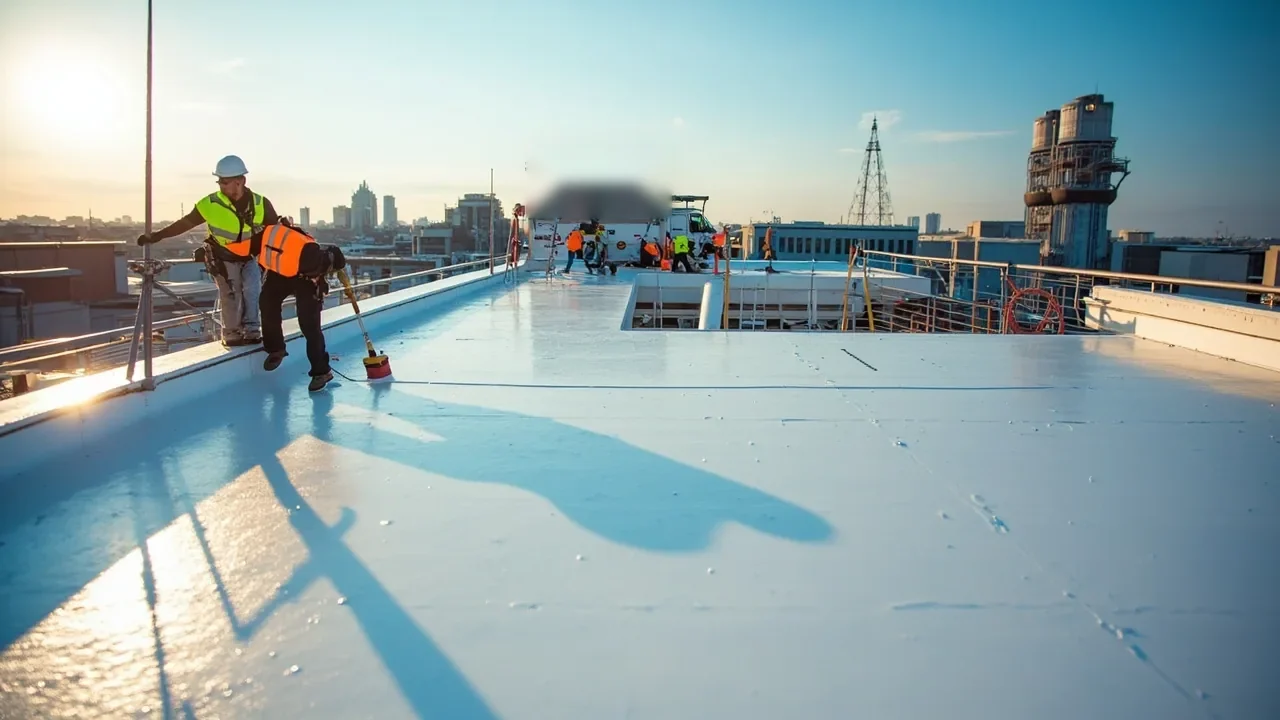
Repair is the narrowest option when the surrounding membrane remains serviceable and the failure has a clear boundary. We identify compatible materials, prepare the surface, complete the seam or flashing repair, and document the result. A coating can extend service where the existing roof is sound enough for preparation and adhesion, but it does not correct wet insulation or failed attachment beneath it. Recover may be possible when the assembly and added load permit it. Replacement becomes the clearer comparison when defects are widespread, repeated repairs keep reopening, or the roof record supports a planned system change.
Cost follows measured scope. Access equipment, roof height, protection for occupied areas, removal and disposal, wet insulation, deck repair, edge details, and the number of penetrations all affect labor and schedule. The estimate lists measured work separately from a contingency for roof layers that remain unopened. Owners can compare a targeted commercial roof repair with a replacement scope. For older commercial buildings, a careful opening may be needed before final quantities are certain; we record that uncertainty plainly and price the known work separately.
Seasonal exposure changes the order of work. Before winter, open seams, loose edge metal, and drainage problems can be more urgent than cosmetic wear. In spring, the first dry site walk can separate storm-related openings from ordinary aging and show whether moisture has spread. We note weather limits, cure windows, access needs, and any tenant coordination that affects the calendar.
Where Zionsville’s downtown village is part of a mixed portfolio, redevelopment activity is another reason to keep roof decisions tied to each building’s current use and ownership timeline. A renovation or tenant change can alter access, equipment placement, or protection needs, but it does not by itself justify a roof replacement. We compare the maintenance log, leak history, and present condition to the intended hold period. A capital planning review can sort urgent work from future renewal and preserve the repair boundary for later budgeting.
A useful closeout leaves the next manager with more than an invoice. We provide dated photos, the roof-zone reference, observed conditions, completed repairs, materials used, and any limitations from weather or access. If moisture testing or a core is recommended, the report identifies the reason and the area rather than implying the entire roof was tested. That makes future inspections easier to compare and helps distinguish a new leak from an old condition that was already documented.
For properties near Main Street, the same record can note how the access plan protected active business operations without confusing tenant logistics with roof condition. A portfolio that also includes commercial properties in Westfield or Fishers business districts benefits from separate roof-zone records for each site. Keep service requests, interior photos, and maintenance visits attached to the building’s roof record. If a storm claim is involved, we can document visible damage and the repair scope for review, while keeping covered-loss decisions with the insurer. A measured condition report gives the asset manager a defensible basis to choose patch, restore, or replace as evidence develops.
A designation identifies a recognized historic commercial building. We inspect the membrane, deck clues, drainage, flashing, and repair history, then document whether repair or replacement fits the roof evidence.
Access and customer movement set the working sequence. We confirm staging, delivery paths, interior protection, and which roof zones can be closed off, then schedule the loud or disruptive work around the property’s operating needs.
A building list, known leak locations, prior invoices, and any roof plans make the first visit more useful. The record helps us focus testing, but we still verify the assembly and repair boundary on the roof.
The existing membrane must be dry enough, attached well enough, and compatible with the proposed coating after preparation. We check adhesion, seams, penetrations, and insulation conditions before comparing coating with a recover or replacement scope.
We photograph the roof, mark observed damage on the roof plan, and separate repair quantities from maintenance findings. The insurer decides coverage; our report stays with what the inspection can support.