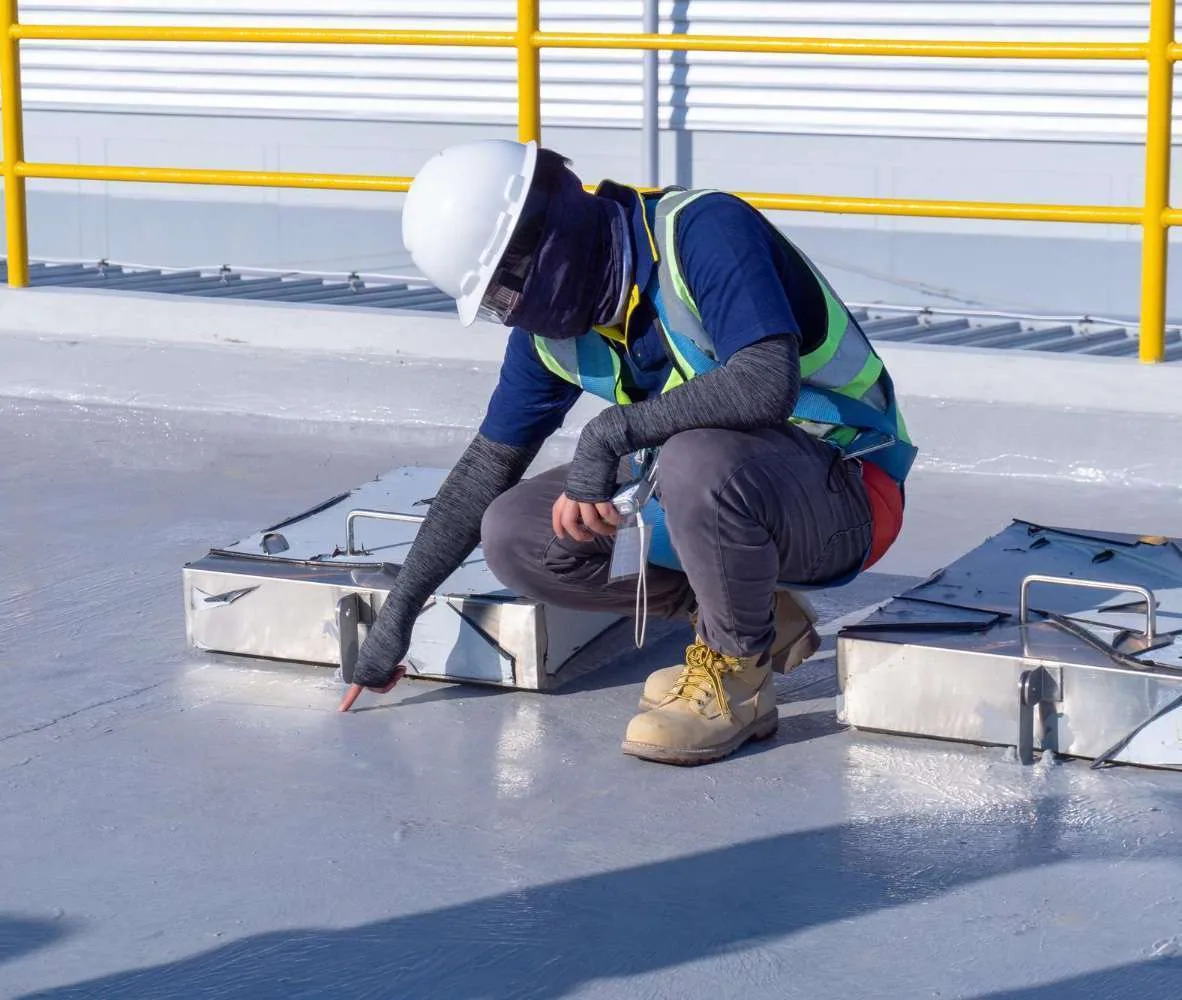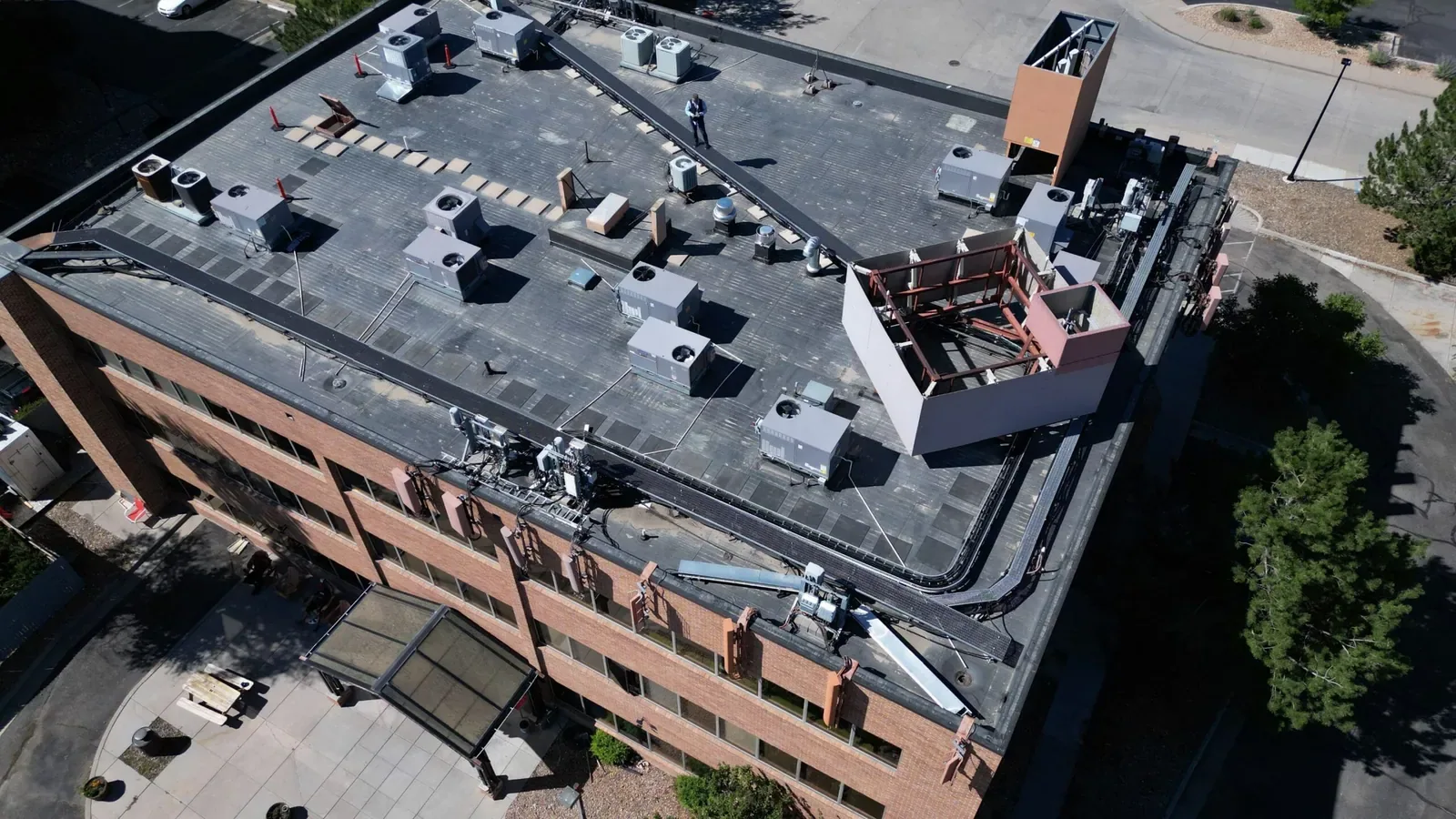
Industrial and office decisions in Whitestown need a roof scope that separates current conditions from what zoning permits or a project proposes. Whitestown’s Anson PUD includes office, office-flex, and industrial areas. Town review has considered an 81-acre Anson-area site for light-industrial zoning. For each operating property, we confirm current use, access, equipment, and roof condition with the site contact. We start at the roof: confirm the assembly, map water movement, inspect seams and penetrations, and record visible damage before pricing repair, restoration, or replacement. On a roof serving office, flex, or industrial space, that first record also captures equipment locations, roof access, and any areas that cannot be safely reached during the visit. Those details affect both the measured quantity and the sequence the owner can approve.
Whitestown’s employment-area proposals include warehouse, office, light-manufacturing, and distribution uses. We verify the current building use and roof assembly during the site walk. The site walk must establish whether the assembly is TPO, PVC, EPDM, modified bitumen, metal, or another system before a repair method is selected. We record the membrane, deck clues, insulation condition, edges, rooftop units, and access points, then match each observed defect to a repair boundary.
For an owner weighing a lease, tenant improvement, or capital project, the roof record should distinguish a known leak from an allowance for concealed conditions. We photograph the area, note whether moisture testing was completed, and describe any limits on access. That makes a commercial roof inspection useful to both the operating team and the person approving the budget. Where the roof is sound except for isolated failures, a measured repair can keep work focused; broader wet insulation or repeated seam failures call for a comparison against renewal.
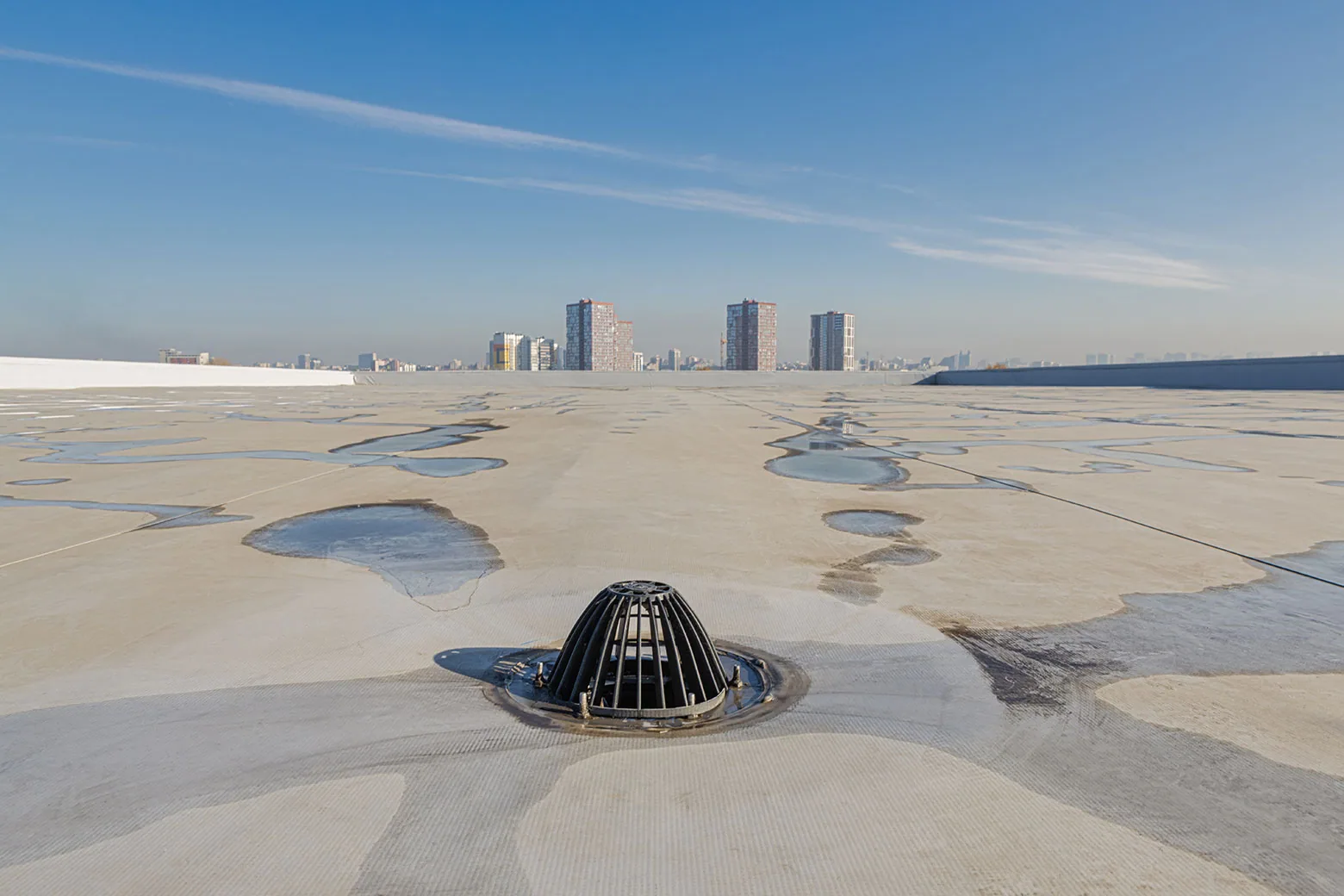
Indianapolis normals used for Carmel include 43.63 inches of annual precipitation. We check each Whitestown roof’s low points, outlets, and overflow paths directly. We check the actual low points, drain strainers, overflow paths, scuppers, and roof-to-wall transitions, then compare ponding marks with the slope and insulation profile. A blocked drain may be a maintenance correction. A depressed area with wet insulation can require a more involved assembly repair, and adding a coating over trapped moisture would leave the underlying issue in place.
Manufacturing or distribution activity can make roof access and interior protection a real schedule constraint. We coordinate equipment movement, loading periods, pedestrian routes, and the work area below before mobilizing. If the roof includes exhaust, curbs, or frequent service traffic, flashing and walk paths receive separate attention in the report. A focused drain and scupper scope identifies which items need cleaning, repair, or redesign, with photos and quantities rather than a broad statement that the roof needs drainage work.
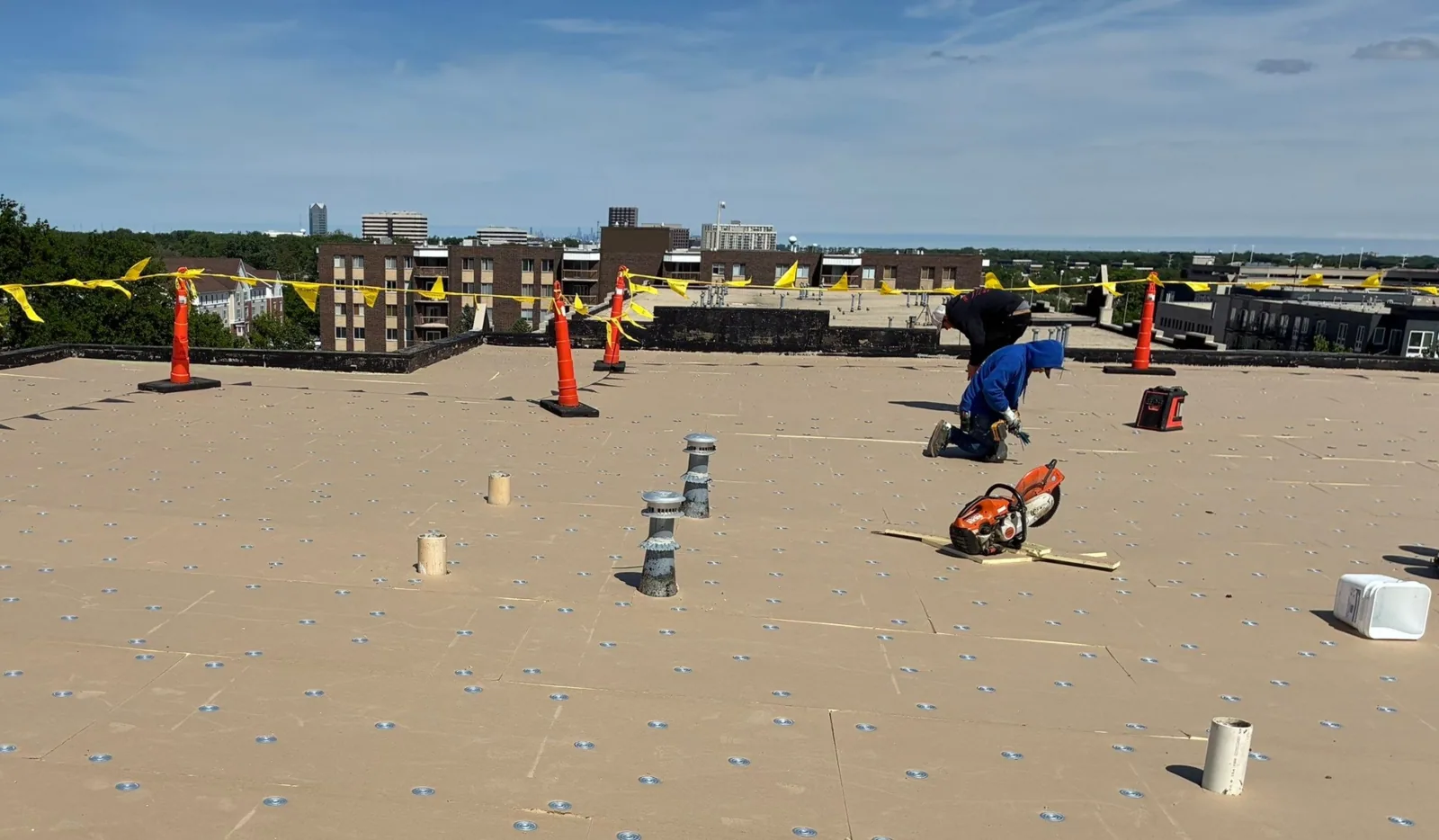
A repair works when the failure is local and the surrounding material can accept a lasting detail. We clean and prepare the area, install compatible membrane or flashing, and document the finished boundary. A coating may be considered when the roof is dry, firmly attached, and suitable for preparation. Recover can reduce tear-off where the existing assembly, deck, and added load allow it. Replacement becomes the stronger comparison when moisture, seam failures, attachment issues, or past repairs extend across several roof sections.
Budget follows measured conditions. Roof height, travel across the site, equipment staging, occupied areas, removal and disposal, insulation replacement, deck repairs, edge metal, penetrations, and weather windows each affect scope. The 81-acre site considered in Whitestown review is a land-use fact, not a roof-area estimate; a roof takeoff has to come from the building itself. We separate known quantities from contingencies so an owner can compare commercial roof repair with a replacement plan on like terms. If core samples or test cuts are needed to confirm the assembly, the report identifies the locations and why they matter.
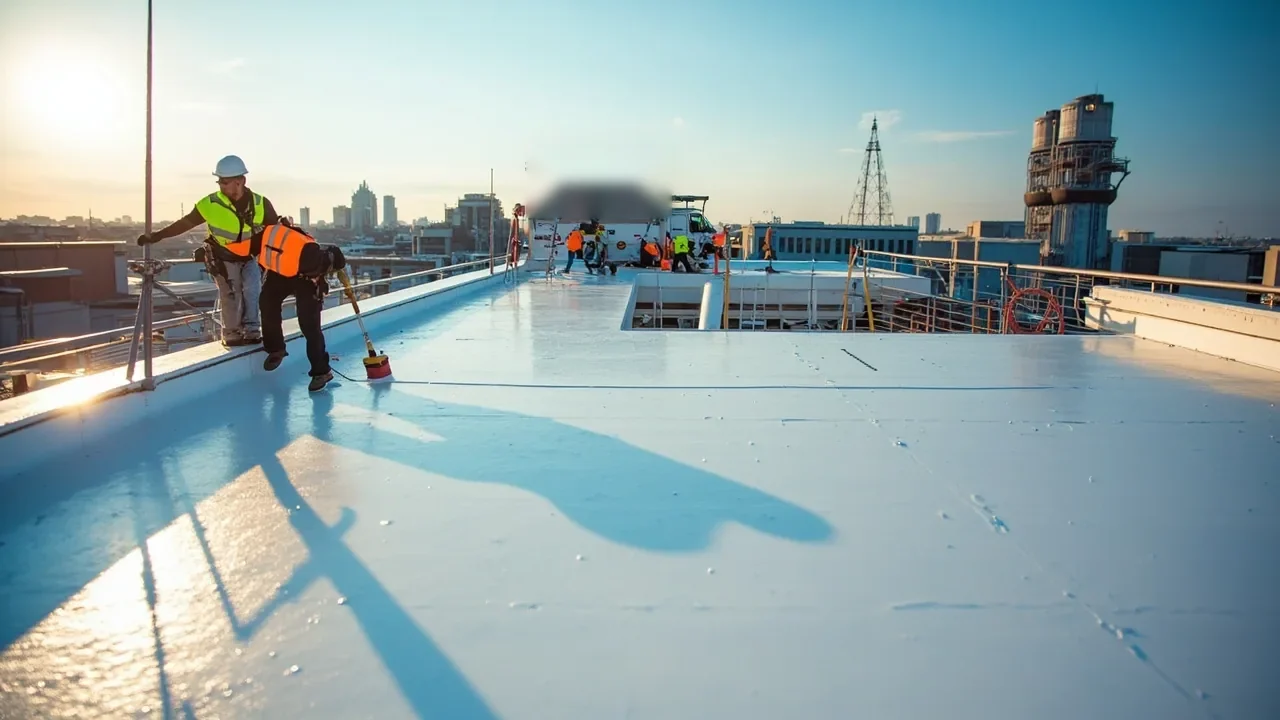
Work on a live employment property has two schedules: the roof sequence and the operation below. We set access points, laydown zones, material movement, and any interior protection before the crew begins. A distribution tenant may need clear truck circulation; an office area may need quieter work during occupied hours. These are planning choices for the actual site, not assumptions from the use category. If an emergency opening develops, our response runs around the clock, including weekends and holidays, and we can stabilize the affected area before the permanent scope is set.
Central Indiana winter conditions also influence timing. Indianapolis January normals average a 36.1-degree high and a 20.9-degree low, with 8.8 inches of snowfall. We use the winter pattern to plan the inspection window, then check actual surface conditions, safe access, and product cure limits before scheduling repairs. A capital planning review can place urgent leak work ahead of seasonal exposure while preserving a longer renewal decision for the next budget cycle.
Each closeout should show which roof sections were inspected, what was repaired, and what remains open. We include dated photos, material notes, measured areas, access limits, and follow-up recommendations. Where a proposed industrial use differs from current operations, the roof record should be based on the present building and planned scope, not an assumption about future equipment or occupancy. That keeps a tenant transition from obscuring an old leak or creating a new warranty question.
For portfolios that also include Westfield commercial properties or Zionsville business buildings, use the same reporting fields but keep each site’s drainage, membrane, and maintenance history separate. This allows an asset manager to compare conditions without pretending the buildings are alike. Keep a separate log for every roof, including the last service date, material, leak location, and any repair warranty information. A change in property use should prompt a fresh review of equipment, access, and drainage, not an automatic assumption that the assembly needs replacement. Record the new tenant work, curbs, service routes, and drain clearances on the building roof plan before the next capital review. A photo-backed roof condition report can make the next repair or replacement decision easier to support with evidence.
No. The Anson PUD sets land-use categories, not installed roof assemblies. We identify the membrane and details during the site walk before recommending repair, coating, recover, or replacement, and setting quantities.
It can affect access, equipment loads, exhaust penetrations, and schedule, but only when those features are confirmed for the building. We separate current conditions from planned tenant work and price the known roof scope clearly.
We first locate the roof opening and stabilize water entry, then coordinate the permanent repair around loading and circulation. Photos and a roof-zone reference help the facilities team protect the right area below.
Wet insulation, weak attachment, incompatible materials, or failures that extend beneath the surface can make a coating the wrong choice. We check those conditions before comparing it with recover or replacement.
A building list, roof plans if available, leak history, and known operating constraints are a useful start. We verify quantities in the field and keep roof sections separate so the renewal scope reflects actual conditions.