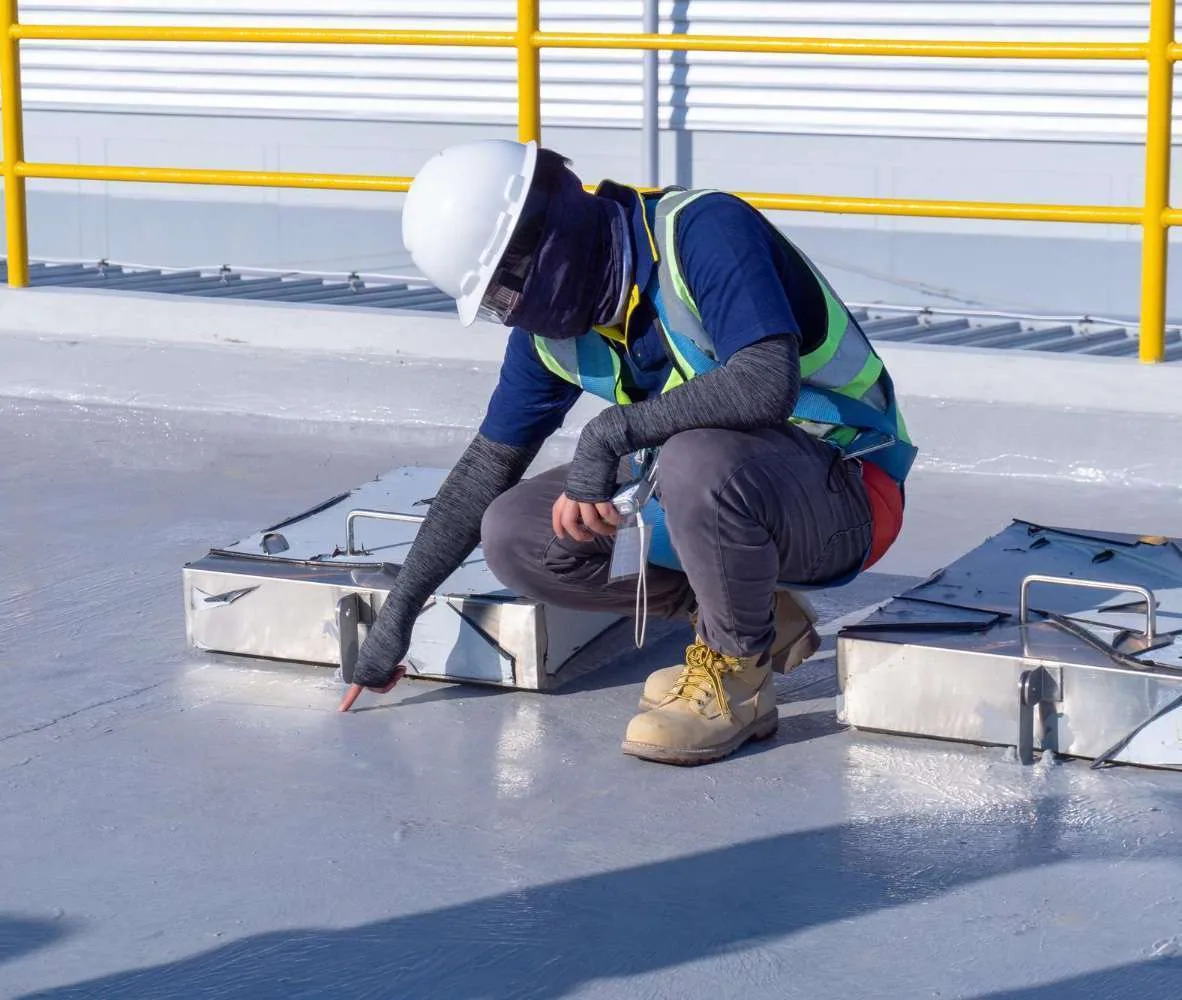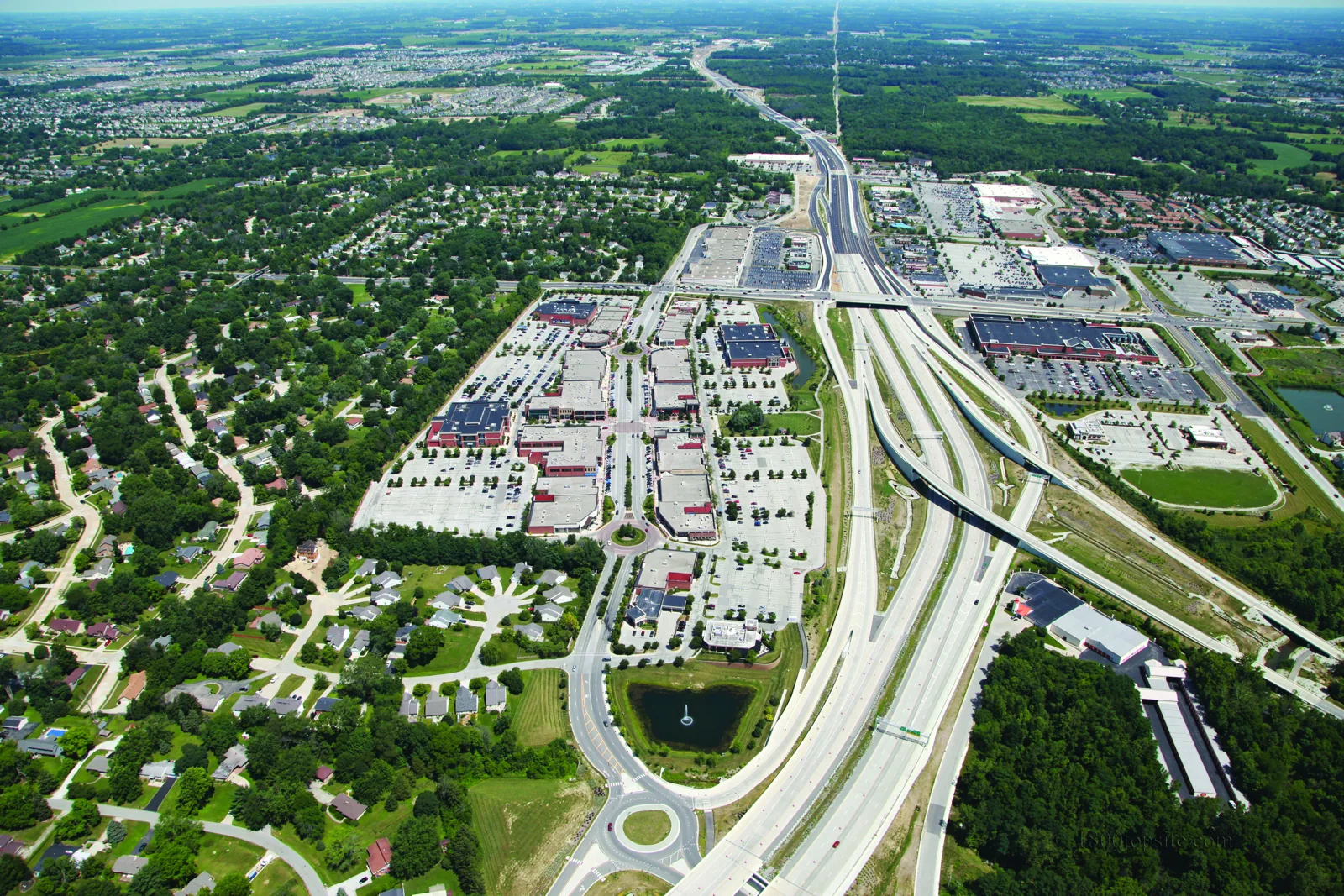
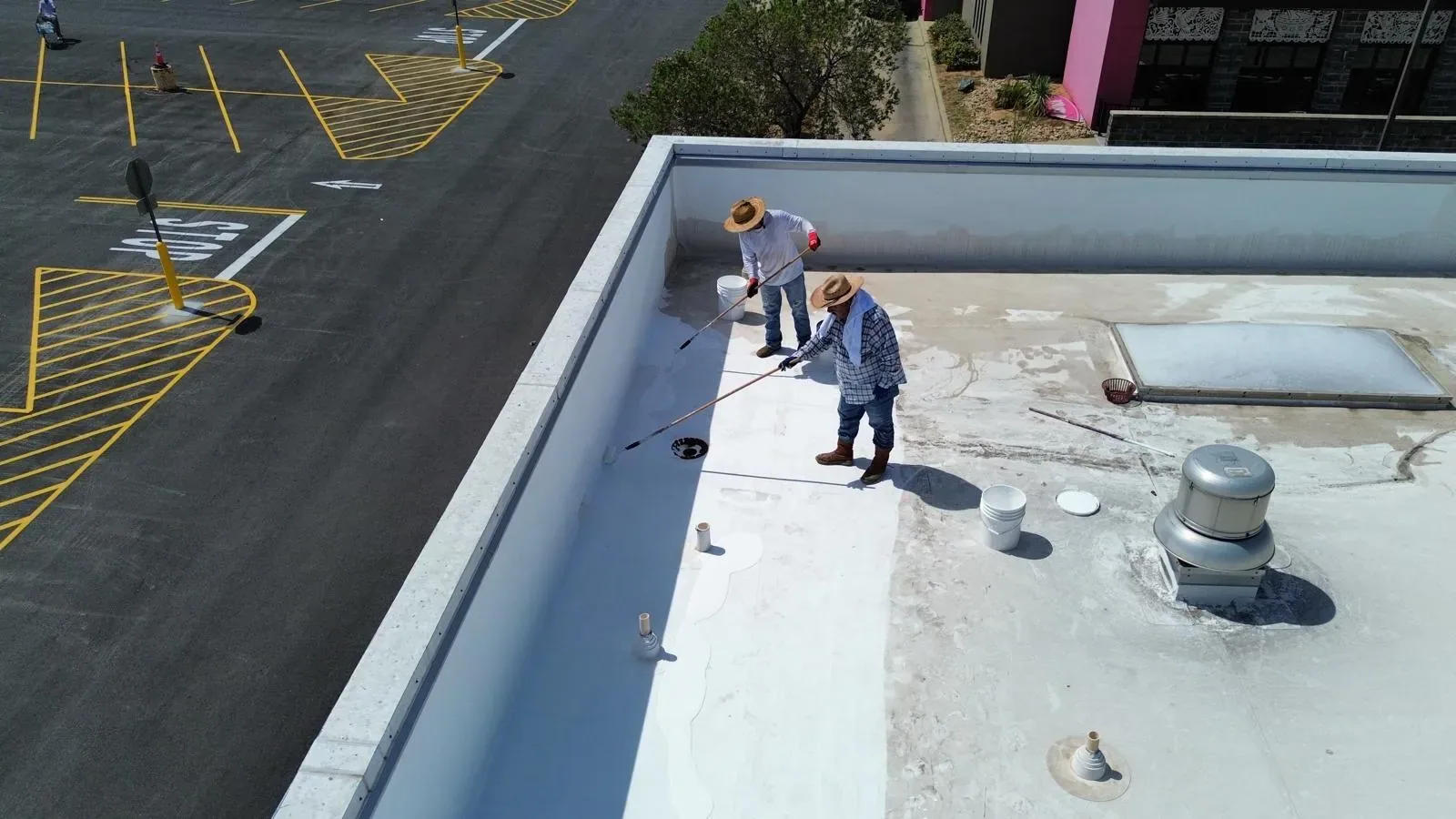
A coating is a renewal option only when the roof beneath it is a suitable candidate. We first check whether the existing membrane or metal is stable, dry, and repairable, then review seams, flashing, drains, and areas where water remains. Coating over wet insulation or failing attachment would hide a problem rather than solve it. Carmel's office corridor includes properties along U.S. 31 and Meridian, with multi-building campuses such as Parkwood Crossing. The building's actual roof assembly and operating conditions, not the corridor, determine whether restoration makes sense. We map each section, confirm the substrate, and identify preparation and repairs needed before coating. Indianapolis normals used as regional context show 85.2 degrees as the normal July high and 43.63 inches of annual precipitation. Those figures prompt attention to heat and drainage, while surface temperature and condition must be checked directly. A roof inspection is the first step in setting a coating scope.
A coating can protect a sound roof surface and renew certain weathered assemblies, but it is not a cover for every failure. We inspect seams, laps, rust, blistering, prior patches, flashing, and transitions. Wet insulation, widespread delamination, unstable metal, or active leaks may require removal or repair before a coating is considered. Testing may be needed when the surface appearance does not answer whether moisture is trapped below.
We separate roof sections and evaluate them individually. One area may be stable enough for restoration while another has failed details or saturated materials. The proposal states which surfaces qualify, which repairs are required first, and which areas remain outside the coating work. That boundary helps the owner compare a coating with selective replacement or a full renewal scope.
Carmel City Center has mixed-use buildings, office and retail space, and a public parking garage. We confirm each building's use, roof system, equipment, and access requirements before selecting materials or work hours.
Preparation affects whether the coating bonds and performs as specified. We identify loose material, failed sealant, grease, dirt, biological growth, and corrosion, then select cleaning and repair steps suited to the existing surface. A wet or contaminated substrate can undermine adhesion. We check whether old coatings are compatible and whether representative adhesion tests are needed before proceeding across the entire section.
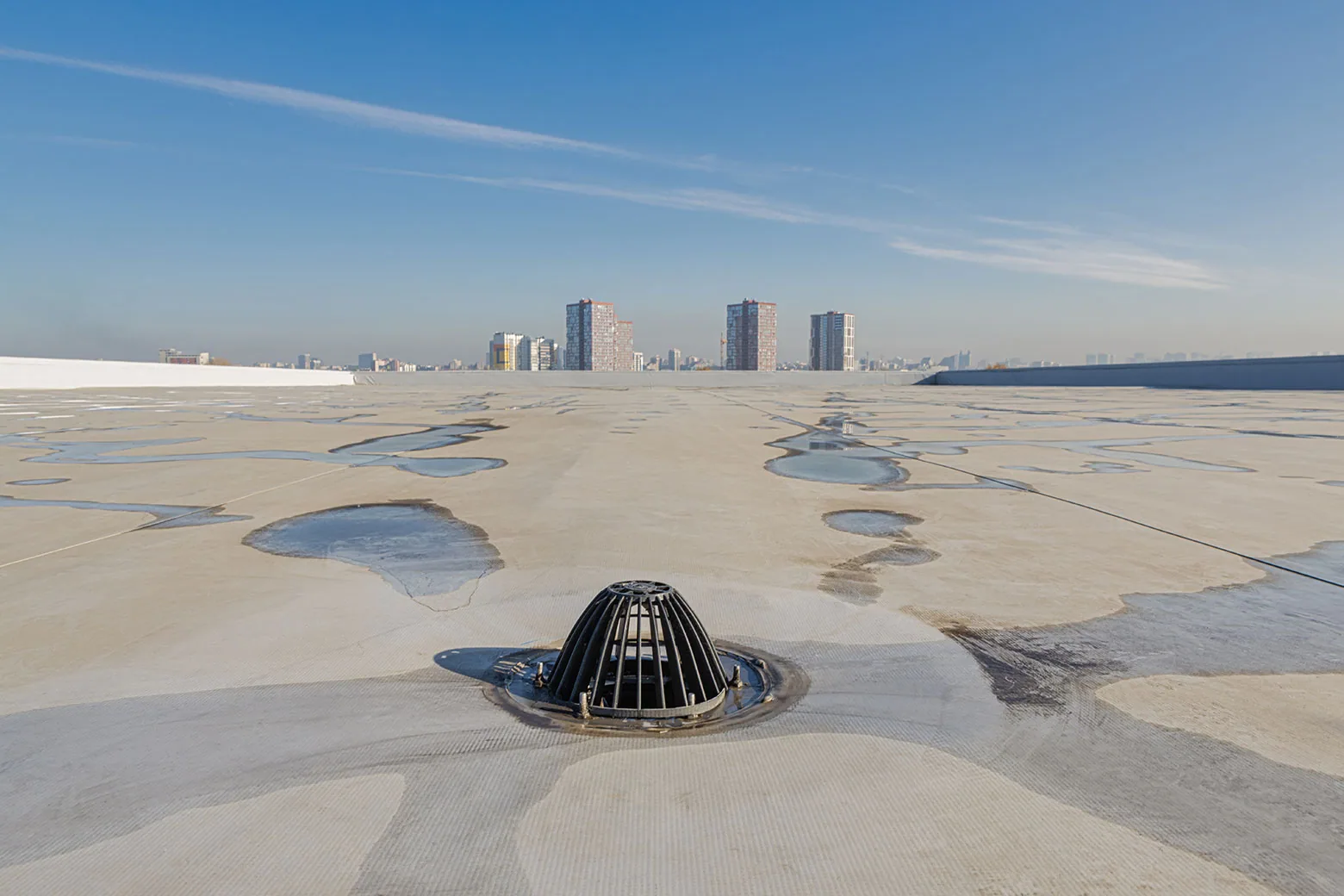
Details need separate attention. Seams, penetrations, curbs, drains, scuppers, and metal transitions may require reinforcement or new flashing before the field is coated. We identify areas where ponding persists and decide whether the outlet or slope needs correction. A coating can follow the roof profile; it does not create slope simply by covering a low area. A drainage review can define that work.
Metal roofs require their own preparation plan. Fasteners, laps, panel movement, rust, and existing sealant need review before the selected coating is applied. On a membrane roof, seams and repair materials must be suitable for the system and compatible with the proposed coating. We state what will be removed, reinforced, primed, or left untouched so the installation sequence is clear.
The written scope should make preparation, repair, coating material, reinforcement, and measured quantities visible. We identify the roof area, perimeter and penetration details, access, and any testing requirement. If adhesion results or concealed conditions may change the scope, we state how that will be handled. An owner can then compare the proposed restoration with a recover or tear-off using the same roof boundaries.
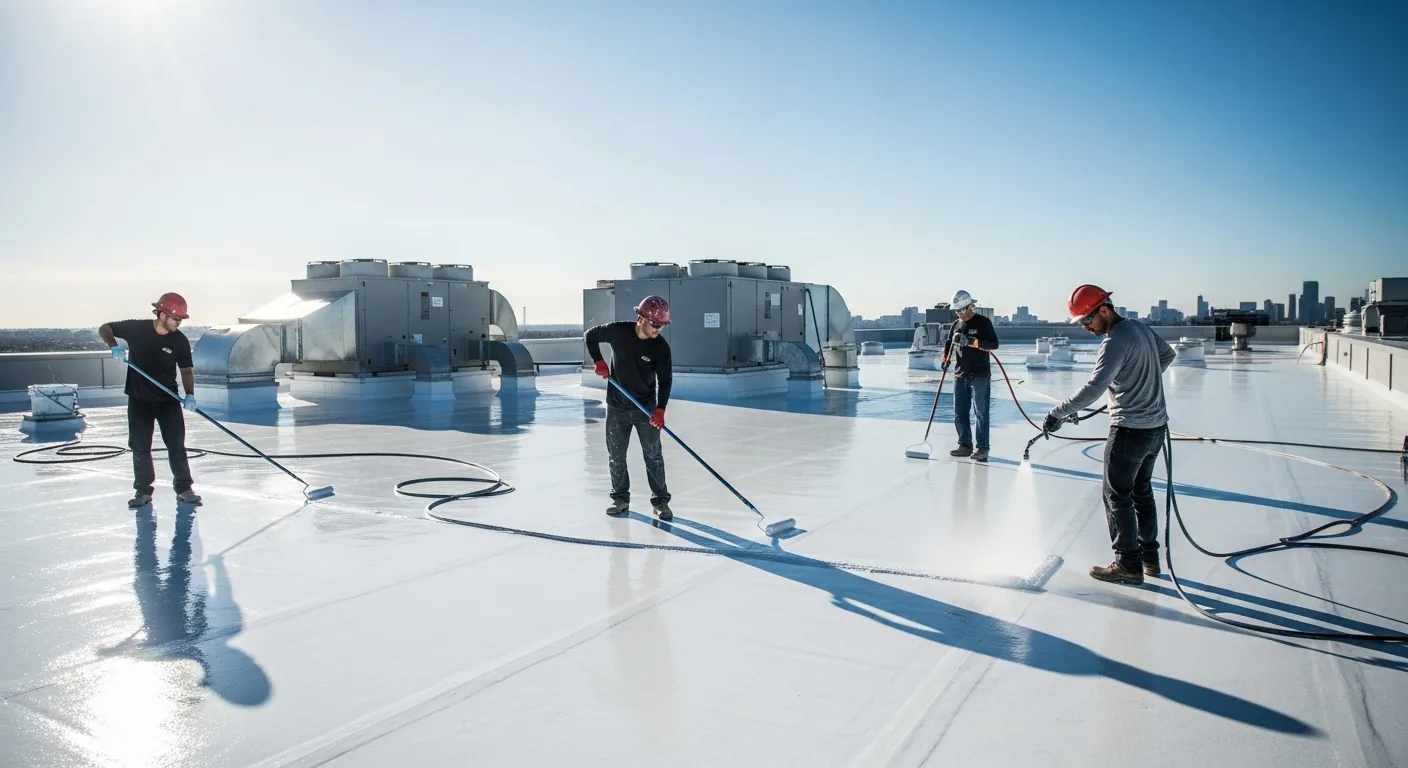
Coating choice follows the substrate, exposure, expected movement, and project specification. Silicone and acrylic systems have different application and water-handling properties. We review the silicone coating specification only after checking compatibility and the roof's drainage condition. The proposal identifies the specified product type and application requirements, without implying a coating cures an unsuitable assembly.
If the roof is suitable, restoration may avoid some demolition and keep portions of an occupied property in service during work. It still requires surface preparation, detail work, cure time, and weather coordination. If the inspection finds widespread moisture or unstable attachment, we prepare a replacement comparison rather than expand a coating proposal beyond what the assembly can support.
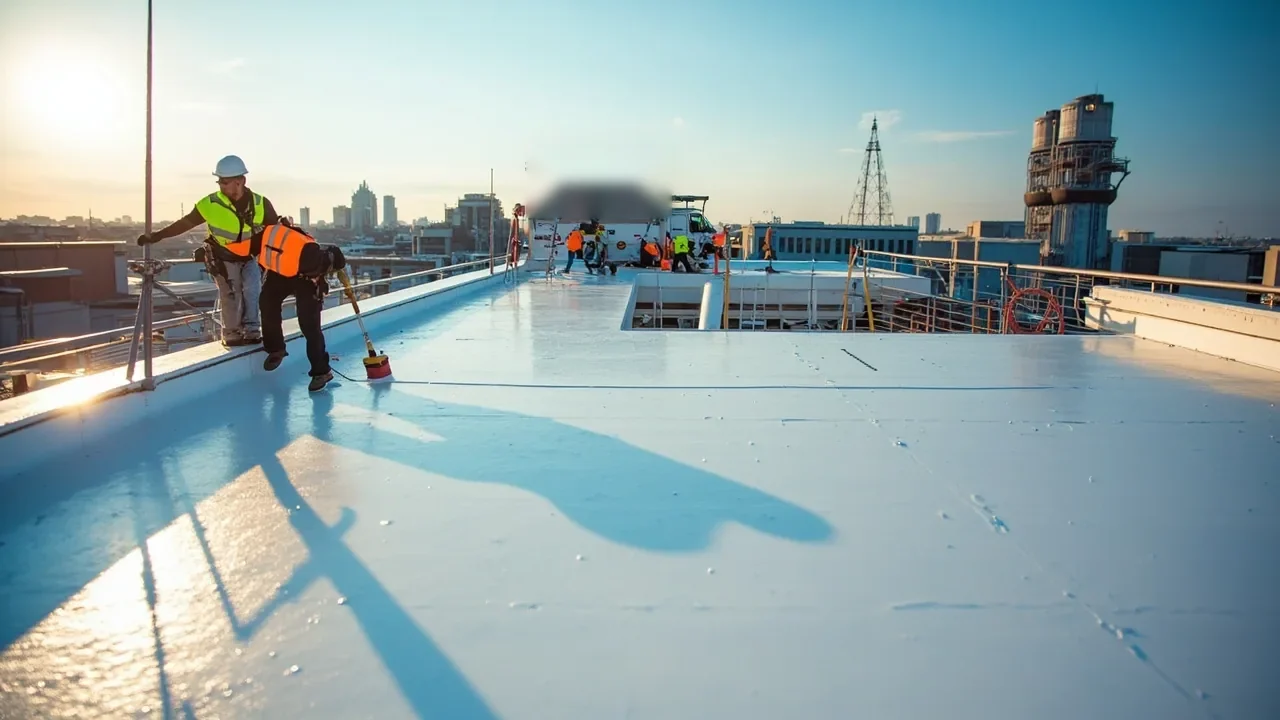
Application timing depends on substrate temperature, precipitation, humidity, and the cure requirements of the selected product. A forecast that changes during the shift can affect what area can be coated safely. We break the work into sections, confirm the surface is prepared and dry, and protect open details before stopping for the day. The site contact receives the sequence and any access restrictions.
Carmel's warm-season exposure and annual rainfall make substrate temperature, surface moisture, and cure timing part of the application plan. We check those conditions at the roof and follow the selected coating specification. Spring rain and fall temperature swings also shape the schedule, so dates remain tied to actual weather conditions.
For active properties around Carmel Midtown or Clay Terrace, we coordinate deliveries, parking, tenant routes, and rooftop equipment access with the manager. The work plan identifies where materials will be staged and which entries must stay clear. If the building cannot accommodate a planned work zone, we revise phasing before mobilization.
At closeout, we record the prepared area, repairs, coating system, details, and any limits in the completed work. Photographs show the surface and reinforced transitions. The record notes conditions that were not included, such as a separate roof section or inaccessible equipment area, so the owner can track them without assuming the whole property was restored.
Maintenance after coating remains important. We schedule checks for drains, seams, penetrations, and areas where other trades have worked. Rooftop service traffic can damage a new coating, so the building team should identify appropriate paths and report new penetrations before making changes. A maintenance visit can keep those details visible.
For portfolio budgeting, a capital plan can compare coating candidates with sections that need repair or replacement. Each recommendation stays connected to the inspection and testing completed on that roof. A coating record is most useful when it lists where work occurred and what future review should focus on.
Wet insulation, loose attachment, incompatible materials, or broad membrane failure can make coating unsuitable. We inspect each section and recommend repair or removal where the assembly cannot support a sound coating application.
A coating follows the existing surface and does not correct slope by itself. We inspect drains and low areas, then identify any drainage correction needed before application. Persistent standing water can affect both preparation and the proposed system.
We inspect and prepare the substrate, then use adhesion testing where the material or condition calls for it. Results help confirm whether the selected coating bonds as required. If the test fails, we revise the preparation or reconsider the system.
Often, if the roof can be divided into sections and access, staging, and cure time are coordinated. We map the work area and keep required entrances and operations in the plan. Weather can still shift the daily sequence.
Compare the same roof sections, preparation, repairs, testing, detail work, quantities, and exclusions in both scopes. We identify where the assembly supports restoration and where moisture or attachment findings require removal.