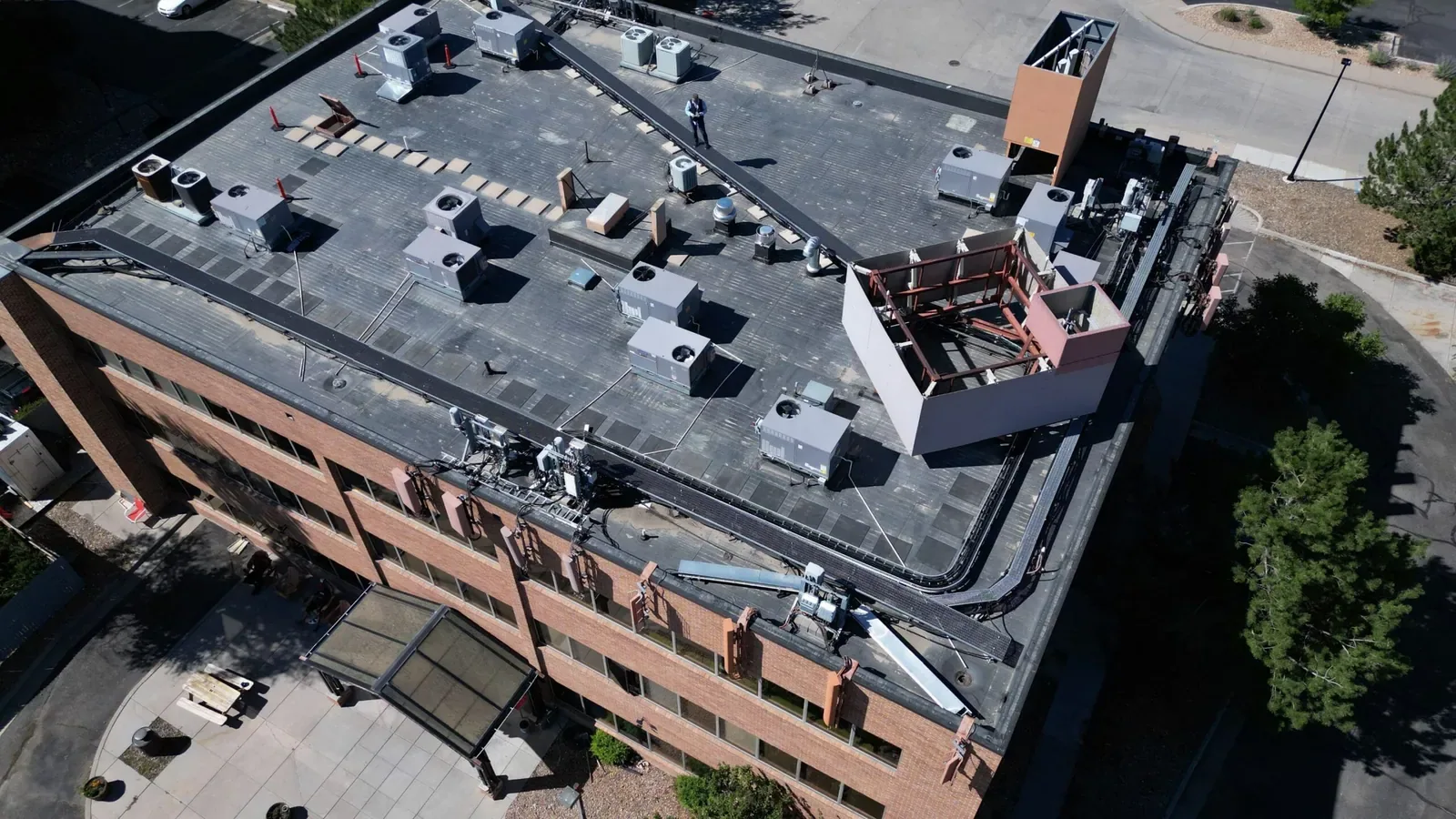
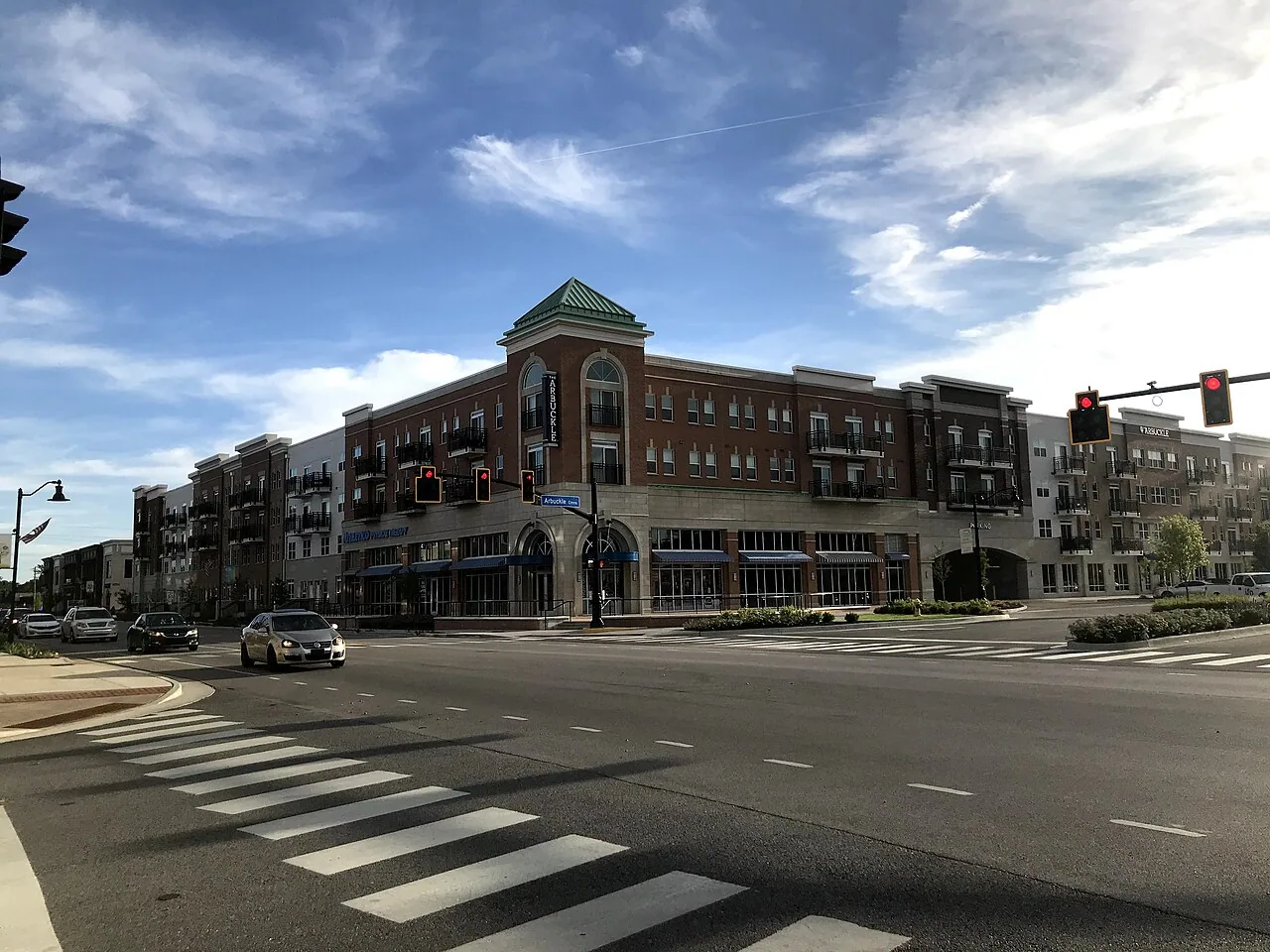
A Brownsburg roof decision may involve downtown offices, retail space, healthcare facilities, or industrial operations, and those uses call for different access plans. The town’s development areas support headquarters, light industrial, office, retail, dining, and entertainment. Its Main Street streetscape plan and mixed-use downtown include shops, restaurants, office suites, residences, and parking structures. That mix gives an owner a reason to plan around occupied space, but the town’s development profile cannot identify a roof’s condition. We map each roof section, inspect its drains and transitions, and tie the repair boundary to evidence on that building.
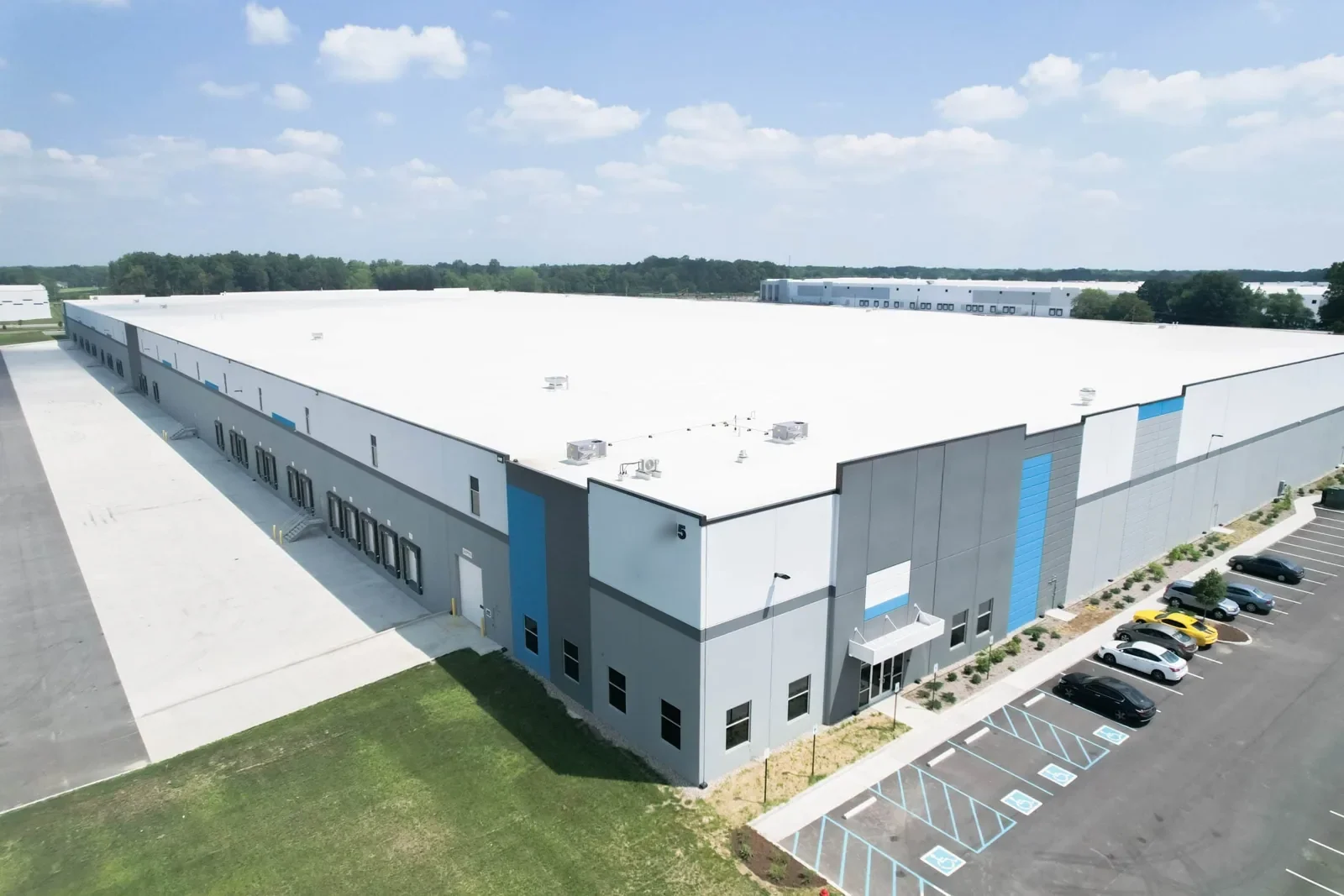
A retail roof above several suites needs a different interior coordination plan than an industrial roof with active equipment or a healthcare space with sensitive operations. We ask which areas must remain accessible, where staging can occur, and what work windows are available. Then we verify membrane type, edge details, penetrations, equipment supports, and maintenance history. Recent Brownsburg commercial and industrial investment includes manufacturing, distribution, and healthcare facilities. Those uses inform access questions, while a site walk identifies the roof assembly and operating constraints at each property.
When the owner has several properties, separate records prevent one leak history from being assigned to another building. We label the roof zone, date, interior symptom, and observed exterior condition. A commercial roof inspection can determine whether the concern is a local flashing failure, a drainage issue, or moisture that extends beyond the visible opening. We also check the repair log against the location of new equipment or prior service work, since a later penetration can change the likely path without changing the interior stain. Nearby Ronald Reagan Logistics Center has its own large-footprint operating context and roof map; it should not be rolled into a Brownsburg town-wide assumption.
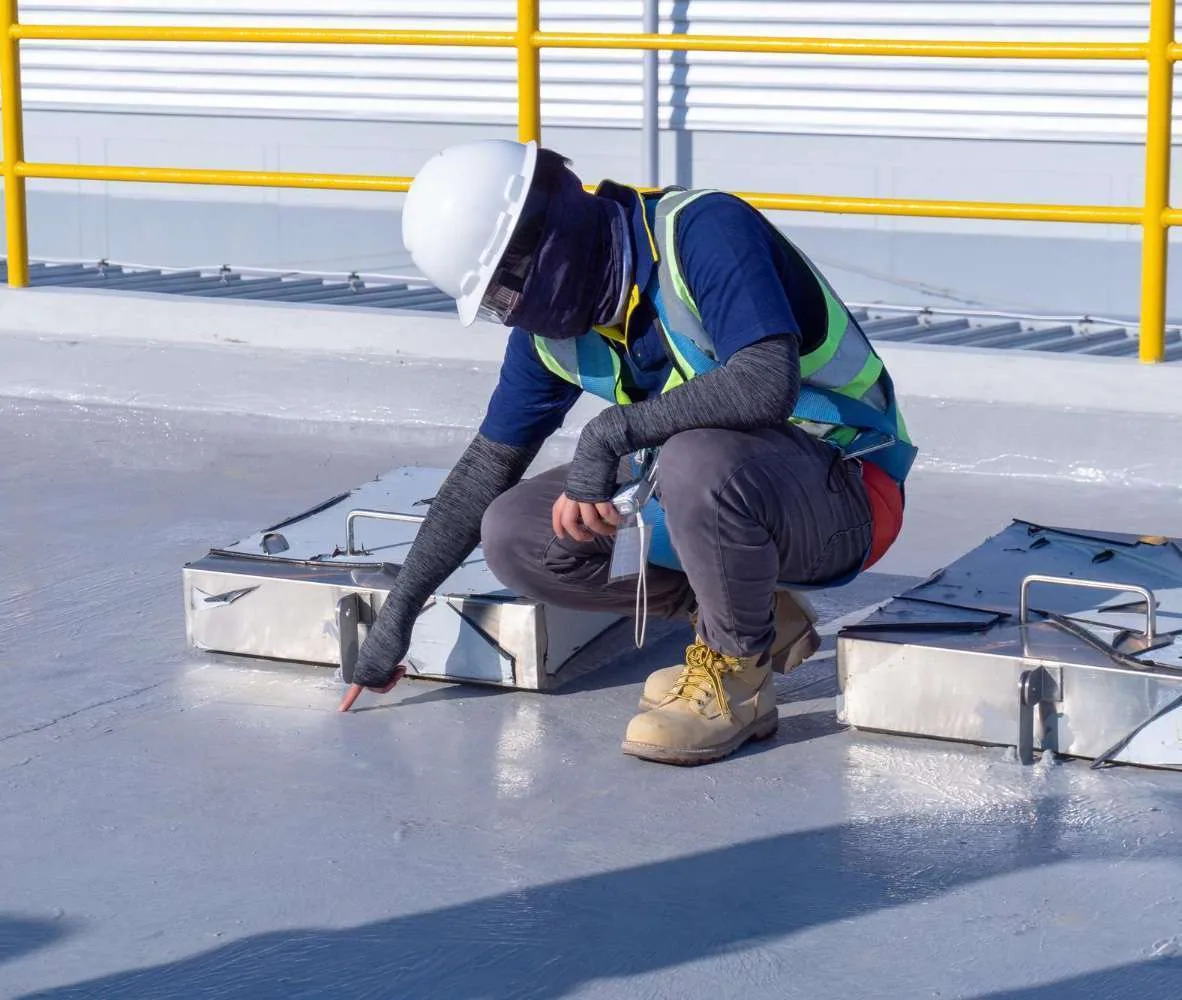
Indianapolis normal July temperatures reach an 85.2-degree average high and 66.4-degree average low. Heat and sun change working conditions, while the roof’s membrane, drainage, and equipment clearances need direct inspection. We check open seams, brittle or lifted flashing, areas beneath mechanical service paths, and spots where debris can slow drainage. After a storm, loose edge metal or a puncture may be visible while water travels below the membrane before showing inside. Photos and roof-zone references keep the observed opening distinct from the interior symptom.
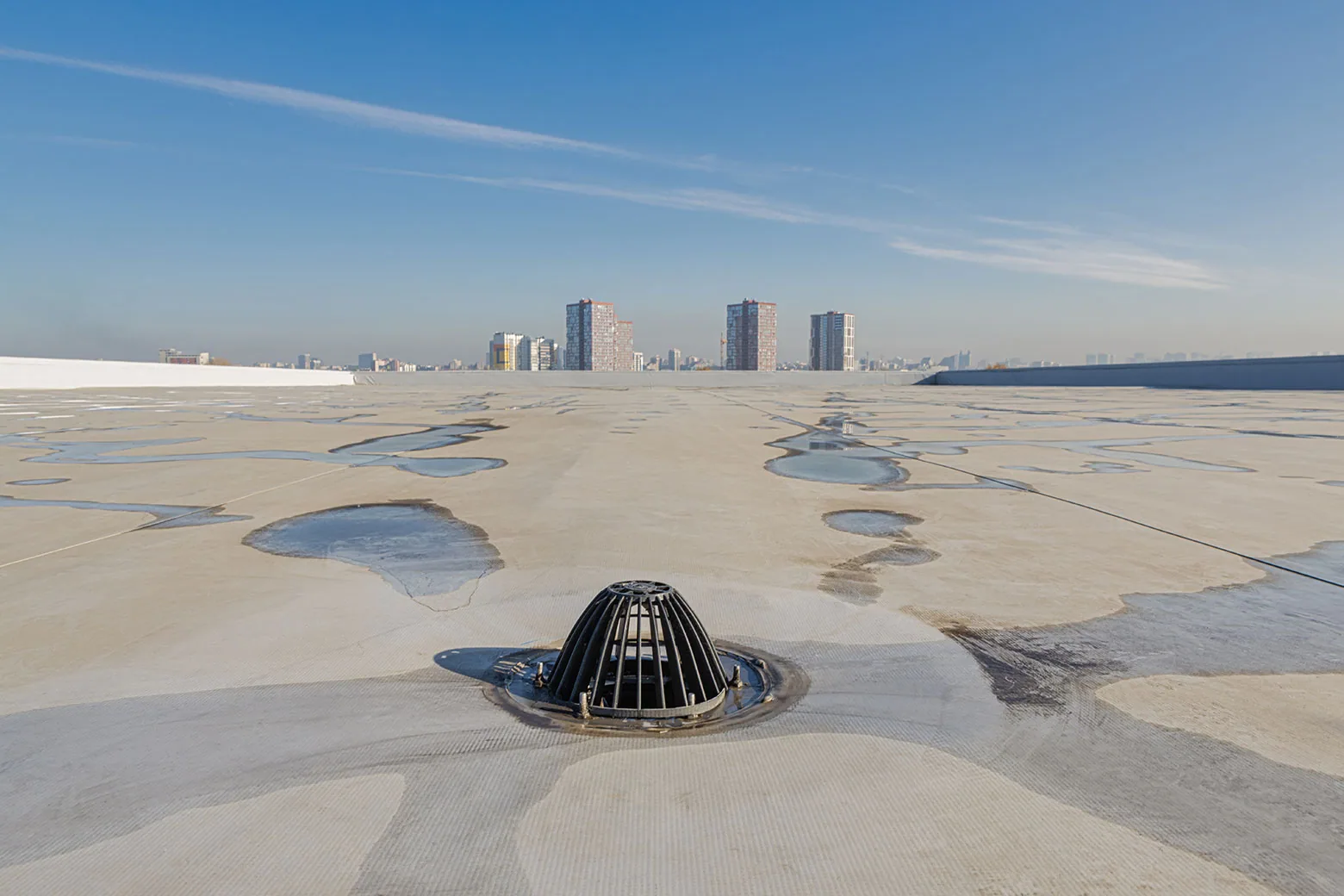
At a downtown property, parapets and transitions can complicate the route from roof surface to ceiling. On a larger facility, drains, overflow paths, and long seams may be the first points to map. We inspect drain bowls and strainers, confirm where overflow water exits, and note ponding against slope and insulation firmness. If a local blockage is the cause, the scope can stay narrow. If moisture has spread, a drain and scupper review alongside targeted testing can show whether assembly work is required.
Repair fits when damage is local and the surrounding membrane is still sound enough for a compatible detail. We prepare the surface, correct the seam or flashing, and record the completed boundary. A coating is considered only if the roof is suitable for preparation and not hiding wet insulation or attachment failure. Recover depends on the deck, layers, and added load. Replacement becomes the better comparison when problems recur across separate roof zones or the assembly has reached a point where continued patching will not resolve the underlying condition.
Brownsburg has a mix of retail, office, residential, and parking structures in its planned downtown district, so access and protection can affect the cost as much as membrane quantities. We list lift or staging needs, interior protection, removal, insulation, deck repair, edge details, disposal, and testing separately where applicable. The owner can compare a measured repair scope with a replacement plan without changing access assumptions between estimates. If concealed conditions could alter the takeoff, the report states the test needed and what each result would mean. We can identify an approval point before removal begins, so any expanded work follows a documented finding rather than an open-ended allowance. We can price a limited diagnostic opening as a separate step, restore it after inspection, and revise the scope only when the findings support a change.
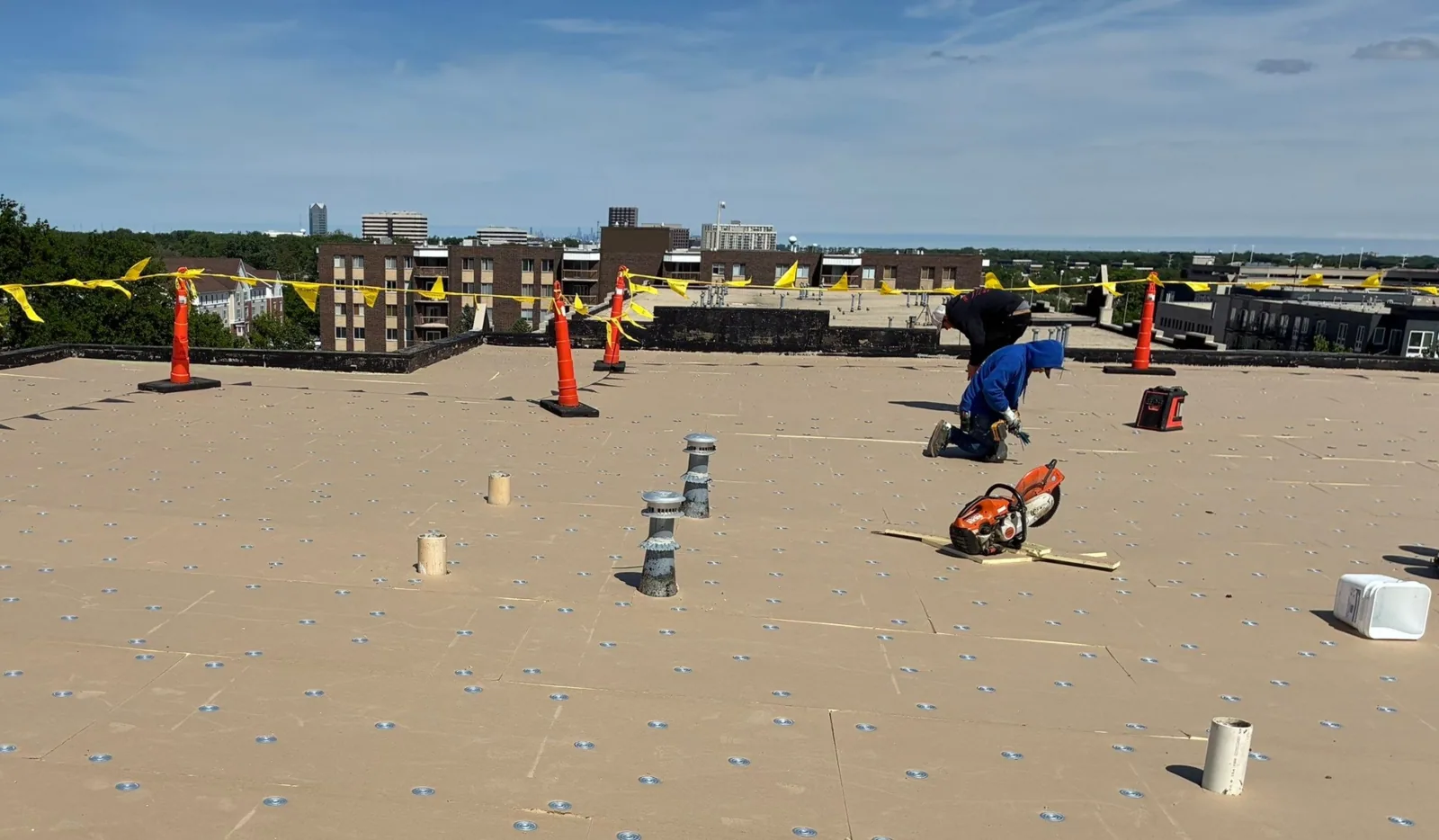
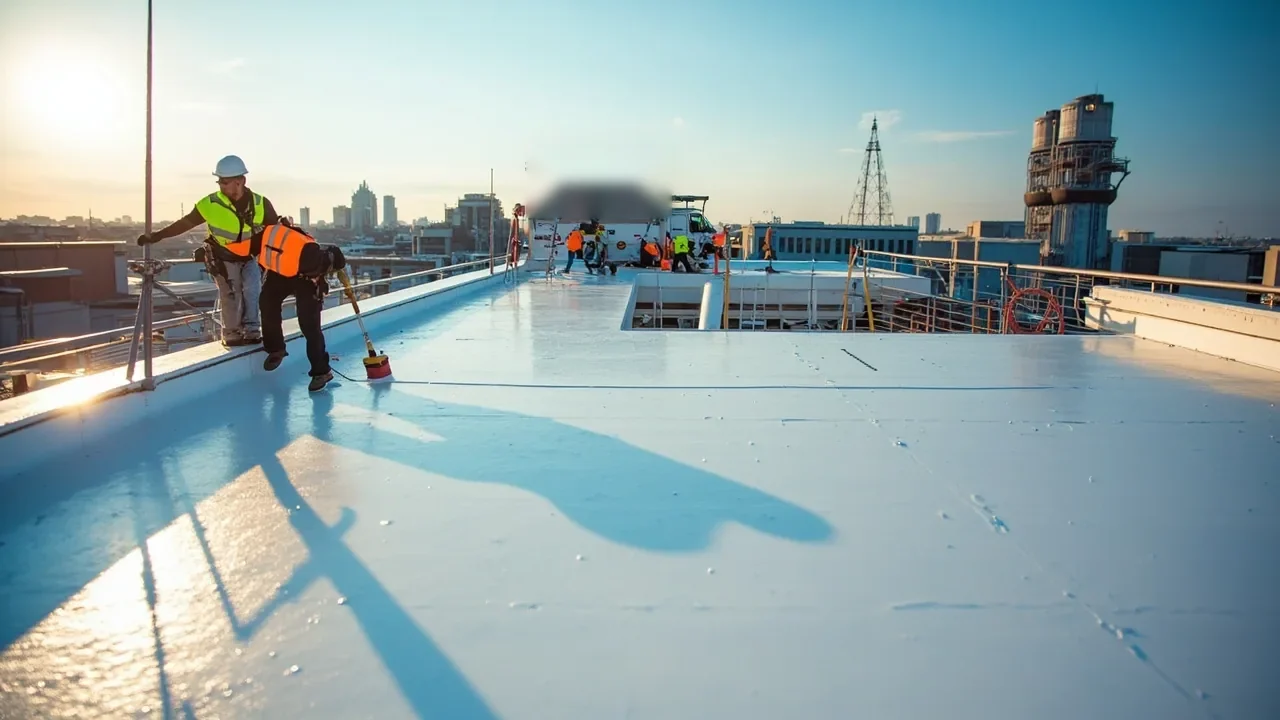
A shared downtown building may have a different quiet period than a distribution property. We coordinate access, temporary barriers, lift locations, material movement, and interior protection with the person responsible for the property. Work can be staged by roof section if the entire surface does not need to be opened at once. For an active leak, emergency response is available at any hour, including weekends and holidays. We stabilize water entry, then inspect the adjacent membrane and drainage before pricing the permanent repair.
Weather sets practical limits on preparation and cure. Central Indiana winter freeze-thaw exposure can affect safe access and the condition of seams and flashing, while summer heat influences work timing. We check the actual roof and the product requirements before confirming a work window. A maintenance visit before a seasonal transition can catch open details and blocked drains while access is simpler. Capital planning can sort urgent repairs from the larger work that belongs in a later budget cycle.
The closeout record should help a new property manager find the same roof area without relying on the last person’s memory. We provide dated photos, roof-zone references, materials used, measured areas, completed work, and follow-up items. If a section could not be reached or moisture was not tested, the report makes that limit clear. Interior complaints can then be compared with the earlier roof condition instead of being treated as a new failure each time. A maintenance log also makes it easier to tell whether a drain cleaning, flashing repair, or coating inspection is due before the next season.
For a property near Brownsburg’s Main Street corridor, tenant access and storefront use can be included in the access plan while the roof observations remain building-specific. If the next inspection follows a renovation or a change in equipment, we check the new penetrations and transitions rather than relying on an old plan. Owners with another building in Plainfield can use the same reporting fields but retain a separate service history. A photo-backed report supports a practical decision about repair, maintenance, or renewal.
No. The plan describes mixed-use development and streetscape goals, not the roof assembly. We check the actual membrane, deck clues, and details before setting the repair method.
We coordinate staging, barriers, and interior protection with the property manager, then sequence work by roof section where practical. The access plan reflects the tenant schedule and actual conditions below.
We compare the interior report with roof seams, penetrations, drains, and transitions above and around that area. The inspection records what is visible and where moisture testing could clarify the repair boundary.
A replacement comparison is useful when failures recur across multiple zones, insulation is wet, or attachment and edge conditions have broad problems. We document those findings alongside the cost of another limited repair.
Send the building list, available plans, leak history, and any tenant access limits. We keep the roof records separate so the measured scope reflects each building rather than the portfolio average.