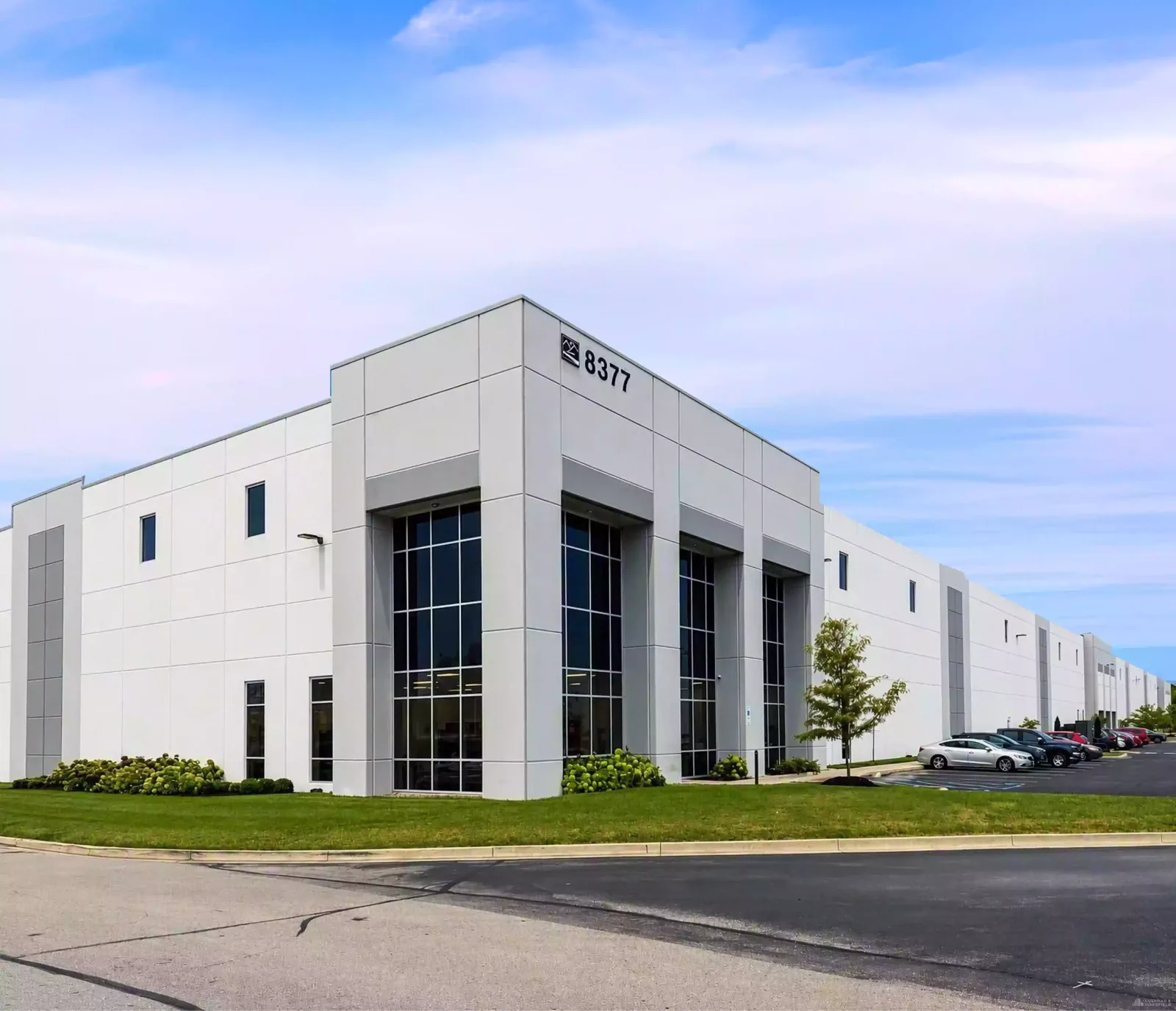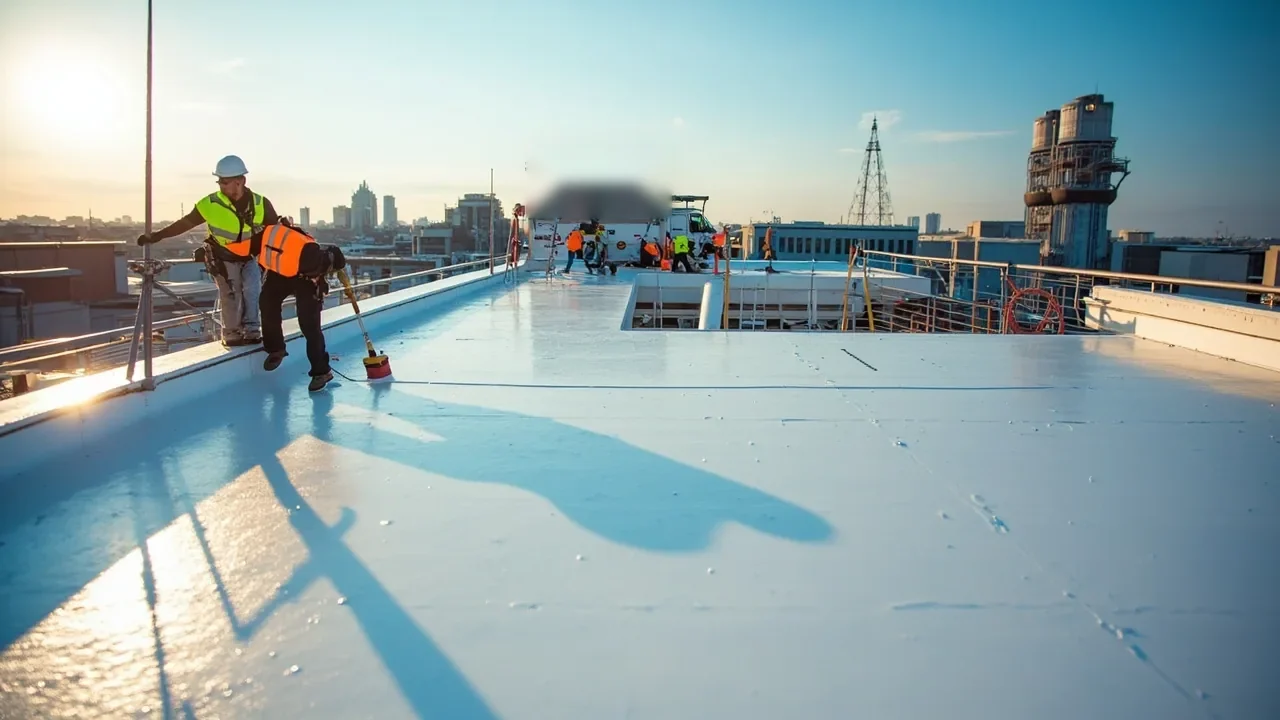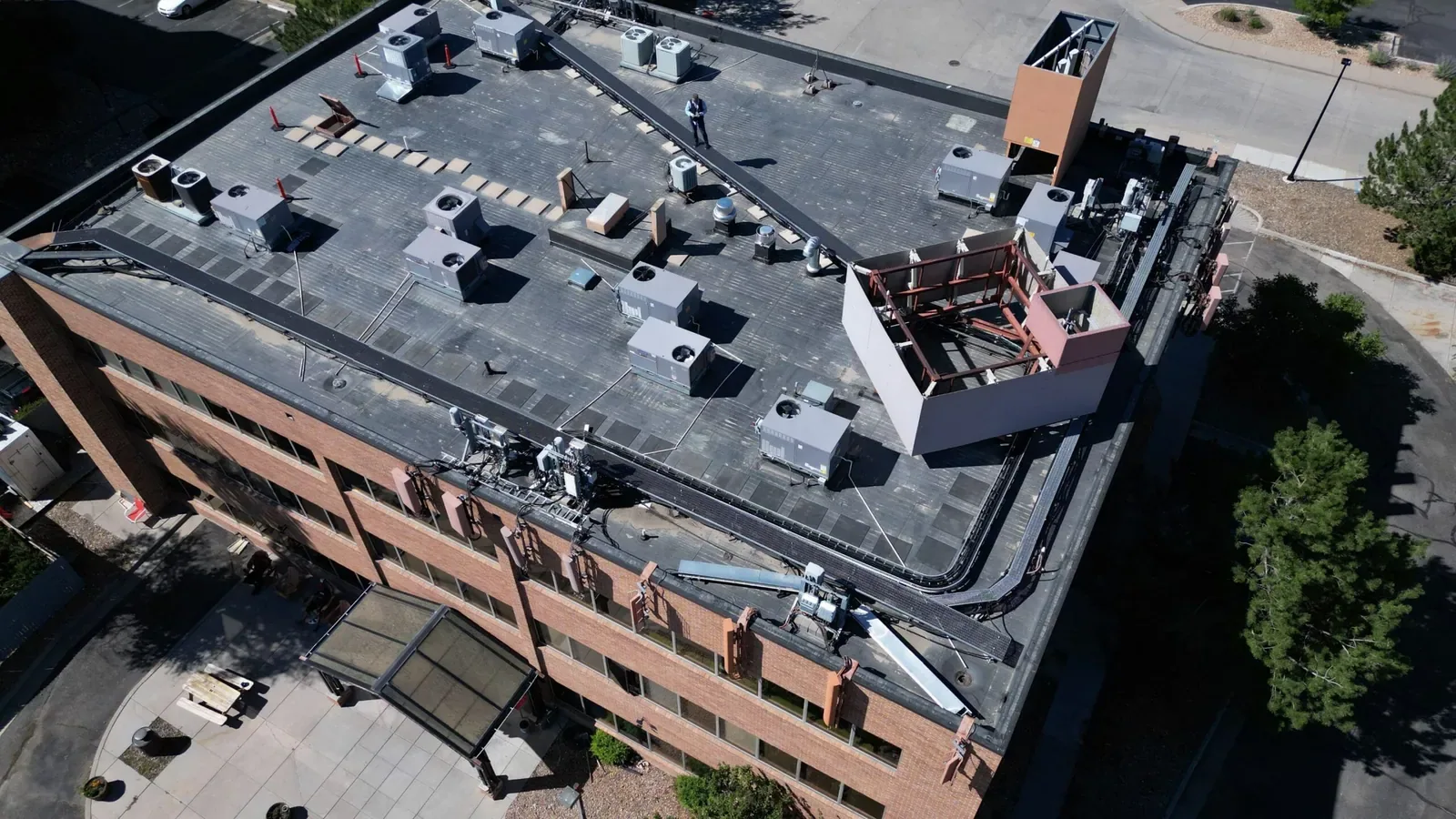
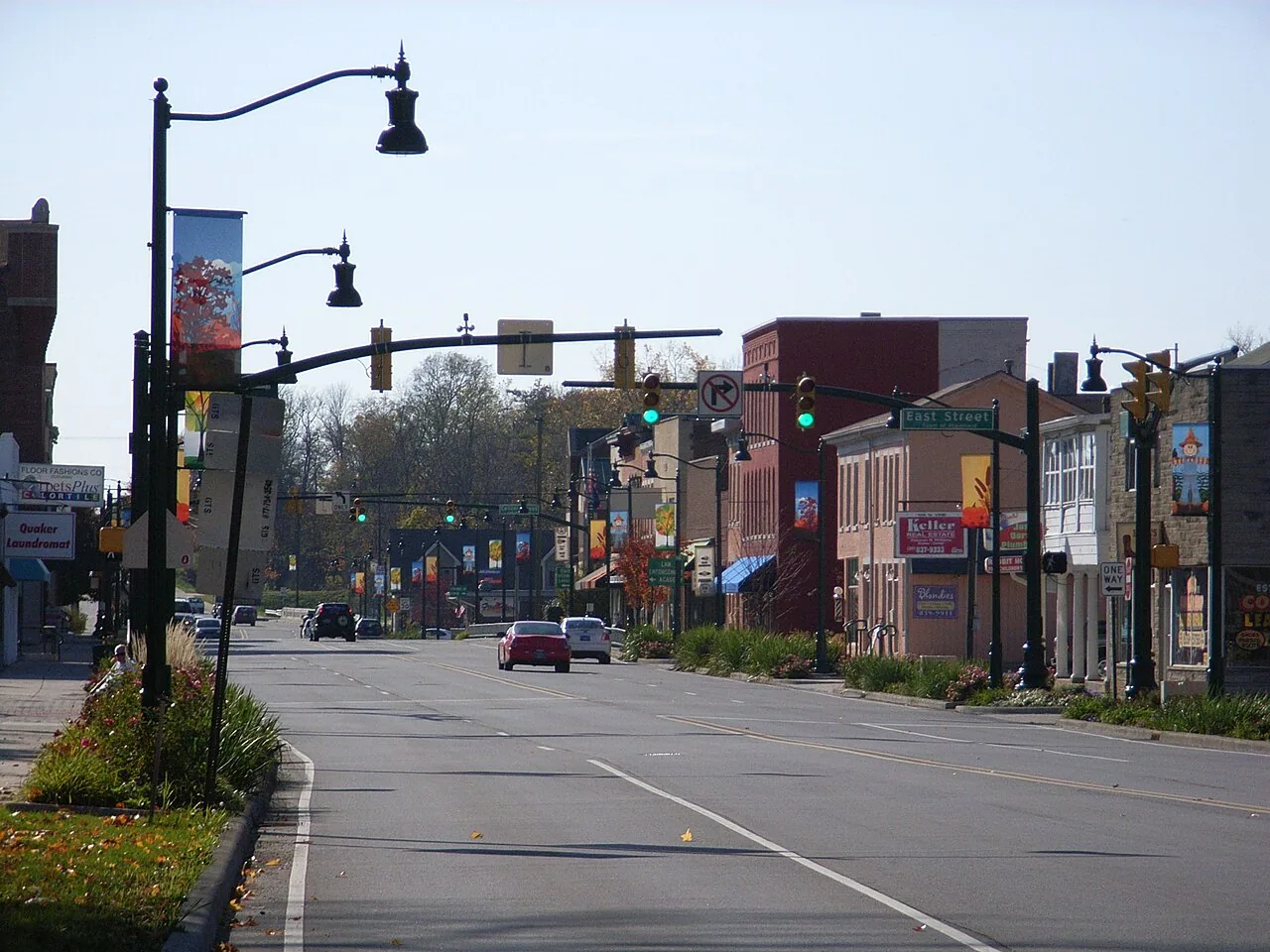
A Plainfield roof scope has to account for how the property works before it accounts for what the proposal costs. The town’s commercial strategy packages larger parcels, and local logistics and industrial activity relies on airport access and interstate connections. That context makes truck circulation, staging, and occupied operations useful questions on the first call. We identify the building's roof assembly and condition from its records and site walk. We inspect the actual roof sections, trace water paths, record penetrations and edge details, and separate observed defects from conditions that need testing. The result is a measured scope that can be compared against the building’s operating calendar.
A reported leak begins with an interior location, but the repair boundary comes from the roof. We follow the water path from drains and low areas toward curbs, seams, edges, and wall transitions. Moisture can travel beneath the membrane before it appears inside, so we note the roof zone above and around the report rather than marking only the ceiling stain. Photos, roof plans, and repair invoices help establish history; a site walk verifies what remains in place. If the membrane is serviceable and the defect is local, repair can stay focused. If wet insulation or failed attachment extends beyond it, the renewal question changes. A test opening can show whether moisture is limited to the visible bay or continues into adjacent insulation, which keeps the replacement quantity from being guessed.
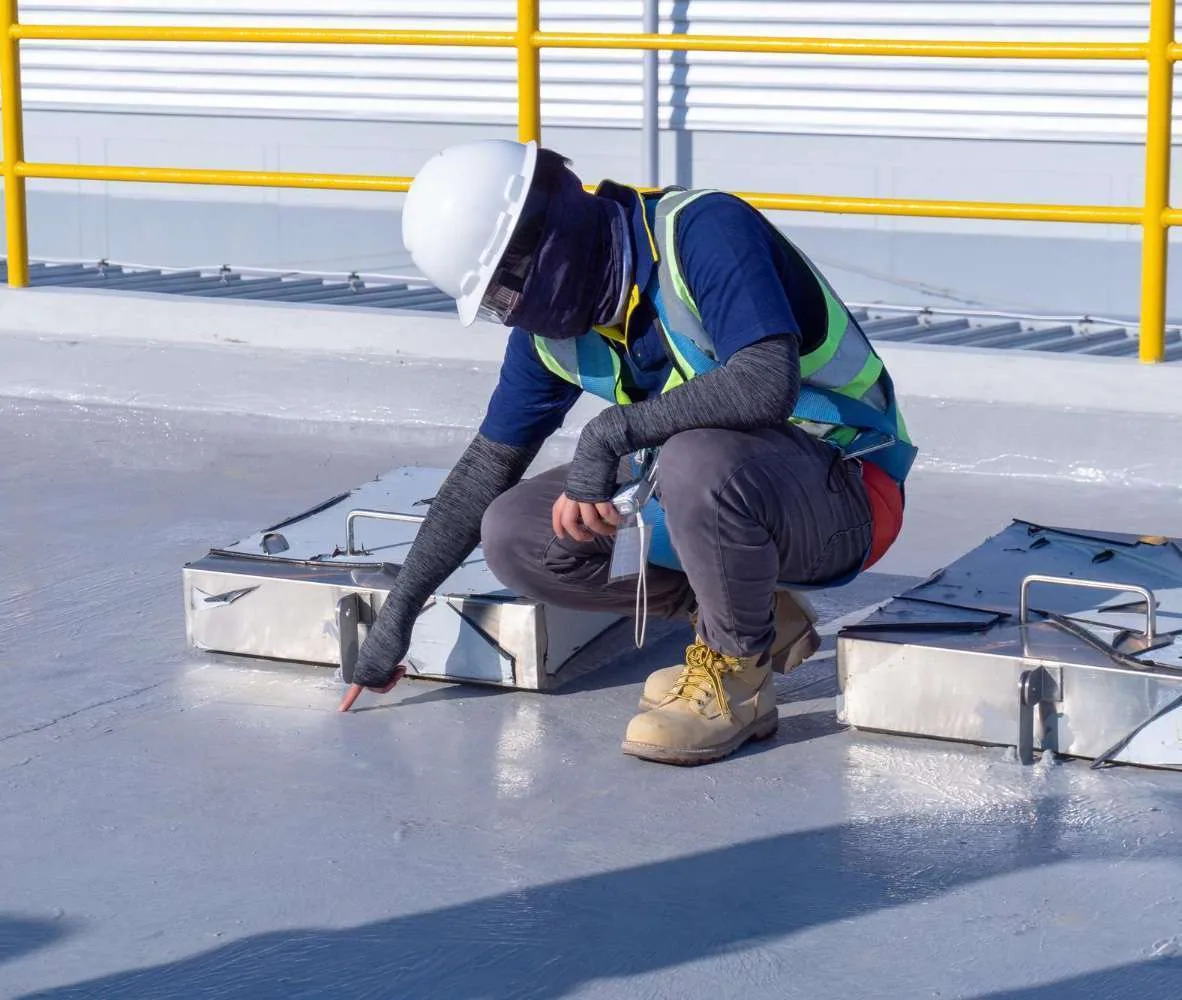
Plainfield’s logistics context makes access planning part of that decision. We confirm where a lift or ladder can be set without interrupting truck paths, where materials can be staged, and whether the work area sits above an active operation. A commercial roof inspection records those limits alongside the membrane, flashing, drains, and visible repairs. For owners tracking nearby assets, Plainfield Logistics Park requires its own roof map and quantity takeoff; a town-wide land-use fact cannot substitute for building measurements.
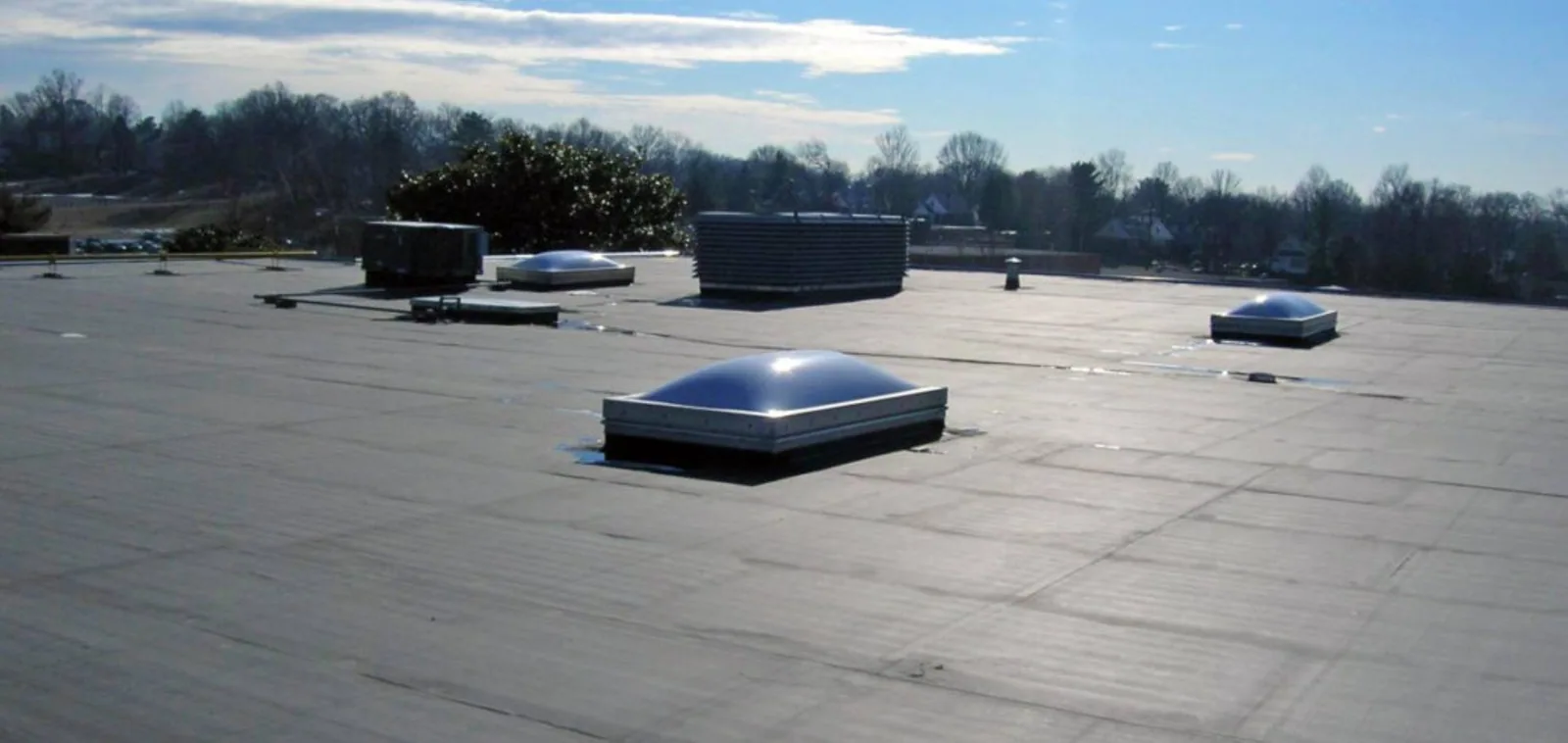
Seasonal rain and snow make drainage checks part of the Plainfield maintenance log, especially where truck or equipment traffic can leave debris near low points. The site walk shows how water moves on each roof. We photograph drain bowls, strainers, overflow routes, and low points, then compare the water marks with roof slope and insulation condition. A blocked strainer may call for maintenance. A depression that holds water above wet insulation can require a larger assembly repair. We do not price both conditions as the same task.
Access can affect how quickly that evidence is gathered. On a large parcel or a property with vehicle movement, the site contact helps identify safe entry and the best sequence for inspections. Rooftop units, exhausts, and later service work can interrupt membrane continuity; we check the flashing and nearby seams instead of assuming each curb is sound. Where moisture may extend below the surface, an infrared moisture survey can help target test cuts. The report states which areas were scanned, which were inaccessible, and what further opening would resolve.
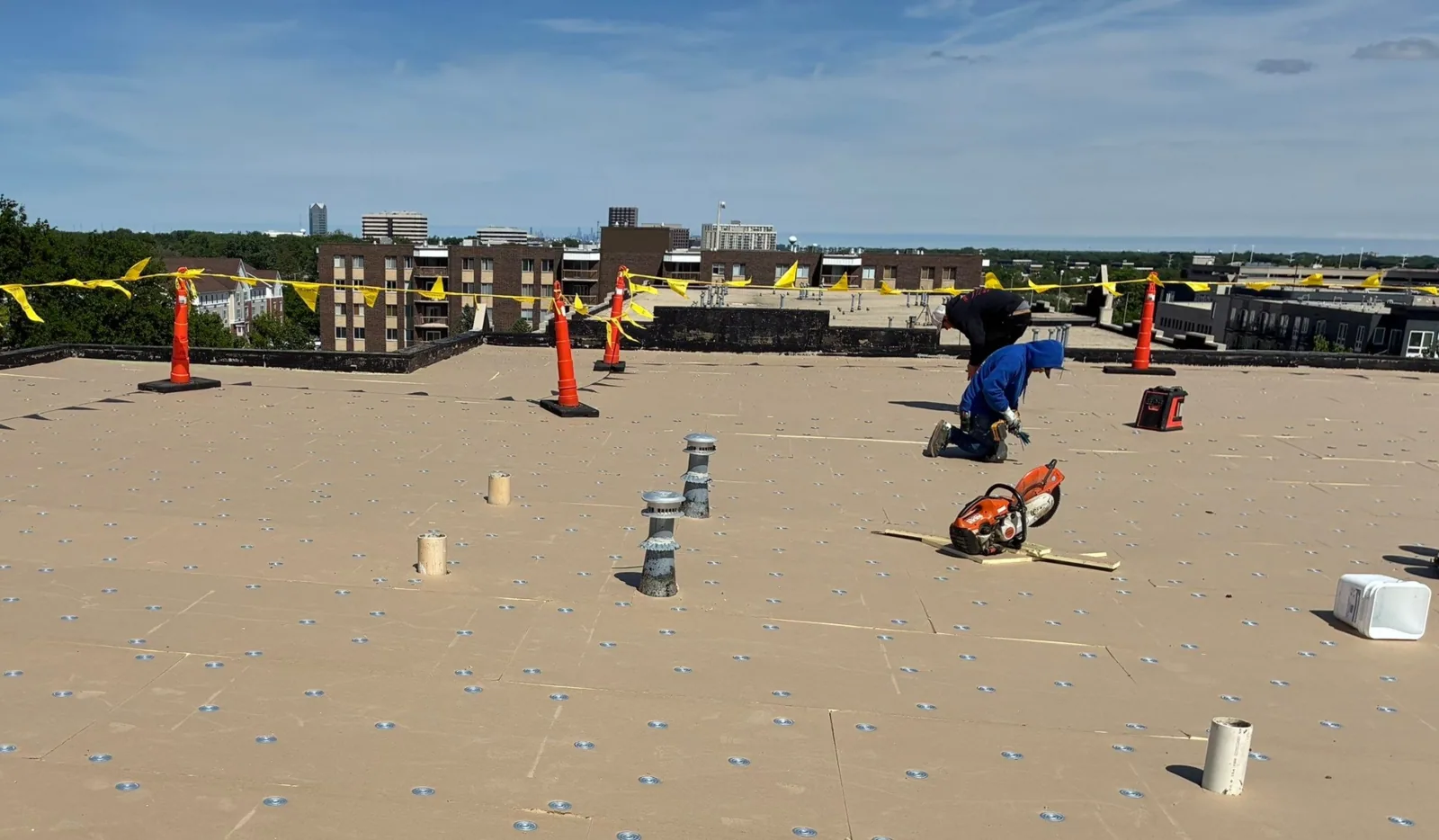
Repair is appropriate when a defect has a clear edge and the surrounding material can accept a compatible patch or flashing detail. We prepare the area, make the repair, and document its boundary. Coating is a different decision: the existing membrane must be suitable for preparation, dry enough, and attached well enough to support the system. Recover can reduce tear-off when deck condition and added load permit. Replacement becomes the stronger comparison when leakage is recurring across roof zones, insulation is broadly wet, or perimeter details have reached the same end point.
Cost follows what is measured. Roof height, travel distance on the surface, truck or lift access, protection below, wet insulation, deck repairs, edge metal, penetrations, tear-off, and disposal all affect the estimate. We list known quantities separately from concealed-condition allowances so an owner can see which finding changes the price. A focused commercial roof repair can be compared with replacement using the same roof map and access assumptions. If a test opening is needed, we identify its location and decision value before including it. We also note whether the roof can remain watertight overnight and how the opening will be restored, so testing does not become an unplanned interruption.
Air-cargo and logistics settings are governed by movement below as much as by weather overhead. We coordinate lift placement, deliveries, staging, and temporary protection with the person who manages the property. If a roof section can be isolated, work may proceed in phases rather than closing a larger area than needed. Emergency response is available overnight, on weekends, and during holidays when water is entering an active space; stabilization comes first, followed by a documented inspection of adjacent seams and drainage.
Snow, ice, and freeze-thaw periods can restrict safe roof access and affect cure time. Indianapolis winter conditions are part of regional planning, but we schedule against the actual roof surface, forecast, and product requirements. The maintenance log should note open repairs before a seasonal shutdown or major operating change. A capital planning review can identify which work cannot wait and which renewal scope belongs in a later budget window, with allowances kept visible where testing remains open.
Closeout should leave the next manager with the roof map, dated photographs, repairs completed, material notes, and unresolved conditions. Each leak report should connect to a roof section without implying that every adjacent area was tested. If a storm or equipment change caused visible damage, the record should separate that observation from older wear and maintenance items. This makes follow-up more useful and avoids repeating the same investigation when a tenant reports another stain. It also gives the next reviewer a baseline for checking whether the repair held, whether drainage changed, and whether the remaining area should enter the capital plan.
Plainfield’s logistics and distribution setting can change over time, so keep access notes current when loading patterns, equipment, or occupied areas change. The roof record stays with the building, not the tenant. A photo-backed condition report gives an asset manager a basis to compare patch, restore, and replace choices. For a second property in Brownsburg, reuse the reporting fields but create a separate condition history and measured quantity.
No. Plainfield’s economic context includes airport-linked logistics, but each property has its own use and roof. We confirm the building operation and assembly during the site walk before choosing a scope.
We confirm the approved access point, lift location, material staging, and loading schedule with the site contact. If needed, the work can be divided by roof section so the operating route stays available.
Testing is useful when ponding, recurring leaks, or soft insulation suggest water may have spread beyond the visible opening. We use the findings to mark a repair boundary or evaluate a larger renewal.
Yes. We can coordinate the work window around the property’s operating schedule, including night or weekend access when arranged. Emergency response remains available around the clock when an active leak needs stabilization.
A test cut may reveal wet insulation, deck damage, or extra layers that were not visible at the surface. We list measured work separately from those concealed conditions and show what result would change the scope.