Avon's business parks and office and retail properties support activity in logistics, distribution, precision and value-added manufacturing, life sciences, and office services. We confirm each building's use, access limits, and roof condition before choosing a repair boundary, measured quantity, or renewal option.
Avon has divided-highway access and access to the Indianapolis airport and cargo hub. For a property team, those connections can make loading and operating schedules central to the work plan. We set a repair boundary, document the measurable quantity, and state what still needs confirmation before comparing repair with renewal.
Some calls are about an active leak; others begin with a capital budget, a purchase, a recurring maintenance issue, or equipment work. We ask which decision the visit should support and gather the building list, roof plans, repair invoices, warranty information, leak reports, and access limits. Those records help us separate an old proposal from a repair that was actually completed.
Avon's logistics and distribution, precision and value-added manufacturing, life-science, and office-service sectors can have different operating windows or shutdown needs. We confirm each facility's requirements with the property contact. A roof asset record can organize condition and repair history across buildings; the recommendation for each roof remains tied to its own evidence.
Where water is entering now, we can arrange an emergency roof response to protect the affected area and inspect when safe. For a planned project, a condition inspection maps accessible sections, photographs defects, and marks any area requiring further testing.
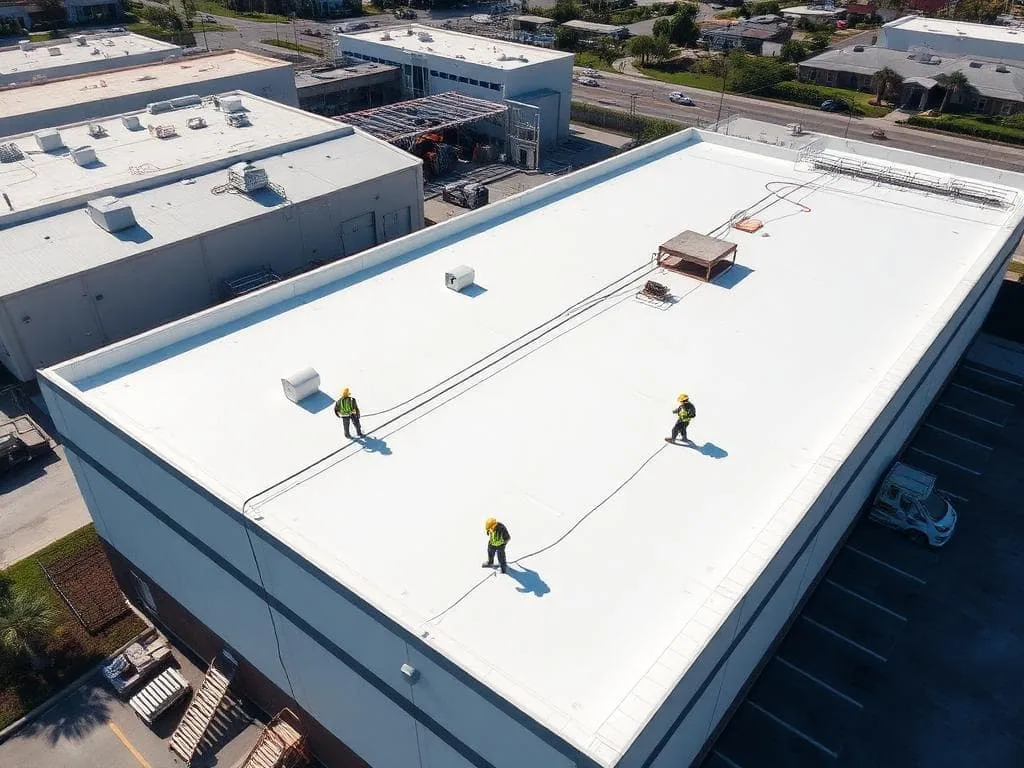
Before pricing, we also confirm whether an access hatch is usable, whether the roof needs fall protection, and how close materials can be delivered to the work zone. These details affect setup time and daily production. They belong in the comparison so one proposal does not appear cheaper simply because it leaves staging or protection out of scope.
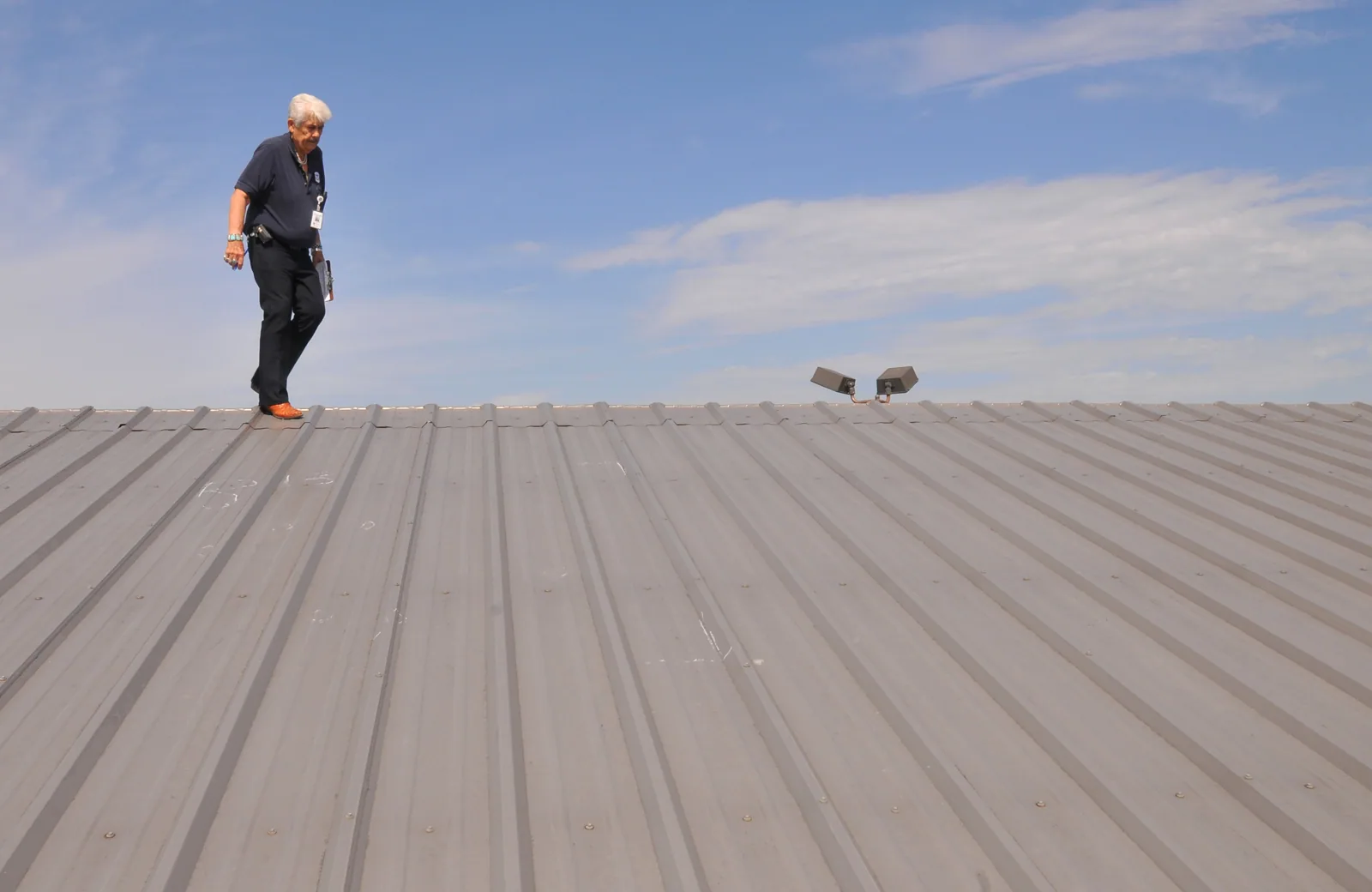
The roof walk follows the details that commonly separate a minor defect from a larger scope: seams, laps, flashing, edges, drains, curbs, penetrations, wall transitions, and earlier patches. On a metal roof, we look at panels, fasteners, seams, clips, and transitions. On a membrane roof, we inspect welds or adhered seams and the flashing where vertical surfaces meet the field. We identify the system before choosing repair materials.
Where equipment or exhaust is present, we check the supports and the flashing at the penetration. If a contractor has moved a line or added a curb, we review whether the roof detail was restored and whether water can move beneath the new connection. The local industry mix makes active processes and equipment important site-walk questions; we record the units, exhaust, and service paths actually present on the roof.
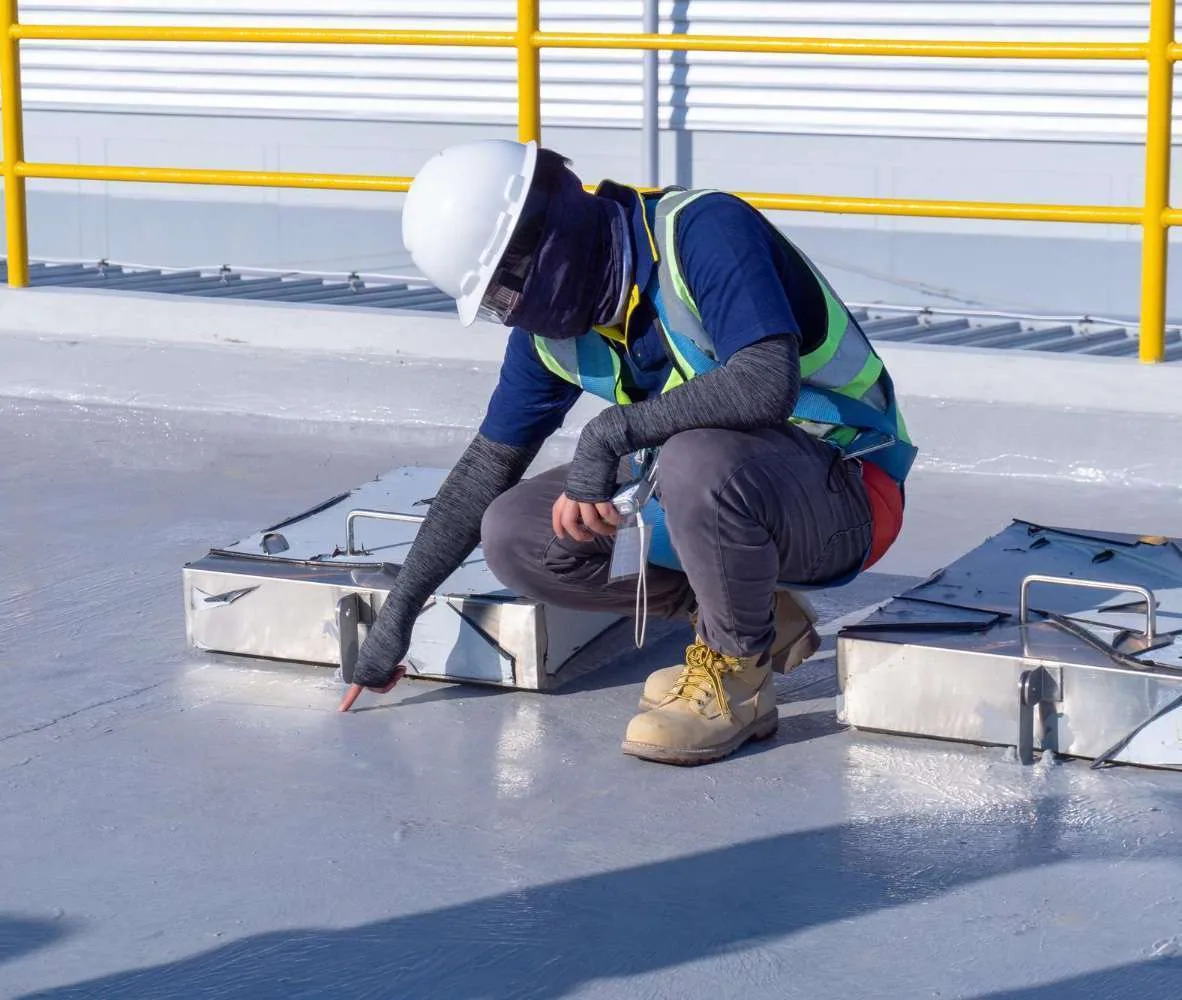
We photograph defects with enough context to locate them and note whether the surface is accessible. Each image is tied to a roof section and observation date, so a later visit can distinguish a new condition from an older repair. If repeated leaks or soft areas suggest moisture under the membrane, we describe a suitable confirmation step. An infrared survey can help prioritize test areas when the assembly and weather are appropriate; the scan does not substitute for verification.
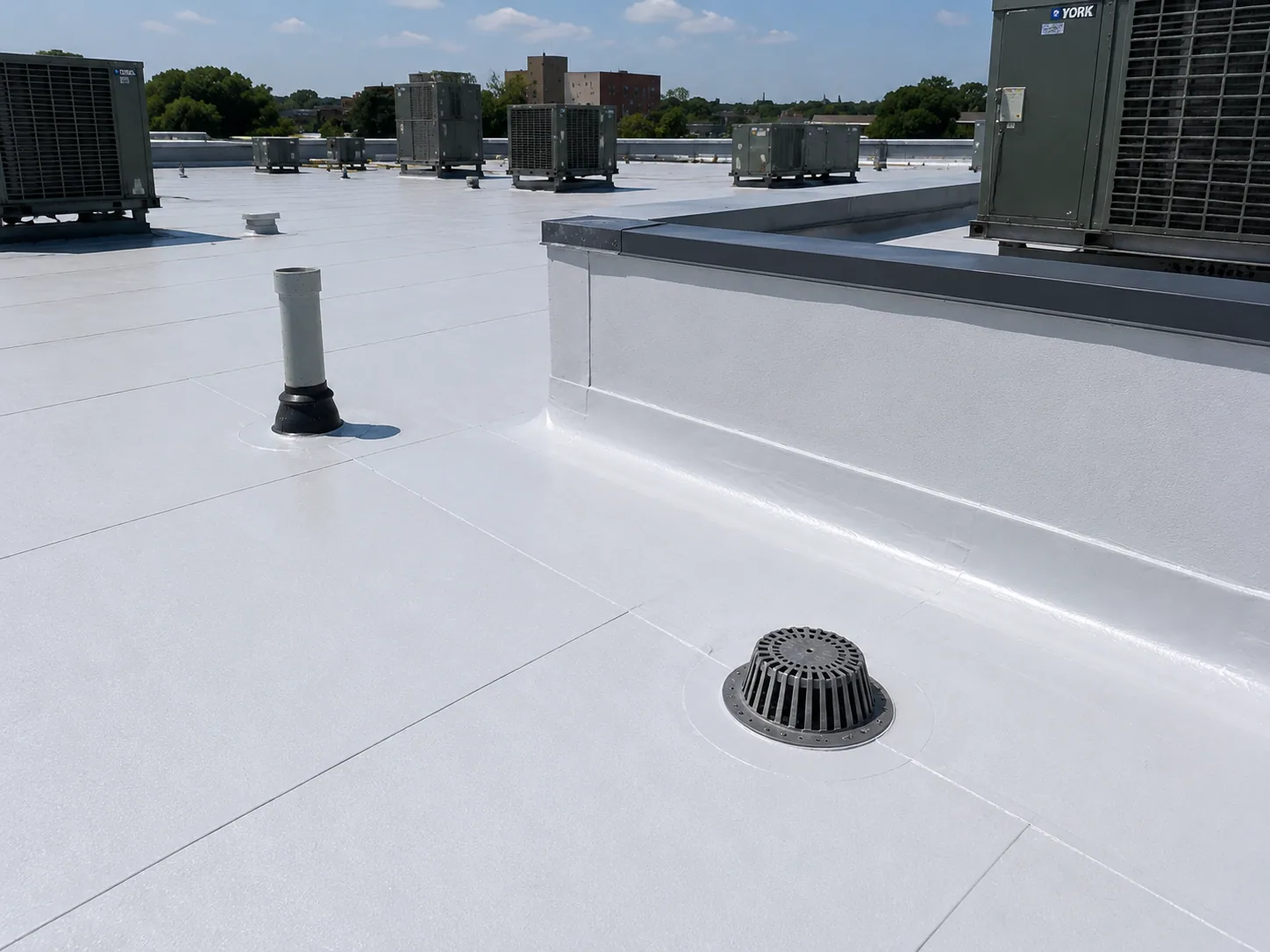
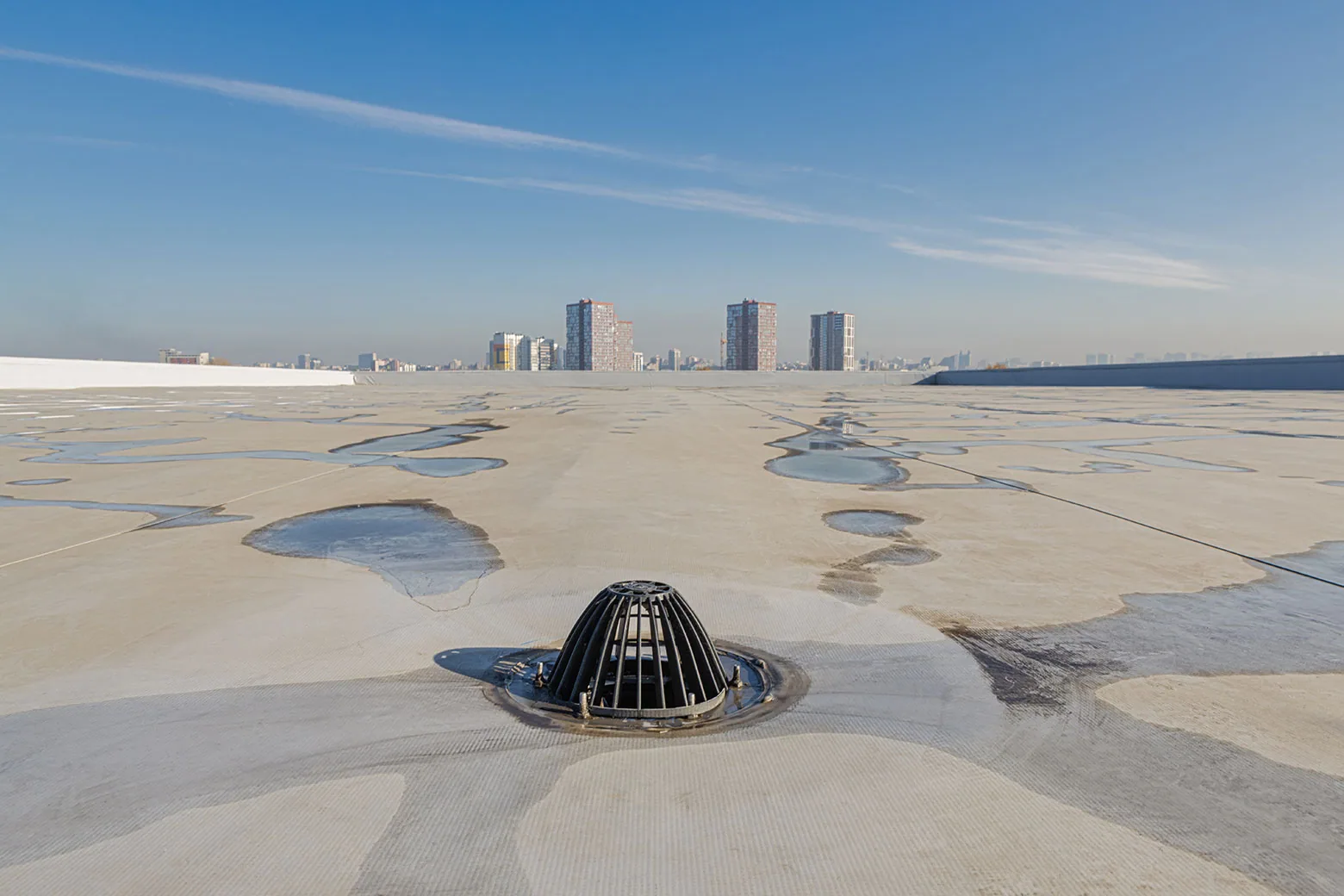
Water should reach the intended drain or scupper without collecting against a curb, wall, or edge. We inspect drain bowls, strainers, overflow paths, low areas, and the membrane around each connection. Debris removal may be a maintenance task; a loose ring, split flashing, or damaged sheet near an outlet needs a repair scope. We identify the difference in the inspection notes.
Winter snow and rain make drain access and meltwater paths useful inspection priorities for Avon facilities. Each roof's slope and outlet layout determine the work, so we check the actual drainage pattern before recommending service. During winter planning, we check safe access, the roof surface, and material limits on the day of repair.
When interior water is reported, we compare the stain location and timing with the roof above. Water can travel before it appears indoors. A leak investigation examines plausible paths through seams, penetrations, edges, and drains, then states which location is confirmed and which is still uncertain. If a drain connection has failed, a drain repair can keep that work distinct from routine cleaning.
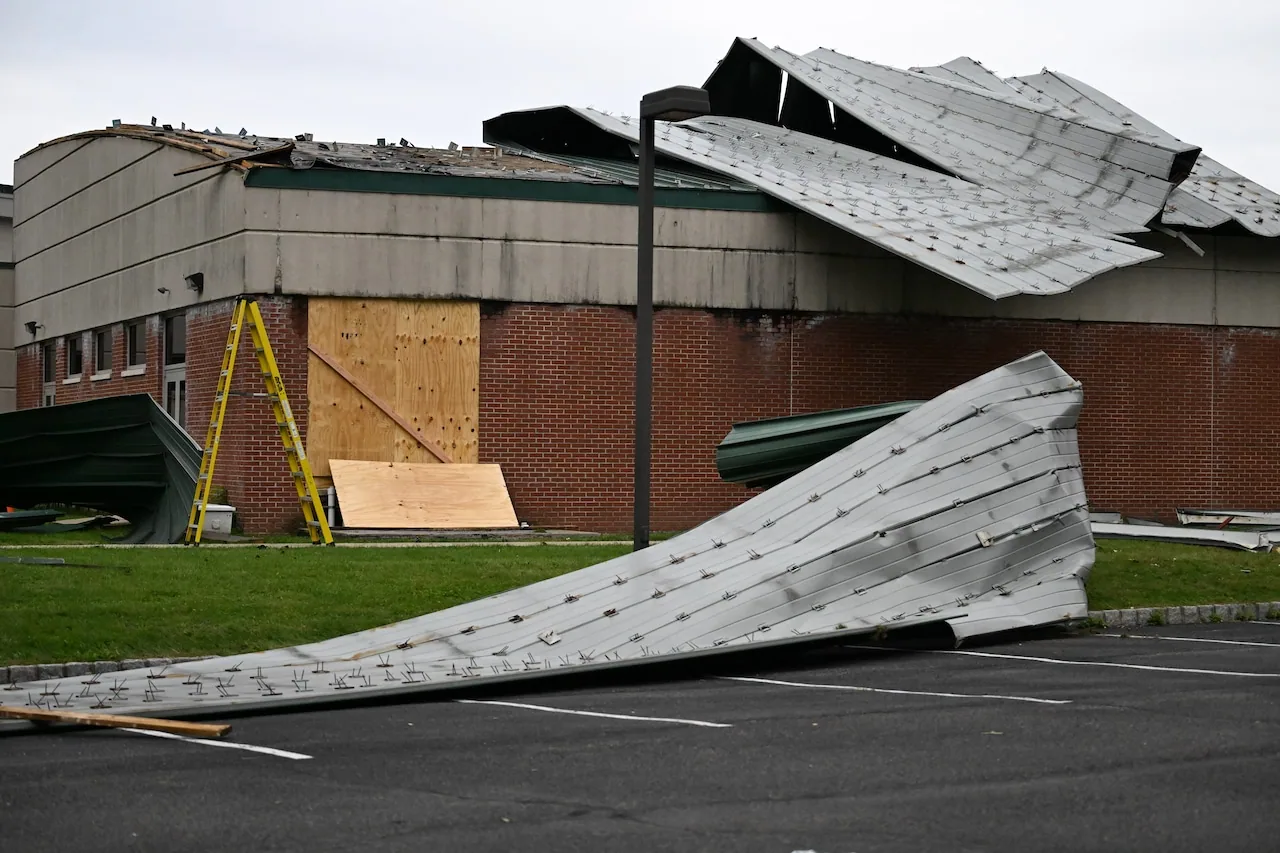
A focused repair can make sense where the defect is defined and surrounding material accepts a reliable tie-in. If seam failure, wet insulation, attachment problems, or repeat leak history extends beyond the visible opening, we compare a larger section or replacement. A recover is considered only after checking existing layers, moisture, attachment, drainage, edge height, and system compatibility.
The written scope identifies preparation, measured area, flashing, penetrations, transitions, staging, disposal, protection, and any concealed condition that could alter quantities. Cost and timing are affected by roof height, access to material drops, equipment density, occupied hours, and whether work must be divided into smaller areas. We separate known work from allowances so the owner can see what has been measured. For facilities with more than one roof level, the work plan also identifies lift reach, fall-protection needs, and the route for moving tools between roof sections.
If an operation needs to stay open, an occupied-building reroof sequence can define daily work zones and close-in requirements. A replacement review can compare broader renewal against the repair option. The schedule is set with the property contact, not inferred from the town's highway or cargo connections.
Where a service drive or loading dock borders the roof access route, we confirm whether deliveries can continue during lift setup. A short staging restriction can change the sequence and crew time, so the proposal records the agreed route and protection area before the start date.
We close the job with photographs, completed area, material used, and unresolved conditions. If a roof section was not accessible, the record says so. That keeps a report from being mistaken for an inspection of every surface and gives the next visit a defined baseline.
Avon's business-park and office inventory can span different building uses, so maintenance is most useful when dates and findings remain attached to each property. A maintenance program can revisit drains, seams, flashing, and equipment supports before weather exposes a weak detail. If your portfolio also includes a distribution-focused property in Plainfield or a larger industrial site at Avon Landings Commerce Park, we can coordinate visit timing while keeping each roof's record separate.
Send the building list, known leak areas, roof documents, and capital timing. We can arrange a site walk and return a measured recommendation for repair, testing, maintenance, or renewal.
No. We inspect the roof or review its records to identify the membrane, metal system, flashing, and current condition before choosing repair materials.
We confirm loading times, work hours, equipment needs, safe access, and material staging with the property contact before setting the work sequence.
Repeated failures, moisture below the membrane, weak attachment, or a tie-in that cannot reach sound material can increase the measured area. We identify the finding and any test needed before revising the scope.
Snow and rain can change drain access and surface safety. We inspect the roof and forecast conditions before choosing the material, access plan, and work window.
A portfolio summary can compare priorities, but photos, quantities, condition, and limitations remain specific to each building.