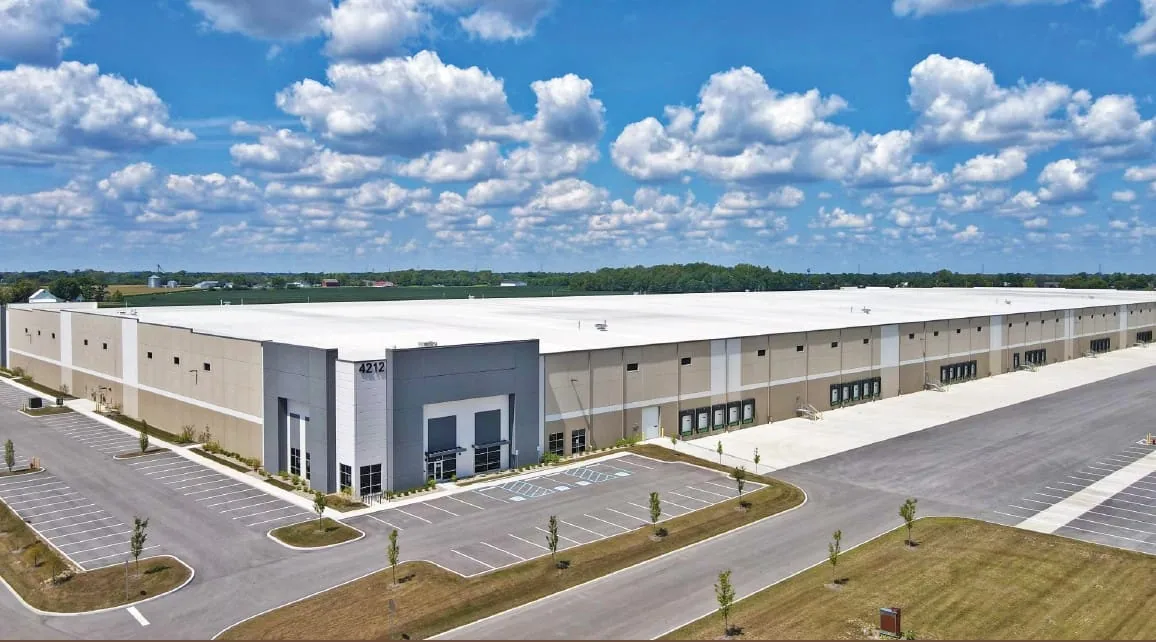
Avon Landings Commerce Park is planned as an approximately 24-acre industrial development along Ronald Reagan Parkway, with three proposed buildings ranging from about 60,000 to 245,400 square feet. That program creates a useful reason to coordinate roofing with construction stage, equipment plans, and turnover dates. It does not establish that every proposed building is complete or reveal any roof's assembly. We confirm what is on the parcel before recording a condition or pricing work.
The proposed buildings include fire-suppression equipment, efficient lighting, and high electrical capacity. Those project features can affect coordination around penetrations and service equipment, but they do not prove a particular roof detail. Our walk identifies installed curbs, conduit, drains, edge conditions, seams, and transitions, then ties each finding to the actual building.
Before a site visit, we ask which building or phase is ready, who controls access, and what construction or tenant work remains. Roof plans, submittals, warranty documents, punch-list items, and a list of penetrations provide a starting record. If the building is occupied, we add operating hours, delivery limits, and any equipment that cannot be shut down.
Avon identifies logistics and distribution, precision and value-added manufacturing, life sciences, and office services among its business sectors. Those categories can inform the questions we ask about work windows, cleanliness, vibration, or service routes, but we confirm a specific tenant's operation with its contact. A commercial roof inspection can document the visible assembly, current work, and details that need follow-up.
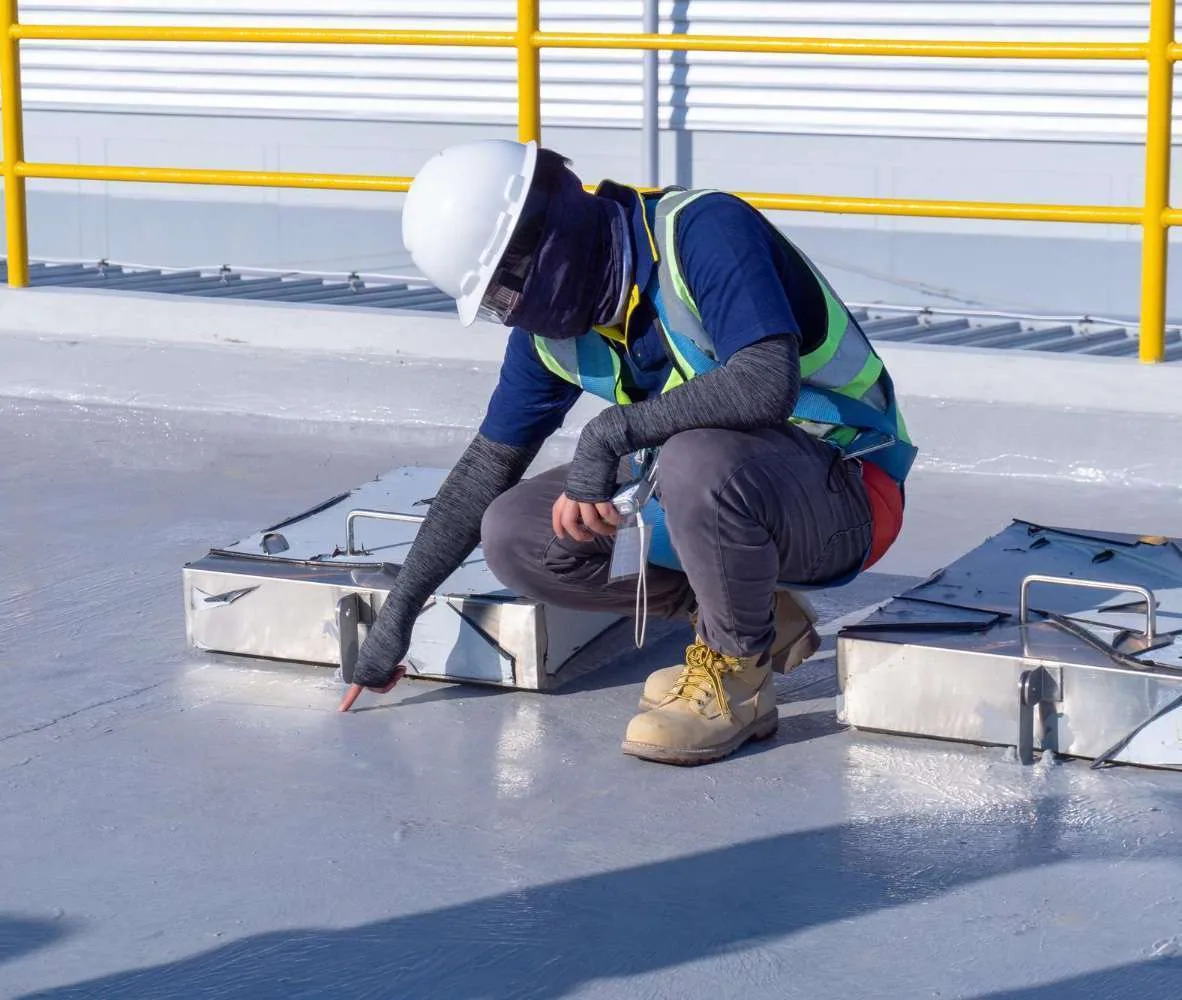
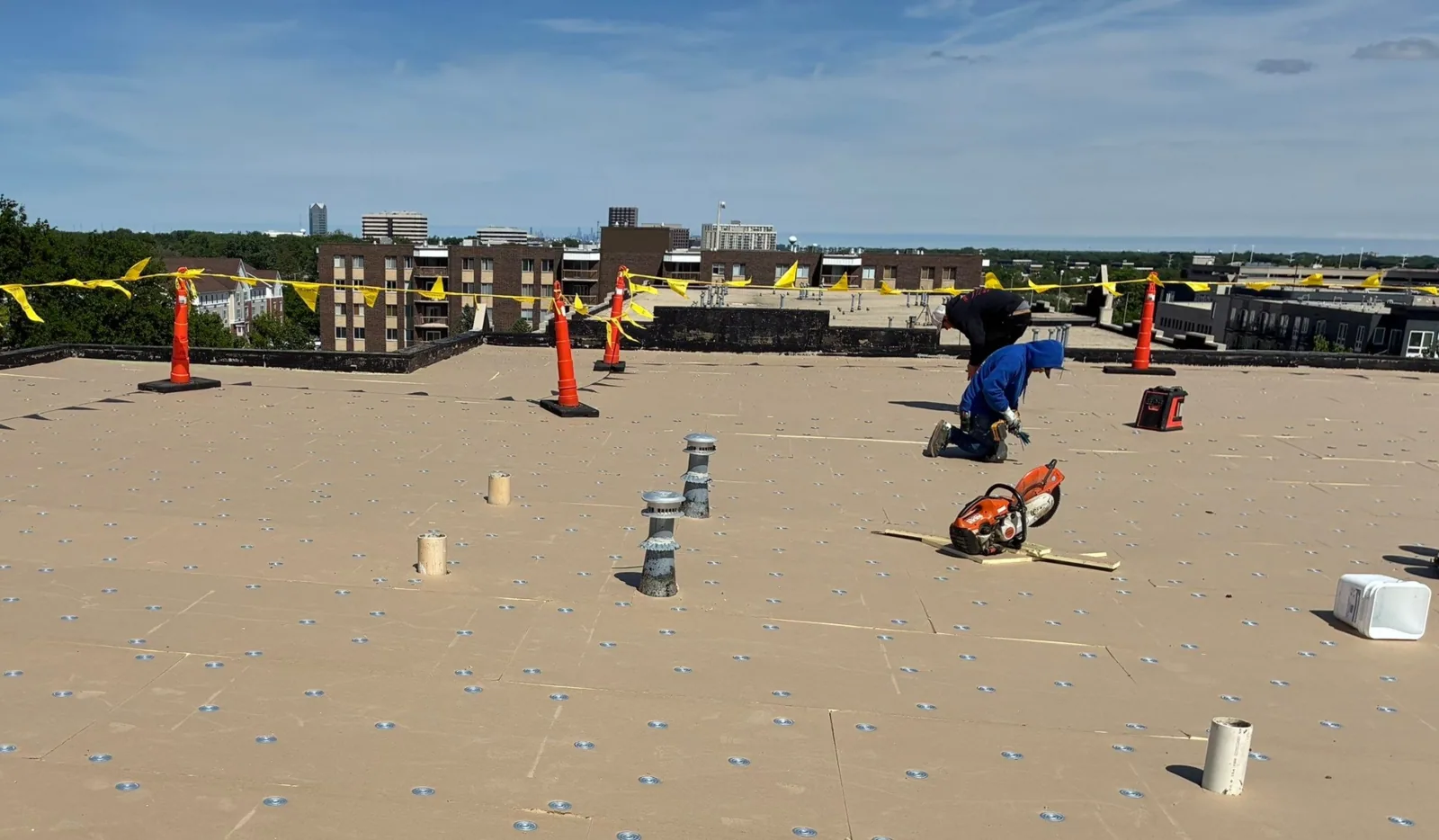
For construction closeout, we separate roof work completed by the roofing scope from openings or changes made by other trades. Photos show the area and condition, and the report names any inaccessible section. A condition report can keep punch items and post-turnover maintenance distinct.
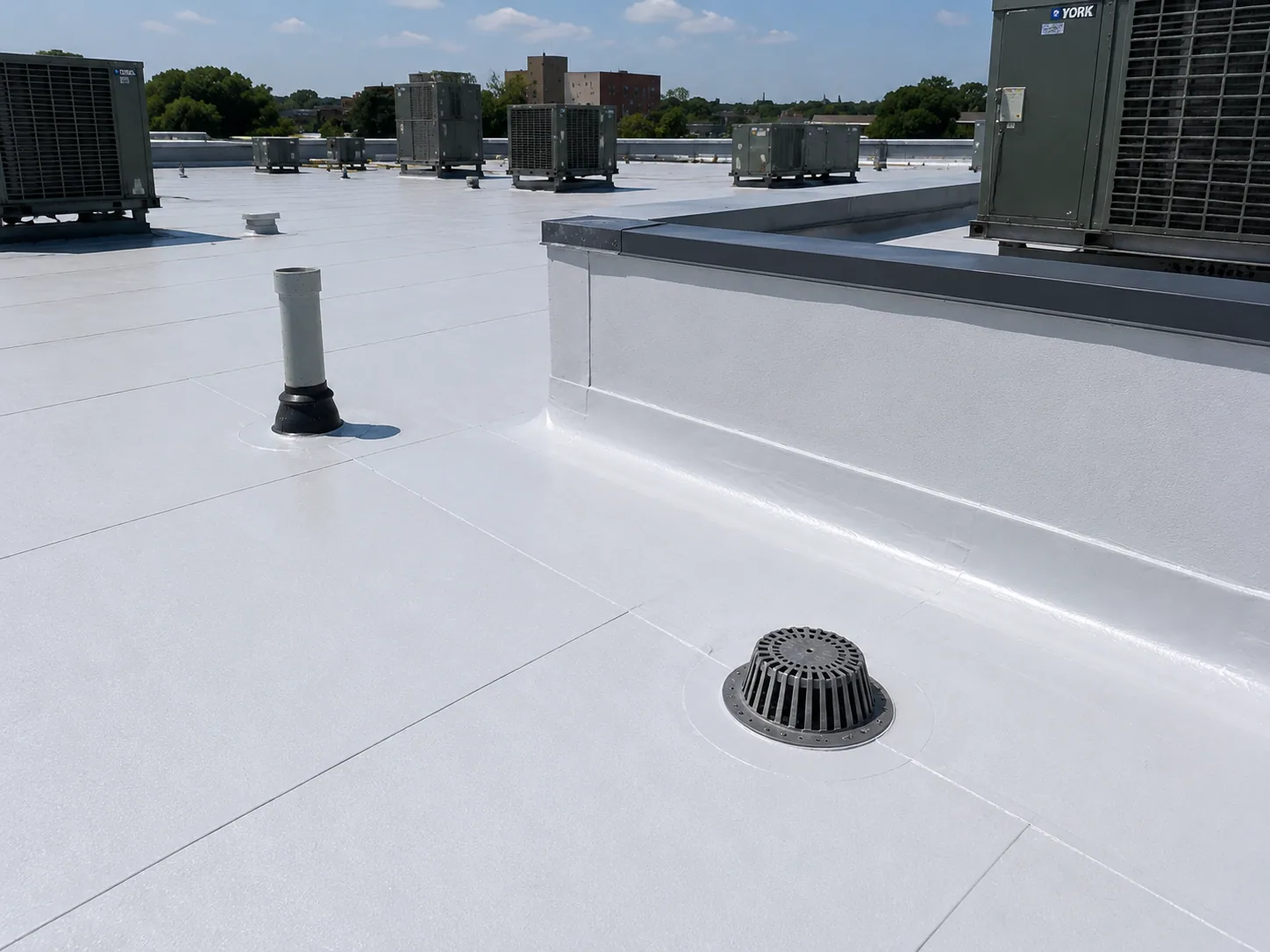
Electrical capacity and sprinkler features in a building plan do not specify what passes through the roof. We inspect the penetrations that are actually installed, including conduit, pipe, exhaust, and curbs. Each opening needs a compatible flashing detail and a stable transition to the field membrane or panel. When equipment changes late in construction, we review whether the roof was restored after the work.
We check welded or adhered seams, metal laps, perimeter termination, parapet transitions, fasteners, curb corners, and patches. If the contractor's documents name a system, we compare that with the visible surface and accessible records. If the assembly cannot be confirmed from above, we state the uncertainty instead of selecting a repair material from appearance alone.
A roof with repeated leaks or soft areas may call for additional investigation. A moisture survey can help choose areas for confirmation when weather and assembly allow. We explain what the scan can identify and when a selective opening or other test is needed to establish the condition below the surface.
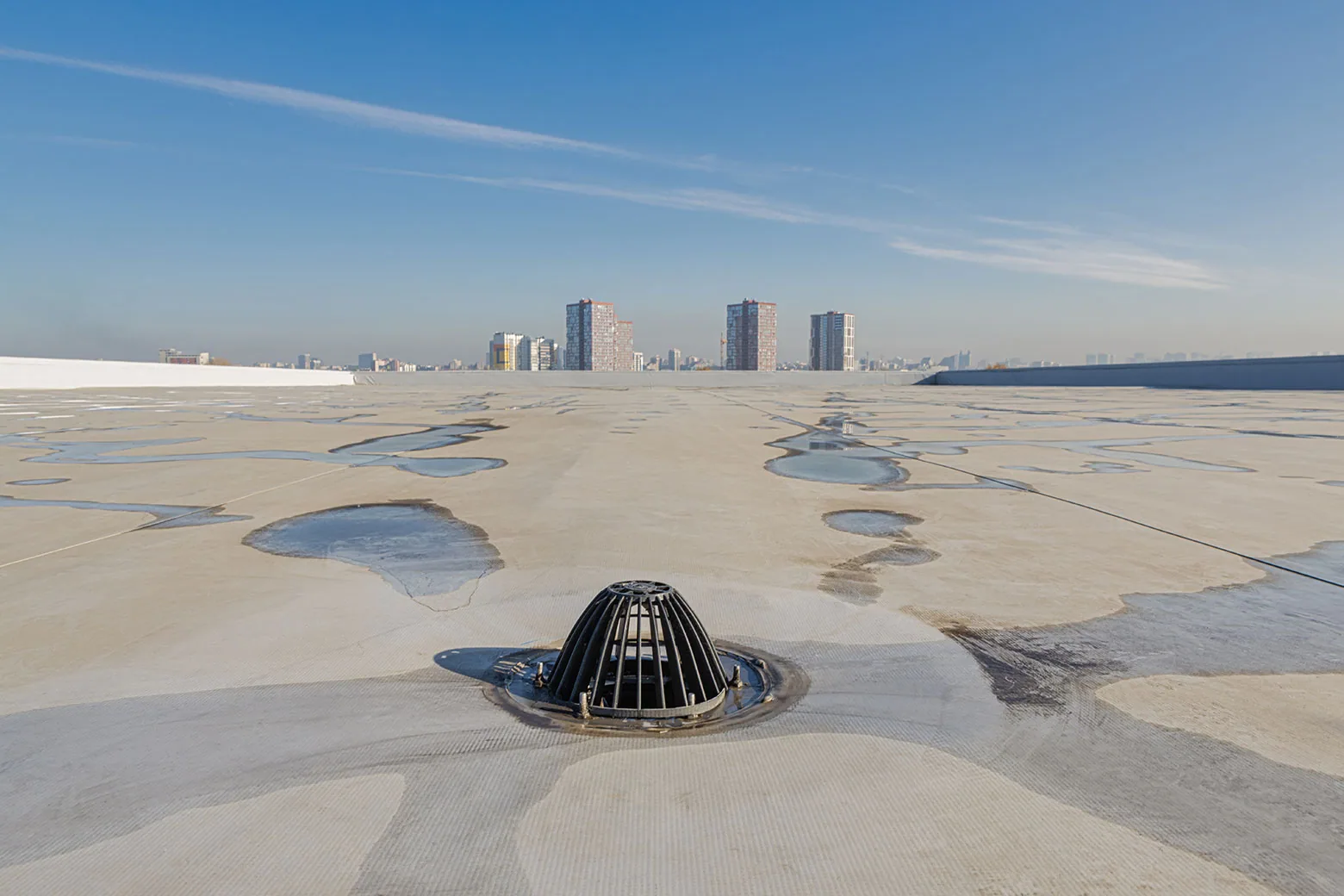
During new construction, debris and follow-on work can affect drains, scuppers, and membrane around equipment. We inspect outlets, strainers, overflow paths, low areas, and the roof surrounding each connection. If an outlet is obstructed, cleaning may restore flow. If membrane has split at a drain ring or flashing, that connection needs a separate repair. The closeout should say which condition was handled.
Indianapolis averages about 25.5 inches of snowfall in a normal year. That seasonal load makes outlet access worth checking, while the slope and drainage arrangement on each Avon Landings building need direct review. We consider safe access, surface temperature, and forecast before selecting materials or setting the work window. A drainage review can make the outlet work and maintenance boundary clear.
If water is reported inside, we compare the location and timing with the roof above and adjacent transitions. Water may travel between layers before reaching a ceiling. A leak assessment can trace plausible paths and define temporary protection separately from the permanent repair.
A turnover inspection may focus on seams, edges, penetrations, drains, patches, and closeout documents. A repair call may focus on a single opening. A capital review considers how widespread the condition is and whether the assembly supports patching, coating, recover, or replacement. Each purpose uses the same roof evidence but produces a different scope.
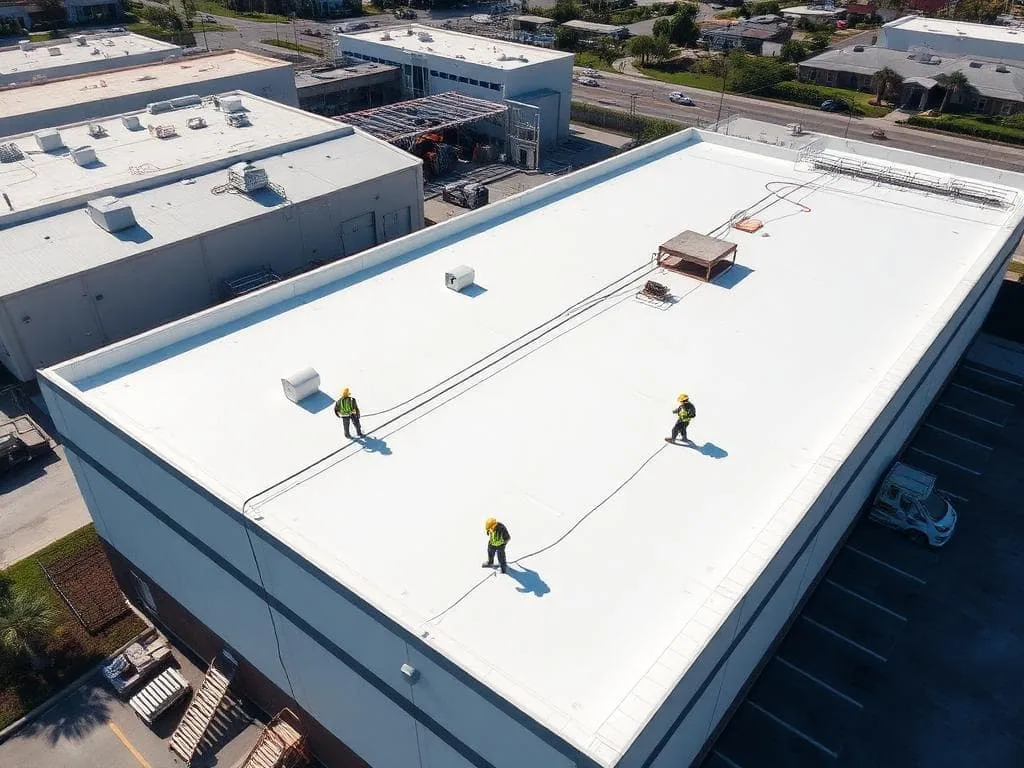
Our proposal identifies measured area, surface preparation, flashing work, transition details, access equipment, protection, staging, disposal, and any concealed condition that could change quantity. We ask whether the roof work overlaps with sprinkler testing, electrical work, crane activity, tenant fit-out, or other scheduled tasks. A phased reroof plan can set daily work limits when other trades or occupants remain on site.
For a small, confirmed defect, a repair scope can keep the project focused. For broad wear or multiple failing details, a replacement review can compare the full assembly and transition work. Timing depends on access, dry conditions, material handling, and coordination with the project lead, not simply the park's proposed building size.
For a newly completed roof, we also compare field observations with the closeout package and note whether the warranty documents, system submittals, and as-built details are available. Missing records do not prove a roof defect, but they can affect a later repair decision. We list the specific document or field check needed so the owner can close the gap before an urgent leak makes the schedule harder.
At handoff, we provide the work area, materials used, photographs, completed quantity, and unresolved item list. That record is useful when a new tenant or maintenance provider takes over. It can distinguish an original roof detail from a later equipment or service change and help the next inspection compare the same sections.
Avon Landings is one part of a broader commercial market. The nearby AllPoints at Anson development shows another industrial setting in the region, while Avon itself includes business parks and office and retail properties. For a portfolio that includes a developed operation elsewhere in Avon or a planned industrial site such as AllPoints at Anson, we can align site visits while retaining separate roof records and schedules.
Send the phase schedule, roof plans, known leak or punch-list items, equipment plan, and access contact. We can inspect the ready area and provide a scope with a clear boundary, closeout record, and follow-up recommendation.
Those notes preserve the work history after turnover.
No. The plan describes the proposed park and building range. We confirm the current phase and inspect the structure that is ready for access before recording roof condition.
Yes. We can document the roof before the equipment work and coordinate the curb, conduit, and flashing details with the project contact. We inspect the actual plan and installed openings.
They do not. We identify the visible roof assembly and use the submittals or closeout records to confirm what cannot be established from the surface.
We confirm the work area, crane or lift timing, equipment testing, safe access, daily close-in, and who is responsible for a changed penetration before setting the schedule.
Photos, installed materials, completed work area, remaining punch items, and access limitations give the owner a practical baseline for maintenance and future inspections.