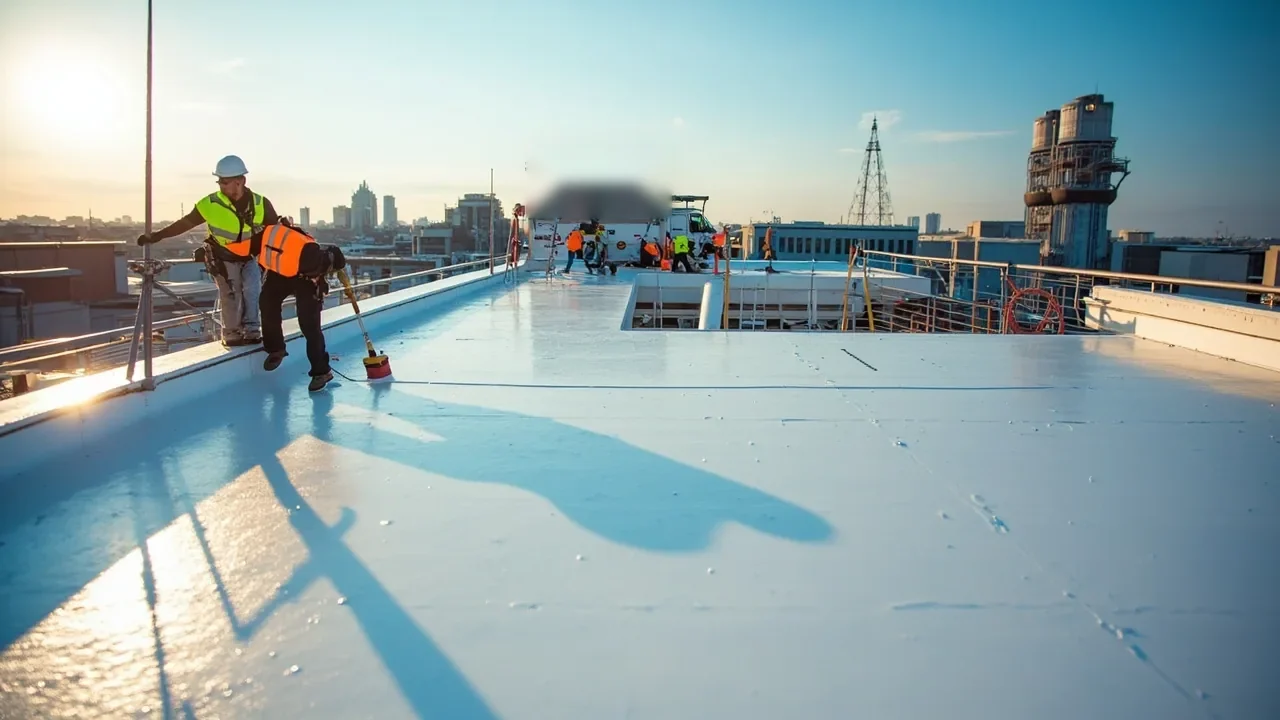
Commercial roofing in Noblesville has to fit the building's use and the workday around it. The city describes investment along State Road 37 for industrial and business-park uses, while its downtown plan covers civic, cultural, retail, and pedestrian destinations. Those are different operating settings. We begin with the specific property, its access plan, leak history, and roof assembly, then build a scope that keeps quantities and disruption clear.
A city-level description is useful context, not proof of roof type or condition. We inspect the actual membrane or metal, edges, penetrations, drains, and prior repairs before recommending a patch, recover, or replacement. For a portfolio that also reaches Whitestown's Anson or Avon Landings, records stay separated by property even when the visit calendar is coordinated.
A property manager may need to stop an active leak, compare a bid, document a roof for a transaction, or decide which building enters the next capital window. We ask for the decision first. The building list, plans, repair log, warranty information, access restrictions, and known interior effects help us make the site walk useful rather than broad.
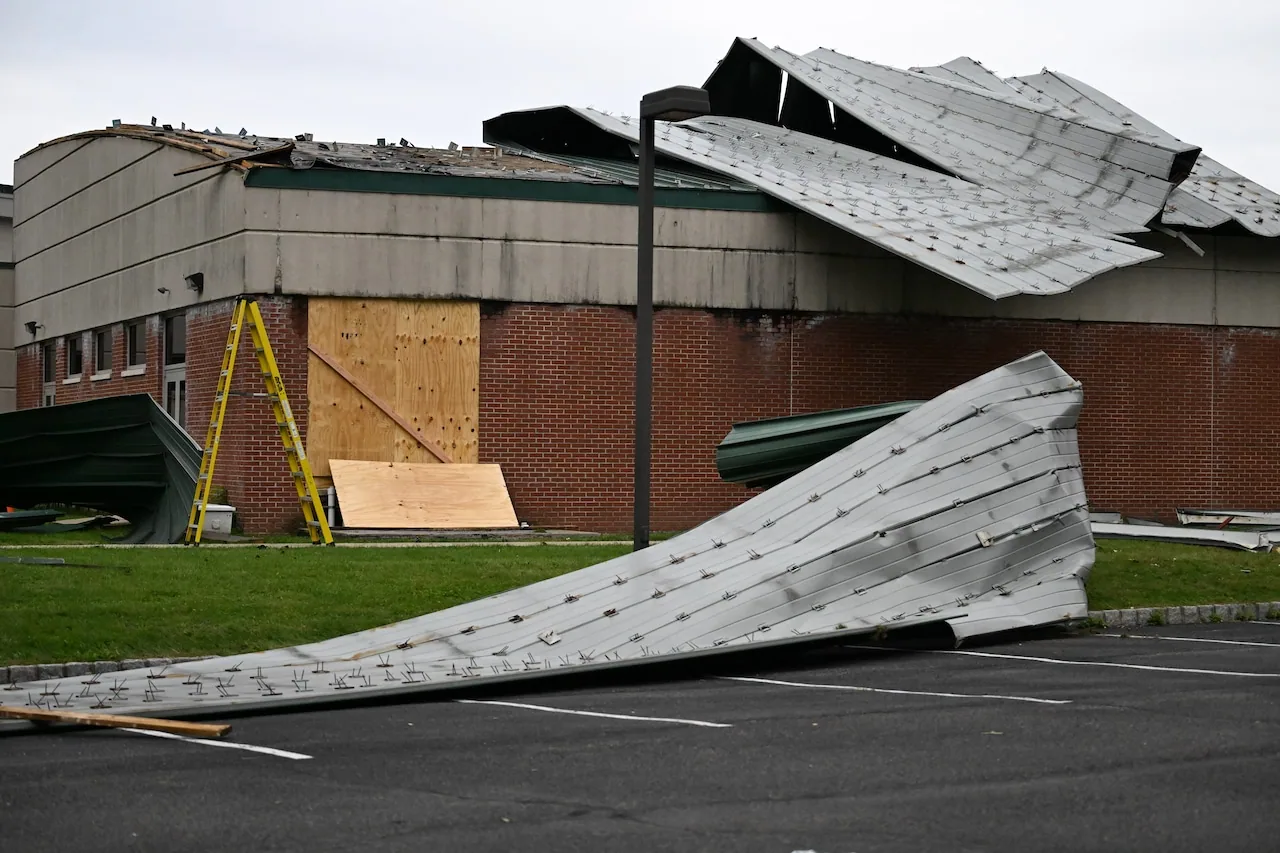
On a mixed portfolio, we label each roof section and each open question. A portfolio schedule can organize inspection dates and repair priorities, but the record for Noblesville remains specific to the parcel. Where an immediate leak is affecting operations, an emergency response can protect the opening and identify the permanent repair boundary after conditions are safe to inspect.
For a planned scope, we measure the area, note staging and lift access, and identify any equipment or tenant coordination. If the owner needs a written basis for comparing repair against renewal, a capital plan can separate known work from assumptions that require testing.
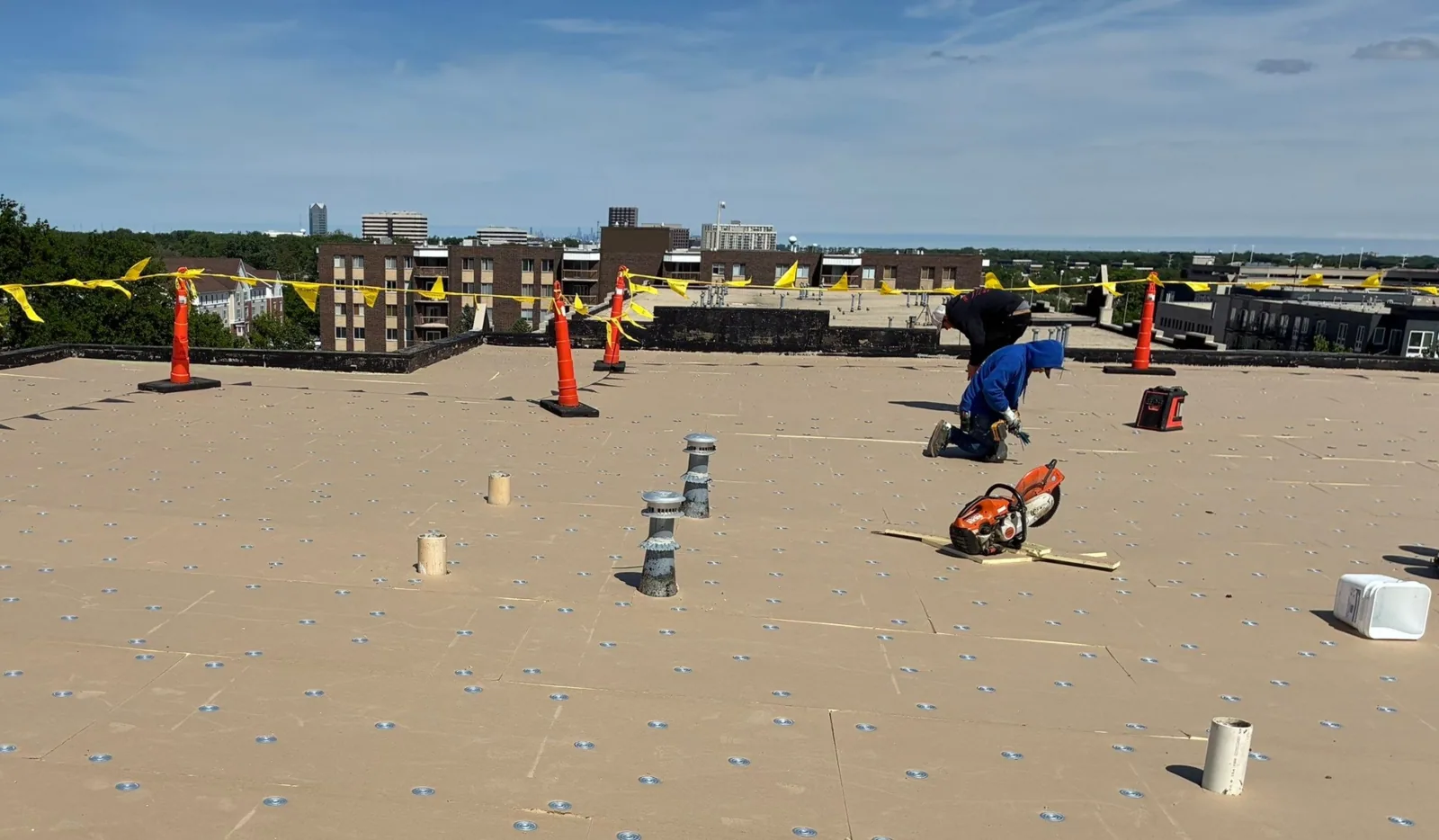
We also note details that can affect labor and staging: roof profile, material route from the delivery point, clearances around existing units, operating-hour limits, and the need for a watertight stopping point at the end of each shift. Those conditions can matter as much as the damaged area when an owner compares a quick repair with a larger project.
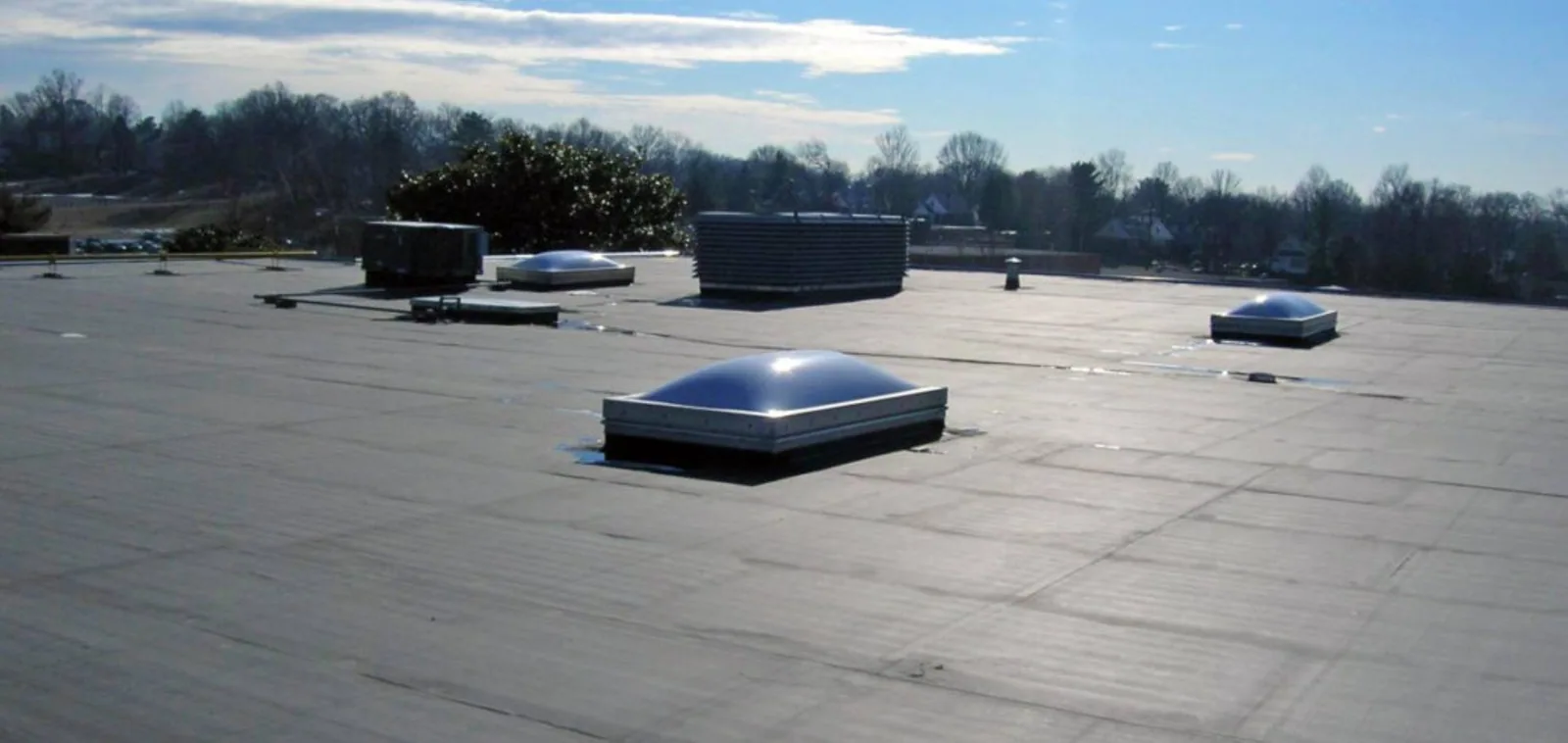
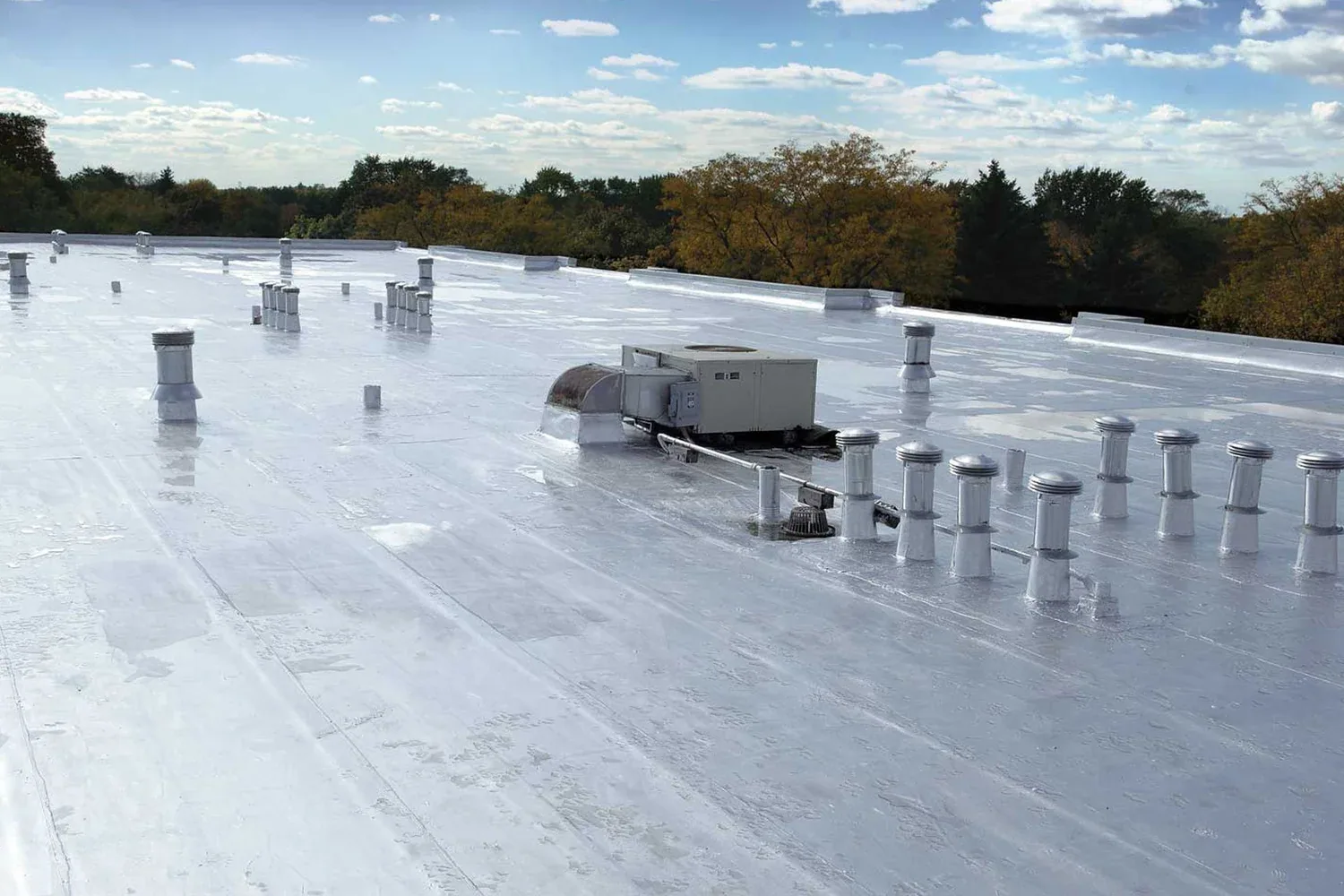
During the inspection we check seams, laps, terminations, flashing, roof-to-wall transitions, drains, scuppers, and equipment curbs. We look for an open seam, a split repair, a loose edge, or a recurring water path. Photos are labeled by roof section so the owner can connect a finding to a location without guessing which side of the building it describes.
The State Road 37 business-park context can involve industrial and flex work, while the downtown plan describes pedestrian and civic spaces. These facts help frame access questions, but they do not tell us what a specific roof contains. We verify roof assembly and occupied use at the property. If a condition appears below the surface, a moisture survey may help prioritize confirmation, subject to suitable weather and the limits of the roof assembly.
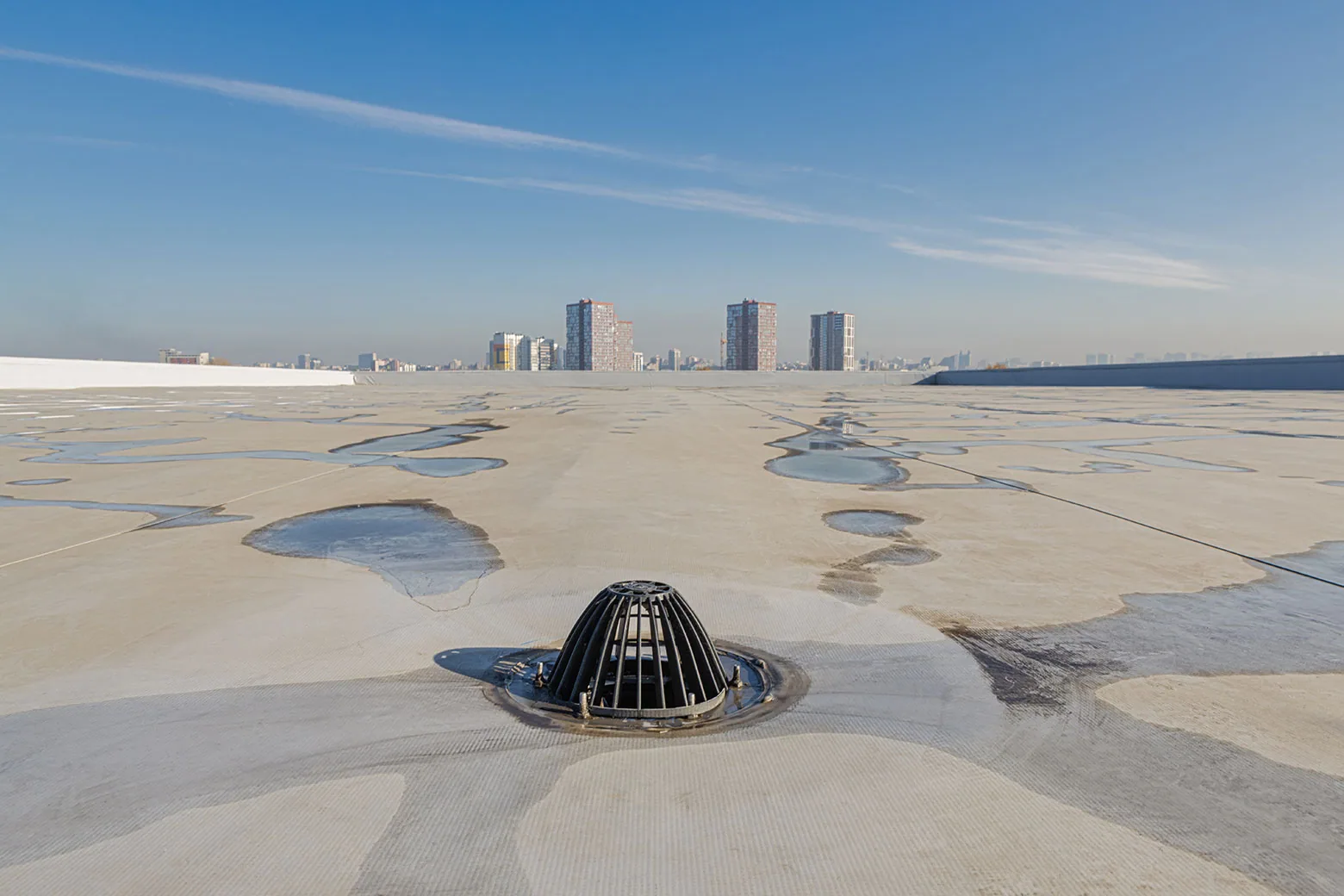
We also check where water should leave the roof. Debris at a drain, a damaged bowl, a blocked scupper, and a low area with membrane wear need different responses. A drainage inspection records whether the issue is maintenance, a failed connection, or a broader slope and drainage concern.
An interior stain can sit far from the roof opening because water follows deck, insulation, or framing before it appears. We compare the report's timing with roof details above and nearby: laps, equipment, penetrations, wall transitions, and drains. If more than one route is plausible, we label what is confirmed and what needs a closer test.
In winter, a roof may be wet, icy, or unsafe to traverse. Indianapolis normals used as regional context for Carmel show average January highs of 36.1 degrees and lows of 20.9, with 8.8 inches of normal January snowfall. The figures do not predict conditions at a Noblesville building, but they support checking access, ice, and repair-material limits on the actual day. A snow and ice review documents observed damage rather than inferring it from regional climate.
When safe access is limited, we can define temporary protection and the next inspection window separately. A repair proposal should say which roof area is included, how the tie-in will be made, and whether concealed wet material could change the final amount.
A small defect with sound material around it may support a focused repair. Repeated leaks, widespread seam problems, wet insulation, or weak attachment can change the choice. We inspect the assembly before calling for a recover because another layer depends on the existing roof's condition, drainage, attachment, edge height, and compatibility.
Our proposal states preparation, measured area, flashing work, material transitions, staging, disposal, and the condition that could not be confirmed without opening the roof. A replacement assessment includes the full assembly and tie-ins; a repair scope sets a clear boundary around the immediate defect. The owner can see which option addresses today's issue and which addresses a broader renewal need.
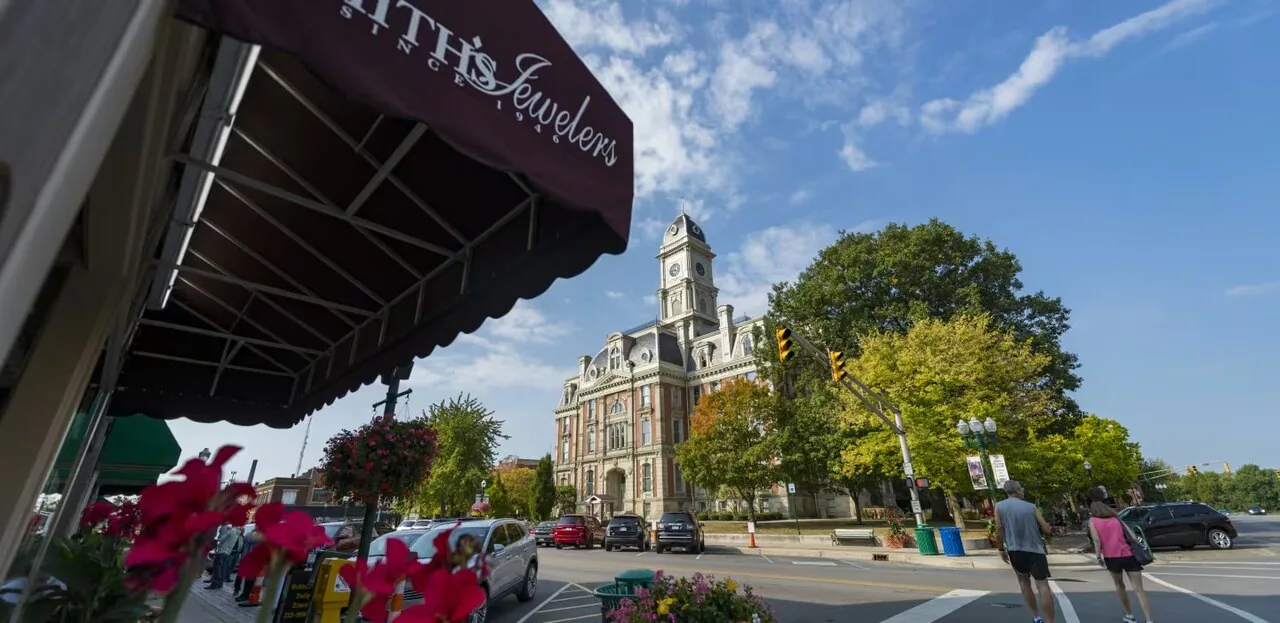
Timing depends on safe access, weather, material lead time, occupied operations, and coordination with rooftop equipment or other trades. In downtown Noblesville, the city plan identifies Riverwalk and Federal Hill Commons among civic and pedestrian destinations. We confirm the building's actual access plan before scheduling. We schedule work to the property contact and confirm the work zone before mobilization.
Closeout should show what was repaired, which materials were installed, the completed quantity, and any remaining condition. We return photographs and note roof sections that were inaccessible or outside the scope. This lets the next inspection compare the same seams, drain areas, and transitions instead of treating an old estimate as a completed repair.
For recurring maintenance, the log should distinguish debris removal from corrective work. A maintenance visit can revisit drain bowls, perimeter details, equipment supports, and prior repairs before a small change becomes a leak call. If another building is in Washington Business Park or the downtown Noblesville district, we can align scheduling while keeping each property's observations distinct.
Send the property list, roof records, leak reports, and timing requirements. We will return a measured scope with the work boundary and any confirmation step that could change the recommendation.
Each comparison should make its exclusions visible, including uninspected roof sections or work deferred until a later phase.
No. The corridor includes business-park and industrial investment, but a building’s use and roof assembly must be confirmed on that property. We inspect the surface and accessible details before pricing work.
A roof plan, repair history, warranty information, leak locations, and access restrictions help us organize the walk. We also ask what decision the inspection needs to support, such as repair, budgeting, or a transaction.
Yes. We can arrange emergency response to protect the opening and assess the immediate condition, then define a permanent repair when safe access and material conditions allow.
We check whether debris alone blocks flow or whether a drain, scupper, flashing, or membrane connection is damaged. The proposal identifies clearing separately from rebuilding a failed detail.
A portfolio summary can compare priorities and timing, but each property’s roof section, quantities, photos, and limitations stay in its own record.