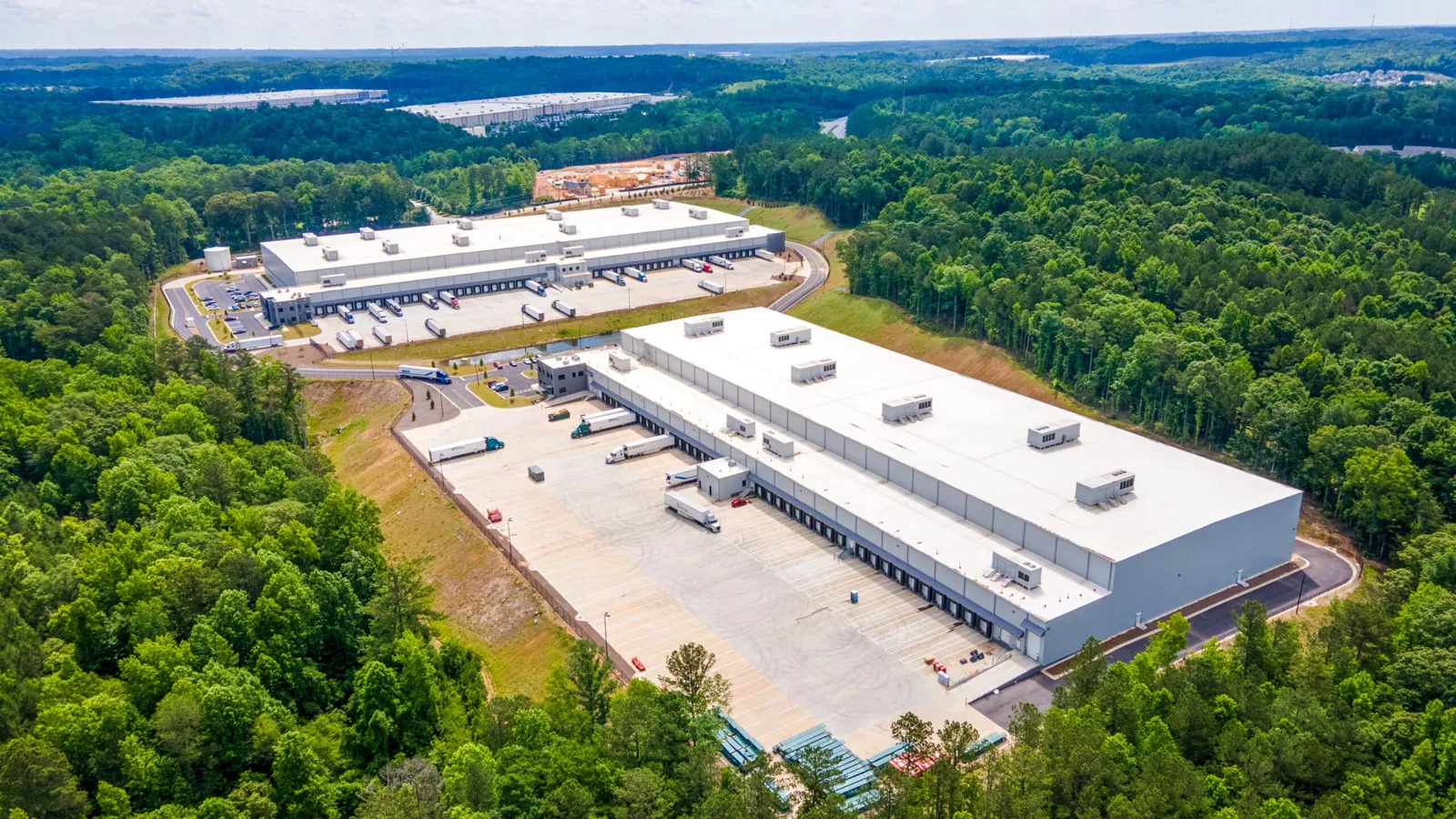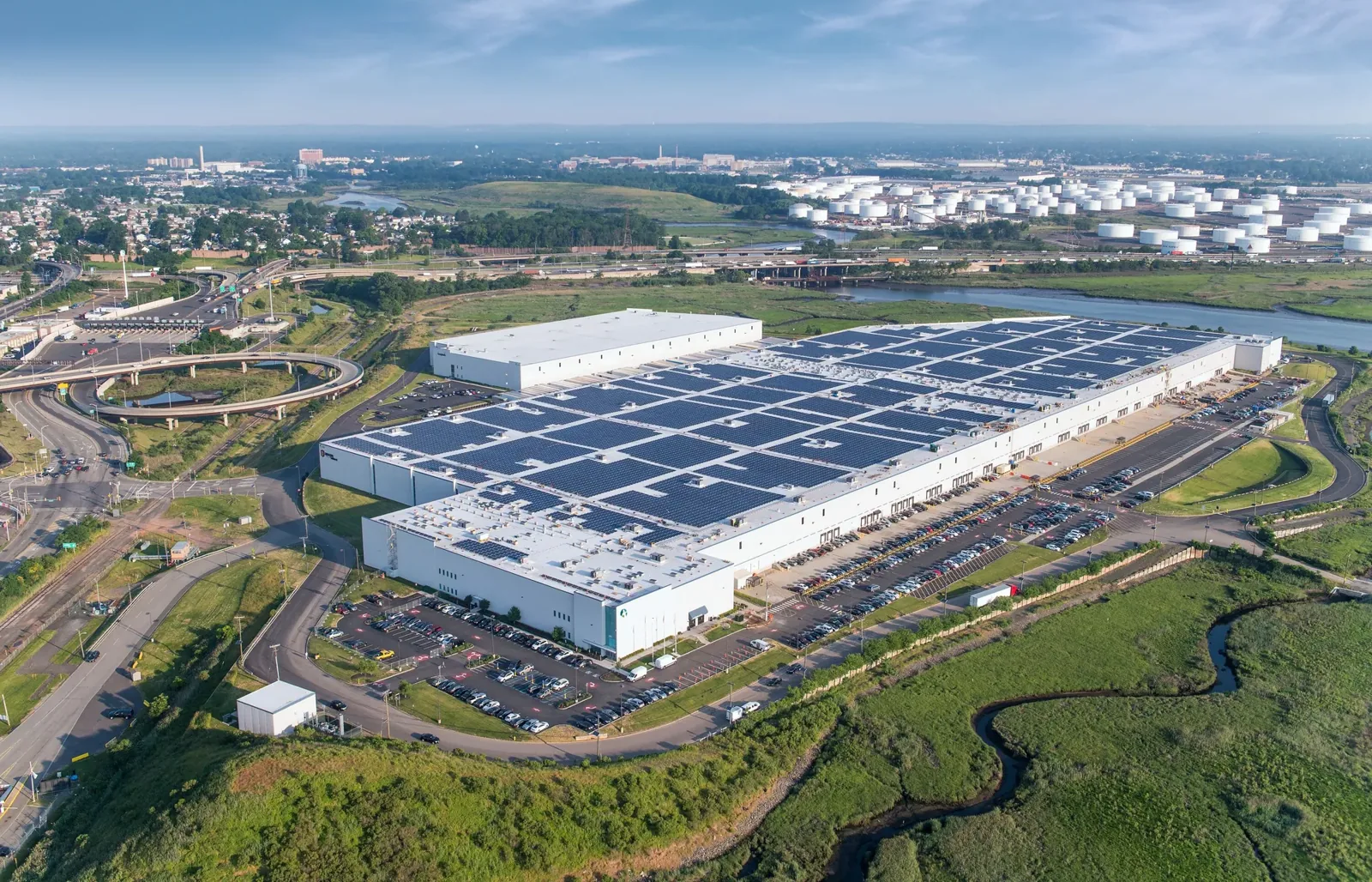
A grocery roof has to protect more than the sales floor. Refrigeration equipment, receiving, prepared-food areas, and inventory can make a small leak a facility issue. We start with the reported room, roof plan, equipment locations, and operating hours, then inspect the water path and surrounding details. Carmel's Clay Terrace includes more than 70 retailers, while Parkwood Crossing combines offices, a hotel, restaurants, and other commercial buildings. The grocery's assembly and service routes determine its scope.
We ask which coolers, freezers, food-preparation rooms, and electrical areas sit below the reported leak. The store contact can identify what must remain in service, what deliveries cannot be interrupted, and which doors stay open. We coordinate lift placement and material routes with receiving hours rather than assume a parking area is available. A roof opening should have defined interior protection and a secure end-of-shift point.
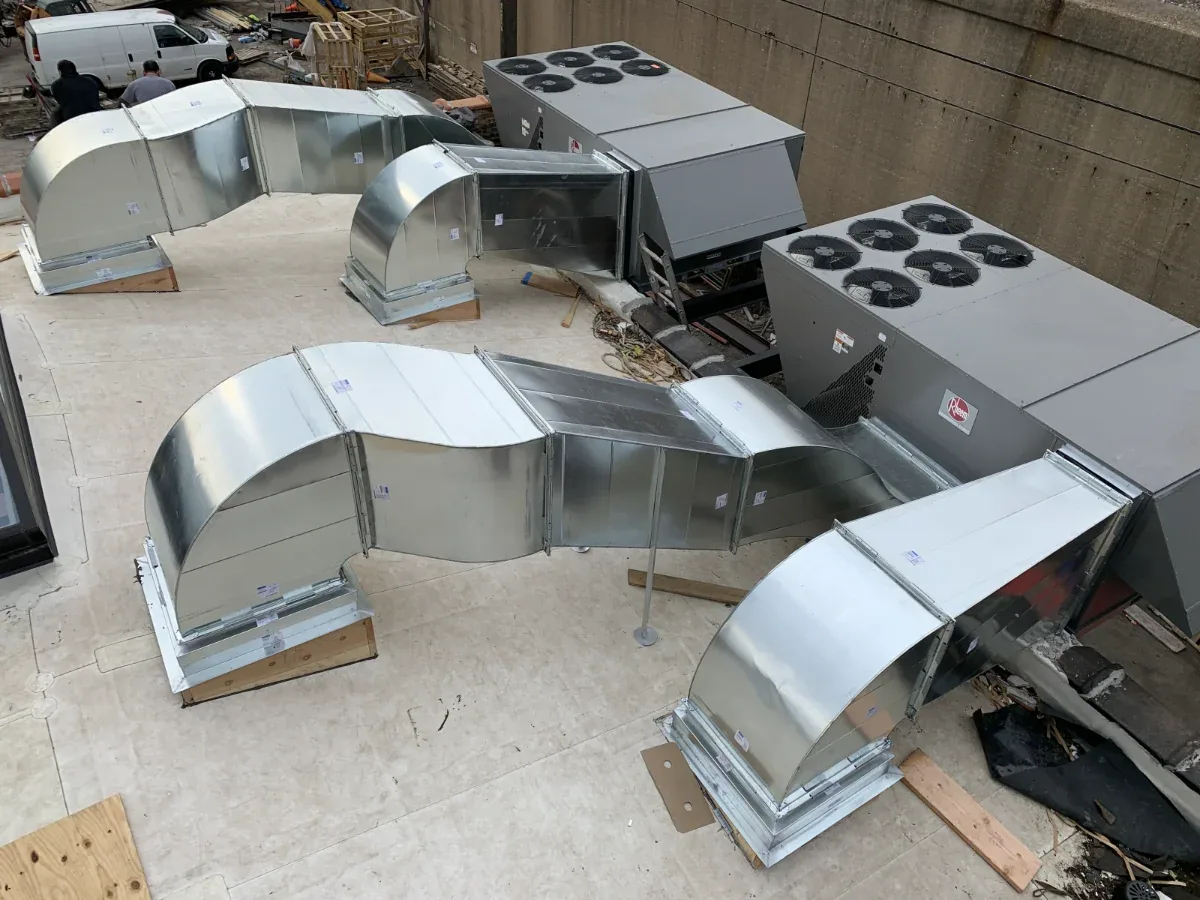
Refrigeration lines and rooftop condensers create a dense set of penetrations. We inspect curb flashing, pipe boots, supports, service paths, and any damage from later equipment work. A system can continue cooling while a flashing detail is failing, so equipment operation alone does not answer the roof question. Where a freezer zone sits below the roof, cold-storage insulation and vapor-control details need close coordination; the grocery scope also protects food areas and customer routes. For a large-format sales floor, retail roof staging also has to account for inventory, entrances, and receiving patterns.
If water appears over stock or a sales aisle, the immediate response should protect goods while the source is confirmed. A leak stabilization visit can control active water, followed by a measured permanent repair. We document any room or inventory area that needs follow-up without assuming moisture stopped at the visible ceiling mark.
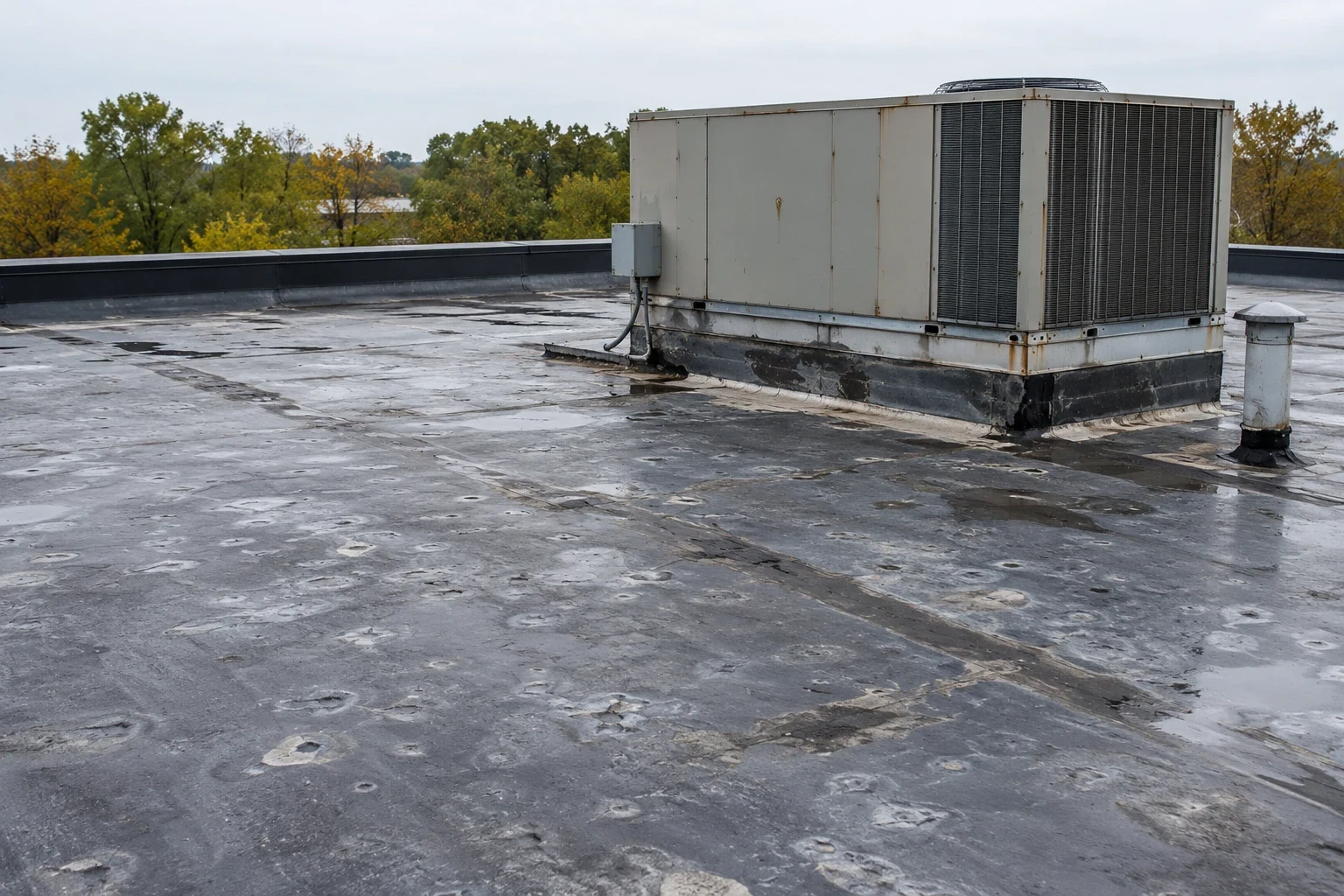
We inspect seams, membrane transitions, metal edges, drains, scuppers, skylights, and penetrations around equipment. Water may travel along a deck or framing before appearing inside, so the roof check includes adjacent bays and likely high points. We record leak timing, weather, prior patches, and what is visible. If concealed insulation could change the work quantity, a selective opening or appropriate moisture survey may be needed.
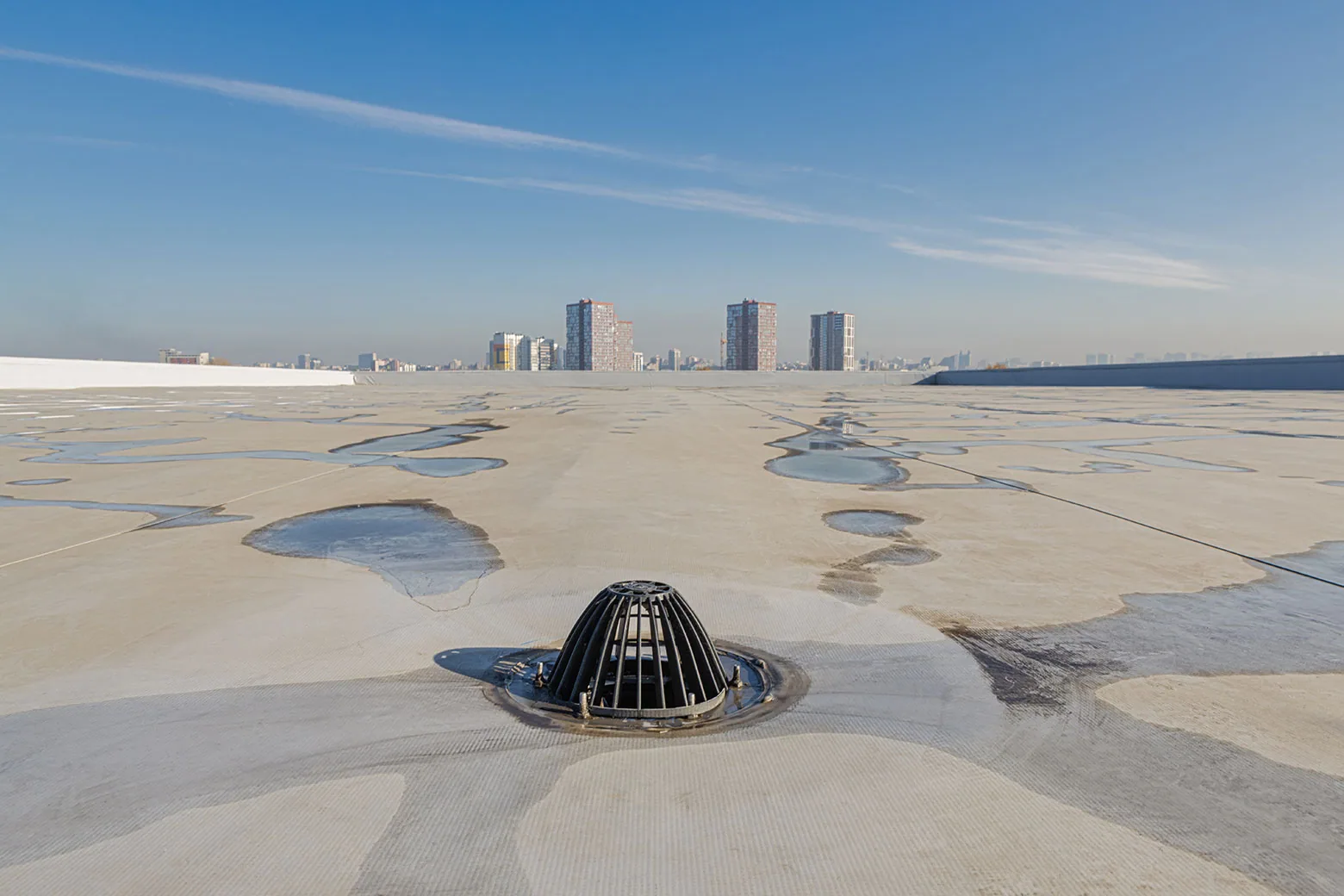
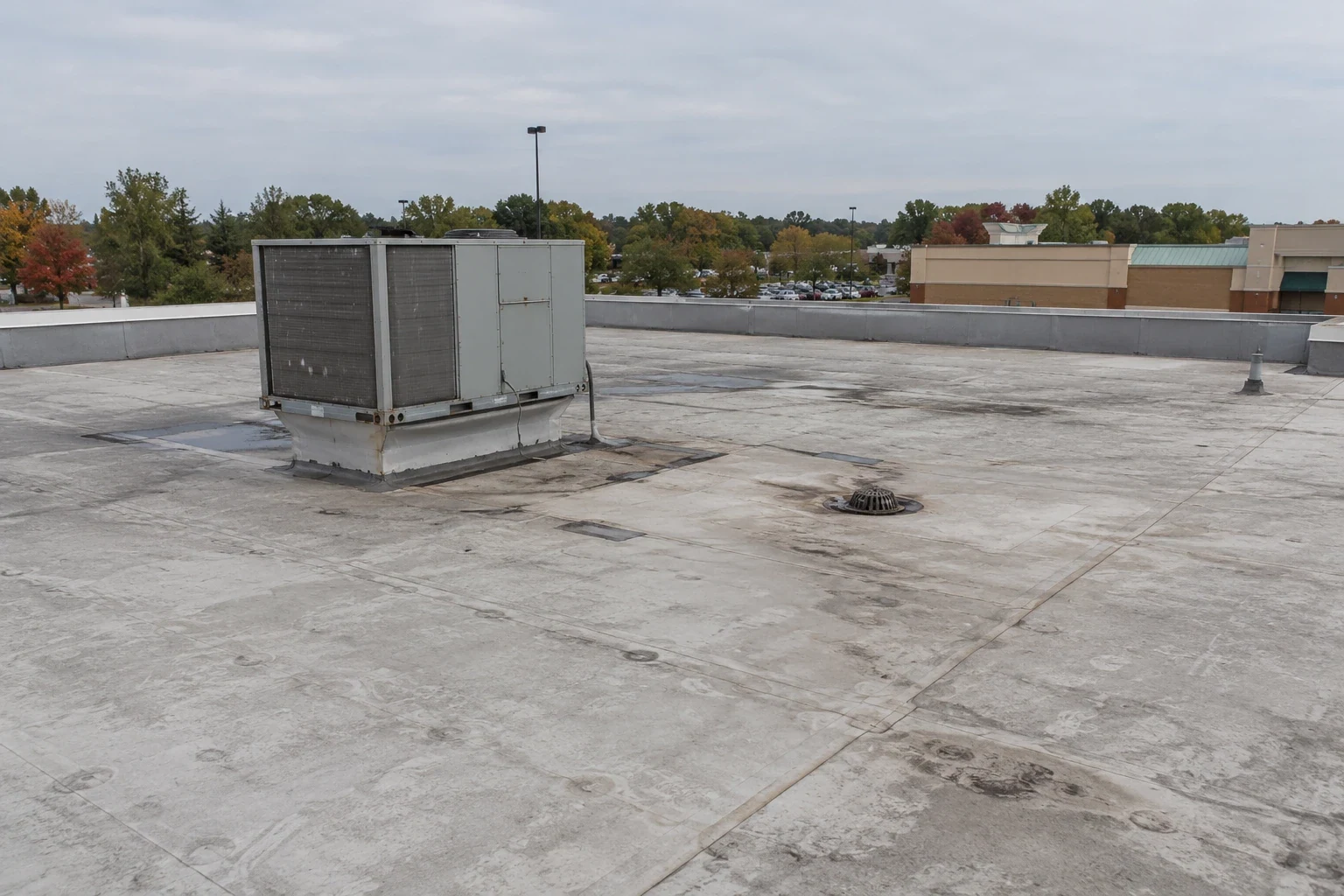
Drainage can be affected by packaging debris, roof traffic, or later equipment. We check strainers, drain bowls, overflow routes, scuppers, and low areas for blockage or standing water. A clear outlet with recurring ponding can point to slope, insulation movement, or deck condition. A drainage scope can distinguish cleaning from a roof correction and identify whether the work affects a receiving or refrigeration zone.
Where multiple trades access the roof, we look for loose flashing, service-path wear, cut membrane, and supports that lack a stable connection. We label affected details so the owner can assign follow-up and keep future equipment work from undoing a completed repair. A curb and penetration inspection can be listed as its own work item.
Indianapolis summer normals put the July high at 85.2 degrees and the average low at 66.4. Roof surfaces can run hotter than the air, especially near equipment. We inspect actual clearances and membrane condition, then confirm drains and overflow routes before recommending repair.
Indianapolis January nights average 20.9 degrees, and the monthly snowfall normal is 8.8 inches. Cold, wet conditions can limit safe access and material preparation. If the substrate is not dry enough, we can protect the active issue and schedule permanent work for a suitable return window.
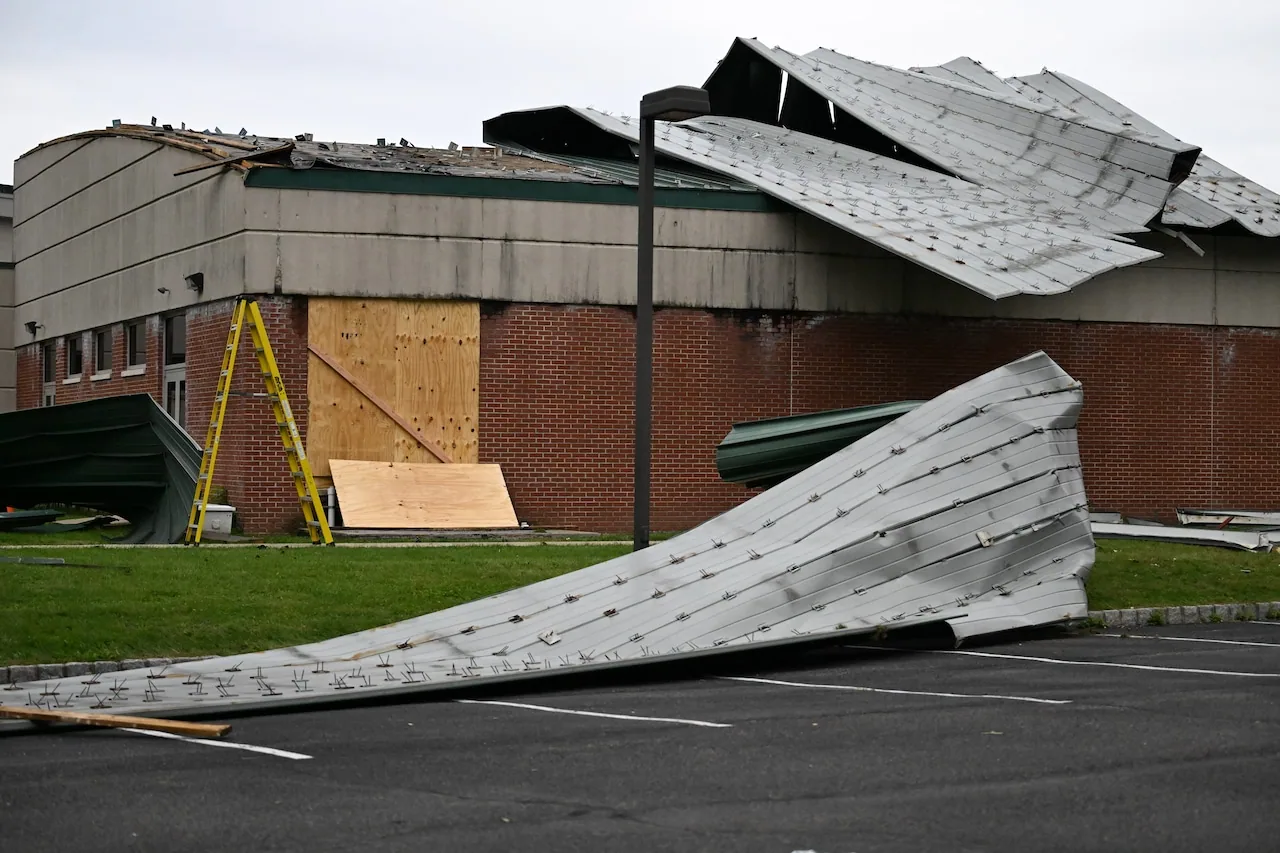
Hamilton County has recorded hail and damaging wind events. After a reported storm, we check edge metal, seams, curbs, skylights, and other exposed details for visible changes. After a reported Hamilton County storm, we inspect the store's edge metal, seams, curbs, skylights, and other exposed details, document visible changes, and identify any needed test. A hail-damage roof assessment can define that work.
A repair scope should identify the roof section, preparation, material, interior protection, and limit of work. One failed pipe flashing may call for a targeted correction; repeated moisture in separate sections could justify broader investigation. We keep observed defects distinct from areas that were not tested and state what would change the scope after an opening.
Before an overlay, we check existing layers, moisture, deck condition, attachment, drain height, and curb clearances. Wet insulation should not be hidden beneath a new membrane. A recover assessment can set out the conditions that make that option workable. If removal is needed, replacement planning can sequence insulation, flashing, equipment transitions, and dry-in around store operations.
At Clay Terrace, pedestrian activity and store deliveries can constrain staging near customer entrances. We coordinate that route with the property contact and compare proposals by scope and operational effect.
Before mobilization, we coordinate store hours, receiving schedules, food-area restrictions, roof access, lift approvals, material staging, and fire lanes. The manager identifies customer entrances that must remain available and rooms that need interior protection. If other trades are scheduled for refrigeration or HVAC work, we agree on which details each crew may open or modify.
Each shift has a named roof zone, weather trigger, and closeout point. If rain or a concealed deck issue changes the sequence, the crew should know how to secure the opening and notify the owner. Phased work can keep one part of the building available while another is active, if the roof layout supports safe separation. We include temporary protection and cleanup in the daily plan.
Carmel's Building Safety Office processes permit review and inspections under adopted codes. Requirements depend on the actual roof work, so we verify applicable steps before setting a firm date. Permit review, testing, equipment access, and material delivery can all affect the schedule, especially when the store needs a narrow window.
At closeout, the owner should receive marked areas, photos, material details, exclusions, and follow-up recommendations. We identify which drains were serviced and which penetrations were repaired, making later leak reports easier to compare. If a section was inaccessible or moisture was not confirmed, that uncertainty stays in the record for a future visit.
Carmel City Center is a multi-phase mixed-use district that includes office, retail, housing, and public parking. Parkwood Crossing has several office buildings plus hotel and restaurant uses. These local property patterns show why access and maintenance differ by site; a grocery's roof record should identify its own refrigeration equipment, inventory zones, and drain layout. A condition report can preserve measured quantities for capital planning.
Send leak logs, roof plans, refrigeration schedules, equipment records, and the preferred work window. We can walk the roof with store staff and prepare a repair or renewal scope that accounts for the operation below.
Many repairs can proceed with the equipment operating if access, protection, and work boundaries are agreed beforehand. Any opening near a critical line or unit gets a specific dry-in and coordination plan.
Protect or move affected goods and notify the facility contact. We trace the water path, stabilize active entry, and define the permanent repair separately from interior cleanup.
We check the flashing, support, pipe path, and surrounding membrane for movement or service damage. The observed roof condition determines whether a detail needs repair.
The roof assembly may be similar, but refrigeration, food areas, receiving, customer access, and inventory protection shape the work sequence. We include those site constraints in the scope.
Recurring issues across different roof zones, confirmed wet insulation, or repair work expanding beyond isolated details may justify a renewal comparison. We document those conditions before recommending a larger project.