A small puncture can admit water long before it looks like a major opening from inside. We identify the surface damage, follow the roof path around it, and check whether repeated service traffic or a dropped object may have affected nearby material. The nearest long-term weather basis is Indianapolis, where the July normal high is 85.2 degrees. That regional figure makes surface heat and maintenance access worth checking during summer roof work; the roof temperature still needs direct measurement. Air temperature does not establish roof temperature; the assembly and actual condition guide the repair.
Our inspection marks the puncture, surrounding seams, equipment route, and area below. At a multi-building office setting such as Parkwood Crossing, roof maps help keep work locations distinct across buildings with different operations. We determine whether the membrane alone is damaged or whether insulation, cover board, or deck also needs review before setting a repair quantity.
We look for cuts, punctures, abrasion, displaced patches, and damage near ladders, walk paths, curbs, or service equipment. The membrane surface may show a small mark while the substrate has softened or the opening has allowed water to travel. We inspect the perimeter of the damaged area and nearby transitions, then compare it with leak reports, maintenance logs, and any recent rooftop work.
Inside, we record the room, contents, time of the leak, and any temporary protection. The entry point may not sit directly above the ceiling stain. A leak investigation can link interior evidence to the roof section so the patch is placed at the actual opening, not by assumption.
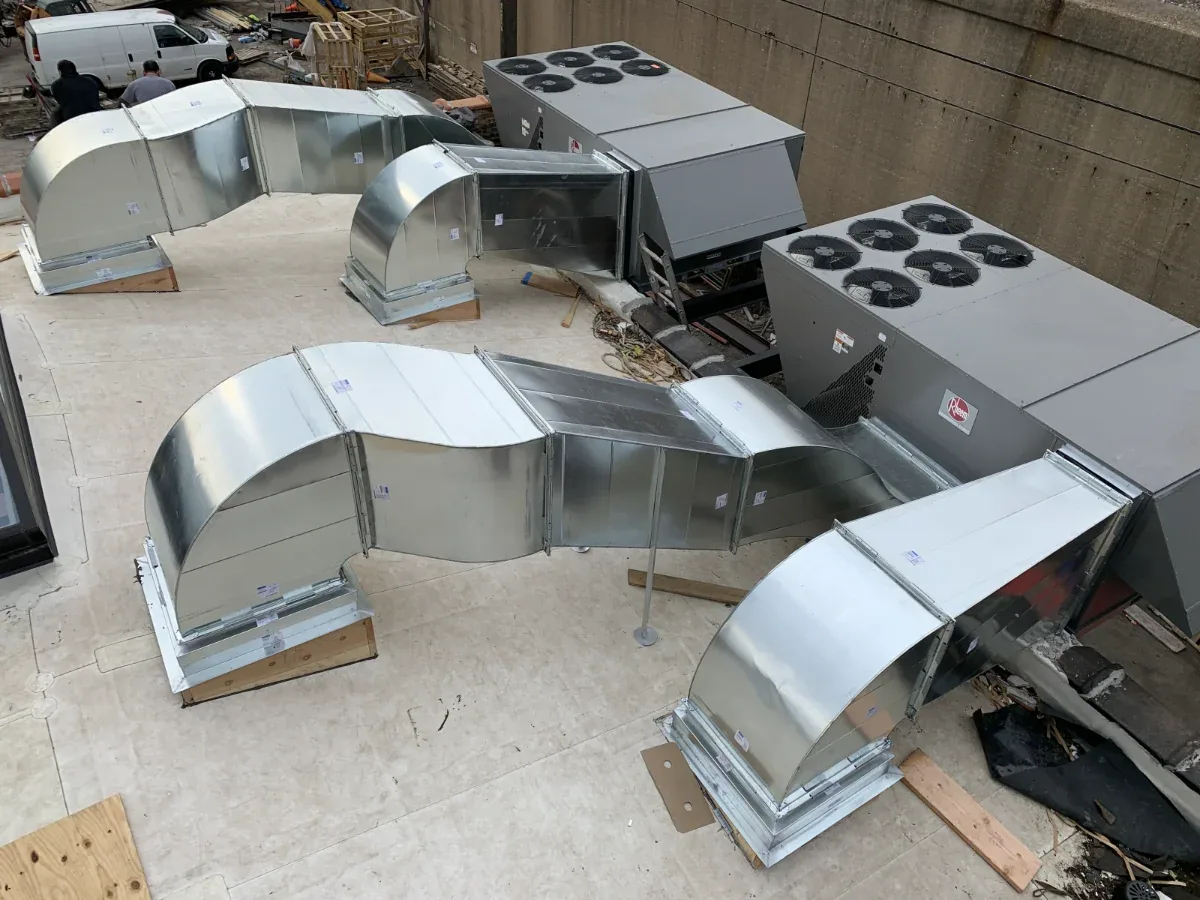
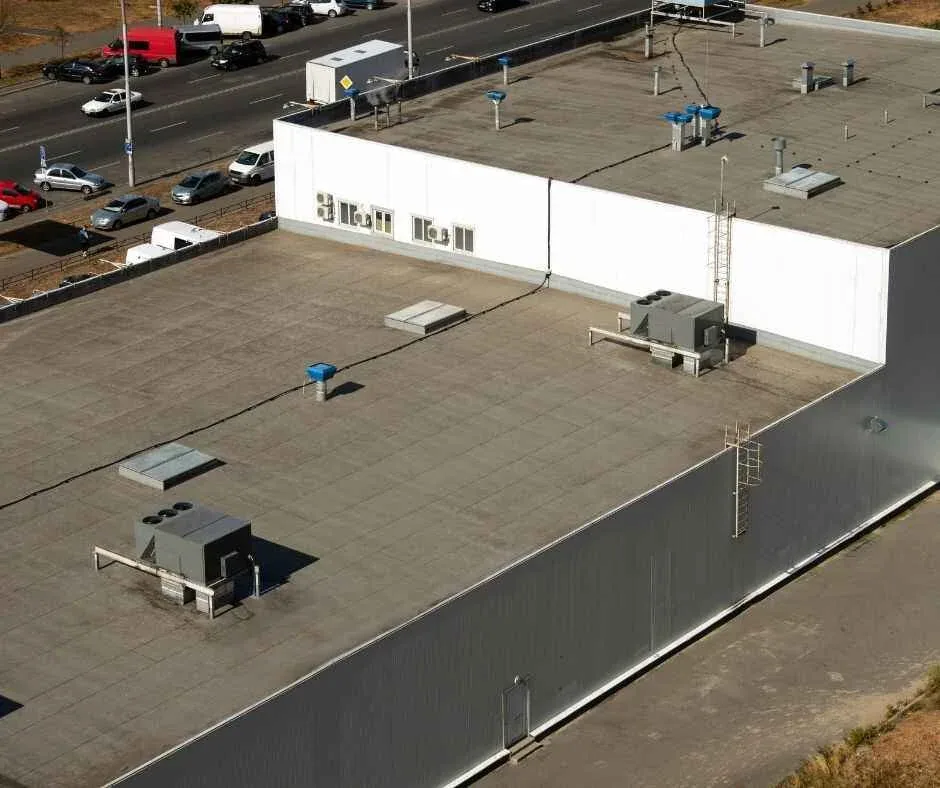
Repeated damage along one route often calls for a protection plan. We check whether technicians cross the same membrane area to reach HVAC or other equipment and whether a walkway surface or a clearer service path is needed. A curb and support inspection can include the equipment interface, while an infrared moisture survey may help identify candidate areas for confirmation if hidden moisture would change the repair.
A single puncture may follow a tool drop, sharp debris, or accidental contact. Scuffing, compressed walkway pads, and multiple cuts along a route suggest repeated access rather than one event. We describe the observed pattern without assigning a cause the roof cannot prove. That distinction helps an owner correct the repair and address the service route before another crew crosses the same area.
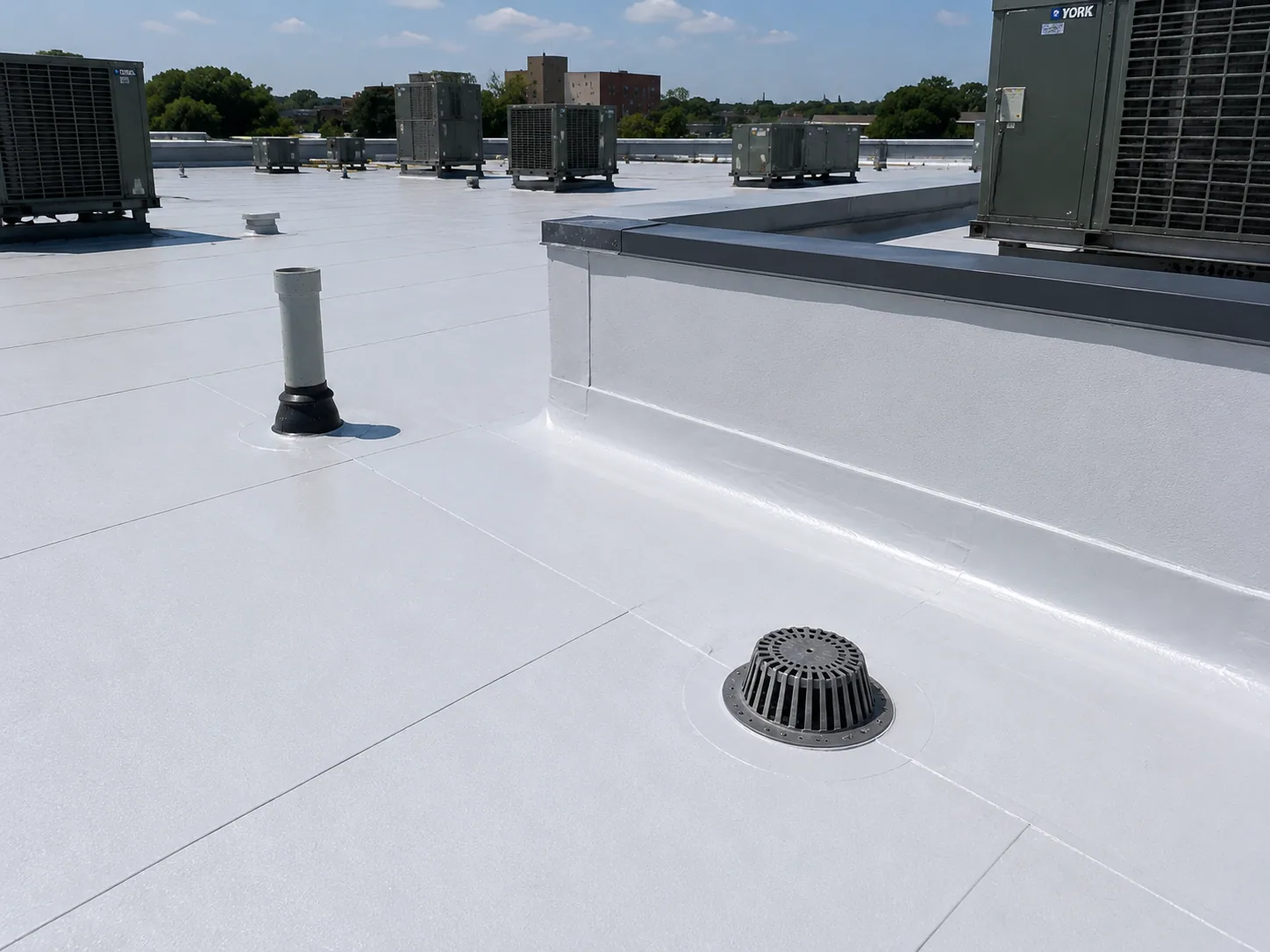
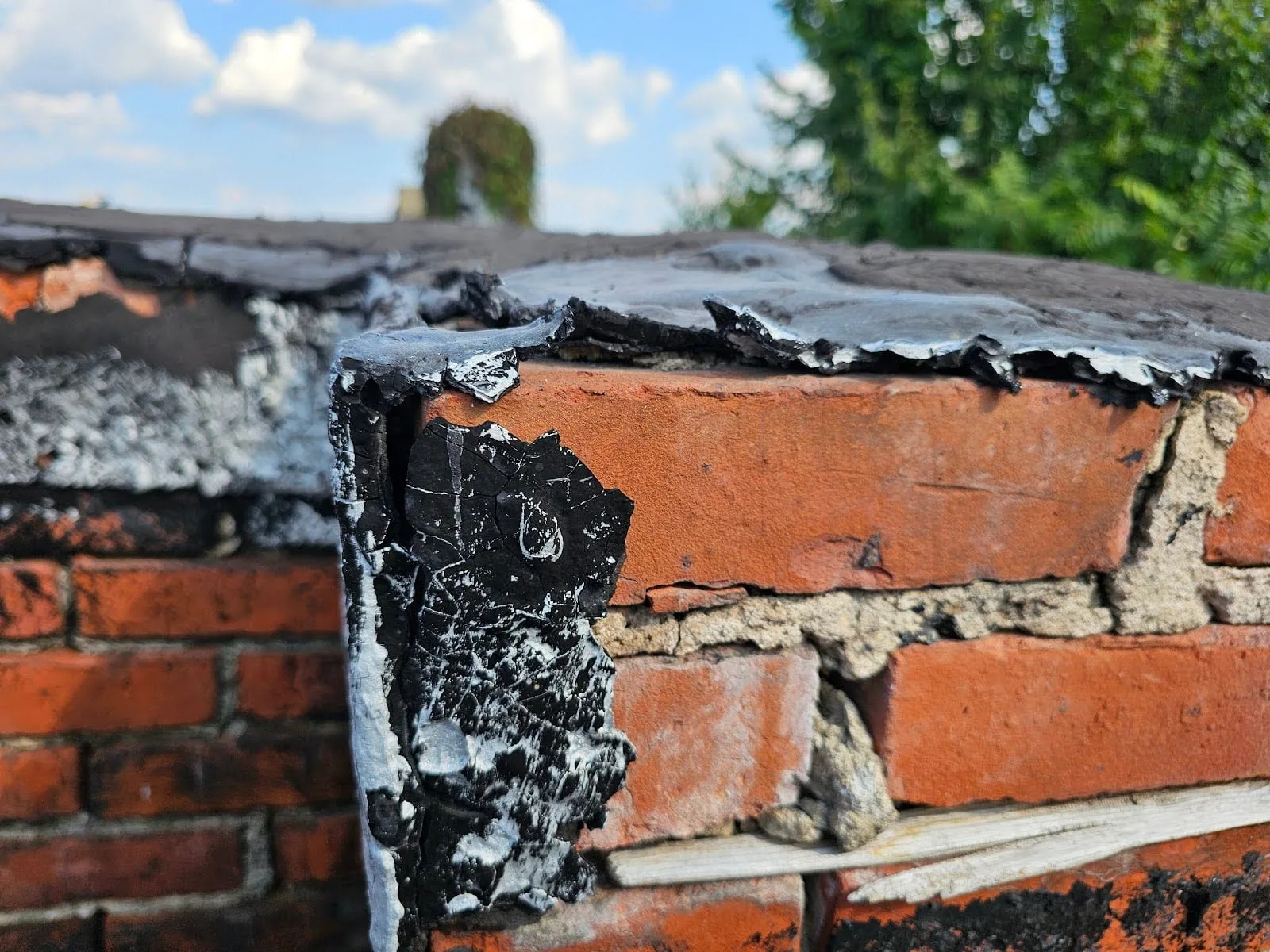
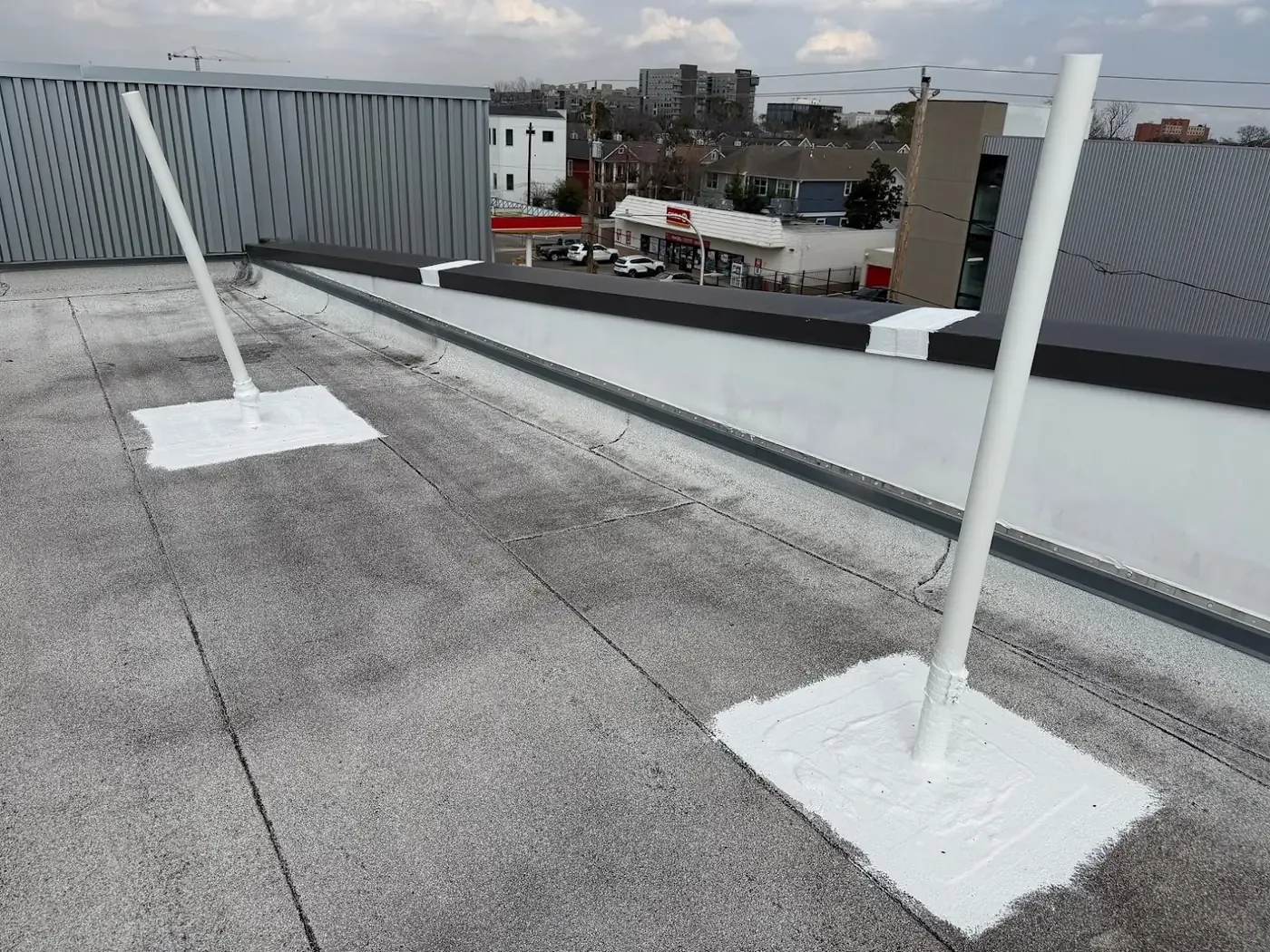
We inspect the membrane around supports, conduit, drains, and roof hatches. A sharp edge, loose fastener, or poorly placed equipment base can continue to damage the sheet after the visible hole is patched. If a puncture sits beside a failed curb corner, we repair both details as separate items. A flashing correction addresses the transition, while the field patch restores the membrane surface.
Carmel City Center combines retail, offices, housing, and public parking. That mixed-use context can make coordinated rooftop access and work-hour planning important, though each building has its own service route and roof rules. We confirm the actual access path, identify who controls it, and note which equipment remains in service during the repair.
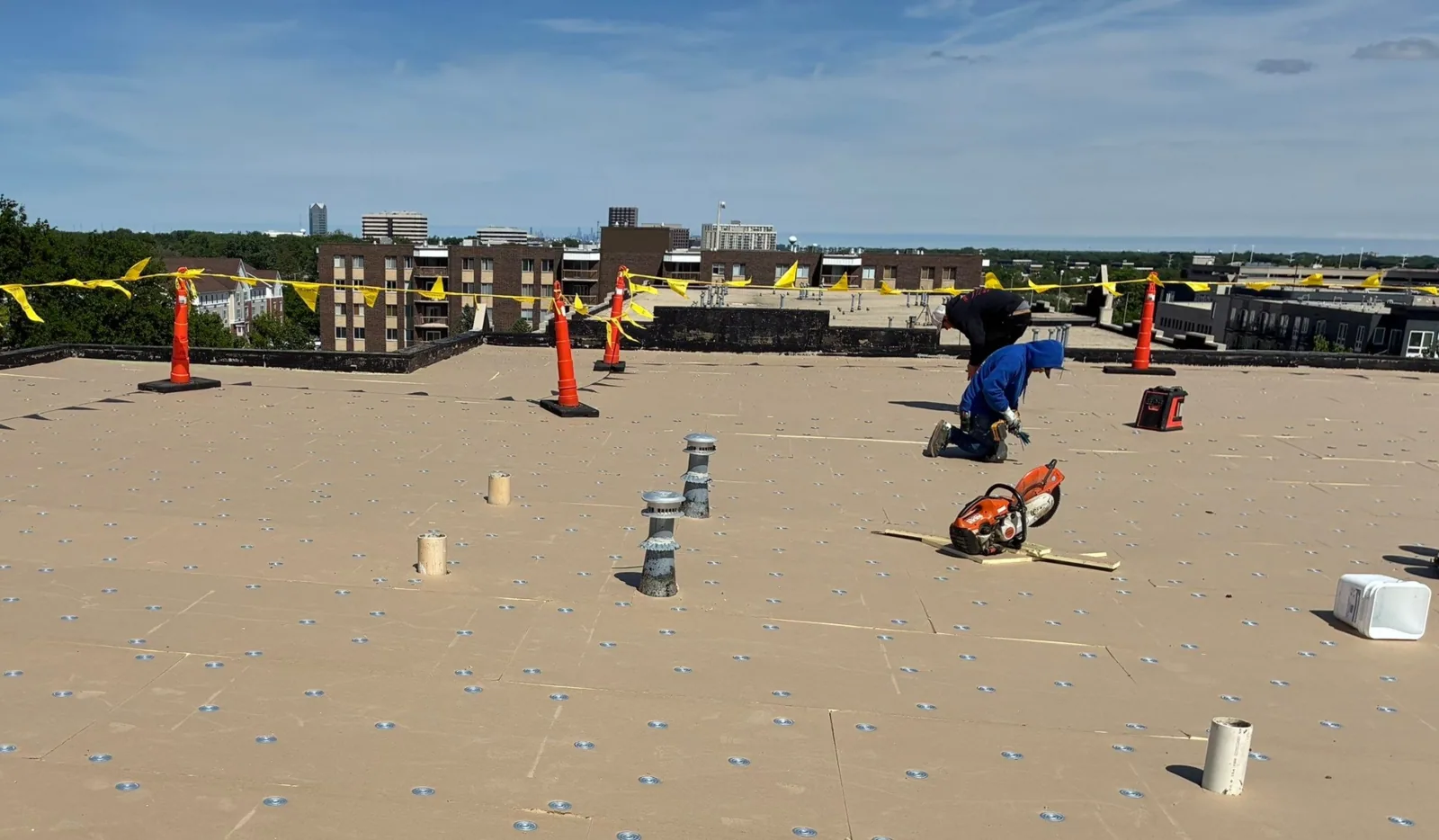
Repair begins with locating the full damage, removing loose material, and preparing a dry, compatible surface. The patch must extend beyond the puncture to sound membrane and follow the requirements of the installed system. We confirm whether the sheet is TPO, PVC, EPDM, modified bitumen, or another assembly where it can be identified, then use a repair method suited to that material.
If the substrate is wet or the puncture reaches the deck, a surface patch will not resolve the underlying problem. We identify the removal area, insulation or cover-board replacement, and tie-in needed to close the roof. The commercial roof repair scope should state which layers are included and what remains outside the measured boundary. If damage is widespread, a wind-damage inspection or broader storm review may be needed to separate those openings from unrelated deterioration.
Foot traffic can call for a walkway or operational change once repairs are complete. We identify the route and equipment access that needs protection, then coordinate the detail with the owner. The repair record should show the patch and the reason the repeated exposure was addressed, so later maintenance does not treat the same area as an unrelated failure.
Membrane preparation and patching require conditions suited to the material. We check surface moisture, temperature, forecast, and access before opening the damaged area. If conditions change, the work plan sets a protected stopping point. A small puncture can still expose insulation or interrupt interior operations if the repair is left open during a shift.
On active commercial sites, we coordinate tools and materials with equipment service, tenant routes, and deliveries. Carmel's U.S. 31 and Meridian corridor has a strong office and employment presence, so a roof visit may intersect with building hours and service activity. We confirm where a lift or ladder can be placed and keep any affected entrance or parking area clear. The occupied-building work plan can help organize access when repair work occurs above active space.
After patching, we inspect the perimeter, seam, and any added walkway protection. If testing or interior checks remain, we identify who will complete them and when. A repair is complete when the membrane detail is restored and the building contact understands what was checked and what still needs follow-up.
Closeout includes the roof section, puncture location, materials, patch dimensions, photos, and any substrate repair. We note whether the damage pattern was isolated or followed a recurring service route. If a route remains unprotected, that open condition should be clear so the owner can coordinate with equipment technicians before the next visit.
Clay Terrace connects retail storefronts along pedestrian sidewalks between 146th Street and U.S. 31. That area context illustrates why roof staging and public paths may need coordination; it does not show the access controls at an individual building. A Clay Terrace area reference can help organize a regional property list while each roof record carries its own patch map and follow-up.
Share roof plans, leak reports, maintenance history, and recent equipment work. We can inspect the damaged area, confirm whether moisture or deck repair is involved, and prepare a scope with clear quantities. If the same route caused more than one opening, we will include the protection detail needed to keep future service traffic from repeating the damage.
Yes, when the damage is limited to the membrane and the substrate remains sound. We check for moisture and soft material before setting the repair boundary.
We compare the room report with roof seams, equipment routes, and transitions above and around it. Water may travel before it reaches the ceiling, so we mark both locations.
We identify the route and coordinate a walkway or access change with the building contact. Replacing the membrane alone may leave the same exposure in place.
It can screen for moisture patterns, but a hands-on inspection must locate the membrane opening. We confirm suspect areas before assigning removal quantities.
A roof plan, photos, leak history, system details, access requirements, and any recent rooftop work help. We verify surface and substrate conditions during the site walk.