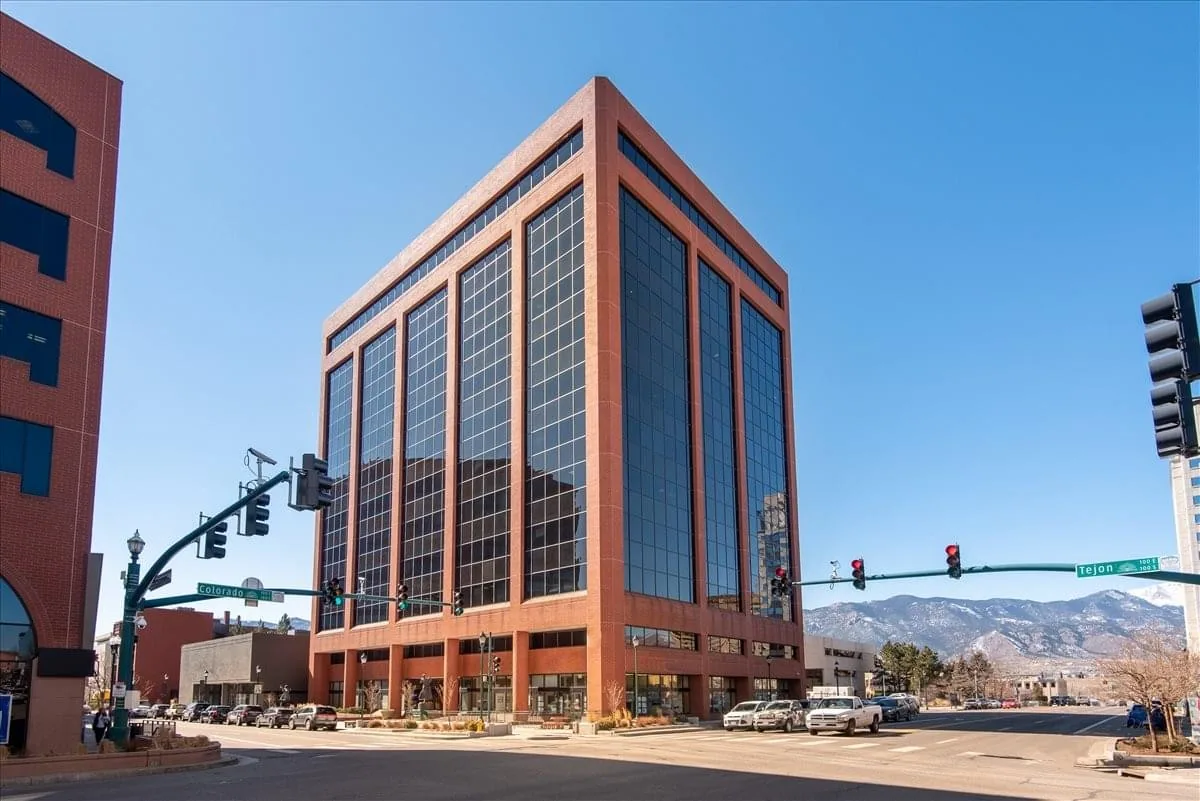
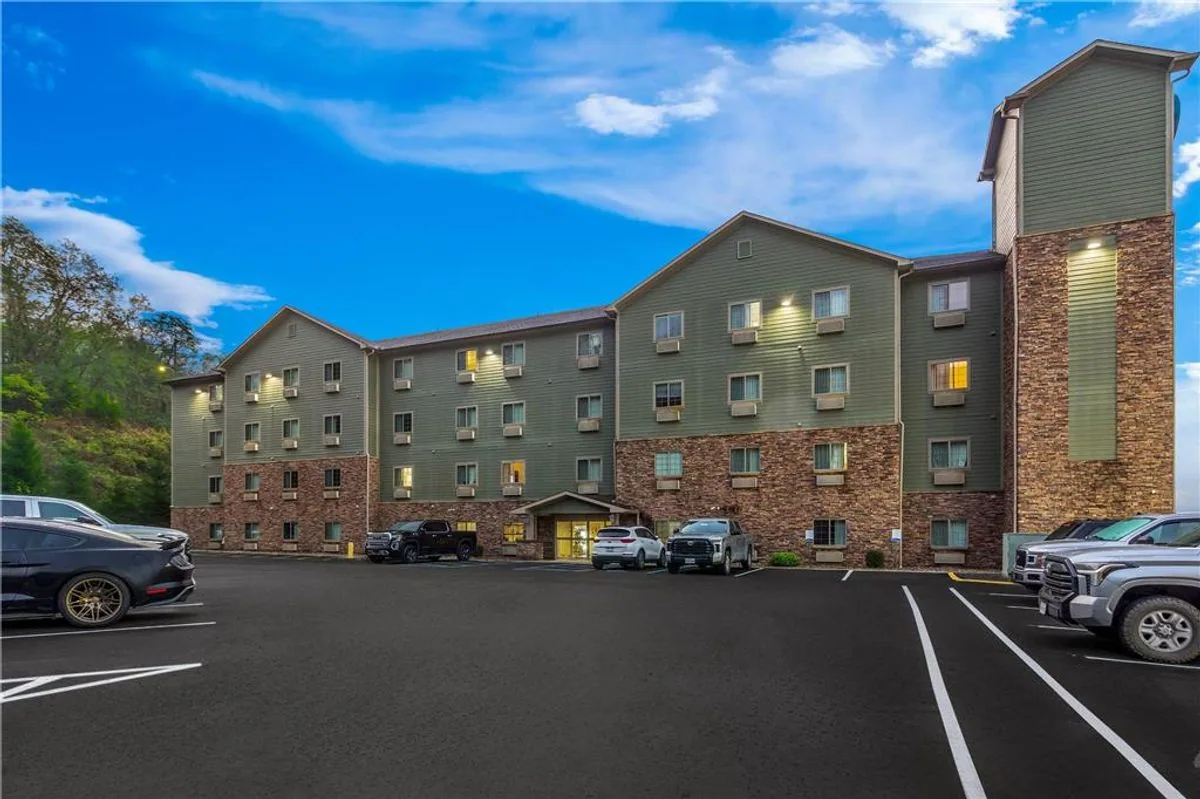
A hotel roof repair is scheduled against an occupancy calendar, not an empty building. A leak near guest rooms, meeting space, food service, or mechanical equipment can affect different parts of the operation. We begin with the room or area reported, service access, roof plan, and maintenance history, then inspect likely entry points and adjacent details. Carmel's Parkwood Crossing includes a 303-room hotel among office buildings, restaurants, and other commercial uses. That is one local example of a property where access and operations vary by building; the inspected hotel's layout sets the actual work plan.
We coordinate with the hotel contact on room occupancy, event schedules, deliveries, housekeeping, kitchen hours, and any area that must stay available. The roof route may share a guest lift, loading zone, or service corridor with staff and guests. We confirm where materials can be staged and which entrances or parking spaces need protection. If a room is occupied below a repair, the scope should include the interior protection and notice plan.
Not every reported leak needs a broad construction zone. We trace the likely path, locate the roof section, and define the smallest practical opening. If moisture is active, temporary protection can reduce interior exposure while testing or permanent repair is planned. A hotel leak response can stabilize a known issue without treating the temporary measure as the final renewal.
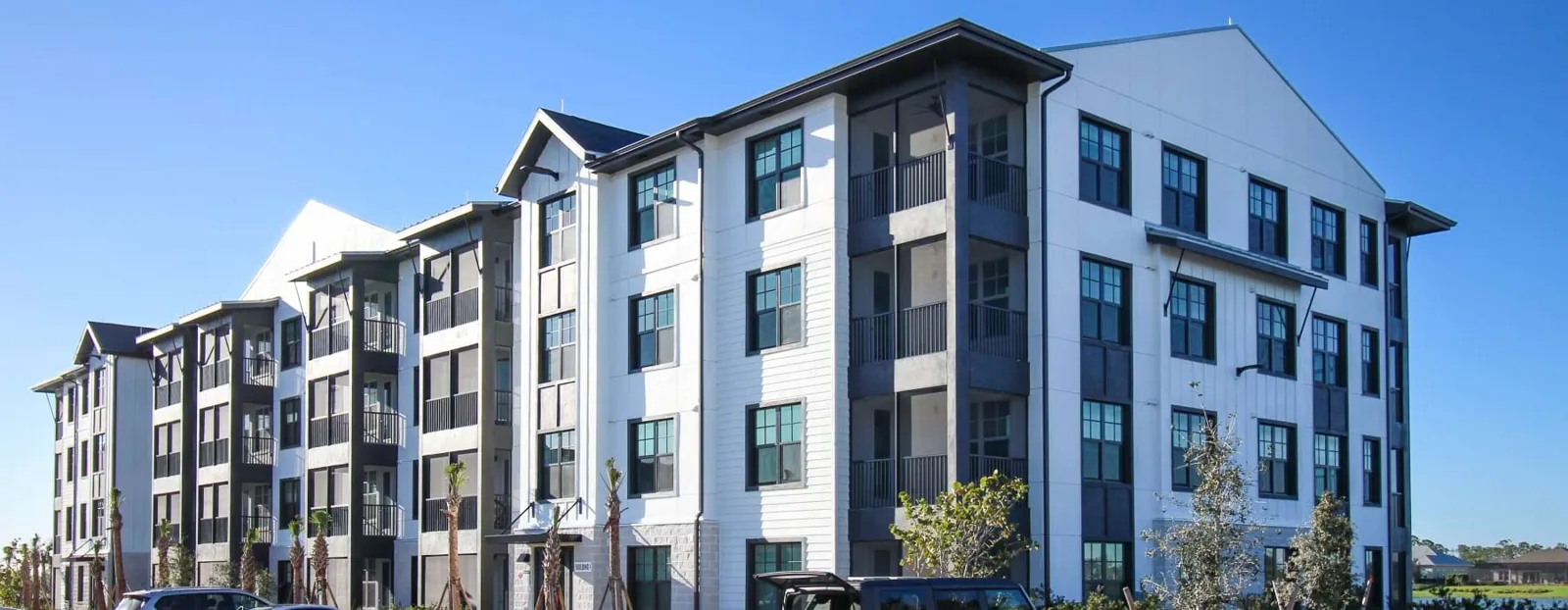
Hotels may have rooftop units, exhaust, signs, satellite equipment, or service walkways. We inspect around those details and coordinate any equipment move with the hotel's maintenance team. If the building includes offices or long-term residential units, separate office roof planning or multifamily roof work may require different resident and tenant notices.
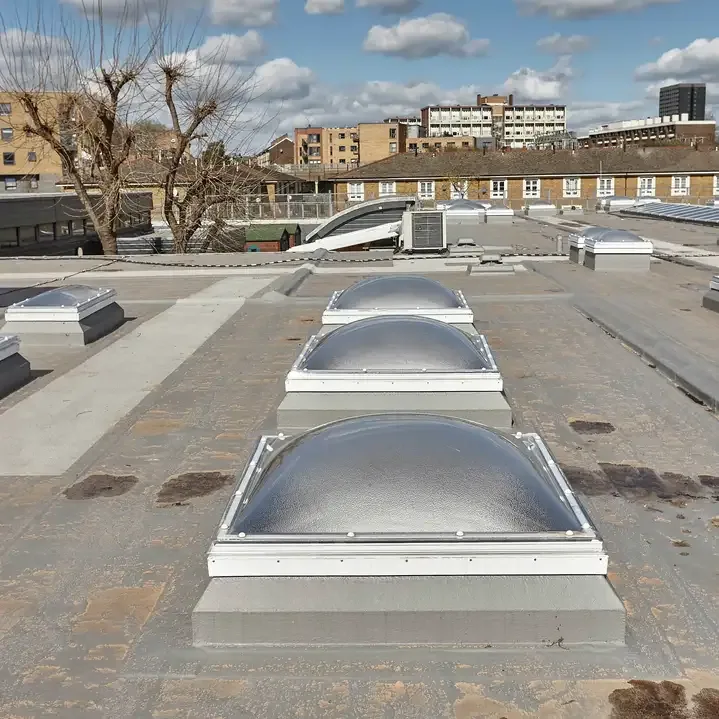
We inspect membrane seams, edges, parapets, drains, scuppers, skylights, and equipment curbs. A ceiling stain can appear away from the opening because water runs along a deck, insulation joint, or framing member. We compare the reported time with rain, thaw, maintenance work, and past repairs, then check the likely roof path. If a room has a recurring issue, the record should show whether the same detail has been repaired before.
Hotel roofs often have several service trades. HVAC work, exhaust cleaning, sign changes, and cable installation can alter penetrations or leave traffic damage. We look for loose counterflashing, open corners, compressed insulation, and patches that do not tie into stable material. A flashing repair can be scoped at the detail, while wider membrane concerns remain separate.
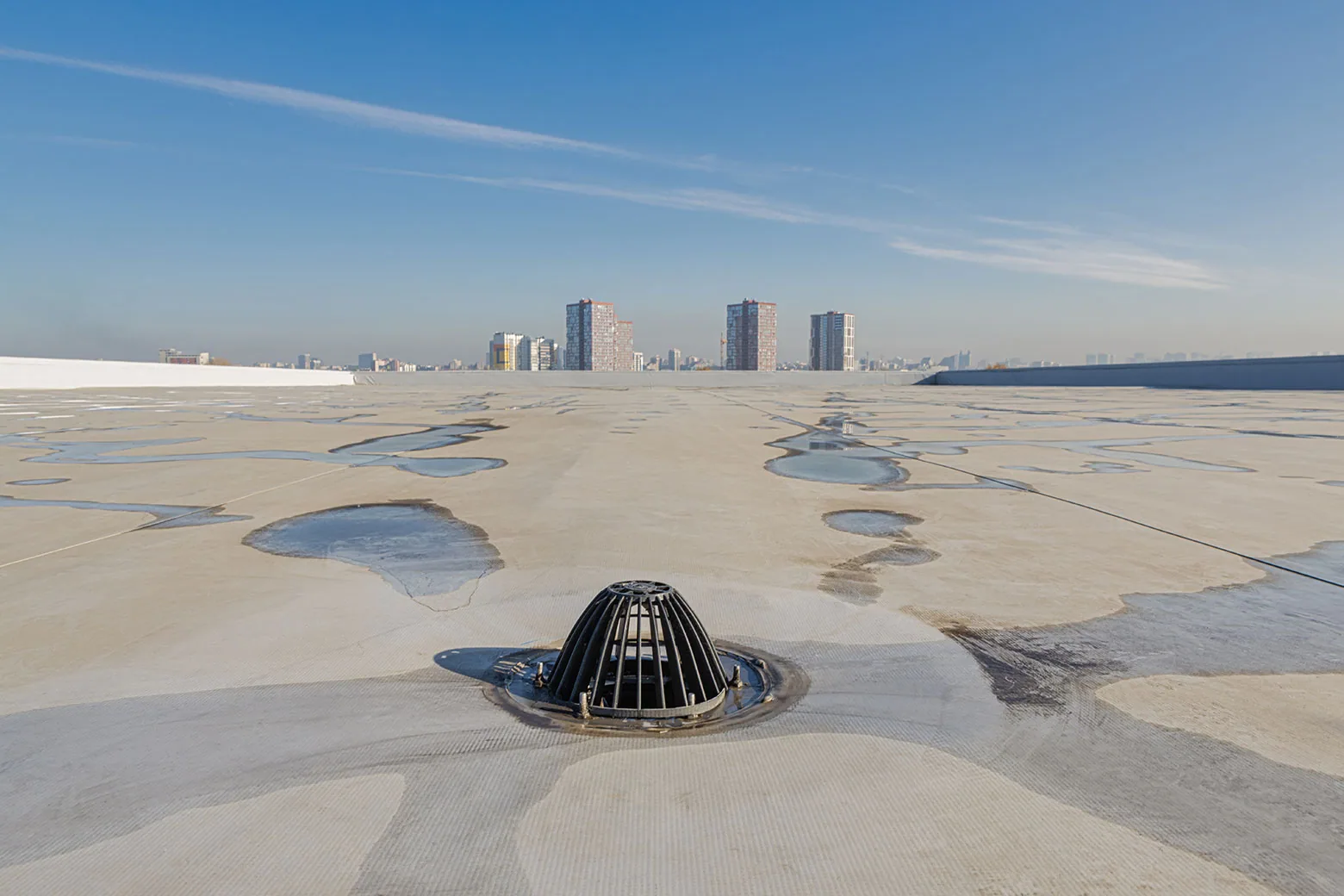
Drainage matters near guest spaces because an overflow or backed-up drain can create interior damage. We inspect strainers, drain bowls, overflow routes, and low points, noting debris and standing water. If the outlet is clear but water continues to pond, we review slope and deck condition rather than add surface sealant. A drainage review can identify maintenance versus construction work.
Indianapolis is the nearest long-term weather station used for Carmel climate normals. Its annual records include 43.63 inches of precipitation and 25.5 inches of snowfall. Those regional averages do not determine a hotel's roof capacity; they make drains, overflow routes, and safe winter access worth reviewing. We inspect actual low areas and note whether the roof can support permanent work during the planned window.
Freezing periods and wet roof surfaces can narrow the safe window for permanent work. If conditions do not support preparation, we define temporary protection and a return date rather than leave an active leak without a next step. The hotel can compare that schedule with event dates and room turnover.
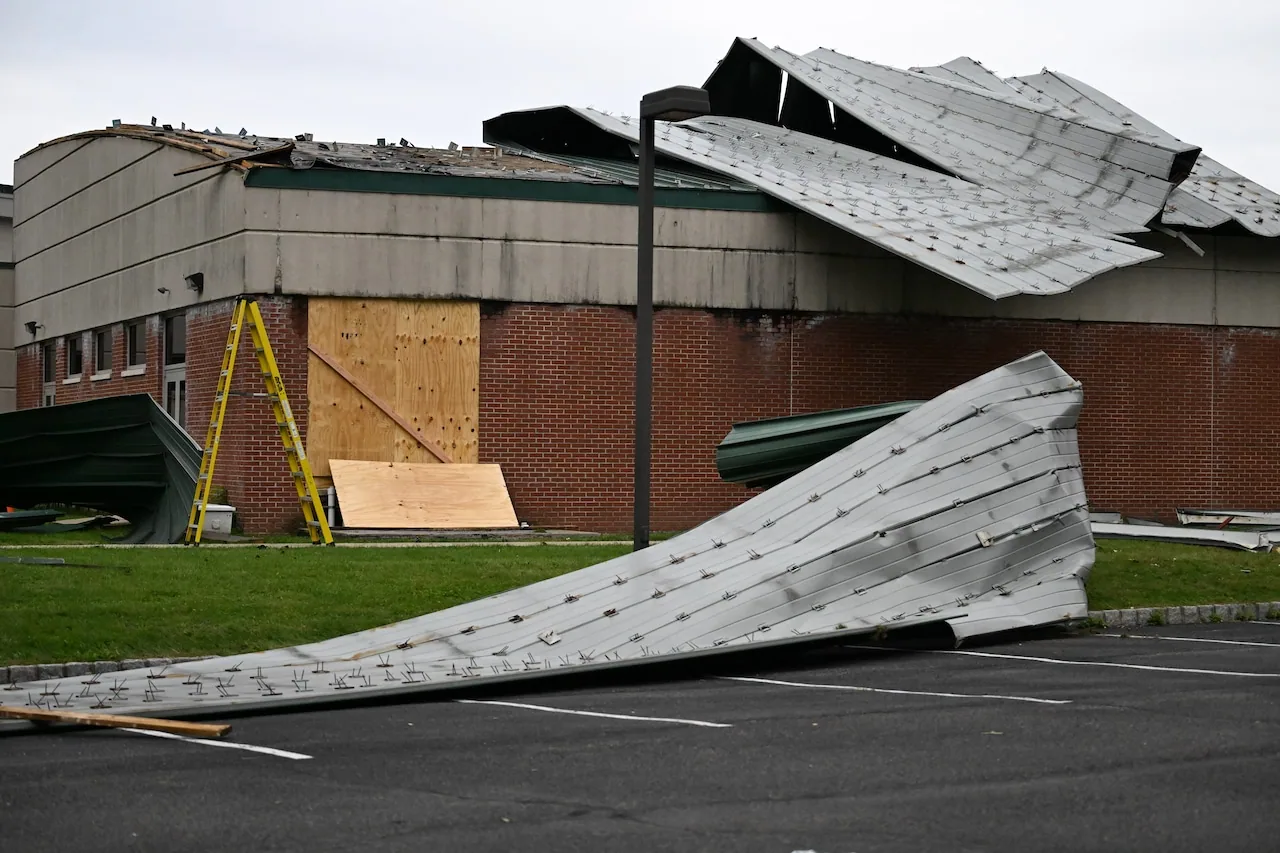
NWS severe-weather records include hail and damaging wind events in Hamilton County. After a reported storm, we check edges, flashings, skylights, and equipment attachments for visible changes. County history does not establish damage at a specific hotel. A field inspection records the condition, and we document any observed movement or impact.
A repair scope identifies the roof section, detail, preparation, material, interior protection, and work boundary. If a single curb or seam is responsible, a targeted repair may avoid a larger disruption. If similar defects occur across separate roof sections or leak calls continue after repairs, we compare the record with broader renewal. We list untested areas so the owner knows what remains uncertain.
Before a recover, we review existing layers, moisture, deck, attachment, perimeter height, and drainage. A new membrane should not conceal wet insulation or an unstable substrate. A recover evaluation can define those conditions; if removal is appropriate, replacement planning can phase work around guest areas, deliveries, and event schedules.
Cost and timing depend on measured roof quantities, number of details, lift access, room protection, material lead time, permit steps, and weather. We show confirmed measurements separately from allowances for concealed conditions. That lets hotel ownership compare options and see which assumptions could change after opening the roof.
Before mobilization, we confirm roof access, credentials, staff escort needs, staging, lift placement, deliveries, quiet hours, and any guest route to protect. The facilities contact can identify event setup, kitchen deliveries, and areas that cannot be closed. We align the crew's work boundary with those constraints and communicate the daily plan to the person managing the property.
Each shift needs a stopping point that leaves the roof watertight. We identify weather triggers, temporary cover, cleanup, and who approves a change if a concealed condition appears. A phased job keeps completed areas protected while crews move to the next roof section. If a project requires guest-room impact, the hotel can schedule repairs around turnover or reserve rooms before work begins.
We confirm which Carmel permit steps and inspections apply, then place those milestones beside equipment work, room access, and material delivery. That schedule gives hotel operations a clear view of dependencies against its booking calendar.
Closeout should include roof sections, photos, materials, repair details, exclusions, and any recommended follow-up. A marked plan helps a new facilities manager connect a guest report to the area previously repaired. We identify whether moisture was confirmed and which spaces or roof areas were not accessible, so an open question does not get mistaken for a resolved condition.
The hotel at Parkwood Crossing sits within a larger commercial redevelopment that also includes offices, restaurants, and parking. Carmel's central City Center adds another mixed-use district with retail, office, housing, and public parking. These locations show why property access differs from one operation to another; a hotel roof record should stay tied to the actual building and service rules. A condition report can preserve measured work for the asset file.
Share the roof plan, leak history, equipment list, event calendar, and access procedures. We can inspect with hotel engineering and prepare a repair or renewal scope that keeps guest and staff needs visible in the sequence.
Often, when guest routes, work hours, interior protection, and daily dry-in are coordinated. Work above a sensitive room may need a reserved window or additional protection.
Protect the room, notify facilities, and record when the water appeared. We trace the roof path, stabilize active entry, and define the permanent repair after checking the assembly.
Event setup and guest occupancy can affect lift access, deliveries, noise, and which areas remain available. We use the event calendar to phase work and identify schedule dependencies.
Not in every case. We coordinate with hotel engineering, inspect the curb and service path, and determine whether the equipment can remain in operation during the roof work.
Keep marked areas, photos, materials, exclusions, and follow-up recommendations. Those records let future staff see which detail was repaired and what still needs observation.