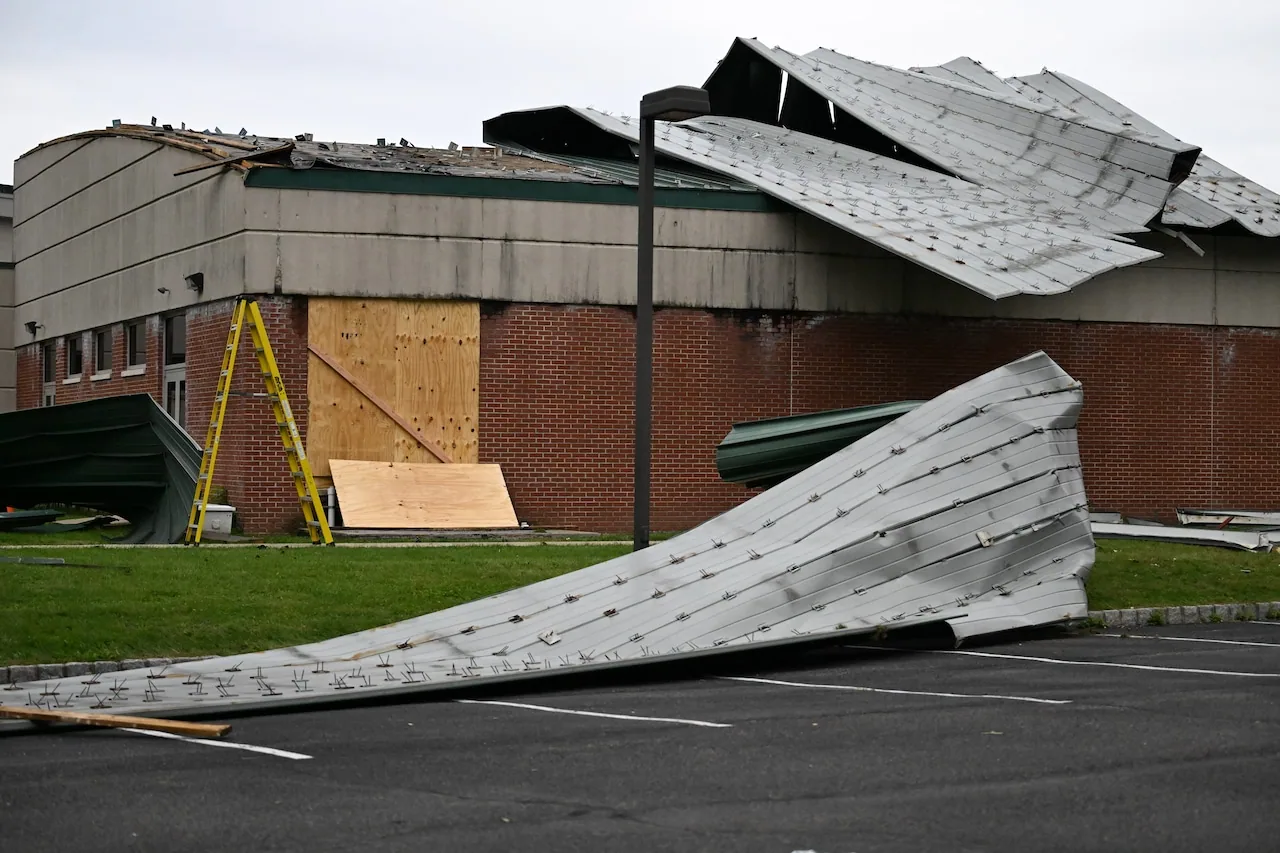
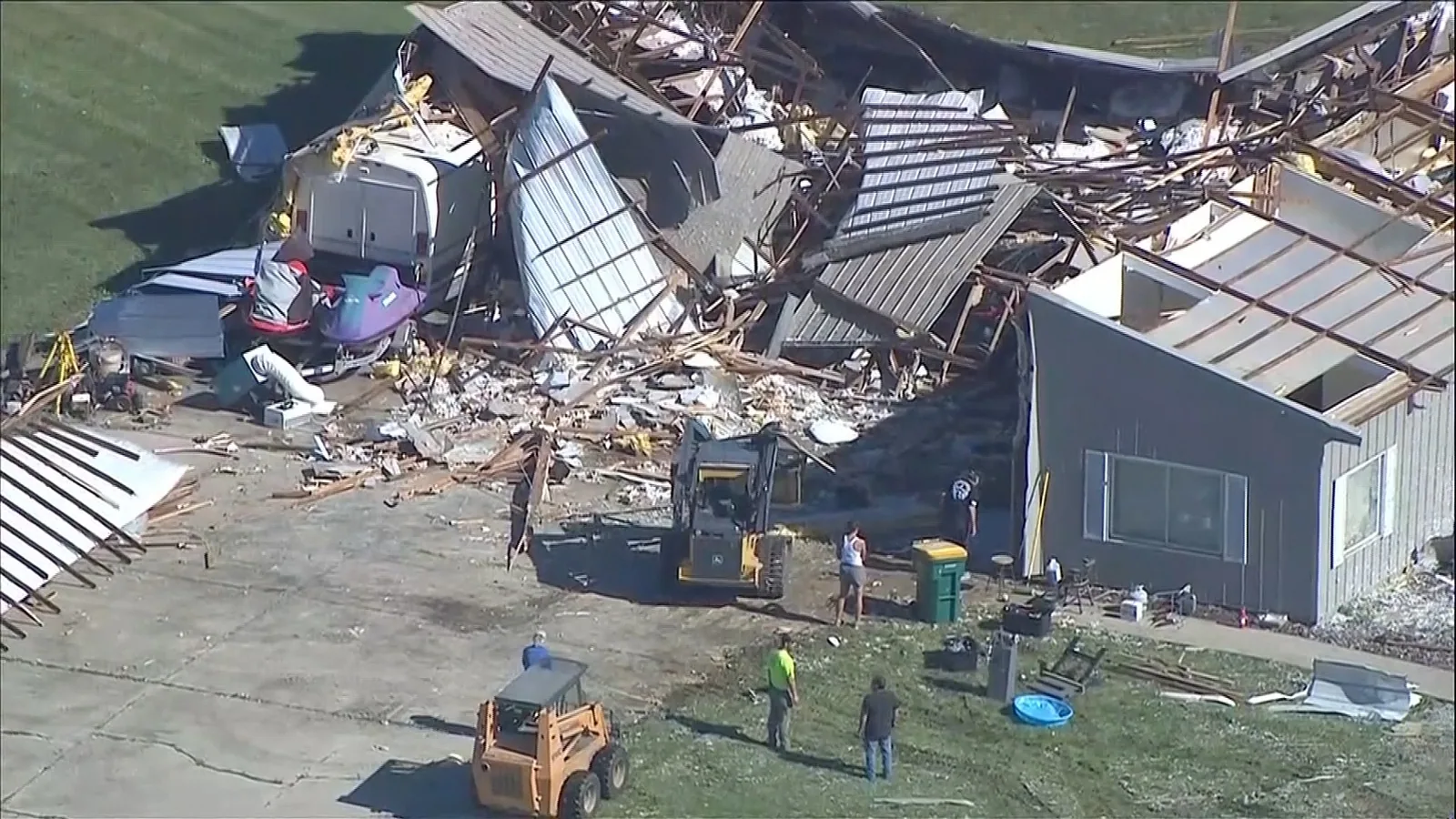
A tornado report can leave an owner with a building to protect and a roof that cannot be safely entered. We start with the cleared access boundary, interior reports, and visible exterior conditions, then identify openings, displaced materials, and sections that need temporary cover. Hamilton County has recorded tornado touchdowns. We inspect the building for visible roof damage and set the repair boundary from the conditions found on site. Carmel properties in areas such as Parkwood Crossing include multiple commercial uses, so each roof and operating contact needs a separate status.
We document visible conditions and any section not reached. Wind can lift an edge, open a seam, puncture a membrane, or move rooftop components; debris can create a separate opening. These conditions call for different repairs. The owner gets an urgent protection plan first, followed by an inspection scope that separates confirmed work, testing, and longer-term renewal decisions.
Before the roof walk, confirm that emergency responders have released the area and that structural, electrical, and falling-debris hazards have been addressed. A damaged parapet, loose equipment, or exposed deck can make a normal route unsafe. We use ground observations and interior reports to identify candidate areas, then follow the access limits set by the responsible site authority. If entry is not cleared, we record what can be seen safely and return when the conditions allow.
Temporary protection should keep rain out without adding loose material that can move in another gust. We note the opening size, fastening or containment method, and who will monitor the cover. An emergency roof response can stabilize a cleared area while the owner coordinates the full restoration. The temporary measure remains a separate line from permanent membrane, metal, insulation, or deck work.
Carmel City Center combines offices, retail, housing, and public parking. In a property with active public circulation, we coordinate equipment, debris, and occupant routes with the building contact. District context helps frame access planning, but the contact for the affected building sets the actual route, re-entry conditions, and work hours.
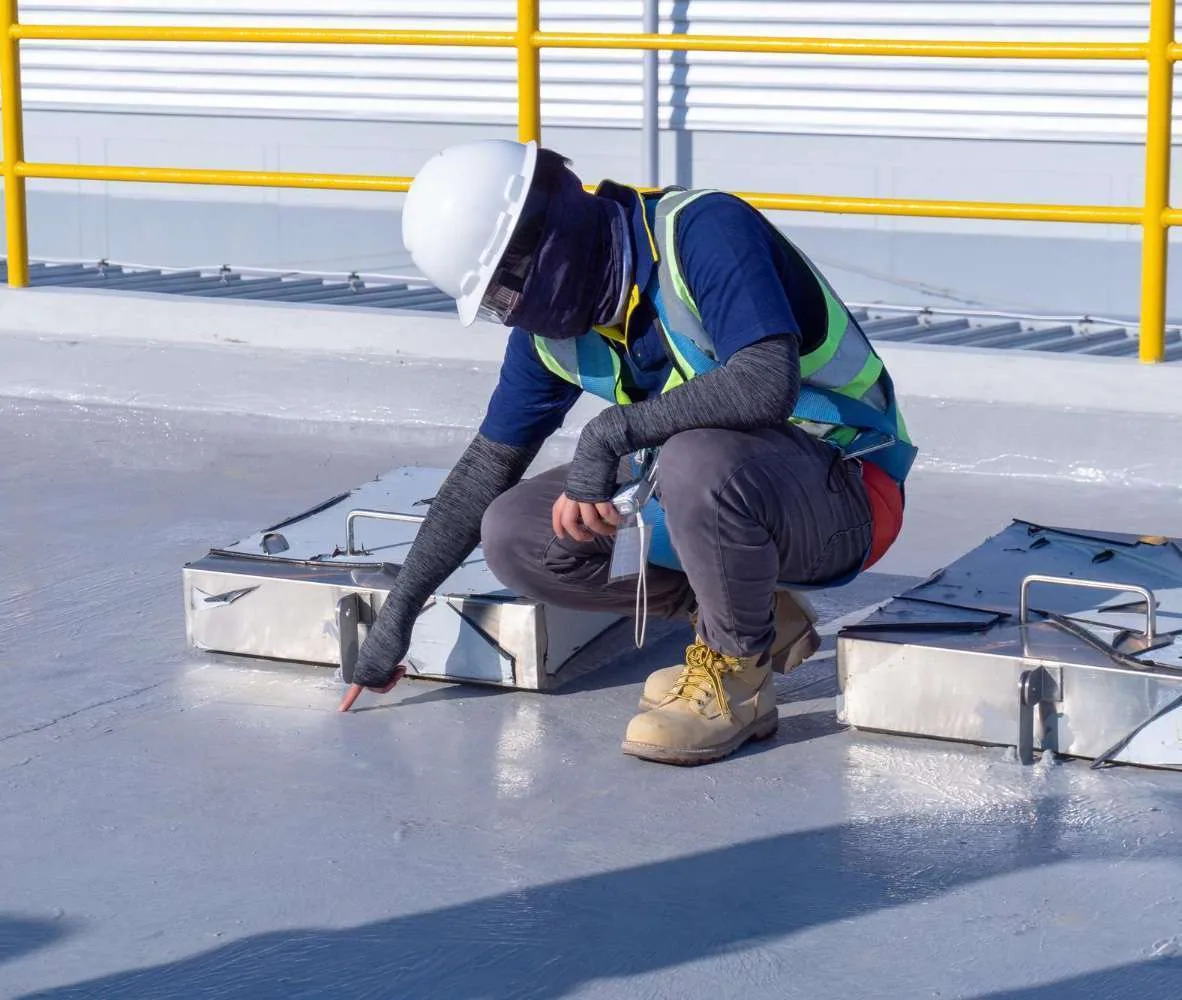
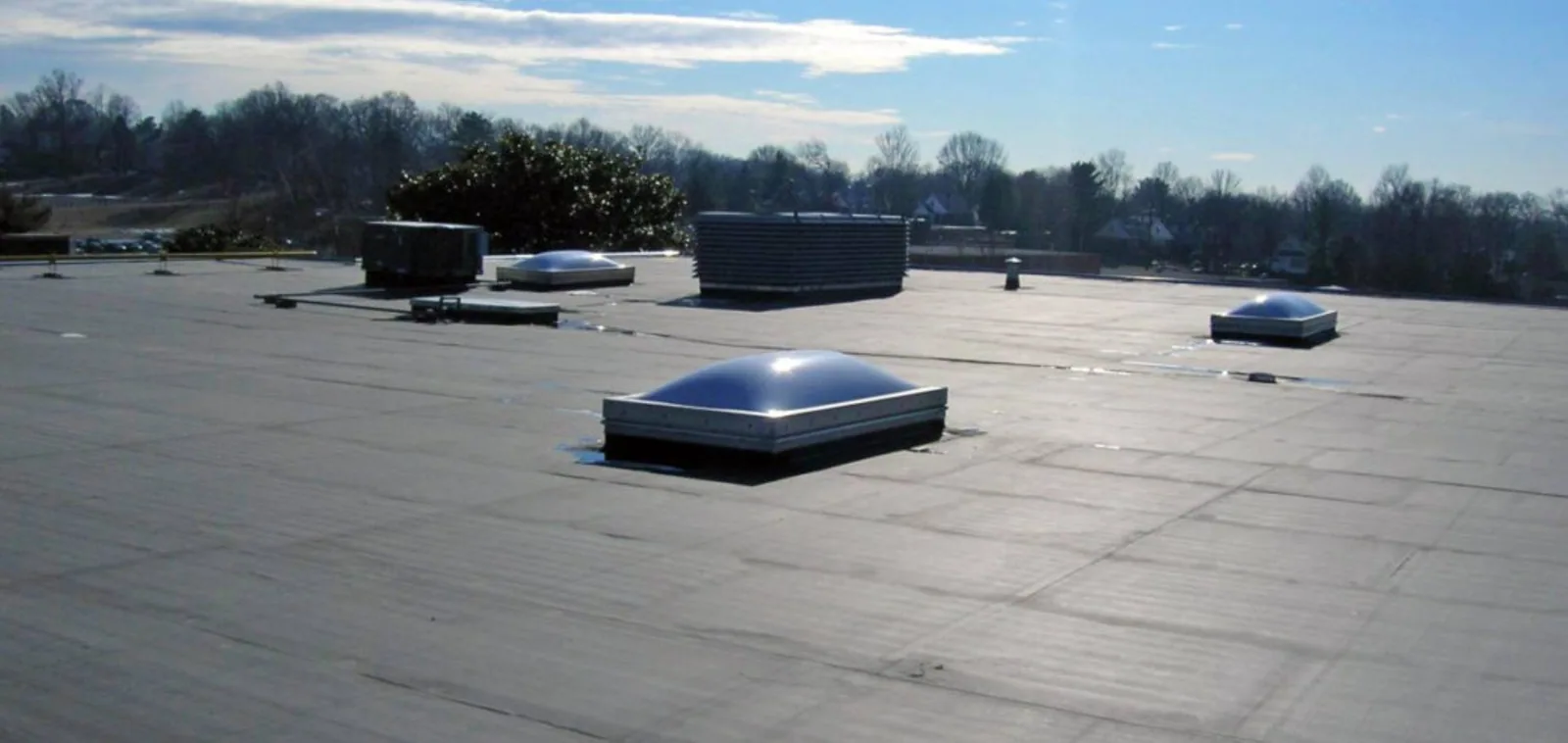
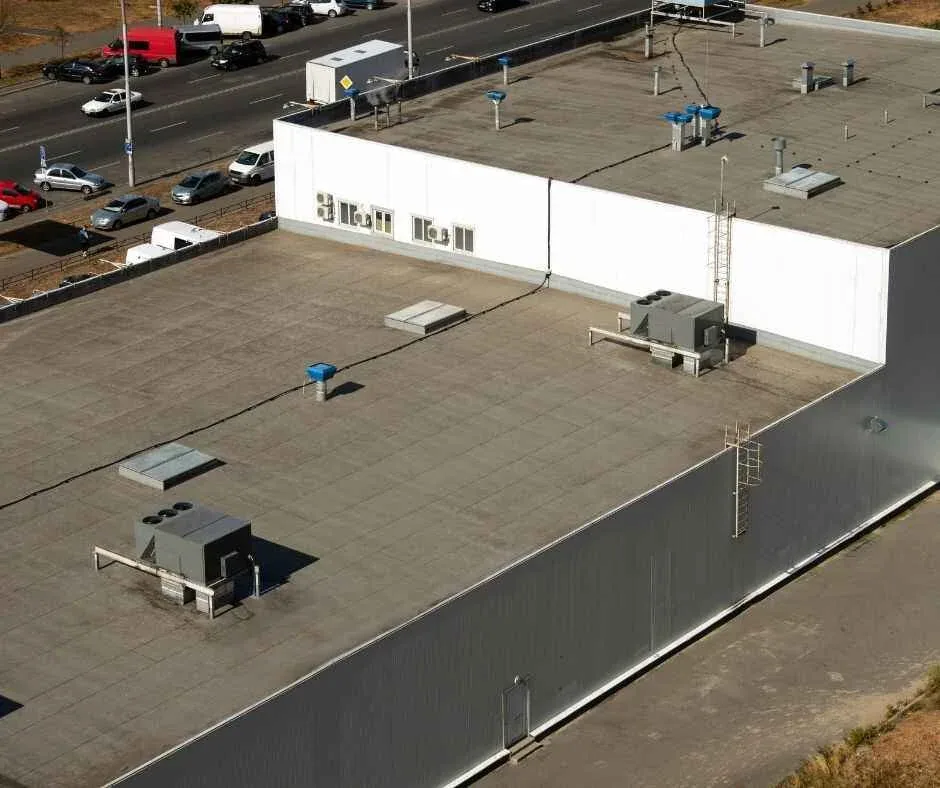
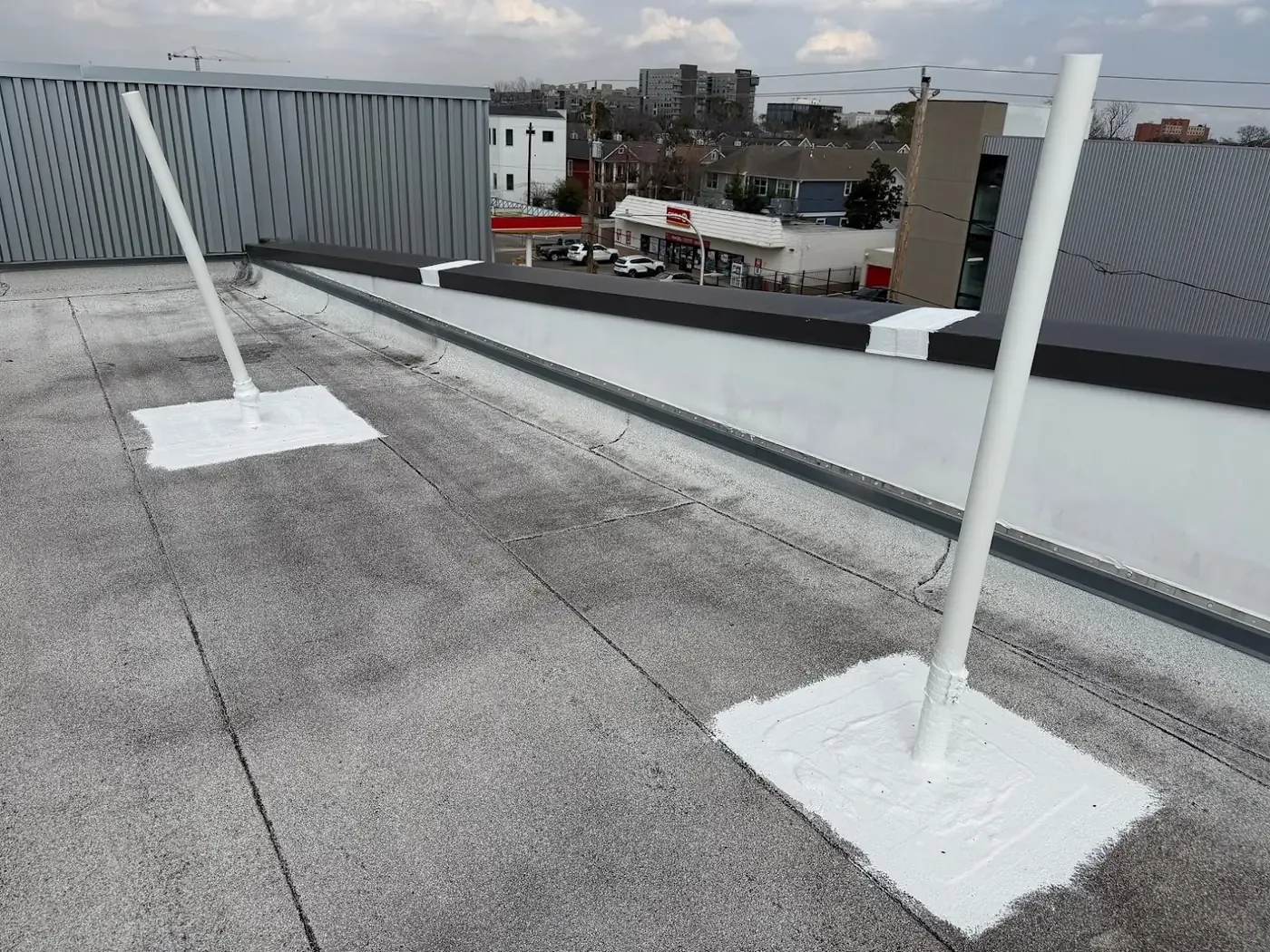
We inspect the field membrane or metal, edges, corners, curbs, drains, vents, skylights, and prior repairs. A shifted coping may expose a wall transition; a lifted lap may allow water beneath the sheet; debris can puncture a section farther from the perimeter. Photos show both the damage and nearby roof details, while the marked plan ties each item to a building and section.
Inside, we record water entry, ceiling conditions, equipment or inventory exposure, and the time each issue was reported. The interior location may sit away from the opening because water can move along the deck or insulation. A commercial roof inspection can compare roof observations with those reports once access is safe. If hidden moisture could change the removal area, we explain whether a selective opening or infrared survey can inform the next decision.
After a tornado report, we inspect edges, seams, penetrations, drains, and rooftop equipment, then record visible changes by roof section. Repair quantities follow those observations and any testing needed to confirm concealed conditions.
One roof can have several kinds of damage after a tornado. We list edge movement, open seams, punctures, flashing separation, and water intrusion separately. A wind-damage repair can address shifted perimeters or lifted laps, while puncture repair focuses on a hole caused by debris or impact. The photographs and repair map should show why each task is included.
We identify the assembly before selecting materials. The repair may require membrane preparation, sheet tie-in, new flashing, metal replacement, or insulation and cover board removal. If deck damage is concealed, the scope states what is confirmed and what requires a controlled opening. The commercial roof repair scope can separate the known quantity from allowances for hidden conditions.
When damage spans multiple sections or the roof cannot be restored with a stable boundary, we compare broader replacement. A replacement evaluation can show removal, insulation, edge metal, equipment transitions, and disposal. A recover option belongs in the comparison only if the remaining deck and layers can support it and perimeter heights and drains still function as designed. The owner can then compare a localized repair, a phased renewal, and a full assembly decision.
We rank work by active water entry, exposed interior, loose material, and the risk of another weather event. Each building receives its own access and protection status. On a multi-building campus like Parkwood Crossing, offices, lodging, restaurants, a bank, and parking share the broader area, but the roof impacts and operating contacts differ. We confirm the actual property use and service route before setting a crew sequence.
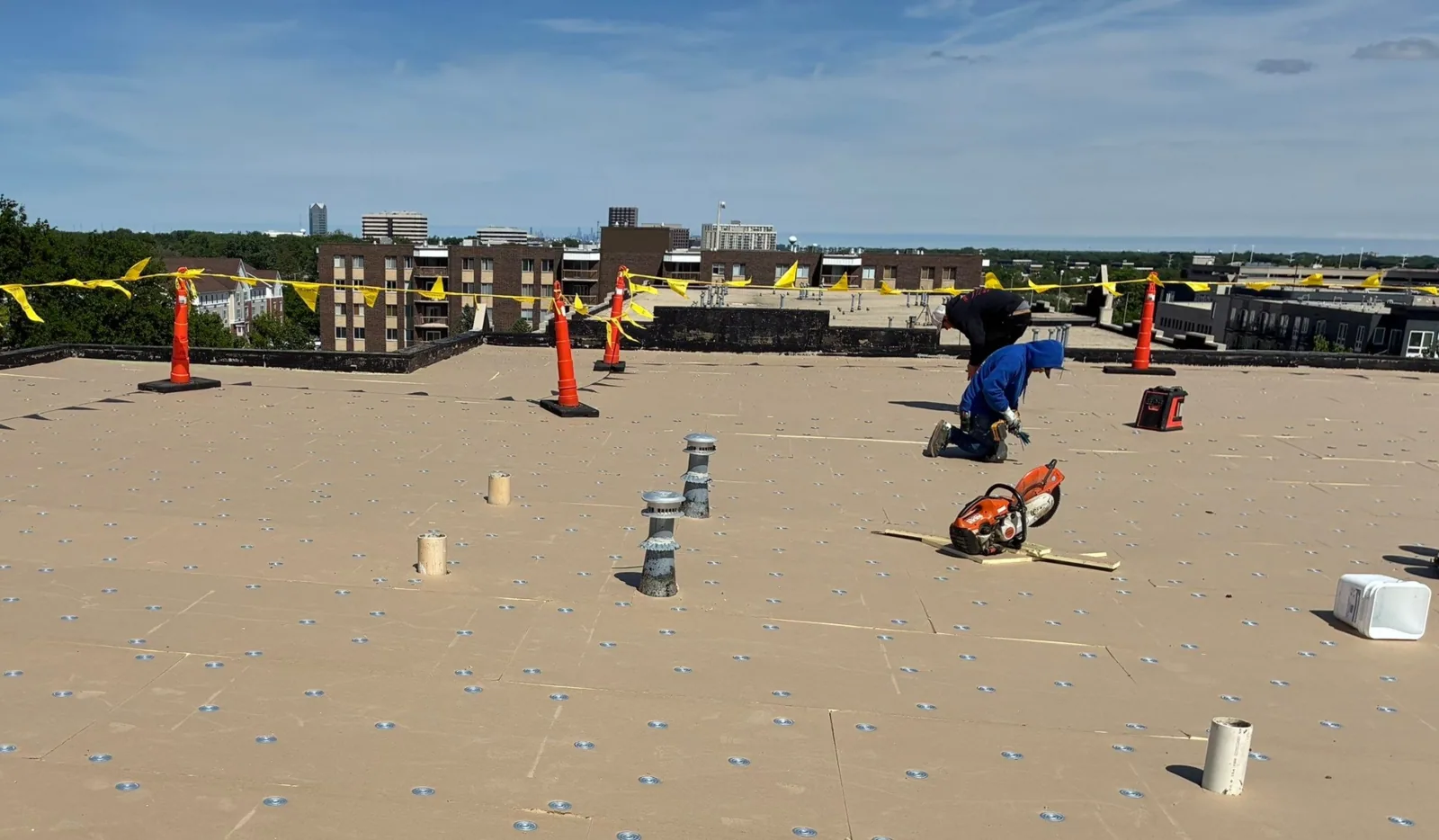
Weather conditions affect how much can be opened and which repair method can be installed. We confirm the forecast, surface condition, material requirements, and dry-in points before mobilization. If a section must remain under temporary cover, the owner receives a check interval and a contact for changes. We keep work zones small enough to close before the end of the shift. We also identify where temporary protection meets a sound section, so later work can remove the cover without disturbing a verified repair boundary.
For occupied buildings, we coordinate lift placement, deliveries, debris removal, and interior protection with operations. Carmel's Meridian and U.S. 31 employment corridor includes office uses, where equipment access and tenant schedules may affect the visit. We plan around actual facility rules instead of assuming a standard working day. A phased occupied-building sequence can support longer repairs after stabilization.
The repair file should identify temporary protection, areas inspected, material installed, photos, measured quantities, testing, and open items. We note which sections were inaccessible during the first visit and whether they received a later review. That lets the facilities lead compare the initial status with completed repairs without treating a temporary cover as permanent work.
Carmel Midtown includes offices, housing, restaurants, commercial space, and public parking. For a multi-building visit at Parkwood Crossing, we coordinate access with each property contact and keep every roof condition in its own asset record.
Send the building list, event timing, safe-access instructions, leak reports, and any temporary work already installed. We can inspect cleared areas, stabilize openings, and prepare repair or renewal scopes. If additional testing is needed, the report will show what question it answers and how the result could change the work boundary.
No. Hamilton County's recorded tornado history provides regional context. The building inspection identifies moved edges, openings, impact, and water entry at the roof.
We work only within areas cleared for safe access. If roof entry is restricted, we document exterior and interior observations and return when authorized access is available.
Safety and active water entry come first. We protect exposed areas, identify loose material, and then measure permanent repair needs as the roof can be inspected safely.
Confirmed quantities stay separate from concealed conditions. We identify the test or opening needed to check those layers and state how the result could affect removal and tie-in work.
Yes, with separate maps and status records for each asset. We rank urgent openings first and coordinate access and operating contacts for each building.